If you want roach control you can put down and walk away from, bait stations are the lowest-effort option, but they are also the slowest and the weakest in a heavy infestation. The honest short answer: stations are for a few stray roaches and for holding ground after cleanup, not for an active German roach problem in the kitchen, where a gel bait clears it faster. These are the stations we would keep under our own sink for maintenance. This guide covers what to do before you buy anything, which station fits your situation, and the popular disc that wastes money.
Bait stations are a maintenance and low-grade tool. For an active German roach infestation, gel bait works faster, and even among stations the cheap consumer disc loses to a pro arena.
- Do first: fix leaks, clean grease, cut off water and crumbs (free)
- Best for a real infestation: gel bait, not stations
- Stations are right for: a few roaches, prevention, set-and-forget upkeep
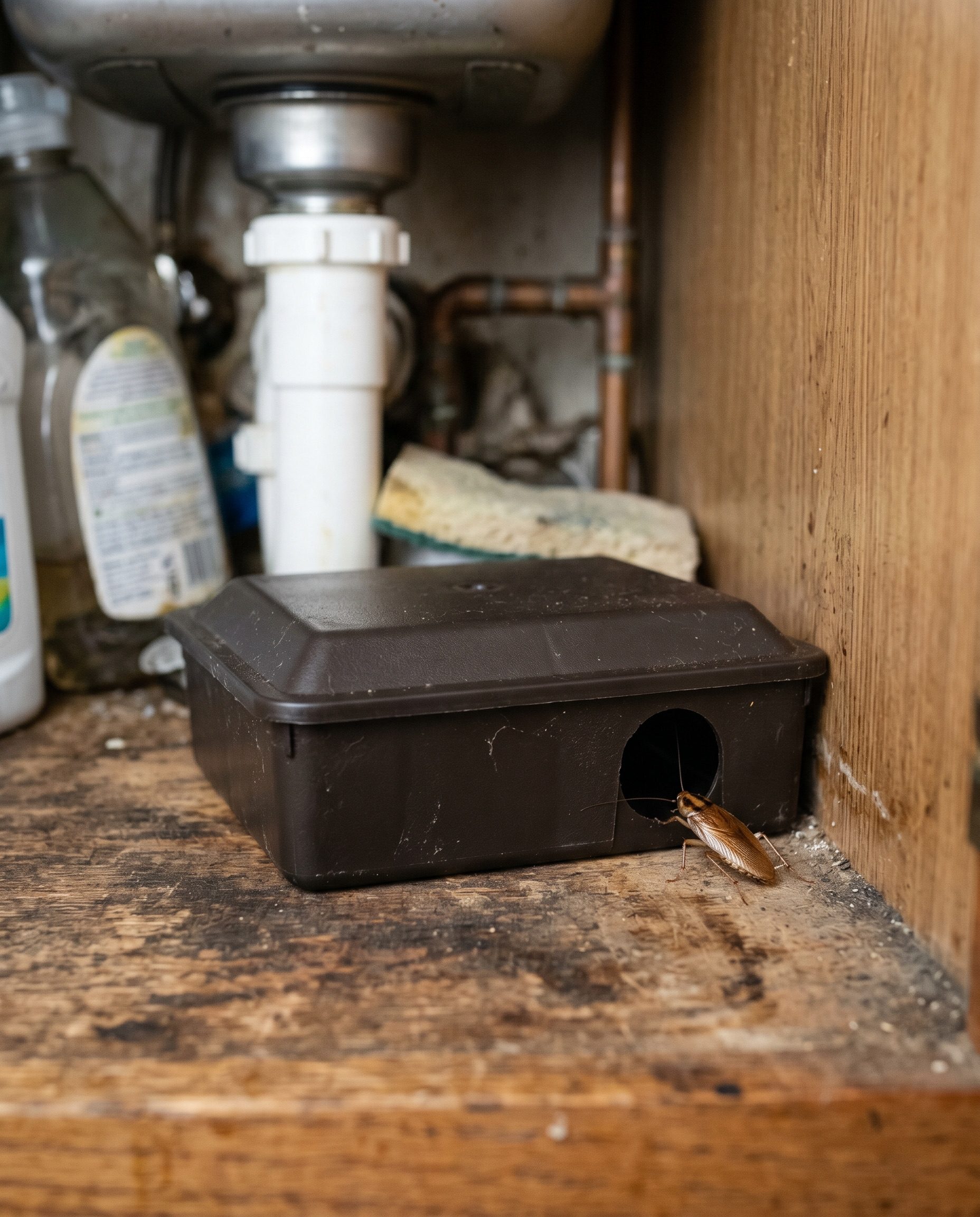
When stations are the wrong tool
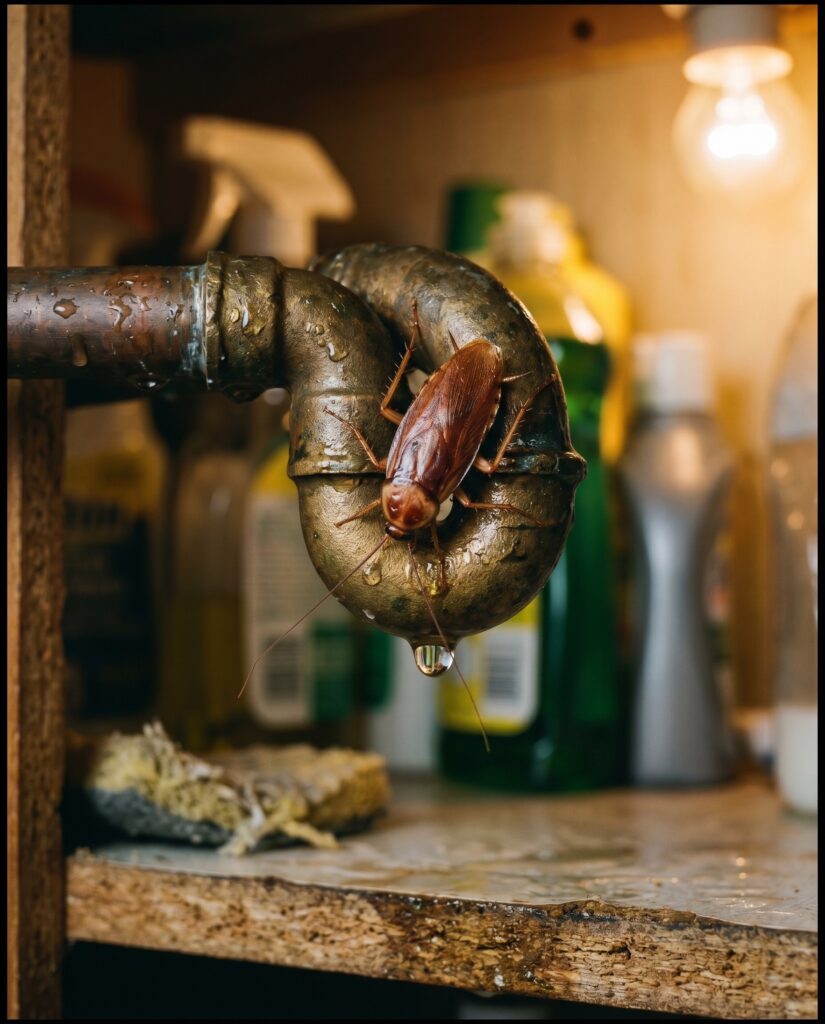
A bait station is a sealed plastic disc with a slow-acting insecticide inside. Roaches walk in, feed, carry the dose back to harborage, and die there. That sharing effect is real, and it is why baits work at all. The problem is throughput. A disc only feeds roaches that wander into it, so against a breeding German roach population it works too slowly to keep up.
The math is brutal. UF entomologists note a single German roach egg capsule holds 30 to 40 eggs, and a female makes several in her short life. When the colony is doubling, a passive disc cannot keep up. Gel beats stations in an active infestation because you place dozens of small dots right on the roach highways, so far more of them feed.
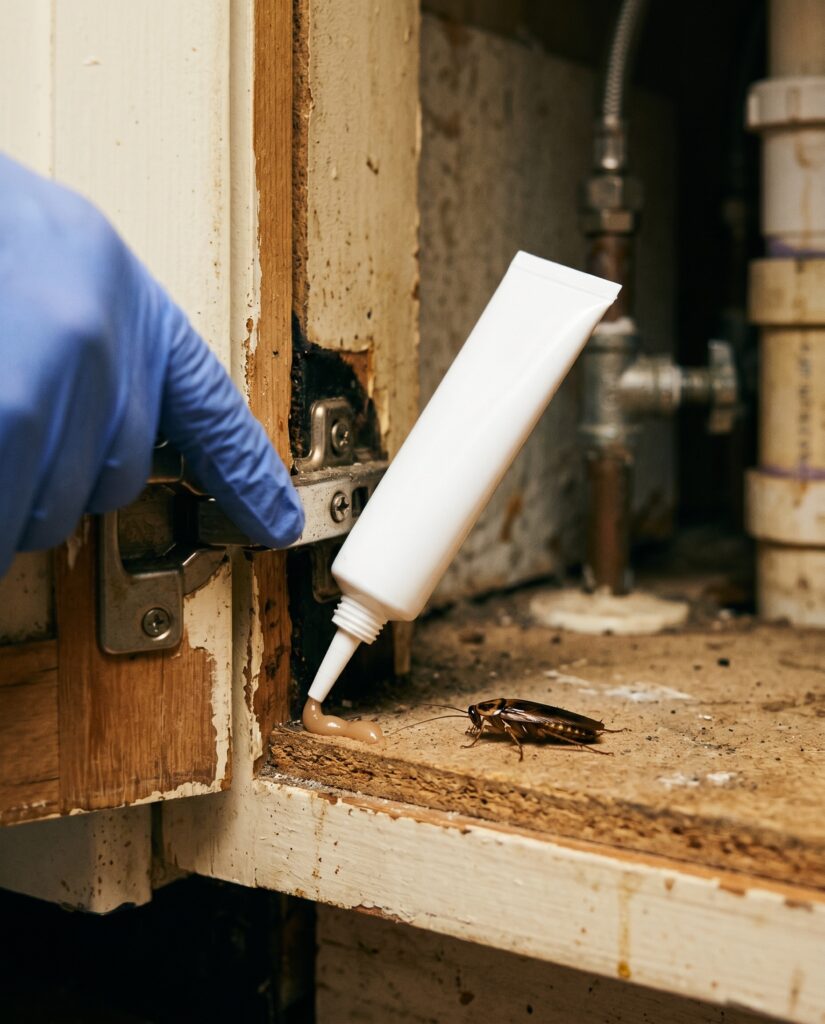
Stations earn their place at the other end of the curve: a handful of roaches, a clean kitchen you want to keep clean, or a spot you cannot reach with gel. If you are seeing roaches daily, scatter gel bait first and treat stations as backup, not the front line.
German roach or something bigger
Match the tool to the roach. The small tan roach in your kitchen, about half an inch long with two dark parallel stripes behind the head, is the German cockroach (*Blattella germanica*), and it lives indoors year-round near food and water. That is the species most bait products are built for, and the one a full German cockroach treatment plan is written around.
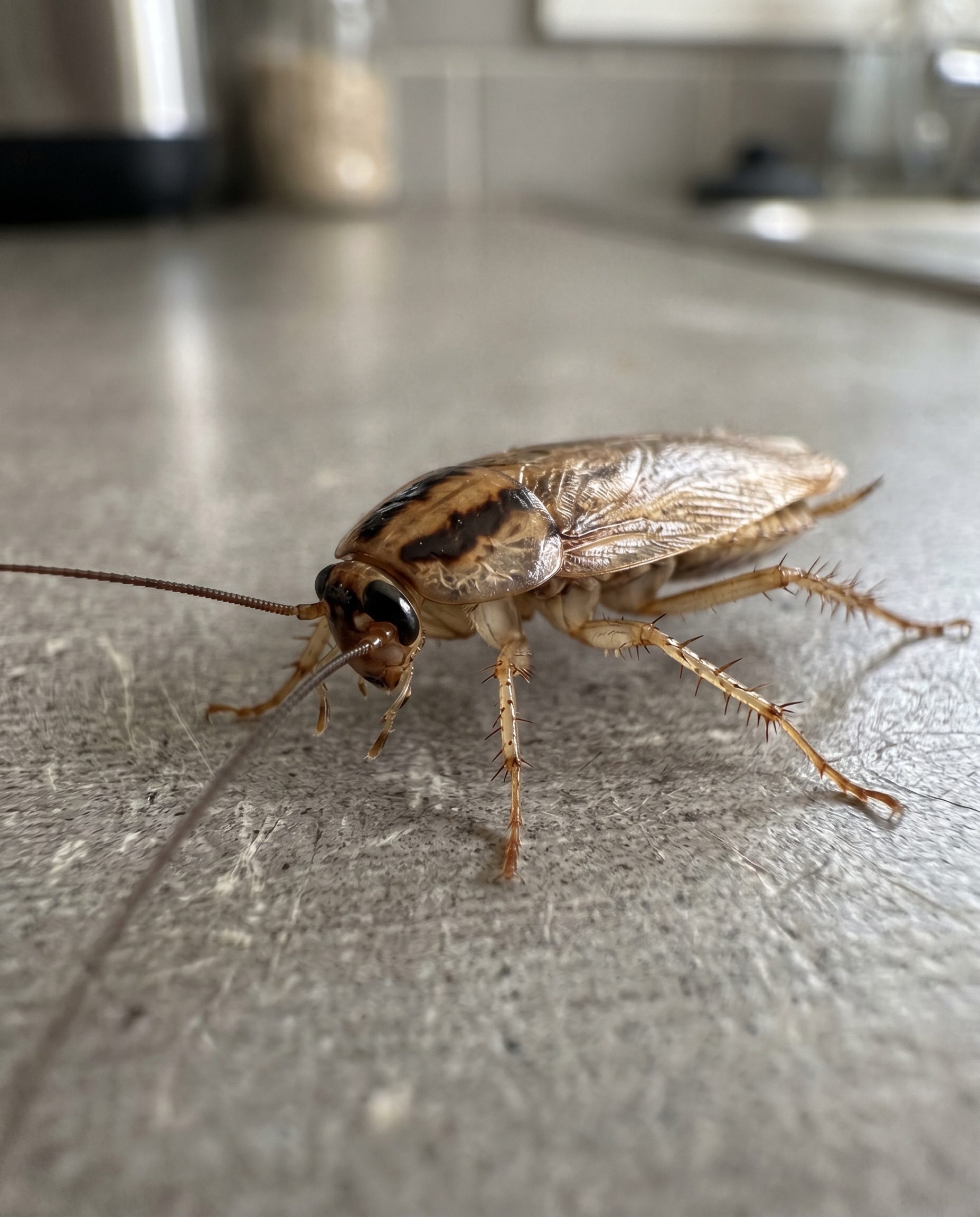
Big, dark, slow roaches that wander in from outside, often in fall or after rain, are usually American or Oriental roaches. Stations help against those strays because there are not many of them. One caution from the research: brownbanded roaches are stubborn baiters, so UC IPM notes brownbanded cockroaches are especially hard to control with baits. If the disc is being ignored, you may have the wrong species or stale bait.
What to do before you buy
What to do first costs nothing. Roaches need water more than food, so fix the dripping trap under the sink, wipe grease off the stove, and stop leaving the dog bowl wet overnight. Baits compete with every crumb, so the cleaner the kitchen, the faster any station works. Buy a product only if those steps do not quiet things down within a week or two.
The reason this comes first is simple. UC IPM lists baits as the primary pesticide for roaches but is blunt that pesticides alone will not solve the problem without sanitation and sealing entry points. Sanitation is the multiplier on everything you put down. Caulk gaps behind the toe-kick and around pipes, and you cut the harborage a station has to compete with.
When you do use a station, follow the label. Under federal law the pesticide label is legally enforceable, which means the placement, the count per room, and the re-treatment window on the box are the rules, not suggestions.
The research on consumer stations
This is where most station roundups go quiet, so I will not. A 2025 study in the Journal of Economic Entomology tested consumer and professional baits in actual homes, not just petri dishes. In the lab almost everything killed roaches. In homes the gap opened up fast: the Combat bait stations showed no significant decline in roaches over the study, Combat gel took two months, and the one that punched above its price was a liquid station.
The researchers found Hot Shot liquid bait stations were the only consumer product comparable to professional treatments at cutting populations in homes. The lesson is not “all stations are junk.” It is that format and active ingredient matter more than the badge on the box. A liquid station gives roaches water plus bait, which is a strong draw, and the pro-grade arena uses an active that keeps killing through secondary spread.
So the buying order for stations is: a pro arena or a liquid station for a stubborn pocket, and the cheap solid disc only for light maintenance where speed does not matter.
Stations compared by job
| Station type | Best job | Honest weakness |
|---|---|---|
| Pro arena (indoxacarb) | Stubborn pocket, secondary kill | Slower than gel; costs more |
| Liquid station | Where roaches lack water | Can dry out; needs replacing |
| Cheap solid disc | Light maintenance, prevention | Weak in a real infestation |
Where to place them
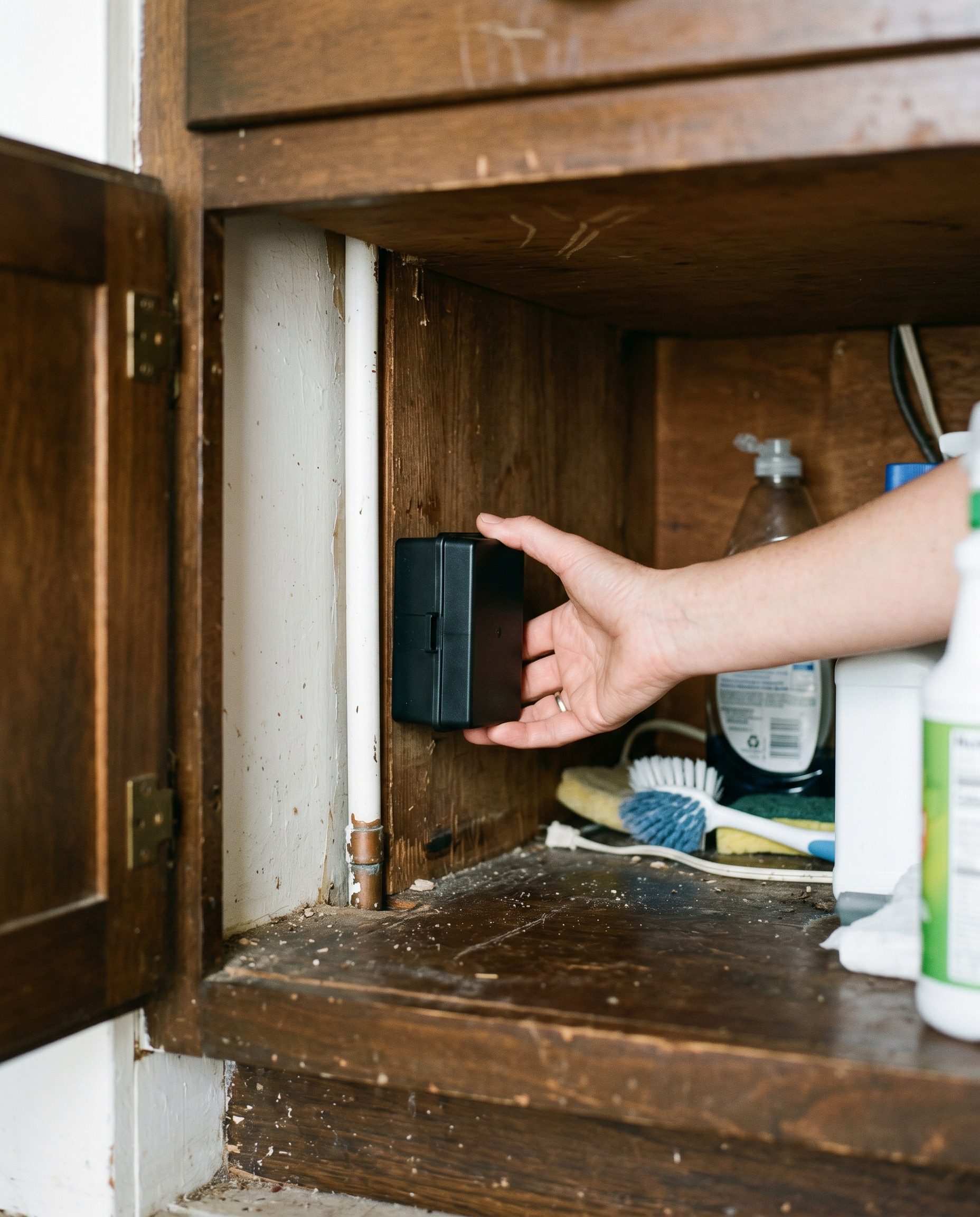
Placement decides whether a station works. Roaches travel along edges, not across open floors, so put stations flush into back corners, never in the middle of a cabinet. Place them where the wall meets the floor, behind and under the fridge, inside the sink cabinet near the pipes, and in the back of the pantry.
Density matters more than people think. Two discs for a whole kitchen is theater. Use several per room, closer together where you see droppings (the pepper-like specks) or smell that musty odor. Refresh on the label’s schedule, since solid baits dry out and lose draw, and a station roaches stopped visiting is just a piece of plastic.
For a home with pets or young kids, the sealed station is the safer category, which is the one real advantage it has over loose gel. The EPA recommends baits in childproof containers and keeping them out of reach, so tuck them where a crawling child or a curious dog cannot pry one open, and keep them off food-prep surfaces.
Common questions
How long do roach bait stations take to work?
Plan on days, not minutes. The insecticide is slow on purpose so the roach makes it back to harborage and spreads it. Expect a week or more before numbers drop, and longer in a heavy infestation. If nothing changes in two weeks, switch to gel or check the species.
Are bait stations better than gel bait?
For an active German roach problem, no. Gel lets you place bait exactly on roach trails and feed far more individuals, so it clears infestations faster. Stations win on convenience, on safety around kids and pets, and for ongoing prevention after the population is down.
Are roach bait stations safe around pets and kids?
The sealed design is the safest bait format because the insecticide stays enclosed, which is why the EPA points to childproof bait containers. Still place them out of reach and follow the label. If a pet chews one open, contact your vet or your local poison control center.
Do I still need to clean if I use stations?
Yes, and it is the most important step. Baits compete with food, so a greasy kitchen feeds the roaches you are trying to starve toward the station. Cut water and crumbs first and any station works faster.
Why are roaches ignoring my bait station?
Usually stale bait, the wrong species (brownbanded roaches resist baits), or too few stations placed in the open instead of tight in corners. Replace old discs, move them against edges, and add more.
Final verdict
Buy bait stations for what they are good at: low-grade roach pressure, prevention, and set-and-forget upkeep in a home with pets or kids. Clean and seal first, because that is what makes any station work. If you are fighting an active German roach infestation, reach for gel bait instead, or a broader roach control plan, and keep stations as backup. For an apartment where neighbors share your walls, pair stations with the building-wide steps in our apartment roach guide, since one clean unit cannot win alone.
The picks
InsectoGuide is reader-supported. As an Amazon Associate we earn from qualifying purchases at no extra cost to you.
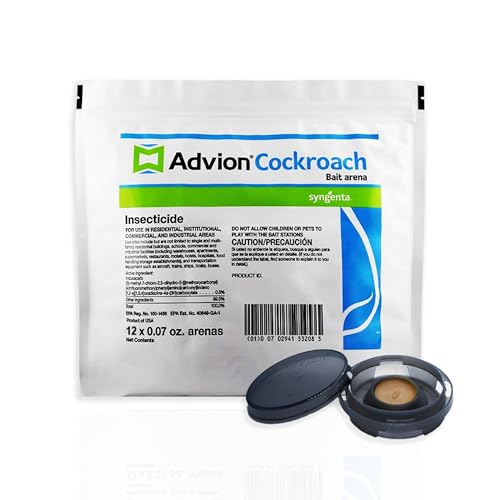
The pro-grade station with an active that spreads through the colony.
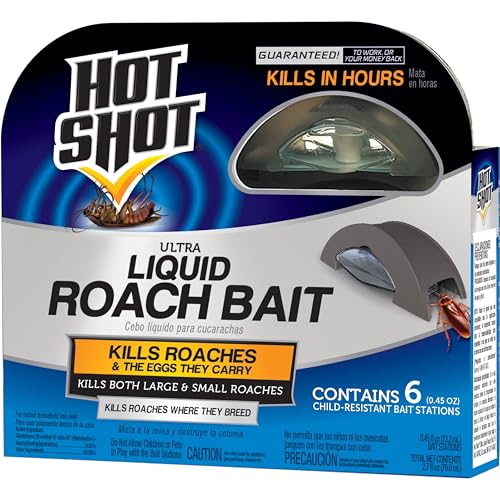
The liquid station a 2025 home study rated near professional bait.
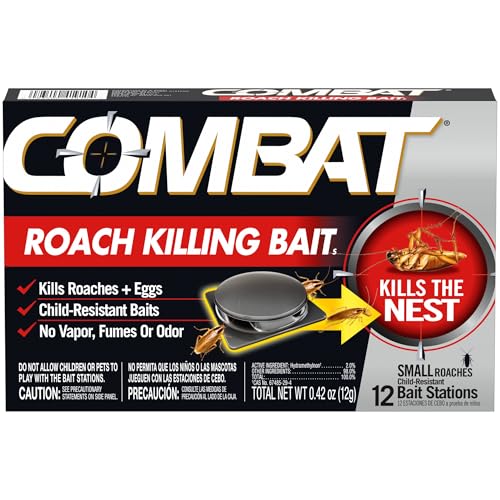
Cheap child-resistant discs for light pressure and upkeep.