If roaches keep turning up in your apartment kitchen at night, the frustrating part is that you can keep your unit spotless and still see them, because in a shared-wall building they walk in from next door. You can still win on your side of the wall. Seal the gaps inside your unit and bait with gel, and you cut the population even when neighbors and the landlord do nothing. This is exactly what I would use in my own rental: no drilling, no fogger, nothing that touches your deposit. Skip the bug bomb, it makes the problem worse.
In a shared-wall building, sealing the gaps inside your unit and placing gel bait in the cracks cuts roaches even when neighbors and the landlord do nothing, and none of it requires drilling or risks your deposit.
- Do first (free): Clean up food and water at night, fix or report leaks, and stuff the gaps around pipes and the gap under cabinets.
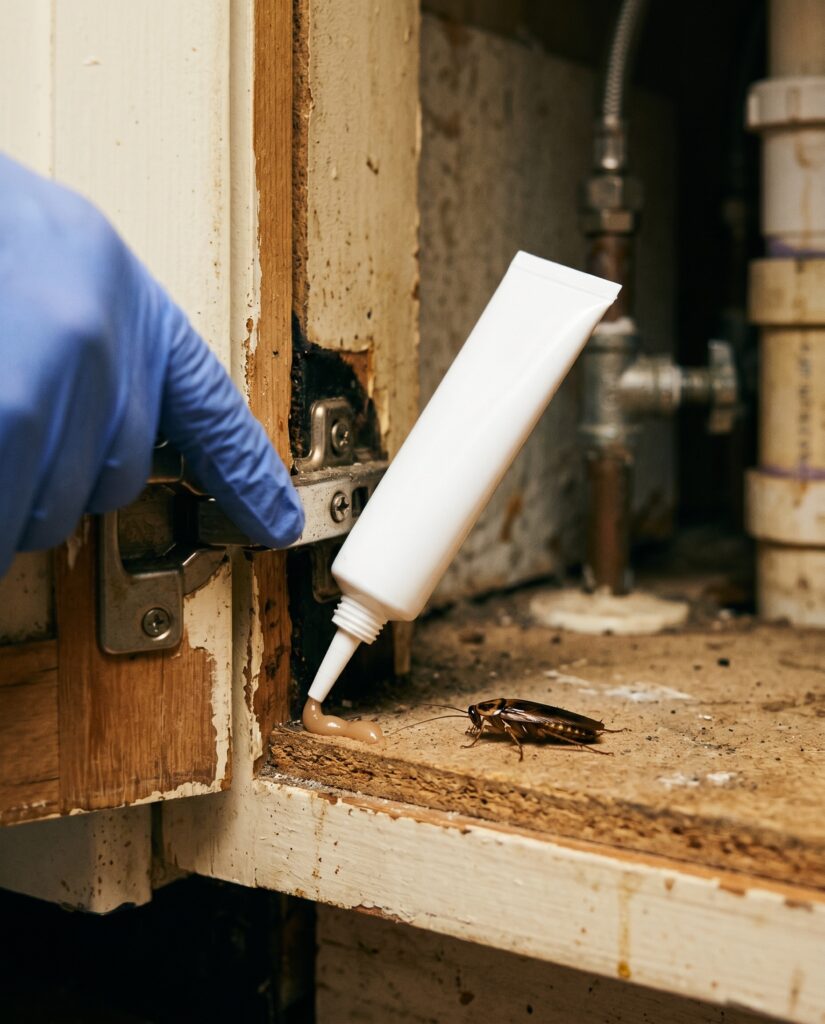
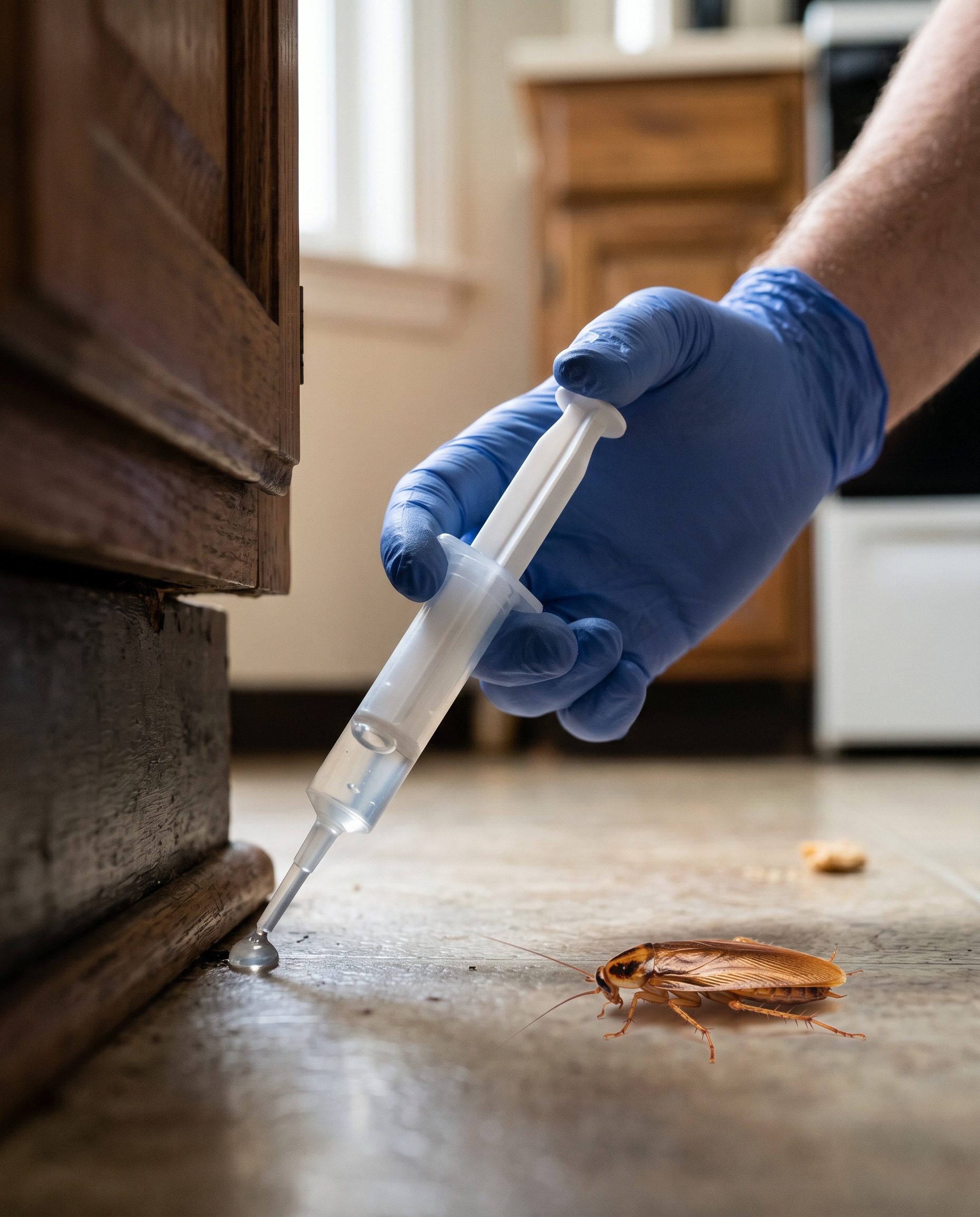
- Best for the common case: Many small pea-sized dabs of cockroach gel bait placed in cracks and corners, not a spray and not a fogger.
- Skip: The bug bomb. Field trials found no real drop in roaches weeks after fogging, and it coats your counters.
Quick answer
Here is the whole plan in order. First, cut off food and water overnight and stuff the gaps so fewer roaches can cross from the neighboring unit. Second, put down a sticky monitor or two for a few nights to find where they actually live. Third, place many small dabs of cockroach gel bait right in those cracks and corners. Do not spray cleaner or insecticide over your bait, that drives roaches off it. Give it two to four weeks. You should see far fewer roaches, and the ones you do see will look sluggish. If your whole building is infested, your bait holds the line on your side while you push the landlord to treat the rest.
Why your clean unit still has them
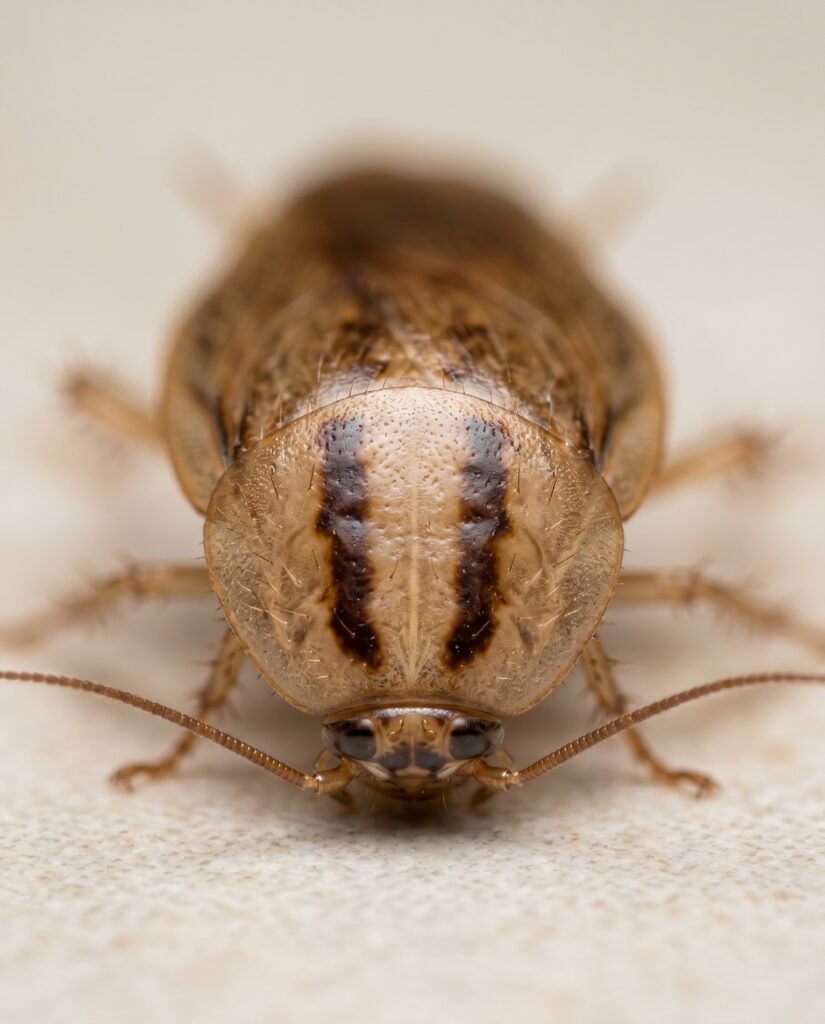
German cockroaches (*Blattella germanica*) are the small tan ones that infest apartment kitchens, and they almost never come from outside. Per UF/IFAS Featured Creatures on the German cockroach, this species cannot survive away from heated human buildings, so a winter freeze will not save you. They live indoors year-round, breeding in warm, humid spots near food and water: behind the fridge, under the sink, inside the dishwasher frame, around the stove.
The reason a tidy renter still sees them is the shared wall. The Purdue Extension guide to cockroach control in multi-family housing notes that roaches travel from neighboring apartments through holes and cracks, especially where cabinets meet the wall and floor and around plumbing. So your kitchen can be the cleanest one in the building and still get traffic from a hoarder two doors down. That same Purdue guide explains why they bounce back fast: each egg capsule holds 30 to 48 eggs, and one female can produce four to eight capsules. A few stragglers become a kitchen problem in a couple of months.
What to do first, free
Before you buy anything, take away the three things roaches need. The EPA’s guidance on whether you really need a pesticide frames it as starve them, dry them, and keep them out, and notes that without water roaches can die within a week. In an apartment that translates to a tight nightly routine.
Starve them out. Wipe the counters and stovetop before bed, do not leave dishes in the sink, take the trash to a lidded can, and store dry food and pet food in sealed containers. Roaches forage at night, so the kitchen has to be boring after dark.
Dry them out. A dripping faucet or a damp cabinet under the sink is a watering hole. Fix what you can, and put a repair request in writing for anything that is the landlord’s job, like a leaking supply line. A wet sponge left on the counter is enough to keep them going.
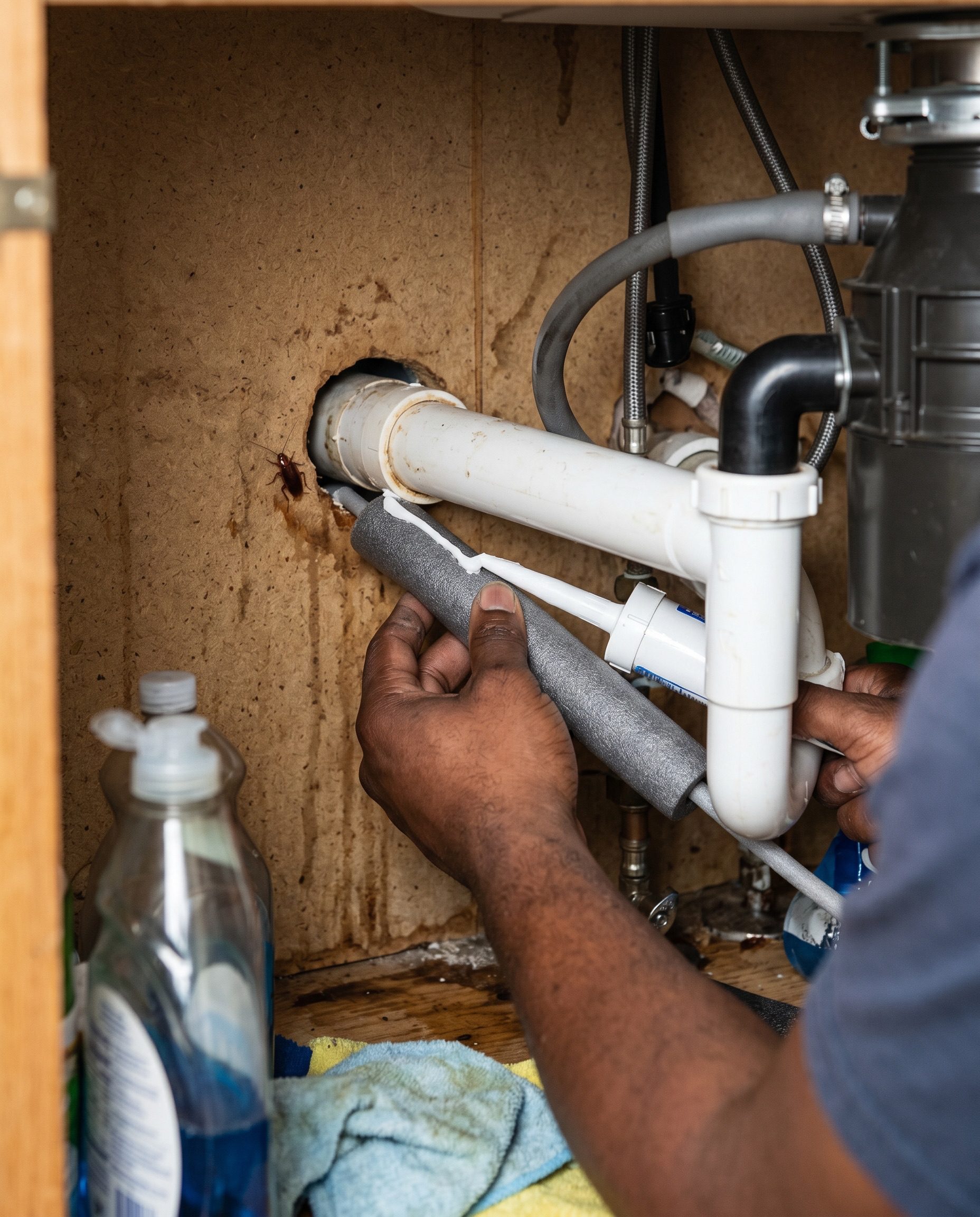
Keep them out. This is the renter-safe part of the playbook, and it needs no drilling. Stuff the gap where pipes pass through the cabinet wall with steel wool or copper mesh, then seal over it with a bead of paintable, removable caulk. The EPA’s pest control resources for housing managers recommend exactly this around pipe openings: copper mesh, steel wool, or foam, sealed with caulk. Closing the pipe chase is what slows the flow from next door. None of it damages the unit, and caulk peels off at move-out.
Find them, then bait the cracks
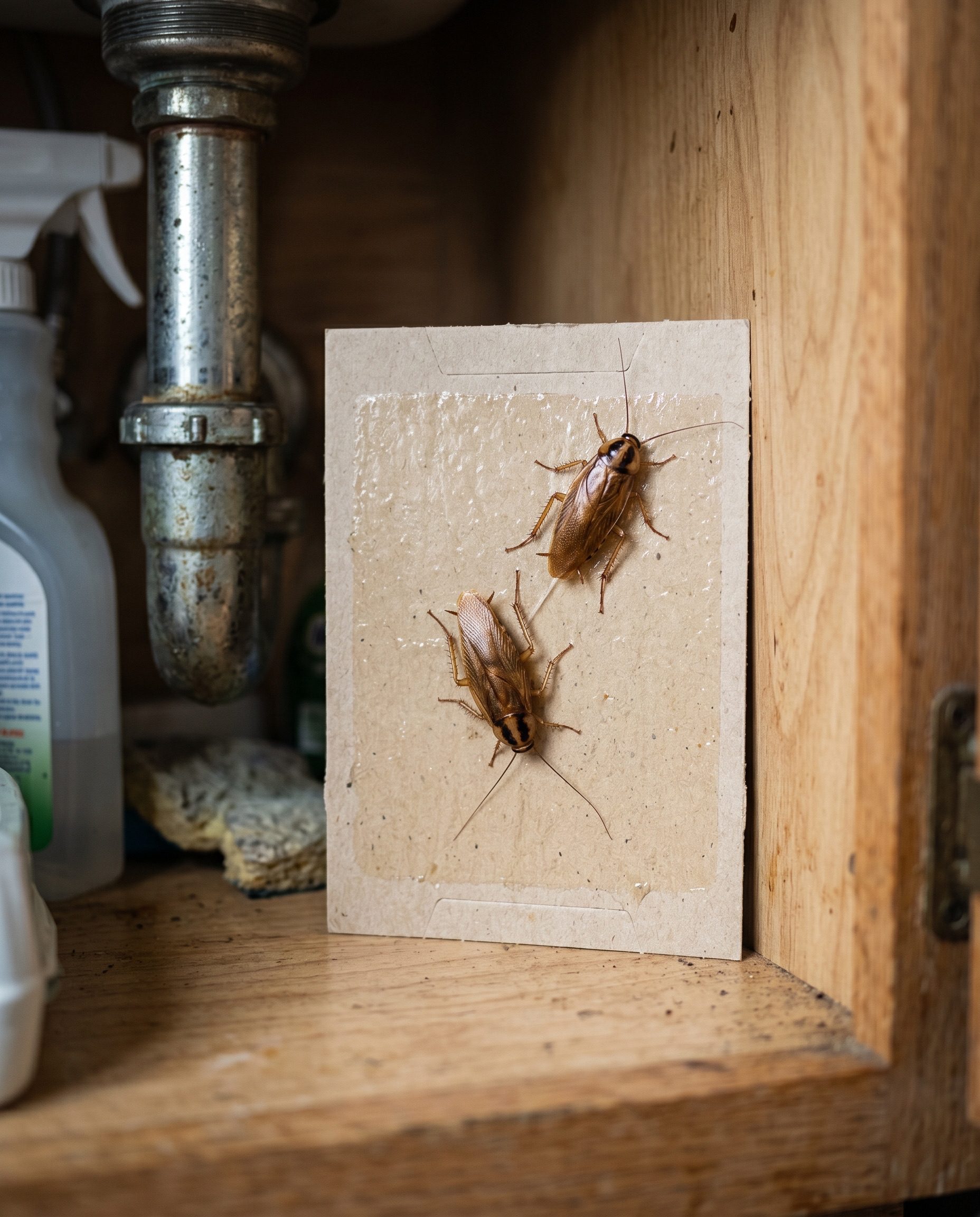
Now find where they hide before you bait. Set a few flat sticky monitors in the corners under the sink, behind the fridge, and beside the stove, and check them after a couple of nights. Purdue suggests placing at least six monitors to read a kitchen. The corner that catches the most is where your bait does the most good.
For the actual control, gel bait beats everything else a renter can buy, and it is what I keep at home. Squeeze many small pea-sized dabs into the cracks, corners, and hinge areas where the monitors lit up, not a thick line out in the open. Roaches eat it, crawl off, and die, and they pass the active ingredient to others in the harborage. Place dabs only where children and pets cannot reach, never on a food-prep surface, and follow the product’s EPA label, because under federal law the label is the law. If you want a dust in deep voids, a light boric acid film behind the kickplate under the cabinets works, but keep it out of sight and never on a counter.
Here is how the common apartment situations map to the right move:
| Situation | Best approach | Watch out for |
|---|---|---|
| Kitchen and bath | Many small gel-bait dabs in cracks plus sticky monitors | Never on food-prep surfaces; keep from kids and pets |
| Pets or kids at home | Gel in tamper-resistant stations and out-of-reach cracks | No open dabs on the floor; no boric acid where they reach |
| Whole building infested | Bait and seal your unit; push management to treat all units | Your unit alone cannot fix a building-wide problem |
Why skip the bug bomb
The single biggest waste of money here is the fogger, and in an apartment it is worse than useless. Texas A&M ran the test: in their writeup on why bug bombs fail against cockroaches, fogger-treated apartments showed no significant drop in wild roach numbers two to four weeks after the kitchens were bombed, while gel bait cut populations by 70 to 95 percent. Roaches feel the irritant fog and duck deeper into the cracks where they live, so the mist never reaches them. The fog lands on your counters, not in the harborage. That same study found insecticide residue on floors, counters, and inside cupboards up to a month later.
There is a safety reason too. The EPA’s safety precautions for total release foggers say foggers should not be the only method you use and must never be set off in small enclosed spaces like cabinets or closets, because the propellant can ignite. In a tight apartment with a gas stove or pilot light, that is a real hazard. Save the money and put it toward bait.
Stop them coming back
Once the numbers drop, prevention is what keeps your unit clear while the rest of the building catches up. Keep the nightly kitchen routine going, because German cockroaches breed continuously indoors and never get a seasonal break. Re-bait the worst cracks every few months, or sooner if the gel dries out or gets eaten down, and keep one sticky monitor running as an early warning. Recheck the seals around pipes after any plumbing work, since a maintenance visit can reopen the chase you closed.
The part renters forget is the paper trail. Put every sighting and every leak in writing to management, because in most states the landlord is responsible for a habitable, pest-free unit, and a building-wide problem needs coordinated treatment. The EPA’s housing-manager guidance is blunt that control in multi-family housing takes a team effort across residents, maintenance, and a pest professional. A written record is what gets the other units treated. Until that happens, your bait and your seals hold your side of the wall.
When to call it in
A few signals mean this is past a renter’s solo fix, and the move is to escalate to management rather than buy heavier chemicals. Call it in if you still see roaches in daylight after a month of correct baiting, if they are coming from a shared wall, ceiling, or pipe chase you cannot reach, or if neighbors are clearly infested. Those need a licensed pest professional treating multiple units at once, which is the landlord’s job to arrange. Also stop and report it if you see signs of a different structural pest, or if anyone in the home has worsening asthma or allergies that a doctor links to the infestation. You handle your unit; the building is theirs.
Common questions
What kills roaches instantly in an apartment?
Nothing reliable, and chasing instant kills is how people waste money. A contact spray drops the one roach you hit and does nothing to the dozens in the wall. Gel bait is slower but actually works, because roaches carry it back to the harborage. Expect two to four weeks for a real drop, per Texas A&M’s field comparison of baits and foggers.
Can I get rid of roaches if my neighbor has them and won’t treat?
Yes, partly. You cannot clear the building alone, but sealing the gaps in your unit and baiting the cracks cuts how many cross over and starves the ones that do. The Purdue multi-family guide confirms roaches move between units through holes and plumbing, so closing those routes is the renter’s best lever while you push management.
Does keeping my apartment clean get rid of roaches by itself?
Cleaning is essential but rarely enough on its own in a shared building, because roaches walk in from other units and live on crumbs you cannot see. Sanitation makes bait work better by removing competing food. Pair the cleaning with bait and sealing for an actual result.
Are roaches in my apartment dangerous?
They do not bite or sting, but their droppings and shed skins are a known indoor allergen and asthma trigger, which is one more reason to keep numbers down. This is general information, not a diagnosis; if someone at home has breathing symptoms, talk to a doctor.
Is boric acid safe to use in a rental with pets?
Only with care. Keep boric acid dust in deep voids and behind kickplates where pets and kids cannot reach, never on counters or open floors. For any pesticide exposure question, contact your local poison control center or read the NPIC pesticide-safety information. Follow the product label first.
Final verdict
You do not need to control the whole building to stop seeing roaches in your kitchen. The free first move is to starve and dry the unit at night and stuff the gaps around pipes and under cabinets, which slows the flow from next door. If they persist past a few days, the one thing worth buying is cockroach gel bait, placed as many small dabs in the cracks your sticky monitors found. Give it two to four weeks. Skip the fogger entirely; the field data is clear that it does not work and it coats your counters. Keep a paper trail with management so the other units get treated.
Next steps: read our full guide to getting rid of cockroaches, compare the best cockroach gel baits for the placements above, and if you prefer enclosed stations, see the best roach bait stations for pet and kid homes.