\
\
Finding yourself scratching incessantly after an encounter with a mosquito or a surprise bee sting can be incredibly frustrating. Many people reach for creams, ice, or even home remedies, but a growing number are turning to bug bite suction tools like the popular Bug Bite Thing. These devices promise chemical-free, instant relief by drawing out irritants. But do they truly work, and are there effective Bug Bite Thing alternatives worth considering? Let's explore the science, practical use, and best options for soothing those annoying insect bites and stings.
\
Bottom line: Bug bite suction tools can help some people with mild itching when used right after a fresh mosquito or small insect bite, but they are comfort tools, not emergency treatment.
- Use gentle suction for a few seconds on intact skin only.
- Skip suction on ticks, open wounds, infected skin, or severe swelling.
- Get urgent care for breathing trouble, facial swelling, dizziness, or a known severe allergy.
\
 \
\\
\
For minor insect bites and stings, bug bite suction tools can be a reasonable first step, especially when used immediately. They offer a chemical-free way to potentially reduce local irritants. However, they are not a substitute for proven treatments like cold packs, topical corticosteroids, or oral antihistamines, and should never be relied upon for severe allergic reactions or venomous bites. Always prioritize immediate medical attention for serious symptoms.
\
\
Quick answer
\
Bug bite suction tools like the Bug Bite Thing may offer some relief for minor, superficial insect bites, primarily by creating a vacuum that can draw out a small amount of irritants or disrupt the local inflammatory response. While anecdotal evidence and user reports are strong, independent, high-quality scientific studies specifically on these devices for insect bites are limited.
\
Here's a quick breakdown:
\
- \
- Mosquito Bites: Most users report the greatest success for fresh mosquito bites, potentially reducing itch and swelling.
- Stings (Bees, Wasps): Less consistent evidence, but some find it helps if used immediately after stinger removal.
- Mechanism: They don't "extract" all venom or saliva, but rather create a physical effect that might lessen symptoms.
- Limitations: Not effective for severe reactions, deep stings, or venomous bites from spiders or snakes.
\
\
\
\
\
What suction can do
\
Insect bites and stings are incredibly common, affecting hundreds of millions of people worldwide each year. While often just a nuisance, they can sometimes lead to more serious health issues. For instance, mosquitoes alone are responsible for transmitting diseases like malaria, dengue, and West Nile virus, with malaria causing an estimated 249 million cases and 608,000 deaths in 2022, according to the World Health Organization (WHO). In many regions, however, mosquito bites are primarily a source of localized allergic reactions.
\
Most insect bites and stings trigger minor, self-limited local reactions, characterized by itching, redness, and swelling, as noted by the American Academy of Dermatology (AAD). However, systemic allergic reactions, known as anaphylaxis, to stings from bees, wasps, and fire ants can occur in a small percentage of the population, ranging from 0.3–7.5% depending on the insect and demographic, according to research published in the Journal of Allergy and Clinical Immunology: In Practice. In the U.S., insect stings lead to tens of thousands of emergency room visits annually, with a CDC analysis reporting approximately 220,000 ER visits and 60–70 deaths per year, mostly due to anaphylaxis.
\
The itch and swelling you experience from a mosquito bite are primarily caused by your body's immune response to the proteins in mosquito saliva injected into your skin. This triggers the release of histamine, leading to the familiar symptoms. For stings from bees, wasps, or ants, the venom contains enzymes, peptides, and other molecules that directly damage tissue, cause pain, and provoke inflammatory or allergic responses. Essentially, your symptoms are driven by both the amount and depth of the irritant deposited and your body's individual immune reaction. For more information on managing these reactions, check out our complete mosquito bite treatment guide.
\
\
 \
\\
How to use one
\
Bug bite suction tools are mechanical devices designed to create a partial vacuum over an insect bite or sting. The idea is to apply brief surface suction to the bite area, but evidence for meaningful extraction is limited. Manufacturers often claim these tools offer "chemical-free" relief, "instantly" reduce itching, stinging, and localized swelling, and are reusable.
\
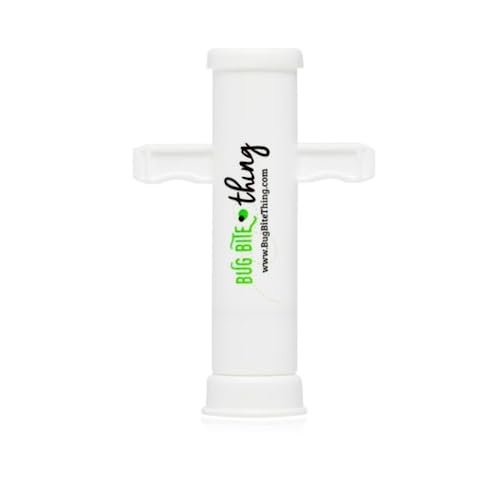
The most well-known example is the Bug Bite Thing, which operates as a manual suction pump. When placed firmly over a bite and activated, it lifts the skin slightly, creating negative pressure. This action may change local skin pressure, nerve signals, and blood flow in the area, thereby reducing the sensation of itch and swelling. While the scientific evidence for significant venom or saliva extraction is limited, especially for deeper stings, many users report a noticeable reduction in symptoms, particularly for fresh mosquito bites. A review by Consumer Reports noted that while independent clinical data is scarce, trying such a device is reasonable for mild bites.
\
Using a Bug Bite Suction Tool (e.g., Bug Bite Thing):
\
- \
- Place: Position the open end of the tool firmly over the bite or sting. Many tools come with two cap sizes for different body areas.
- Pull: Pull up on the handles (or activate the pump) to create suction.
- Hold: Maintain suction for 10–20 seconds.
- Release: Push the handles back down to release the suction.
- Repeat: If needed, repeat the process 2–3 times.
- Clean: After use, remove the cap and clean the tip with soap and water or an alcohol wipe to maintain hygiene.
\
\
\
\
\
\
\
Key Tips for Use:
\
- \
- Timing is crucial: Use the tool as soon as possible after the bite or sting, ideally within minutes, for the best chance of effectiveness.
- Avoid sensitive areas: Be cautious around eyes, lips, or genitals, as strong suction can damage delicate tissue.
- Monitor for bruising: Excessive or prolonged suction can cause temporary bruising or a "hickey" mark.
- Keep it dry: The pump mechanism should not get wet, as this can impair its suction capability.
\
\
\
\
\
Pros of Manual Suction Tools:
\
- \
- Chemical-free relief.
- Reusable, compact, and portable.
- Many users report rapid itch relief for fresh mosquito bites.
\
\
\
\
Cons of Manual Suction Tools:
\
- \
- Limited strong scientific evidence for effectiveness.
- Can cause temporary skin bruising or marks.
- Less effective for established reactions or deep stings.
- Not a substitute for emergency medical care for serious reactions.
\
\
\
\
\
For more options to soothe itchy skin, explore our guide to the Best Mosquito Bite Relief Products.
\
\
\
Best alternatives
\
When seeking relief from insect bites and stings, it's helpful to know about the range of options available beyond just bug bite suction tools. These alternatives fall into several categories, each with its own mechanism and effectiveness.
\
Other Manual Suction Tools
\
While Bug Bite Thing is prominent, other manual suction devices exist:
\
- \
- Aspivenin / Venimex: These pistol-grip style devices are popular in Europe and marketed for various insect stings and some bites. They operate on the same vacuum principle.
- Generic Extractor Pumps: Often found in survival or first-aid kits, these plastic pumps were historically promoted for snake bites. However, reputable toxicology and wilderness medicine sources, including the American Heart Association (AHA) First Aid Guidelines, strongly advise against their use for serious venomous bites, because they can delay proper care and may worsen tissue damage.
\
\
\
Heat-Based Bite Relief Devices
\
These devices are not suction-based but are often considered alternatives for localized bite relief:
\
- \
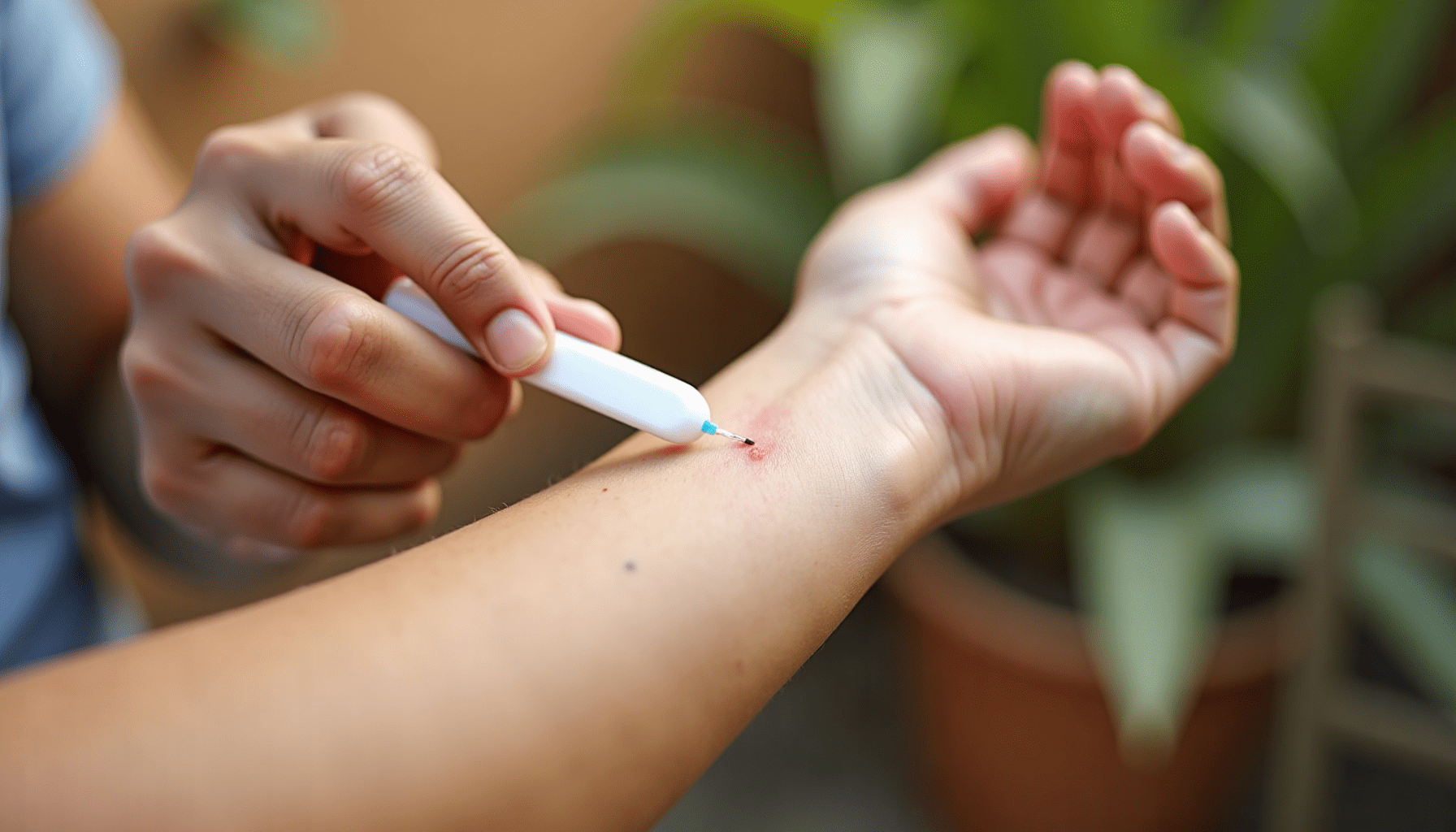
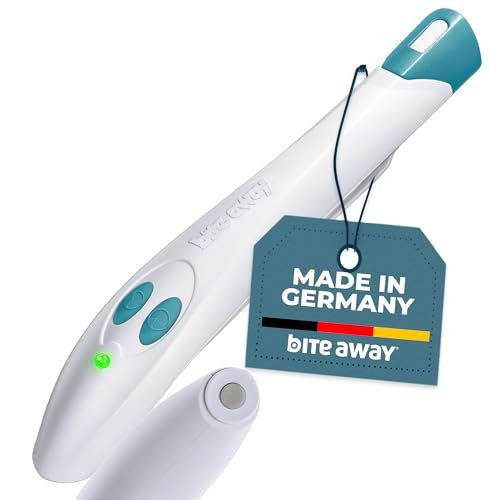
- Bite Away (Thermotherapy Pen): This device features a ceramic tip that heats to approximately 124-127°F (51-53°C) for a few seconds. The heat is believed to denature proteins in insect saliva/venom and modulate local nerve signaling, thereby reducing itch. Small clinical trials suggest thermotherapy can reduce itch intensity and duration for mosquito bites and some other insect bites, as shown in studies by Mücke et al. (2013) and Schulte-Paulus et al. (2018).
- Therapik and Similar Devices: These operate on a similar principle, delivering localized heat for 20-30 seconds to the affected area.
\
\
\
Pros of Heat Devices:
\
- \
- Some peer-reviewed data supports reduced itch for mosquito bites.
- Chemical-free and reusable.
\
\
\
Cons of Heat Devices:
\
- \
- Can be painful or uncomfortable due to the heat.
- Not recommended for very young children or individuals with sensitive skin or reduced sensation.
- Risk of burns if misused.
\
\
\
\
Conventional Non-Suction Alternatives
\
These are widely recommended and have a stronger evidence base:
\
- \
- Cold/Ice Packs: Applying cold reduces swelling by constricting blood vessels and numbs the itch. This is a primary recommendation from dermatologists for mild reactions.
- Topical Corticosteroids: Creams containing 1% hydrocortisone reduce the inflammatory response and are effective for itch and swelling when applied early. The American Academy of Family Physicians (AAFP) supports their use.
- Oral Antihistamines: Medications like cetirizine or loratadine can be very helpful for widespread itching or multiple bites by reducing histamine-mediated swelling and itch.
- Topical Anesthetics: Gels or creams with lidocaine, pramoxine, or benzocaine directly numb the skin, offering short-term itch relief.
\
\
\
\
\
These mainstream options are generally inexpensive and have well-established efficacy. Remember, resisting the urge to scratch can prevent secondary infections, so consider whether you should pop or scratch mosquito bites.
\
\
 \
\\
Safety notes
\
While bug bite suction tools can be a handy addition to your first-aid kit for minor irritations, understanding their limitations and when not to rely on them is crucial. These tools are generally considered reasonable to try for:
\
- \
- Isolated mosquito or other superficial insect bites.
- Mild bee or wasp stings in individuals with no history of serious allergic reactions, provided the stinger is properly removed (scraped, not squeezed) for bee stings, and the area is cleaned.
\
\
\
However, it is vital that you do not use bug bite suction tools as your primary or sole treatment for:
\
- \
- Anyone with a history of serious allergic reactions (anaphylaxis) to stings. These individuals should always carry and be prepared to use an epinephrine auto-injector and seek immediate medical attention.
- Symptoms of a systemic (full-body) allergic reaction. These include difficulty breathing, wheezing, throat tightness, dizziness, fainting, confusion, widespread hives, or rapid swelling of the lips, tongue, or eyes. These are medical emergencies.
- Suspected tick-borne disease risk. Do not attempt to use suction to "pull out" ticks. This can cause the tick to eject more saliva or break apart, increasing the risk of disease transmission. Proper tick removal involves fine-tipped tweezers.
- Snake, scorpion, or spider envenomation. Modern medical guidelines, including those from the Wilderness Medical Society, specifically advise against using suction devices for these serious emergencies, as they are ineffective and can cause harm.
\
\
\
\
\
In any of these more serious scenarios, immediate medical care is the priority. Knowing the signs of an allergic reaction to a mosquito bite can help you determine when to seek professional help.
\
\
\
Common myths
\
The world of insect bites and stings is rife with old wives' tales and misconceptions. Let's debunk some common myths, especially concerning bug bite suction tools and other relief methods.
\
Myth 1: "Suction tools fix the bite completely."
\
Reality: Even under ideal conditions, only a minuscule amount of fluid is likely removed from the very superficial layers of the skin. Most venom or saliva disperses rapidly into surrounding tissue and the bloodstream. When relief occurs, it's more about slightly reducing the local irritant load or altering the local inflammatory response rather than "sucking everything out." Serious stings or bites will still provoke a systemic response regardless of suction use.
\
Myth 2: "If I have a suction tool, I don't need other treatment."
\
Reality: Bug bite suction tools are best viewed as an adjunct to standard care, not a replacement. The recommended approach still involves cleaning the area, applying cold packs, and using topical steroids or oral antihistamines as needed. Always monitor for signs of infection or allergic reaction.
\
Myth 3: "Venom extractors are good for snake bites."
\
Reality: This is a dangerous misconception. Well-designed studies, such as one published in Annals of Emergency Medicine, have consistently shown that commercial extractors are not reliable treatment for snake bites and do not improve patient outcomes. In fact, prolonged suction can increase local tissue injury. Guidelines from wilderness medicine and emergency groups unequivocally advise against their use for snake bites.
\
Myth 4: "Chemical-free means risk-free."
\
Reality: While devices like the Bug Bite Thing don't use chemicals, they are not entirely without risk. Strong or prolonged suction can cause skin bruising, broken capillaries, or "hickey-like" marks. Heat-based devices carry a risk of burns if misused, especially on sensitive skin or in individuals with reduced sensation. Proper hygiene is also important to prevent skin irritation or infection if the device is not cleaned between uses.
\
Myth 5: "If suction works for mosquito bites, it will work for everything."
\
Reality: The effectiveness of suction tools likely varies significantly depending on the type of bite or sting. Shallow mosquito bites, where the irritant is deposited superficially, might see more plausible benefit. However, for deep stings (e.g., from a bee or wasp) where venom is injected deeper into the tissue, it's far less likely that superficial suction will make a meaningful difference. Different insects deliver different irritants at different depths, influencing the efficacy of any treatment.
\
Final take
\
Bug bite suction tools like the Bug Bite Thing offer a promising, chemical-free option for quick relief from minor insect bites and stings, particularly fresh mosquito bites. While scientific evidence on their efficacy is still developing, many users report positive results, making them a reasonable addition to your insect bite relief arsenal. However, it's essential to understand their limitations. They are best used as an initial, supplementary treatment and are not a substitute for proven remedies like cold compresses, topical anti-itch creams, or oral antihistamines.
\
Critically, these tools should never be relied upon for serious allergic reactions, venomous bites from spiders or snakes, or tick removal. Always prioritize immediate medical attention for severe symptoms. By understanding how these tools work, exploring effective Bug Bite Thing alternatives, and recognizing when professional medical help is needed, you can better manage those annoying insect encounters and enjoy the outdoors with greater peace of mind.
\
\
\
\
 \
\
\
\
A simple suction tool for fresh, minor bites when you want a drug-free comfort option. Use it gently and do not use it on ticks, wounds, or severe reactions.
\
- Easy to keep in a home, travel, or outdoor kit
- Useful for common bite-care situations when used as directed
- Small enough for quick access
\
- Evidence is mixed and timing matters
- Not appropriate for ticks, infected bites, or severe swelling
\
\
\
\
\
 \
\
\
\
A heat-based alternative for people who prefer not to use creams. It is best for ordinary itchy bites, not emergency reactions or infected skin.
\
- Easy to keep in a home, travel, or outdoor kit
- Useful for common bite-care situations when used as directed
- Small enough for quick access
\
- Heat can feel too intense for some users
- Not for broken skin, young children, or severe reactions
\
\
\
\
\
 \
\
\
\
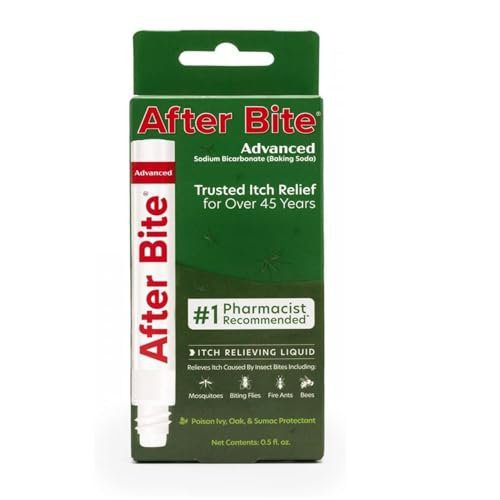
A compact pen-style option for mild itch when you want something small enough for a bag, tackle box, or travel kit.
\
- Easy to keep in a home, travel, or outdoor kit
- Useful for common bite-care situations when used as directed
- Small enough for quick access
\
- Not a substitute for medical care during severe reactions
- Can irritate skin if overused or used on broken skin
\
\