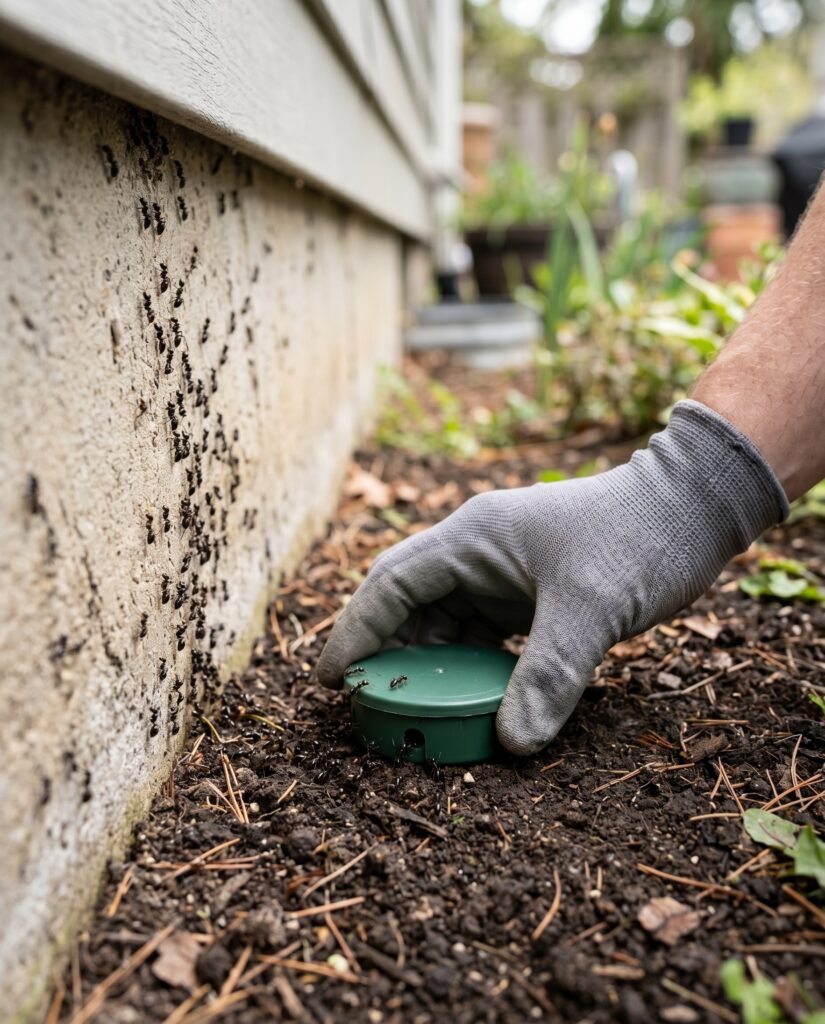
If ants are running across the kitchen counter or circling the bathroom sink, the product that actually clears them is an enclosed bait station, not the sticky pad sold one shelf over. The short answer: clean the competing crumbs, then set a slow bait station right on the active trail so foragers carry it home to the queens. A sticky monitor only catches the few ants that wander onto it; it never reaches the nest. For our own kitchen and bath we keep liquid bait stations plus a couple of grease-bait stations on hand, because the colony’s craving flips through the year. Most lists rank a glue trap as a “best ant trap”; that is the one to understand before you buy.
A bait station kills the colony; a sticky monitor only catches stragglers. Buy the station, and place it on the active trail, not where you spotted one ant.
- Do first (free): wipe up spills and fix the drip, but leave the live trail to lead ants to the bait.
- Best for the common case: an enclosed liquid bait station set right on the trail near where ants enter.
- Skip as a cure: sticky glue traps; they monitor and catch, they do not clear the nest.
What to do first
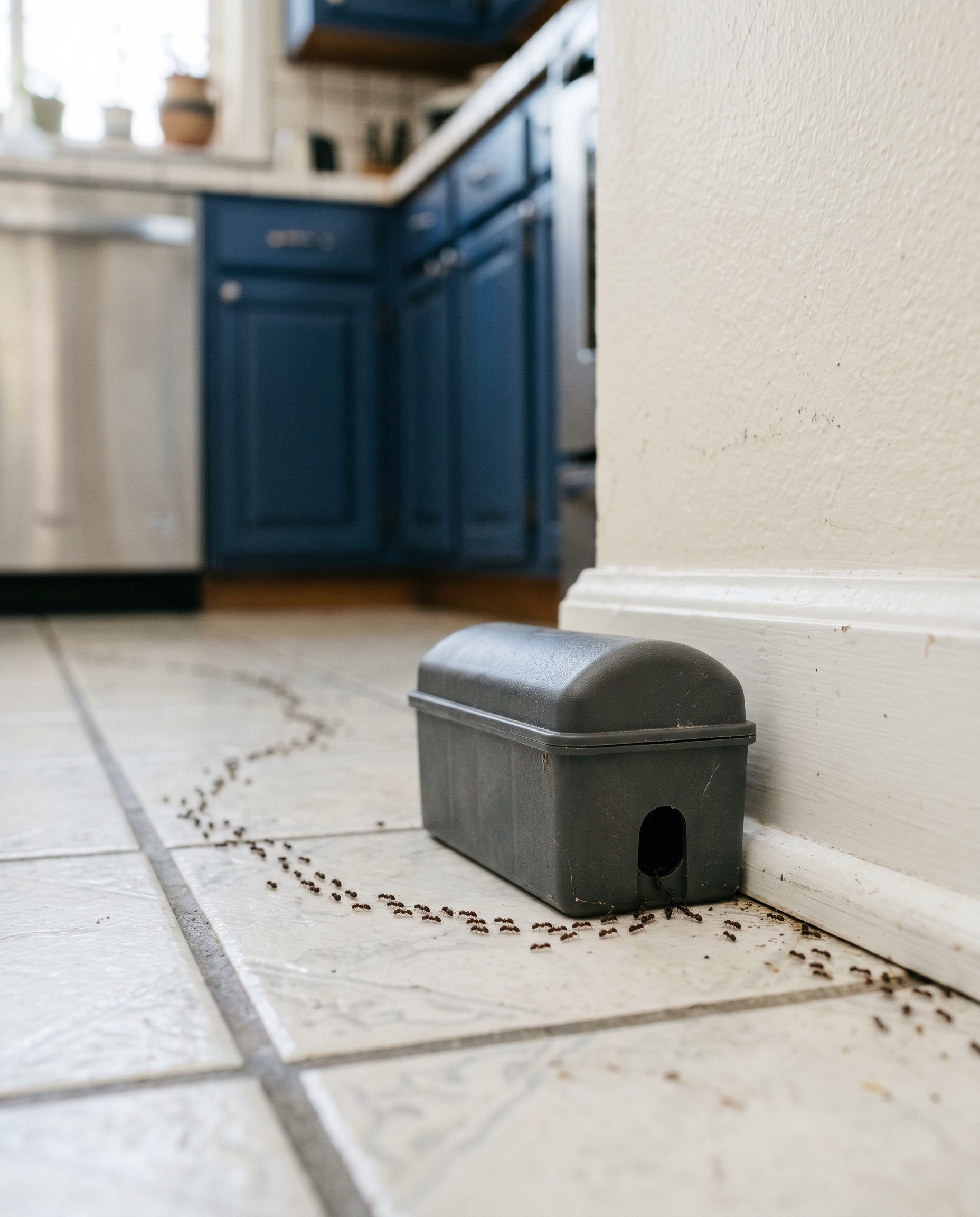
Before any product, take away the reasons they came. The EPA’s do’s and don’ts of pest control puts removing food, water, and shelter ahead of any chemical, then uses baits as a first line of chemical defense because they work at low exposure when kept away from kids and pets. So wipe the syrup ring and the toothpaste smear, store sweets and pet food sealed, and fix the dripping faucet under the bathroom sink. Moisture pulls ants in as reliably as food, which is why the bathroom even gets ants in the first place.
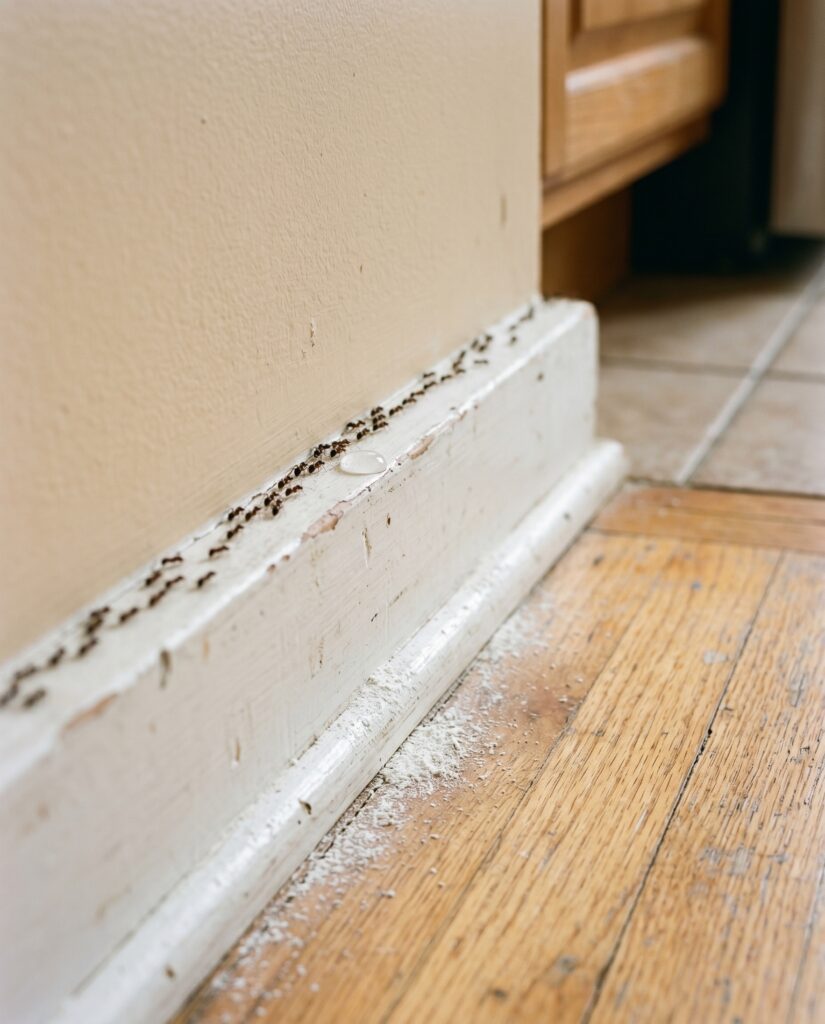
Then leave the trail you can still see. That faint line of ants is a pheromone road, and you want it pointing straight at your bait. NC State Extension’s tips for effective ant baiting say to place the bait where you see ants foraging, walking back and forth, then watch how they respond for a few minutes. The trail is the delivery route, so clean the spill that drew them and set the bait an inch off the line, not on top of it.
Give it time before you judge it. UC IPM’s ant quick tips note it can take 5 to 10 days to see fewer ants, and sprays only give temporary control. Patience is the cheapest part of the job.
Bait station vs sticky trap
Here is the distinction the word “trap” hides, and it is the whole reason people buy the wrong thing. A bait station is a colony tool: ants walk in, eat or carry off a slow-acting bait, and haul it back to the nest where it spreads mouth to mouth. UC IPM explains that workers carry the product back to the nest where the entire colony, queens included, can be killed. The ants you see are a sliver of the colony, so killing the trail and reaching the nest are two different outcomes.
A sticky monitor is a counting tool, not a cure. Glue boards catch whatever crawls across them, which tells you what you have and roughly how many, but they never touch the nest. University of Florida’s IFAS guide to do-it-yourself insect traps is blunt that traps by themselves may be insufficient to manage persistent pest infestations. A glue trap catches stragglers; it does not clear the colony. That makes it useful for spotting where ants travel, useless as your only fix.
So the “best ant trap” depends on the job. Want to know if they are back, or where they cross a threshold? A sticky monitor earns its keep. Want them gone? A bait station does the work. The mistake most roundups make is ranking a glue trap as a control product, when all it really does is show you the problem.
Why bathroom ants are different
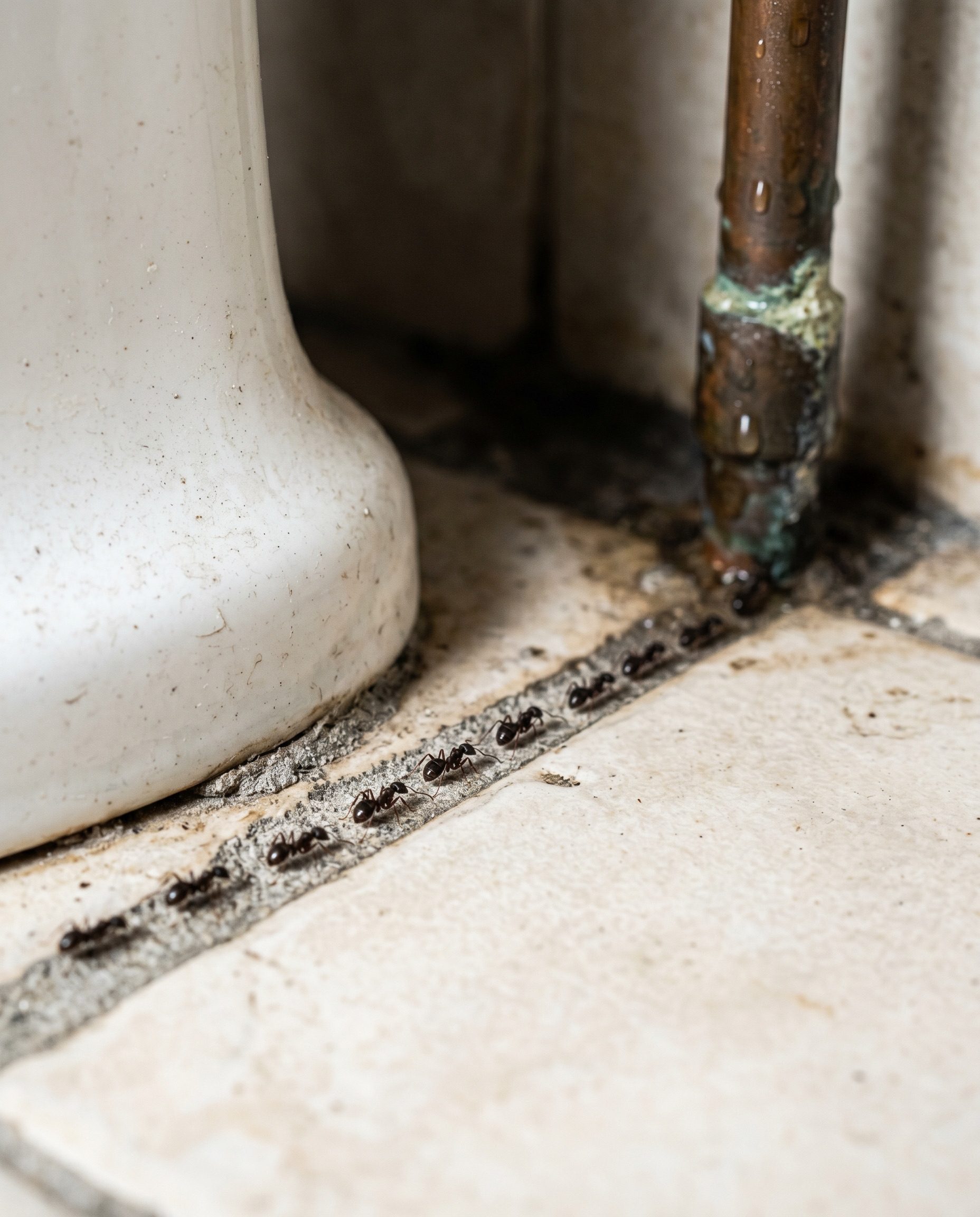
Kitchen ants chase food; bathroom ants chase water, and that changes where you place the station. The usual indoor culprit is the odorous house ant (*Tapinoma sessile*), a tiny dark brown ant that smells like rotten coconut or blue cheese when you crush one. Penn State Extension’s odorous house ant profile describes how it nests indoors near moisture and warmth in wall voids, which is exactly the space behind a bathroom vanity or under a leaking trap.
The species also explains why spraying backfires. Odorous house ants run colonies with many queens, not one, and stressing them with a repellent spray makes the colony bud, splitting one nest into several. Penn State’s same profile recommends baits precisely because the workers carry the baited material back to the nest. Spray a multi-queen ant and you can multiply your problem, so in a kitchen or bath the right move is to bait and leave the can in the garage.
Pavement ants and Argentine ants pick up the same nicknames when they hit the sugar or the sink. The fix is the same: find the trail, bait the trail, and seal the gap they came through once the line goes quiet. If yours are crowding the counter rather than the vanity, our guide to getting rid of sugar ants in the kitchen walks the same baiting approach for that room.
Where to place the station
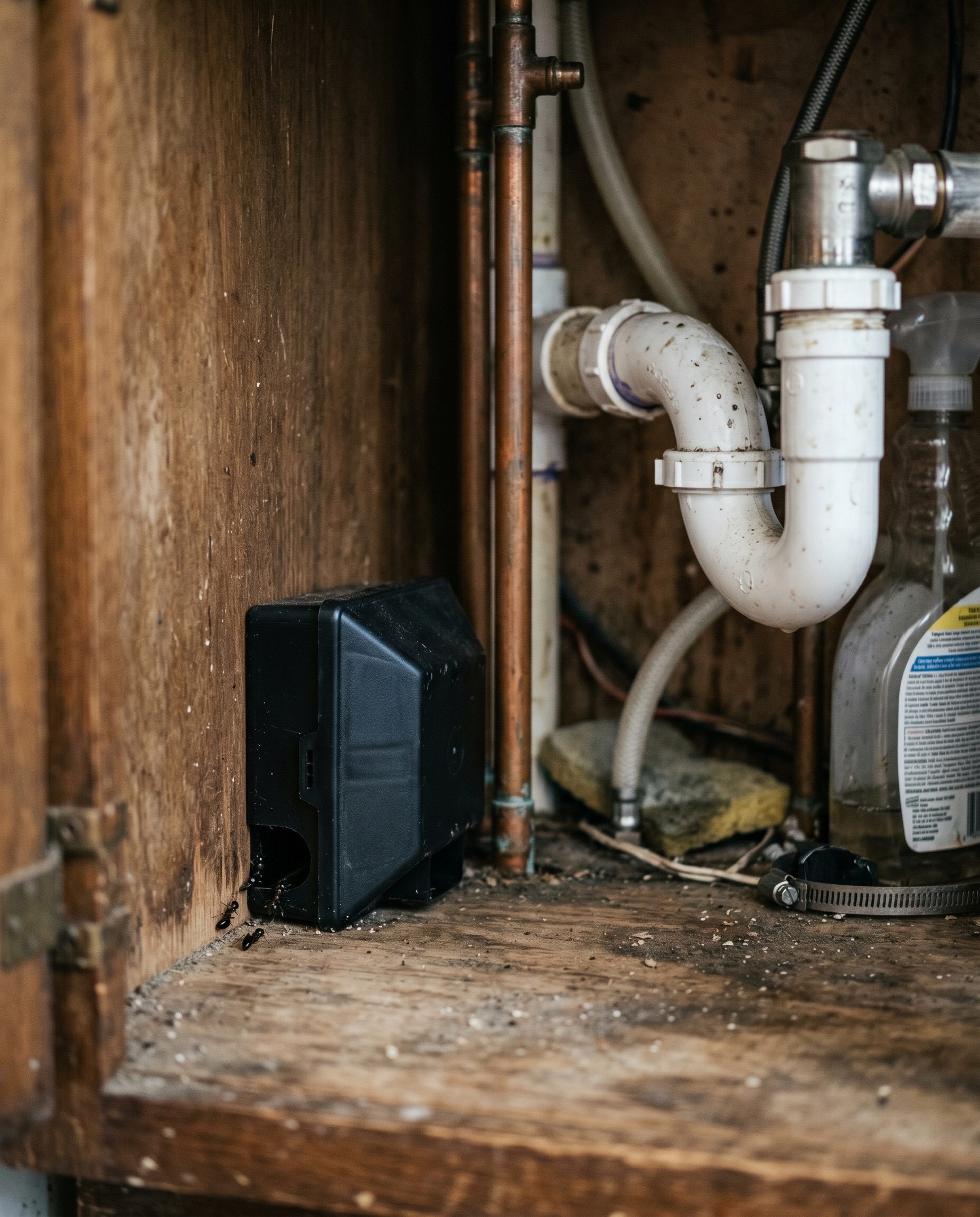
Placement is the difference between a station that works and one that sits ignored. Set it on the active trail, an inch off the line, near where the ants enter, not in the middle of the floor where you happened to see one scout. In the kitchen that means along the baseboard, in the corner of a cabinet, behind the toe-kick under the sink, or beside the plumbing. In the bathroom, put it where the trail meets a damp pipe or the base of the vanity. UC IPM’s guidance is to place baits along the edges where ants travel, which is corners and wall lines, not open ground.
Now the rule people break: do not spray while you bait. NC State Extension warns that spraying the ants or the baited area will contaminate the bait and repel them from it, which stalls the whole process. Pick one approach. For a kitchen and bath, that approach is baiting.
Keep it safe in rooms with food, kids, and pets. Use enclosed or child-resistant stations, never open gel smears on a counter, keep them off food-prep surfaces and away from pet bowls, and read and follow the product label, because under federal law the label is the law on where and how you can use it. If a child or pet gets into a bait, get them away from it and call your doctor or vet; the NPIC pesticide-safety resource covers what to do after an exposure.
Sweet today, grease tomorrow
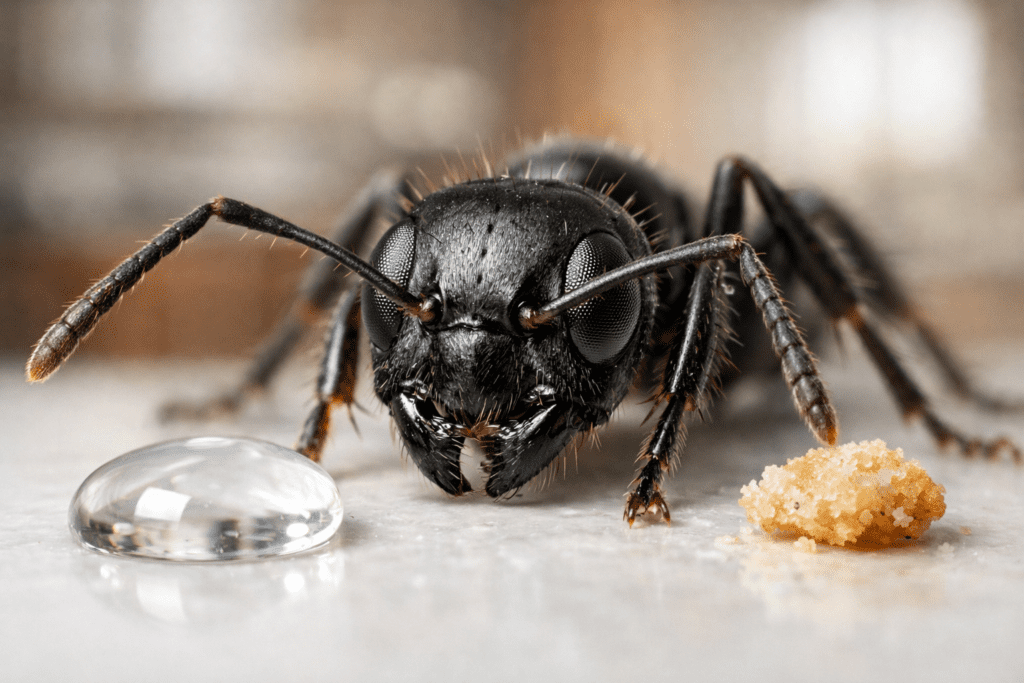
The reason a station sometimes seems to “stop working” is that the colony’s appetite changed, not that the bait failed. UC IPM notes that for some ants sweet baits attract year-round while protein baits pull harder in spring when colonies are raising young. Match the bait to the craving, not the calendar guess.
So treat it as a rotation. Start with a sweet liquid bait, since that is what brings most kitchen and bathroom ants to the trail. If they mob it for two days then walk past, switch to a grease or protein bait and they often pile back on. NC State Extension’s advice is the same: if the ants show no interest, try a different bait until you find one they readily eat. A bait ignored on day three is usually the wrong flavor, not a dud, so swap it before you give up.
Here is how the two product types stack up.
| Type | Best for | Watch out for |
|---|---|---|
| Enclosed bait station | Clearing the colony; kitchen and bath trails | Slow, days to weeks; keep area undisturbed and off food surfaces |
| Sticky monitor | Finding where ants travel; confirming they’re back | Catches stragglers only; never reaches the nest |
| Contact spray | Knocking down visible ants fast | Misses the nest; can split a multi-queen colony |
The picks
For our own home we keep a liquid station for sweet-feeders, a fipronil station for the protein-and-grease crowd, and a sticky monitor only to see where they cross. Pick by what the ants are doing, not by the biggest box on the shelf.
InsectoGuide is reader-supported. As an Amazon Associate we earn from qualifying purchases at no extra cost to you.
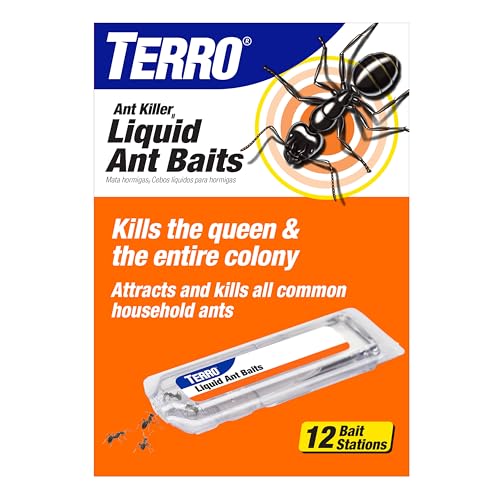
Pre-filled borax stations you set on the trail to reach the colony, not just the foragers.
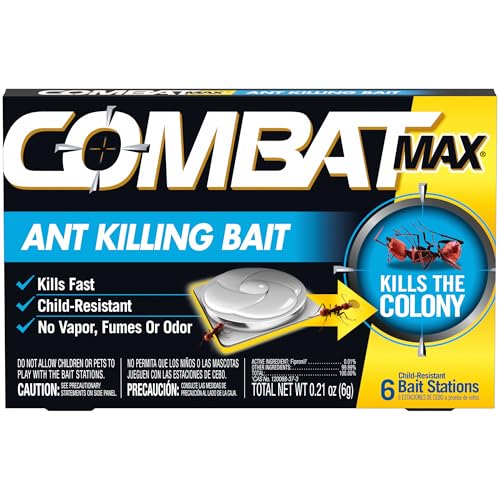
Child-resistant fipronil stations for the grease-and-protein ants that ignore sweet bait.