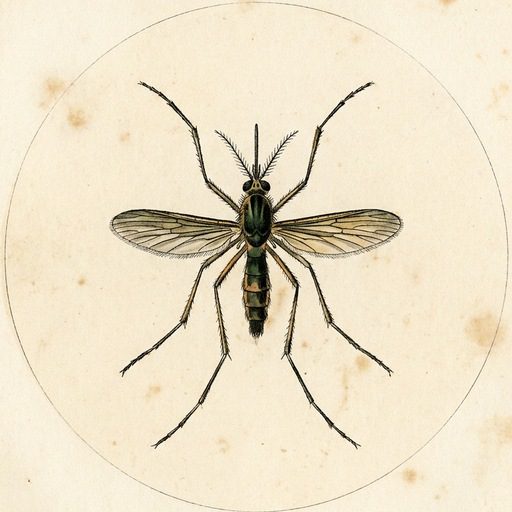
Fleas need a warm-blooded animal, so the first useful question is whether one lives in the property or recently did. If not, the realistic answers are springtails, flea beetles, carpet beetle larvae or bat bugs. If there is a pet, the jump and the shape settle it: a flea is dark, shiny and flattened side to side, and it disappears rather than travels.
- No animal, ever, and it jumps on a damp surface: springtail. Harmless, cannot bite, cannot live on a person.
- Jumps off a plant leaf with shot-hole damage: flea beetle, a garden problem.
- There is a pet and bites cluster at ankle height: treat it as fleas and start with the animal, not the carpet.
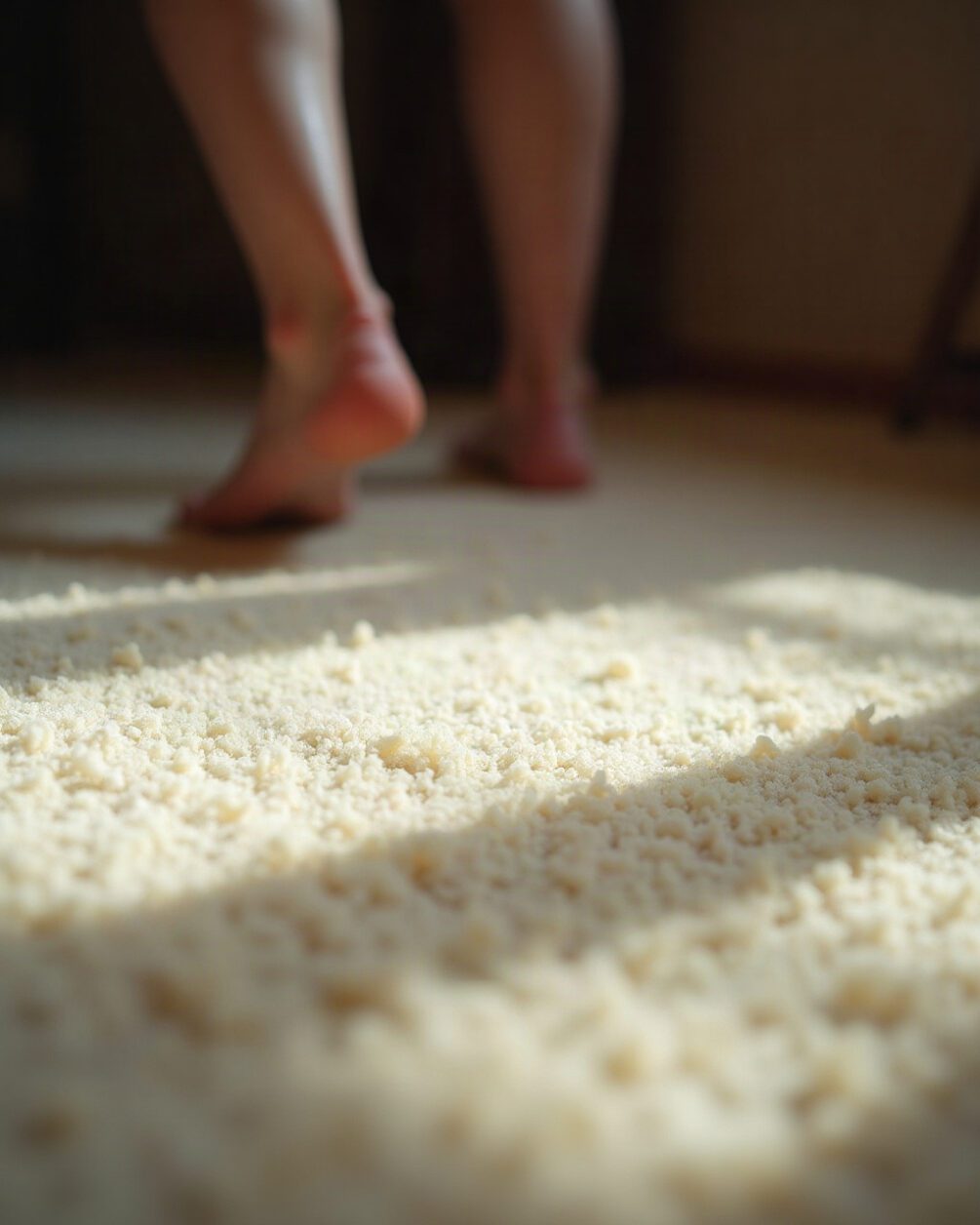
Flea panics are common and often wrong, and the reason is that several unrelated things jump. Jumping feels like a strong clue because it is so distinctive, but it is shared by animals with nothing else in common.
The question that does most of the work
Is there, or was there recently, a warm-blooded animal in the property?
Fleas are obligate parasites. They need blood from a mammal or bird to complete their life cycle, and the household species live on cats and dogs rather than on people. Kentucky’s guidance is that pets acquire fleas from kennels, groomers, strays and wildlife, and that control runs through treating the animal.
If the answer is a clear no, and no animal has lived there in the last year, fleas become unlikely rather than impossible. There is one real exception, covered below.
The four impostors
Springtails cause more false flea alarms than anything else. One to two millimetres, soft-bodied, white through grey to dark, and they jump when disturbed using a spring-loaded appendage under the abdomen.
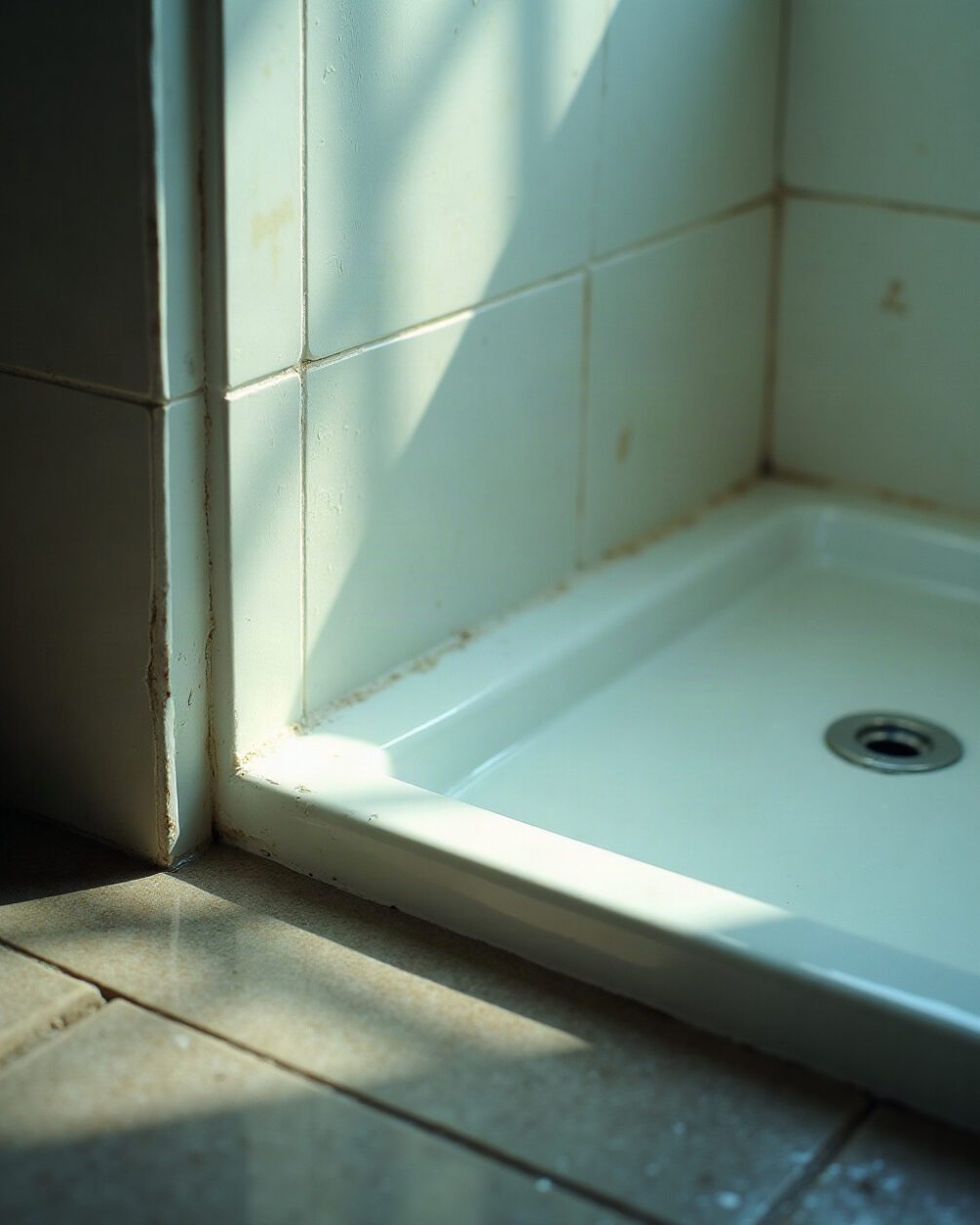
Two things separate them. Where: springtails need damp, so they appear in bathrooms, around drains, on windowsills after rain, in plant pots and in basements, not in dry carpet. How they move: the jump is erratic and directionless, a flick that lands a few centimetres away, rather than a long directed leap.
Penn State describes them feeding on mould, algae and decaying plant material. They cannot bite, cannot live on a person, and cannot survive dry air. Our guide to tiny white bugs covers them properly.
Flea beetles are small, shiny, often metallic, and jump strongly. They have nothing to do with fleas beyond the name. They live on plants, particularly brassicas, aubergines and rocket, and their damage is distinctive: many small round holes as though the leaf had been peppered with shot. Our garden pest guide covers them.
Carpet beetle larvae do not jump at all, but they get blamed for flea bites constantly because they live in carpet and their bristles cause an itchy contact rash. They are bristly and slow. Our guide to carpet beetle rashes covers why that rash is not a bite, and the carpet identification guide covers the three things that actually live down there.
Bat bugs are the exception worth knowing. They are close relatives of bed bugs, they come from a bat roost in a loft or chimney, and they disperse into the rooms below when the bats leave. They do not jump, but they turn up unexpectedly in properties with no pets, which is exactly the situation that produces confused flea searches.
What a flea actually looks like
One to three millimetres, dark reddish brown, shiny, wingless, and flattened side to side rather than top to bottom. That shape is unusual and diagnostic: it lets a flea move through hair, and it means a flea viewed from above looks narrow rather than broad.
The jump is powerful and directed. People describe fleas vanishing rather than moving, which is the honest description of something that clears many times its own body length.
The bite pattern is the other tell: small itchy bumps clustered around ankles and lower legs, because that is the height a flea reaches from the floor. Our flea bites guide covers what they look like, and the comparison with bed bugs covers the other parasite people worry about, which bites the upper body overnight instead.
The test that settles it in one night
This costs a bowl and answers the question better than any amount of photograph comparison.
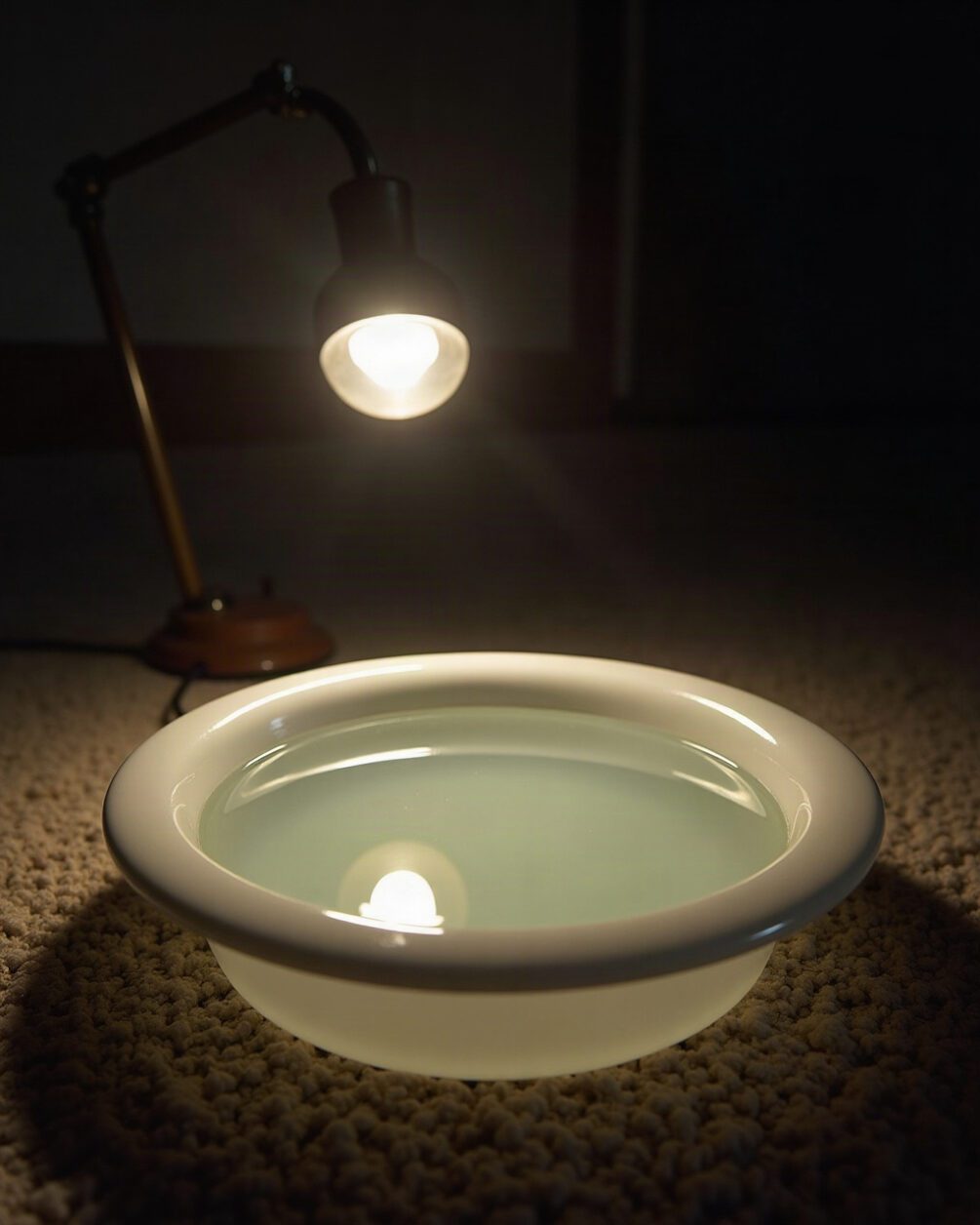
Put a shallow dish of water with a drop of washing-up liquid on the carpet in the affected room, and set a lamp low over it, left on overnight. Fleas move toward warmth and light, land in the water, and cannot escape because the detergent breaks the surface tension.
Fleas in the dish confirms it. An empty dish after two or three nights makes fleas unlikely, and points you at the springtail and carpet beetle explanations instead.
If it is fleas
The order of operations matters more than the products, and getting it wrong is why people conclude treatment failed.
Treat the animal first. UC IPM is clear that flea management depends on treating the pet, with the environment as a secondary target. An untreated animal reseeds the house continuously.
Then the environment, concentrating where the animal rests rather than the middle of a room.
Then wait, and expect a second wave. Pupae are resistant and hatch over weeks in response to warmth and vibration, so a resurgence a fortnight after everything looked solved is normal rather than failure. Our flea life cycle guide explains the timing and the complete guide covers the sequence.
Common questions
There has never been a pet here and I am being bitten.
Then check three things before assuming fleas: whether a previous occupant had an animal, whether there is a bird or bat roost in the roof, and whether the bites are actually bites. Our guide to things that feel like bites but are not insects covers the honest alternatives, several of which are common and none of which is embarrassing.
Can fleas live on people?
Not sustainably. The cat and dog species will bite a person opportunistically but cannot complete a life cycle on one, which is why an infestation always traces back to an animal or to a property that had one.
Do lice jump?
No, and this is a persistent myth. Our guide to whether lice jump or fly covers it, and lice versus fleas on humans covers the confusion between the two.
Final verdict
Ask whether an animal lives there. If not, a jumper on a damp surface is a springtail, a jumper on a holed leaf is a flea beetle, and an itchy rash in a carpeted room with no jumper at all is more likely carpet beetle contact than any bite. If there is a pet, put a dish of soapy water under a lamp overnight: it settles the question by morning, and if fleas turn up, the work starts with the animal rather than the floor.