
Finding unwanted guests munching on your prized tomatoes or delicate roses can be frustrating. Identifying the culprit quickly is the first step to protecting your garden without harming beneficial insects or the environment. This comprehensive guide simplifies garden pest identification, helping you recognize common invaders by their appearance and the specific damage they cause. By understanding who's who in your garden, you can choose the most effective and eco-friendly strategies to keep your plants thriving.
Bottom line: To identify garden pests, start by observing the type of damage on your plants (chewed holes, stippling, wilting, sticky residue). Then, inspect the plant thoroughly—especially leaf undersides and new growth—for the insects themselves, their eggs, or their droppings. Finally, match your observations to a reliable visual identification guide to confirm the pest and choose appropriate management.

Identify first
Correctly identifying garden pests is the cornerstone of effective and sustainable plant care. Many gardeners mistakenly assume any insect on a plant is harmful. However, less than 3% of insect species are considered pests; the vast majority are neutral or beneficial, playing vital roles as pollinators, decomposers, or natural enemies of pests, as highlighted by the University of Kentucky. Misidentification can lead to applying unnecessary treatments that harm these allies, often worsening pest problems in the long run.
Integrated Pest Management (IPM) is the gold standard for pest control, championed by university extension services like Cornell Cooperative Extension. IPM emphasizes a systematic approach:
- Correct Identification: Knowing exactly what you're dealing with.
- Monitoring: Regularly checking plants to detect problems early.
- Thresholds: Deciding when intervention is truly necessary, not just at the first sighting.
- Prevention: Using cultural practices like healthy soil, resistant plant varieties, and crop rotation.
- Non-Chemical Controls: Employing physical barriers, hand-picking, or encouraging beneficial insects.
- Targeted Chemical Controls: Using pesticides only as a last resort, selecting options that minimize harm to non-target organisms.
One of the most powerful identification tools is observing the damage pattern on your plants. Different types of pests leave distinct clues:
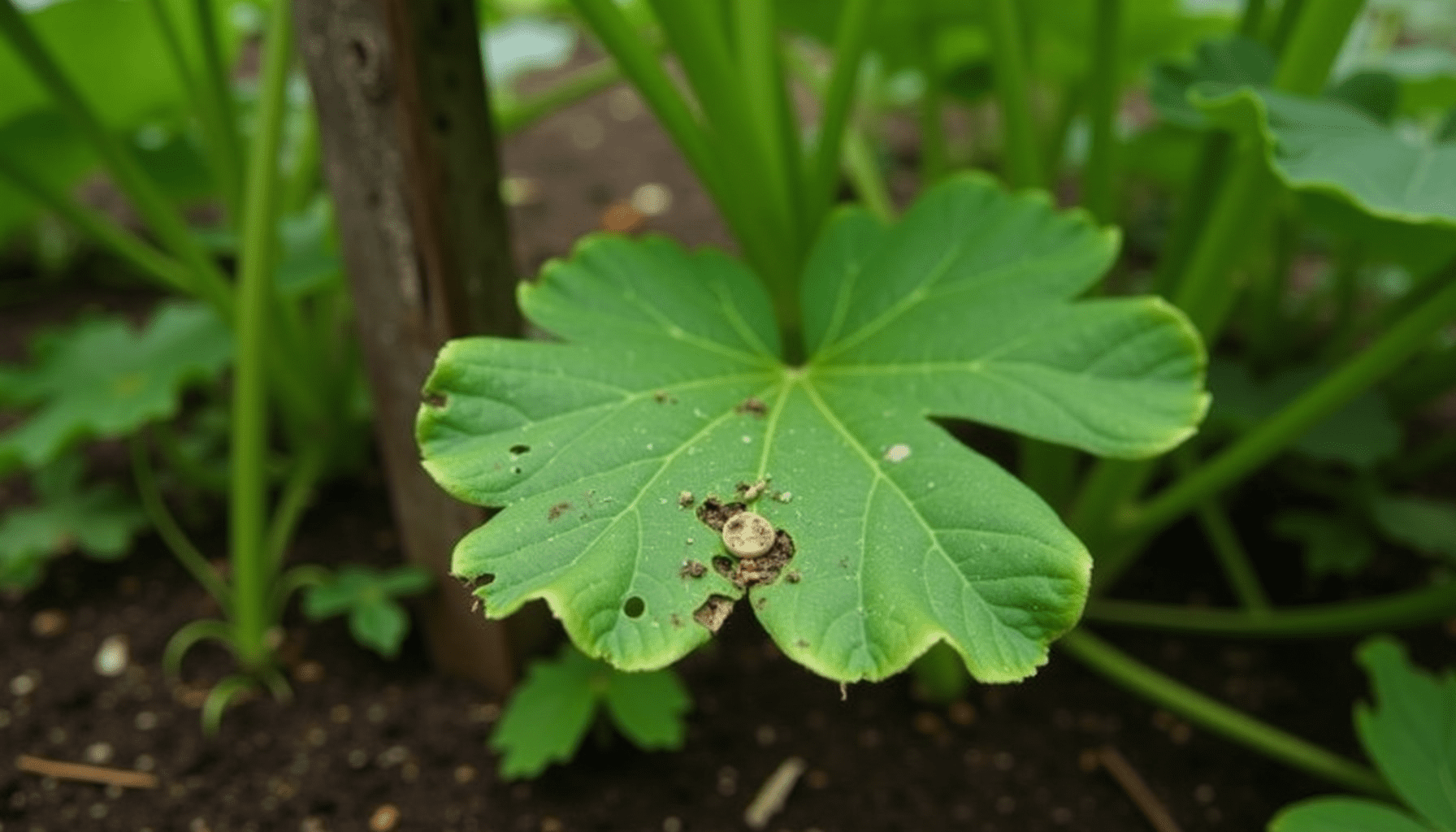
- Chewed holes or missing tissue often point to chewing insects like caterpillars, beetles, slugs, or grasshoppers.
- Stippled, speckled, or silvered leaves indicate piercing-sucking pests such as spider mites, thrips, or leafhoppers.
- Sticky honeydew and sooty mold are tell-tale signs of aphids, whiteflies, or scale insects.
- Wilting despite moist soil can suggest root or vine borers, root maggots, or cutworms.
- Squiggly tunnels inside leaves are the work of leaf miner larvae.
- Distorted new growth, curls, or galls can be caused by aphids, mites, or psyllids.
Regular garden scouting, at least weekly during the growing season, is crucial. Check the undersides of leaves, new growth, along stems, and the top layer of soil. Early detection significantly increases the success rate of non-chemical controls, saving your plants and reducing effort. For a deeper dive into managing pests sustainably, explore our guide on Integrated Pest Management (IPM) for Home Gardens.
Common pests
Identifying garden pests often starts with recognizing the most frequent culprits. Here’s a look at common garden invaders, their key identification traits, typical damage, and initial management strategies.
Aphids
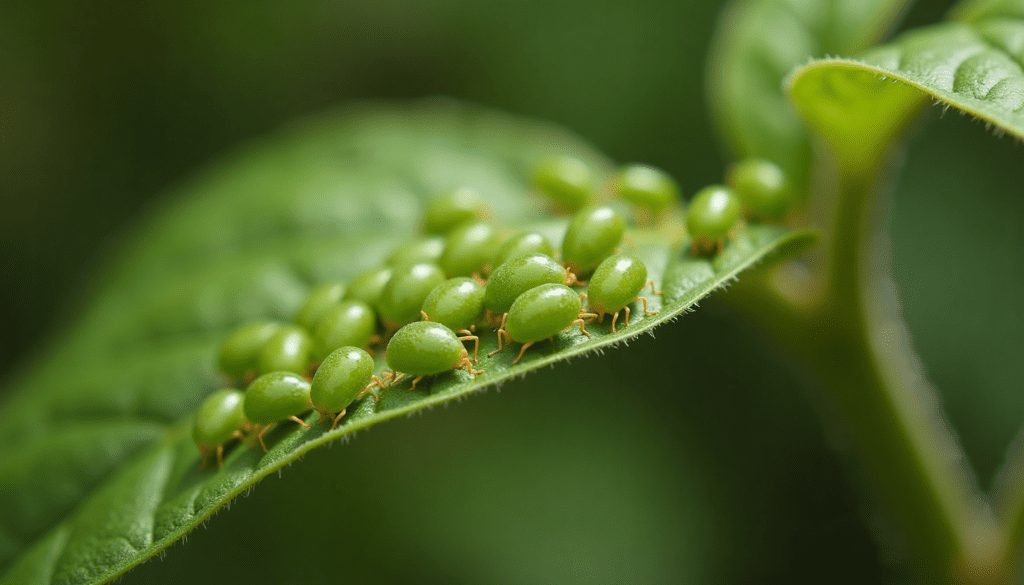
These tiny (1–4 mm), pear-shaped, soft-bodied insects come in various colors—green, black, brown, red, yellow, or gray. They often cluster on new growth and the undersides of leaves, causing them to curl or crumple. Aphids excrete a sticky substance called honeydew, which can lead to black sooty mold growth on plants. Common hosts include almost all vegetables and ornamentals, with a particular fondness for kale, chard, roses, beans, and peppers. You might also spot ants "farming" aphids for their honeydew, a fascinating symbiotic relationship. Understanding Ant Identification Guide: 20 Common Species With Pictures can help you recognize these garden residents.
Management: Blast colonies off with a strong stream of water, prune heavily infested tips, and encourage natural predators like lady beetles. You can learn more about these beneficial insects in our guide on How to Identify Ladybugs: Types, Colors & Look-Alikes. For heavier infestations, insecticidal soap or horticultural oil can be effective when applied thoroughly to leaf undersides.
Caterpillars
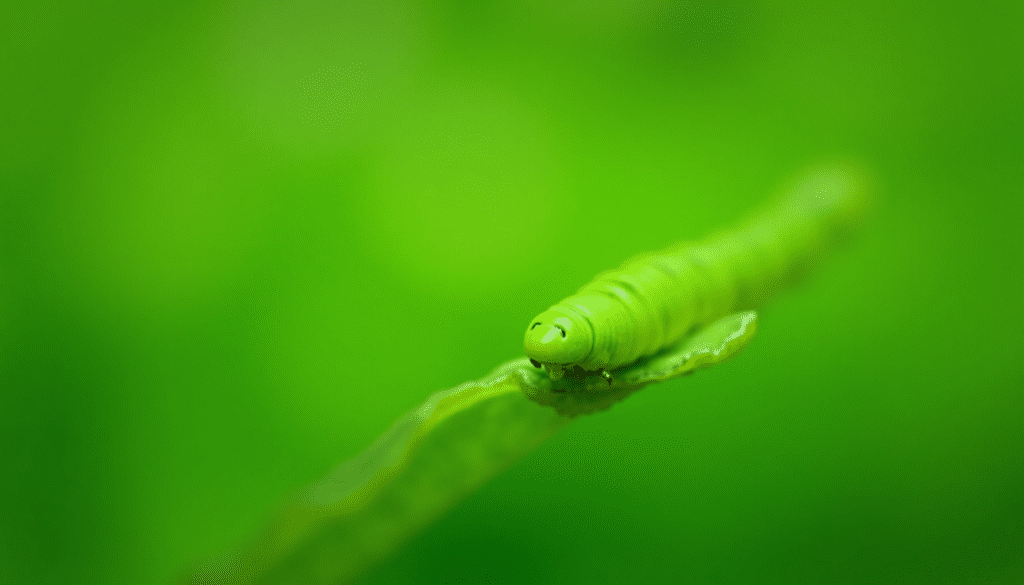
Caterpillars are the larval stage of moths and butterflies, characterized by their soft, worm-like bodies and chewing mouthparts. Their damage includes holes in leaves, ragged edges, and complete defoliation. You'll often find dark, pellet-like droppings (frass) on leaves and soil.
- Cabbage worms/loopers: Green caterpillars found on brassicas (cabbage, kale, broccoli). They often camouflage along leaf ribs.
- Tomato hornworms: Large (up to 4 inches), green caterpillars with a distinctive "horn" at their rear, known for rapidly stripping leaves from tomato and pepper plants.
Management: Hand-picking caterpillars, especially at dusk or dawn, is highly effective. The organic microbial insecticide Bacillus thuringiensis kurstaki (Bt) targets only caterpillars when ingested, making it a good choice for larger outbreaks. Avoid spraying Bt or other insecticides on blooming plants to protect foraging butterflies and moths.
Beetles
Beetles are distinguished by their hard wing covers (elytra) and often shiny appearance. Adults can be quick to drop or flee when disturbed. Damage typically involves chewed leaves (often skeletonized), holes in fruits, and sometimes root damage from their larval stages.
- Japanese beetles: Metallic green and bronze adults that skeletonize leaves and flowers, often congregating in groups on roses, grapes, and beans.
- Flea beetles: Tiny, shiny beetles that jump like fleas when disturbed. They create numerous small "shot holes" in leaves, particularly on brassicas and nightshades.
- Cucumber beetles: Striped or spotted yellow-green beetles that feed on cucumbers, squash, and melons. They can also transmit bacterial wilt.
- Colorado potato beetles: Yellow and black striped adults, with plump, reddish larvae that have black spots. They are notorious for damaging potatoes, tomatoes, and eggplants.
Management: Hand-picking larger beetles into soapy water is effective, especially in cooler mornings. Row covers can exclude beetles from young seedlings. Kaolin clay sprays can deter feeding. For severe infestations, targeted insecticides like spinosad may be used, but rotation of products is important to prevent resistance, especially with pests like the Colorado potato beetle.
True Bugs (Squash Bugs, Stink Bugs)
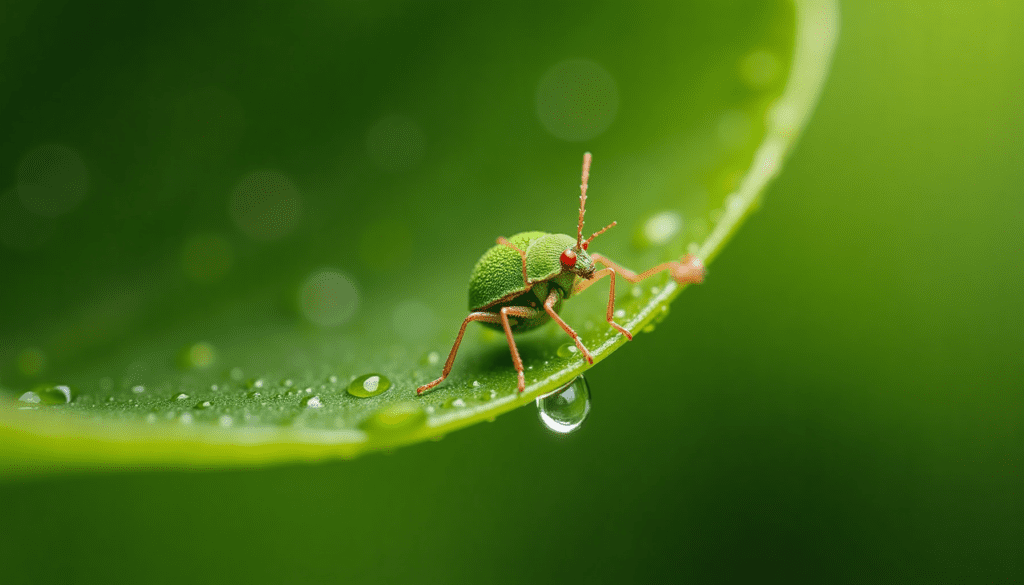
True bugs, such as squash bugs and stink bugs, possess piercing-sucking mouthparts. They have distinctive shield-shaped or elongated bodies and visible segmented beaks.
- Squash bugs: Gray-brown, flat insects found on squash and pumpkins. They cause wilting, yellow or brown spots on leaves, and eventual plant decline. Their bronze egg clusters are often found on leaf undersides.
- Stink bugs/leaf-footed bugs: Shield-shaped or with leaf-like expansions on their hind legs, these bugs cause cloudy, sunken spots on fruits like tomatoes, peppers, and beans.
Management: Regularly inspect plants for egg clusters and crush them. Trap boards placed near plants can lure bugs overnight, allowing for morning collection into soapy water. Young nymphs may be vulnerable to insecticidal soap or spinosad, but adult true bugs are generally more resistant. The Piedmont Master Gardeners offer further insights into managing these pests.
Whiteflies
These tiny, white, moth-like insects flutter up in clouds when disturbed, particularly from the undersides of leaves. Whitefly damage includes yellowing leaves, honeydew excretion, and subsequent sooty mold growth. They are common on tomatoes, peppers, cucumbers, and various ornamental plants.
Management: Yellow sticky traps can help monitor and reduce populations. Insecticidal soap or horticultural oil, applied repeatedly to leaf undersides, can suppress whiteflies. Encourage natural enemies like parasitoid wasps and lacewings by avoiding broad-spectrum insecticides.
Spider Mites
Spider mites are extremely tiny pests, often only visible with magnification. Their presence is indicated by fine stippling on leaves, bronzing, and sometimes delicate webbing, especially in hot, dry conditions. They commonly affect beans, tomatoes, cucurbits, and indoor plants.
Management: Regularly hosing off plants can reduce mite populations. Insecticidal soap and horticultural oils can suppress mites. It’s important to avoid pyrethroid insecticides, which can inadvertently worsen mite outbreaks by eliminating their natural predators.
Slugs & Snails
These soft-bodied (slugs) or shelled (snails) mollusks are primarily nocturnal. They create irregular holes in leaves, particularly on tender seedlings and leafy greens. Their tell-tale sign is the silvery slime trails left on soil and foliage.
Management: Hand-pick slugs and snails at night using a flashlight. Beer traps, copper barriers, or iron phosphate baits offer lower toxicity alternatives to traditional slug pellets. Reducing moisture and hiding spots, such as thick mulch or boards, can also help.
Root & Stem Pests
These hidden pests can cause significant damage before you even see them.
- Cutworms: Larvae that sever seedlings at the soil line overnight.
- Root maggots: Fly larvae that damage roots of brassicas, onions, and other plants, leading to wilting and poor growth.
- Squash vine borers: Larvae that tunnel inside squash and pumpkin vines, causing sudden wilting and sawdust-like frass at the stem base.
Management: For cutworms, place collars around seedling stems. For vine borers, plant later in the season, wrap stem bases, or use row covers before egg-laying. Physically removing larvae by slitting the stem can save plants, and mounding soil over nodes can encourage new root growth. Crop rotation and good sanitation help manage root maggots.
Pest or beneficial
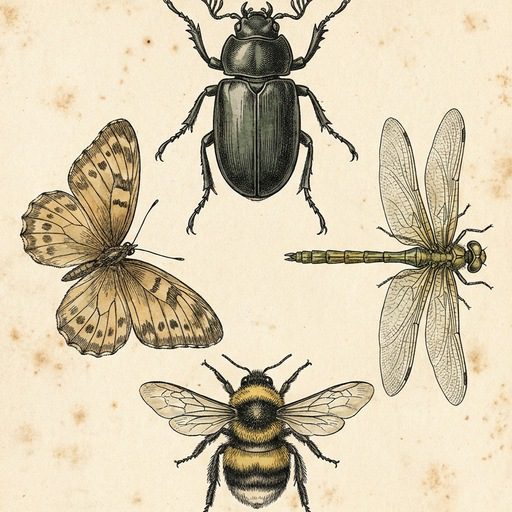
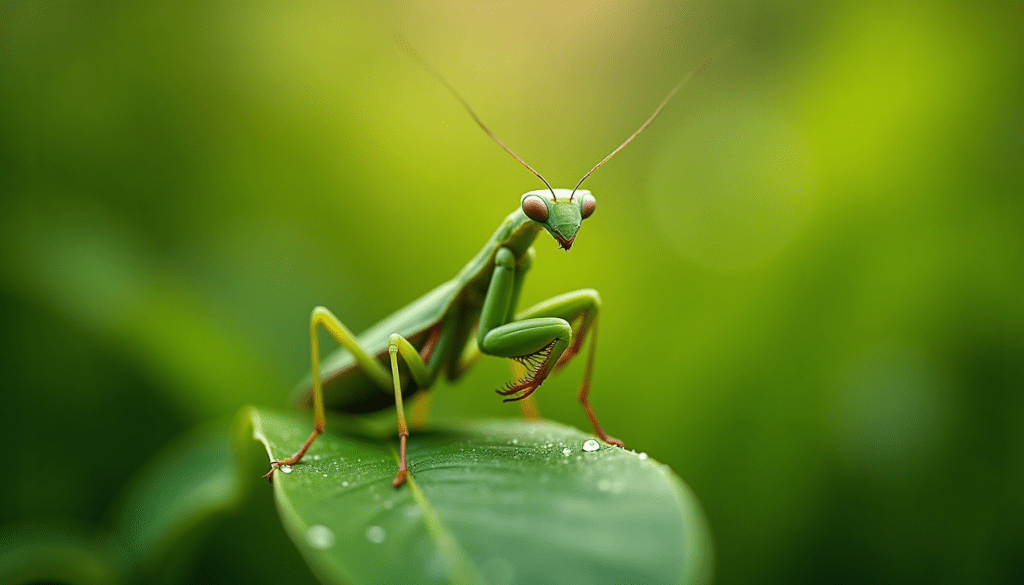
A common misconception is that "any insect on my plants is bad." In reality, most garden insects are neutral or beneficial, playing crucial roles in a healthy ecosystem. Lady beetles, lacewings, hoverflies, ground beetles, predatory stink bugs, and parasitic wasps are all allies in your garden. Killing them often disrupts the natural balance and can lead to worse pest outbreaks.
It's also important to remember that not all plant damage comes from insects. Ragged edges or large sections missing overnight often point to vertebrate pests like birds, rabbits, deer, or rodents, rather than insects. Insect chewing typically leaves numerous smaller holes or characteristic patterns. While some insects might look intimidating, many are harmless. For example, Mosquito Hawks & Crane Flies are often mistaken for giant mosquitoes but are entirely benign.
Another misconception is that "if I don't see bugs, there are no insect problems." Many pests are masters of disguise or nocturnal. They hide under leaves, in rolled leaves, inside stems (like borers), in the soil (grubs, cutworms), or only emerge at night. Damage patterns often appear before the pest itself is obvious, underscoring the importance of thorough inspection.
Finally, the idea that "more spraying equals better control" is a harmful myth. Overuse of broad-spectrum insecticides kills beneficial insects and can trigger secondary pest outbreaks, such as mites or aphids, because their natural predators have been eliminated. Some pests, like the Colorado potato beetle, have developed significant pesticide resistance. Even organic pesticides like spinosad or pyrethrins can harm bees, butterflies, and beneficial predators if misused. Always emphasize proper timing (evening applications), avoiding flowers, and spot-treating rather than blanket spraying. Understanding the differences between various flying insects, such as Bee vs Wasp vs Hornet: Key Differences You Need to Know, can also help you appreciate the diversity of insect life in your garden.
ID workflow
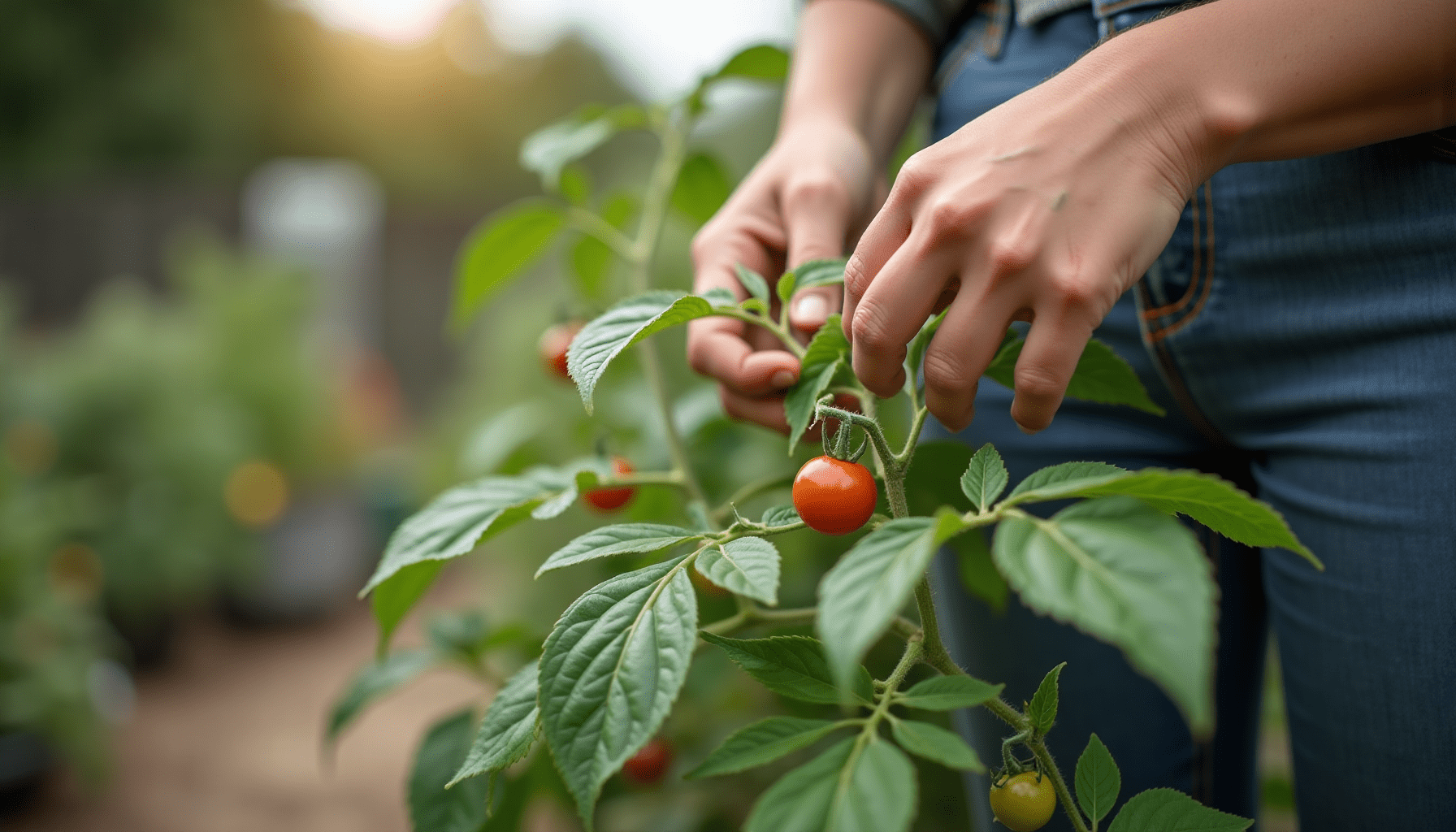
When you discover something amiss in your garden, a systematic approach to garden pest identification will lead you to the correct solution. Follow these steps to become a garden detective:
-
Where is the damage located?
- Leaves (top, bottom, new, old)?
- Stems? Roots?
- Flowers or fruits?
- Seedlings?
-
What does the damage look like?
- Chewed holes / missing pieces: Indicates chewing insects or potentially vertebrate pests.
- Speckling / stippling / bronzing: Suggests piercing-sucking pests like mites, thrips, or leafhoppers.
- Curling / distorted leaves + sticky honeydew: Often signals aphids or whiteflies.
- Mines inside leaves: Points to leaf miners.
- Wilting without obvious feeding: Could be borers, root pests, or plant diseases. For help distinguishing between these, refer to our guide on Common Garden Pest Identification Guide.
- Silvery trails: A clear sign of slugs or snails.
-
What do you see when you inspect?
- Leaf undersides: Many pests hide here (aphids, whiteflies, mites, eggs).
- New growth (center of plants): Often the first place aphids and other soft-bodied pests attack.
- Along stem ribs and in leaf axils: Good hiding spots.
- Soil surface and a couple centimeters down: Look for cutworms, grubs, or pupae.
- Under debris (leaves, boards, mulch): Slugs, snails, and some beetles hide here.
- Look for not just the pests themselves, but also their eggs, frass (droppings), or fine webbing.
-
Match to a photo index: Once you have visual evidence, compare it to reliable online resources. The Gardeners' Supply Plant Pest Photo Gallery and GardenTech's "Identify Garden Insects" are excellent starting points for visual confirmation.
-
Choose management options: Once identified, implement an Integrated Pest Management (IPM) strategy. Prioritize prevention and cultural controls, followed by physical and mechanical methods, and encouraging biological control (beneficial insects). Use targeted pesticides only if necessary, always following label instructions carefully.
While focusing on plant health, remember to protect yourself. Knowing about Types of Ticks: Complete Identification Guide With Pictures is important for anyone spending time outdoors in their garden.
Final checklist
Mastering garden pest identification empowers you to protect your plants effectively and sustainably. By understanding the common culprits, recognizing their damage patterns, and employing a systematic inspection workflow, you can quickly pinpoint problems and implement targeted solutions. Remember that most insects in your garden are beneficial, and a healthy garden ecosystem thrives on diversity. Embrace the role of a garden detective, and your efforts will be rewarded with robust, flourishing plants.
For more detailed information on specific pests or beneficial insects, explore our comprehensive guides, such as Beneficial Insects: 20 Bugs You Want in Your Garden or our resource on Best Organic Pest Control Products for Gardens.
Pingback: Long Thin Bugs in the House: Identification Guide