
You found termite damage, or maybe just a strange tube of dried mud on the foundation, and now you need a name before you spend a cent. Here is the part that matters most: the type of termite dictates the entire treatment, so identify it first. Subterranean termites live in the soil and build pencil-thin mud tubes to climb into wood, while drywood termites live entirely inside the wood and push out little frass pellets. Get the ID wrong and you treat the soil for a colony that was never in the soil, or you spot-treat one board while a hidden ground colony keeps eating.
Mud tubes on the foundation mean subterranean termites, which need a soil barrier or a bait system; dry six-sided pellets under the wood mean drywood termites, which need wood treatment or, in heavy cases, fumigation. Identify the type before you treat, because the wrong treatment misses the colony entirely.
- The confirming sign: Mud tubes plus soil contact equals subterranean; dry frass pellets and no soil contact equals drywood.
- Most-confused look-alike: Drywood frass versus subterranean carton mud, separated by whether the debris is dry hexagonal pellets or moist soil.
- What it means: A confirmed structural colony of either type is a job for a licensed pro, not an over-the-counter can.
Quick answer first
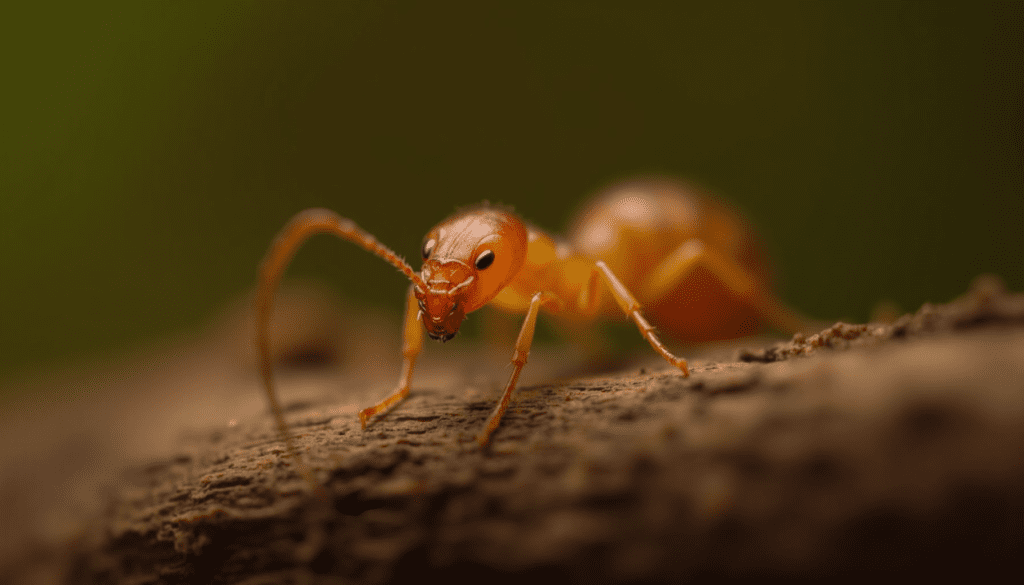
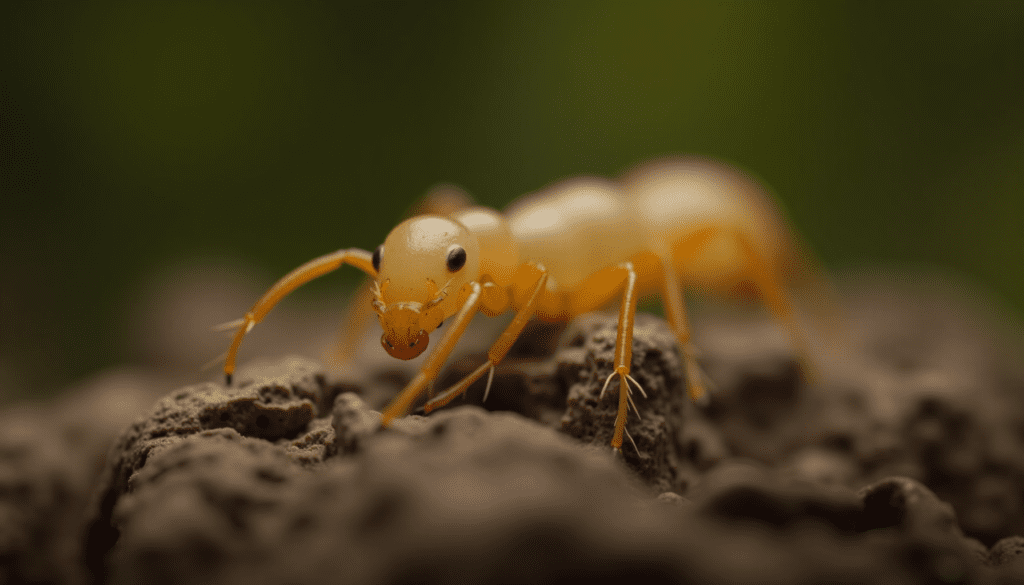
Two termites cause almost all the structural damage in US homes, and they live completely differently. Subterranean termites (family Rhinotermitidae) nest in the soil and need constant moisture, so they build the mud shelter tubes you see snaking up a foundation to reach the wood above. Drywood termites (family Kalotermitidae) carry their own moisture inside their bodies, nest right in the lumber, and never touch the ground, so their tell is dry pellets, not mud.
That single difference, soil contact versus no soil contact, drives everything that follows. Subterranean colonies are treated at the ground because that is where the colony lives. Drywood colonies are treated in the wood because that is the entire nest. Before you reach for any product, get the name right: the two respond to opposite treatments, and the most common DIY mistake is treating the soil for a colony that lives in a windowsill.
The one sign that confirms it
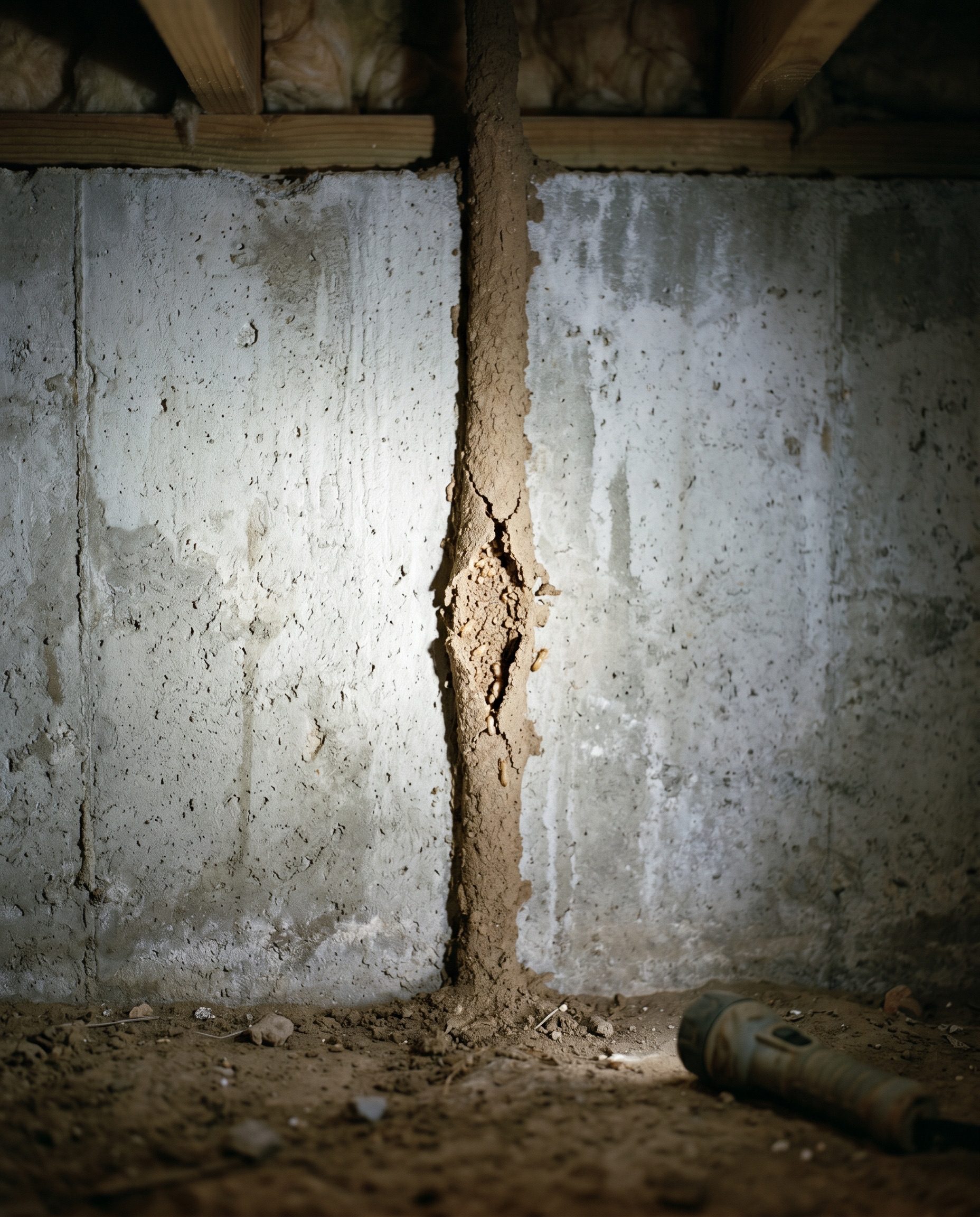
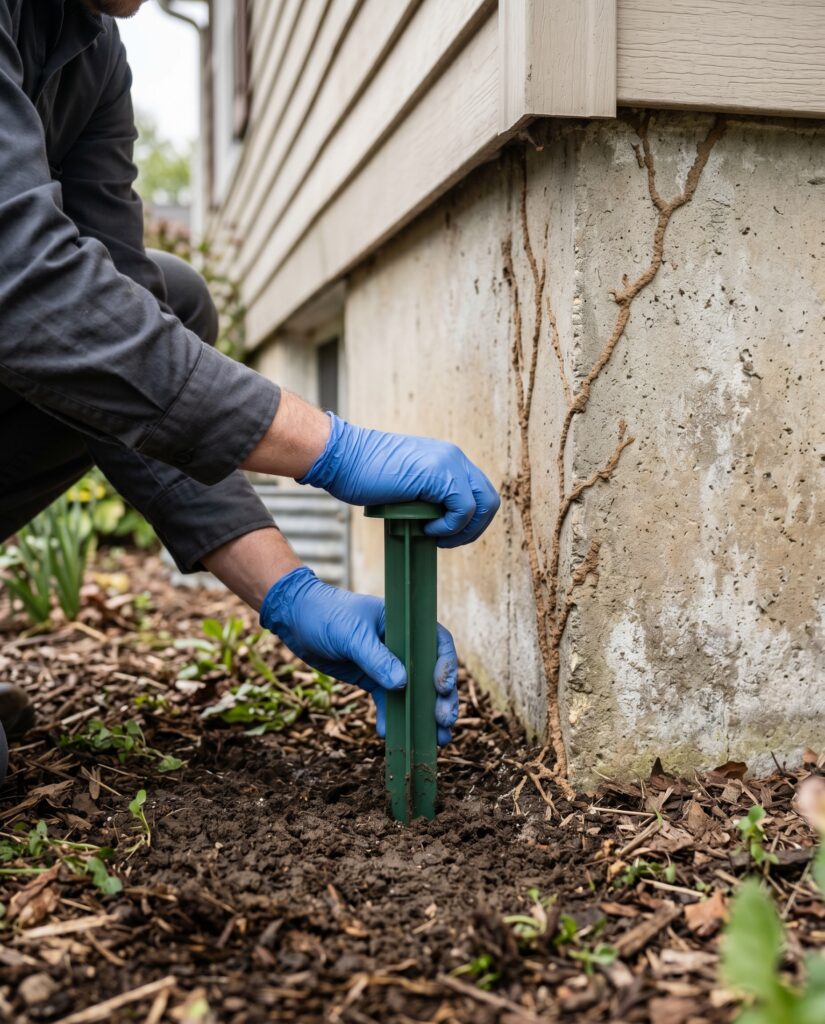
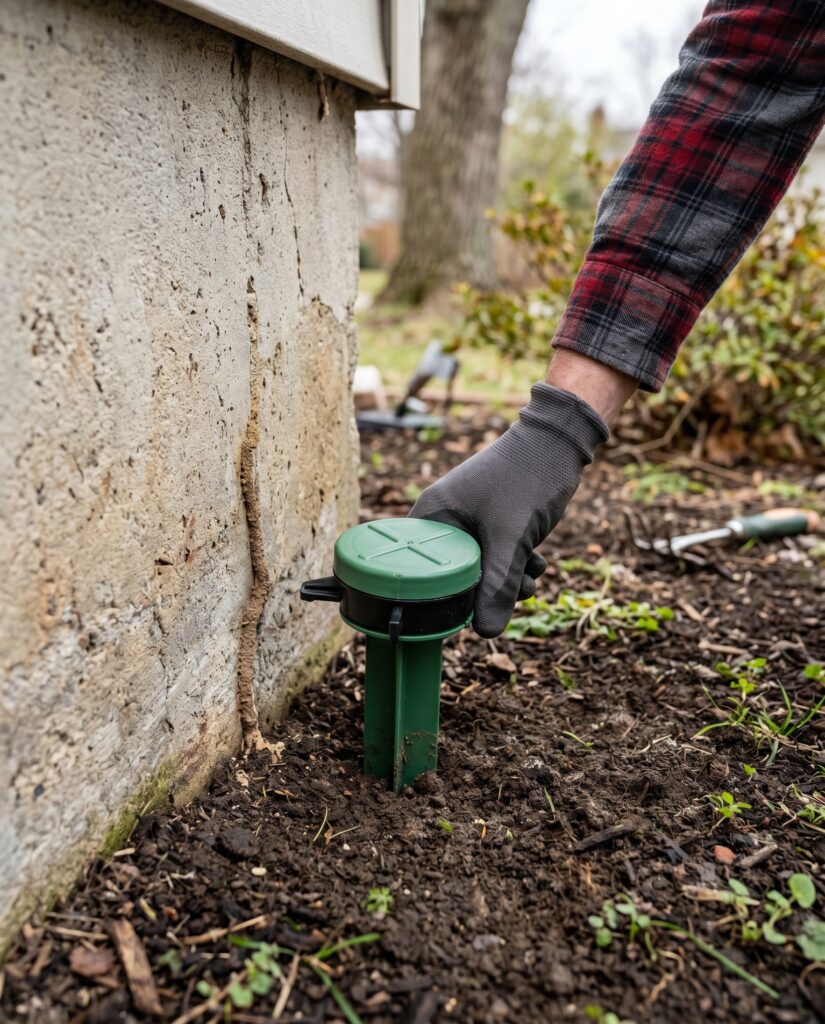
If you remember one diagnostic, make it this: mud means subterranean, dry pellets mean drywood. Subterranean workers cannot stand open air without drying out, so they encase their travel routes in soil and saliva. Those flat, pencil-width earthen tubes running across concrete, up a pier, or out of a crack are the signature, and University of California’s pest experts describe exactly why structural subterranean termite jobs need professional soil or bait systems once those tubes show up.
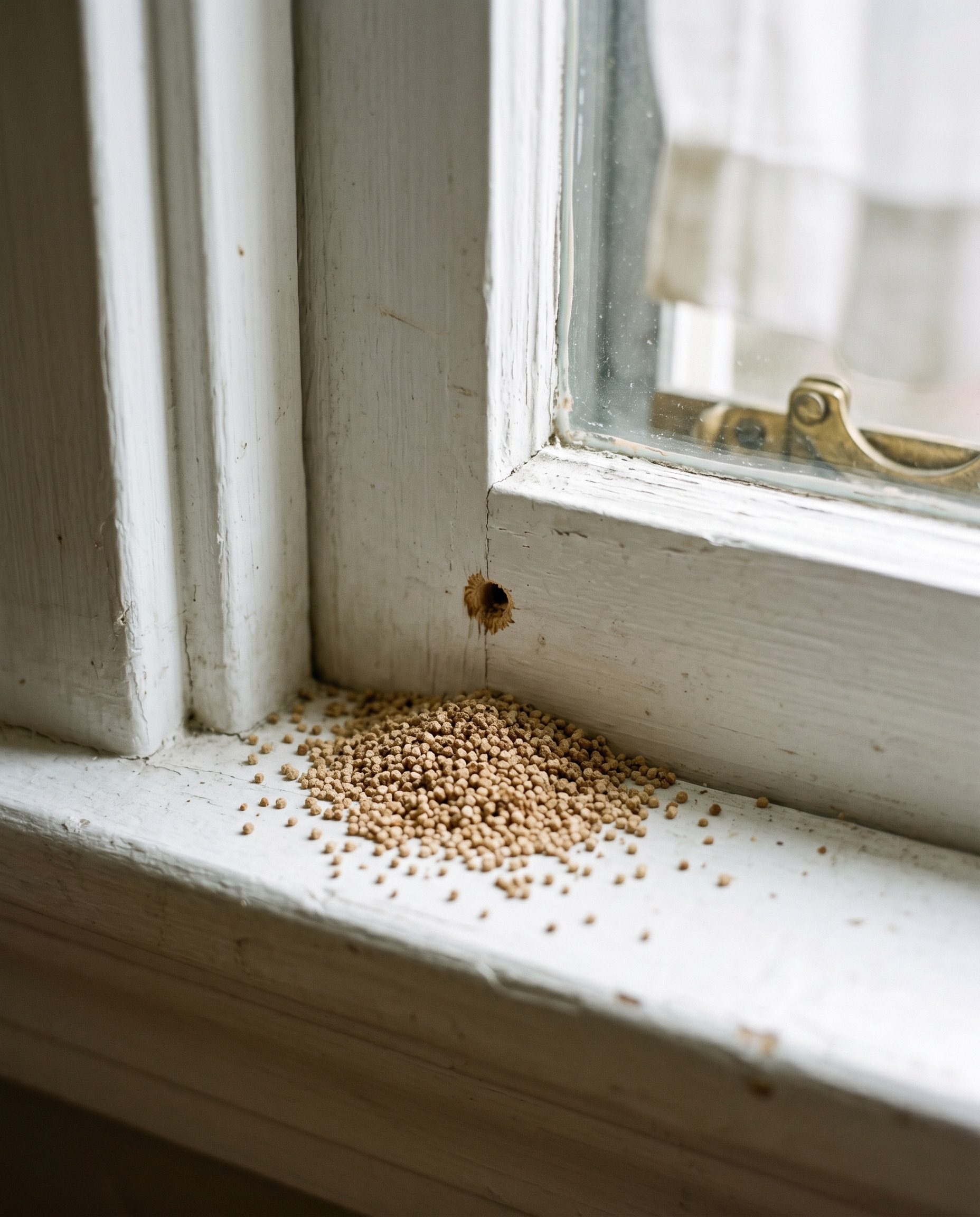
Drywood termites leave no tubes at all. Instead they kick their droppings out of tiny holes, and the droppings pile up below as frass that looks like coarse sand or ground pepper. Look at a few grains in good light: drywood pellets are hard, dry, and six-sided, a feature you can actually see with a hand lens. Subterranean debris, by contrast, is damp and amorphous, more like packed dirt. If you can crush a pile and it smears, that points to a soil-based colony; if it stays as dry granules, you are looking at drywood.
How each one lives in the wood
The deeper you understand where each species nests, the more obvious the ID becomes. Subterranean colonies are huge, often hundreds of thousands of workers, and they are centered underground. They forage up into a structure through any wood-to-soil contact or through their tubes, then hollow out wood along the soft spring grain, leaving a layered, dirty galleries packed with mud. Cut into infested framing and you find soil smeared inside, which is itself a confirmation.
Drywood colonies are small by comparison, often a few thousand individuals, and the entire nest sits inside the timber. They cut clean, smooth galleries across the grain with no soil lining, because there is no soil to bring in. You will see this difference most clearly when a board breaks open: clean and chambered points to drywood, muddy and grain-following points to subterranean. The University of Kentucky’s entomology fact sheet on how soil barriers and professional treatment work against termites leans on this same soil-contact logic to decide where treatment belongs.
Both types throw off winged reproductives, called swarmers or alates, on warming days. Swarmer timing is a clue too: subterranean species usually swarm in daylight after spring rain, while many drywood species swarm on warm evenings later in the season. The shed wings collect on windowsills either way, so a wing pile alone does not settle the ID; pair it with the mud-or-pellets test. For the full picture of who is in the colony and how it grows, our guide to the termite life cycle and colony structure lays out workers, soldiers, and reproductives.
Telling the two apart
People mix these up because the damage and the swarmers look broadly similar from across the room. Up close, the evidence separates cleanly. The fastest field test is the debris: dry hexagonal pellets versus moist soil tubes tells you almost everything. After that, check for ground contact, gallery texture, and where the colony could physically reach.
| Termite type | Confirming sign | Treatment lane |
|---|---|---|
| Subterranean | Mud tubes, soil contact, damp grain-following galleries | Soil barrier or in-ground bait system |
| Drywood | Dry six-sided frass pellets, no soil, clean cross-grain galleries | Localized wood treatment or whole-structure fumigation |
| Look-alike: carpenter ants | Sawdust-like shavings (no pellets), pinched waist, bent antennae | Different pest entirely, not a termite job |
One more honest caveat: a building can host both at once, and what you find in the attic is not always what is chewing the sill plate. Damp wood near a leak also invites a third group, dampwood termites, which are larger and tied to moisture problems rather than dry lumber. When the signs are mixed, that is your cue to stop guessing and have a licensed inspector map the whole structure, because the signs of termites in the house often overlap until someone opens up the wood.
Why the treatment splits
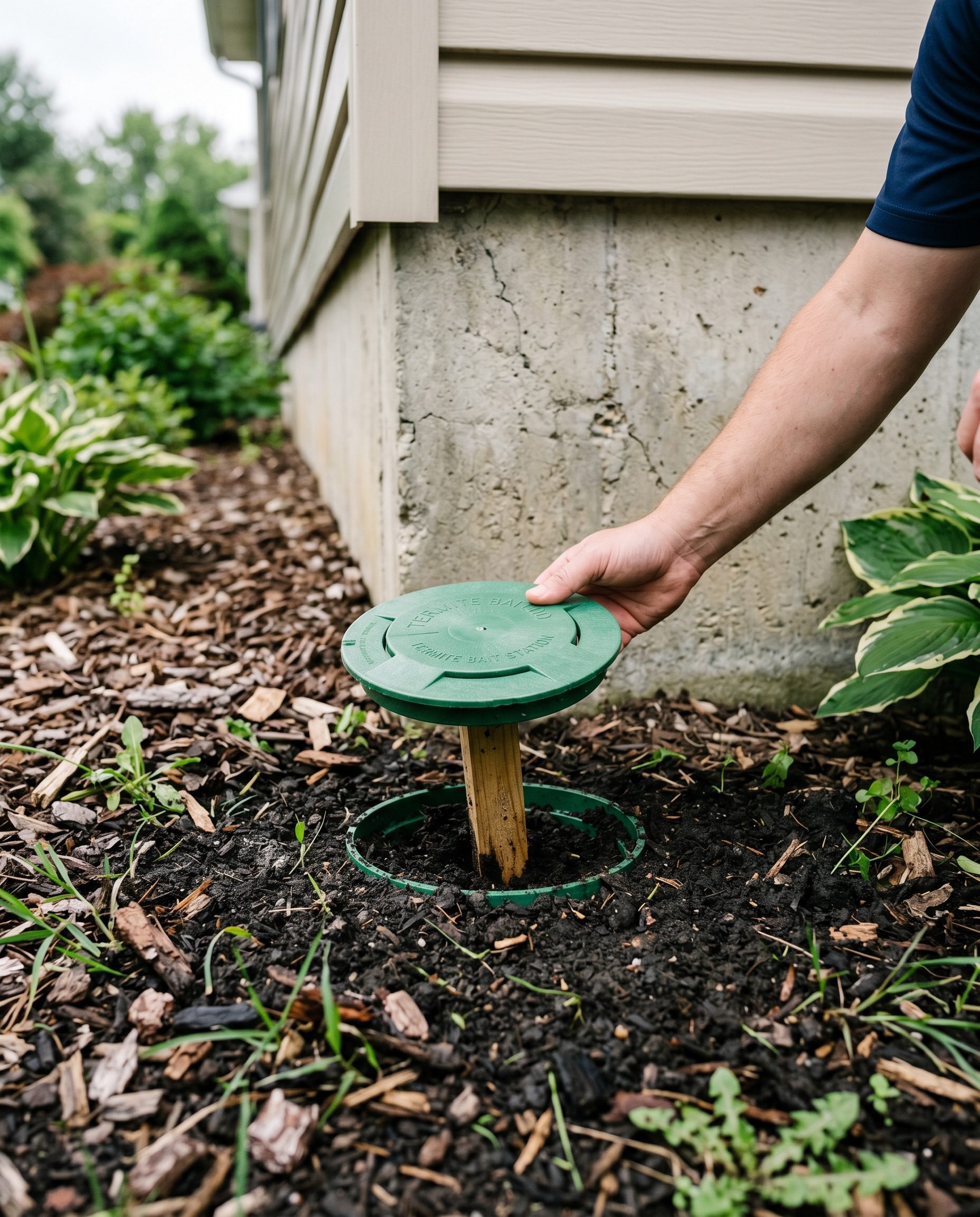
This is where the ID pays off, because the two termites are treated in almost opposite ways. A confirmed subterranean colony lives in the ground, so the fix has to reach the ground: either a continuous liquid termiticide barrier in the soil around and under the structure, or an in-ground bait system that workers carry back to the nest. Kentucky’s bait fact sheet explains how a bait system eliminates the whole colony over time rather than just repelling foragers, which is why baiting can clear a colony a surface spray never touches. Either approach is a whole-structure job that needs specialized equipment and a pro, not a hardware-store can.
Drywood termites are a different problem because the colony is sealed inside the wood. A small, accessible infestation in one beam can sometimes be handled with localized wood treatment, drilling and injecting a borate or a registered foam into the galleries. A widespread drywood infestation through inaccessible framing is the classic case for whole-structure fumigation, the tented job, because gas reaches galleries no drill can find. Whatever the product, follow the label is the law on any termite pesticide, since under federal law the label dictates where and how it can legally be used.
I will be blunt about the limit of DIY here. You can confirm the ID yourself and you can reduce risk with the prevention steps below, but a confirmed structural or subterranean colony needs a professional inspection and treatment. The EPA’s safe pest control and IPM principles put correct identification and habitat fixes first, and that order is exactly why naming the termite before treating it saves the most money. For the treatment decisions in detail, our walkthrough on how to get rid of termites covers the lanes side by side.
Common questions
How do I know if it is subterranean or drywood without an expert?
Look at the debris and the contact with soil. Mud tubes on the foundation and damp, dirt-packed galleries mean subterranean. Small piles of dry, six-sided pellets under tiny holes in the wood, with no soil anywhere, mean drywood. The mud-or-pellets test settles most home cases before a pro ever arrives.
Which termite is more destructive?
Subterranean termites cause the large majority of termite damage in the US because their colonies are far bigger and feed continuously from a moist, hidden base in the soil. Drywood colonies are smaller and slower, but they can still hollow out furniture, trim, and framing over years, and they turn up in regions and items subterranean termites never reach.
Can I treat termites myself with a store-bought product?
You can do prevention and reduce moisture and wood-to-soil contact yourself. You should not rely on an over-the-counter product alone to clear a confirmed structural colony of either type, because subterranean jobs need a soil barrier or bait system and serious drywood jobs may need fumigation. Defer a confirmed structural case to a licensed pro.
Are mud tubes always subterranean termites?
Yes, mud shelter tubes are essentially diagnostic for subterranean termites, since drywood termites never build them. If you find earthen tubes, treat the colony as soil-based. Empty, abandoned tubes can mean a colony moved or died, but they still warrant an inspection to confirm there is no active feeding nearby.
Do both types swarm, and does that tell me which one I have?
Both send out winged reproductives, so a swarm or a pile of shed wings tells you termites are present but not reliably which kind. Subterranean species tend to swarm by day after spring rain and drywood species often swarm on warm evenings, but pair any swarm with the mud-or-pellets test to confirm the type.
Final verdict
Name the termite before you treat it, because the type decides the entire job. Mud tubes, soil contact, and damp grain-following galleries mean subterranean termites, and they get a soil barrier or an in-ground bait system that reaches the colony underground. Dry six-sided pellets, no soil, and clean cross-grain galleries mean drywood termites, and they get localized wood treatment or, in heavy cases, whole-structure fumigation. The fastest field test is the debris, mud versus dry pellets, and it settles most home IDs in seconds. Treat the wrong one and you waste the effort while the real colony keeps eating, so confirm the type first and hand any confirmed structural infestation to a licensed professional.
Next steps:
– Match the evidence on your own foundation and framing with our signs of termites in the house guide.
– Compare the treatment lanes once you know the type in our how to get rid of termites walkthrough.
– Understand who is in the colony and how it grows in our termite life cycle and colony structure breakdown.
Pingback: Signs of Termites in Your House (and When to Act)
Pingback: Best Wood Treatments for Termite Prevention
Pingback: How to Get Rid of Termites: What DIY Can and Can't Do