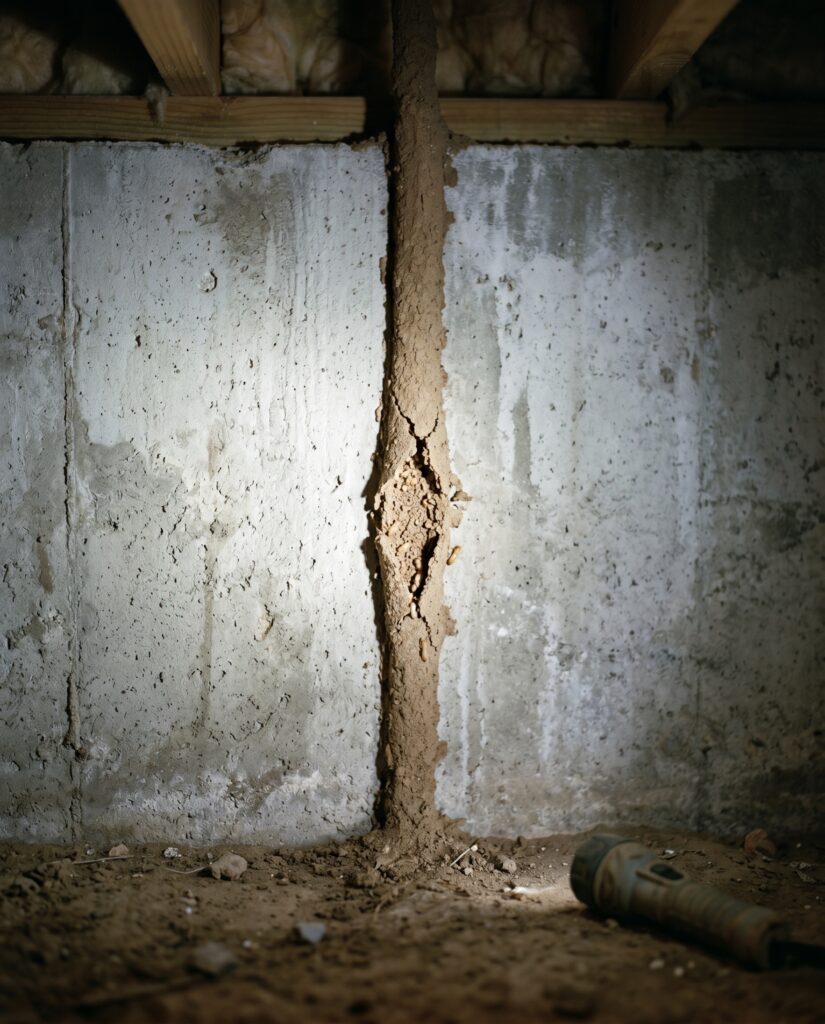
If you think you might have termites, the hard part is that you almost never see the insects; you see the evidence they leave behind. Termites work inside wood and underground, so you confirm them by the signs, not the bug: pencil-width mud tubes climbing the foundation, little piles of discarded swarmer wings on a sill, wood that sounds hollow or blisters like water damage, a trickle of sand-like frass from drywood termites, and doors or windows that suddenly stick. Any one of those means stop and get a professional inspection before the damage compounds, because a structural colony is not something a homeowner clears with a can from the shelf.
You confirm termites by their evidence, not by seeing the insect: mud tubes on the foundation, discarded swarmer wings, hollow or blistered wood, sandy frass, and sticking doors. Any single sign warrants a professional inspection before the hidden damage grows.
- Check first (free): Walk the foundation, basement sills, and window frames with a flashlight, looking for mud tubes, shed wings, and blistered wood.
- If you find any one sign: Book a licensed inspection rather than guessing; the inspector confirms the species and where the colony is.
- Skip: Hardware-store sprays as a fix; surface chemicals do not reach a colony inside wood or below ground.
Why you see signs, not bugs
Termites are secretive by design, which is exactly why people miss them until the damage is real. Workers, the caste that does the eating, stay sealed inside wood or below the soil line because they dry out fast in open air and light. So the bug you would need to see is hidden in the very structure it is chewing, and by the time it surfaces, it has usually been feeding for a while. That is the whole reason this is an evidence game.
What that means for you is simple: do not wait to spot a termite, because you mostly will not. Learn the handful of signs they cannot help leaving instead. The UC IPM’s Pest Notes on subterranean and other termites describes how subterranean colonies stay connected to soil moisture and build sheltered runways to reach wood, which is why mud tubes are the single most telling clue on most US homes. The faster you catch the sign, the smaller the repair bill, so a yearly flashlight walk of your foundation is cheap insurance.
Mud tubes on the foundation
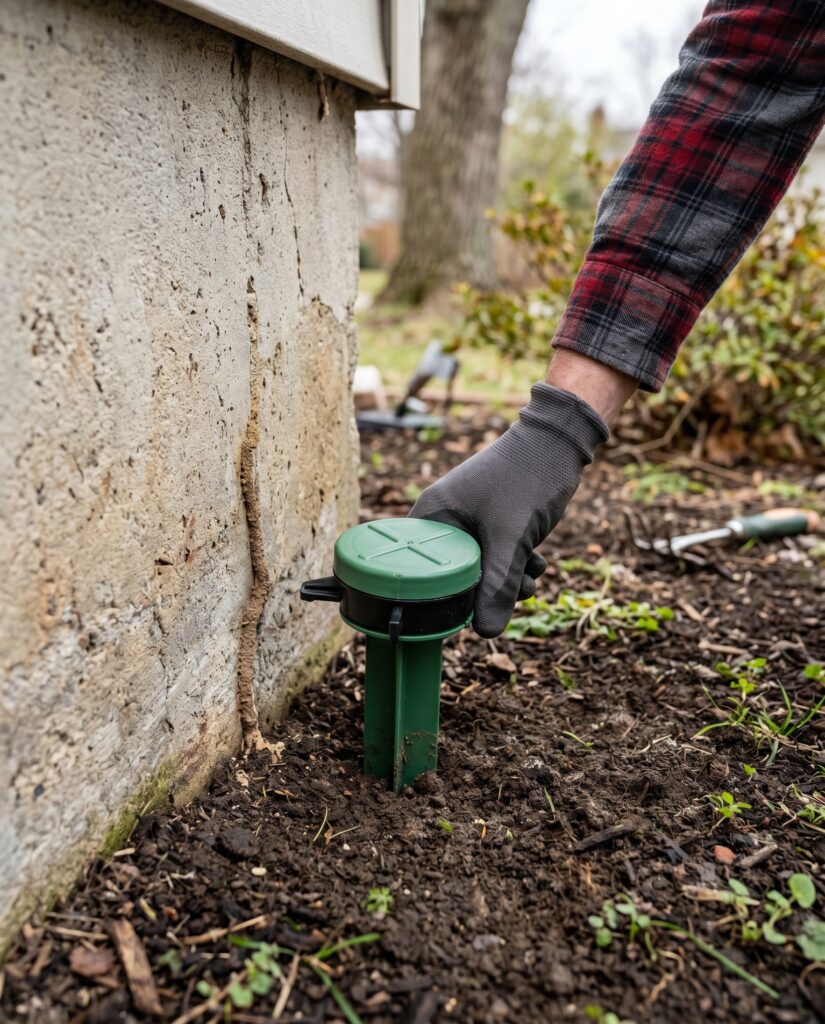
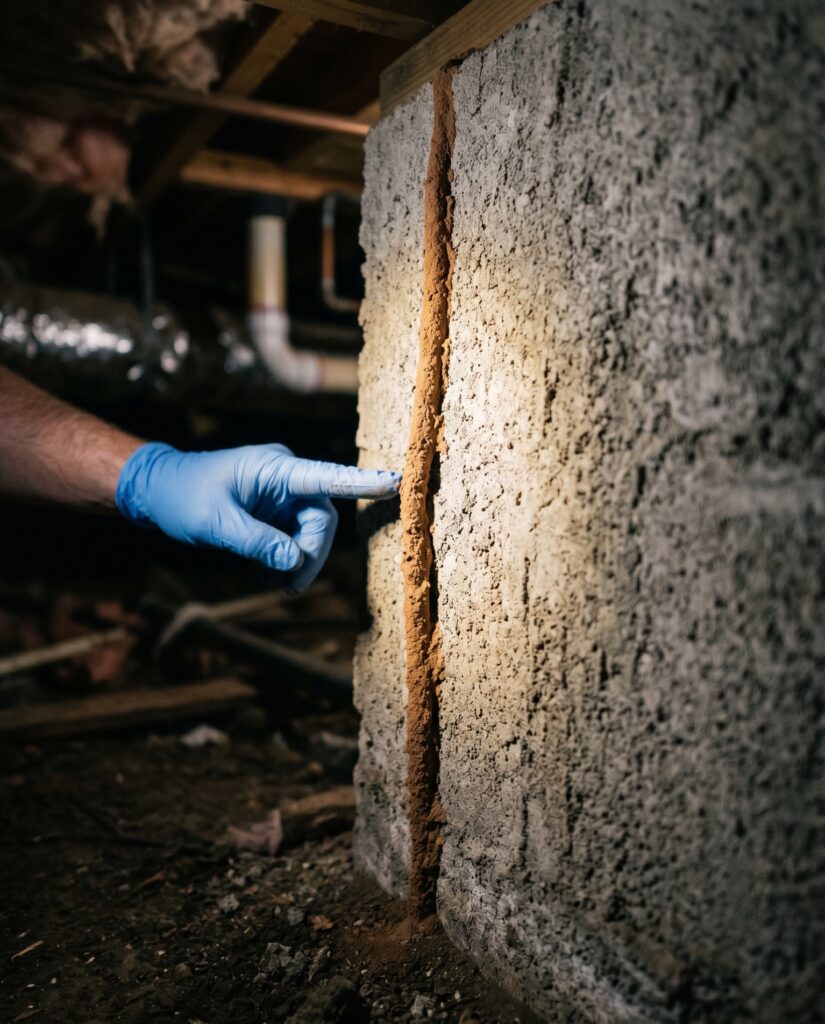
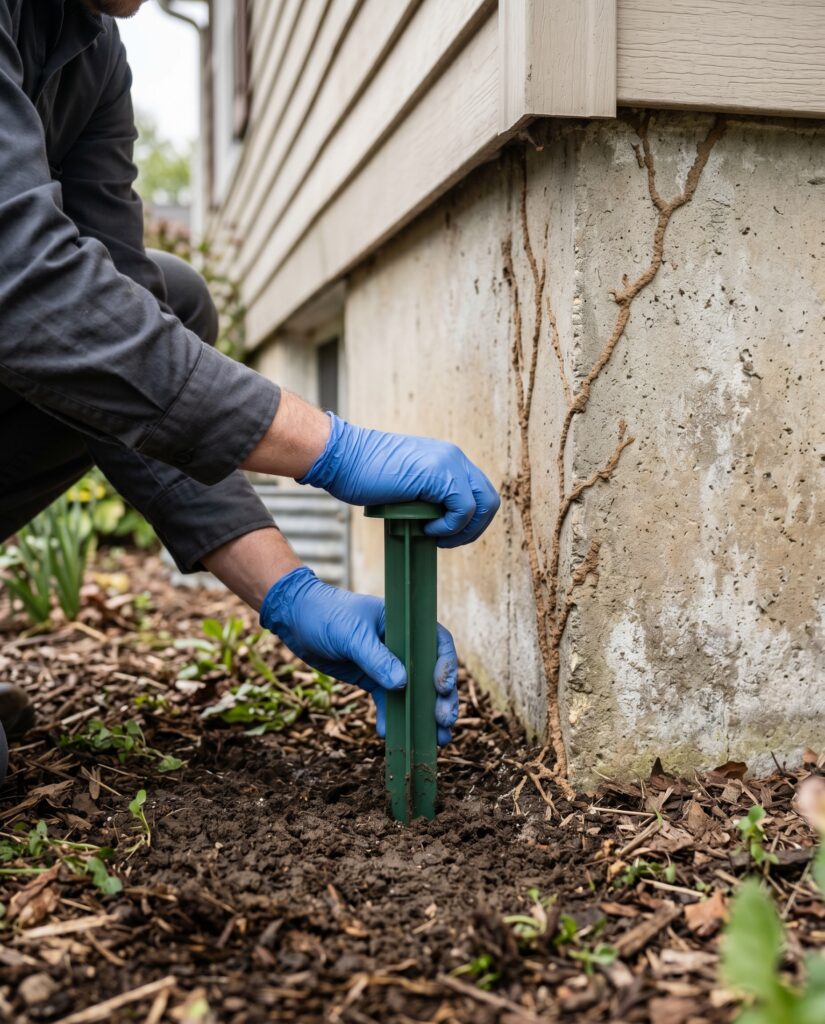
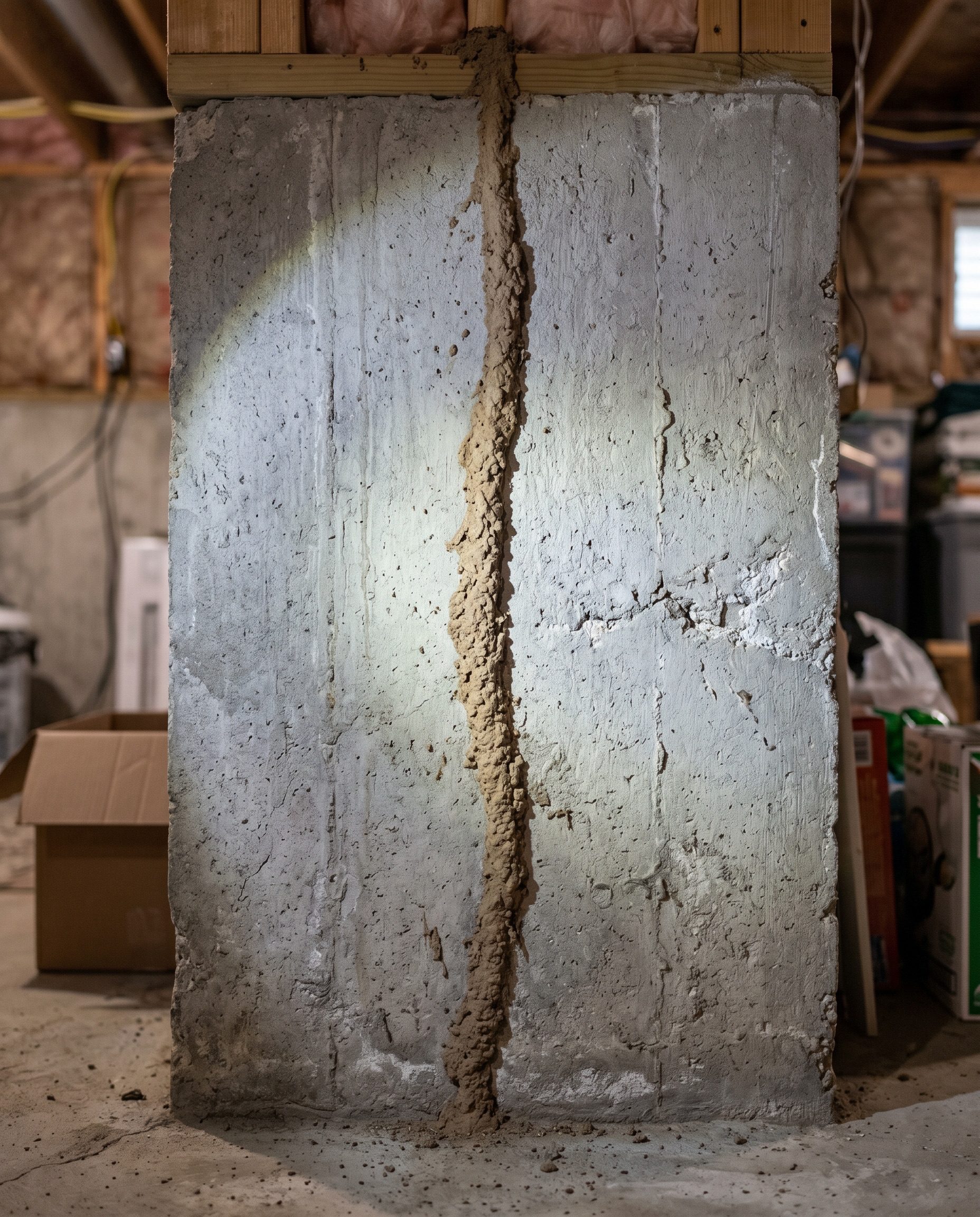
Pencil-width tubes of dried mud running up a foundation wall, a pier, or a crawlspace joist are the classic subterranean-termite sign. Termites build these earthen tunnels to keep their humidity up while they travel between the soil and the wood they are eating, so a tube is a live highway, not a leftover. Run your flashlight low along the inside and outside of the foundation, the crawlspace, and the garage slab edge, since that is where they show up first.
To test one, break a short section open. If it gets rebuilt within a few days, or you find pale, soft-bodied workers inside, the colony is active. The University of Kentucky’s guide to recognizing termites and the signs they leave walks the same inspection points and notes that even an abandoned-looking tube means termites have been working that spot, so it still warrants a professional look. Do not knock every tube down and call it handled; you have found the symptom, not the colony.
Discarded wings and swarmers
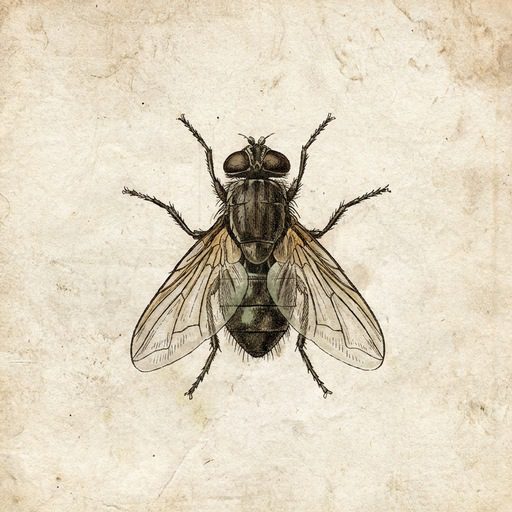
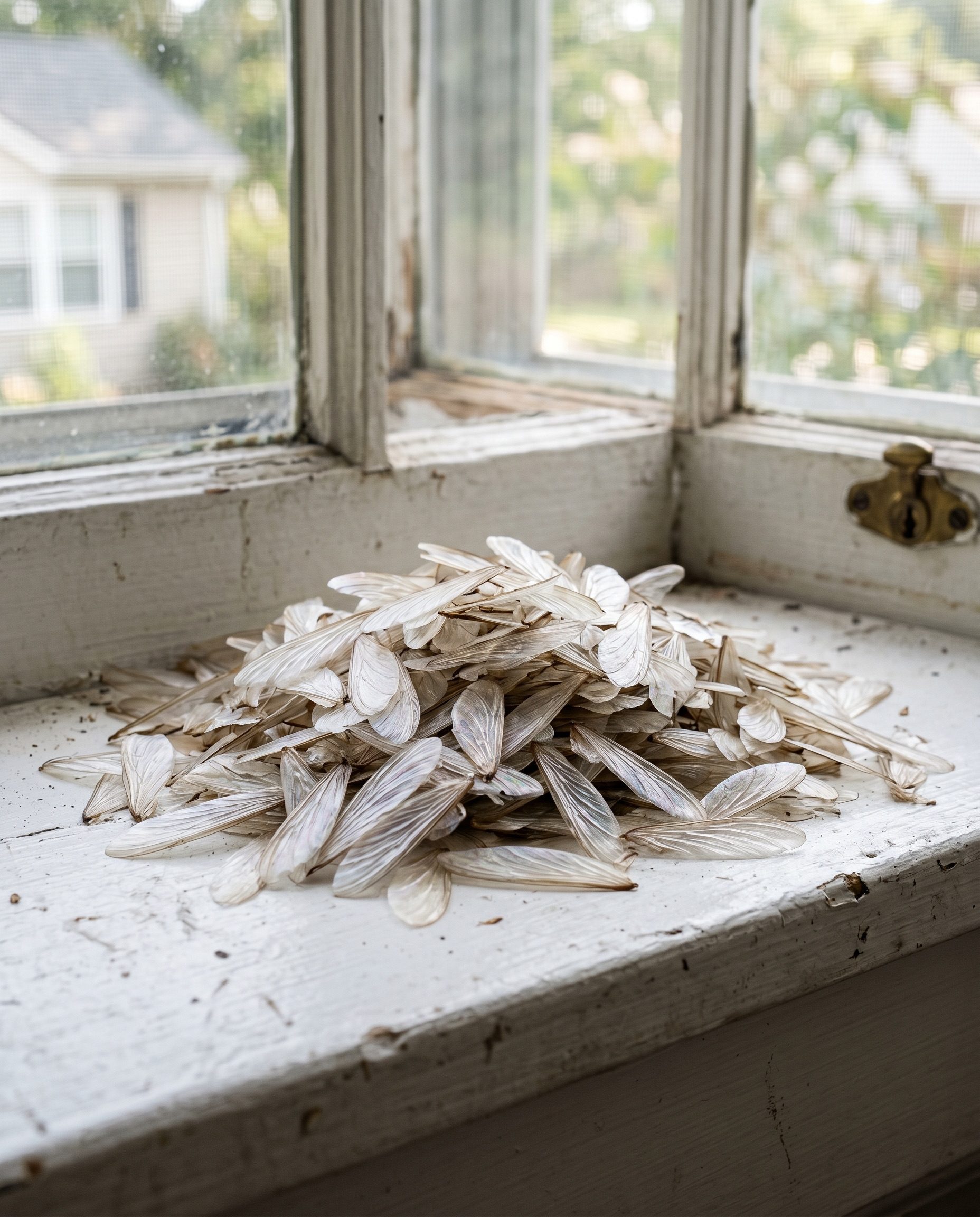
In spring and early summer, mature colonies release winged reproductives, called swarmers or alates, to start new colonies. They are weak fliers, so they land fast, twist off their own wings, and crawl away, which is why the sign you usually find is not the insect but a little pile of equal-length discarded wings on a windowsill, in a spiderweb, or near a light. Finding swarmers or their shed wings indoors is a strong signal that a colony is in or right against your home.
The catch is that flying ants swarm at the same time and get blamed or dismissed constantly. Termite swarmers have a straight, bead-like body, two pairs of equal-length wings, and straight antennae; flying ants have a pinched waist, longer front wings than back, and bent antennae. The University of Kentucky on telling termite swarmers from flying ants lays out those differences clearly, and our own breakdown of what termite swarmers mean for your home shows the wing and body cues side by side so you do not misread the most actionable sign you can get.
Hollow wood, frass, and sticking doors
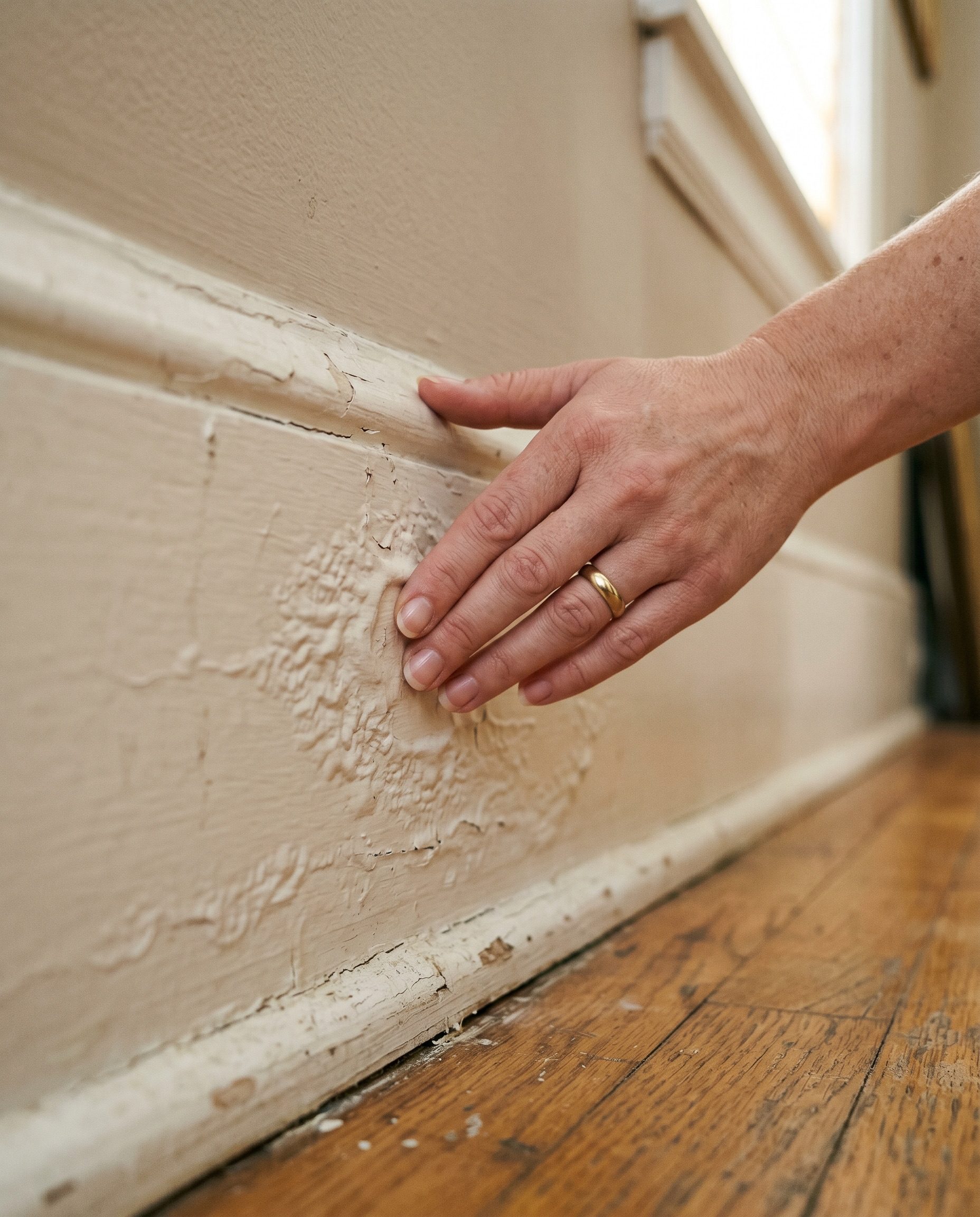
Three more signs show up inside the living space. First, wood that sounds hollow or papery when you tap it, often with a surface that looks fine but blisters or ripples like water damage, because termites eat the wood from the inside and leave a thin shell. Tap along baseboards, window frames, door casings, and any wood near the slab; a dull, empty sound where solid wood should ring is worth a closer look.
Second, drywood termites, which live entirely inside wood without soil contact, push their droppings out through tiny kick-out holes, leaving small piles of sand-like, six-sided pellets called frass below the infested wood. A recurring little pile of what looks like coffee grounds or coarse sand under a window frame or on a floor is a drywood-termite tell, and sorting which type you have changes the treatment, which our subterranean vs drywood termites guide explains. Third, doors and windows that suddenly stick or jam can mean termite damage has shifted the frame, since the moisture and tunneling warp the wood; one stiff door alone is rarely termites, but paired with any other sign on this list it climbs the priority list fast.
The signs at a glance
These are the signs to walk through on a quick inspection. Match what you see, then act on what it means.
| Sign | What it looks like | What it means |
|---|---|---|
| Mud tubes | Pencil-width dried-mud tunnels on foundation or piers | Active subterranean termites traveling to wood |
| Discarded wings | Piles of equal-length wings on sills or in webs | A colony swarmed in or against the home |
| Hollow or blistered wood | Papery sound, rippled surface like water damage | Wood eaten from the inside; damage underway |
| Frass pellets | Small piles of sandy, six-sided droppings | Drywood termites living inside the wood |
| Sticking doors | Doors or windows that suddenly jam | Possible frame damage; check for other signs |
When to call a pro
Here is the honest line on this one: termites are wood-destroying insects, and confirming them is a job for a licensed inspector, not a homeowner with a spray can. Any single sign on this page warrants a professional inspection, because the inspector confirms the species, finds where the colony is hiding, and measures how far the damage has spread, none of which you can do from the visible evidence alone. The NPIC overview of termites and how they are managed makes the same point: effective termite control usually needs specialized equipment and products that reach the colony, not surface treatments.
If a pro recommends treatment, treat the product label as the rule. Use only products labeled for termites and the site being treated, keep children and pets off treated areas until everything is dry, and for any exposure question contact a doctor or your local poison control center. Whoever applies it should read and follow the product label, because under federal law the label is the law. For the control options that follow a confirmed diagnosis, our how to get rid of termites guide covers what each approach actually does.
Common questions
Can I confirm termites myself without an inspector?
You can spot the signs yourself, and you should, because catching a mud tube or shed wings early saves money. What you cannot reliably do alone is confirm the species, locate a colony hidden inside walls or below ground, or judge the structural damage. Treat your own check as the trigger to book an inspection, not as the final answer.
What is the difference between termite swarmers and flying ants?
Termite swarmers have a straight, bead-like body, two pairs of equal-length wings, and straight antennae. Flying ants have a pinched waist, front wings longer than the back pair, and bent, elbowed antennae. The wings are the fastest tell: equal length points to termites, mismatched length points to ants.
Do mud tubes always mean an active infestation?
Not always, but they always mean termites have worked that spot. Break a short section and watch it: if it is rebuilt within a few days or has live workers inside, the colony is active. Even a tube that stays broken still warrants a professional look, since termites may simply be feeding elsewhere on the same structure.
How fast do termites damage a house?
It depends on the species, colony size, and how long they went unnoticed, so there is no single number. The real risk is time: because the signs are subtle and the workers stay hidden, colonies often feed for months or years before anyone looks closely. That is why acting on the first sign matters more than any rate of damage.
Will store-bought spray get rid of termites?
No. Surface sprays cannot reach a colony sealed inside wood or living below ground, so they kill a few foragers at best while the colony keeps eating. Spraying also masks the problem and delays a real inspection. Put your effort into confirming the signs and getting a professional diagnosis instead.
Final verdict
You will rarely catch a termite in the act, so confirm them the way the insects force you to: by the evidence. Walk your foundation and crawlspace for pencil-width mud tubes, check sills and webs for piles of discarded swarmer wings, tap baseboards and frames for the hollow, blistered sound, watch for sand-like frass under wood, and note any door or window that suddenly sticks. Any one of those signs is enough to stop and book a licensed inspection, because the longer a hidden colony feeds, the bigger the repair gets. Do the free flashlight walk once a year, act on the first sign rather than waiting for certainty, and skip the shelf spray; it never reaches where the colony actually lives.
Next steps:
– Tell the two main types apart, since it changes treatment, with our subterranean vs drywood termites guide.
– Read the most actionable sign closely in what termite swarmers mean for your home.
– Once a pro confirms it, weigh the options in how to get rid of termites.