A fat white C-shaped grub with three pairs of legs at the front and a brown head is a beetle larva, and under turf it is almost always a chafer or a Japanese beetle. Not every grub is a problem: several soil dwellers look similar and eat decaying matter rather than roots. The threshold matters more than the species, because a healthy lawn tolerates a surprising number.
- C-shaped, white, legs at the front: a beetle larva, and it is eating roots if it is under turf.
- Turf that lifts like a carpet: the roots are gone, which is the damage worth acting on.
- A few grubs in a spadeful is normal. Treating on sight rather than on a count wastes money.
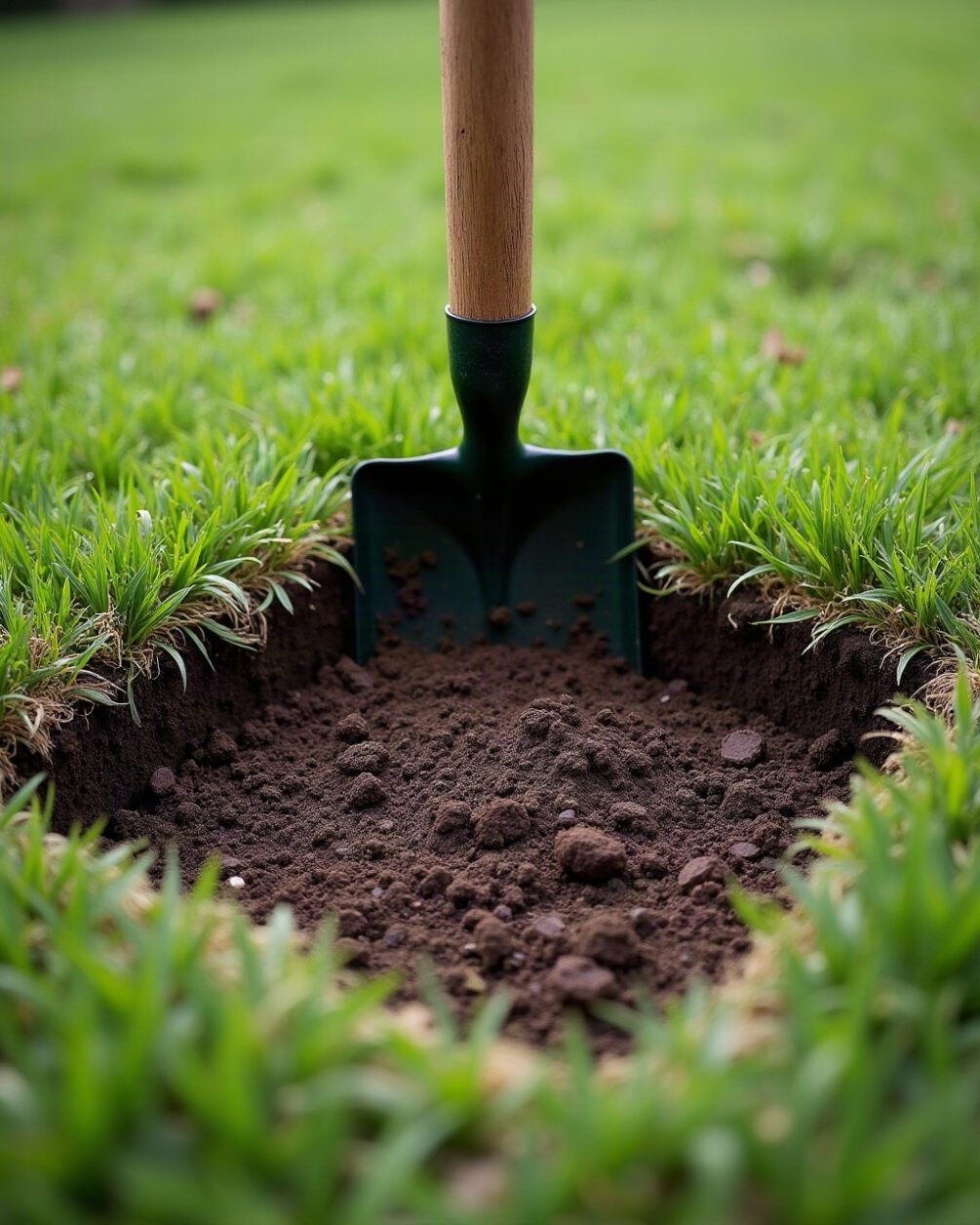
Digging a border or lifting turf turns up white grubs regularly, and most of the time nothing needs doing. The useful questions are what it is, whether it is eating roots, and whether there are enough of them to matter.
What a lawn grub looks like
C-shaped at rest, which is the most recognisable feature. Plump, soft, dirty white to cream, with a distinctly darker brown head capsule and three pairs of true legs clustered at the front end. The rear of the abdomen often looks darker because the gut contents show through.
Sizes range from a few millimetres in a first-year larva to over two centimetres in a mature chafer.
The legs at the front are the check that separates them from fly larvae, which have none, and our larvae hub covers the wider group.
Which beetle it becomes
Distinguishing them precisely means examining the raster, the pattern of tiny hairs on the underside of the tail end, which is a job for a hand lens and mostly of academic interest to a gardener. What matters more is depth and season.
Japanese beetle larvae sit in the top few centimetres under turf and feed on grass roots. The adults are metallic green and copper and skeletonise leaves above ground, which is often how people discover them.
European and masked chafer larvae behave similarly and are the commonest cause of turf damage in many regions.
May and June beetle larvae are larger and take two to three years to develop, so they can be found deeper and at a wider range of sizes.
UC IPM’s guidance on lawn insects covers the group and, more usefully, the thresholds.
The grubs that are not a problem
Several things in soil look similar and are doing no harm at all, and killing them is a waste.
Rose chafer and stag beetle larvae live in decaying wood, compost and leaf mould rather than in turf. Stag beetles in particular are declining in many places and are worth protecting; a large C-shaped grub in rotting timber or a compost heap is very likely one of these rather than a lawn pest.
Compost-dwelling larvae generally. A grub in a compost bin is eating decomposing material, which is the job.
Woodlice and millipedes, which people lump into the same search. Kentucky notes that sowbugs and pillbugs require moist conditions and feed on decaying plant material. Our guide to bugs that curl covers them.
Cutworms and leatherjackets, which are moth and crane fly larvae respectively. Neither is C-shaped: cutworms are smooth caterpillars that curl into a tight coil, and leatherjackets are grey, tough-skinned and legless.
The rule of thumb: a C-shaped grub with legs, under turf, is a lawn pest. The same shape in compost or rotting wood is usually not.
Reading the damage rather than the grub
This is the part that decides whether to act.
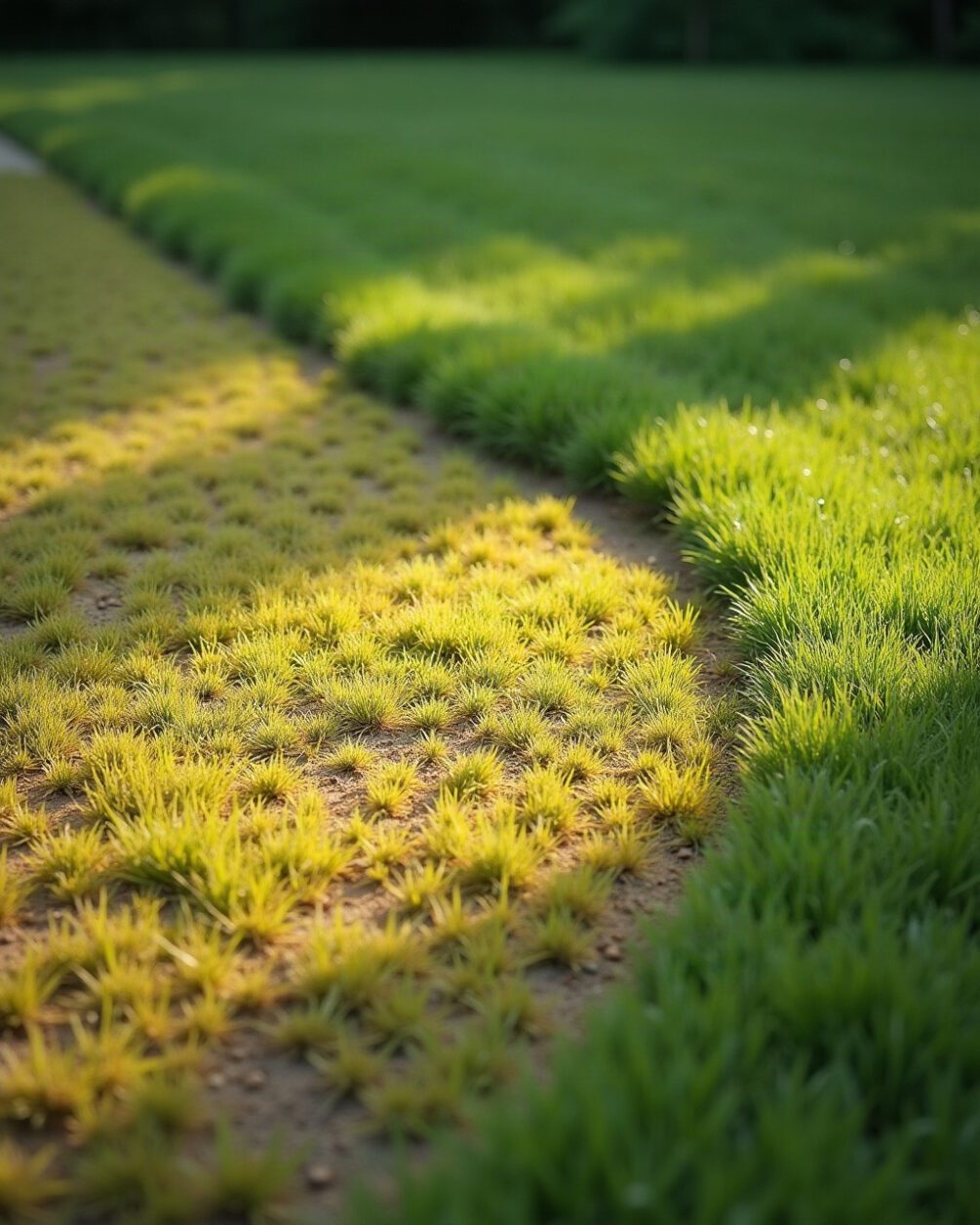
Irregular yellowing or browning patches that do not respond to watering, appearing in late summer or autumn.
Turf that lifts like a loose carpet when you pull it, because the roots have been severed. This is the decisive test and it takes ten seconds.
Spongy underfoot.
Birds, skunks or raccoons tearing up the lawn, which is often the first sign people notice. They are after the grubs, and the digging can do more visible damage than the grubs themselves.
Then count. Lift a square foot of turf and count what is underneath. Most healthy lawns tolerate several grubs per square foot without visible damage, and treatment thresholds are usually around five to ten depending on grass type and vigour. Finding two and reaching for a treatment is the common mistake.

What to do if the count justifies it
Timing beats product. Grubs are most vulnerable when small and feeding near the surface, which is late summer in most regions. Treating mature grubs in spring works poorly, and that mismatch is why many treatments disappoint.
Water matters either way. A vigorous, deeply watered lawn tolerates far more root feeding than a stressed one, and the same patch treated and left dry will look worse than an untreated healthy one.
Beneficial nematodes are a genuine option, applied to moist soil in the evening, and they need the soil to stay damp afterwards to work.
Consider the adults too. Japanese beetle damage above ground and grub damage below are the same population, and our garden pest identification guide covers the aerial stage.
Our guide to integrated pest management in a garden covers the framework, which is thresholds and timing rather than treating on sight.
Common questions
I found one grub. Should I treat?
No. One grub in a spadeful is normal soil life. Count per square foot before deciding anything.
Something is digging up my lawn at night.
Likely a bird or mammal after grubs, and worth counting the grubs before treating either problem. Our rodent guide covers what else might be digging.
Is it a grub or a leatherjacket?
Grubs are C-shaped, pale, with legs and a brown head. Leatherjackets are grey-brown, legless and tough-skinned. Different insect, different timing, different treatment.
Final verdict
C-shaped, white, three pairs of legs at the front and a brown head means a beetle larva, and under turf that means a chafer or Japanese beetle eating roots. The same grub in compost or rotting wood is a decomposer and may be a stag beetle worth leaving alone. Decide by pulling the turf and counting rather than by the sighting: most lawns carry a few without harm, and the treatment that works is timed at late summer when the grubs are small and near the surface.