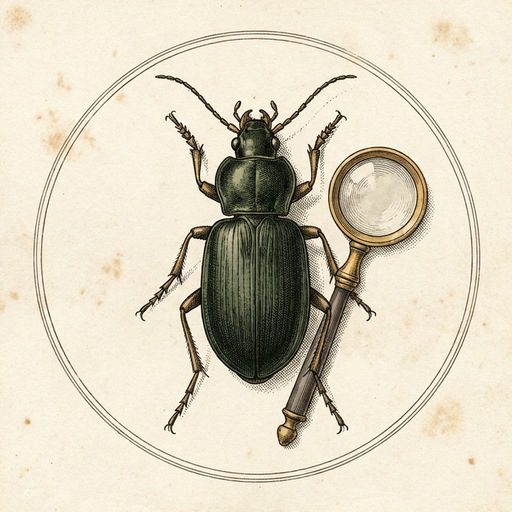
Grey is the colour of things that live in damp and dark, so it narrows the list usefully. Silverfish, woodlice, springtails, booklice and carpet beetle larvae account for nearly every case, and four of the five are moisture indicators rather than pests. None of them bites, and only one of them damages anything you own.
- Tapered, scaly, wriggles along a skirting: silverfish, and the finding is damp plus stored paper.
- Armoured, segmented, rolls into a ball: woodlouse, which is dying indoors rather than colonising.
- Bristly and slow in a wardrobe or carpet edge: carpet beetle larva, the only one on the list that eats your things.
Grey is a more useful description than people expect, because it excludes most of the insects that worry them. Bed bugs are reddish brown, cockroach nymphs are brown, fleas are dark and shiny. Grey points instead at a small group with one thing in common.
What the colour is telling you
Four of the five common answers live in damp, dark places, and their colouring is what unpigmented or thinly scaled bodies look like when nothing needs to see them. That is the whole diagnostic value: grey usually means the finding is a humidity problem rather than an infestation.
The exception is the carpet beetle larva, which is genuinely a fabric pest and worth separating out.
| Shape and behaviour | What it is | What it means |
|---|---|---|
| Tapered, silver sheen, three tails, wriggles | Silverfish | Damp plus starch or paper |
| Segmented armour, rolls into a ball | Woodlouse or pillbug | Perimeter damp, dying indoors |
| Under 2 mm, jumps when disturbed | Springtail | High surface humidity |
| Under 2 mm, pale, slow, on paper or plaster | Booklice | Mould growth, often a drying building |
| Bristly, oval, slow, curls when touched | Carpet beetle larva | Wool, feathers or lint being eaten |
Silverfish, the classic grey
Ten to fifteen millimetres, tapered from head to tail, covered in fine silver-grey scales, with three tail filaments and long antennae. The movement is the giveaway: a rapid side-to-side wriggle low along a skirting board, or stranded in a bath because the smooth sides defeated it.
They eat starch and polysaccharides, which indoors means paper, book bindings, wallpaper paste, cardboard and dried food residue. They are long-lived and slow to breed, so a population accumulates over months and is rarely seen in numbers.
Our silverfish guide covers the biology, what attracts them covers the conditions, and the look-alike guide separates them from firebrats, which want hot and dry rather than cool and damp.
Woodlice, which are not insects
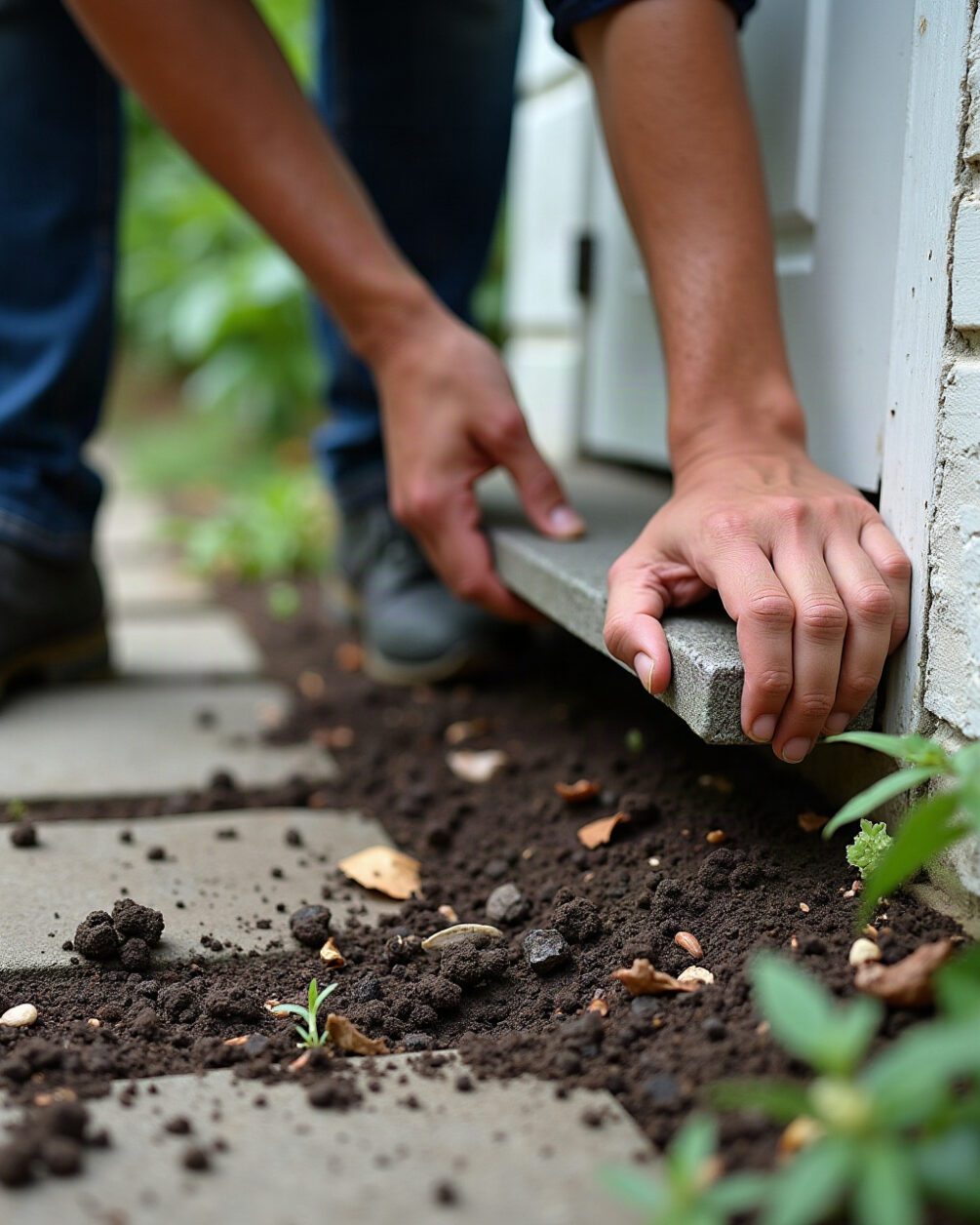
Grey, armoured, segmented, with seven pairs of legs, found in damp corners, garages, basements and under anything sitting on the ground.
They are crustaceans, more closely related to crabs than to anything else in a house, and Kentucky notes that sowbugs and pillbugs require moist conditions to survive. They breathe through gill-like structures, which is why a woodlouse on a dry carpet is dying rather than settling in.
The species that rolls into a complete ball is a pillbug; the flatter one that cannot is a sowbug. Our guide to bugs that curl covers the pair and the perimeter work that stops them getting in, which is mulch and leaf litter pulled back from the wall rather than anything applied indoors.
Springtails and booklice, the small pale pair
Both under two millimetres, both moisture indicators, and separated by one behaviour.
Springtails jump when disturbed, flicking themselves several centimetres. Penn State describes them feeding on mould, algae and decaying plant material. They appear around drains, in plant pots, on damp tiles and on windowsills after rain.
Booklice crawl, slowly, on damp paper, plaster and packaging. They are unrelated to head lice and cannot live on a person.
Neither bites, neither damages a building, and both disappear when the surface humidity comes down. Our guide to tiny white bugs covers the pair, since they read as white as often as grey depending on the light.
Carpet beetle larvae, the one that matters
This is the exception and the one worth acting on. Three to five millimetres, tapered, covered in short stiff bristles that give a banded or fuzzy appearance, and slow-moving. They curl when touched.
Kentucky notes they feed on wool, felt, fur, feathers and other animal products, which is why they concentrate at carpet edges, in wardrobes, under heavy furniture that never moves, and in stored textiles. The shed bristly husks are often easier to find than the larvae and usually outnumber them.
They do not bite, though the bristles irritate skin on contact and produce a rash that gets read as bites for months. Our identification guide covers the species, the rash guide covers the confusion, and the wardrobe guide covers reading the damage.
What grey is not
Not bed bugs. Reddish brown, flat, broad, and found near where people sleep rather than in a damp corner. If that is the real concern, our inspection guide is the page.
Not fleas, which are dark, shiny, flattened side to side, and need an animal.
Not mice, though grey specks along a skirting can be droppings rather than insects. Our guide to reading specks covers the difference, and it matters because rodent droppings need damping down before cleaning rather than sweeping.
Common questions
They only appear after it rains.
That is a strong signal for woodlice and springtails, both of which move indoors when their outdoor habitat floods. It is a perimeter and drainage question rather than a pest one.
Should I use a dehumidifier?
For silverfish, springtails and booklice, yes, and usually faster than expected. All three need high humidity at the surface they live on. It does nothing for carpet beetles, which need the fibre source removing instead.
They come back every year in the same room.
Then that room has a condition the others do not: a cold external wall, a bathroom with no working extract, or a floor over an unventilated void. The insect is the annual reminder.
Final verdict
Grey points at damp four times out of five. A tapered scaly wriggler means silverfish and stored paper. Armour that rolls into a ball means a woodlouse that will be dead by morning. Anything jumping means humidity, and anything pale and slow on plaster means mould. The single exception is the bristly slow larva at a carpet edge or in a wardrobe, and that one is eating wool and needs its source found rather than the room dried out.