Spotting a shimmering, fast-moving insect darting across your bathroom floor or emerging from a stack of old books can be unsettling. If you're wondering what attracts silverfish to your home, the answer primarily lies in moisture, food sources, and undisturbed hiding places. Understanding these key attractants is the first step toward effective silverfish prevention and control, helping you protect your belongings from these common household pests.
Bottom line:
Silverfish are drawn to high humidity (above 75%), preferring damp, dark, and undisturbed areas. Their primary food sources are starches, sugars, and cellulose, found in paper, books, cardboard, fabrics, and pantry items. To deter them, focus on:
- Controlling moisture through dehumidification and leak repair.
- Removing food and clutter by sealing pantry items and organizing storage.
- Sealing entry points to block access.
Quick Identification: Is It a Silverfish?
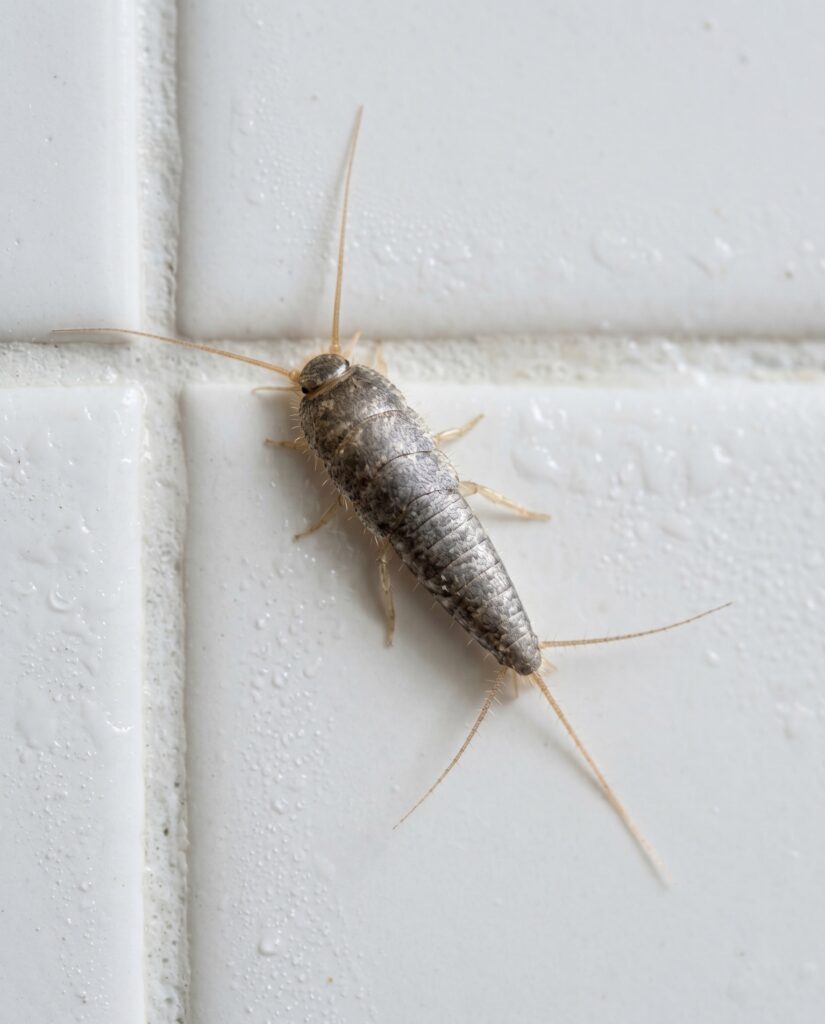
Before tackling prevention, it's helpful to confirm you're dealing with silverfish. These ancient insects (Order Zygentoma, formerly Thysanura) are easily recognizable by their distinctive appearance and behavior. The most common species found indoors is Lepisma saccharinum.
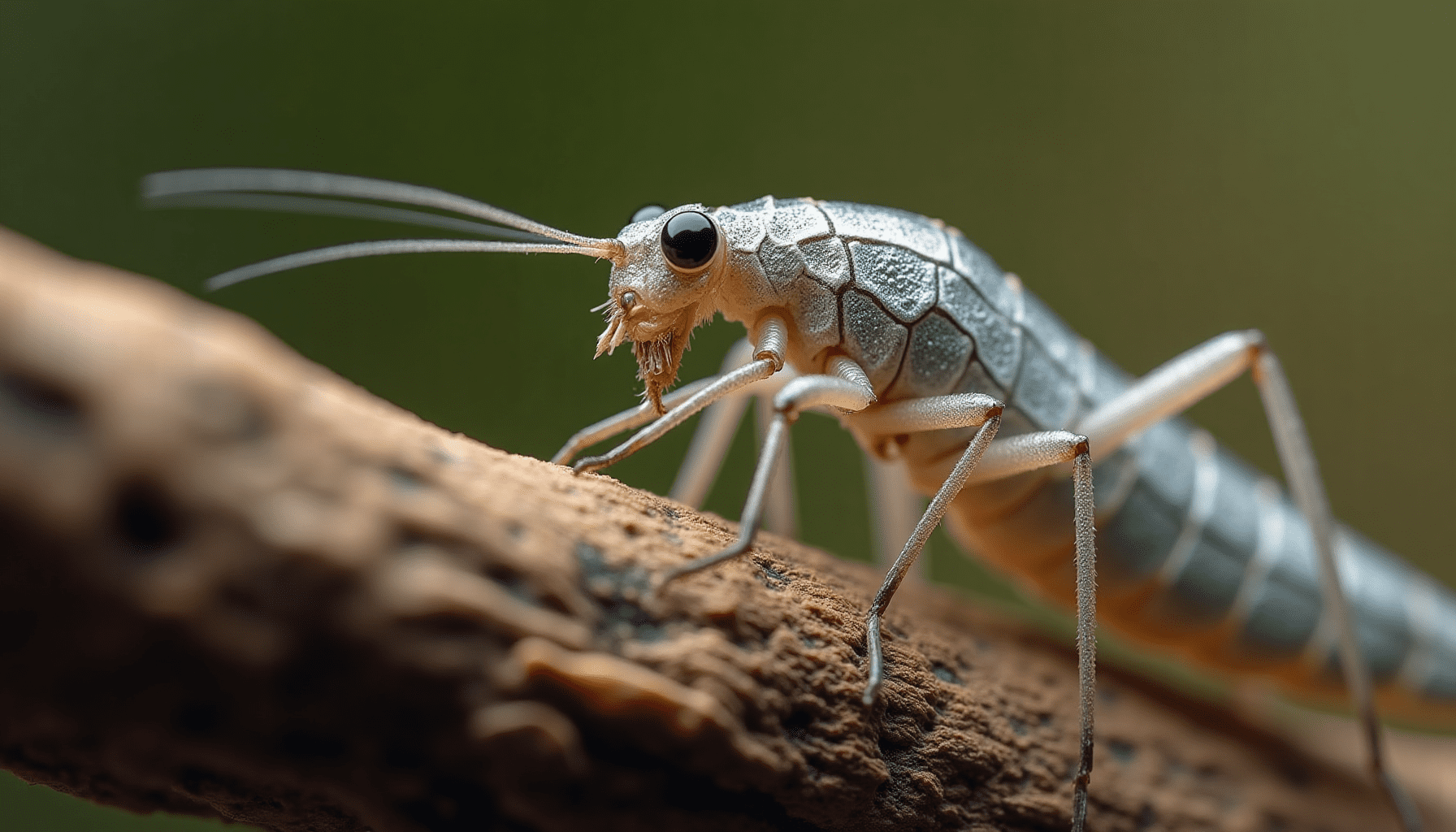
Here’s how to identify them:
- Size: Adults are typically 1/2 to 3/4 inch (12-19 mm) long.
- Shape: They have a teardrop or carrot-shaped body, tapering from head to tail.
- Color: Silvery-gray, giving them a metallic, fish-like sheen, especially as they scurry.
- Appendages: They possess two long antennae at the head and three long, bristle-like appendages (cerci) at the rear, resembling tails.
- Movement: They move with a distinctive wiggling, fish-like motion, especially when disturbed.
- Activity: Silverfish are nocturnal, meaning you're most likely to see them at night or in dark, undisturbed areas.
A close relative, the firebrat (Thermobia domestica), looks similar but has a mottled gray-brown color and prefers even warmer environments, often found near heat sources like furnaces or water heaters. Both pests are attracted to similar conditions, making prevention strategies effective for both.
Why Silverfish Invade: Key Attractants
Silverfish infestations are typically a symptom of specific environmental conditions within your home. Entomological research and pest management professionals consistently point to a combination of factors that make your home an irresistible haven for these moisture-loving insects.
Moisture and Humidity: The Primary Driver
Silverfish are often described as "hygrophilous," meaning they thrive in humid conditions. They have thin, permeable cuticles that make them susceptible to water loss, so they actively seek out moist microhabitats to survive. Studies summarized in leading entomological texts, such as the Mallis Handbook of Pest Control and Robinson's Urban Insects and Arachnids, highlight that optimal relative humidity for silverfish is often above 75%, ranging from 75-95%. Survival and egg development sharply decline below 60% relative humidity.
This strong preference for moisture explains why silverfish are frequently found in:
- Bathrooms: Steam from showers, leaky faucets, and poor ventilation create ideal conditions.
- Basements and crawl spaces: Condensation, damp walls, and poor airflow are major draws.
- Kitchens and laundry rooms: Leaky pipes under sinks, behind appliances, and around washing machines provide essential moisture.
- Attics: Especially if there's roof leakage or poor ventilation leading to condensation.
As Safeguard Europe notes, "Silverfish are attracted to moist areas of high humidity," making moisture control the number one priority for prevention.
Food Sources: A Starchy Feast
Silverfish are generalist scavengers with a particular fondness for carbohydrates, especially starches, sugars, and cellulose. Their diet includes a surprising variety of household items:
- Paper products: Books, magazines, newspapers, cardboard boxes, wallpaper, and photographs are all vulnerable. They often graze the surface, creating irregular holes and notches.
- Adhesives: The starch-based glues found in book bindings, wallpaper paste, and even some synthetic fabrics are highly attractive.
- Pantry items: Dried foods like flour, cereal, pasta, sugar, and even pet food are common targets. Keeping these items in airtight containers is crucial to prevent infestation.
- Fabrics: Cotton, linen, rayon, and sometimes even wool or silk, particularly if soiled with food stains or starches, can be damaged.
- Organic debris: Dust, hair, dead insects, and even fungal growth (which thrives in damp conditions) can supplement their diet.
The Clemson Cooperative Extension emphasizes that silverfish can cause significant damage in libraries, archives, and storage areas due to their diet. This explains why infestations are often discovered in basements or attics filled with stored boxes and forgotten items, not just kitchens.
Shelter and Habitat Structure: Dark, Undisturbed Spaces
Silverfish are thigmotactic, meaning they prefer to have their bodies in contact with surfaces on multiple sides. This leads them to seek out tight cracks, crevices, and cluttered areas for refuge. Being nocturnal and light-averse, they spend their days hidden in dark, undisturbed locations that also help trap moisture.
Common hiding spots include:
- Wall voids: Behind baseboards, within walls, and under floorboards.
- Storage areas: Inside cardboard boxes, under piles of paper, and behind stored items.
- Cabinets: Especially under sinks or in damp, rarely opened cupboards.
- Behind appliances: Refrigerators, washing machines, and dishwashers offer warmth, moisture, and seclusion.
- Clutter: Piles of old magazines, newspapers, or clothes provide both shelter and potential food.
The less disturbed an area is, the more appealing it becomes to silverfish, allowing populations to grow unnoticed.
Entry Points: How They Get Inside
Silverfish are adept at finding their way into your home. They typically enter through small cracks and crevices around the foundation, doors, and windows. They can also migrate from outdoor harborages into wall voids and then indoors.
Common entry methods include:
- Exterior cracks: Gaps in the foundation, around utility pipes, or under siding.
- Damaged screens and weatherstripping: Allowing them to slip through openings.
- Infested items: They can be unknowingly carried into your home in cardboard boxes, used books, furniture, or second-hand clothes brought in from infested storage units or damp environments.
Understanding these attractants is vital for developing a comprehensive strategy to make your home less inviting to these persistent pests.
Where Silverfish Hide: Common Hotspots
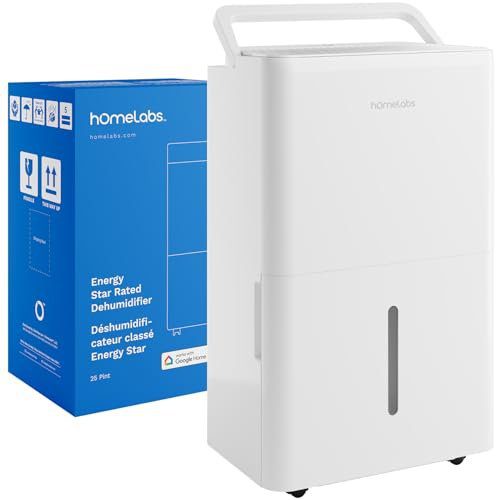
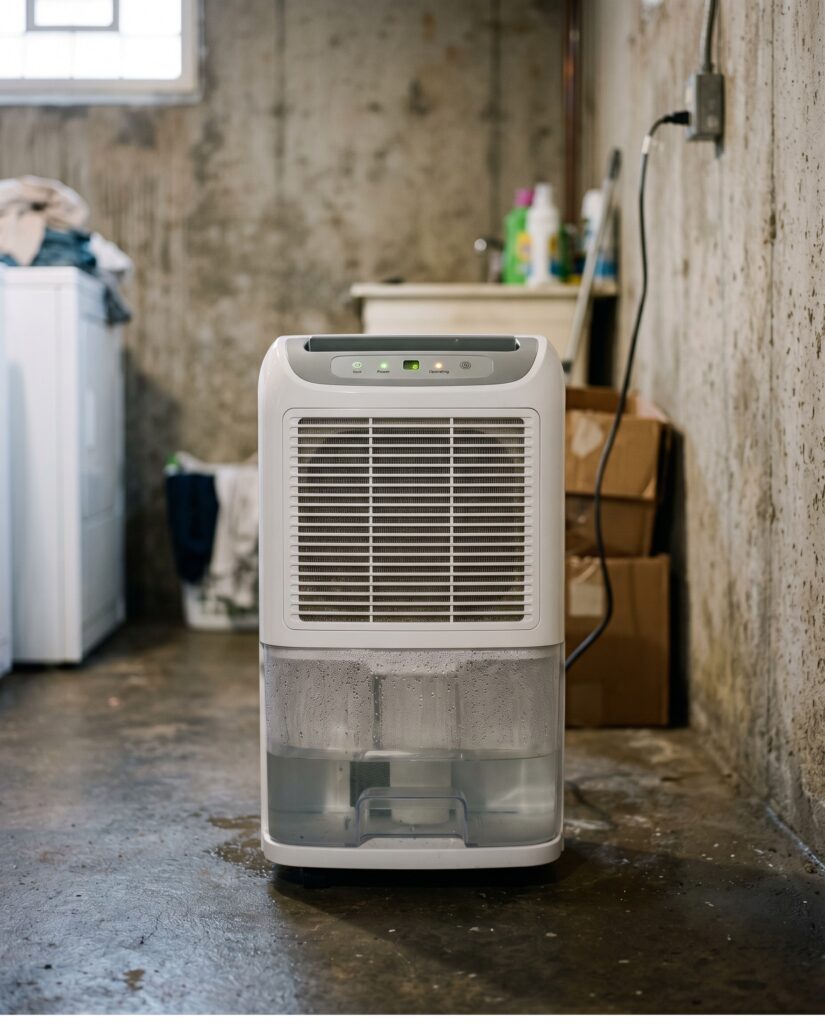
Silverfish thrive in high humidity (above 75%). This dehumidifier directly addresses the primary attractant by removing excess moisture from the air, making your home less hospitable to silverfish and preventing infestations.
- Effectively lowers humidity and keeps medium-to-large rooms or basements comfortably dry, even in damp conditions
- Wi‑Fi smart control (app, Alexa, Google Assistant) makes it easy to adjust settings, monitor humidity, and set timers remotely
- Quiet, compact, Energy Star–certified design with auto shut‑off and included drain‑hose option for low‑maintenance use
- Some users report discrepancies or confusion about the stated coverage area and pint/day capacity versus real‑world performance
- A few reviewers mention build-quality or durability concerns (such as components feeling flimsy or units failing after some time)
Silverfish are masters of concealment, preferring to dwell in undisturbed areas that offer both moisture and food. Knowing their preferred hideouts can help you target your inspection and prevention efforts.
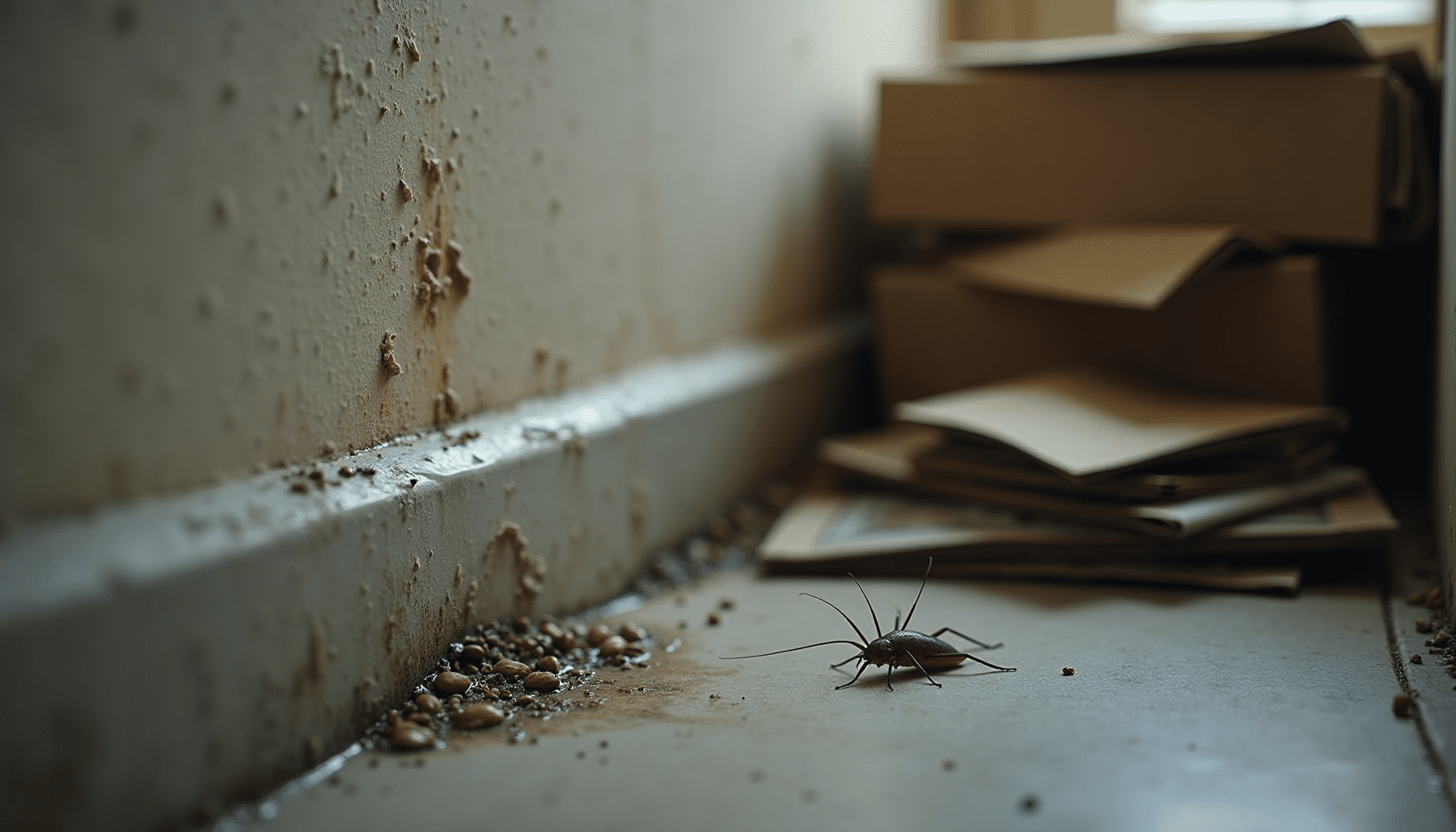
Indoors: The Usual Suspects
- Bathrooms: The most common location due to high humidity from showers and potential leaks. Look under sinks, behind toilets, in medicine cabinets, and around leaky pipes.
- Basements and Crawl Spaces: These areas are often damp, dark, and filled with stored items, making them prime silverfish real estate. Check near water heaters, sump pumps, and in storage boxes.
- Kitchens and Laundry Rooms: Leaky plumbing, condensation, and food crumbs make these areas attractive. Inspect under sinks, behind dishwashers, and near washing machines.
- Attics: Especially if there's poor ventilation, roof leaks, or stored paper and fabric items that can absorb moisture.
- Storage Areas: Closets, pantries, and garages, particularly if they contain cardboard boxes, old books, or stored fabrics.
- Wall Voids and Behind Baseboards: These offer hidden, undisturbed pathways throughout the home.
Outdoors: Bridge Habitats
Silverfish don't just live indoors; they can also thrive in moist environments just outside your home and then venture inside. These "bridge habitats" provide shelter and a pathway for them to enter.
- Moist leaf piles and yard debris: Especially if they are wet underneath and close to the foundation.
- Mulch rings against the foundation: Thick, damp mulch provides a cool, moist refuge.
- Wood piles and construction materials: Stacked directly on the ground or against the house.
- Tarps or large items: Lying directly on the ground, trapping moisture beneath.
- Dense weeds and ground cover: Near the house, creating shaded, damp conditions.
Regularly inspecting and addressing these indoor and outdoor hotspots is key to preventing silverfish from establishing themselves.
How to Prevent Silverfish: A 3-Step Plan
Effective silverfish prevention involves a multi-pronged approach that targets their core needs: moisture, food, and shelter. By implementing an integrated pest management (IPM) strategy, you can make your home an inhospitable environment for these pests.
1. Control Moisture: Your Top Priority
Since moisture is the primary attractant, managing humidity is the most critical step in preventing silverfish.
- Fix Leaks Promptly: Repair any leaky pipes, faucets, toilets, and supply lines under sinks. Check behind and under appliances and around water heaters. A single leak can sustain a large population.
- Improve Ventilation:
- Use exhaust fans in bathrooms and kitchens when showering or cooking to remove excess humidity.
- Open windows where safe and practical to air out damp rooms.
- Ensure crawl space vents are open and unobstructed in appropriate climates to promote airflow.
- Dehumidify: Use a dehumidifier in basements, crawl spaces, laundry rooms, and other damp areas. Aim to maintain indoor humidity levels below 50% to make conditions unfavorable for silverfish and many other moisture pests.
- Address Water Damage: Replace or thoroughly dry out any moldy or wet wood, drywall, or insulation. Check for condensation on windows and pipes, and insulate pipes if necessary.
2. Reduce Food & Hiding Places: Declutter and Secure
Eliminating their food sources and preferred shelters will significantly reduce what attracts silverfish to your home.
- Manage Paper and Cardboard:
- Store books, documents, photos, and magazines in sealed plastic bins rather than cardboard boxes, especially in basements, attics, or storage units.
- Avoid storing cardboard boxes directly on concrete floors or against damp walls for extended periods.
- Recycle old newspapers and magazines regularly.
- Secure Pantry and Pet Food:
- Keep cereals, flour, rice, pasta, and pet food in airtight containers.
- Clean up spills and crumbs promptly, including under appliances and along baseboards. This also helps deter other pests like pantry pests.
- Protect Clothing and Fabrics:
- Store off-season clothes and linens in sealed plastic containers or garment bags, particularly if they are natural fibers and stored in damp closets or basements.
- Ensure clothes are clean before long-term storage, as sweat and food stains can attract pests.
- Declutter and Clean Regularly:
- Reduce piles of paper, old magazines, and miscellaneous storage items.
- Vacuum regularly, paying close attention to room edges, under furniture, and inside closets. This can help remove eggs and debris.
- Dust and clean bookshelves, baseboards, and seldom-moved furniture.
3. Secure Access Points: Block Their Entry
Preventing silverfish from entering your home in the first place is a critical component of long-term control.
- Seal Cracks and Gaps: Inspect and caulk cracks around windows, doors, siding, and the foundation. Seal gaps where plumbing and cables enter the house. Repair or replace damaged caulk in bathrooms, around sinks, and tubs. For a comprehensive approach, consult a pest-proofing checklist for your home.
- Repair Barriers: Replace torn window and door screens. Fix or replace damaged weatherstripping around doors and windows.
- Exterior Habitat Management:
- Remove leaf piles and yard debris promptly, or move them well away from the house.
- Keep wood piles and building materials off the ground and away from the foundation.
- Consider replacing thick, moist mulch near the foundation with crushed rock or a thinner, drier mulch layer. If you keep mulch, trim back vegetation so it dries out more quickly after rain.
- Control dense weeds and vegetation that trap moisture near the foundation.
Addressing Common Silverfish Myths
Misconceptions about silverfish can hinder effective prevention and control. Let's debunk some common myths:

-
Myth: Silverfish only infest dirty homes.
- Reality: While clutter and crumbs can worsen an infestation, silverfish thrive in clean but humid homes if moisture and paper-based materials are available. A meticulously maintained library can still have silverfish if the environmental conditions are favorable. Humidity and entry points are more critical than general cleanliness.
-
Myth: If I see one silverfish, it's just a random bug.
- Reality: A single sighting, especially in a bathroom, basement, or at night, can indicate a larger hidden population. Silverfish are secretive and nocturnal; by the time you notice them in open areas, they may already be well-established in wall voids or storage spaces. Repeated sightings are a stronger red flag.
-
Myth: Silverfish are dangerous and spread diseases.
- Reality: Silverfish do not bite humans, do not sting, and are not known vectors of human disease. The main concern is property damage to books, wallpaper, fabrics, and archives, along with the general unpleasantness of an infestation.
-
Myth: Killing visible silverfish solves the problem.
- Reality: Spraying or squashing visible insects only affects a tiny fraction of the population. Eggs and nymphs are hidden in cracks and voids, and adults remain concealed most of the time. Effective management requires environmental modification (moisture control, sealing, clutter reduction) plus targeted treatment if needed.
-
Myth: Store-bought traps or sprays alone will get rid of them.
- Reality: Traps and insecticide sprays can reduce numbers locally, but they won't fix underlying moisture problems, seal entry points, or eliminate large hidden populations. They should be part of an integrated approach, not the sole method. Without controlling humidity and removing harborages, silverfish will likely return.
-
Myth: Silverfish eat only paper.
- Reality: While they love paper, they prefer starches and sugars, which are found in many forms: paper, glues, cardboard, fabrics, and stored foods. Pantries, pet food, and clothing can all be targets, not just books.
When to Call a Professional
While many silverfish infestations can be managed with diligent DIY prevention, there are times when professional help is recommended.
Consider contacting a licensed pest management professional if:
- The infestation is widespread: If you're seeing silverfish regularly in multiple rooms or suspect a large, established population.
- DIY methods aren't working: Despite your best efforts to control moisture and remove attractants, the problem persists.
- You can't identify the source: A professional can help locate hidden moisture sources or entry points that you might have missed.
- You have valuable belongings at risk: Libraries, archives, or significant collections of paper or fabric may require specialized pest management to prevent damage.
- You need chemical treatments: Professionals have access to more effective products and the expertise to apply them safely and correctly, such as residual insecticides or desiccant dusts (like diatomaceous earth or silica gel) in wall voids.
A professional can offer a tailored IPM plan, which may include targeted treatments and ongoing monitoring to ensure long-term control.
Conclusion
Understanding what attracts silverfish to your home is the most powerful tool in preventing and controlling these common household pests. By consistently managing moisture, eliminating food sources, reducing clutter, and sealing entry points, you can create an environment that silverfish simply cannot tolerate. While they are not dangerous to humans, their potential for property damage makes proactive prevention essential.
Taking these steps not only helps deter silverfish but also contributes to a healthier, more pest-resistant home overall. For more strategies on keeping your home pest-free, explore our guides on effective strategies to get rid of common household pests and comprehensive home pest-proofing.
Recommended Products
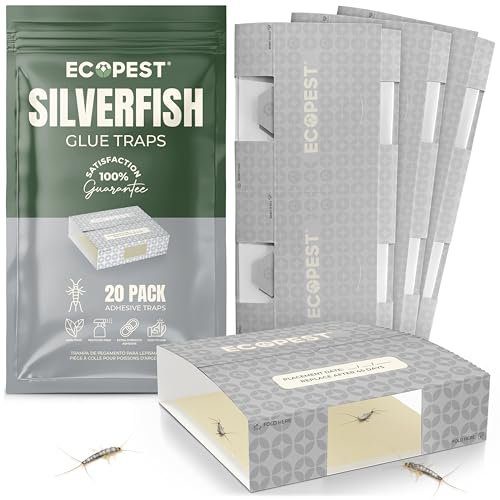
These sticky traps are designed to capture silverfish and firebrats, helping to monitor their presence and reduce existing populations. They are a non-toxic way to control these pests once they’ve invaded.
- Effectively attracts and traps silverfish and similar crawling insects using the built‑in natural-scented bait attractant
- Easy to use and place in bathrooms, kitchens, closets, and other indoor areas without chemicals or pesticides
- Non-toxic glue design that many buyers feel is safer to use around children and pets when positioned out of reach
- Some users report traps filling up or drying out relatively quickly in heavy-infestation areas and needing frequent replacement
- Adhesive can be very sticky, leading to occasional complaints about pets, hair, or household items getting stuck if not carefully placed

Silverfish are attracted to starches and sugars found in pantry items. Using airtight containers helps to seal off these food sources, preventing silverfish from accessing and contaminating your stored goods.
- Sturdy BPA-free plastic construction with tight, easy-lock lids that keep dry foods fresh and prevent spills
- Variety of container sizes and stackable design that helps maximize pantry space and organize cereals, pasta, and snacks
- Clear sides and included labels make it easy to see contents and keep items clearly marked
- Some reviewers report lids or clips can crack or lose their seal over time, especially with frequent use or rough handling
- A few users find the containers smaller than expected for large cereal boxes or bulk items and wish the set included more large pieces

Since high humidity is the primary driver for silverfish infestations, a reliable hygrometer allows you to accurately monitor the moisture levels in different areas of your home, helping you identify problem spots and take preventative action.
- Accurate and fast temperature/humidity readings with Swiss-made sensor and 2-second refresh time
- Reliable Bluetooth connection with good range and useful app features like alerts and long-term data logging/export
- Clear, easy-to-read LCD display and compact design suitable for various indoor uses (bedroom, greenhouse, cellar)
- Lacks Wi‑Fi or true remote (out‑of‑home) access and must be within Bluetooth range for live data
- Battery life and the need to replace AAA batteries every several months are minor annoyances for some users
As an Amazon Associate, I earn from qualifying purchases. Product recommendations are based on real reviews and independent research.