
n
Are you noticing slender, scuttling insects in your home and wondering if they're silverfish or firebrats? While these two common household pests share a similar appearance and many habits, distinguishing between them is key to effective control. Understanding the subtle differences in their color, preferred habitats, and behavior will help you accurately identify the culprit and implement targeted prevention strategies. Let's delve into how to tell these fascinating, ancient insects apart.
n
Bottom line:nTo tell the difference between silverfish and firebrats, observe their color and preferred environment. Silverfish are shiny, silvery-gray, and thrive in cool, damp areas like basements. Firebrats are dull, mottled grayish-brown, and prefer very warm, moist locations such as near furnaces or hot water heaters.
n
 n
nn
Silverfish vs Firebrats: Key Differences
n
While both silverfish (Lepisma saccharinum) and firebrats (Thermobia domestica) belong to the order Zygentoma, they are distinct species with specific preferences that aid in their identification. Both are wingless, primitive insects, typically measuring 0.5 to 0.75 inches (12–19 mm) long, excluding their antennae and three characteristic tail filaments. Juveniles resemble smaller versions of adults, undergoing direct development without metamorphosis, a trait shared with other ancient insect groups. Despite their similar body plans, their appearance and environmental needs offer clear distinctions.
n
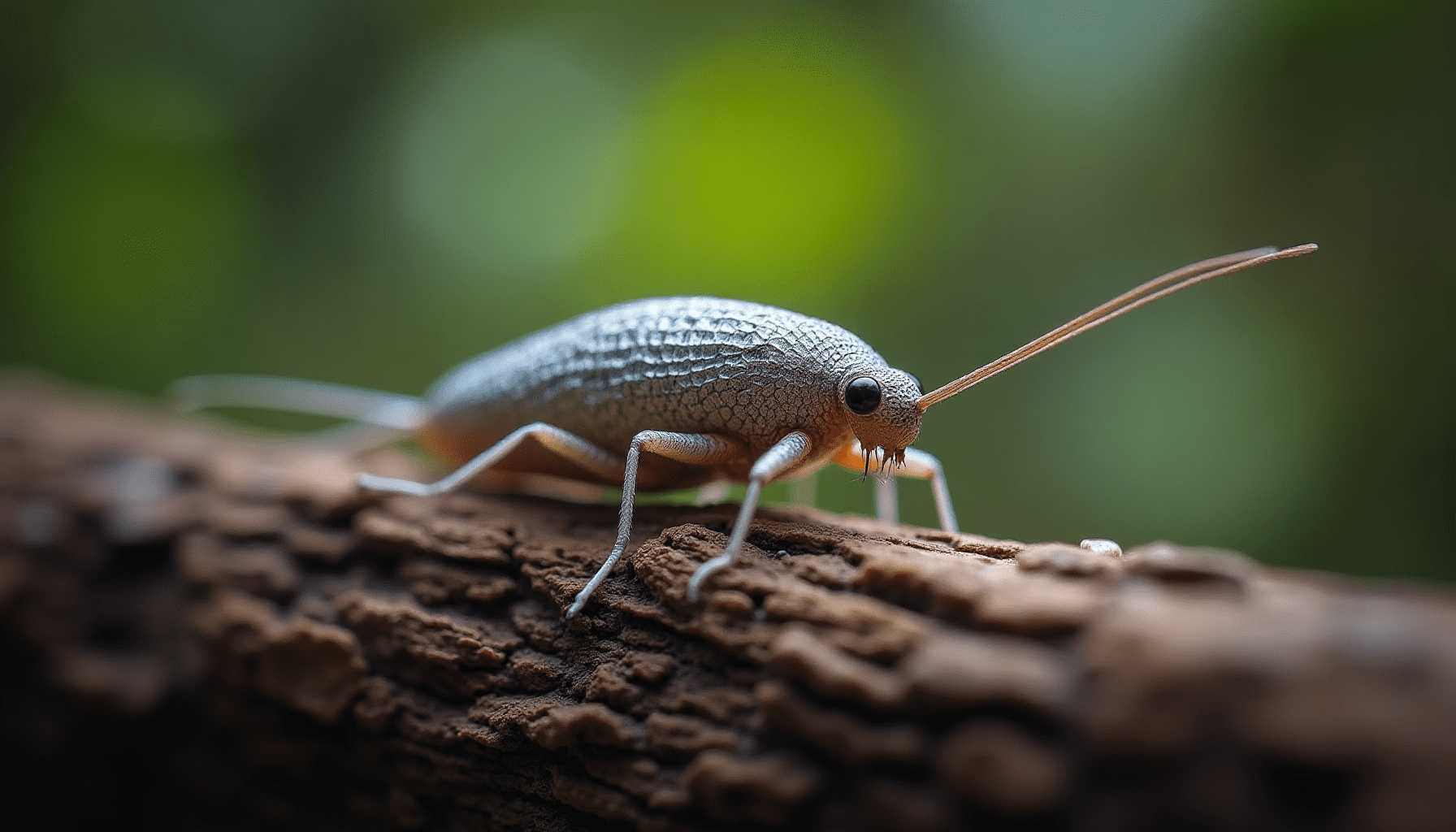
The most noticeable difference lies in their color and sheen. Silverfish are aptly named for their uniform, shiny, silvery-gray to bluish bodies, which appear metallic due to their fine scales, as noted by the Ohio State University Extension. These scales can flake off easily, leaving a powdery residue. In contrast, firebrats have a duller, mottled grayish-brown body with darker patches, giving them a speckled or camouflaged appearance rather than a shiny one. Their bodies often have more visible bristles, contributing to their less lustrous look. Observing these color and texture nuances under good light, perhaps with a flashlight during their nocturnal activity, is often the first step in accurate identification.
n
Another critical differentiator is their habitat preference. Silverfish are creatures of cooler, damp environments, typically thriving in temperatures between 70–80°F (21–27°C) with high humidity (75–95% RH). This makes basements, laundry rooms, bathrooms, and storage areas with books and papers their ideal haunts. Firebrats, however, are heat-loving insects, preferring very warm, moist conditions above 90°F (32°C). You're more likely to find them near heat sources like furnaces, boilers, ovens, and hot water heaters, or in attics during hot summer months, as explained by Clark Pest Control. These distinct temperature preferences are perhaps the most reliable clue when trying to distinguish between the two.
n
| Feature | Silverfish (Lepisma saccharinum) | Firebrat (Thermobia domestica) |
|---|---|---|
| Color & Sheen | Shiny, silvery-gray to bluish; uniform or lightly mottled | Dull, mottled grayish-brown with darker patches; speckled |
| Preferred Temp. | Cooler, damp (70–80°F / 21–27°C) | Very warm, moist (>90°F / 32°C) |
| Common Habitats | Basements, bathrooms, laundry rooms, cool storage, under sinks | Near furnaces, boilers, ovens, hot water heaters, attics, bakeries |
| Body Texture | Smooth, metallic appearance due to fine scales | Duller, more bristly appearance |
n
Where You'll Find Them: Habitat Clues
n
The specific locations where you encounter these insects in your home are strong indicators of whether you're dealing with silverfish or firebrats. Both species are nocturnal, preferring to hide during the day in cracks, crevices, under clutter, and inside wall voids. They are also fast runners, often darting away quickly when disturbed. However, their environmental requirements guide their choice of hiding spots.
n
If you frequently spot these silvery, scuttling insects in your basement, bathroom, laundry room, or under a leaky sink, chances are you have silverfish. These areas typically provide the cooler temperatures and high humidity that silverfish crave. They might be found among stored boxes of books, old newspapers, or in damp closets. Their presence often signals an underlying issue of excess moisture or poor ventilation in these parts of the home, as highlighted by the University of Maryland Extension.
n
Conversely, if your sightings are concentrated around hot water heaters, furnaces, ovens, fireplaces, or in a warm attic, you are likely encountering firebrats. These pests are highly adapted to very warm conditions and will gravitate towards consistent heat sources. Commercial settings like bakeries and industrial kitchens are particularly prone to firebrat infestations due to their consistently high temperatures, according to Health Canada. Their presence in such warm, moist locations can indicate inadequate insulation around hot pipes or insufficient ventilation that allows heat and humidity to build up.
n
Conducting a simple inspection can help confirm your suspicions. First, note the ambient temperature and humidity of the area where you see the insects. Is it noticeably cool and damp, or warm and stuffy? Next, use a flashlight to observe the insects at night. Their distinct color and sheen will be more apparent. You can also set simple traps, such as a glass jar with masking tape wrapped around the outside, in both warm and cool areas to capture specimens for closer examination. This DIY approach allows you to confirm the species based on their preferred microhabitat.
n
 n
nnn
Damage & Health: What You Need to Know
nn
While silverfish and firebrats are often a cause for alarm due to their unsettling appearance, it's important to understand their actual impact on your home and health. Both are considered nuisance pests, primarily damaging belongings rather than posing a direct threat to human health. This contrasts with other pests like fleas or bed bugs, which can cause bites and health issues. If you're curious about other common household pest distinctions, you might find our guide on Fleas vs Bed Bugs: How to Tell Them Apart helpful.
For separating a flea from a springtail, see bugs that jump.
n
Neither silverfish nor firebrats bite, sting, or transmit known diseases to humans. This is a common misconception that often leads to unnecessary panic. Their primary diet consists of starchy and protein-rich materials, making them scavengers of household items. They are known to feed on:
n
- n
- Paper products: Books, magazines, newspapers, cardboard, wallpaper paste, and glues in book bindings. They can cause surface etching, irregular holes, and scalloped edges.
- Fabrics: Cotton, linen, silk, and some synthetic materials, especially if soiled with food stains or perspiration. Damage often appears as irregular holes or yellow stains.
- Food items: Flour, cereal, pasta, pet food, and other dry goods. They can contaminate food stores, making them unappetizing.
- Other organic matter: Dead insects, dandruff, and household dust.
n
n
n
n
n
The damage they cause is typically aesthetic, resulting in unsightly marks on cherished items or contamination of pantry staples. They do not eat structural wood, so their presence is not a direct sign of structural damage like termites. However, their affinity for damp environments means their presence can sometimes indirectly signal moisture issues that could, if left unaddressed, lead to other problems like mold or wood-destroying fungi. Understanding the type of damage helps confirm their presence, though it doesn't differentiate between the two species, as their diets are largely similar.
n
Effective Control & Prevention Strategies
nn
Managing silverfish and firebrats effectively focuses heavily on non-chemical methods, emphasizing environmental control and sanitation. Entomologists and pest management experts, including those at the National Pesticide Information Center (NPIC), consistently recommend an Integrated Pest Management (IPM) approach for these insects, prioritizing habitat modification over chemical treatments.
n
1. Moisture Control: This is the most critical step for both species.n * Dehumidifiers: Run dehumidifiers in basements, laundry rooms, and bathrooms to reduce overall humidity, especially for silverfish.n * Ventilation: Ensure adequate ventilation in bathrooms, kitchens, and attics. Use exhaust fans during and after showers or cooking.n * Repair Leaks: Promptly fix any leaky pipes, faucets, or roof leaks. Insulate cold pipes to prevent condensation, which creates ideal damp conditions. For firebrats, reducing heat in attics and boiler rooms and insulating hot pipes can help keep temperatures below their preferred 90°F.
n
2. Decluttering and Sanitation: Eliminating their food sources and hiding spots is vital.n * Storage: Store books, papers, and important documents in airtight plastic bins rather than cardboard boxes, especially in basements and attics.n * Vacuuming: Regularly vacuum floors, carpets, and upholstered furniture, paying close attention to behind and under appliances, inside cabinets, and pantry floors. This removes crumbs, debris, and any potential egg masses.n * Food Storage: Keep all dry goods like flour, cereal, pasta, rice, and pet food in sealed, airtight glass or heavy plastic containers. Clean up spills immediately.
n
3. Exclusion: Prevent them from entering and moving around your home.n * Seal Entry Points: Use caulk or foam to seal cracks, crevices, and gaps around baseboards, door and window frames, pipes, and utility lines. This limits their access to wall voids and hidden areas.n * Outdoor Debris: Remove or move outdoor firewood, lumber piles, and other debris away from your home's foundation, as these can harbor insects that may eventually move indoors.
n
4. Monitoring and Trapping:n * Sticky Traps: Place sticky traps (like those used for cockroaches) in areas where you suspect activity. These can help monitor population size and confirm identification.n * Jar Traps: A simple and effective DIY trap involves wrapping the outside of a smooth glass jar with masking tape. Place it upright in suspected areas. The insects can climb the tape but cannot escape the slick glass inside.
n
5. Selective Use of Dusts or Insecticides (Last Resort):n * For light to moderate infestations, insecticides are generally not necessary. However, for persistent issues, targeted treatments may be considered.n * Desiccant Dusts: Boric acid, silica gel, or diatomaceous earth can be applied as a very thin layer into cracks, crevices, wall voids, and under baseboards where insects travel. These dusts work by dehydrating the insects. Always follow label directions carefully and keep them away from children and pets.n * Residual Sprays: In severe cases, residual insecticide sprays may be applied to harborage areas like behind baseboards, wall voids, and attics. This is often best left to a professional pest control service.
n
By focusing on these practical, non-chemical strategies, you can significantly reduce populations of both silverfish and firebrats and prevent future infestations.
n
 n
nnn
Common Myths About Silverfish and Firebrats
n
Misinformation often surrounds common household pests, and silverfish and firebrats are no exception. Dispelling these myths can help homeowners approach pest management with a clear, informed perspective.
n
Myth 1: "Silverfish and firebrats bite or spread diseases."
n
- n
- Fact: This is perhaps the most common misconception. Both silverfish and firebrats are completely harmless to humans. They do not bite, sting, or transmit any known diseases. Their presence is primarily an aesthetic and nuisance issue, focused on damaging belongings rather than posing a health threat, as confirmed by Health Canada.
n
n
Myth 2: "They only live in dirty homes."
n
- n
- Fact: While clutter and accessible food sources can worsen an infestation, even meticulously clean homes can harbor silverfish or firebrats. Their presence is more closely tied to favorable environmental conditions (temperature and humidity) and the availability of their preferred food items (paper, starch, glue). A clean home with a damp basement or a very warm attic can still attract these pests.
n
n
Myth 3: "You must use strong pesticides to get rid of them."
n
- n
- Fact: This is rarely true. Expert consensus, including from the University of Maryland Extension, emphasizes that insecticides are usually unnecessary for silverfish and firebrats. Effective moisture management, sealing entry points, and diligent sanitation are the primary and most sustainable tools for control. Pesticides are considered a last resort for severe, persistent infestations and should be applied in a targeted manner.
n
n
Myth 4: "All long, skinny silver bugs in the house are silverfish."
n
- n
- Fact: This article directly addresses this myth! Many people mistakenly label all shiny, silver-colored insects as silverfish. However, as we've explored, firebrats are duller, mottled, and thrive in heat, while true silverfish are shiny and prefer cooler, damp areas. Accurate identification is crucial for effective control, just as it is when distinguishing between German Cockroach vs American Cockroach: Discover the Key Differences.
n
n
Myth 5: "If I only see one or two, it’s not a problem."
n
- n
- Fact: Both species are nocturnal and adept at hiding. Seeing even a few individuals can indicate a larger, hidden population and underlying environmental conditions that favor their presence. Early detection and response can prevent a more extensive infestation and more significant damage to your belongings.
n
n
Myth 6: "They are a sign of structural wood damage like termites."
n
- n
- Fact: Silverfish and firebrats do not consume structural wood. They prefer starches and cellulose found in paper, fabrics, and glues. While their presence can indicate humidity problems, which might indirectly favor other pests or mold that do damage wood, they themselves are not wood-destroying insects. For comparison with actual wood pests, see our guide on Flying Ants vs Termites: How to Tell the Difference.
n
n
Conclusion
n
Distinguishing between silverfish and firebrats doesn't have to be a mystery. By paying close attention to their color, sheen, and—most importantly—the environmental conditions of their preferred habitats, you can accurately identify which of these ancient insects is sharing your home. Remember, silverfish are shiny and prefer cool, damp areas, while firebrats are duller, mottled, and thrive in warmth.
n
Once identified, implementing an Integrated Pest Management approach focused on moisture control, sanitation, and exclusion is the most effective way to manage and prevent infestations. These nuisance pests, while not dangerous, can damage valuable belongings, so timely action is key. For more detailed guides on identifying and managing various household insects, explore other resources on InsectoGuide.com, such as our comprehensive Ant Identification Guide: 20 Common Species With Pictures.

Pingback: Bugs That Look Like Silverfish: Telling Them Apart