Tiny, almost invisible insects can turn a pleasant outdoor evening into an itchy nightmare. If you've ever experienced persistent, intensely irritating bites that seem to come from nowhere, you've likely encountered no-see-ums, also known as biting midges or sand flies. These minuscule pests are notorious for their ability to slip through standard defenses, making effective protection essential. This guide will help you understand these elusive biters and explore the most effective no-see-um repellents and physical barriers to ensure your comfort and peace of mind outdoors and indoors.
Bottom line:
For effective protection against no-see-ums, prioritize these actions:
- Repellents: Choose products containing Picaridin (20%), higher concentrations of DEET (30-100%), or Oil of Lemon Eucalyptus (OLE/PMD). Picaridin is often noted for its specific efficacy against biting midges.
- Physical Barriers: Install specialized "no-see-um mesh" screens (20×20 or finer) on windows and doors. Wear tightly woven, light-colored clothing and consider a fine-mesh head net in heavily infested areas.
- Environmental Control: Utilize CO₂ traps to reduce outdoor populations and use air conditioning or fans indoors to deter them.
Understanding No-See-Ums: The Elusive Biters
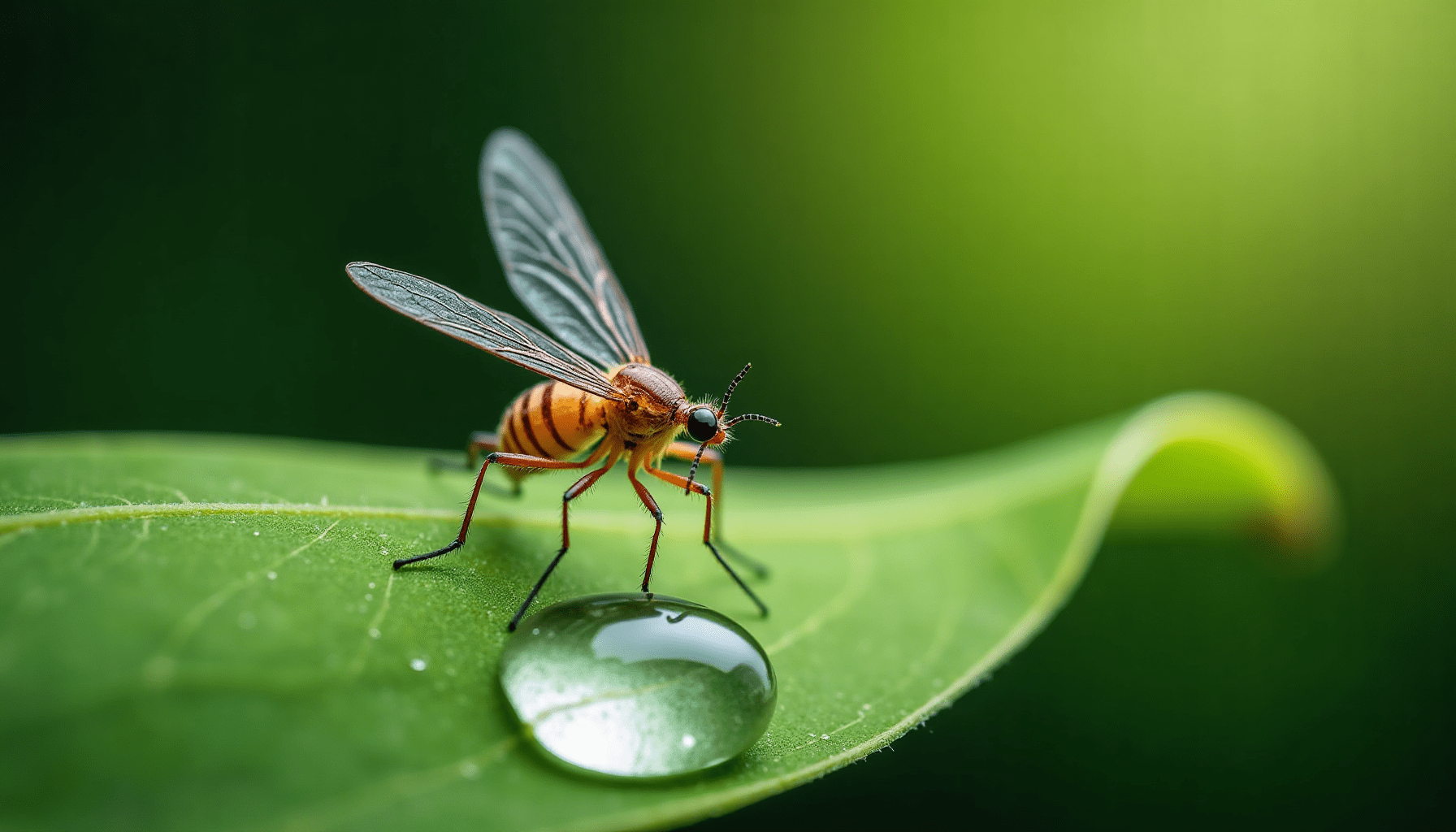
No-see-ums are more than just a nuisance; they are tiny, persistent biting midges that can make outdoor activities unbearable. Commonly known as sand flies or punkies in various regions, these insects primarily belong to the genus Culicoides (family Ceratopogonidae). Understanding their biology and behavior is the first step in effective control.
These minuscule adults are typically no larger than 1 to 3 millimeters (about 1/16 inch) long, with a gray body and distinctive patterned, hairy wings. Their small size is their superpower, allowing them to pass through standard window screen mesh, which is often 18×16 strands per inch. This is why many people are surprised to find themselves bitten even when indoors with screened windows.
Only female no-see-ums bite, as they require a blood meal to develop their eggs, much like mosquitoes. They thrive in moist environments, including salt marshes, mangroves, wetlands, and areas with damp soil or organic matter. Peak biting activity usually occurs during dawn and dusk, but some species will bite throughout the day in shaded, humid locations. While some Culicoides species can transmit animal diseases, the risk of human disease transmission by no-see-ums in North America is generally considered low by the Centers for Disease Control and Prevention (CDC). However, their bites cause intense itching, small red welts, and can trigger strong allergic reactions in sensitive individuals, making them a significant nuisance.
Best Repellents for No-See-Ums
Choosing the right personal repellent is crucial for minimizing no-see-um bites. While many general insect repellents exist, specific active ingredients show better performance against these tiny midges. Research indicates that these products don't literally push insects away; instead, they block the receptors insects use to detect hosts, essentially making you invisible to them, as explained by the University of New Hampshire Extension.
Picaridin-Based Repellents
Picaridin, also known as KBR 3023 or Icaridin, is frequently highlighted by entomologists and public health agencies as an excellent choice for biting midges. It works well on mosquitoes, ticks, and chiggers, making it a versatile option for general insect protection. A key advantage of picaridin is its non-greasy feel and lower likelihood of damaging plastics or synthetic fabrics compared to high-concentration DEET.
- Strengths: Picaridin comes in various concentrations. A 10% concentration typically offers 4-6 hours of mosquito protection, while 20% formulations can last 8 hours or more. For no-see-ums, reapplication might be needed more frequently under heavy pressure, so always follow the label.
- Usage: Apply picaridin evenly to all exposed skin. Avoid applying under clothing or on cuts and irritated skin. If applying to your face, spray it onto your hands first, then carefully apply, avoiding eyes and mouth.
DEET-Based Repellents
DEET (N,N-diethyl-meta-toluamide) has been the gold standard for insect repellents for decades, offering broad-spectrum protection against many biting insects and ticks. However, its effectiveness against no-see-ums is more inconsistent. Some commercial reviews, such as those by Mosquito Magnet, rate DEET as "barely effective" specifically for no-see-ums in their testing, suggesting that higher concentrations may be necessary for even modest protection.
- Considerations: For no-see-ums, you might need higher DEET concentrations (30-100%) to achieve noticeable protection. Be aware that higher concentrations can feel greasier and may damage some plastics, synthetic fabrics, or leather.
- Usage: Apply the lowest concentration that provides adequate protection. Ensure even coverage on all exposed skin, as missed spots are prime targets for bites. Avoid frequent or heavy use on very young children, always adhering to product label and pediatric guidelines. For a detailed comparison of common repellents, explore our guide on DEET, Picaridin, and oil of lemon eucalyptus.
Oil of Lemon Eucalyptus (OLE / PMD)
Oil of Lemon Eucalyptus (OLE), containing the active ingredient para-menthane-3,8-diol (PMD), is a plant-derived repellent registered with the EPA. It's often chosen as a "natural" alternative that still boasts robust efficacy data against mosquitoes and some biting flies. While direct no-see-um specific data is more limited compared to mosquitoes, many users report success in midge-heavy areas.
- Pros: Offers a pleasant scent and is derived from a botanical source.
- Usage: OLE products are generally not recommended for children under three years old. Reapply according to label instructions, typically every few hours.
IR3535
IR3535 is a synthetic amino acid derivative with a strong safety profile, widely used in Europe and some US products. It's effective against mosquitoes and ticks, making it a reasonable component in combination repellent products. Its protection against no-see-ums may be moderate, but it offers another option for those seeking alternatives to DEET or Picaridin.
Essential Oil Blends
Many "natural" repellents feature blends of essential oils like cedar, lemongrass, geranium, and mint. While these can offer an appealing scent and avoid synthetic actives, their protection time is generally shorter than EPA-registered repellents like DEET or Picaridin. The effectiveness is highly dependent on the specific formulation and individual skin chemistry.
- Example: Products like Best Bee Brothers' "Shake + Shield No-See-Ums Repellent" use essential oil blends and are marketed for various biting insects, including no-see-ums.
- Usage: Apply these blends thoroughly to dry skin and be prepared to reapply every 3-6 hours or as needed, especially in high-pressure environments. Always perform a patch test first to check for skin sensitivity. You can learn more about these options in our article on natural insect repellents.
General Repellent Application Tips:
- Sunscreen First: If using both sunscreen and repellent, apply sunscreen first, allow it to absorb, then apply repellent.
- Face Application: Never spray repellent directly onto your face. Instead, spray it onto your hands, then carefully apply, avoiding your eyes and mouth.
- Clean Up: Wash treated skin with soap and water once you come indoors.
- Skin Condition: Do not apply repellents over cuts, wounds, or irritated skin.
- Label Directions: Always follow the product label directions for age limits and reapplication frequency to ensure safety and effectiveness.
Beyond Repellents: No-See-Um Screens & Barriers
While repellents are crucial for personal protection, physical barriers are often the most effective long-term solution for keeping no-see-ums out of your home and outdoor living spaces. These tiny insects can easily bypass standard defenses, requiring specialized screening.

The Importance of Fine-Mesh Screens
Standard mosquito screens, typically 18×16 mesh (18 strands per inch in one direction, 16 in the other), are effective against most mosquitoes and larger flies. However, no-see-ums are simply too small and can readily pass through these openings. This is a common source of frustration for homeowners who believe their screens are providing adequate protection.
To effectively exclude no-see-ums, you need "no-see-um screens" with a much finer mesh count. These typically feature 20×20, 24×24, or even finer mesh. The material can vary, including fiberglass, polyester, aluminum, or stainless steel, with the latter two offering greater durability in harsh coastal climates. The critical factor is the smaller opening size, which physically blocks midges, gnats, and other tiny biting flies.
There is a trade-off: finer mesh can slightly reduce airflow and light compared to standard screens. To compensate, consider good ventilation design, such as larger screened areas or the use of ceiling fans, to maintain comfort.
Strategic Screen Placement and Design
- Windows and Doors: Install no-see-um mesh in key areas like bedrooms, screened porches, and any room where windows are frequently open. Regularly inspect screens for any gaps around frames, tears, or poorly sealed corners. No-see-ums can exploit even the smallest openings.
- Screened Porches and Patios: For outdoor living areas, use full-height no-see-um screen panels and ensure all bottom and top gaps are securely sealed. This creates a protected zone where you can relax without constant harassment.
- Tents and Camping Nets: If you enjoy camping in coastal or swampy areas, invest in a tent specifically designed with no-see-um mesh. Alternatively, you can add a separate ultra-fine mesh inner tent or sleeping net. For hammocks, confirm that the integrated bug net uses a fine no-see-um mesh, not just a standard mosquito mesh. For more options, see our guide on fine-mesh mosquito nets.
Protective Clothing and Head Nets
Beyond fixed screens, personal clothing and nets provide an essential layer of defense.
- Head Nets: A head net made of no-see-um mesh, worn over a wide-brimmed hat, is invaluable for activities like angling, hiking, or gardening in heavily infested areas.
- Clothing: Opt for lightweight, tightly woven clothing that covers as much skin as possible. Loose-fitting garments are often more effective than tight ones, as they create a physical barrier that midges cannot bite through. Tightly knit socks and cuffs can help prevent bites around ankles and wrists. Consider clothing treated with permethrin for an added layer of protection; our article on permethrin-treated clothing and gear offers more insights.
Outdoor & Indoor Control Strategies
Managing no-see-um populations extends beyond personal repellents and screens. Environmental and structural controls can significantly reduce their presence around your home, creating more comfortable living spaces.
CO₂ Traps for Population Reduction
Carbon dioxide (CO₂) traps are designed to attract biting insects, including no-see-ums, by mimicking the CO₂ and other lures that hosts emit. Once attracted, the insects are drawn into a vacuum or onto a sticky surface where they are captured and killed. Mosquito Magnet reports that these traps are highly effective at controlling no-see-um populations around a property.
- Placement: Position CO₂ traps between known breeding areas (e.g., marshes, damp soil) and human use areas, rather than directly next to seating. This intercepts the midges before they reach you.
- Operation: For cumulative effect and sustained reduction, run these traps continuously during peak no-see-um seasons.
Habitat Management
Reducing suitable breeding sites near your home is a proactive way to minimize no-see-um populations. No-see-ums prefer moist habitats, often with saturated soil and organic matter, rather than simply standing water.
- Reduce Moisture: Fix leaking sprinklers or hoses, improve drainage around your foundation, and remove water from plant saucers, buckets, and debris piles. While complete elimination of large-scale breeding areas like marshes or mangroves is often impractical and environmentally undesirable, property-level moisture reduction can make a difference.
- Organic Matter: Clear away leaf litter and other decaying organic materials that can retain moisture and provide breeding sites.
Indoor Environment Control
Creating an unfavorable indoor environment for no-see-ums can deter them from entering and settling.
- Air Conditioning and Dehumidifiers: No-see-ums cannot tolerate cold temperatures and low humidity. Running air conditioning and dehumidifiers indoors creates a cool, dry environment that is highly deterrent to these pests. Keep windows closed during peak no-see-um activity and rely on AC when infestations are severe.
- Fans: Ceiling fans or portable box fans can be surprisingly effective. The increased air movement makes it difficult for tiny midges to fly and land, reducing their ability to bite. Use fans on screened porches, decks, and indoors to create a "windy" environment that no-see-ums avoid.
Common No-See-Um Myths Debunked
Many misconceptions circulate about no-see-ums and how to control them. Separating fact from fiction is essential for effective protection.
Myth 1: "Any bug spray that works on mosquitoes will work on no-see-ums."
Reality: While many repellents offer broad-spectrum protection, no-see-ums are often more persistent and less susceptible to certain active ingredients than mosquitoes. For instance, DEET, highly effective against mosquitoes, may be only "barely effective" against no-see-ums for some individuals and formulations. Picaridin and certain other actives often perform better specifically against biting midges.
Myth 2: "Standard window screens are enough."
Reality: This is a common and frustrating misconception. No-see-ums are so tiny that they can easily pass through the mesh of typical mosquito screens (usually 18×16 strands per inch). Many homeowners are puzzled when they continue to get bites indoors despite having screens. Dedicated "no-see-um mesh" (20×20, 24×24, or finer) is specifically designed to block these minuscule insects and is necessary for effective exclusion.
Myth 3: "Fogging the yard once will solve the problem."
Reality: Area-wide space sprays, mists, and fogs provide only very short-term control. They primarily kill exposed adult no-see-ums but have no effect on the larvae and pupae developing in moist soil or organic matter. New adults quickly emerge, leading to rapid reinfestation. Consequently, large-scale spraying is often rated "not effective" for sustained no-see-um control and can raise environmental concerns regarding non-target insects.
Myth 4: "Natural repellents are always safer than synthetic ones."
Reality: The terms "natural" and "synthetic" do not inherently equate to "safe" or "dangerous." Many essential oils found in "natural" repellents can cause skin irritation, allergic reactions, or eye injuries if misused. Conversely, EPA-registered synthetic repellents like DEET and Picaridin have undergone extensive safety testing and have robust data supporting their safe use when applied according to label directions. The key is always to use any product responsibly and as directed on its label, regardless of its origin.
Myth 5: "No-see-ums only exist on beaches."
Reality: While coastal areas, especially salt marshes and mangroves, are notorious hotspots for no-see-ums, these insects are not exclusive to beaches. They thrive in a wide variety of moist environments, including inland lakes, rivers, wetlands, irrigated yards, and forests. People can experience significant no-see-um bites in their backyards, far from any ocean, if local conditions provide suitable breeding habitats.
Conclusion
No-see-ums, or biting midges, may be tiny, but their impact on our comfort can be immense. Effectively managing these elusive pests requires a multi-pronged approach, combining personal protection with environmental controls. By understanding their behavior and utilizing the right no-see-um repellents, installing fine-mesh screens, and implementing strategic habitat management, you can significantly reduce bites and reclaim your outdoor and indoor spaces. Remember to always follow product label instructions for safe and effective use.
For more detailed information on insect identification and control, explore our other resources, such as our comprehensive guide on DEET, Picaridin, and oil of lemon eucalyptus or tips on choosing the best mosquito nets for beds, travel, and camping. With the right knowledge and tools, you can enjoy nature without the constant annoyance of no-see-um bites.

Recommended Products
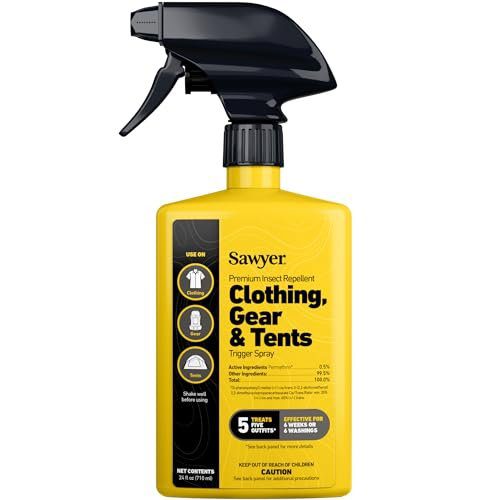
The article emphasizes the importance of repellents, specifically mentioning Picaridin. This product is a highly-rated 20% Picaridin repellent, ideal for personal protection against no-see-ums.
- Highly effective at repelling and killing ticks, mosquitoes, and many other insects when applied to clothing and gear
- Long-lasting protection on fabrics, typically up to 6 weeks or 6 washes per treatment
- Odorless when dry and does not stain or damage clothing, fabrics, plastics, or outdoor gear
- Application can be time-consuming and must be done in a well-ventilated outdoor area with a full drying period before use
- Some users are concerned about handling a chemical insecticide and need to follow safety directions carefully
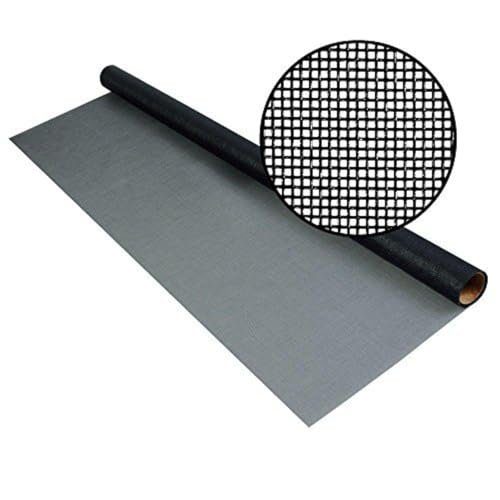
The article highlights ‘no-see-um mesh’ screens (20×20 or finer) as a crucial physical barrier. This product directly addresses that need for windows and doors.
- Effectively keeps out very small insects like no-see-ums, gnats, and sandflies thanks to the tight 20×20 mesh
- Durable fiberglass material that is easy to work with and install for windows, doors, and porches
- Charcoal color provides good visibility while adding some daytime privacy
- Denser weave can slightly reduce airflow and visibility compared with standard insect screen
- Higher cost than regular fiberglass screen mesh for the same size area
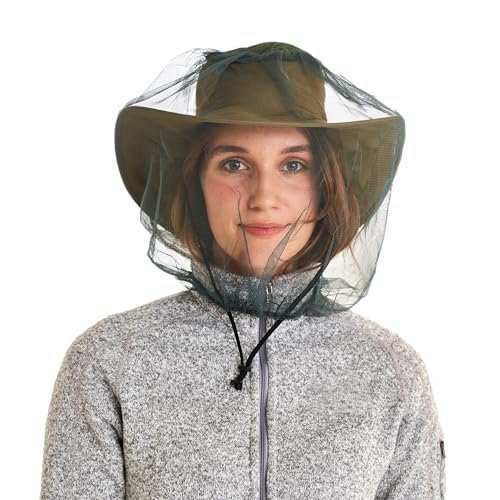
Recommended in the article for ‘heavily infested areas’ as a fine-mesh head net, this provides direct personal protection when other methods might not be sufficient.
- Effectively keeps mosquitoes and small flying insects away from the face and neck using fine mesh
- Lightweight, breathable, and comfortable to wear over most headgear or brimmed hats
- Packs down very small and is easy to carry for camping, hiking, or fishing trips
- Mesh can feel close to the face or slightly claustrophobic for some users, especially without a brimmed hat or ring support
- Durability of the thin mesh and elastic neck can be limited with rough or extended use
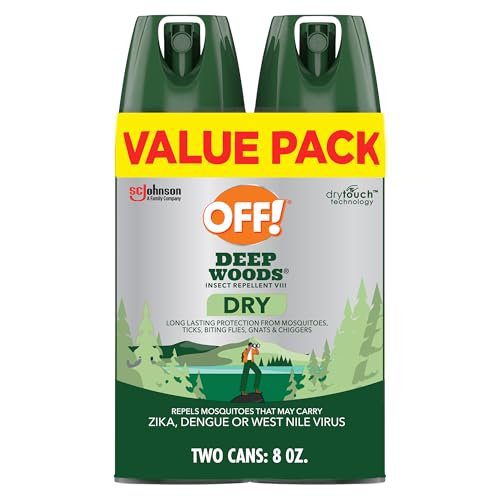
The article lists higher concentrations of DEET (30-100%) as an effective repellent. This product offers 25% DEET in a dry formula, providing strong protection against biting midges.
- Provides long-lasting protection against mosquitoes and ticks, including in heavily wooded or high-bug areas
- Dry, non-greasy aerosol formula that feels lighter and less oily on the skin compared with traditional DEET sprays
- Convenient and effective 4 oz aerosol size, with the 2-pack offering good value and portability for travel or outdoor activities
- Some users report the aerosol can malfunctioning or losing pressure before all of the product is used
- Fragrance and DEET content can be strong or irritating for sensitive users, leading to occasional complaints about smell or mild skin reactions
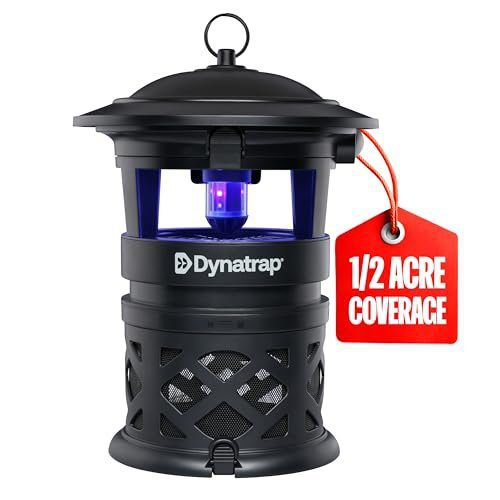
The article suggests using CO₂ traps for ‘environmental control’ to reduce outdoor populations. This trap uses UV light and CO2 to attract and trap biting insects like no-see-ums.
- Effectively reduces mosquitoes and other flying insects in outdoor areas up to about a half acre when left running continuously
- Quiet, fan-based trap that avoids the zapping noise and burning smell of traditional bug zappers
- Simple operation and maintenance with an easy-to-remove catch basket and long-lasting LED bulb
- Some buyers report disappointing catch rates or minimal impact on mosquito populations, especially without optimal placement or additional lures
- Needs to run 24/7 and be positioned away from people and other light sources, which some users find inconvenient or restrictive
As an Amazon Associate, I earn from qualifying purchases. Product recommendations are based on real reviews and independent research.