\
\
The invisible menace of no-see-ums can quickly turn an enjoyable outdoor experience into an itchy nightmare. These tiny biting midges, often mistaken for gnats, deliver disproportionately irritating bites that can ruin a backyard barbecue or a coastal vacation. Fortunately, effective no-see-ums repellents and smart prevention strategies exist to protect you and your family. This guide will help you identify these pests, understand what attracts them, and equip you with the best methods to keep them at bay, allowing you to reclaim your outdoor spaces.
\
Bottom line:
\
To effectively repel no-see-ums and prevent their bites, prioritize these strategies:
\
- \
- Personal Repellents: Use products containing Picaridin (10-25%) or Oil of Lemon Eucalyptus (OLE/PMD) on exposed skin. DEET can offer some protection, but Picaridin is often reported as more effective for these specific pests.
- Physical Barriers: Install fine-mesh (20-30+ holes per inch) screens on windows and doors, and wear long, tightly woven clothing.
- Environmental Control: Utilize outdoor fans to create disruptive airflow, eliminate standing water, and manage damp organic debris in your yard.
- Timing: Avoid outdoor activities during peak no-see-um hours (dawn and dusk) in high-risk areas.
\
\
\
\
\
A related guide worth having to hand: Types of Flies: Identification Guide.
Understanding No-See-Ums
\
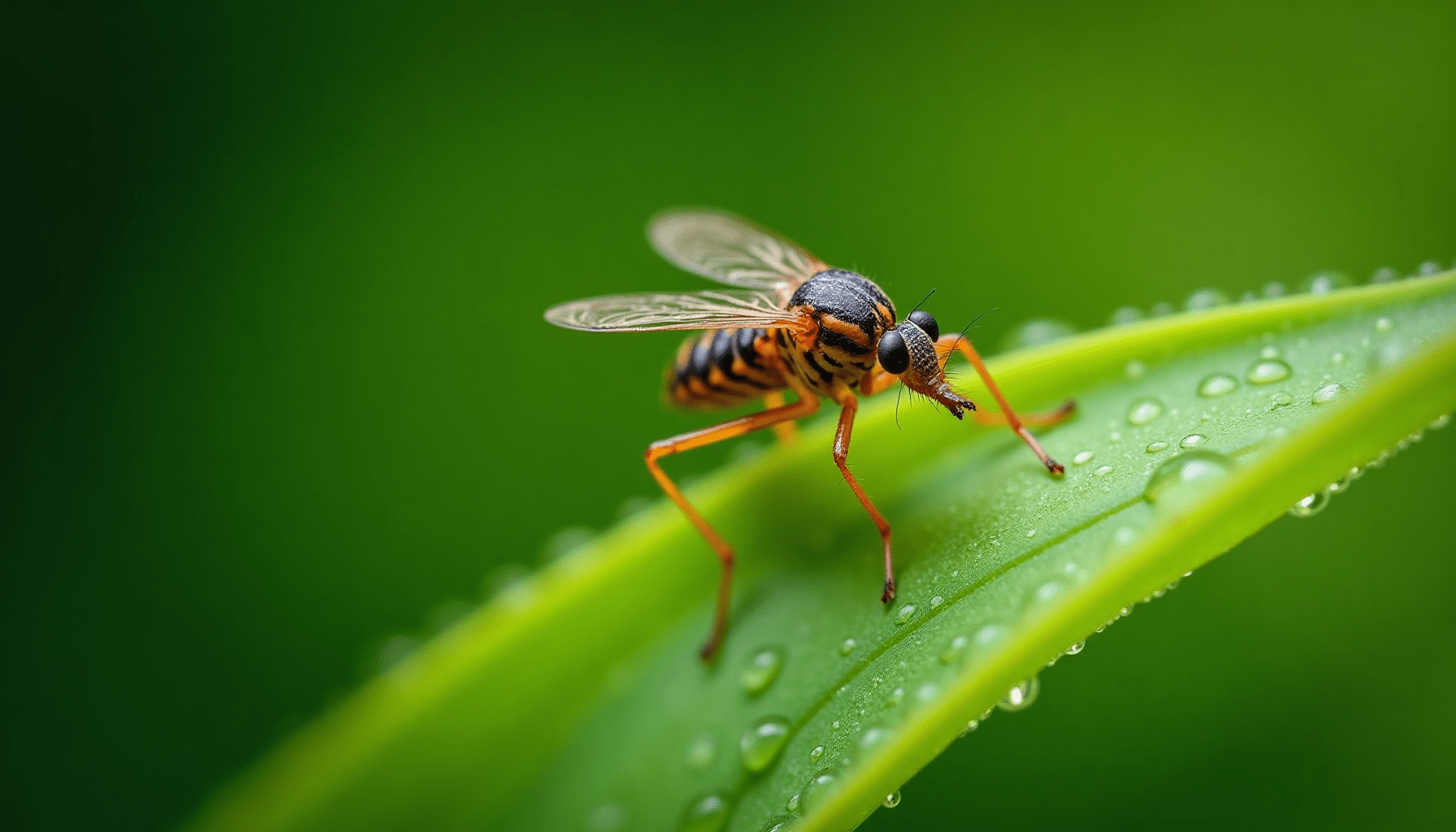
Before you can effectively fight these tiny biters, it helps to know your enemy. No-see-ums are the common name for minute biting midges belonging to the insect family Ceratopogonidae, primarily the genus Culicoides. They are notoriously difficult to spot due to their minuscule size, typically 1/16 inch (1-3 mm) long, making them appear as tiny specks or "flying pepper" Orkin. These pests are also known regionally as sand flies or punkies.
\
No-see-ums thrive in warm, humid environments globally, found on every continent except Antarctica. They are particularly prevalent in coastal regions, marshy areas, and wetlands where moist soil or standing water provides ideal breeding grounds Mosquito Magnet. This includes salt marshes, mangrove swamps, irrigated lawns, and even damp leaf litter. Their activity peaks at dawn and dusk, especially in late spring through summer and early fall, particularly after rains and during calm, low-wind conditions.
\
What makes you a target? No-see-ums are attracted to several cues, including the carbon dioxide (CO₂) you exhale, your body heat and moisture (sweat), and certain body odors or fragrances. They also seek out rotting organic matter for feeding and breeding. Around your home, they are drawn to light, especially near doors and windows, and some species may even prefer dark clothing that contrasts with the background Mosquito Joe. Understanding these attractions is the first step in effective no-see-ums repellents and prevention.
\
 \
\\
Top No-See-Ums Repellents That Work
\
When it comes to personal protection against these persistent pests, choosing the right no-see-ums repellents is crucial. Not all insect repellents are equally effective against biting midges. Expert sources, including university extensions and pest control specialists, highlight specific active ingredients that offer the best defense.
\
Picaridin
\
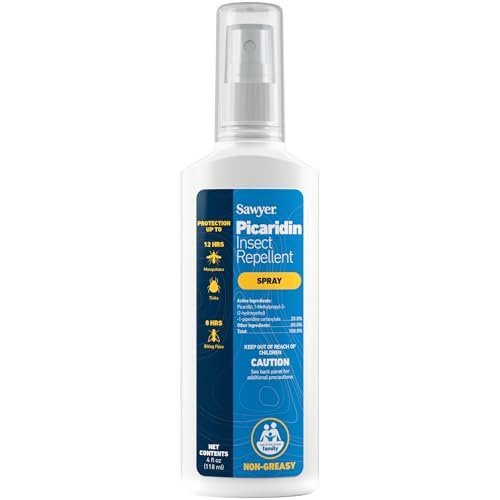
Often recommended as a top choice for biting midges, Picaridin (also known as icaridin) is a synthetic repellent modeled after a compound found in pepper plants. Unlike some repellents that create a scent barrier, Picaridin works by blocking the insect's ability to detect you, essentially making you "invisible" to them UNH Extension. For no-see-ums, formulations with 10-25% Picaridin in lotions or sprays are highly effective and often preferred for their pleasant feel and lack of plastic-damaging properties. This active ingredient is widely available and consistently performs well against mosquitoes, ticks, and biting midges.
\
Oil of Lemon Eucalyptus (OLE / PMD)
\
For those seeking a plant-based option, Oil of Lemon Eucalyptus (OLE), specifically its active component p-menthane-3,8-diol (PMD), is a strong contender. This naturally derived repellent has demonstrated good efficacy against a range of biting insects, including no-see-ums. Many pest control providers suggest OLE-based repellents as a reliable "natural" choice when used according to label instructions Mosquito Joe. It offers protection comparable to low-to-medium concentration DEET for certain pests, making it a valuable part of your defense arsenal.
\
DEET
\
DEET is a broad-spectrum repellent well-known for its effectiveness against mosquitoes and ticks. While some public health guidelines list DEET products labeled for biting midges as an option, its effectiveness against no-see-ums can be mixed. Some users and experts report that DEET is "barely effective" against no-see-ums in certain situations, especially if not applied meticulously Mosquito Magnet. If you choose a DEET-based product, ensure it is specifically labeled for biting midges or sand flies and follow all application directions carefully. For a comprehensive comparison of popular repellents, explore our guide on best mosquito repellents.
\
Permethrin-Treated Clothing
\
Beyond skin-applied repellents, treating your clothing with permethrin offers an additional layer of protection. Permethrin is an insecticide that, when applied to clothing, gear, or screens and allowed to dry, repels and kills biting insects, including some midges. This is especially useful in areas with high no-see-um populations. Remember, permethrin products designed for clothing must never be applied directly to skin and should be used strictly according to label instructions. It's also important to note that permethrin is toxic to cats and aquatic organisms when wet, so exercise caution during application.
\
 \
\\
\
Beyond Repellents: Comprehensive Prevention Strategies
\
\
Recommended\
\
\
 \
\\
\
\
Directly recommended in the article for personal protection against no-see-ums, specifically mentioning Picaridin (10-25%) as an effective ingredient.
\
- Virtually odorless / no strong smell
- Effective against mosquitoes and flies, including no-see-ums and ticks
- Non-greasy and doesn’t damage gear or fabrics like DEET can
\
- Some users say the protection doesn’t last as long as advertised and requires reapplication sooner
- A few reviewers mention the product can be hard to find or is pricier than basic bug sprays
\
\
\
\
\
Recommended\
\
\
 \
\\
\
\
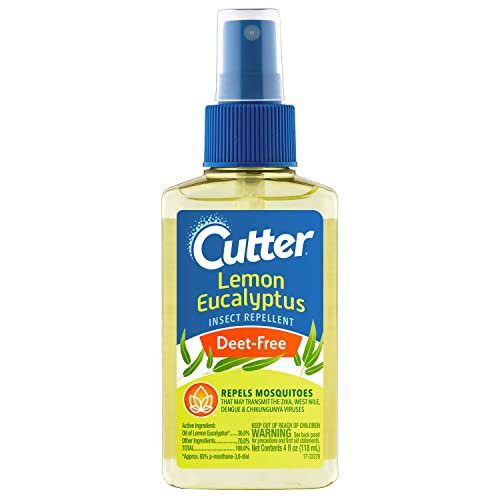
Explicitly recommended in the article as an effective DEET-free alternative (Oil of Lemon Eucalyptus/PMD) for personal protection against no-see-ums.
\
- Effectively repels mosquitoes, including those that may carry West Nile virus, for several hours
- Pleasant, fresh lemon eucalyptus scent that many users prefer over traditional DEET repellents
- Non-greasy, non-sticky feel and DEET-free, plant-based active ingredient derived from lemon eucalyptus leaves
\
- Can cause eye irritation and occasional skin reactions, so users must apply carefully and avoid face/eyes and broken or sensitive skin
- Not suitable for children under 3 years old and may require reapplication, which some users find inconvenient for longer outings
\
\
\
\
While personal no-see-ums repellents are vital, a multi-pronged approach that includes physical barriers and environmental management offers the most robust protection. Preventing these tiny pests from reaching you in the first place is often the most effective strategy.
\
Physical Barriers
\
No-see-ums are small enough to slip through standard mosquito screens, which typically have 16-18 holes per linear inch. To keep them out of your home, RV, or tent, you'll need fine-mesh screens specifically marketed as "no-see-um mesh" or "bug mesh," typically with 20-30+ holes per linear inch Mosquito Magnet. While finer mesh might slightly reduce airflow and light, it's a critical investment in high-infestation areas.
\
When spending time outdoors, consider wearing long sleeves, long pants, and socks made from tightly woven fabrics. This creates a physical barrier that no-see-ums cannot easily penetrate. For extreme conditions, head nets or jackets made from no-see-um mesh can provide essential protection.
\
Environmental Controls and Habitat Management
\
No-see-ums thrive in moist conditions, laying their eggs in damp soil, mud, decaying plant material, and standing water. Therefore, managing moisture and organic debris in your yard is paramount:
\
- \
- Eliminate Standing Water: Regularly empty containers that collect water, such as buckets, plant saucers, birdbaths, and tire swings Mosquito Joe.
- Improve Drainage: Fix leaky outdoor faucets or irrigation systems and ensure your lawn and garden beds drain well to prevent soggy areas. Avoid overwatering.
- Yard Maintenance: Keep your lawn mowed, trim weeds, and rake up leaf litter regularly. No-see-ums feed on decaying organic matter, so reducing these sites minimizes both breeding and feeding opportunities Mosquito Joe.
- Airflow: No-see-ums struggle to fly in even light breezes. Positioning oscillating fans on porches, patios, or decks to blow across seating areas can create a practical, chemical-free barrier Mosquito Joe. Indoors, running air conditioning and ceiling fans lowers humidity and creates air movement, making your home less hospitable to them Mosquito Magnet.
\
\
\
\
\
Traps and Perimeter Treatments
\
CO₂ mosquito traps can be highly effective at controlling local no-see-um populations. These devices attract midges by mimicking the CO₂ exhaled by humans and animals, often with additional lures, then capture and kill them. Placing these traps strategically between breeding areas and your outdoor living spaces can significantly reduce the number of biting midges over time Mosquito Magnet.
\
For persistent outdoor infestations, professional pest control services offer targeted barrier treatments. These treatments, often using micro-encapsulated pyrethroids, are applied to vegetation, shaded areas, and building perimeters where no-see-ums rest. Companies like Mosquito Joe combine these treatments with habitat management to reduce populations during peak seasons. Large-scale fogging alone is generally discouraged due to its short-lived impact and environmental concerns. To learn more about comprehensive outdoor pest management, check out our guide on how to mosquito-proof your backyard.
\
Applying Repellents Safely and Effectively
\
Even the best no-see-ums repellents won't work if not applied correctly. Proper application ensures maximum protection and safety, especially for children.
\
For Adults:
\
- \
- Read the Label: Always follow the specific instructions on your chosen repellent product. Pay attention to reapplication times and any warnings.
- Cover Exposed Skin: Apply repellent evenly to all exposed skin. For your face, spray the repellent onto your hands first, then carefully apply it, avoiding your eyes and mouth.
- Reapply as Needed: No-see-um repellents typically need to be reapplied more frequently than mosquito repellents, often every 3-6 hours, or sooner if you are sweating heavily or swimming.
- Layering: If using sunscreen, apply sunscreen first, then the insect repellent.
\
\
\
\
\
For Children:
\
- \
- Check Age Restrictions: Only use products specifically approved for a child's age. Oil of Lemon Eucalyptus (OLE/PMD) is generally not recommended for children under three years old.
- Adult Application: An adult should apply the repellent to their own hands first, then rub it onto the child's exposed skin.
- Avoid Sensitive Areas: Do not apply repellent to a child's hands, eyes, mouth, or to any cuts or irritated skin. Children often put their hands in their mouths, potentially ingesting the repellent.
- Consult a Pediatrician: If you are unsure about using repellents on infants or very young children, consult a pediatrician.
\
\
\
\
\
Treating No-See-Um Bites
\
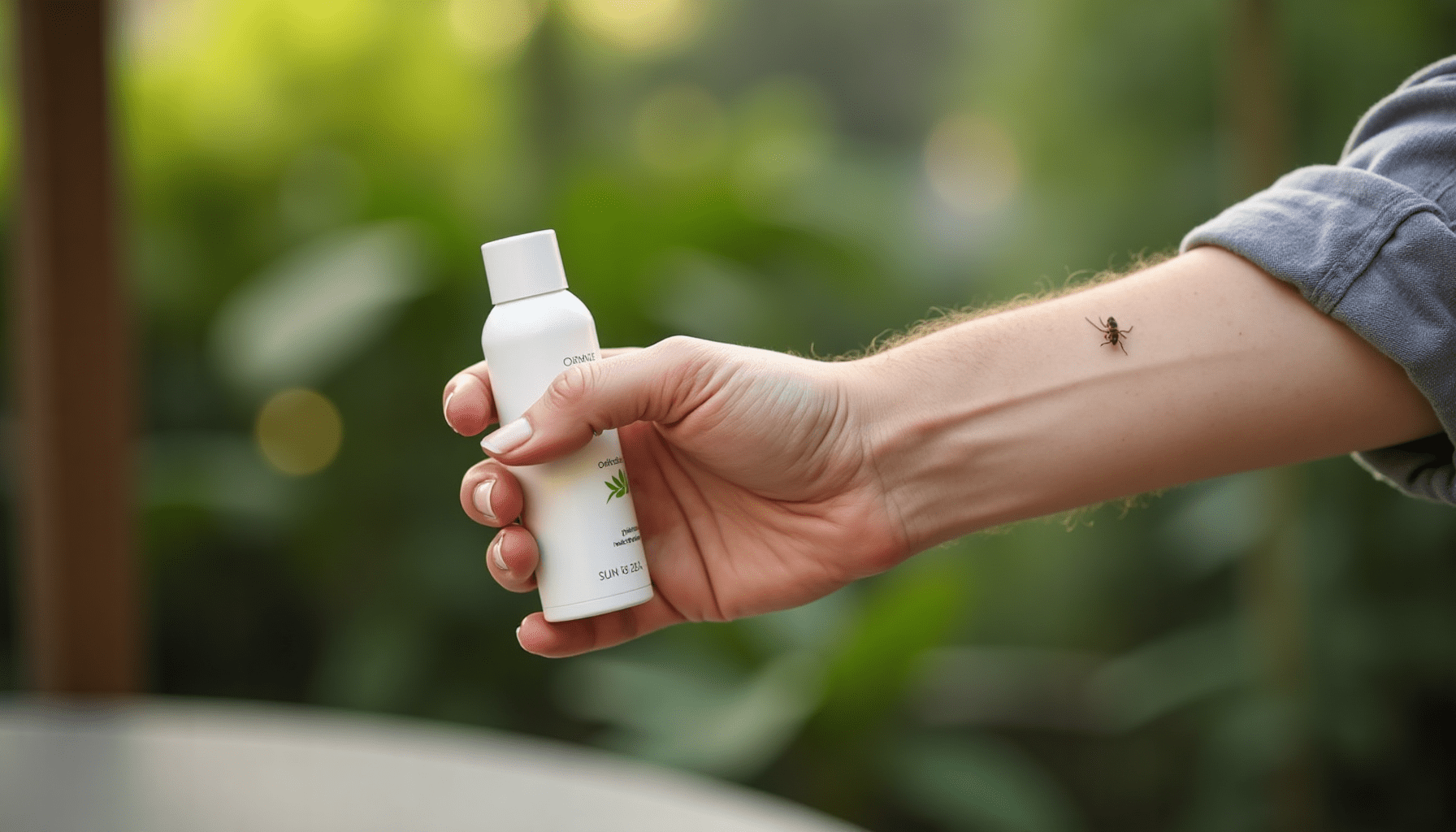
Despite your best efforts with no-see-ums repellents and prevention, you might still end up with a few itchy bites. No-see-um bites often result in intensely itchy, small red welts that can sometimes develop into larger allergic reactions. Prompt and proper care can minimize discomfort and prevent secondary infections.
\
Here’s how to treat no-see-um bites:
\
- \
- Cleanse the Area: Immediately wash the bite area gently with soap and water. You can also dab it with hydrogen peroxide for additional cleaning Mosquito Joe.
- Reduce Itch and Swelling: Apply topical anti-itch treatments such as 1% hydrocortisone cream, calamine lotion, or an oral antihistamine (like diphenhydramine) according to package instructions. Cold compresses can also provide relief.
- Avoid Scratching: It's tempting, but scratching bites can break the skin and lead to secondary bacterial infections. Keep fingernails trimmed, especially for children.
- Monitor for Complications: While no-see-ums in North America and Europe are primarily nuisance pests, they can transmit diseases in other regions. Seek medical attention if the bite area becomes excessively swollen, warm, painful, or shows signs of infection like pus or spreading redness. Also consult a doctor if you experience systemic symptoms like fever, headache, or joint pain after numerous bites. For more detailed information on managing insect bites, refer to our guide on mosquito bite relief and mosquito bite symptoms.
\
\
\
\
\
 \
\\
\
Common No-See-Um Myths Debunked
\
Misinformation about no-see-ums can lead to ineffective prevention and control. Let's clarify some common misconceptions:
\
Myth 1: “No-see-ums are just baby mosquitoes.”
\
Fact: This is incorrect. No-see-ums are biting midges belonging to the family Ceratopogonidae, which is distinct from mosquitoes (family Culicidae) Mosquito Magnet. While both are small, bite, and can be annoying, they have different biologies, breeding sites, and control methods. No-see-ums are significantly smaller than even the smallest mosquitoes.
\
Myth 2: “Any mosquito repellent will work the same on no-see-ums.”
\
Fact: Many repellents effective against mosquitoes offer reduced or inconsistent protection against biting midges. As noted by Mosquito Magnet, DEET, while effective for mosquitoes, is often "barely effective" for no-see-ums. It's crucial to choose no-see-ums repellents with active ingredients like Picaridin or Oil of Lemon Eucalyptus that are specifically labeled for biting midges or sand flies UNH Extension.
\
Myth 3: “Spraying the yard once will get rid of them completely.”
\
Fact: While a single insecticide application can temporarily reduce the adult no-see-um population, it does not affect the eggs, larvae, or pupae developing in moist substrates. New adults will quickly emerge and replace those killed, making broad-scale spraying generally ineffective for long-term control Mosquito Magnet. Sustainable control requires an integrated approach combining habitat management, physical barriers, traps, and targeted treatments.
\
Myth 4: “No-see-ums only come from standing water.”
\
Fact: While some species do breed in standing water, many no-see-um species lay their eggs in a variety of moist substrates, including wet soil, mud, decaying plant matter, and saturated sand Mosquito Joe. Therefore, simply eliminating standing water, while important, is not sufficient. Comprehensive moisture management and the removal of organic debris are also necessary for effective prevention.
\
Conclusion
\
Battling no-see-ums requires a proactive and informed strategy, but with the right no-see-ums repellents and prevention tactics, you can significantly reduce their impact. Remember to prioritize personal repellents like Picaridin or OLE/PMD, fortify your home with fine-mesh screens, and actively manage moisture and organic debris in your yard. By understanding their behavior and implementing these integrated control measures, you can enjoy your outdoor spaces without the constant annoyance of itchy bites. Stay vigilant, stay protected, and reclaim your comfort from these tiny, but tenacious, biting midges.
\
Recommended Products
\
\
Top Pick\
\
\
 \
\\
\
\
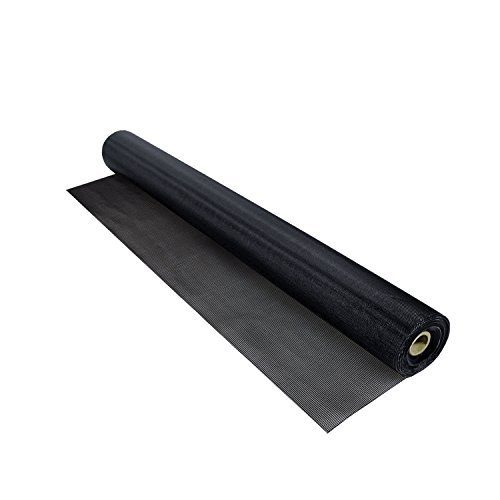
Directly addresses the article’s recommendation for installing ‘fine-mesh (20-30+ holes per inch) screens’ on windows and doors as a physical barrier against no-see-ums.
\
- Very durable and significantly more tear- and puncture-resistant than regular insect screen, even with cats and dogs scratching or climbing on it
- Easy to install and work with using standard spline and screen tools when the correct spline diameter is used
- Provides good protection while still allowing airflow and visibility, making it well-suited for high-use doors, windows, and porches
\
- Thicker, stiffer material can be harder to stretch perfectly tight and may require more effort or technique during installation
- Heavier gauge screen can be less flexible and slightly reduce visibility compared with standard insect screens
\
\
\
\
Pick #3\
\
\
 \
\\
\
\
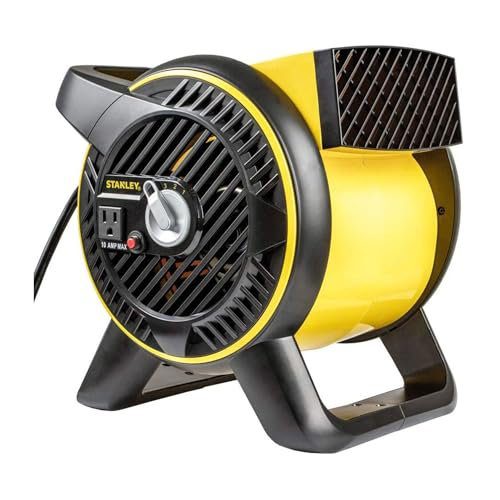
Addresses the article’s recommendation to ‘Utilize outdoor fans to create disruptive airflow’ as an environmental control strategy to keep no-see-ums at bay.
\
- Strong, high-velocity airflow with three speed settings that effectively cools, dries, and circulates air in garages, workshops, and home spaces
- Durable, rugged construction in a compact and lightweight form factor that is easy to carry and position, with a pivoting head to direct airflow where needed
- Convenient built‑in power outlet and simple controls that make the blower versatile for powering tools or accessories while in use
\
- Noise level can be relatively high on the top speed, which some users find too loud for small or quiet indoor spaces
- Airflow is focused and directional rather than wide-area, so it may not move enough air for users expecting a large room fan effect
\
\
\
As an Amazon Associate, I earn from qualifying purchases. Product recommendations are based on real reviews and independent research.