Dreaming of enjoying your porch or deck without the constant buzz and bite of uninvited insect guests? You're not alone. Creating a truly bug-proof porch or deck involves more than just lighting a citronella candle; it requires a strategic, multi-faceted approach. This guide will walk you through proven methods, from simple clean-up routines to advanced exclusion techniques, helping you reclaim your outdoor living space for peaceful relaxation and entertainment this season.
Bottom line: To bug-proof your porch, start by eliminating standing water and food sources, then add physical barriers like screens and fans. Complement these efforts with appropriate lighting and targeted repellents for a truly comfortable outdoor space.
Key Strategies for a Bug-Free Porch
Achieving a pest-free outdoor haven means understanding and applying a combination of techniques, often referred to as Integrated Pest Management (IPM). This expert-recommended approach prioritizes prevention and least-toxic methods first, ensuring sustainable results for your outdoor living area. No single product offers a magic bullet; instead, success comes from layering several smart strategies.
Here’s a quick overview of the core principles to bug-proof your porch:
- Sanitation and Habitat Modification: Remove anything that attracts pests or provides breeding grounds. This includes standing water, food scraps, and overgrown vegetation.
- Physical Exclusion: Create barriers that physically block insects from entering your space. Screens, sealed gaps, and under-deck skirting are prime examples.
- Environmental Manipulation: Adjust elements like lighting and airflow to make your porch less appealing to bugs.
- Targeted Repellents and Treatments: Use personal repellents or specific pest control products only when necessary, focusing on the problem insects.
Entomologists and public health organizations like the Centers for Disease Control and Prevention (CDC) consistently recommend IPM for effective and long-term pest control. By combining these methods, you can significantly reduce the presence of mosquitoes, flies, wasps, and other nuisance insects, transforming your outdoor area into a more enjoyable space.
Clean Up & Clear Out
The first and most crucial step in making your porch or deck a no-fly zone for insects is meticulous sanitation and habitat management. Many common porch pests, from mosquitoes to flies and ants, are drawn to food, moisture, and shelter readily available in unkempt outdoor spaces. Addressing these attractants at their source can drastically reduce insect populations before they even become a nuisance.
Remove Food & Debris Attractants
Insects are constantly searching for food and shelter. Your porch or deck, especially after a meal, can be a veritable buffet.
- Wipe Down Surfaces: Regularly sweep and wipe down outdoor tables, railings, and floors. This removes food crumbs, drink spills, and sugary residues that attract ants, flies, and wasps.
- Manage Garbage: Store all garbage in bins with tight-fitting lids. Keep these bins a short distance from your main seating area to prevent odors from attracting pests. Rinse recycling before placing it in bins to reduce fly and ant attraction.
- Clean Grills Promptly: Grills are notorious for attracting flies and ants. Clean grills, drip pans, and grease traps immediately after use. Keep grill covers closed when not in use, as recommended by resources like Frederick Fence.
- Pet Waste: Remove pet waste frequently. Flies and some beetles readily breed in feces, so keeping your yard and porch clear is essential.
Tidy Your Yard & Under-Deck Areas
Your yard's condition directly impacts the insect pressure on your porch. Dense vegetation, leaf piles, and standing water create ideal breeding and resting sites for many pests.
- Trim Vegetation: Mow grass regularly and keep shrubs and bushes trimmed away from deck edges. Remove brush piles, tall weeds, and dense groundcover near footings. These areas can harbor ticks, mosquitoes, rodents, and spiders, as highlighted by Outdoor Marketplace. For a comprehensive approach, learn how to tick-proof your yard.
- Clear Yard Debris: Leaf piles, grass clippings, and stacks of firewood create moist microhabitats for insects. Remove these regularly. Store firewood away from the house and off the ground to reduce the risk of attracting termites and carpenter ants.
- Address Wood-Destroying Pests: Termites cause an estimated $5 billion in property damage each year in the U.S., according to the National Pest Management Association (NPMA). Subterranean termites are attracted to moist wood, making decks with poor drainage or wood-to-soil contact vulnerable. Ensure good drainage and avoid direct wood-to-soil contact for your deck structure, as advised by the EPA.
Eliminate Standing Water
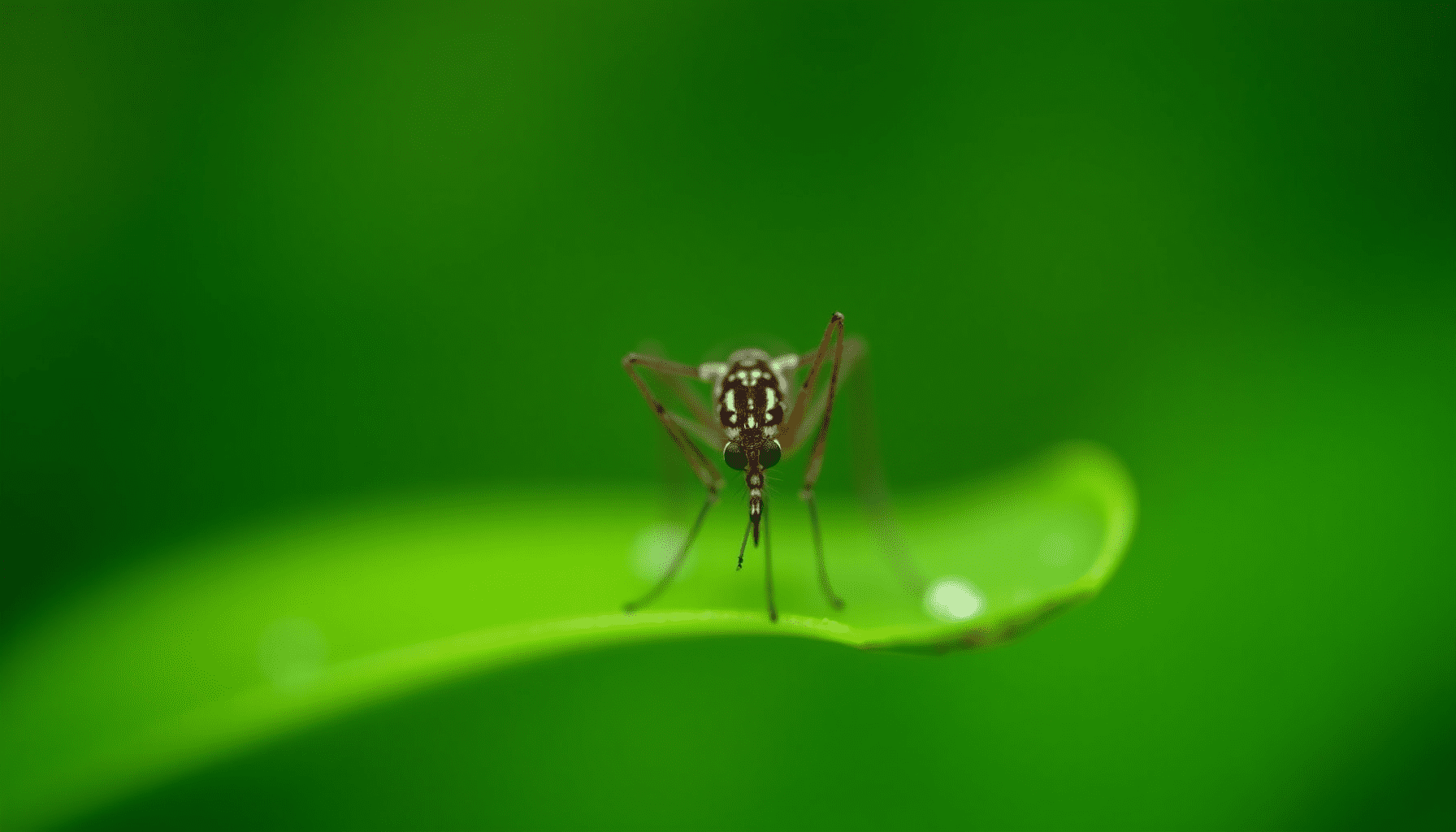
Mosquitoes (Culicidae) are perhaps the most common and annoying porch pests. They require standing water to complete their life cycle, with larvae developing in just 5–14 days. A single clogged gutter or a forgotten plant saucer can produce hundreds of mosquitoes.
- Weekly Water Walk: Conduct a weekly "water walk" around your porch and deck. Dump out water from saucers under plant pots, buckets, toys, tarps, and even pool covers. Change bird bath water at least twice weekly.
- Clear Gutters: Ensure gutters and downspouts are clear and properly directing water away from your home and deck foundation. Clogged gutters are prime mosquito breeding sites, as noted by the CDC.
- Improve Drainage: Fix any areas where water puddles on deck surfaces or at the base of steps. Even a few ounces of water can support mosquito breeding if left for more than a week, according to the American Mosquito Control Association (AMCA).
- Treat Unremovable Water: For water features like ornamental ponds that cannot be drained, use larvicides containing Bacillus thuringiensis israelensis (Bti) granules. These "mosquito dunks" or "bits" effectively control mosquito larvae without harming other organisms. Learn more about how to eliminate mosquito larvae in standing water.
Seal It Up: Physical Barriers
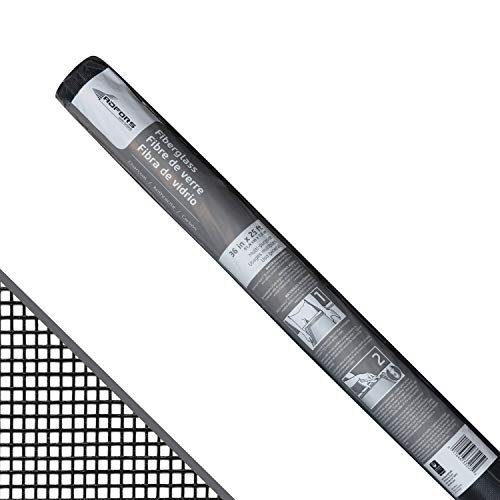
Directly addresses the article’s recommendation for ‘Physical Exclusion’ using screens to block insects from the porch or deck, a key strategy for bug-proofing.
- Good basic fiberglass screen that is easy to work with and install for most standard window and door repairs
- Durable enough for routine household use and holds up reasonably well to weather when properly installed
- Comes in a convenient 36 in x 25 ft roll that provides ample material for multiple screens at an economical cost
- Some buyers feel the mesh is thinner and less sturdy than older or premium ADFORS screen materials
- Not designed as pet‑resistant or extra‑strength mesh, so it can tear more easily under heavy abuse or from pets
Once you’ve addressed attractants, the next step in creating a truly bug-proof porch is to physically block insects from entering your space. Physical exclusion is a highly effective, non-chemical method that provides long-lasting protection against a wide range of pests.
Screening Your Porch
The most effective way to keep flying insects out is to enclose your porch or deck with screens.
- Screened Enclosures: If your budget allows, converting an open porch into a screened enclosure offers maximum protection. For tiny pests like no-see-ums and midges, use a finer mesh (20 mesh or smaller, ≤1 mm openings). For general insects, a mesh size of 16-18 mesh per inch (~1.13–1.59 mm openings) is common, as advised by the University of Florida IFAS Extension.
- Inspect and Repair: Regularly inspect screens for tears, holes, or gaps around frames. Patch any damage promptly. Even small openings can allow mosquitoes and other pests to enter. The CDC recommends tight-fitting, repaired screens to reduce mosquito entry.
- Door Closers: Install self-closing hinges or door closers on screened doors to minimize the time they remain open, preventing insects from slipping inside.
- Door Sweeps: Add brush door sweeps or thresholds to the bottom of doors leading to your porch. This blocks crawling insects, spiders, and even small rodents.
Sealing Gaps and Cracks
Pests don't need a wide-open door; even tiny cracks can be an invitation.
- Caulk Gaps: Use exterior-grade caulk to seal cracks where your deck or porch meets the house. Also, seal gaps where porch columns meet the flooring.
- Utility Penetrations: Seal gaps around utility penetrations such as cables, hoses, and gas lines that enter your home near the porch.
- Weatherstripping: Apply weatherstripping around doors and windows that are accessible from the porch. This creates a tight seal against crawling and flying insects.
Under-Deck Barriers
The space beneath your deck can become a haven for pests if left open.
- Install Skirting: Consider installing lattice or solid skirting around the perimeter of your deck. If using lattice, back it with fine mesh screening to limit access for wasps, rodents, and other wildlife.
- Maintain Ventilation: Ensure any skirting includes adequate ventilation openings. This prevents moisture buildup, which can lead to wood rot and attract wood-destroying insects like termites and carpenter ants. The University of Kentucky Entomology highlights the importance of addressing moisture issues to deter these pests.
Smart Lighting & Airflow
Beyond physical barriers, you can further deter insects by manipulating the environment of your porch or deck. Strategic lighting choices and the intelligent use of fans can make your outdoor space significantly less attractive to many common pests.
Choose Bug-Friendly Lighting
Many flying insects are strongly attracted to short-wavelength (blue/UV) light. Traditional cool white or fluorescent bulbs can act as beacons, drawing pests directly to your gathering areas.
- Warm-Hued Bulbs: Replace bright white or cool LED/fluorescent bulbs with warm white or yellow "bug" bulbs. These bulbs emit less blue and UV light, making them less appealing to insects, as research by Cohnstaedt et al. (2008) and the University of Georgia Extension suggests.
- Low-Intensity Lighting: Use low-intensity lighting directly over seating areas. If you need brighter lights, place them further away from your porch to draw insects away from your immediate vicinity.
- Motion Sensors/Timers: Utilize motion-sensing or timer-controlled lighting. This reduces the amount of time lights are on, minimizing the window of attraction for nocturnal insects. Decks.com also recommends these strategies for a more bug-free experience.
Harness the Power of Fans
Mosquitoes and gnats are notoriously weak fliers. A simple fan can create an uncomfortable environment that discourages them from landing and biting.
- Strategic Placement: Install ceiling fans or place oscillating box fans on your porch or deck. Aim the airflow across seating areas. Consistent, moderate airflow makes it difficult for mosquitoes and gnats to navigate and land, as noted by the AMCA.
- Disperse Attractants: Fans also help disperse carbon dioxide (CO₂) and body odors, which are primary attractants for mosquitoes. By scattering these cues, fans make it harder for mosquitoes to locate their targets. This is a simple yet effective way to enhance outdoor comfort, as highlighted by Outdoor Marketplace.
Thoughtful Furniture & Layout
Your porch's layout can also play a role in deterring pests.
- Avoid Vegetation: Position seating areas away from dense vegetation, shrubs, and any remaining standing water sources. These areas are often where insects rest and breed.
- Light-Colored Fabrics: Choose lighter-colored fabrics for cushions and tablecloths. Some research suggests darker colors can attract more mosquitoes and certain flies.
- Food Station Placement: Avoid placing sweet drink stations or uncovered food directly next to your main seating areas. While convenient, this can draw wasps and flies uncomfortably close.
Repellents & Targeted Solutions
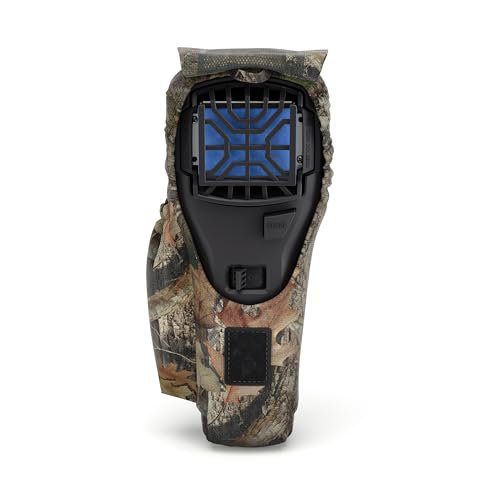
Provides effective, targeted mosquito repellent for an outdoor area, addressing the need for ‘Targeted Repellents and Treatments’ beyond basic candles, making the space more enjoyable.
- Reviewers consistently say it creates a very noticeable 15-foot reduction in mosquitoes after a 10–15 minute warm-up period, making outdoor sitting, camping, and hunting much more comfortable.
- Users like that it is cordless, lightweight, and easy to set up and operate with simple butane cartridges and slide-in mats, so it’s convenient to move around patios, campsites, and blinds.
- Many appreciate that it is scent-free and DEET-free with no smoke or sticky spray, so there’s no lingering odor or residue on skin, clothes, or gear.
- A common complaint is the ongoing cost and inconvenience of proprietary butane cartridges and repellent mats, which some find expensive and easy to run through on long trips.
- Some reviewers report that effectiveness can be inconsistent in windy conditions or open areas, and note that the unit is not waterproof, which limits use in the rain.
Even with excellent prevention and exclusion, some persistent pests might still try to join your outdoor gathering. This is where personal repellents and targeted treatments come into play, offering an extra layer of protection for your bug-proof porch.
Personal Insect Repellents
For direct protection against biting insects like mosquitoes and ticks, personal repellents are highly effective when used correctly.
- CDC-Recommended Ingredients: The CDC recommends repellents containing active ingredients such as:
- DEET
- Picaridin (also known as KBR 3023)
- Oil of Lemon Eucalyptus (OLE) or para-menthane-3,8-diol (PMD)
- IR3535
These ingredients are proven to be effective against mosquitoes and ticks. Always follow label directions for application.
- Children's Use: For families, DEET up to 30% is generally safe for children. However, OLE/PMD is not recommended for children under 3 years, and DEET should be avoided on infants under 2 months old.
Area Repellents & Outdoor Products
Several products are designed to create a repellent zone around your porch or deck.
- Citronella Candles and Torches: These products, containing citronella oil, can provide a small zone of repellency downwind. However, their effectiveness is modest and decreases significantly with wind and distance, as concluded by a review from Maia & Moore (2011). They are best used as part of a layered approach, not as a sole defense.
- Thermacell Devices: Butane-powered devices like Thermacell heat a mat infused with a pyrethroid (e.g., allethrin) to create a mosquito-free zone. Field tests show reduced mosquito landings within a limited radius in calm conditions.
- Essential Oil Sprays: DIY mixes using diluted essential oils like lavender, peppermint, rosemary, or eucalyptus can provide brief repellency on surfaces. However, they evaporate quickly and require frequent reapplication. Be cautious, as essential oils can cause skin irritation if misused.
- Alcohol-Based Sprays: Anecdotal recommendations sometimes suggest alcohol-based mouthwash sprays for porch perimeters. While alcohol can deter insects temporarily, its effect is short-lived due to rapid evaporation and is not a substitute for evidence-based repellents.
Insecticides and Larvicides
For more severe pest issues, targeted use of EPA-registered insecticides and larvicides can be considered.
- Residual Sprays: Professional or DIY products (e.g., pyrethroids) can be applied to porch/deck perimeter vegetation, under railings, or underneath decks. These should be reserved for significant infestations and applied carefully according to label directions to avoid harming pollinators and aquatic life, a key recommendation from the EPA.
- Larvicides (Bti, Bs): As mentioned earlier, Bacillus thuringiensis israelensis (Bti) granules are excellent for controlling mosquito larvae in standing water that cannot be drained, such as ornamental ponds. The EPA considers Bti relatively safe for non-target organisms when used correctly.

Tackling Specific Porch Pests
Different insects require tailored strategies. While general bug-proofing steps help, understanding specific pest behaviors allows for more effective control on your porch and deck.
Mosquitoes
Mosquitoes (family Culicidae) are notorious for transmitting diseases like West Nile virus, which causes thousands of cases annually in the U.S., according to the CDC.
- Key Tactics:
- Eliminate Standing Water: This is the single most important step. Conduct weekly checks to dump out any water.
- Fans & Repellent: Use fans to disrupt their flight and personal repellents (DEET, Picaridin) for skin protection, especially during dawn and dusk, when many species are most active.
- Screened Enclosures: Consider screening your porch in areas with high mosquito populations or disease risk.
- Larvicides: Use Bti "mosquito dunks" in water sources that cannot be removed, such as rain barrels or ornamental ponds. For more details, consult our guide on how to mosquito-proof your entire backyard.
Flies
House flies (Musca domestica) and blow flies are not just annoying; they can mechanically transmit over 65 disease-causing organisms, as stated by the WHO. They are attracted to decaying organic matter, garbage, and food scraps.
- Key Tactics:
- Strict Sanitation: Cover all food, clean spills immediately, manage trash with tight lids, and remove pet waste frequently.
- Screens: Install and maintain screens on doors and windows leading to your porch.
- Fly Traps: Use effective outdoor fly traps like sticky traps or UV light traps, placing them away from seating areas to draw flies elsewhere.
- Repellent Plants: While not a primary solution, planting herbs like basil, mint, or cloves nearby may offer minor deterrence, as suggested by sources like Frederick Fence.
Ants & Nuisance Crawling Insects
Ants are always on the hunt for food, especially sugary items.
- Key Tactics:
- Food Management: Keep all food sealed and wipe down surfaces. Store sugary items indoors.
- Seal Entry Points: Caulk cracks and seal entry points where the porch meets the house or foundation.
- Baits & Barriers: Use ant baits or perimeter barriers specifically labeled for ants around exterior foundations if infestations are persistent.
- Pet Food: Avoid leaving pet food bowls on the deck for extended periods.
Wasps, Hornets, and Bees
Stinging insects can be a serious concern, especially for those with allergies. Wasps and hornets often build nests in protected cavities around porches and decks.
- Key Tactics:
- Regular Inspection: Inspect under railings, joists, eaves, and furniture in early spring for small paper nests.
- Early Nest Removal: Remove small nests early in the season (early morning or late evening when insects are less active) using appropriate precautions. For larger or aggressive colonies, consider professional pest control. For more tips, read our guide on how to prevent wasp nests from forming.
- Cover Drinks: Keep sugary drinks covered with lids or use cups with covers to prevent accidental stings, especially in late summer when colonies are largest and foraging aggressively.
Termites & Wood-Destroying Insects
These pests can cause significant structural damage to decks and porches made of wood.
- Key Tactics:
- Material Choice: Use pressure-treated, naturally durable wood (like cedar or redwood), or composite decking materials, which are less attractive to these pests, as recommended by the EPA.
- Avoid Wood-to-Soil Contact: Ensure deck posts rest on concrete footings or metal post bases to prevent direct wood-to-soil contact.
- Moisture Control: Fix any leaks immediately and ensure excellent drainage under and around the deck.
- Remove Wood Debris: Clear scrap lumber from under the deck and avoid stacking firewood against deck posts.
- Professional Inspections: Schedule periodic professional termite inspections, especially in high-risk regions.
Common Bug-Proofing Myths
When trying to bug-proof your porch, it's easy to fall for common misconceptions. Separating fact from fiction is crucial for effective and safe pest control.
Myth 1: "Planting citronella and lavender will make my porch mosquito-free."
Reality: While plants like citronella (Cymbopogon spp.), lavender, and marigolds contain volatile oils that can repel insects, their effectiveness as living plants is quite limited. Simply having them in pots doesn't create a "force field" around your entire deck. The oils need to be released at a sufficient concentration to be truly effective, which usually only happens when the leaves are crushed or the oils are extracted and formulated into a repellent product. Use these plants as complementary measures for aesthetics and minor localized benefits, but don't rely on them as your sole defense against disease-carrying mosquitoes. The EPA notes that while citronella oil has repellent properties, its protection is typically short-lived.
Myth 2: "Bug zappers will solve my mosquito problem."
Reality: Bug zappers, while satisfying to hear, are generally ineffective at controlling mosquito populations. Studies, such as one by Frick & Tallamy (1996), show that most backyard bug zappers kill a vast number of non-biting insects, including beneficial moths and beetles, but relatively few mosquitoes. Mosquitoes are often more attracted to the carbon dioxide and body odors of humans than to UV light. Relying on a bug zapper can give a false sense of security while beneficial insects are unnecessarily harmed.
Myth 3: "Natural products are always safer and better."
Reality: The term "natural" doesn't automatically equate to "safe" or "more effective." Many essential oils can cause allergic reactions or skin irritation, and some are toxic to pets at certain doses. Furthermore, some "natural" pest control products are less tested and may not provide adequate protection against disease vectors like mosquitoes and ticks. CDC and EPA registered products have undergone rigorous testing for both safety and efficacy, providing reliable data on their performance. Always research and choose products based on scientific evidence, not just marketing claims.
Final Steps for a Pest-Free Porch
Creating a truly bug-proof porch or deck is an ongoing process, not a one-time fix. By consistently applying the strategies outlined in this guide, you can significantly reduce the presence of unwanted insects and reclaim your outdoor living space. Remember, the most effective approach combines sanitation, physical barriers, environmental adjustments, and targeted treatments.
Start with the basics: clean up food sources, eliminate standing water, and keep your yard tidy. Then, consider enhancing your space with screens, fans, and smart lighting. Finally, use personal repellents and specific pest control products as needed. With a little effort, your porch or deck can become a comfortable, pest-free oasis for you and your loved ones to enjoy all season long.
For more detailed guides on specific pest challenges, explore our resources on how to prevent wasp nests from forming and how to tick-proof your yard.

Recommended Products
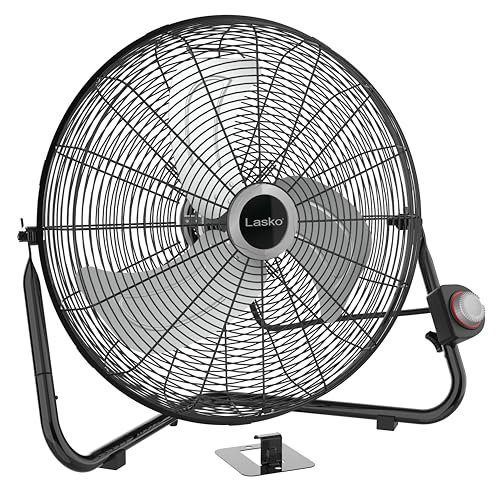
Creates strong airflow to deter flying insects, as explicitly recommended in the article under ‘Environmental Manipulation’ to make the porch less appealing to bugs.
- Very powerful airflow that effectively cools garages, attics, and large rooms even on the lower speed settings
- Sturdy, durable metal construction with a reliable motor that many owners report using for years
- Versatile QuickMount design that lets it be used either on the floor or wall-mounted, with a pivoting head for directional airflow
- Can be quite loud, especially on the highest speed, which some users find unsuitable for quiet indoor spaces
- Notable vibration or wobble for some units, and a few complaints about quality-control issues or early motor failure
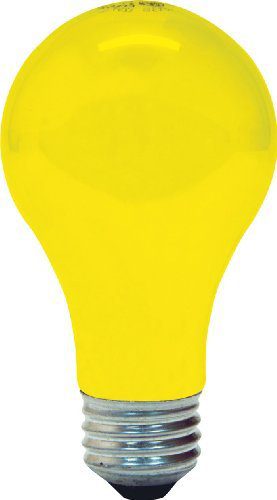
Offers a practical solution for ‘Environmental Manipulation’ by using light wavelengths that attract fewer insects, making the porch less appealing for evening use.
- Yellow light is less attractive to bugs and can reduce insects around outdoor areas compared with standard white bulbs
- Standard A19 shape with E26 medium base makes it easy to use in common outdoor fixtures like carriage and post lights
- Inexpensive incandescent 2-pack that provides familiar warm light and is simple to install with no special hardware needed
- Multiple third-party and retailer reviews report very short lifespan or early burnouts, sometimes within hours or days
- Incandescent design is less energy-efficient and runs hotter than modern LED alternatives
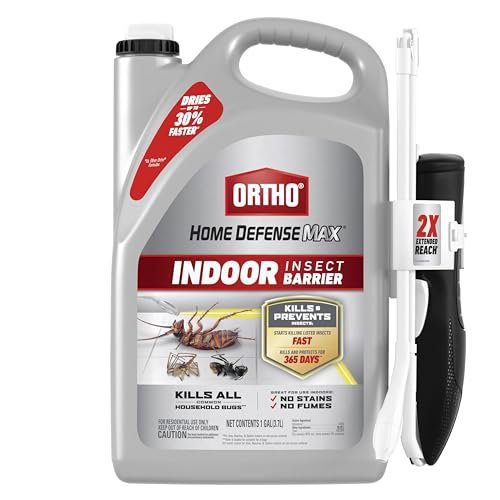
Provides a ‘Targeted Treatment’ for the perimeter of the porch or deck, creating a barrier against a variety of crawling and flying insects as part of a multi-faceted pest control approach.
- Effectively kills and prevents common household insects like ants, roaches, and spiders for an extended period (up to a year on non-porous indoor surfaces, according to the label)
- Comfort Wand and ready-to-use formula make application easy, with no mixing, pumping, or bending required
- Low odor, non-staining, water-based formula that can be used on a variety of indoor and perimeter surfaces without noticeable residue
- Some users report that it does not completely eliminate infestations or that bugs return sooner than expected, requiring reapplication
- Comfort Wand or sprayer components can be prone to malfunction, clogging, or inconsistent spray performance over time
As an Amazon Associate, I earn from qualifying purchases. Product recommendations are based on real reviews and independent research.