Flies can ruin a cookout fast, but the fix is straightforward: use outdoor fly traps to pull flies away from the table, then back it up with fast cleanup and smart placement. The best results usually come from smelly baited traps placed 15–30 feet away, plus odor-free tools near guests like sticky cards under eaves and a fan aimed across the dining area. This guide breaks down what works on patios and BBQ nights, how to place traps so they help (not backfire), and how to cut fly numbers long-term.
Bottom line: Outdoor traps work best when they pull flies away from people instead of toward the table.
- Place smelly bait traps 15-30 feet from seating and closer to trash or compost.
- Use fans and odor-free sticky options near guests.
- Start traps 2-3 days before a BBQ when fly pressure is high.
Quick answer
The best outdoor fly traps for patios and BBQs are baited bag or reusable container traps placed away from people, paired with sanitation and airflow.
Pick the right trap style:
- Disposable bait bag traps: best for heavy fly pressure in summer; hang downwind, away from seating.
- Reusable jar/bottle traps: best when you want low cost and control over bait; very effective with protein baits.
- Sticky cards/ribbons (covered areas): best near doors, under eaves, and on covered patios where you do not want odor.
- UV glue-board traps (covered patios): best for screened or semi-enclosed spaces, not open yards.
Placement rules that matter most:
- Put odor traps 15–30 ft (4.5–9 m) from the table and closer to the source (trash, compost, pet area).
- Start traps 2–3 days before your BBQ if possible.
- Add a fan at the eating area – flies avoid strong airflow.
Why flies show up
If flies seem to appear “out of nowhere” the source is usually nearby, and often small. A bit of trash-can sludge, a greasy drip tray under the grill, pet waste along a fence line, or overripe fruit under a tree can produce a steady stream of adult flies within days.
House flies (Musca domestica) and related “filth flies” develop quickly in warm weather. Under summer conditions, they can go from egg to adult in roughly a week, and a single female can lay hundreds of eggs over her lifetime. That speed explains why a patio can look fine one weekend and feel swarmed the next.
Flies are also strong at finding your food. They follow odor plumes the way you might follow the smell of barbecue drifting down a street. Research summarized by the UC Statewide IPM Program emphasizes the big drivers: moist breeding material, decaying organic odors, and easy resting spots like shaded walls, railings, and trash areas.
What this means for your patio
Traps help most when they do two jobs at once:
- Draw flies away from where people are eating.
- Reduce the local population so tomorrow is better than today.
Here is a quick “spot the source” checklist you can walk in 3 minutes:
- Grill area: drip pans, grease bucket, spilled marinades, meat packaging in the bin
- Trash and recycling: wet residue under the lid, sticky cans, bottles with sugar
- Pet zone: dog poop, soiled bedding, spilled kibble, chicken coop litter
- Yard: compost with food scraps exposed, fallen fruit, dead wildlife
- Neighbor cues: nearby dumpsters, livestock, or unmanaged compost piles
Actionable takeaway: before buying anything, clean one likely breeding spot and you often cut fly pressure noticeably within 24–48 hours.
Outdoor fly traps that work
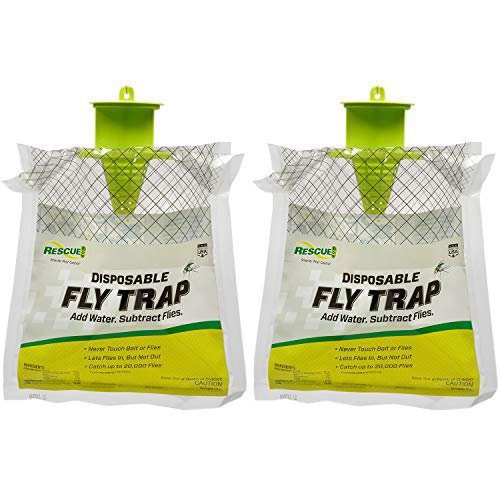
This disposable bait bag trap is perfect for heavy fly pressure during summer BBQs, designed to be hung downwind from seating areas.
- Effectively traps a large number of flies outdoors, with claims of catching up to 20,000 flies per trap.
- Easy to use: just add water, hang it, and let the preloaded attractant work without touching bait or flies.
- Good for a variety of outdoor areas like patios, yards, trash areas, gardens, kennels, barns, and farms.
- Can produce a strong odor, so it needs to be placed well away from living areas.
- Disposable design means it must be replaced when full, dry, or after about 30 days.
Not all traps are meant for the same job. Some are “magnets” that pull flies from far away (great, but smelly). Others quietly catch the flies already hanging around your structure (less dramatic, but clean and guest-friendly).
Below are the main categories that consistently perform well for patio fly control, plus how to use each without accidentally attracting more flies to dinner.
1) Disposable bait bag traps
These are the familiar hanging bags you fill with water. The bait activates and produces a strong odor plume that draws house flies and blow flies.
Best for: peak summer fly pressure, backyards near trash/compost, pre-party knockdown.
How to use them well:
- Hang downwind of the patio whenever possible.
- Place 15–30 feet away from seating and food prep.
- Put them near the “fly highway” – trash area, fence line, side yard path, or compost zone.
- Replace when full or when the label suggests (often about a month, sooner in heat).
Pros
- Very high catch capacity
- Minimal handling of bait
- Good “set it and forget it” option
Cons
- Strong odor (by design)
- Can spill if knocked down
- Ongoing cost and waste
2) Reusable baited container traps (jar/bottle style)
These include commercial reusable traps and DIY versions using a jar or bottle with a funnel entrance. They work because flies enter for the bait and struggle to escape.
A practical field lesson: bait quality usually matters more than trap shape for filth flies. A popular backyard test from The Art of Doing Stuff found that rotting shrimp outperformed many common DIY baits, catching large numbers quickly.
Best for: budget setups, targeted trapping near a known source, people who want to control the bait.
DIY bait options that tend to work outdoors
- Protein-based bait (most effective for house and blow flies): small piece of raw shrimp or fish in water
- Commercial fly attractant packets (less messy, still smelly)
- Avoid relying on sweet baits alone outdoors if you are battling “filth flies”
Placement checklist (use this every time):
- Height: 4–6 ft (about shoulder level)
- Location: closer to the source than to the table
- Distance: 15–30 ft from guests
- Sun: partial sun often helps volatilize odors, unless the product instructs shade
Actionable takeaway: if you only buy or build one trap, choose a baited container or bag trap, then place it like a “decoy dinner” away from your real dinner.
Placement that doesn’t backfire
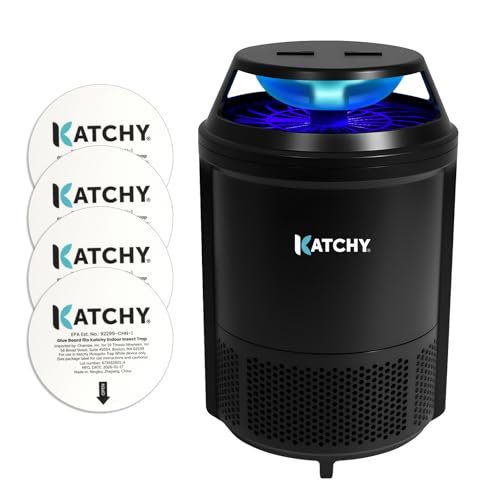
This UV glue-board trap is effective for covered patios and semi-enclosed spaces, helping to catch flies without odors.
- Effectively reduces small flying insects like fruit flies, gnats, and mosquitoes when left running, especially at night
- Quiet, compact, and more attractive than traditional bug zappers or sticky fly paper, making it easy to place in kitchens and living areas
- Simple plug‑and‑play operation with replaceable sticky glue boards that are easy to swap out
- Not very effective for larger flies or insects that are not strongly attracted to light
- Capture performance can be slow and depends heavily on placement, darkness, and continuous use, leading some users to feel it works less than expected
The most common patio mistake is hanging a strong bait trap right beside the table. That is like parking an ice cream truck next to your picnic blanket and hoping the ants go somewhere else.
Entomologists and pest managers generally recommend an Integrated Pest Management approach: remove attractants, block entry, then trap. Guidance from university extension sources, including the Kansas State University extension publication on filth fly management, emphasizes sanitation and site management alongside trapping.
The “triangle setup” for BBQ nights
Use three zones so flies get pulled away from people:
- Food zone (patio table + grill)
- No smelly traps here
- Add airflow and covers
- Buffer zone (5–15 ft from food zone)
- Odor-free tools only
- Sticky cards under an eave, near a post, or near a door
- Attract-and-catch zone (15–30+ ft away)
- Smelly bait traps go here
- Place toward trash, compost, pet area, or property edge
A simple step-by-step plan (10 minutes)
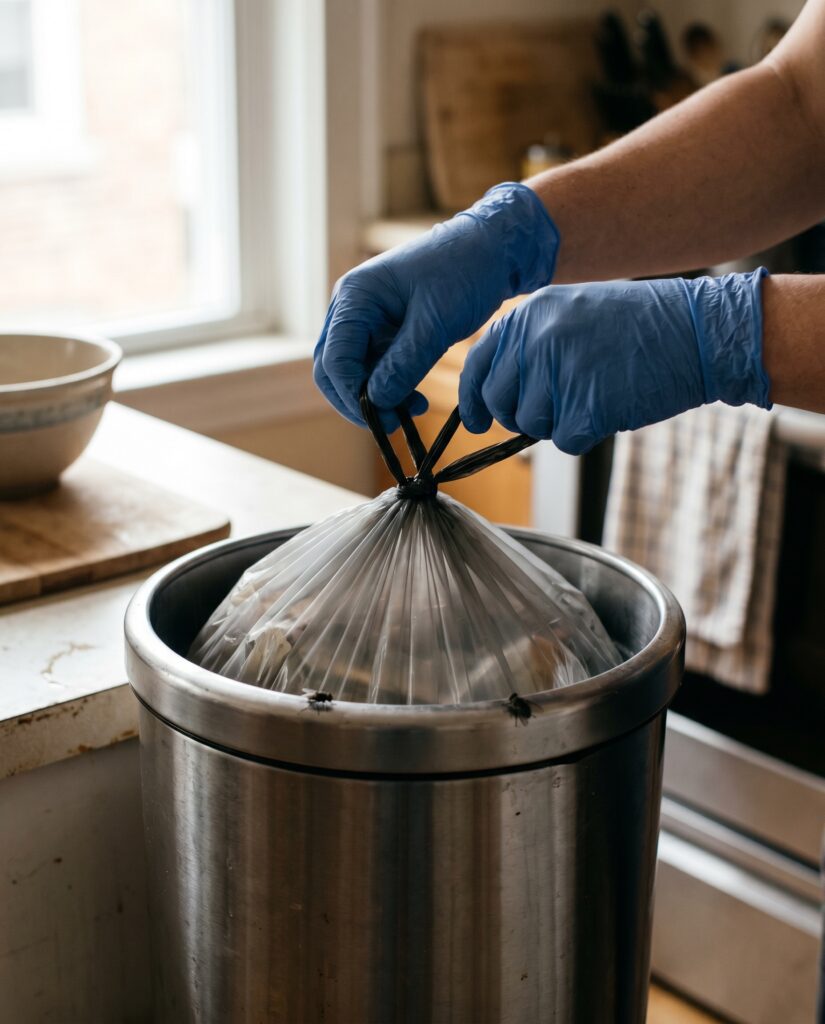
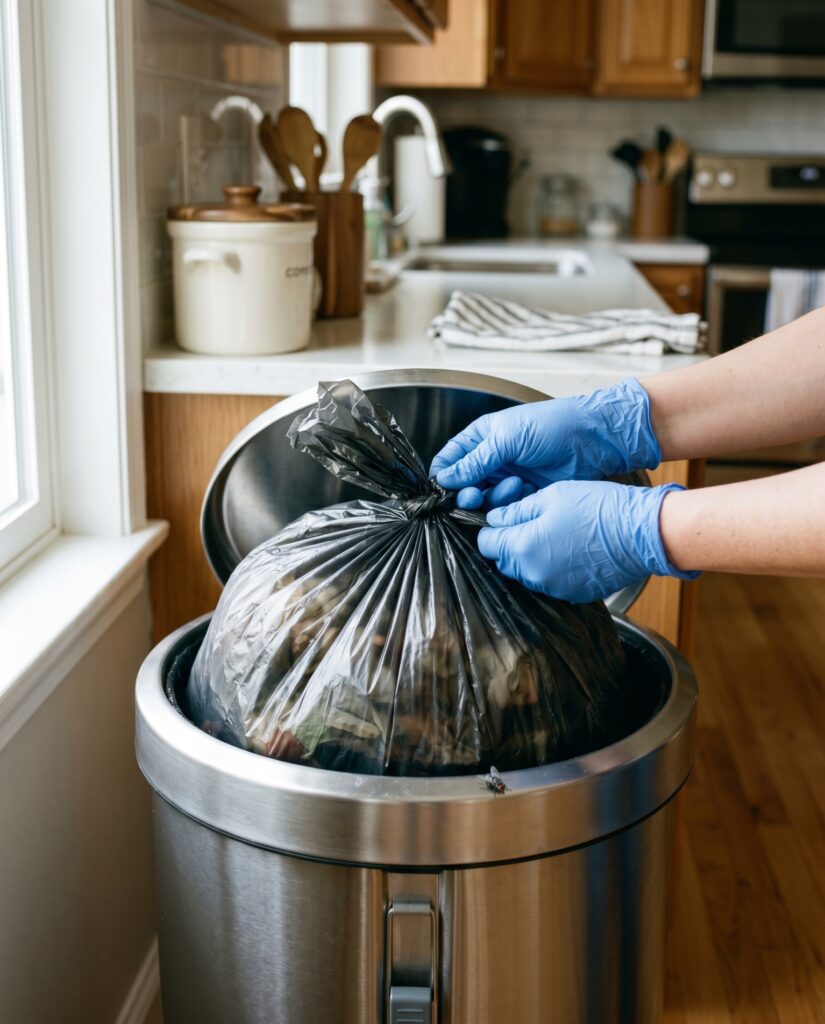
- Bag and seal food waste immediately after cooking.
- Move trash to a lidded bin away from the patio.
- Set one bait trap downwind and away from guests.
- Hang one sticky card under cover near the patio door.
- Turn on a fan aimed across where people sit.
Here is a quick “do this, not that” list:
- Do place bait traps away and downwind
- Don’t place bait traps beside the grill or table
- Do start traps 2–3 days before a party
- Don’t wait until guests arrive to deploy your strongest attractant
Actionable takeaway: if your trap seems to “cause more flies,” it is almost always a placement problem, not a trap problem.
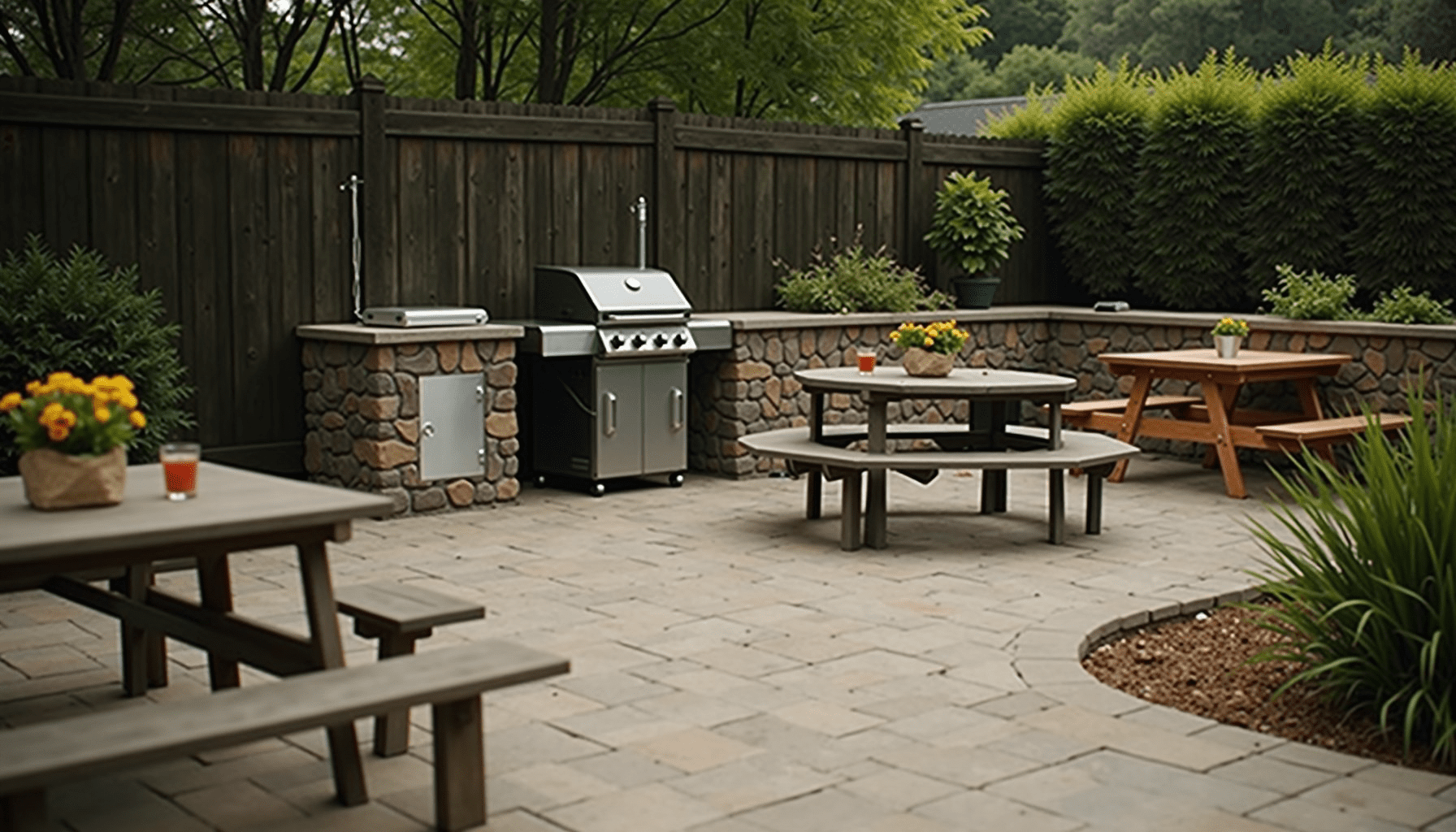
What to use near guests
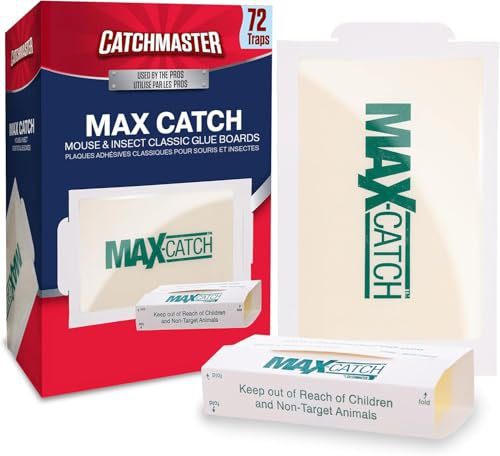
These sticky cards are ideal for placing near doors and under eaves to catch flies without any odor, making them suitable for outdoor dining areas.
- Very sticky, high-strength glue that effectively catches mice and a wide range of crawling insects without added bait
- Pesticide-free and relatively safe for indoor use around people and pets when placed as directed
- Flexible design that can be laid flat or folded into a tunnel, making it easy to place along walls, in corners, and tight spaces
- Some users find it inhumane because pests can suffer and remain alive on the board for a long time
- Occasional complaints about accidental capture of pets or mess/difficulty when removing the glue from floors, skin, or other surfaces
Once people are seated, the goal changes. You are no longer trying to lure flies from 50 feet away. You are trying to prevent landings on food and hands without adding odor or risk.
Fans: the underrated fly control tool
Flies are surprisingly weak fliers in turbulent air. A steady breeze across a table makes it hard for them to land and feed. This is one of the fastest, lowest-effort fixes for a BBQ.
Best fan setup:
- One oscillating fan aimed across the eating area (not straight up)
- If you can, add a second fan near the grill where odors are strongest
Sticky traps for covered patios
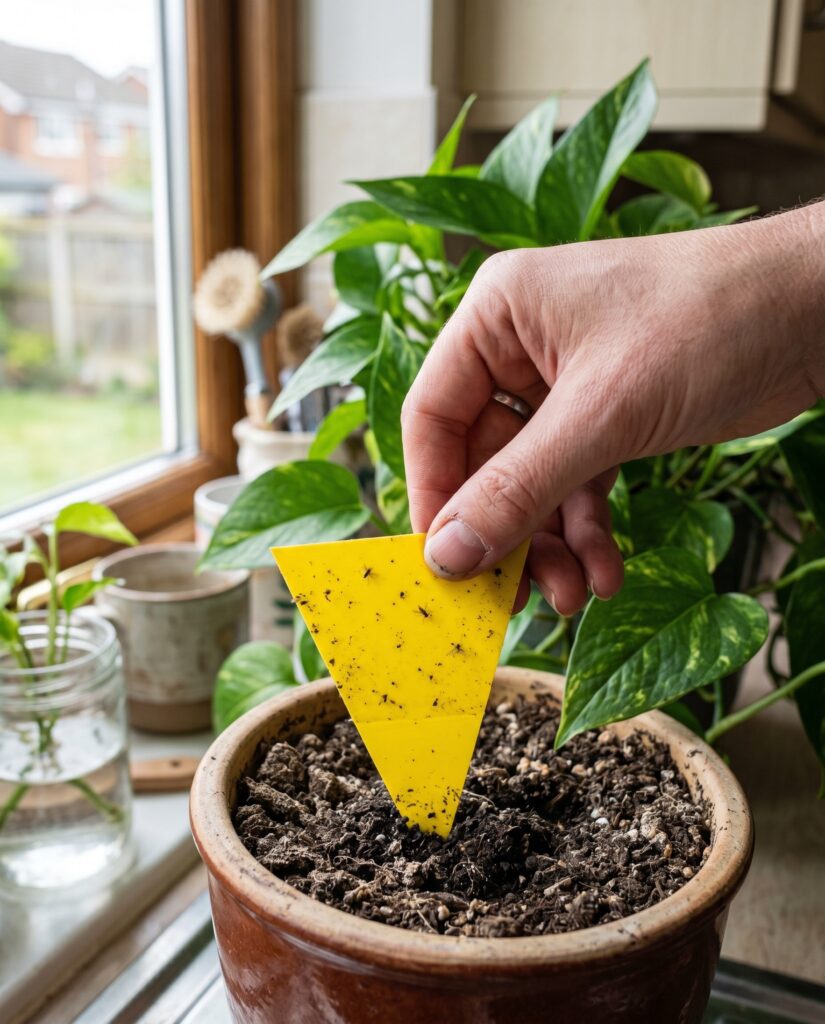
Sticky ribbons and cards work best where flies rest: under eaves, near posts, and around doors. They are also useful as a “monitor” so you can tell whether your overall plan is working.
Tips for using sticky traps outdoors
- Put them where they stay dry (covered patio, porch ceiling, pergola beam)
- Keep them away from direct contact with kids and pets
- Replace before they become visually unpleasant
For readers tackling flies both inside and outside, see Best Fly Traps for Indoor and Outdoor Use for a room-by-room approach.
UV glue-board traps (semi-outdoor)
Traditional bug zappers are often disappointing for house flies and can kill non-target insects. Studies have found many zappers primarily kill moths, beetles, and other insects rather than the biting pests people want to target, including work summarized in research like the University of Delaware study on insect light traps.
If you have a screened porch or covered patio, a UV glue-board unit can be a clean option because it:
- avoids odor
- captures insects on a hidden adhesive board
- works best where competing sunlight is limited
Actionable takeaway: for the area where people sit, think air movement + covers + discreet traps, and keep the smelly lures far away.
Reduce flies long-term
Traps are the “catch” part of the plan. Long-term success comes from taking away what flies need to reproduce: moist organic material and easy food.
According to the Centers for Disease Control and Prevention, flies can mechanically carry germs from waste to food and surfaces. That does not mean every backyard fly causes illness, but it is a good reason to treat fly control as more than just comfort, especially around cookouts.
A weekly patio fly-control checklist
Do these once a week during warm months (more often if you host often):
- Clean the grill drip system: drip pan, grease cup, and any catch tray
- Rinse trash and recycling bins: focus on the lid rim and bottom seam
- Pick up pet waste daily, and rinse the area if needed
- Manage compost: keep it covered, avoid meat scraps, and keep it aerated
- Remove fallen fruit and rake damp organic debris
When bait stations make sense (and when they don’t)
Insecticidal fly baits and bait stations can reduce fly numbers near dumpsters, manure, or chronic breeding sites, but they must be used carefully and exactly by the label.
Use them:
- in non-food areas
- away from children and pets
- where flies feed and rest (dumpster pad, barn wall, exterior trash zone)
Avoid them:
- on patios, decks, railings, or anywhere food is handled
If you are also fighting other outdoor pests, pair strategies rather than stacking random products. For mosquito pressure, compare options in Best Mosquito Traps for Yard and Patio and review health context in Mosquito-Borne Diseases: Complete Prevention Guide.
When to call a pro
Consider professional help if:
- flies persist despite sanitation and multiple traps
- you suspect a hidden source (dead animal in a crawlspace, wall void, or chimney)
- you live near livestock or a commercial waste source and need a property-wide plan
Actionable takeaway: if you remove breeding sites, you are not just catching today’s flies – you are preventing the next generation.
Common questions
Should I put a fly trap on the patio table?
No. Strongly baited traps are designed to attract flies. Put them 15–30 feet away so they pull flies away from guests.
What bait works best outdoors?
For typical house flies and blow flies, protein-based, “rotting” odors often outperform sweet baits. That is consistent with IPM guidance from sources like the UC Statewide IPM Program and with real-world tests such as the shrimp-bait comparison from The Art of Doing Stuff.
Why are there more flies right after I hang a trap?
You may be noticing two things at once:
- the trap is actively drawing flies in
- the trap is too close to where you sit, so you see the traffic
Move it farther away and closer to the source area.
Are fruit fly traps the same as outdoor fly traps?
Not usually. Fruit flies prefer fermenting sugars indoors, while patio problems are often house flies and blow flies drawn to protein odors and garbage. If the issue is tiny flies in the kitchen, use a purpose-built approach like Best Fruit Fly Traps: Effective Kitchen Solutions.
Key takeaways
Outdoor fly control works best when you stop thinking in terms of one magic product and start thinking in terms of placement and habits.
- Use baited bag or reusable traps to pull flies away from people.
- Place odor traps 15–30 feet away and downwind, closer to trash, compost, or pet areas.
- Near guests, rely on fans, food covers, and discreet sticky or UV glue-board traps (if covered).
- Clean the real attractants: grease, bin residue, pet waste, and exposed compost.
For next steps, refine your overall setup with Best Fly Traps for Indoor and Outdoor Use and, if you are managing multiple backyard pests, compare outdoor capture strategies in Best Mosquito Traps for Yard and Patio.
Recommended Products
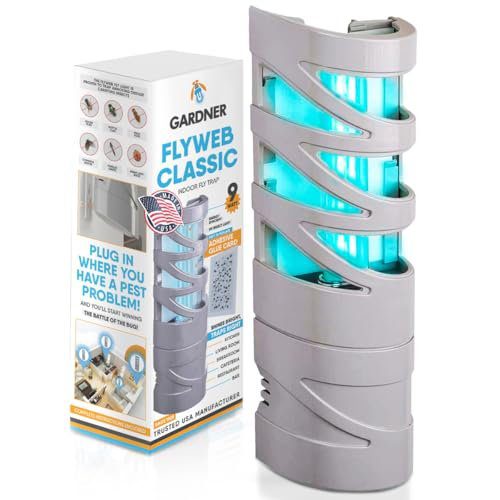
These reusable jar traps are cost-effective and allow for control over bait, making them effective for attracting flies in outdoor settings.
- Effectively attracts and traps a wide range of small flying insects (especially fruit flies and gnats) indoors
- Simple plug-in design that is easy to use and maintain with replaceable glue boards
- Quiet, chemical‑free operation that many owners feel is safe for use around kids and pets
- Ongoing cost and inconvenience of frequently replacing glue boards, especially in high‑infestation areas
- Coverage and effectiveness can be limited to small rooms, so some users feel it underperforms in larger or open spaces
As an Amazon Associate, I earn from qualifying purchases. Product recommendations are based on real reviews and independent research.