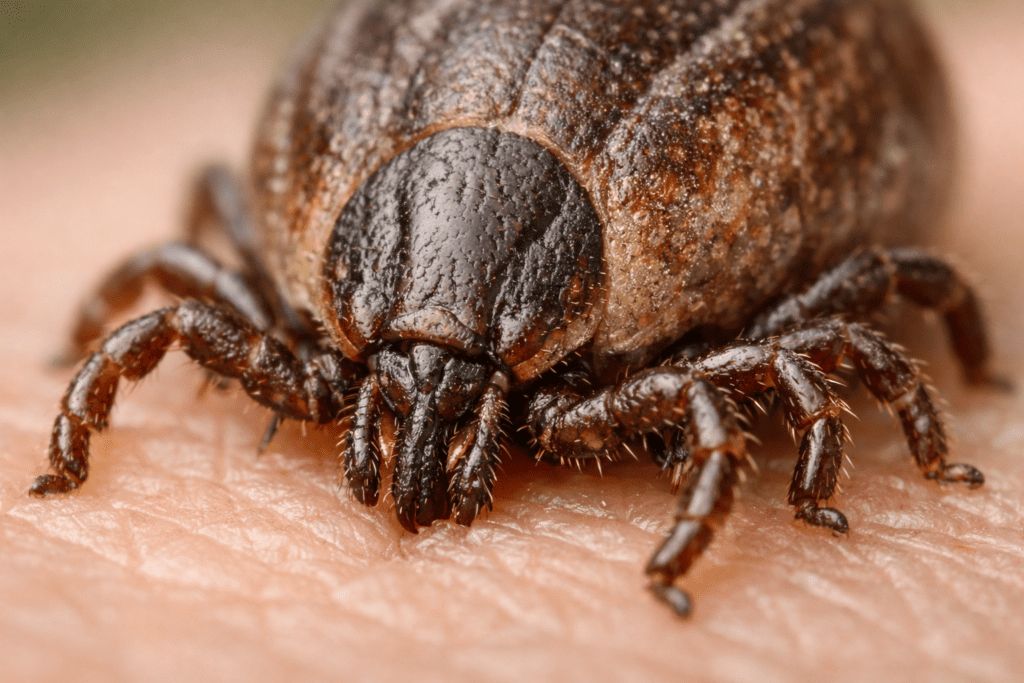
Tick season starts when temperatures consistently stay above freezing and ticks can quest for hosts – and in many states that means spring through fall, with a second surge in autumn. If you are trying to plan hikes, yard work, hunting trips, or even dog walks, timing matters because different tick species peak at different life stages. Below is a state-by-state way to think about tick activity, why May and October often feel like “peak months,” and what to do when winter does not fully shut ticks down.
Quick answer: When are ticks most active?
Tick season is longest where winters are mild and humidity stays up, and shortest where deep freezes persist. In general, expect the highest human bite risk when nymphs and adults overlap.
Fast timing guide (U.S.)
- Spring (Mar-May): Tick activity ramps up quickly in many states; May is often the busiest month for encounters.
- Summer (Jun-Aug): Nymphs of blacklegged ticks are active and easy to miss because they are tiny.
- Fall (Sep-Nov): Adult blacklegged (deer) ticks surge again in many northern states.
- Winter (Dec-Feb): Ticks can still bite on mild days, especially in the South, parts of the West, and during warm spells.
Rule of thumb: If it is above ~40°F (4°C) and you are in brush, leaf litter, tall grass, or edge habitat, assume tick activity is possible.
For help identifying what you found, use our Types of Ticks: Complete Identification Guide With Pictures.
Tick season by region and state: what “peak” really means
Most people want a simple calendar – but tick activity is more like rush-hour traffic than a single holiday weekend. It depends on temperature, humidity, and which life stage is active (larva, nymph, adult). Add in deer, rodents, and birds moving through your area, and the “busy times” can shift by a few weeks each year.
Here is a practical way to map risk by region, with state examples and what to watch for.
Northeast and Mid-Atlantic (ME to VA)
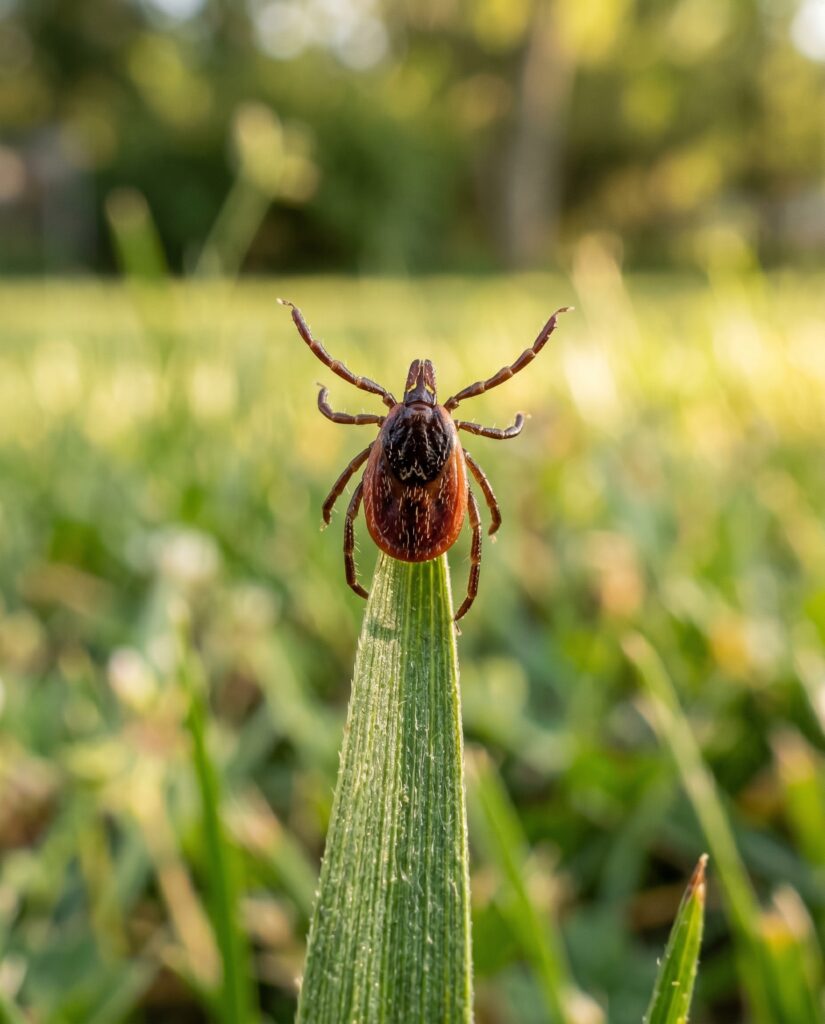
In this region, the blacklegged tick (Ixodes scapularis) drives much of the human disease risk. Adult activity often rises in fall (Sep-Nov) and can continue on mild winter days. Nymphs, which are responsible for many Lyme disease infections, tend to be most active in late spring and early summer.
Typical pattern
- High risk: May to July (nymphs), then October to November (adults)
- States to watch closely: NY, NJ, CT, MA, PA, RI, NH, VT, ME, MD, DE, VA
Local surveillance can be very specific. For example, weekly risk tools like the Fordham University Tri-State Tick Risk Index and programs such as New York tick surveillance updates show how quickly conditions change from one week to the next.
Midwest (MN to OH)
The Midwest has extensive blacklegged tick range in many states, and risk has expanded over time. Michigan, Wisconsin, and Minnesota often see strong spring and early summer activity, plus fall adult activity where blacklegged ticks are established.
Typical pattern
- High risk: April to July, then September to November
- States to watch closely: WI, MN, MI, IA, IL, IN, OH
Public health reporting and distribution maps help explain why some counties feel “newly bad” in recent years. The CDC’s tick location and range information is a reliable starting point for understanding which species are established near you.
South and Southeast (TX to FL, up through the Carolinas)
In the South, tick season can feel nearly continuous, especially in warm, humid areas. Lone star ticks (Amblyomma americanum) and American dog ticks (Dermacentor variabilis) are common in many states, and mild winters can keep adults active.
Typical pattern
- High risk: March to August, with activity possible year-round in warm spells
- States to watch closely: TX, OK, AR, LA, MS, AL, GA, FL, SC, NC, TN, KY, VA
Lone star ticks also matter for alpha-gal syndrome (a red meat allergy) in some bite cases, so prevention is not only about Lyme disease.
West (CA to WA, plus the Rockies)
Tick pressure varies widely in the West. In coastal and foothill habitats, western blacklegged ticks (Ixodes pacificus) can be active in cooler months, while Rocky Mountain wood ticks (Dermacentor andersoni) show up in interior and higher-elevation zones.
Typical pattern
- High risk: Often late winter through spring in some coastal areas; spring through early summer in many mountain and interior areas
- States to watch closely: CA, OR, WA, ID, MT, WY, CO, UT, NV, AZ, NM
Western timing surprises many people because it is not always a summer-only problem. The CDC’s tick distribution guidance provides species-by-region context that matches what many extension entomologists report.
Quick “by state” planning table (use as a starting point)
This table is meant for trip planning and yardwork scheduling. Local weather can shift it earlier or later.
| Region | Common peak window | States (examples) | What often drives bites |
|---|---|---|---|
| Northeast | May-Jul, Oct-Nov | NY, NJ, CT, MA, PA | Blacklegged nymphs in early summer; adults in fall |
| Mid-Atlantic | Apr-Jul, Oct-Nov | MD, DE, VA | Long shoulder seasons, lots of edge habitat |
| Upper Midwest | Apr-Jul, Sep-Nov | WI, MN, MI | Expanding blacklegged tick range in many counties |
| South/Southeast | Mar-Aug, sometimes year-round | TX, GA, FL, NC | Lone star ticks and dog ticks; mild winters |
| West Coast | Late winter-spring (varies) | CA, OR, WA | Western blacklegged ticks in cool seasons |
| Rockies/Interior West | Spring-early summer | CO, MT, ID, WY | Wood ticks and habitat-driven exposure |
Action takeaway: If you are scheduling outdoor work, aim to do brush clearing and leaf-litter cleanup before peak activity ramps up, and keep paths mowed during peak months.
Why tick season keeps stretching: weather, hosts, and microclimates
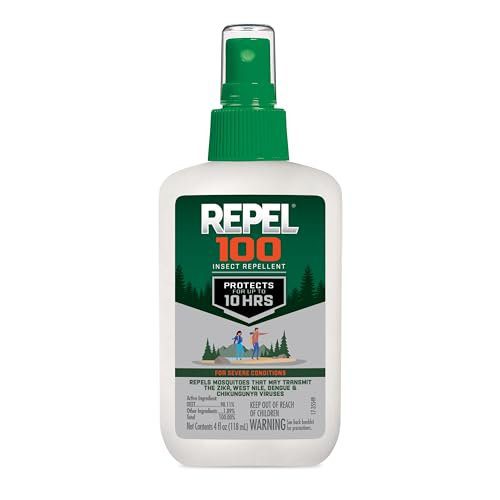
Repel 100 Insect Repellent, 4 Ounces, With DEET, 10-Hour Protection Long-Lasting Insect Repellent Pump Spray Repels Mosquitoes, Ticks, Gnats, Biting Flies, Chiggers And Fleas
This insect repellent is highly effective against ticks, making it ideal for outdoor activities during peak tick season.
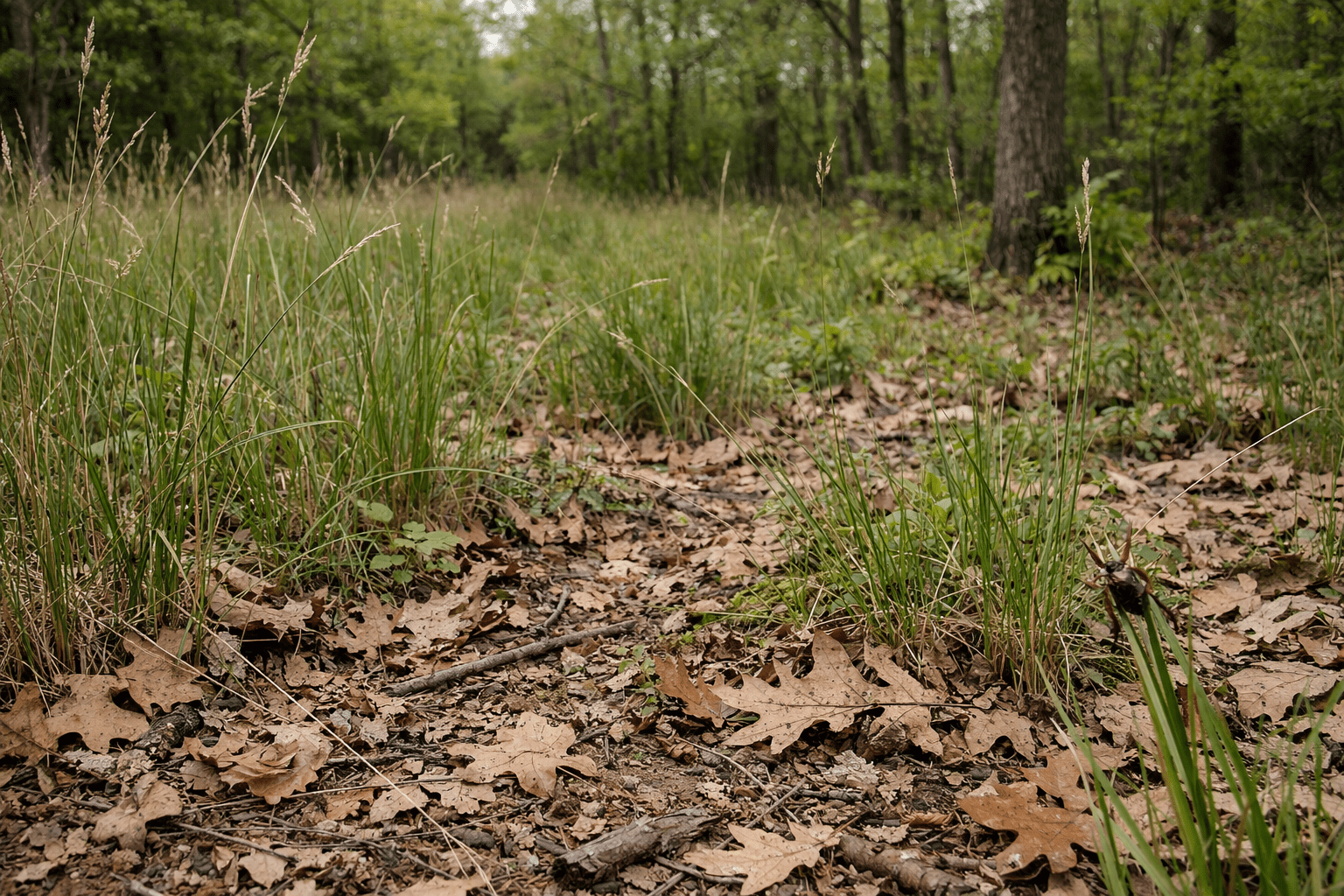
If ticks seem active earlier than you remember, you are not imagining it. Ticks respond strongly to temperature and moisture, and they live in microclimates that can stay humid even when the air feels dry. Leaf litter, shaded edges, and dense groundcover act like a sponge that protects ticks from drying out.
The temperature trigger most people miss
Ticks do not need “summer heat” to look for hosts. Many species become active when conditions rise above freezing, and activity often increases when daytime temperatures reach the 40s and 50s°F. That is why a warm March weekend can feel like peak tick season in some states.
A helpful way to think about it:
- Air temperature tells you if you are comfortable.
- Ground-level humidity tells ticks whether they can survive while questing.
Mild winters do not reliably stop ticks
A common myth is that a hard winter “kills off” ticks. In reality, ticks can survive cold periods under insulating leaf litter and snow cover, and warm spells can bring them out. Several regions have reported tick activity during traditionally quiet months.
Pest and public health watchers have highlighted cities seeing increased tick pressure during warm and variable seasons. For example, industry surveillance summarized by the National Pest Management Association points to multiple U.S. metros where conditions favored ticks for longer stretches.
Host animals set the table
Ticks do not appear out of nowhere. They are carried and fed by wildlife and pets:
- White-tailed deer help adult ticks reproduce and spread.
- Mice and chipmunks are key hosts for immature blacklegged ticks.
- Birds can move ticks across surprising distances.
- Dogs and outdoor cats can bring ticks into the home environment.
Action takeaway: You can reduce bites without “erasing nature.” Focus on the edges – keep grass short, remove brush piles, and create a 3-foot dry barrier (mulch or gravel) between woods and lawn where practical.
Nymphs vs adults: the seasonal detail that changes your risk
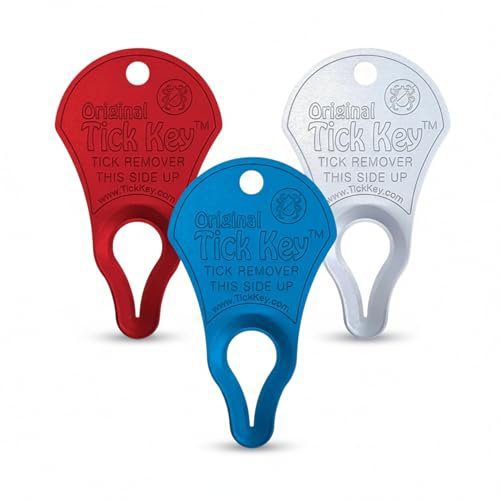
The Original Tick Key -Tick Removal Device – Portable, Safe and Highly Effective Tick Removal Tool – 3 Pack (USA)
This tool is designed for safe and easy removal of ticks, which is crucial during high-risk periods.
Many people judge tick activity by what they can see. That is the trap. In summer, ticks can be just as present, but the life stage most likely to bite you is much smaller.
Why summer bites are often undercounted
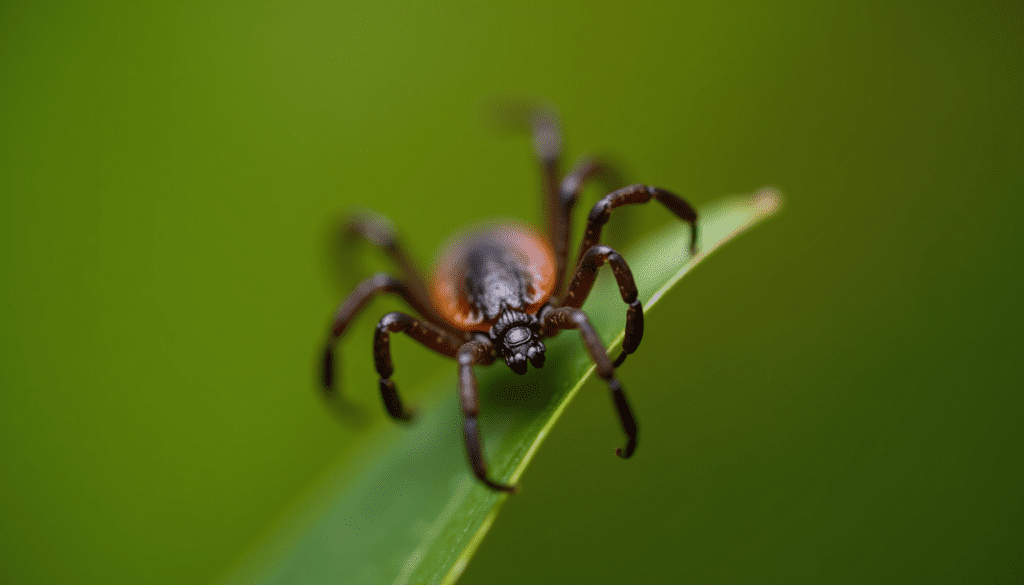
Blacklegged tick nymphs are about poppy-seed sized (roughly 1-2 mm before feeding). They can attach in hard-to-see spots like behind knees, along the waistband, or in hairlines. That makes summer feel “safer” than spring, even when exposure is high.
According to tick education resources from the University of Rhode Island TickEncounter program, nymphs are a major reason people miss bites during warm months.
Adult ticks: easier to spot, still important
Adult blacklegged ticks are larger (about 3 mm unfed) and are often active in fall. Adult lone star ticks and American dog ticks can also be active in spring and summer, depending on the state.
Here is a quick comparison you can screenshot for reference:
| Life stage | Typical “human surprise” factor | Most common peak (many states) | Prevention focus |
|---|---|---|---|
| Nymph | High – tiny and easily missed | Late spring through summer | Repellent, permethrin-treated clothing, full-body checks |
| Adult | Medium – larger and easier to find | Fall and early spring | Avoid leaf litter, check pets, prompt removal |
Action takeaway: Treat summer as a high-alert period, even if you are not seeing many ticks. That is when protective clothing and repellent matter most.
Need a refresher on diseases tied to different species and life stages? See Tick-Borne Diseases: Lyme, Anaplasmosis & Rocky Mountain Fever.
Protection plan for tick season: simple steps that work in any state
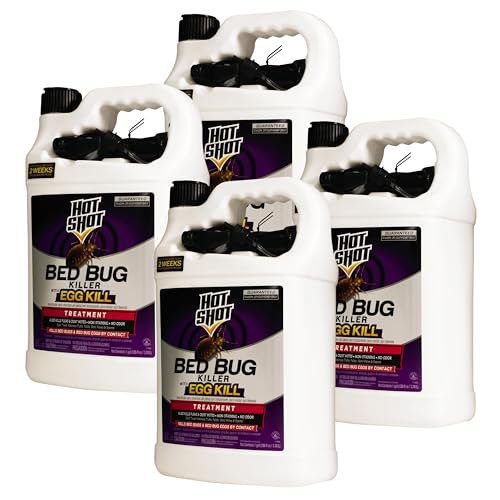
Hot Shot Bed Bug Killer With Egg Kill Ready-to-Use, 1 gallon, 4 Pack
While primarily for bed bugs and fleas, this product can help in controlling ticks in indoor environments.
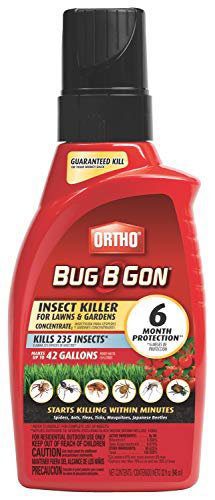
Ortho Bug B Gon Insect Killer for Lawn and Gardens Concentrate 1, 32 fl. oz. – Kills Spiders, Ants, Fleas, Ticks, Mosquitoes and Japanese Beetles – Makes Up to 42 gal.
This insect killer can help manage tick populations in outdoor areas, making it useful for yard work during tick season.
Most tick bites happen during everyday activities – gardening, walking the dog, sitting at a kid’s soccer practice near tall grass. The best approach is a layered routine you can repeat without thinking.
Step-by-step: before, during, and after you go outside
Before
- Dress for the edge habitat. Light-colored socks and pants make ticks easier to spot.
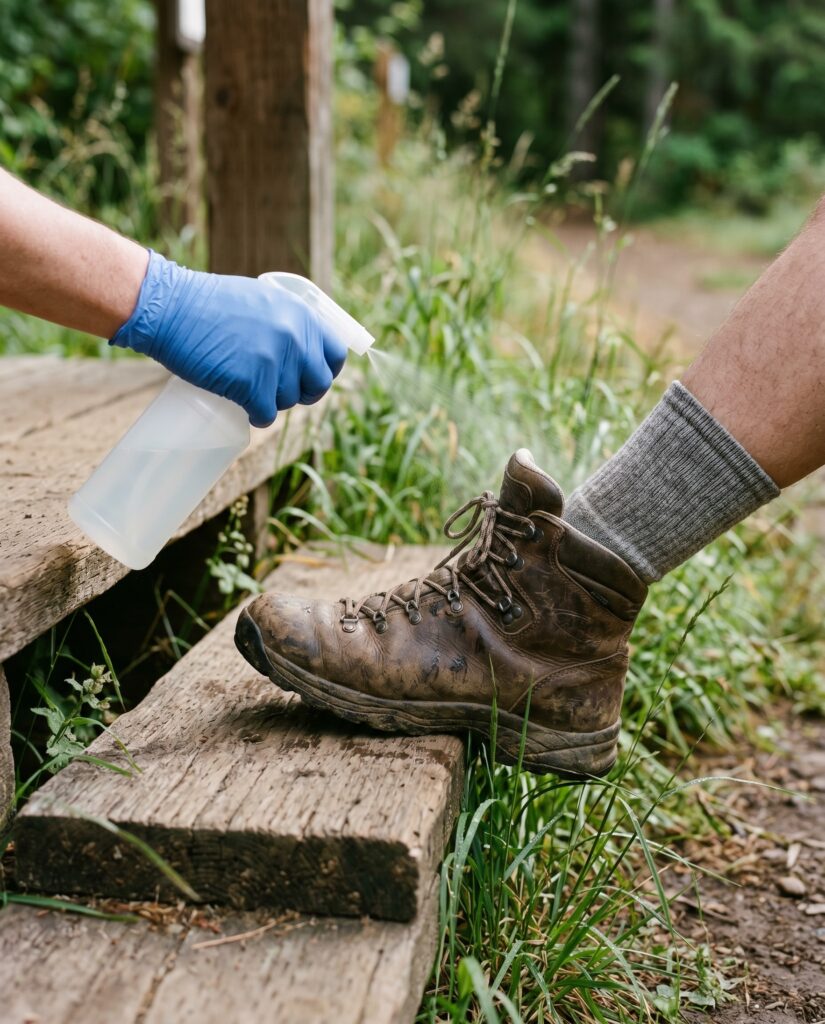
- Use a proven repellent. Choose products with DEET or picaridin for skin, and permethrin for clothing.
- Plan your route. Stay centered on trails and avoid brushing against vegetation.
During
- Do quick “spot checks” on socks, pant cuffs, and behind knees.
- Keep breaks off leaf litter and brush piles.
After
- Do a full-body tick check within 2 hours.
- Shower if possible to help wash off unattached ticks.
- Tumble dry clothes on high heat (ticks can survive a cold wash).
For product details and how to use them correctly, see Best Tick Repellents for Humans: DEET, Picaridin & Permethrin.
Yard and property checklist (high impact, low effort)
If you want fewer ticks where you live, the goal is to reduce humid hiding places and limit wildlife corridors right next to high-use areas.
- Mow regularly and trim tall weeds along fences.
- Remove leaf litter from play areas and seating zones.
- Stack firewood neatly in a dry area (not against the house).
- Create a dry buffer strip between woods and lawn.
- Place bird feeders away from patios and play spaces (they can concentrate hosts).
When to consider professional help
If you are finding ticks repeatedly in a defined area (like a backyard edge), or if a household member is at higher medical risk, a local pest management professional can help evaluate habitat and targeted treatments. Ask specifically about integrated pest management approaches and timing, not just blanket spraying.
Action takeaway: The most reliable “one-two punch” is repellent + daily tick checks during peak months, plus basic yard edge maintenance.
What to do if you find a tick: removal, symptoms, and when to call a doctor
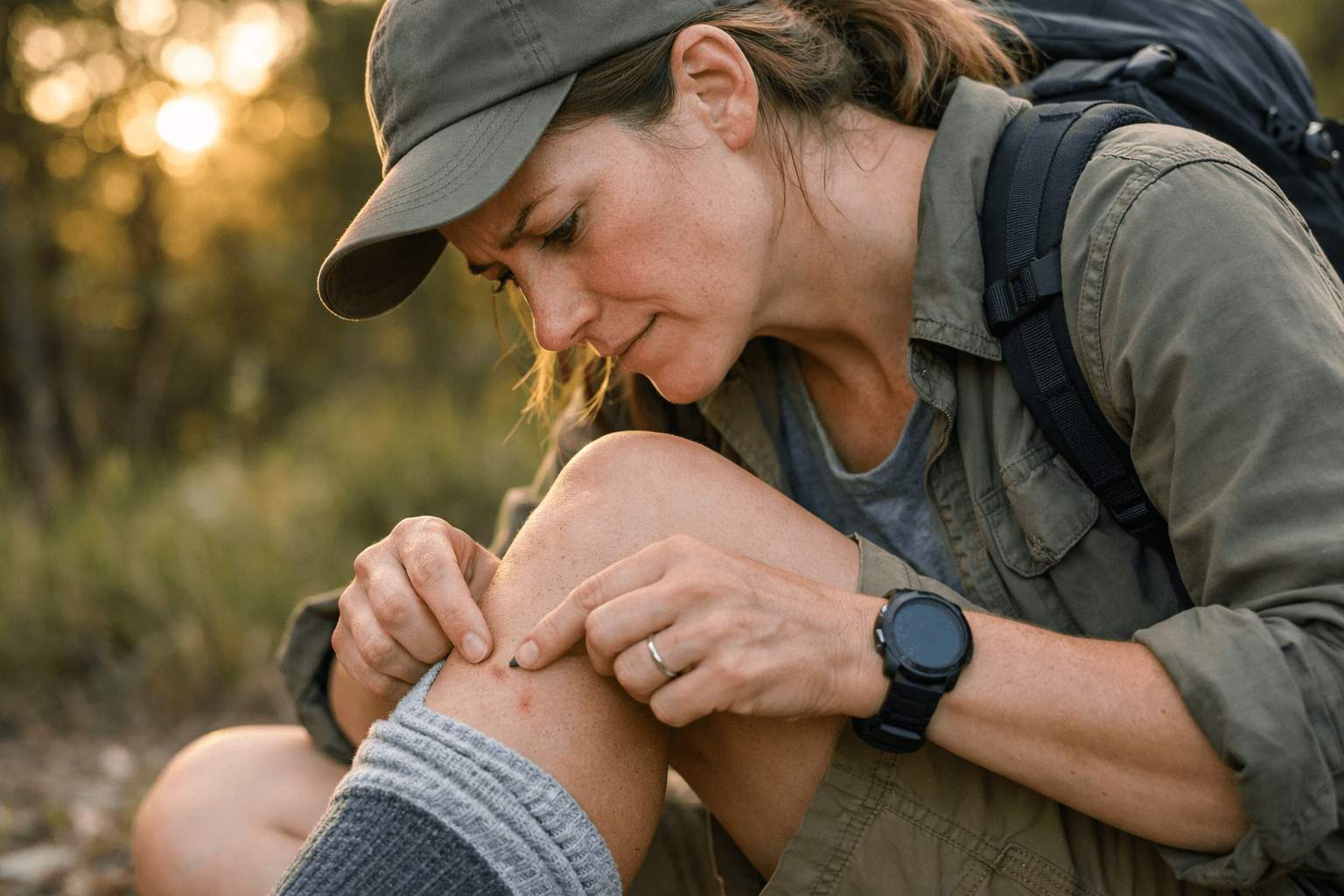
Finding a tick is unsettling, but the response can be calm and methodical. Quick removal lowers the chance of pathogen transmission for some diseases, and it reduces skin irritation.
Safe removal in 60 seconds (the right way)
Use fine-tipped tweezers and follow a consistent technique:
- Grasp the tick as close to the skin as possible.
- Pull upward with steady, even pressure.
- Clean the bite area and your hands with soap and water or alcohol.
- Note the date and where on the body it bit you.
Detailed visuals and troubleshooting are in How to Remove a Tick Safely: Complete Step-by-Step Guide.
Symptom watch list (next 30 days)
Not every tick carries disease, and not every bite leads to illness. Still, it is smart to monitor for:
- Expanding rash or unusual skin changes
- Fever, chills, fatigue, headache
- Muscle or joint aches
- Swollen lymph nodes
Disease risk varies by tick species and geography. The CDC’s overview of where ticks live and what they can transmit is a dependable reference, especially if you travel across state lines.
Emerging species: Asian longhorned tick
One more reason to stay current: the Asian longhorned tick (Haemaphysalis longicornis) has expanded its U.S. range in recent years. The CDC’s tick species and distribution resources track updates and are worth checking if you work with livestock, hike frequently, or live near wooded edges.
Action takeaway: Remove the tick promptly, document the bite, and watch for symptoms. If symptoms appear, contact a clinician and mention the tick exposure and your state or travel history.
Conclusion
Tick season is not one fixed date on the calendar. In most states, risk climbs in spring, stays high through summer because nymphs are easy to miss, and often spikes again in fall when adult blacklegged ticks become active. Mild winters can extend activity, so it pays to stay alert anytime temperatures rise above freezing.
Next step: build a simple routine you can repeat – repellent, smart clothing, and consistent tick checks. For deeper help, review our Types of Ticks: Complete Identification Guide With Pictures and keep our How to Remove a Tick Safely: Complete Step-by-Step Guide handy for the day you need it.
As an Amazon Associate, I earn from qualifying purchases. Product recommendations are based on real reviews and independent research.