n
n
n
The best tick repellent is not one product, it is two working together. Treat your clothing with permethrin, then put DEET or picaridin on the skin you cannot cover. Permethrin is the piece most people skip, and it is the one that matters most: it kills ticks on contact, bonds to fabric, and survives weeks of wear and washing, so your shoes, socks, and pant legs stop being the open door ticks use. The short answer: spray permethrin on your gear, not your skin, and save the DEET or picaridin for arms, neck, and hands. In our own house we keep a can of clothing permethrin by the back door and a pump of picaridin in the car. Most roundups hand you a single skin spray and call it done; that leaves your ankles wide open, and the comparison below shows why.
Where causes that are not insects at all is the actual question, things on skin you cannot see answers it.
nn
n
Use two products: permethrin on clothing, shoes, and gear to kill ticks on contact, plus DEET or picaridin on exposed skin, because skin repellent alone leaves your shoes, socks, and legs unprotected where ticks actually climb on.
n
- n
- Do first (free): Tuck pants into socks and do a full-body tick check within a couple of hours of coming inside.
- Best for the common case: Permethrin on clothing and footwear, layered with DEET or picaridin on bare skin.
- Skip: Relying on a skin spray alone, and putting permethrin straight on your skin, which is not what it is for.
n
n
n
n
nn

nn
Treat the clothes first
nn
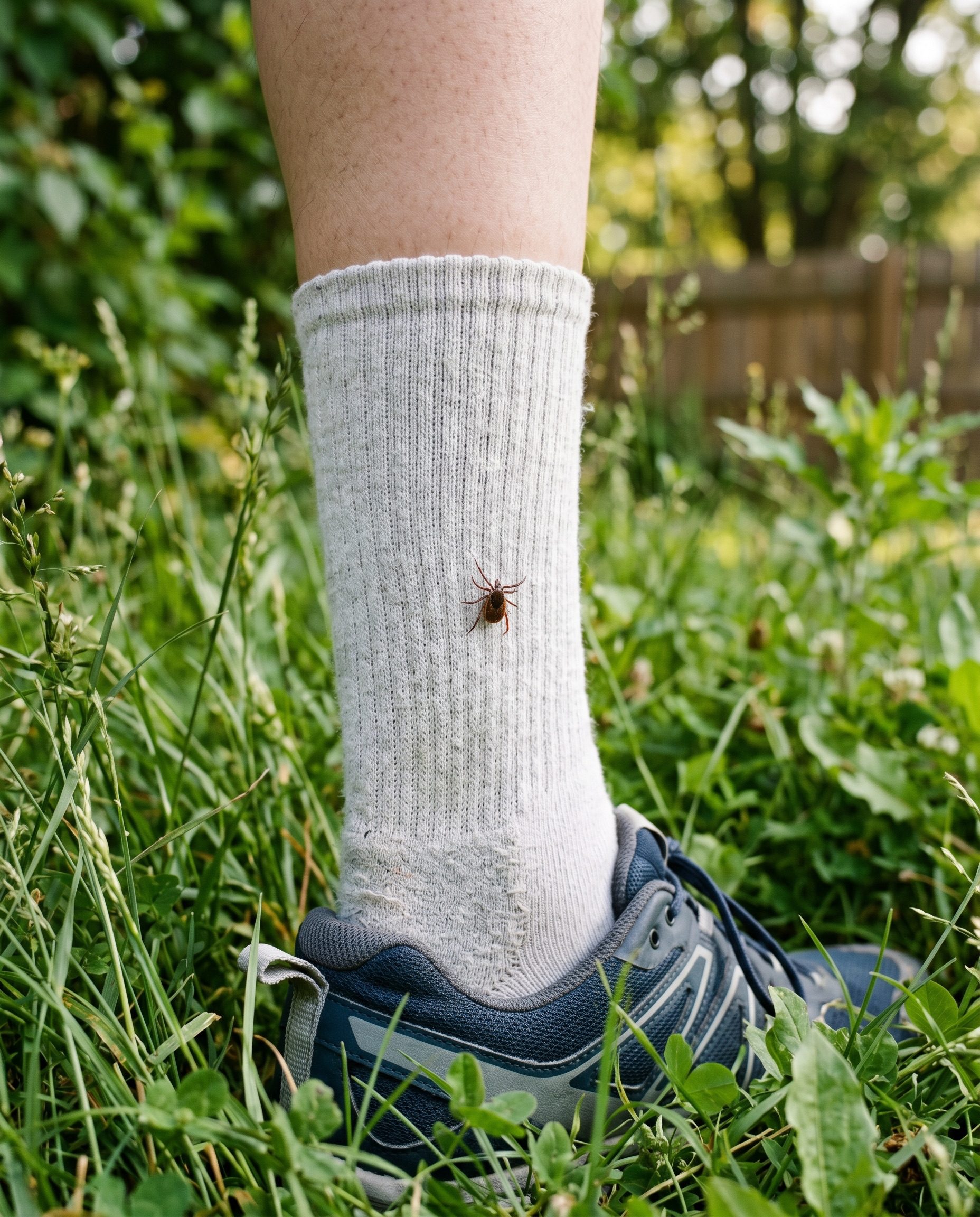
The free part comes before any can leaves the shelf. Before a single spray, tuck your pant legs into your socks and wear light colors so a crawling tick shows up against the fabric. Ticks do not drop from trees; they wait low on grass and leaf edges and grab your lower legs as you brush past, which the CDC’s overview of where ticks live and feed lays out plainly. That single tuck turns your sock into a wall a tick has to climb, and it costs nothing.
nn
Then treat the clothing, because that is where the real protection lives. Permethrin is made to be sprayed on fabric, never on skin, and it bonds to the fibers so it keeps working through several washings. The EPA’s guidance on permethrin-treated clothing confirms it is registered for exactly this use: shoes, socks, pants, and gear. Spray the boots and socks heavily, because that is where ticks make first contact. Hang the items and let them dry fully before you wear them, and follow the can’s directions for how long the treatment lasts and how often to redo it. Our deeper guide to permethrin clothing for hiking and outdoor work walks through the application step by step.
nn
Why skin spray alone leaves you exposed
nn
Here is the gap almost every “best repellent” list ignores. A skin spray protects the skin you put it on and nothing else. Your shoes, your socks, the lower half of your pants, the places ticks actually grab, get zero coverage from a bottle of DEET you rubbed on your arms. The bite usually starts at the ankle, not the forearm. That is the whole reason a single skin product is the wrong answer for ticks even when it is a fine answer for mosquitoes.
nn
The fix is to let each product do its own job. Permethrin handles the gear and kills ticks that climb aboard; the skin repellent handles the bare patches a tick reaches if it gets past the fabric. Field work backs the clothing piece hard: the University of Rhode Island’s TickEncounter program documents that people in permethrin-treated footwear and socks were dramatically less likely to be bitten than people relying on skin repellent alone. Treated shoes and socks were the single biggest difference in their data. The skin spray still earns its place for your neck, hands, and arms; it just was never built to guard your feet.
nn
nn
DEET vs picaridin on skin
nn
Once the clothing is handled, the skin question is simpler than the shelf makes it look. Both DEET and picaridin are EPA-registered and both work against ticks; the choice comes down to feel and gear. The EPA’s repellent search tool lets you match an active ingredient and concentration to how many hours you will be out, which is the honest way to choose rather than grabbing the loudest label.
nn
| Active ingredient | Best for | Watch-out |
|---|---|---|
| Permethrin (clothing only) | Shoes, socks, pants, and gear; kills ticks on contact | Never apply to skin; let it dry fully; toxic to cats while wet |
| DEET (skin) | Long outings and high tick pressure on exposed skin | Can feel greasy and may damage some plastics and synthetics |
| Picaridin (skin) | Everyday use; lighter feel, will not harm gear | Reapply per the label as hours pass |
nn
So which skin product wins? For most people, picaridin is the easier daily pick because it feels lighter, has little odor, and will not melt your sunglasses or pack straps. DEET still holds up as the workhorse for long days in heavy tick country, and a moderate concentration around 20 to 30 percent covers most outings without going overboard. Neither one is a clothing treatment, and that is the line that trips people up: spraying DEET on your boots does not give you what permethrin does. Whichever you pick, follow the label for how much and how often, because the label sets the legal and safe terms of use.
nn
How to layer the two
nn
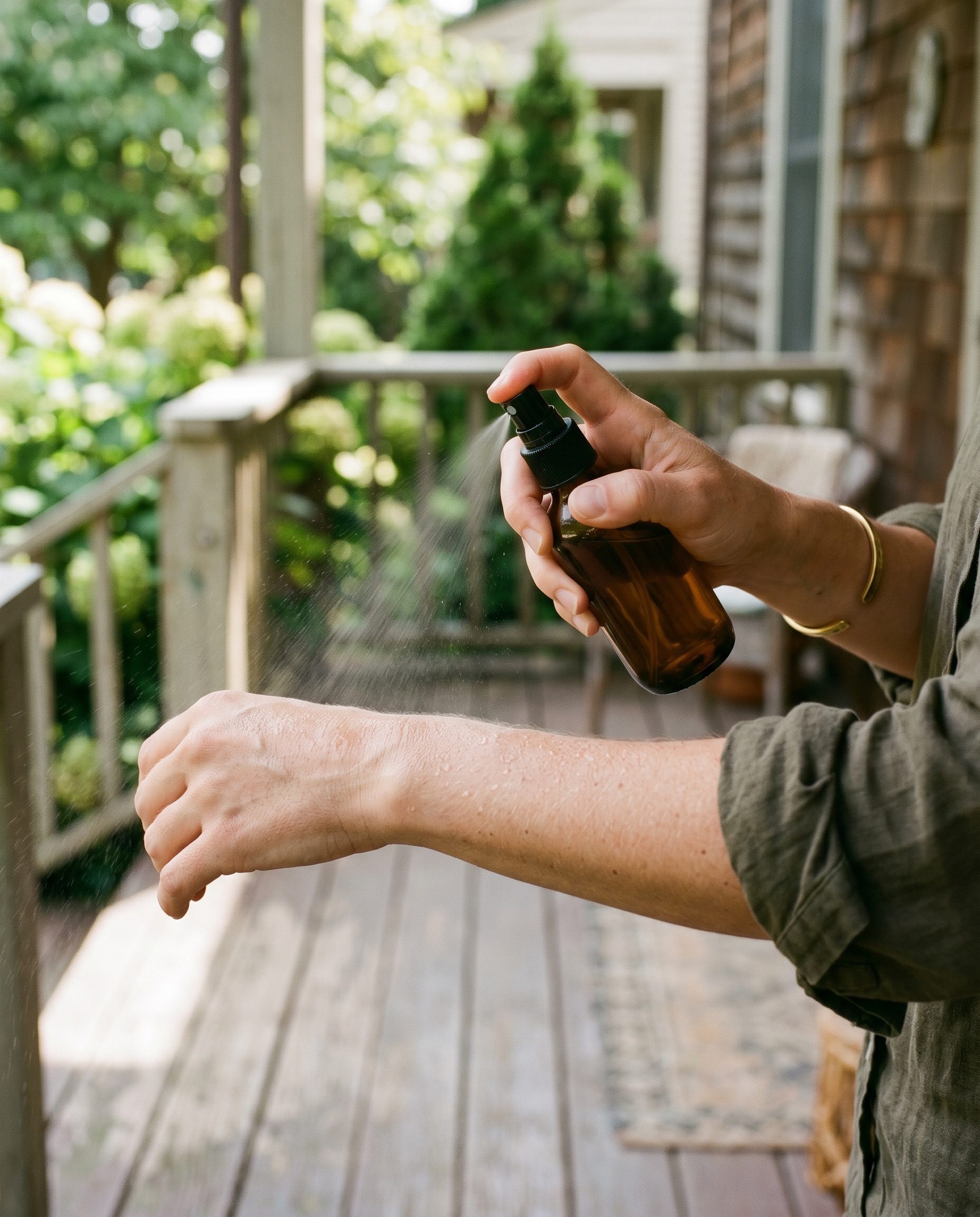
Apply them in order and the system works. Treat clothing and footwear with permethrin first, off your body, in a ventilated spot, and let everything dry before you put it on. Permethrin goes on the gear, never the person. Then, just before heading out, mist DEET or picaridin onto exposed skin, your arms, the back of your neck, and your hands, and smooth it in; keep it off your eyes and mouth and off cuts. Reapply the skin product on the label’s schedule, especially after sweating heavily.
nn
The non-negotiable safety note: permethrin is highly toxic to cats while it is still wet. Treat clothing where pets cannot reach it and let it dry completely before bringing it near a cat, and never use a clothing or dog permethrin product on a cat. For dosing or product choices for your pets, defer to your veterinarian rather than guessing; our guide to tick repellent options for dogs covers the household side, and your vet handles the dose. If a child or pet is exposed and you are worried, contact a doctor or your vet, or call your local poison control center.
nn
The piece no repellent replaces is the tick check. Within a couple of hours of coming inside, do a full-body scan and shower, the routine the CDC’s tick-bite prevention guidance recommends, because prompt removal is what lowers disease risk. If you do find one attached, our step-by-step tick removal guide shows the fine-tipped-tweezers method, and a tick-proofed yard cuts how many ever reach you in the first place.
nn
nn
The picks
nn
These come after the analysis on purpose, because the strategy decides what you buy: one skin repellent and one clothing treatment, not three skin sprays. Below is a DEET pick, a picaridin pick, and the permethrin that does the heavy lifting on your gear.
nn
InsectoGuide is reader-supported. As an Amazon Associate we earn from qualifying purchases at no extra cost to you.
nn
n 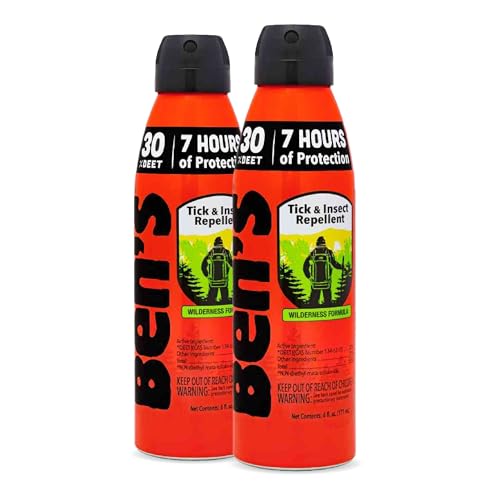 n
n
n
n
A higher-strength DEET spray for long days in heavy tick country.
n
n
nn
n 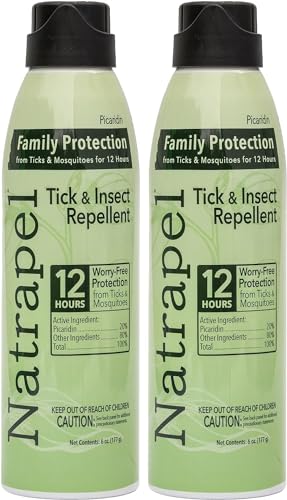 n
n
n
n
A light, odorless picaridin spray for everyday skin protection.
n
n
nn
n 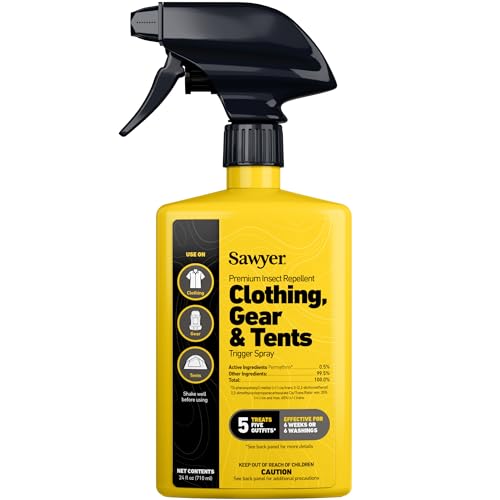 n
n
n
n
The clothing treatment that does the real tick work on your gear.
n
n
nn
Common questions
nnCan I just put permethrin on my skin instead of buying two products?n
No. Permethrin is registered for fabric, not skin, and it breaks down quickly on contact with skin anyway. It is built to bond to clothing and kill ticks that crawl across it. For your skin you want DEET or picaridin, which is why the two-product approach is the right one.
nnIs DEET or picaridin better for ticks?n
Both are EPA-registered and both work on ticks. Picaridin tends to feel lighter, has little odor, and will not damage gear, so it is the easier daily pick. DEET is the proven workhorse for long days under heavy tick pressure. Match the concentration to your hours using the EPA’s repellent search tool.
nnHow long does permethrin last on clothing?n
A clothing treatment bonds to the fabric and keeps working through several washings, with the exact span listed on the product label. Spray-treated gear from a home kit lasts a number of washes; factory-treated clothing can last longer. Follow the can for when to retreat.
nnIs permethrin-treated clothing safe around kids and pets?n
Once it is fully dry, treated clothing is considered safe to wear, including by children, per the guidance behind the EPA registration. The key caution is that permethrin is toxic to cats while still wet, so treat clothing away from pets and let it dry completely. When in doubt about a pet, ask your veterinarian.
nnDoes a repellent mean I can skip the tick check?n
No. Repellents lower your odds, but the tick check is what catches the one that gets through. Removing an attached tick promptly is what reduces disease risk, which is why the CDC’s Lyme prevention guidance ties lower risk to short attachment time and prompt removal. After a bite, watch for fever or an expanding rash and see a healthcare provider.
nnWhen should I see a doctor after a tick bite?n
If you develop fever, aches, or an expanding rash in the days or weeks after a bite, contact a healthcare provider; early symptoms and what to watch for are described in the MedlinePlus overview of Lyme disease. Save the tick if you can, and do not wait on a spreading rash.
nn
Final verdict
nn
The best tick repellent is a pair, not a single bottle. Treat your clothing and footwear with permethrin first, because that is where ticks make contact and it is the step most lists leave out, then layer DEET or picaridin onto the skin you cannot cover. For everyday skin use picaridin reads as the easier pick, with DEET as the long-day workhorse, and Sawyer-style clothing permethrin doing the heavy lifting on your boots and socks. Skip the idea that one skin spray covers you, and never spray permethrin on your skin; each product has a job, and ticks find the gap when you only run one. Finish every outing with a tuck-and-check routine, because the inspection is what catches the tick the sprays missed.
nn