
n
n
n
If you spend real time outdoors, the best tick repellent clothing is permethrin-treated clothing, because it kills ticks on contact before they ever reach your skin. You have two clean ways to get it: treat your own boots, socks, and pants with a permethrin spray that lasts about six washes, or buy factory-treated socks that hold their protection for the usable life of the garment. The short answer: skip the idea that bug spray on your arms is enough, and protect your legs and feet first, where ticks actually climb aboard. For our own trail and yard-work days we keep one can of clothing spray and a couple of pairs of pre-treated socks by the door. Most lists lead with a skin repellent; the section below shows why your clothes are the stronger line of defense.
nn
n
Permethrin-treated clothing is the most effective tick defense for time outdoors, and treated footwear in particular cuts tick bites dramatically, so protect your feet, socks, and pants before you reach for a skin spray.
n
- n
- Do first (free): Tuck pants into socks and shirt into pants so ticks have to climb over treated fabric.
- Best for the common case: Permethrin-treated socks and footwear, either DIY-sprayed or factory-treated.
- Skip: Relying on a skin repellent alone; it leaves your legs and feet, where ticks board, unprotected.
n
n
n
n
nn
nn
Start with your feet and legs
nn
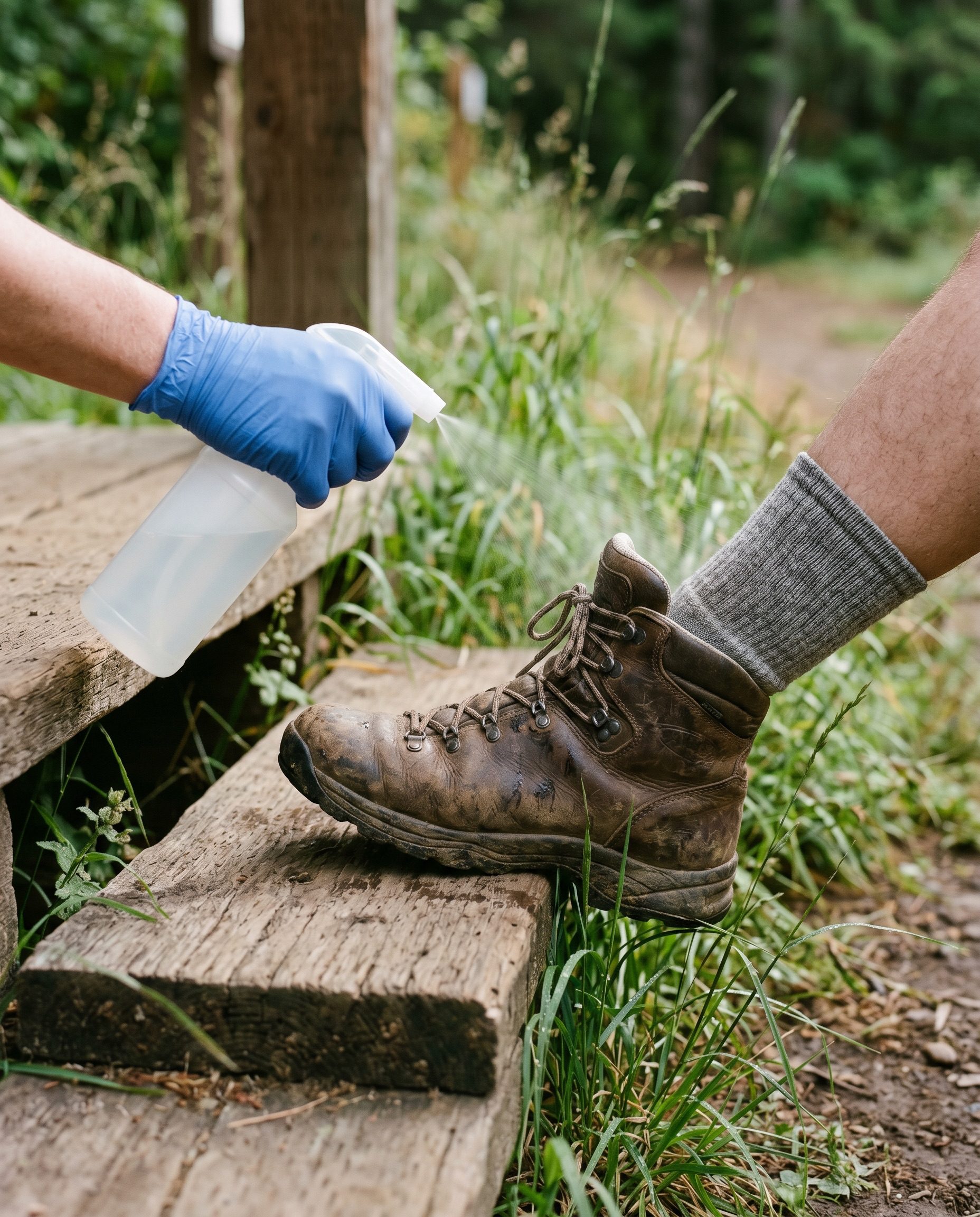
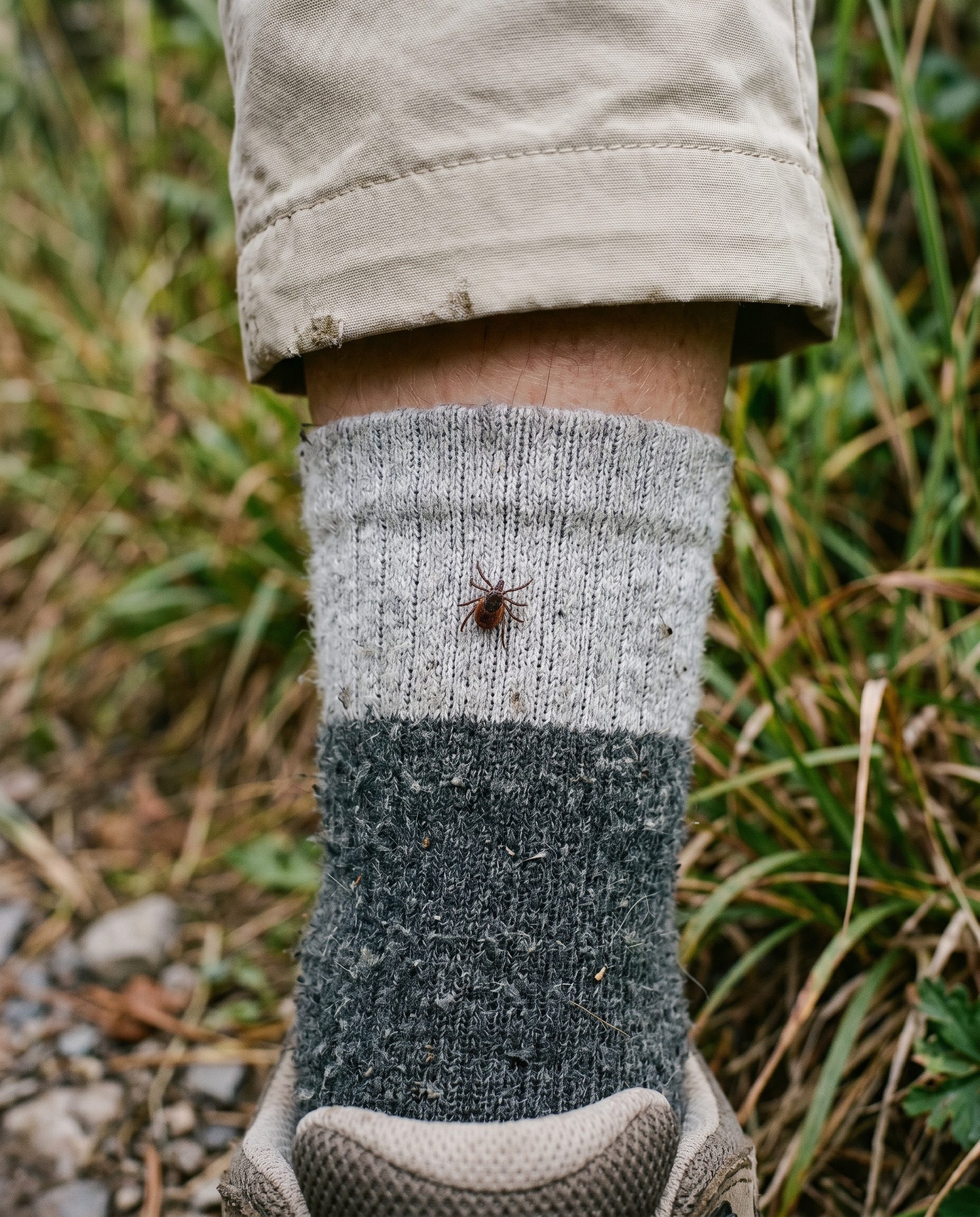
Before you spend a dollar, do the free part, because how you wear your clothes decides where ticks get in. Ticks do not drop from trees; they wait low on grass and leaf litter and grab on as you brush past, which means your shoes, socks, and lower legs make first contact. Tuck your pants into your socks and your shirt into your pants so a tick has to crawl up and over fabric instead of finding bare skin at the ankle. Wearing light colors helps too, since a dark tick is easier to spot and flick off before it settles. The CDC’s guidance on preventing tick bites puts treated clothing and tucked layers at the top of the list for exactly this reason.
nn
Once the layering habit is set, treated clothing is what makes it work. A tick that climbs onto permethrin-treated fabric is knocked down before it reaches skin, which turns your socks and boots into the trap instead of the runway. That is the difference between clothing that merely covers you and clothing that actively kills the tick on contact.
nn
Why treated clothing beats skin spray
nn
Here is the part most “best tick repellent” lists bury. A skin repellent like DEET or picaridin does real work, and the EPA’s tool for finding the right repellent is the place to choose a registered one, but it only protects the skin you actually coat, and it wears off with sweat and time. Ticks board at your feet and ankles, the spots you are least likely to keep re-coating on a long day. Treated clothing covers the exact zone a skin spray misses, and it keeps working while you hike, mow, or work a job site.
Things on skin you cannot see goes further into causes that are not insects at all.
nn
The evidence for footwear is the strongest part of the case. Researchers at the University of Rhode Island’s TickEncounter program have documented that people wearing permethrin-treated footwear and socks were far less likely to be bitten than those in untreated gear, with treated shoes and socks cutting tick encounters dramatically. The EPA’s overview of permethrin-treated clothing backs the approach as an effective, registered tool for tick protection. This is why the smart move is to treat the clothing first and use a skin repellent as the backup on exposed arms and neck, not the other way around. Our deeper comparison of DEET, picaridin, and permethrin walks through how the three fit together.
nn
nn
Spray your own gear vs buy it treated
nn
Once you decide to treat clothing, the only real question is whether you spray your own gear or buy it already treated. Both put permethrin on the fabric; they differ in how long it lasts and how much work you do. Decide by how often you are outside and how much gear you want to cover.
nn
| Option | Best for | Watch-out |
|---|---|---|
| DIY clothing spray | Treating boots, pants, and gear you already own | Lasts about six washes; let it dry fully before wearing |
| Factory-treated socks | Set-and-forget protection for frequent hikers | Costs more upfront; covers feet and ankles only |
| Gear-only spray | Tents, packs, and outer layers, not skin | For fabric only; never spray on skin |
nn
The DIY can is the flexible choice: one bottle treats several items, and a single application bonds to the fabric for roughly six weeks or six washings. Factory-treated socks trade flexibility for permanence, holding their protection for the life of the garment with no re-spraying, which is why frequent hikers tend to settle on them for feet and ankles. A separate gear spray handles tents and packs. One firm line: permethrin sprays go on fabric, never on skin, so always treat clothing on a hanger outdoors and let it dry completely before you put it on.
nn
Treat it right and remove ticks fast
nn
Application is simple if you follow the can. Hang the garment outside, spray each side until the fabric is lightly damp, and let it dry for a few hours before wearing, because under federal law the product label is the law and it sets the time and coverage that work. Pay the most attention to socks, shoes, and pant legs, the lower 18 inches where ticks make contact. Re-treat after the number of washes the label gives, usually about six, and store the can out of reach of kids and pets.
nn
Permethrin on clothing is low-risk for people once it is dry, but it deserves a real caution around cats. Permethrin is highly toxic to cats while it is still wet, so treat clothing away from them and let it dry fully before bringing it back inside; if a cat contacts wet product, call your vet rather than waiting, and never apply a dog product to a cat. Defer to a veterinarian on any pet exposure rather than guessing at home.
nn
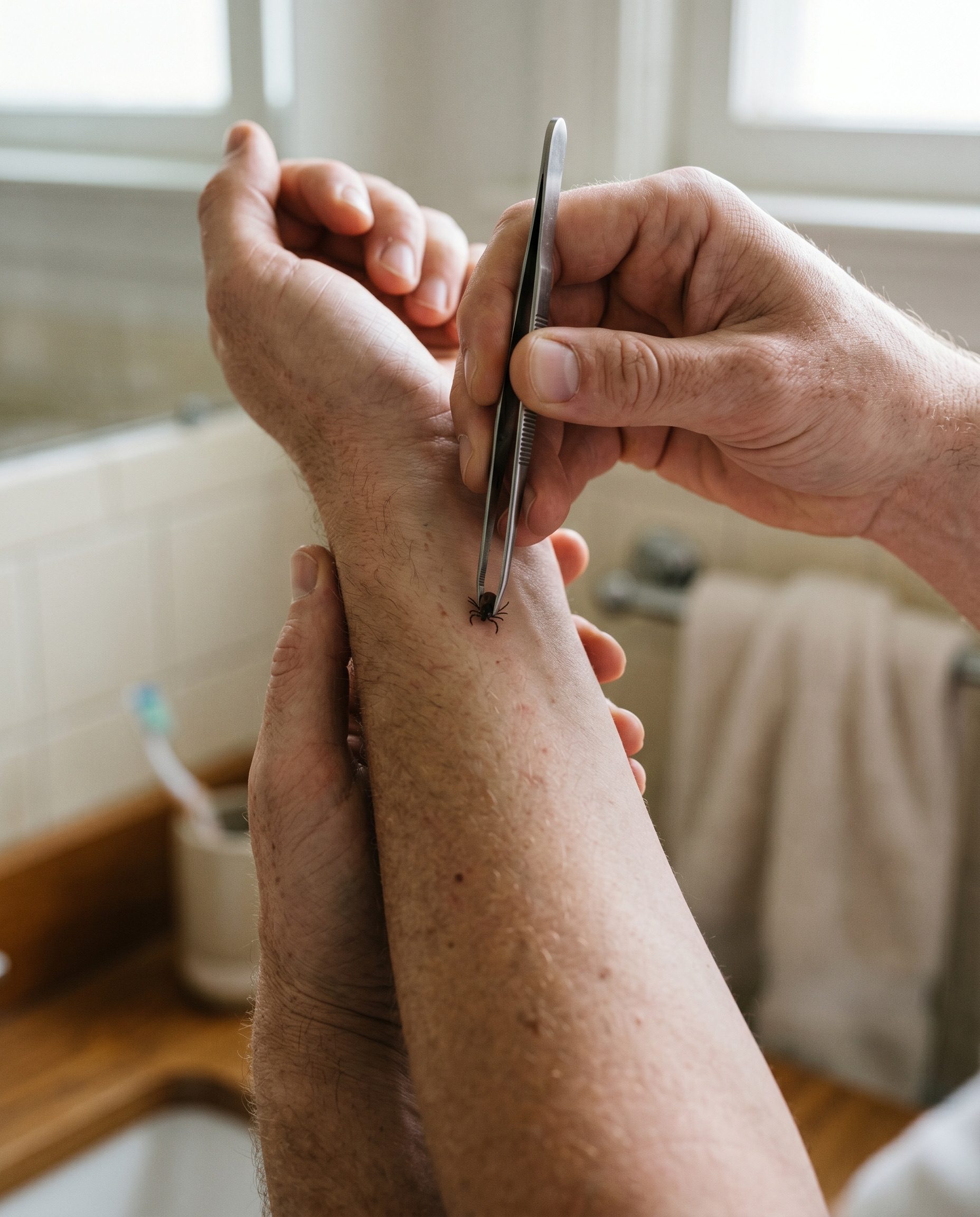
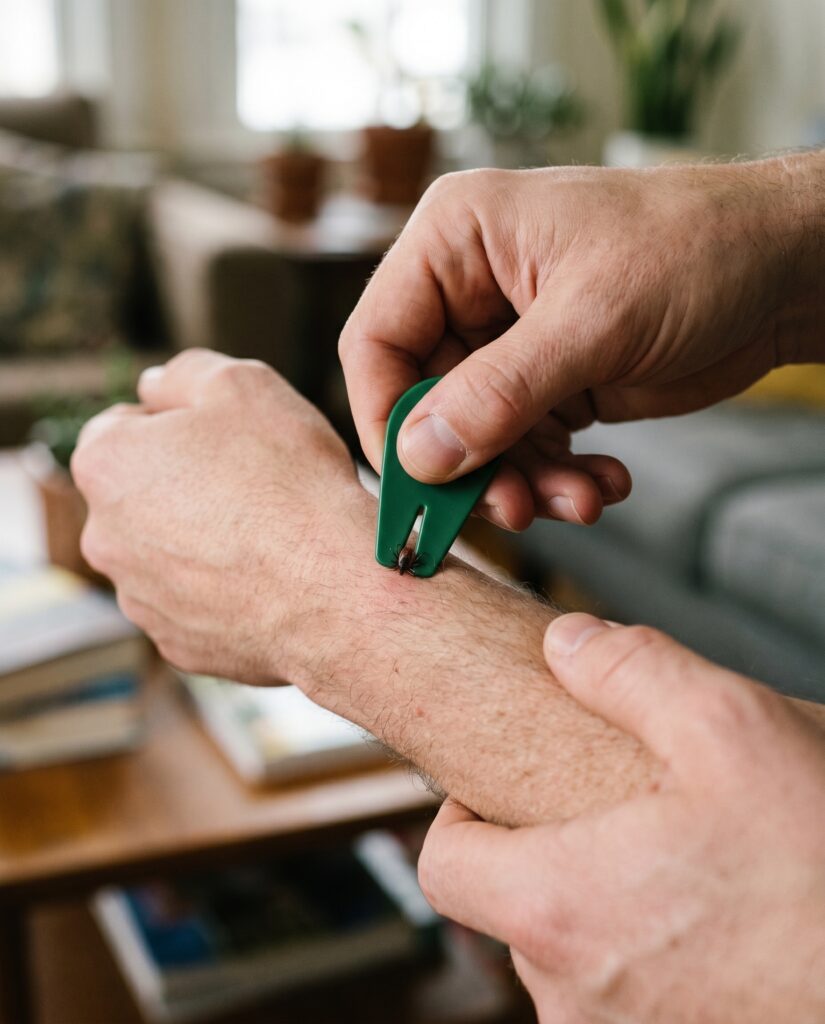
No clothing strategy is perfect, so finish every outing with a tick check. Run your hands over your scalp, behind the ears, the waistband, and behind the knees, and if you find one attached, remove it promptly. The CDC’s Lyme prevention guidance notes that prompt removal lowers disease risk, since most tickborne infections need hours of attachment to transmit. Use fine-tip tweezers to pull straight up, the way our step-by-step tick removal guide lays out. To cut the supply at home, our tick-proof yard guide covers the border and mowing habits that keep ticks out of the spaces you use most.
nn
nn
The picks
nn
Cards come after the analysis on purpose, because how often you are outdoors decides which one you buy. These three cover DIY treatment, factory-treated socks, and a value gear spray, and all are common, widely available permethrin products.
nn
InsectoGuide is reader-supported. As an Amazon Associate we earn from qualifying purchases at no extra cost to you.
nn
n 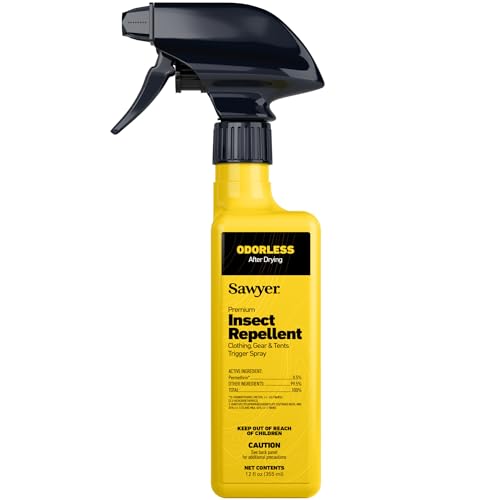 n
n
n
n
A trigger spray for treating boots, socks, and pants you already own.
n
n
nn
n 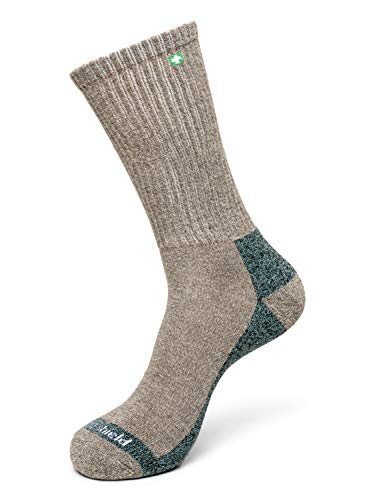 n
n
n
n
Set-and-forget treated socks for frequent hikers who skip re-spraying.
n
n
nn
n 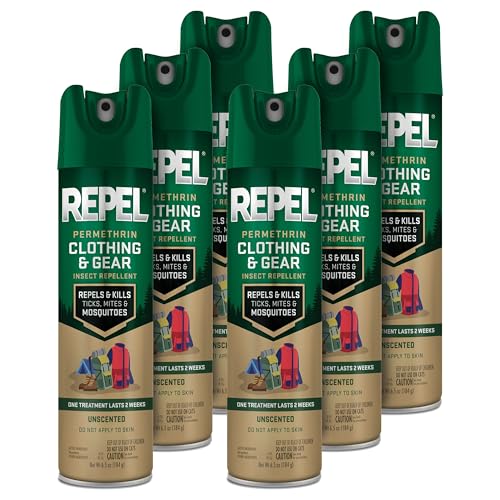 n
n
n
n
A budget can for clothing and gear like tents, packs, and bags.
n
n
nn
Common questions
nnDoes permethrin clothing actually work on ticks?n
Yes. Permethrin kills ticks on contact with the treated fabric, and the University of Rhode Island’s TickEncounter research found people in treated footwear and socks were bitten far less than those in untreated gear. It is one tool, so pair it with tucked clothing and a post-outing tick check.
nnIs treated clothing safe to wear?n
Once the permethrin has dried, treated clothing is considered low-risk for people, and the EPA registers permethrin-treated clothing for tick protection. Treat garments outdoors, let them dry fully before wearing, and follow the label, since the label sets the legal and safe terms of use.
nnIs permethrin dangerous to pets?n
Permethrin is highly toxic to cats while it is still wet, so treat clothing away from them and let it dry completely before bringing it inside. It is generally safer around dogs once dry, but never apply a dog product to a cat, and contact your vet for any suspected exposure rather than waiting it out.
nnShould I still use bug spray on my skin?n
A skin repellent is a good backup for exposed arms and neck, and the EPA’s repellent tool helps you pick a registered DEET, picaridin, or OLE product. Treated clothing protects your legs and feet; skin spray covers the rest, so the two work together rather than competing.
nnHow fast do I need to remove a tick?n
Promptly. The CDC’s Lyme prevention guidance notes that most tickborne diseases need hours of attachment to transmit, so a same-day tick check and quick removal lower the risk. Watch for fever or an expanding rash afterward and see a healthcare provider if either shows up.
nn
Final verdict
nn
If you are outdoors enough to worry about ticks, treated clothing is the move that pays off, and any list that leads with a skin spray is burying the better answer. Start free by tucking pants into socks so ticks have to cross fabric, then put permethrin where ticks board: your feet, socks, and lower legs. Spray your own boots and pants with a clothing can that lasts about six washes, or buy factory-treated socks that hold for the garment’s life, and add a gear spray for tents and packs. Skip relying on a skin repellent alone, keep wet permethrin away from cats, and finish every outing with a quick tick check, because the clothing is the strongest line of defense, not the whole answer. For ongoing symptom guidance, the MedlinePlus overview of Lyme disease is a solid place to read about when to see a doctor.
nn

Pingback: Best Tick Repellents: DEET, Picaridin and Permethrin Compared