There is no single best tick repellent for dogs, only the format that fits your dog and your routine. A collar gives you up to eight months of set-and-forget protection, while monthly topical drops deliver fast kill plus repellency for dogs that hit the trail or the long grass. Two rules sit above the product choice: confirm the package is labeled for your dog’s exact weight, and never put a dog product on a cat, because the permethrin in some dog formulas is highly toxic to cats. For our own dog we keep a collar on year-round and a box of drops in reserve for tick season. Most lists just crown one “winner”; the breakdown below sorts them by how you actually live with your dog.
Match the format to your routine: a collar for eight months of set-and-forget protection, monthly drops for fast kill and repellency; confirm the exact-weight label, and never put a dog product on a cat because the permethrin in some can be toxic to cats.
- Do first (free): Check your dog head to tail after every outing and remove any tick promptly, before you rely on any product.
- Match the routine: A collar for hands-off, months-long cover; monthly drops for trail dogs that need repellency and fast kill.
- Never do: Use a dog product on a cat, or use any product not labeled for your dog’s weight; when unsure, your vet picks.
Check your dog first
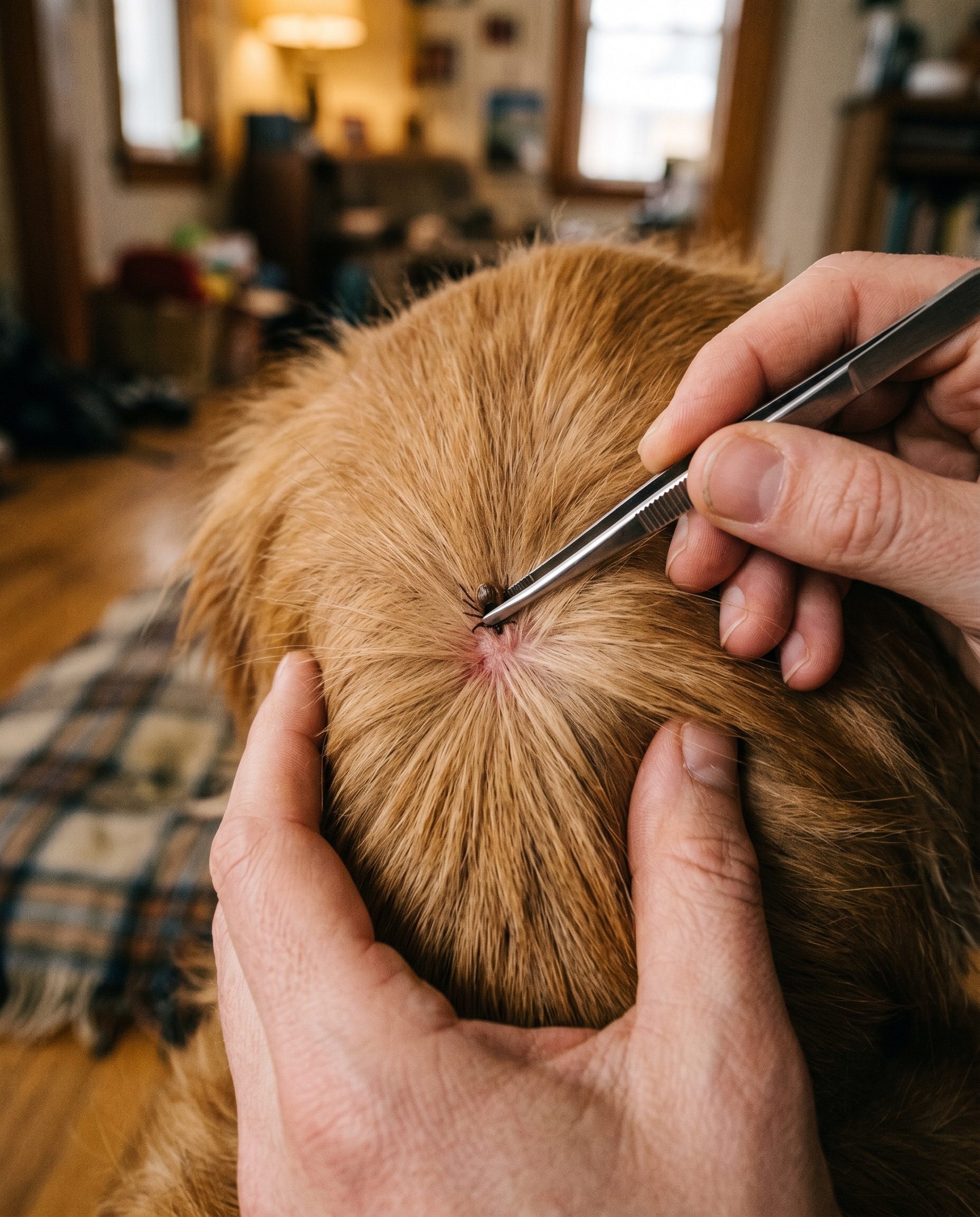
Before any product goes on, do the free part that no collar or drop replaces: a tick check after every walk, hike, or romp through tall grass. Run your fingers slowly over the whole dog and feel for a small bump, paying attention to the ears, the folds at the legs, between the toes, and around the collar line where ticks like to settle. The CDC’s tick prevention guidance puts prompt checks and quick removal at the center of the strategy, because the faster a tick comes off, the less chance it has to pass anything along.
If you find one attached, pull it straight up with fine-tip tweezers, no twisting and no heat. Our step-by-step guide to removing a tick safely walks through the grip and the angle. A repellent product is the standing defense that thins out the attached ticks between checks; it is not a reason to stop looking. Buy a product once you understand which ones survive your area and your dog’s habits, not as a substitute for laying hands on your dog after time outdoors.
Collar vs drops: pick by routine
Here is the part the “top pick” lists skip. The collar-versus-drops question is not about which is stronger; it is about how you live with your dog. A collar is the set-and-forget option: you fit it once and it works for months, which suits a dog with a steady routine and an owner who would rather not mark a calendar. Monthly topical drops ask for a recurring dose, but they put fresh active ingredient on the dog every cycle and many add repellency, so ticks die or drop off before they bite. For a dog that pushes through leaf litter and brush, where ticks wait per the University of Rhode Island TickEncounter resource, that repellent edge earns its place. If you also hike alongside your dog, our guide to tick repellents using DEET, picaridin, and permethrin covers the human side; permethrin-treated clothing protects you, never the dog.
The honest skip here is the gas-station novelty: ultrasonic tick tags and most herbal “repellent” pendants. There is no credible evidence they keep ticks off a dog, and leaning on one is how a dog ends up with an attached tick you assumed was handled. Skip the ultrasonic tag and the essential-oil charm; they are theater, not protection. One firm safety line that overrides every other preference: products built on permethrin are common and effective for dogs but can be deadly to a cat in the same house, by direct contact or grooming, so a multi-pet home needs products chosen with that risk front of mind. When the situation is murky, a multi-pet household, a pregnant or nursing dog, a puppy, or a dog on other medication, let your vet make the call rather than guessing off a shelf label.
Match the format to the job
Once you know your routine, the choice is short. Decide by two questions: how hands-off do you want to be, and how much tick pressure does your dog face on a normal week.
| Format | Best for | Watch-out |
|---|---|---|
| Collar (months-long) | Steady routines and set-and-forget coverage | Confirm the dog-size band; remove before swimming if the label says so |
| Monthly topical drops | Trail and tall-grass dogs needing repellency | You must redose on time; many contain permethrin, toxic to cats |
| Tick check + tweezers | Every dog, after every outing | Labor, not a standalone product; pair it with a collar or drops |
Why not just buy the strongest drops and forget the collar? Because the format has to survive real life. The strongest topical does nothing if you skip a month, which is exactly when a collar’s steady months-long cover pulls ahead. And the most important spec on any package is not the active ingredient; it is the weight range printed on the box. A product labeled for a 60-pound dog dosed onto a 15-pound dog is an overdose, and the reverse leaves a big dog under-protected. The active ingredients here are pesticides, so read and follow the product label, because the label is the legal terms of safe use. Pairing a repellent with a tick-proofed yard cuts how many ticks ever reach the dog in the first place, which is the lowest-effort win of all.
How to fit it and apply it safely
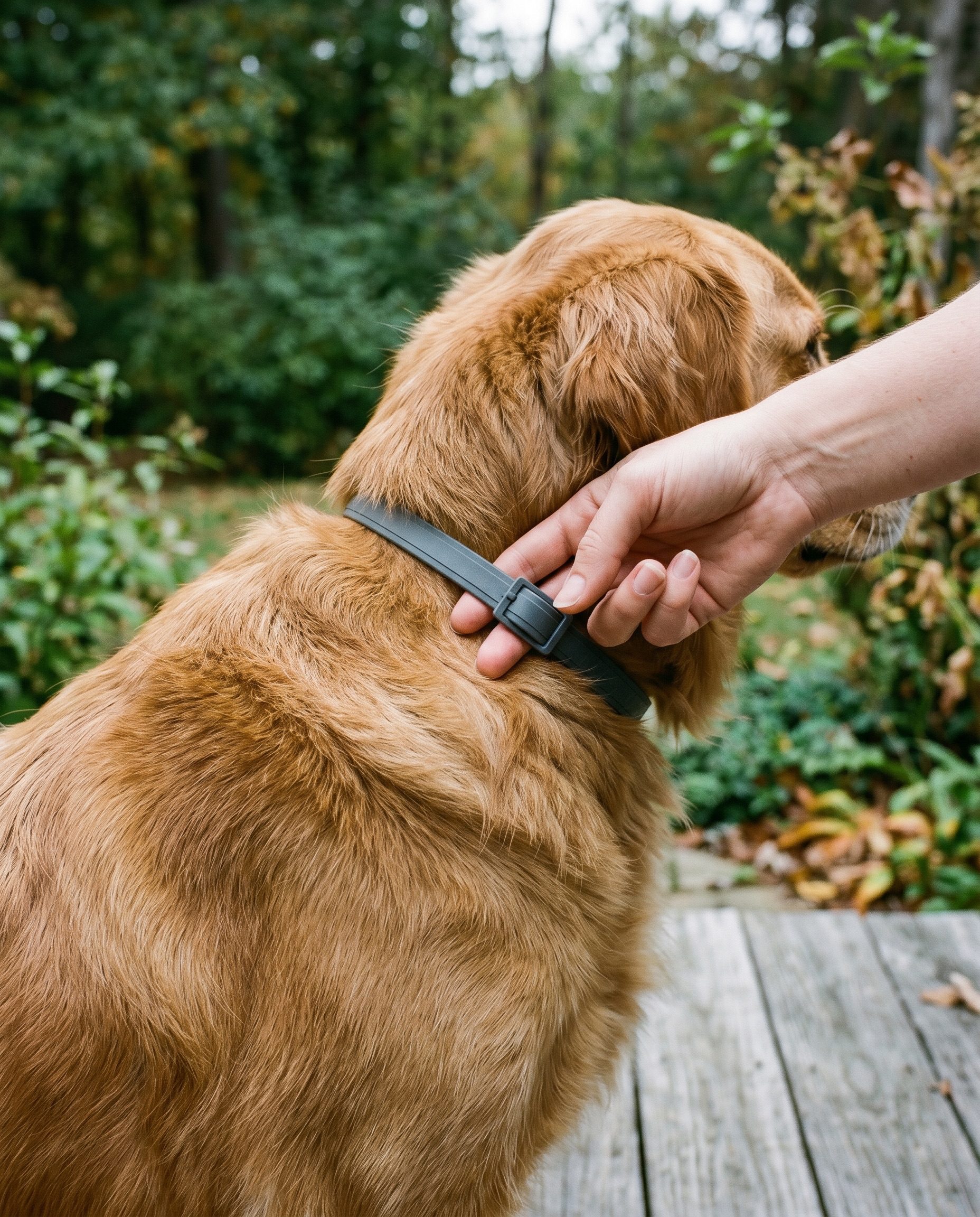
Fit a collar snug but not tight: you should be able to slip two fingers under it, with a short tail of slack left to trim. Sit it against the skin, not buried in deep fur, so the active ingredient can spread across the coat the way the label intends. Two fingers of room is the test, every time you put one on. Keep the dog from chewing the cut end, and follow the label on whether to remove it before baths or swimming.
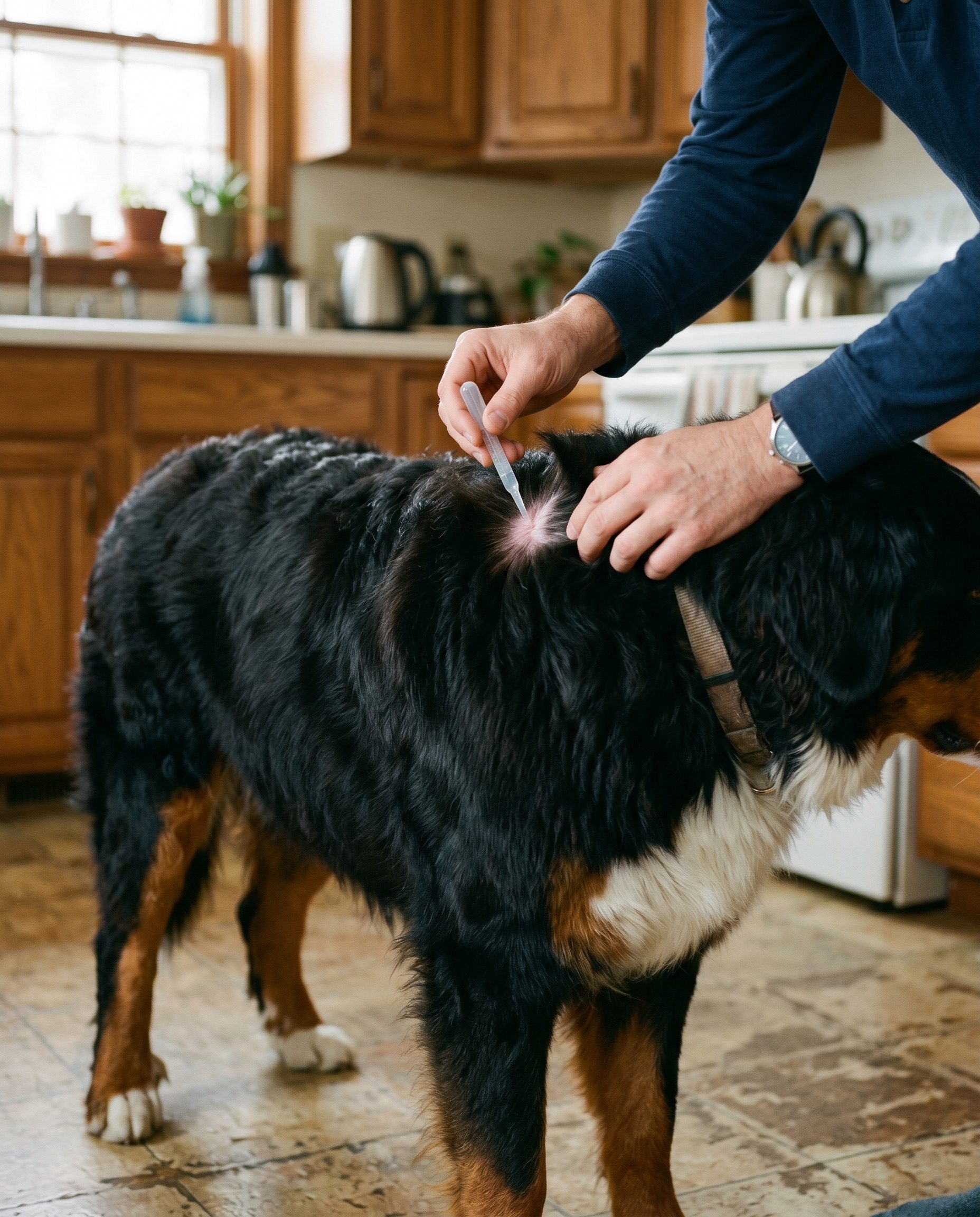
For topical drops, part the fur down to the skin between the shoulder blades, a spot the dog cannot lick, and apply the dose directly to the skin in one or two spots as the label directs. Apply to skin, not fur, and keep the dog dry for the time the label specifies. Do not pet the wet application site, and in a household with children, keep kids from handling the dog until it dries. The cat warning is not optional: keep a freshly treated dog away from any cat for as long as the label says, because a cat grooming permethrin off a dog can be poisoned. If a pet shows tremors, drooling, or distress after any product, contact your vet or a poison control center right away; you can also check the NPIC pesticide-safety information for guidance on exposures. Steady, on-time protection through tick season is what lowers the odds of the bites that carry Lyme disease and the other illnesses spread by ticks.
The picks
Cards come after the analysis on purpose, because your routine decides which one you buy. These three cover the set-and-forget collar, the monthly drops, and the repellency-first topical, and all are common, widely available dog products. Confirm the weight band on the package before you order.
InsectoGuide is reader-supported. As an Amazon Associate we earn from qualifying purchases at no extra cost to you.
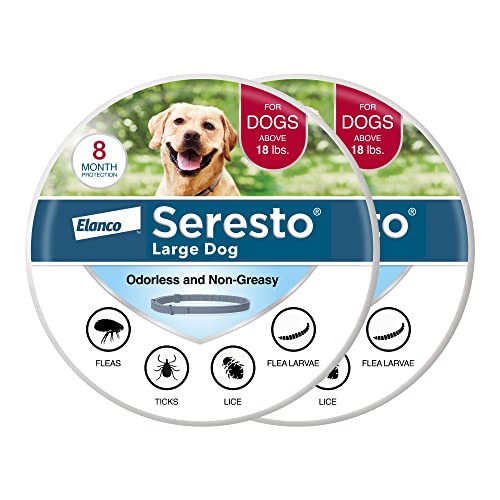
A set-and-forget collar for owners who would rather not track a monthly dose.
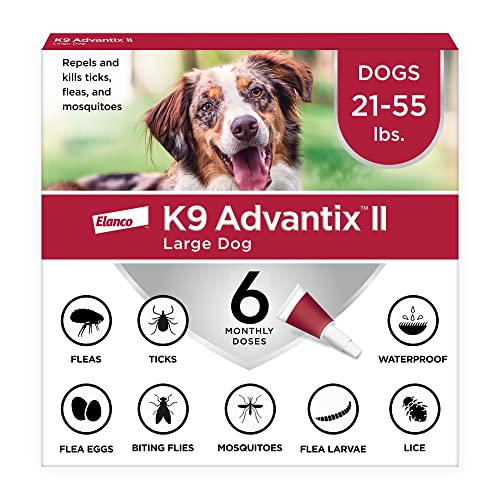
Monthly drops for a 21 to 55 pound dog that needs kill plus repellency.
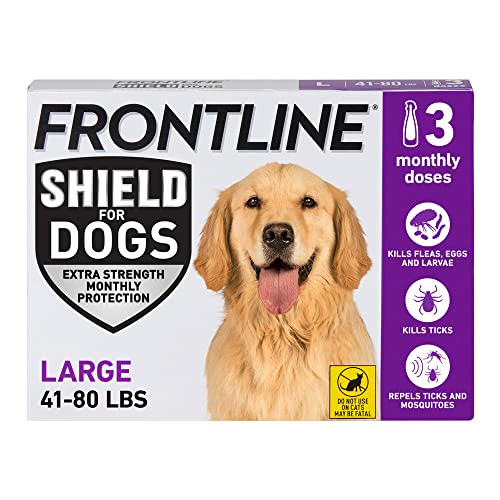
A repellency-first topical for a 41 to 80 pound trail or tall-grass dog.
Common questions
Do collars or drops work better against ticks?
Neither is flatly better; they fit different routines. A collar gives months of hands-off cover, while monthly drops put fresh active ingredient on the dog and often add repellency. A trail dog usually benefits from the repellency of drops, and a steady-routine dog does well on a collar. Match the format to how you actually live with your dog.
Is it safe to use a dog tick product on a cat?
No. Some dog products contain permethrin, which is highly toxic to cats and can poison one through contact or grooming. Use only a product labeled for cats on a cat, keep a freshly treated dog away from any cat in the home, and ask your vet how to protect both pets in a multi-pet household.
How do I pick the right size?
Read the weight range on the package and match it to your dog’s actual weight, not a guess. The CDC’s tick prevention page and every product label treat correct dosing as basic safety. A product sized for a much larger or smaller dog is the most common mistake, so weigh your dog if you are unsure.
Do ultrasonic or herbal tick tags work?
There is no reliable evidence that ultrasonic tags or essential-oil pendants keep ticks off a dog. They are easy to trust and easy to be let down by. Put your money into a registered collar or topical and keep doing tick checks, which is the part that catches what any product misses.
Should I still check my dog if it wears a collar?
Yes, always. No product stops every tick, so a hands-on check after each outing remains the backbone of prevention. The CDC notes that prompt tick removal lowers the risk of Lyme, and a quick daily once-over is how you catch the one that slipped past the product.
When should I call the vet?
Call your vet if your dog reacts to a product with tremors, drooling, or lethargy, if you find an attached tick and are unsure how to remove it, or if your dog seems ill after a known bite. For a multi-pet home, a puppy, or a pregnant dog, let the vet choose the safest product up front; the MedlinePlus overview of Lyme disease is a useful primer on what a tickborne illness can look like.
Final verdict
There is no single best tick repellent for dogs, and any list that names one is dodging the only question that matters: how do you live with your dog. Start free with a head-to-tail tick check after every outing and prompt removal of anything you find, then match the format to your routine. Reach for a collar when you want months of hands-off cover, and for monthly drops when your dog faces real tick pressure and needs repellency plus fast kill. Skip the ultrasonic tags and herbal charms; they are not protection. Above all, confirm the package is labeled for your dog’s exact weight, keep any dog product well away from a cat because of the permethrin risk, and when the choice is not clear, let your vet pick the safest option.