If you want fewer ticks in the yard, tick tubes are the one product that goes after the problem at its root, the mice that young ticks feed on. The short answer: place permethrin-treated cotton tubes along the lawn-and-woods edge and around woodpiles in spring and again in late summer, do your free yard cleanup first, and give it a season or two to show. Mice carry the treated cotton back to line their nests, and the larval and nymphal ticks riding those mice die before they ever climb a blade of grass and reach you. For our own wooded property we keep a box of tubes on the spring chore list and run the mower line wide, nothing fancier than that. Most lists treat tubes like an instant fix; that is the expectation to skip, and the section below explains why patience is the price of the method.
Tick tubes kill larval and nymphal ticks on the mice that host them: mice line their nests with the permethrin cotton, so place tubes along the woods edge and woodpiles, pair them with yard cleanup, and expect results over a season or two, not overnight.
- Do first (free): Mow a wide border, rake leaf litter, and move woodpiles off the lawn to cut the mouse and tick edge habitat.
- Where they go: Along the lawn-and-woods line, stone walls, and woodpiles where mice nest, not scattered across the open lawn.
- Skip the expectation: Same-season eradication; tubes work slowly and best as one piece of a yard plan.

What to do first
Before a single tube goes out, do the free part, because tubes work on mouse habitat and you can shrink that habitat for nothing. Mow a wide buffer where the lawn meets the woods, rake out the leaf litter that ticks and mice both love, and pull woodpiles, stone piles, and brush off the lawn line where mice nest. This is the same edge-habitat logic the CDC’s overview of where ticks live describes: blacklegged ticks sit in the humid, shaded leaf litter at the lawn-and-woods border, not out in the sunny open grass. Our complete guide to a tick-proof yard walks through the cleanup order if you want the full checklist.
Then set your expectations honestly, because this is where most buyers go wrong. Tubes break the tick life cycle, they do not vacuum up the ticks already on you. They interrupt the larval and nymphal stages that feed on mice, so the payoff shows up the following season as fewer young ticks hatching into a treated landscape. Run them when the timing matters most: a placement in spring and another in mid-to-late summer, lined up with when larvae and nymphs are active. A product is worth buying once the cleanup is done and you understand it is a slow lever, not a switch.
Why tubes are slow and where they fail
Here is the part the “instant tick killer” listings skip. Tick tubes do nothing to the adult ticks questing in your grass this weekend, and they do nothing if the mice in your yard never find them. The method only works because mice are reliable nest-builders that grab soft cotton, drag it home, and groom permethrin onto the young ticks attached to them. No mice in the cotton means no kill, which is why placement beats quantity every time.
That is also why tubes are a poor fit for the wide-open lawn or a yard with no real woods edge. They are an edge-and-harborage tool, and a fair amount of marketing oversells them as a whole-yard cure. The honest framing is that tubes are one layer: the CDC’s tick prevention guidance leads with personal protection, permethrin-treated clothing, EPA-registered repellents, and tick checks, because no yard treatment is airtight. For protecting yourself on the trail or in the garden, permethrin-treated clothing carries far more of the load than any tube, and our roundup of the best tick repellents covers the skin-and-clothing side. If your tick pressure is heavy, treat tubes as a supplement, not the headline.
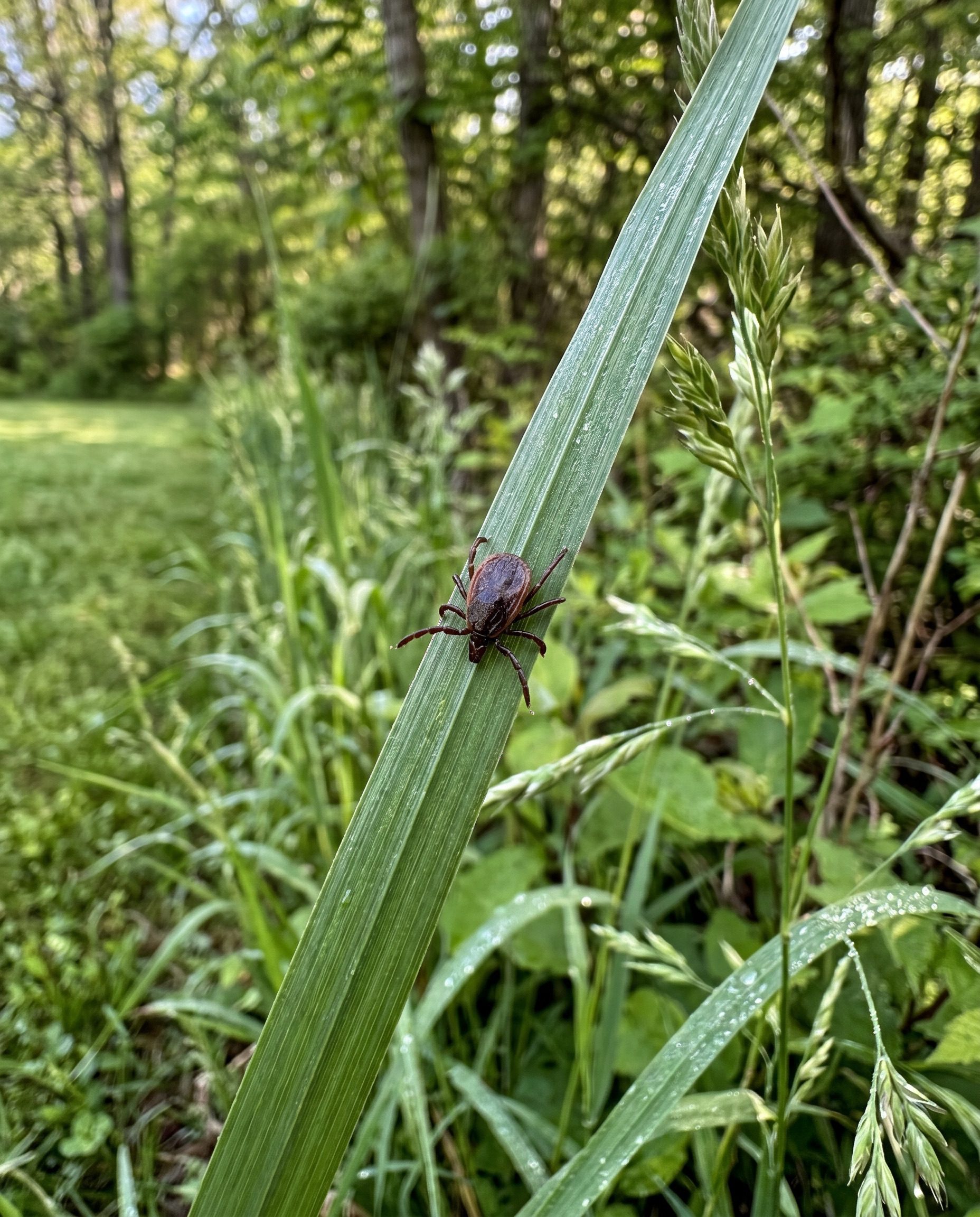
Tubes vs sprays vs yard cleanup
Once you accept that no single tactic clears a yard, the category choice gets simple. Decide by where the ticks are coming from and how patient you can be. The point is to layer the methods, not crown one of them.
| Method | Best for | Watch-out |
|---|---|---|
| Tick tubes | Wooded edges and mouse harborage over the long run | Slow; useless without mice or a real woods edge |
| Yard cleanup and mowing | Every yard, before anything else | Labor, and it needs keeping up |
| Perimeter acaricide spray | Faster knockdown along the border | Broad-spectrum; follow the label and mind pollinators |
Why not just spray the whole yard and be done? Because a broad acaricide hits beneficial insects and pollinators along with ticks, so if you do spray, keep it to the shaded border, follow the product label to the letter, and avoid flowering plants and drift. Tubes are the slower, more targeted half of that pairing, and they keep working on next year’s tick crop while the spray fades. The University of Rhode Island’s TickEncounter program is a good neutral source for matching tactics to the species and stage you actually have; knowing whether you are dealing with deer ticks or dog ticks, which our tick identification guide helps with, tells you whether the mouse-targeted approach even fits.
Where to place tubes
Placement is the whole game, so be deliberate. Set tubes along the lawn-and-woods edge, against stone walls, beside woodpiles, under sheds and decks, and in the brushy transition zones, the spots where mice actually nest and travel. Space them roughly every ten yards along those edges rather than dotting them across open turf, and tuck each tube down into the leaf litter or a ground gap where a mouse will find it but a lawnmower will not. Most boxes treat about a quarter acre, so size your purchase to your edge footage, not your total lot.
Time two rounds a year: one in spring as larvae get going and another in mid-to-late summer for the nymphs, which is the timing the CDC’s Lyme prevention guidance implicitly targets, since prompt removal and lower exposure during nymph season are what cut disease risk. The cotton is permethrin-treated, which is the safety note that matters most: permethrin is highly toxic to cats, so if you have outdoor cats, keep tubes out of their reach and ask your veterinarian about any concern, and do not improvise a dose for any pet. Handle the tubes per the label, keep kids from playing with the cotton, and wash your hands after placing them.

The picks
These come after the analysis on purpose, because the cleanup and placement do most of the work and the tube is just the delivery. All three use the same mouse-nest method; they differ in coverage and price.
InsectoGuide is reader-supported. As an Amazon Associate we earn from qualifying purchases at no extra cost to you.
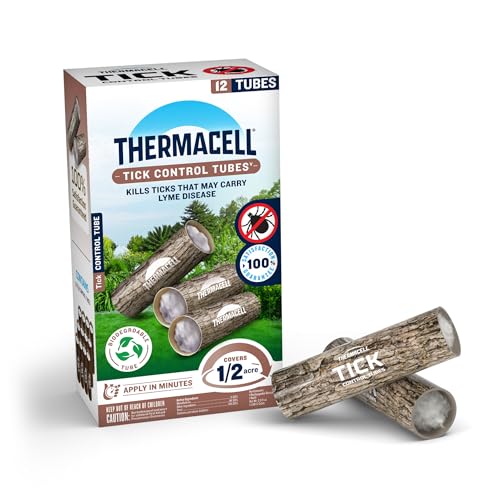
A no-mess starter box for a quarter-acre yard with a real woods edge.
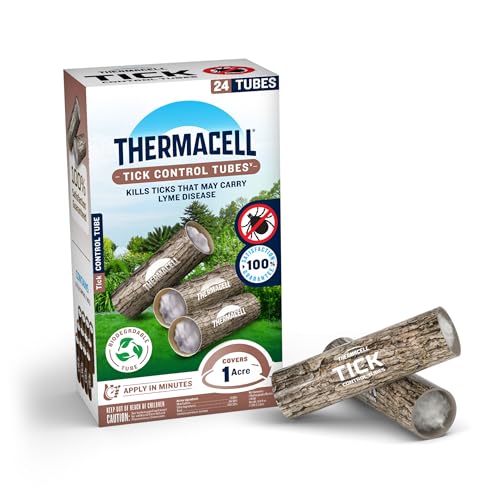
A bigger box for two yearly rounds across rock walls, woodpiles, and brush.

A low-cost DIY kit for sizing tube counts to your own edge footage.
Common questions
Do tick tubes actually work?
They can reduce young ticks over time when mice use the cotton, but they are slow and partial. Larval and nymphal ticks pick up permethrin in the nest, so the drop shows up the next season, and only along the edges where mice live. They help most as one layer in a yard plan, not as a standalone cure.
How long until I see fewer ticks?
Plan on a season or two. Tubes work on the tick life cycle through the mice, so the benefit builds across the next generation of larvae and nymphs rather than clearing the adults questing right now. Steady placement two times a year matters more than any single drop.
Where exactly do I put them?
Along the lawn-and-woods edge, against stone walls, beside woodpiles, and under sheds and decks, roughly every ten yards. Tuck them into leaf litter or a ground gap where mice travel, not across the open lawn, where mice rarely nest and the tubes do nothing.
Are tick tubes safe around pets and kids?
The cotton is permethrin-treated, which is highly toxic to cats, so place tubes out of a cat’s reach and keep children from handling the cotton. Defer to your veterinarian about any pet concern and do not improvise a dose. Follow the product label, since under federal law the label sets the legal terms of use.
Will tubes protect me on the trail?
Not really; they treat the yard, not you. For personal protection the CDC’s prevention guidance points to permethrin-treated clothing, EPA-registered repellents, tucking pants into socks, and a tick check after you come in, which do far more to keep a bite from happening.
Final verdict
Tick tubes earn their place because they aim at the source no other yard product touches, the mice that carry young ticks, but they reward patience and good placement, not impatience. Start free by mowing a wide border, raking the leaf litter, and pulling woodpiles off the lawn line, then set permethrin-cotton tubes along the woods edge and harborage in spring and again in late summer and give them a season or two. Skip the idea that any tube clears a yard on its own; pair them with cleanup and, if pressure is high, a careful border treatment. And remember the tubes guard the yard, not you, so personal protection still does the heaviest lifting when you head outside.