A rechargeable electric fly swatter is one of the quickest ways to knock down the flies you can actually see – especially the ones circling your kitchen lights or landing on food. The best electric fly swatters combine enough voltage to drop houseflies on contact with a safe three-layer mesh, a comfortable grip, and a battery that holds charge for weeks of normal use. This guide breaks down what specs matter, which styles fit different homes, and how to use a swatter as part of a fly-control plan that lasts.
Bottom line: A rechargeable swatter is a fast knockdown tool, not a prevention plan.
- Choose three-layer safety mesh, a solid battery, and a comfortable grip.
- Use it for visible adult flies around lights, windows, and food areas.
- Fix trash, drains, screens, and entry points so new flies stop appearing.
Quick answer
If you want a rechargeable model that works reliably on common houseflies (Musca domestica), prioritize safety mesh, battery quality, and a solid grid over flashy voltage claims.
Electric fly swatters – what to look for
- Voltage: 2,000 to 3,000 V handles most indoor flies; 3,000 to 4,000 V can help with larger fliers (horse flies, some wasps).
- Battery: lithium-ion 600 to 1,200+ mAh, with USB-C charging if possible.
- Safety: three-layer mesh plus an on/off switch and a press-to-zap button.
- Handling: 9 to 11 inch racket head for general use; 250 to 400 g is a comfortable weight range.
- Reality check: swatters reduce adult flies you see, but they do not stop breeding in trash, drains, or compost.
Why flies keep coming back
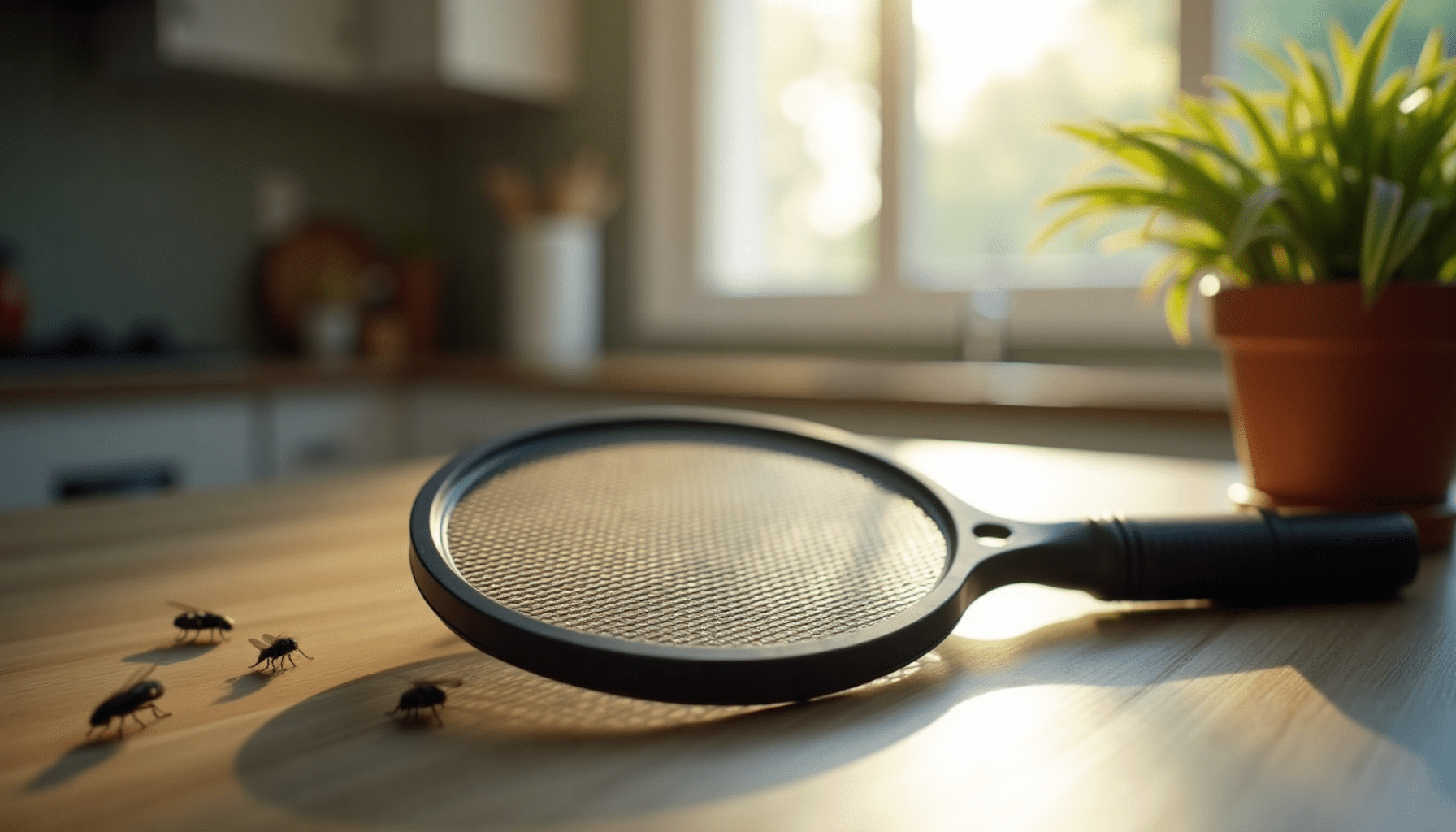
You swat one fly and two more appear. That is not your imagination – it is fly biology.
The common housefly is one of the most widespread insects in human environments, found nearly everywhere people live. According to Encyclopaedia Britannica’s housefly overview, houseflies occur on every continent except Antarctica and thrive around homes, farms, and food waste. In warm weather, their life cycle can move fast enough that a small issue becomes a weekly battle.
Here is the part most homeowners underestimate: under favorable conditions, a female can lay hundreds of eggs in her lifetime, and eggs can hatch quickly. Public-health agencies emphasize that fly problems escalate when moisture and organic material are available, such as garbage residue, pet waste, compost, or gunk inside drains. When you remove adult flies without removing breeding sites, you are only reducing the “visible” part of the population.
Flies also matter for hygiene. A review in the Journal of Arthropod-Borne Diseases notes that houseflies can mechanically carry many disease organisms, including bacteria such as E. coli and Salmonella. That does not mean every fly will make you sick, but it is a good reason to keep them off food-prep surfaces and out of pantries.
Common indoor breeding and attraction zones
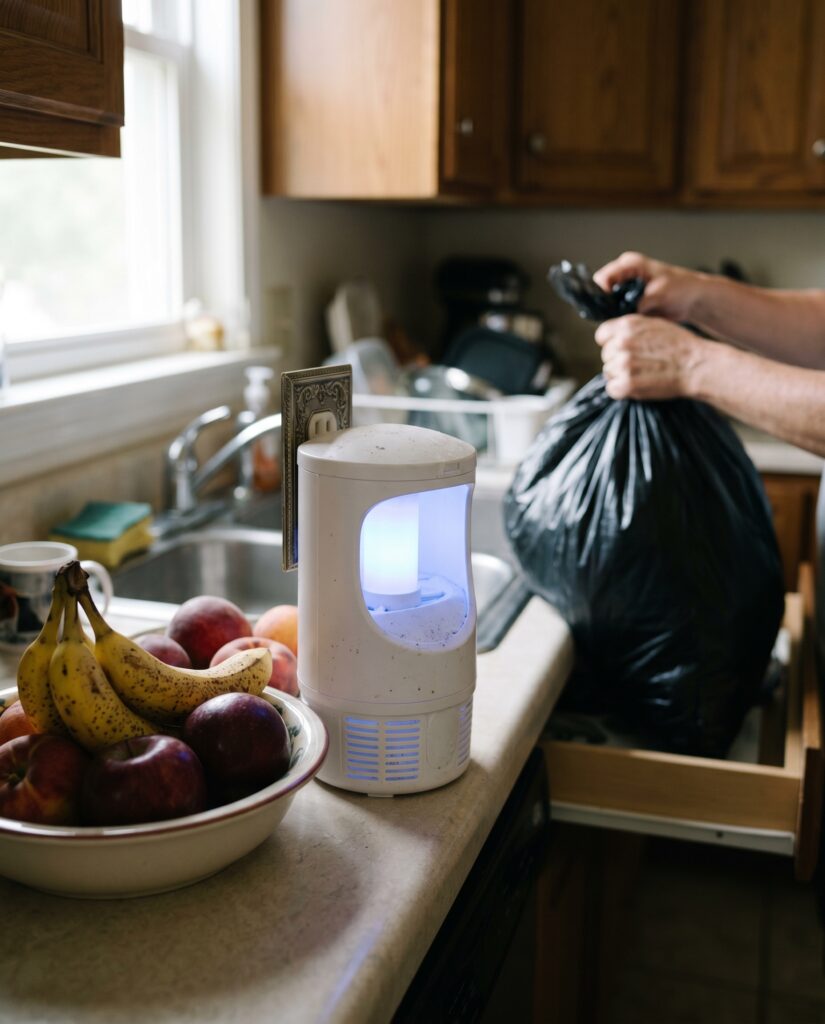
- Trash cans and recycling bins, especially sticky residues
- Compost pails and diaper pails
- Pet feeding areas and litter boxes
- Floor drains, sink drains, and garbage disposals
- Window sills where flies warm up in sunlight
What to do first
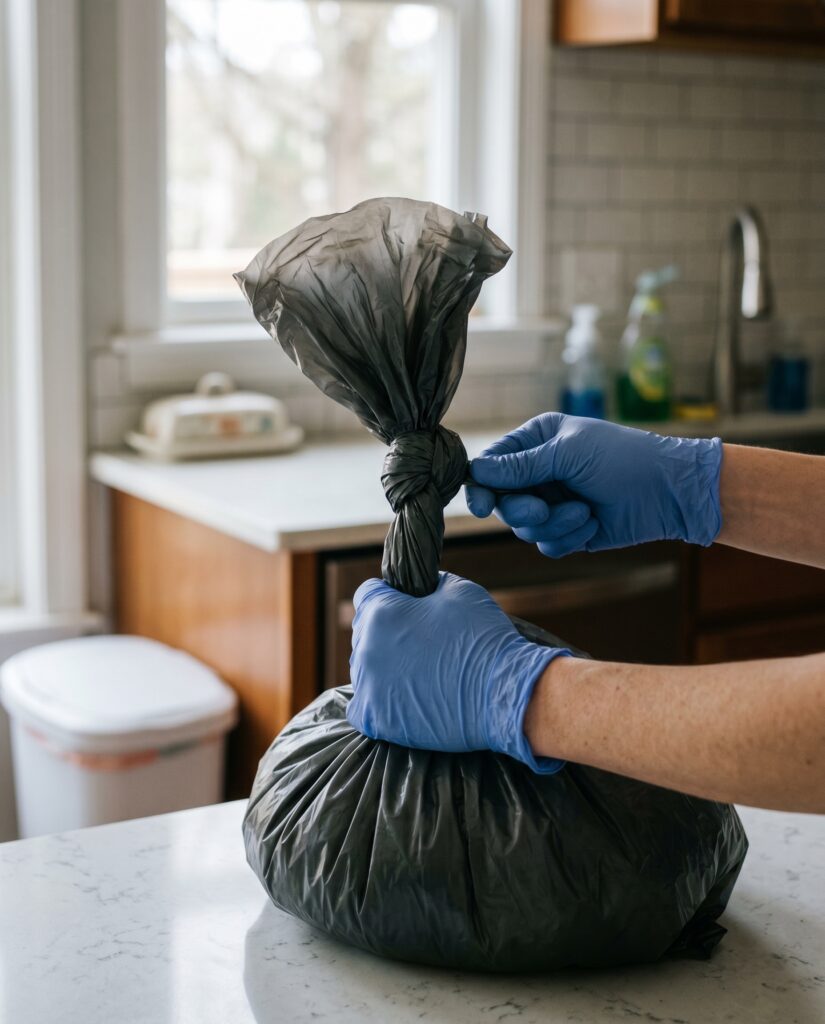
- Empty trash and rinse the bin if residue is present.
- Check drains for odor and slime.
- Use point-of-use tools (swatter, traps) to reduce adult activity immediately.
For passive control that keeps working when you are not swinging a racket, pair your swatter with one of these guides: Best Fly Traps for Indoor and Outdoor Use and, for small kitchen invaders, Best Fruit Fly Traps: Effective Kitchen Solutions.
How electric fly swatters work
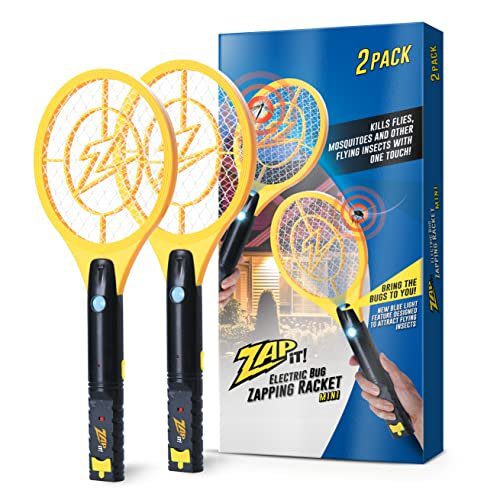
This rechargeable electric fly swatter is designed for effective fly control, featuring a three-layer safety mesh and a comfortable grip, making it ideal for indoor use as mentioned in the article.
- Three-layer safety mesh is better for indoor handling.
- USB rechargeable design avoids disposable batteries.
- Blue-light mode can help attract small fliers in dim rooms.
- Still requires active swatting; it is not an automatic trap.
- Blue light is less useful in bright rooms or daylight.
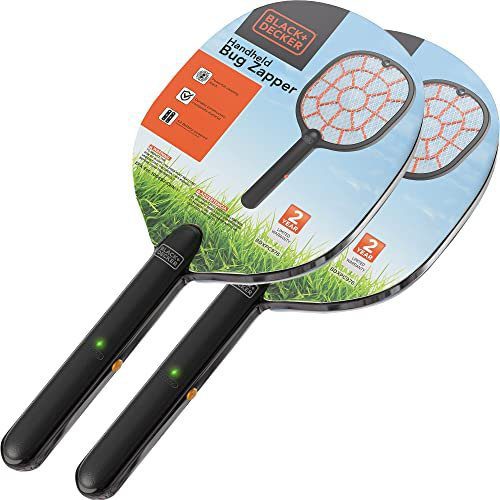
This electric fly swatter features a high voltage for effective fly control and is rechargeable, fitting the article’s focus on the best rechargeable options.
- Effective at quickly killing a variety of flying insects like flies, mosquitoes, and wasps
- Generally considered easy and even fun to use, with a familiar tennis-racket style design
- Battery-powered and non-toxic, avoiding chemical sprays and viewed as safe around kids and pets when used properly
- Effectiveness can vary with bug size, sometimes requiring multiple swats or being less reliable on larger insects
- Some users report build-quality or durability concerns, including grid design and long-term reliability
An electric fly swatter is basically a handheld, insulated frame holding a metal grid. When you press the activation button, the inner grid becomes energized. If an insect bridges two parts of the grid, current passes through the body and causes rapid incapacitation or death.
Most rechargeable rackets generate a high voltage (often advertised around 2,000 to 4,000 V) from a low-voltage battery using an internal inverter. What makes them generally safe for adults is that the current is very low and the contact is brief – still unpleasant, but typically not medically dangerous in normal use. This is also why “more volts” is not the whole story. Grid spacing, contact reliability, and battery stability often matter more than the biggest number on the box.
Think of it like a camera flash vs. a wall outlet
- High voltage can jump gaps and deliver a sharp shock.
- Current and duration determine how dangerous it is.
- Swatters are designed to limit current and require intentional activation.
Electric vs. standard swatters
A regular plastic swatter works, but it relies on direct impact. That can smear the fly on a surface, which is not ideal around food. Electric rackets often kill with a brief contact and less mess, and they can work mid-air when you catch a fly hovering.
Fast comparison
- Plastic swatter: no charging, very safe, but needs precise aim and can leave smears.
- Electric racket: bigger effective contact zone, often cleaner, but needs charging and safe handling.
What “effective” really means
Entomologists and public health guidance tend to agree on this practical point: electrocution tools are great for individual nuisance flies in small areas, but they do not replace sanitation and exclusion. Guidance aligned with integrated pest management principles, such as materials from the CDC’s vector control resources, consistently emphasizes removing breeding sites and preventing entry.
Best use cases for an electric swatter
- One-off flies in kitchens, living rooms, garages
- Patio meals where flies land repeatedly
- Quick knockdown before guests arrive
Not enough by itself
- Persistent daily flies
- Flies emerging from drains or trash areas
- Heavy infestations near livestock, dumpsters, or compost piles
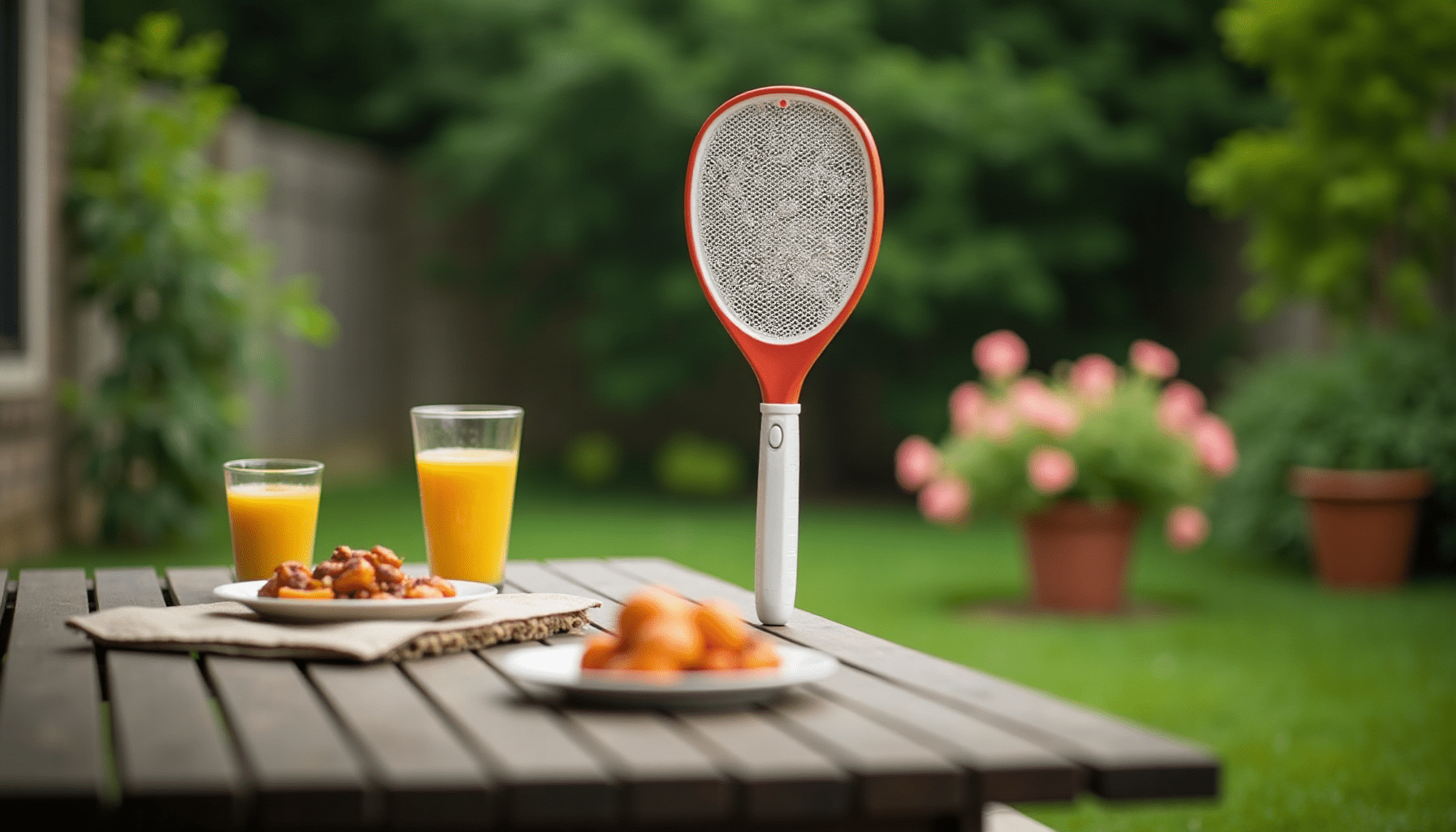
Choosing rechargeable options
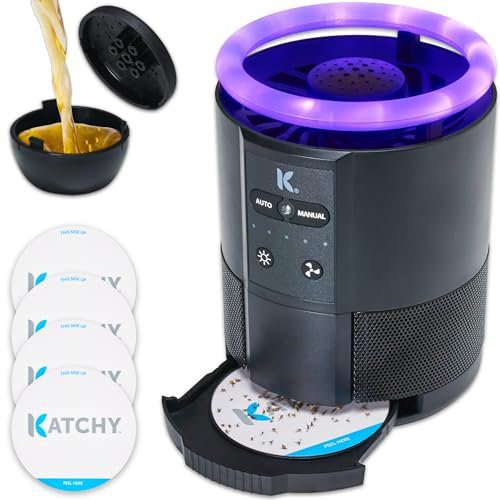
While not a traditional swatter, this indoor insect trap complements the fly control strategy by attracting and trapping flies, addressing the issue of breeding sites as discussed in the article.
- Effectively attracts and catches fruit flies, gnats, mosquitoes, and small flying insects, especially near plants or kitchen areas.
- Quiet, non-zapper operation with fan suction and sticky glue boards makes it easy to use indoors without loud snapping sounds.
- The scent pod plus UV light combo is praised for improving daytime and nighttime trapping coverage.
- Does not work well on larger house flies, so it is less effective as a general fly trap.
- Glue boards need regular replacement and the unit can get messy as insects build up.
Shopping for an electric fly swatter is oddly similar to shopping for a cordless drill. Specs matter, but comfort and build quality decide whether you actually use it.
Below are the buying factors that most often separate a “works for a month” racket from one you keep for seasons.
1) Voltage and real-world power
For typical indoor houseflies, 2,000 to 3,000 V is usually plenty. Higher-voltage models (3,000 to 4,000 V) can help with larger insects, but they can also increase:
- sparking and loud pops
- burnt odor
- charred residue on the grid
Voltage guidance
- Apartment or kitchen use: 2,000 to 3,000 V
- Patio, garage, bigger fliers: 3,000 to 4,000 V
- Skip extremes: marketing claims above that often do not translate into better fly control
2) Battery and charging
Rechargeable models reduce disposable battery waste and are easier to keep ready. Look for:
- Li-ion capacity: 600 to 1,200+ mAh
- Charging port: USB-C is more convenient than micro-USB
- Charge indicator: a clear LED status light helps prevent surprise dead batteries
Simple battery checklist
- Full charge time: typically 2 to 4 hours
- Store partially charged if unused for months
- Top up every few months for seasonal use
3) Safety features that actually matter
Most reputable designs use a three-layer grid: an outer safety mesh and an inner electrified mesh. This reduces the chance of fingers contacting the live grid.
Prioritize:
- master on/off switch
- press-and-hold activation button
- sturdy outer safety mesh that does not flex easily
If you have kids or pets
- Choose a model with a wall mount or charging base
- Store it high, like you would store scissors or a lighter
- Never leave it energized and unattended
4) Ergonomics and head size
A larger head is more forgiving, but it can feel clumsy in tight spaces near cabinets and curtains.
Quick fit guide
- Small rooms: medium head, lighter weight
- Outdoor meals: larger head for hovering flies
- Hand fatigue: choose textured grips and 250 to 300 g weight if possible
5) Durability and build quality
Bent wires and loose mesh cause arcing and failure. In reviews, the most common long-term issues are:
- grid deforming after drops
- charging port damage
- switches wearing out
Durability checks before buying
- Mesh looks taut and evenly spaced
- Frame does not flex easily when you twist it gently
- Charging port feels snug, not wobbly
Product style “cards” (choose your category)
-
Basic USB-rechargeable racket
- Best for: occasional indoor flies
- Watch out: inconsistent build quality
- Next step: buy two if you want one charging while one is in use
-
Higher-build racket with better mesh and grip
- Best for: weekly use in kitchens, patios, RVs
- Watch out: higher cost does not always mean higher voltage
- Next step: prioritize safety mesh and battery capacity over gimmicks
-
2-in-1 racket + docking zapper lamp
- Best for: patios or rooms where flies gather near lights
- Watch out: UV attraction is limited for many fly species
- Next step: use docking mode as backup, not the only control tool
How to use one safely
Most “it didn’t work” complaints come down to technique, timing, or a dirty grid. Flies are fast, but they are also predictable. They like edges, light, warmth, and food odors.
Step-by-step: better zaps with less mess
-
Charge it fully first.
A full initial charge helps performance and battery life. -
Approach slowly.
Flies detect fast motion. Move the racket into position like you are placing a lid, not swinging a bat. -
Use short, quick swings for hovering flies.
A tight wrist snap through the hover zone works better than a long arc. -
For resting flies, “pin” instead of “smack.”
Gently press the grid close to the fly on a wall or window. Do not grind it into paint or screens. -
Release the button before removing the insect.
Let the grid de-energize, then tap the racket lightly on a hard surface to dislodge the insect.
Cleaning and maintenance (what not to do)
Water is the easiest way to ruin a swatter. Moisture on the grid or inside the charging port can cause corrosion or shorts.
Safe cleaning routine
- Turn it off and unplug it.
- Use a dry brush or compressed air to remove debris.
- Wipe the frame with a slightly damp cloth, avoiding the grid and ports.
- Remove buildup regularly to prevent arcing.
Safety reminders
- Do not use near flammable vapors (grills, solvents, gasoline).
- Keep away from very young children.
- If someone in the home has a medical device like a pacemaker, follow the product warnings and consider using non-electric options.
Common myths to ignore
Myth: Higher voltage always wins.
Reality: once you hit the range needed for houseflies, design and battery quality matter more.
Myth: The racket attracts flies.
Reality: handheld rackets do not lure insects from far away. Some have lights, but you still have to bring the grid to the fly.
Myth: Zapping solves infestations.
Reality: it solves the symptom. You still need to fix the source.
Pair with IPM
If you want fewer flies next week, not just fewer flies right now, treat your swatter as the “last step” in an integrated plan. Integrated Pest Management (IPM) is simply a layered approach: remove what attracts pests, block entry, then use tools for the leftovers.
A simple fly IPM plan for homes
1) Sanitation (biggest payoff)
- Empty trash frequently and rinse sticky containers.
- Store fruit and produce properly.
- Clean under appliances where spills ferment.
- Pick up pet waste promptly.
2) Exclusion (stop new arrivals)
- Repair window and door screens.
- Add door sweeps if you see daylight under exterior doors.
- Seal gaps around vents and utility penetrations.
3) Passive tools (work while you sleep)
- Window sticky traps near sunny panes
- Baited traps outdoors, away from doors
- UV traps indoors when placed correctly (often best in darker areas)
For trap selection and placement, see Best Fly Traps for Indoor and Outdoor Use. If the issue is tiny flies around sinks and produce, start with Best Fruit Fly Traps: Effective Kitchen Solutions.
4) Targeted chemical options (only when needed)
In some situations – persistent flies from wall voids, severe outdoor sources, or sanitation limits – targeted baits or residual products may be appropriate. Always follow the label and keep products away from food areas.
For guidance grounded in public health practice, the U.S. Environmental Protection Agency’s pest control and safety resources outline safer approaches and why source reduction matters.
When to call a professional
Consider professional help if:
- flies are appearing daily despite sanitation and trapping
- you suspect a dead rodent in a wall or attic
- you are seeing clusters at windows in colder months (possible overwintering behavior)
- you live near livestock or commercial waste where sources are hard to control
A good technician will look for breeding sources and entry points, not just spray.
Conclusion
Rechargeable electric fly swatters are best viewed as fast, targeted tools for immediate relief. Choose one with a three-layer safety mesh, solid battery capacity, and comfortable handling – then pair it with sanitation, exclusion, and passive traps so you are not fighting the same flies every day.
Next step: set up one passive trap location and do a quick two-minute “breeding site check” around trash, drains, and pet areas. For more fly control options, review Best Fly Traps for Indoor and Outdoor Use and, if mosquitoes are part of the problem outdoors, use Best Mosquito Repellents: DEET, Picaridin & Natural Options alongside your racket for better bite prevention.
As an Amazon Associate, I earn from qualifying purchases. Product recommendations are based on real reviews and independent research.