Finding a good way to teach metamorphosis without turning it into a screen-only lesson can feel tricky. Butterfly garden kits solve that by letting kids observe a real life cycle up close, then connect it to gardening and pollinator conservation outside. This guide breaks down what’s inside typical kits, what to look for before you buy, and how to run the project so it’s both kid-friendly and responsible. You’ll also see how to address common ethical concerns and turn a short activity into longer-term nature learning.
Quick Answer: What are the best butterfly garden kits for kids?
The best butterfly garden kits for kids are the ones that use a common, region-appropriate species (often Painted Lady), include a tall reusable mesh habitat, and provide clear care instructions plus learning activities.
Use this quick checklist before you purchase:
- Species clarity: The kit should clearly name the butterfly (Painted Lady, Vanessa cardui, is common in kids’ kits).
- Habitat size: Aim for a mesh enclosure roughly 12-18 inches tall so adults can hang and expand their wings.
- Caterpillar timing: Decide between voucher kits (redeem later, pay shipping) vs live larvae included (higher upfront cost).
- Learning materials: Look for an observation journal, life cycle diagrams, or lesson prompts aligned with early life-science standards.
- Ethical care guidance: Minimal handling, proper feeding, and release after a few days of adult observation.
If you want the biggest learning payoff, pair the kit with a small pollinator planting using guidance like Essential Tips on How to Attract Pollinators to Your Garden.
Why butterfly garden kits work so well for STEM learning (and what kids actually learn)
A caterpillar doesn’t look like “science” to a child at first. Then it starts eating, growing, molting, and suddenly hanging in a J-shape. That moment flips a switch. Now you have a built-in reason to measure, record, predict, and explain.
Research syntheses in science education consistently find that hands-on and inquiry-based learning improves understanding and interest in K-8 science compared with lecture-only approaches. A meta-analysis in the Journal of Research in Science Teaching and a review in Educational Research Review both point to better conceptual learning when students actively investigate rather than only listen or read.
Butterfly kits map cleanly to early elementary life science standards because the life cycle is visible and time-bound. The Next Generation Science Standards include early-grade expectations around animal life cycles, heredity, and habitats, which makes metamorphosis projects an easy fit for classrooms and home educators.
Here’s what kids can learn from one kit, without adding anything fancy:
| STEM skill | What kids do with a kit | Simple output |
|---|---|---|
| Observation | Watch feeding, molting, and pupation | Daily sketches |
| Measurement | Estimate larval length (mm or inches) | Data table |
| Time tracking | Count days per stage | Bar graph |
| Cause and effect | Note how room temperature affects timing | Compare notes week to week |
| Communication | Describe changes in their own words | Short “science story” |
Practical takeaway: Treat the kit like a mini field study. A clipboard, pencil, and 3 minutes a day is enough to build real science habits.
To connect the project to broader pollinator learning, it helps to compare insects kids already know. For example, Honey Bee vs Bumble Bee: Discover the Key Differences Today makes a great companion read when children start asking why butterflies visit flowers too.
How butterfly garden kits work (step-by-step timeline and care basics)
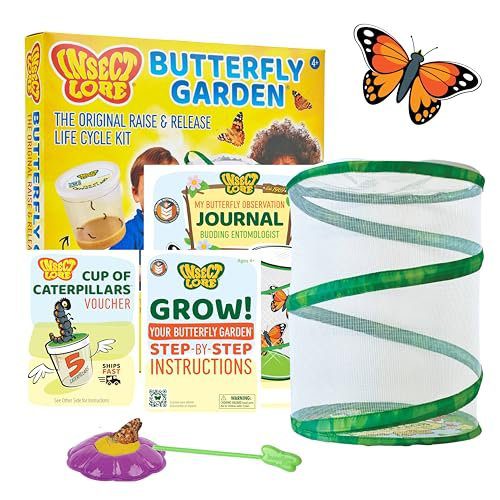
Insect Lore Raise and Release Butterfly Garden Kit – Caterpillar Habitat with redeemable Voucher – STEM-accredited Butterfly Growing Kit for Kids, Classrooms, and Homeschool Learning
This complete butterfly habitat kit includes everything needed for kids to learn about the butterfly life cycle, enhancing their gardening and observation skills.
Most butterfly garden kits for children follow the same structure, especially those built around Painted Lady butterflies (Vanessa cardui). Painted Ladies are widely distributed and relatively hardy, which is one reason they’re commonly used in educational rearing.
A typical kit includes:
- A reusable mesh habitat (often 11.5-18 inches tall)
- A cup containing caterpillars on a prepared diet, or a voucher to redeem later
- A chrysalis station or paper insert to hold chrysalides
- Basic instructions and often an activity guide
- Sometimes a small seed packet for planting
Below is the life cycle timeline you can plan around. Temperature matters, so think of this as a range, not a promise:
- Caterpillar stage (about 7-10 days): Larvae eat and grow quickly in the cup.
- Chrysalis stage (about 7-10 days): They pupate and develop inside the chrysalis.
- Adult stage (often 2-4 weeks total lifespan): Many families observe adults for a few days, then release.
A clear, parent-friendly walkthrough is shown in the Insect Lore Butterfly Garden video guide, and the company also explains its educational framing in the Insect Lore Butterfly Garden learning overview.
The care details that prevent most “kit failures”
Most problems come from a few predictable issues: overheating, jostling pupae, and feeding mistakes.
Use this quick care list:
- Do not open the caterpillar cup. It’s designed as a closed system until pupation.
- Keep at stable room temperature. Avoid direct sun, window sills, and HVAC vents.
- When chrysalides form, wait 24-48 hours before moving the lid to the habitat.
- Expect red droplets after emergence. That’s meconium, a normal waste product.
- Feed adults: a simple sugar-water mix (about 1:10 sugar to water) on a cotton ball or tissue, plus fruit slices like orange.
Practical takeaway: If you do only one thing, protect the chrysalis stage from bumps and sudden temperature swings. That’s the most fragile window.
What to look for when choosing butterfly garden kits (buyer’s checklist for parents and teachers)
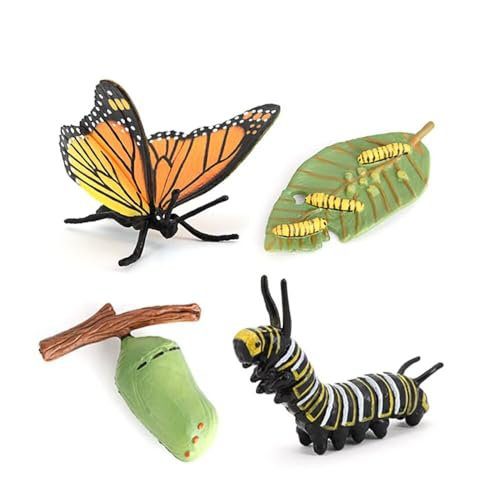
Butterfly Growth Cycle, Animal Growth Cycle Biological Model, Growth Stage Lifelike Butterfly Life Cycle Model Set for Kids Education Insect Themed Party Favors
This educational tool provides a visual representation of the butterfly life cycle, which can complement the hands-on experience of a butterfly garden kit.
Back to the Roots Organic Pink Mushroom Grow Kit, Harvest Gourmet Mushrooms In 10 Days
This kit allows children to grow their own butterflies and learn about their life cycle, making it a fun and educational gardening project.
Standing in front of a product page, it’s tempting to pick the cutest box. The better approach is to choose a kit that matches your local conditions, your schedule, and how you want children to learn.
Here’s a decision chart that makes the choice easier:
| What matters most | Choose this | Why |
|---|---|---|
| You want flexible timing | Voucher-based kit | Redeem when weather is suitable |
| You want instant start | Live larvae included | No waiting, but plan around delivery |
| You want reusability | Sturdy mesh habitat + replaceable larvae | Use the habitat again later |
| You want classroom structure | Kit with teacher guide or journal pages | Less prep for adults |
| You want simpler logistics | Common species + clear shipping limits | Fewer regional complications |
1) Species and “is it OK to release?”
A responsible kit should clearly identify the species and explain release guidance. Painted Lady butterflies are commonly used because they’re widespread and not tied to a single rare host plant, which keeps ecological risk low in many areas.
Avoid any kit that:
- Doesn’t clearly name the species
- Encourages large-scale releases for events
- Ships a species that may be non-native to your region without explanation
If your goal is conservation action, remember that habitat usually matters more than releasing a few captive-reared adults. Global assessments report many pollinators are threatened, with habitat loss and pesticides as major drivers. The IPBES assessment on pollinators, pollination and food production is a solid overview of why pollinators struggle and what helps.
Practical takeaway: Use a kit as the “spark,” then invest effort in planting and pesticide reduction. That’s where long-term benefits come from.
2) Habitat quality and butterfly welfare
Look for:
- Breathable mesh (not hard plastic)
- A height that allows butterflies to hang and fully expand wings
- A zipper that opens wide enough for feeding without crushing adults
Small enclosures are fine for short observation, but they’re not meant for long-term keeping. A good kit will say so clearly.
3) Shipping timing and temperature pauses
Live insects are sensitive cargo. Many suppliers pause shipping during extreme heat or cold. Plan for spring through early summer in most regions so release conditions are warm, dry, and calm.
If you’re buying for a classroom, build in a buffer week. Emergences don’t always line up with your calendar.
Practical takeaway: The “best kit” is often the one that arrives when you can actually release safely.
Ethical and ecological concerns (and how to do this responsibly)
Some families avoid butterfly kits because they worry it treats insects like disposable props. That concern is worth taking seriously, especially because kids absorb the unspoken lesson: “living things are for us.”
Animal welfare advocates have raised objections to mass-rearing and release, and they also suggest alternatives like outdoor observation and videos. A clear example is the TeachKind discussion of butterfly kit concerns and alternatives.
At the same time, entomologists and conservation scientists generally draw a line between:
- Small, carefully managed educational rearing of a common species (lower risk)
- Large-scale commercial releases (higher risk), which can raise disease and ecological concerns
Concerns about large releases and unintended impacts have been discussed in conservation literature, including work in Insect Conservation and Diversity.
A practical “responsible kit” code for families
If you choose to use a kit, these steps reduce risk and improve welfare:
- Keep numbers small. One kit is plenty for a household or classroom.
- Minimize handling. Observe, don’t touch.
- Maintain clean conditions. Don’t reuse cups or materials that contact frass or old diet.
- Release promptly. After a few days of adult observation, release in suitable weather.
- Pair it with habitat action. Plant nectar flowers and, if possible, host plants.
Here’s a quick weather-and-timing release checklist:
- Temperature: warm (around 60°F / 16°C or higher)
- Conditions: dry, low wind
- Timing: mid-morning to afternoon when butterflies can orient and fly
- Location: near flowering plants, away from heavy traffic areas
Practical takeaway: The most ethical version of this activity is short captivity, careful care, and a strong conservation follow-up.
If kids ask “Are butterflies endangered?” use it as a bridge to broader pollinator issues. Why Are Bees Endangered? Discover How You Can Make a Difference helps families connect individual actions to real-world conservation.
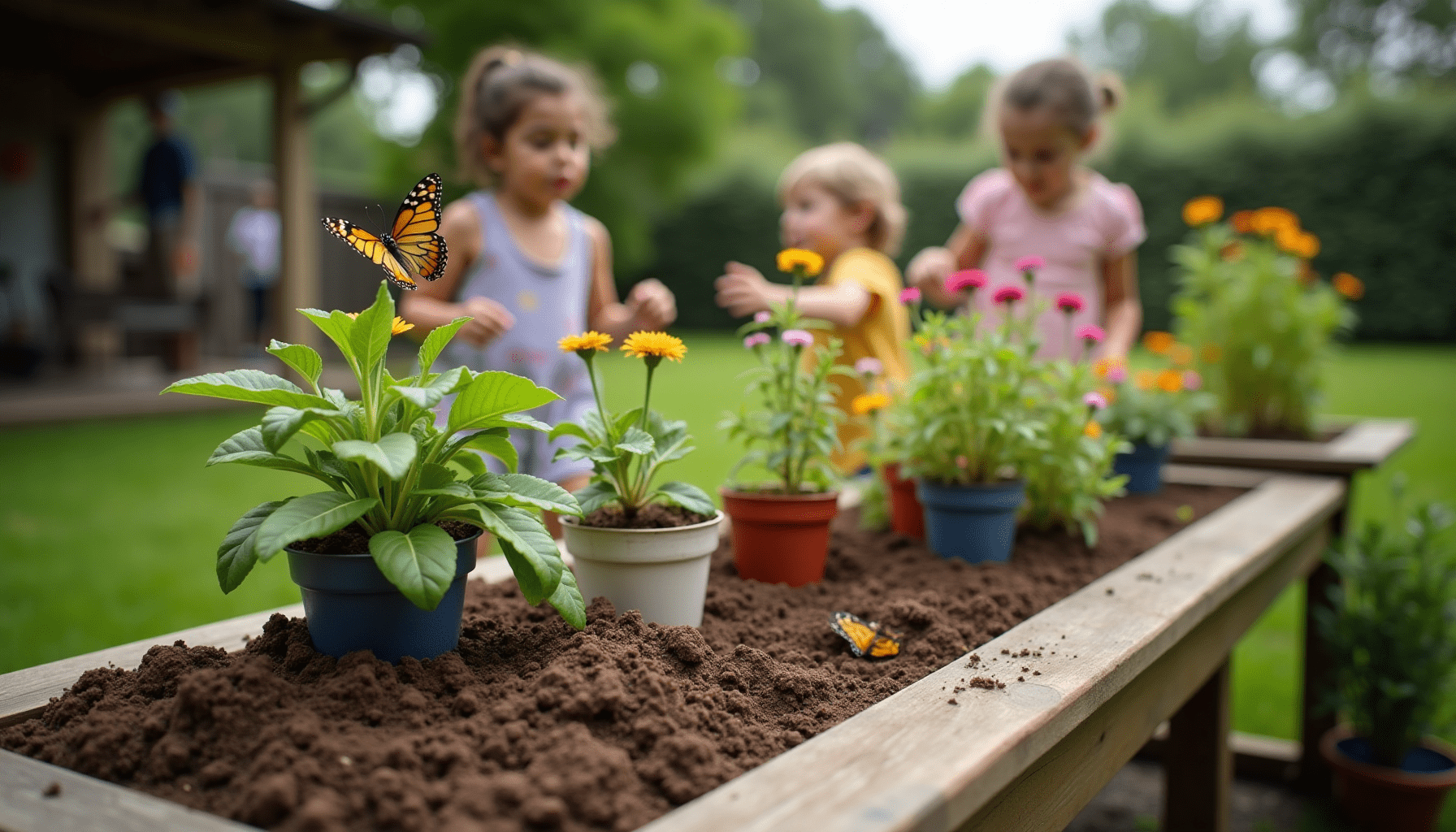
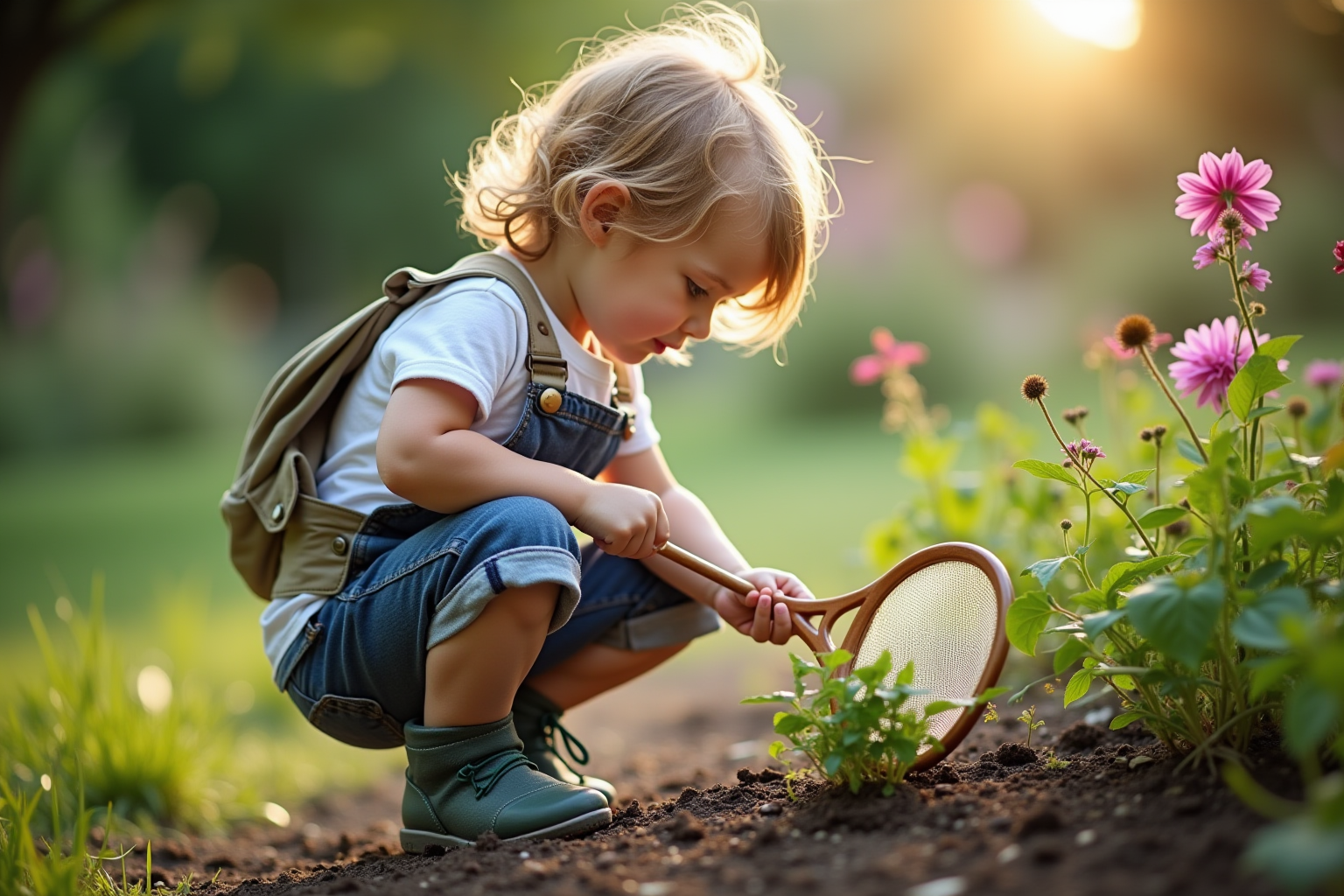
Turn a kit into kids gardening (and make the learning last past release day)
The most common disappointment with butterfly kits is that the project ends the day the butterflies fly away. The fix is simple: build a tiny garden plan around the same timeline as metamorphosis.
Even small urban and suburban gardens can support pollinators when they include nectar plants and, importantly, host plants for caterpillars. Research in Biological Conservation and Proceedings of the Royal Society B shows that small green spaces can contribute to pollinator diversity and habitat connectivity.
A kid-friendly butterfly garden plan (small space version)
You don’t need a big yard. A few containers work.
Use this simple layout:
- 1 large pot (12-16 inches wide): nectar flowers (choose region-appropriate options)
- 2 medium pots: staggered bloom times (early and late season flowers)
- 1 shallow dish with stones + water: a safe “puddling” spot
- Mulch or leaf litter corner: shelter for other beneficial insects
Then add one “science job” per child:
- Water monitor (checks soil moisture)
- Bloom tracker (records first flower dates)
- Visitor log keeper (counts butterflies, bees, and flies)
What to plant?
Plant choice depends on your region, but the rule is consistent:
- Nectar plants feed adults
- Host plants feed caterpillars
Seed packets included in some kits are a starting point, but they’re often generic mixes. For the best results, choose native plants recommended by local extension services or native plant societies.
Practical takeaway: If you do only one garden step, plant for continuous bloom. Butterflies need food across the season, not just release week.
Conclusion: A smart way to use butterfly garden kits
Butterfly garden kits can be a strong, memorable way to teach life cycles, observation, and basic data skills. The best results come from choosing a kit with a clear species label, a tall reusable habitat, and straightforward care instructions, then keeping the project respectful and short.
Next step: plan one small planting project so the lesson continues after release. Start with Essential Tips on How to Attract Pollinators to Your Garden, then broaden the conversation with Honey Bee vs Bumble Bee: Discover the Key Differences Today to help kids see how many different pollinators share the same habitat.
As an Amazon Associate, I earn from qualifying purchases. Product recommendations are based on real reviews and independent research.