When facing a garden full of thriving plants, the last thing any gardener wants to see is a sudden onslaught of pests. From nibbled leaves to stunted growth, insect invaders can quickly diminish your harvest and your gardening joy. Understanding how to effectively and safely use insecticides for vegetable gardens is key to protecting your hard work. This guide will walk you through the best organic and chemical options, emphasizing how to choose the right product and apply it responsibly to keep your vegetables healthy and your garden ecosystem balanced.
Bottom line: Protecting your vegetable garden from pests effectively and safely starts with Integrated Pest Management (IPM) strategies like resistant varieties and physical barriers. When insecticides are necessary, choose targeted options like neem oil or Bacillus thuringiensis (Bt) for organic control, or selective synthetic products for severe infestations. Always prioritize pollinator safety and follow label directions precisely.
Choose the right spray
Successfully managing pests in your vegetable garden requires a thoughtful approach, not just reaching for the nearest spray bottle. While insect damage is a common frustration, impacting home gardeners and contributing to significant crop losses globally, the solution isn't always a quick chemical fix. Surveys show that over 50% of home gardeners use pesticides, but often reactively, which can reduce effectiveness and harm beneficial insects, according to a multi-state U.S. survey. This highlights the importance of understanding which insecticides for vegetable gardens are truly effective and how to apply them correctly.
The scientific consensus, strongly supported by land-grant university extension services, emphasizes Integrated Pest Management (IPM) as the gold standard. This means insecticides should be a last resort, used only after non-chemical methods have been exhausted and pest numbers exceed your tolerance threshold. The goal is to select the least harmful, most targeted option available. Whether you lean towards organic solutions or consider synthetic options for severe issues, knowing the active ingredients, their mode of action, and their potential impacts is crucial for a healthy garden and a bountiful harvest.
Start without sprays
Before considering any insecticide, building a strong foundation with non-spray pest control methods can drastically reduce the need for chemical intervention. These methods are the first line of defense in an Integrated Pest Management (IPM) strategy, helping to prevent infestations and support a healthy garden ecosystem. Many of these strategies are simple to implement and yield significant results, making your garden more resilient to pest pressures.
Cultivating Resistance with Smart Plant Choices
One of the easiest ways to avoid pest problems is to choose plant varieties that naturally resist common pests and diseases. Many seed catalogs and nurseries offer cucumber, tomato, and squash varieties bred for specific resistances. Opting for these can significantly reduce the likelihood of needing to spray later in the season. Researching local extension recommendations for pest-resistant varieties suited to your region is a smart first step.
Physical Barriers: Your Garden's Shield
Floating row covers are lightweight fabric barriers that allow sunlight, air, and water to pass through while physically blocking insects from reaching your plants. They are particularly effective for protecting young plants from early-season pests like cabbage worms, flea beetles on brassicas, and cucumber beetles on squash. Remember to remove or open row covers when crops like squash need pollination to allow beneficial insects access to the flowers.
Sanitation and Crop Rotation for Long-Term Health
Good garden hygiene plays a vital role in pest prevention. Removing spent plants and garden debris eliminates overwintering sites for many pests and diseases. Additionally, practicing crop rotation—avoiding planting the same crop family in the same spot year after year—disrupts pest life cycles and reduces the buildup of soil-borne issues. For example, if you had tomatoes in a bed last year, plant beans or lettuce there this year.
Welcoming Beneficial Insects
Creating a welcoming habitat for beneficial insects is a powerful, natural pest control strategy. Lady beetles, lacewings, and predatory wasps are natural enemies of many common garden pests like aphids and caterpillars. Planting flowering strips and diverse plant species can attract these helpful insects. Avoiding broad-spectrum insecticides is also key, as these can harm beneficial populations, leading to secondary pest outbreaks. Learn how to attract pollinators to your garden to enhance biodiversity and natural pest control.
Organic options
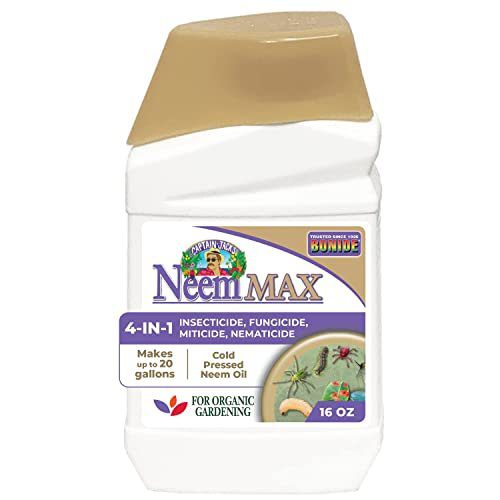
Neem oil is directly mentioned in the article as a key targeted option for organic pest control in vegetable gardens, effective against a wide range of pests.
- Effective at controlling a wide range of garden pests and plant diseases
- Works as a 4-in-1 product (insecticide, fungicide, miticide, nematicide), so reviewers like the versatility
- Many appreciate that it’s organic/plant-based and suitable for vegetables, flowers, houseplants, and drench/spray use
- Requires mixing/dilution, which some buyers find inconvenient
- Some reviewers report mixed results or that repeated applications are needed for stubborn infestations
When non-spray methods aren't enough, organic insecticides for vegetable gardens offer effective solutions while aligning with environmentally conscious gardening practices. It's important to remember that "organic" doesn't automatically mean "harmless." Many organic products are broad-spectrum and can still impact beneficial insects or aquatic life if misused. Always read and follow label instructions carefully.
Neem Oil & Azadirachtin
Neem oil, extracted from the neem tree (Azadirachta indica), is a versatile organic insecticide. It works primarily as a feeding deterrent and insect growth regulator, disrupting molting and reproduction in pests. It also has some contact toxicity to soft-bodied insects and mites. Neem is effective against aphids, whiteflies, leafhoppers, spider mites, and certain caterpillars. While generally less toxic to mammals and many beneficials, it works best preventively or at low pest levels and isn't a "rescue" spray for severe infestations. Apply neem oil (typically 1-2 tablespoons per gallon of water with a mild surfactant) to the undersides of leaves in the late evening or early morning to avoid foliage burn in hot sun.
Horticultural Oils
These lightweight, petroleum- or vegetable-based oils work by smothering eggs, larvae, and adult insects, blocking their gas exchange. Horticultural oils are effective against aphids, leafhoppers, spider mites, whiteflies, and scale insects. They have an extremely short residual, meaning minimal environmental persistence and low mammalian toxicity, making them compatible with organic systems. However, they are strictly contact-only, offering no residual protection. Apply thoroughly to all leaf surfaces, avoiding use in high heat or soon after sulfur-based fungicides to prevent phytotoxicity.
Insecticidal Soaps
Commercially formulated insecticidal soaps, made from potassium salts of fatty acids, disrupt insect cell membranes and desiccate soft-bodied pests. They are a go-to for aphids, whiteflies, mealybugs, thrips, and spider mites. Insecticidal soaps boast very low toxicity to humans and most vertebrates and are safe once dry. They are often recommended as a first-line treatment for aphids and mites by university extension services. The downside is that they only kill what they directly contact, requiring thorough coverage. Always use commercial products, as homemade dish soap mixes can be phytotoxic. Apply when temperatures are moderate to avoid leaf burn.
Bacillus thuringiensis (Bt)
Bacillus thuringiensis (Bt) is a naturally occurring soil bacterium that acts as a microbial insecticide. It is highly selective, only affecting the larvae of certain insects when ingested. The Bt var. kurstaki strain is particularly effective against caterpillars like cabbage worms, tomato hornworms, and loopers. Bt is safe for humans, pets, most beneficial insects, and pollinators, making it a favorite in organic gardening. However, it must be ingested by feeding caterpillars and degrades quickly in sunlight, often requiring reapplication after rain or every 5-7 days. Spray Bt on leafy crops when small caterpillars first appear.
Spinosad
Spinosad is a fermentation product of the soil bacterium Saccharopolyspora spinosa. It targets the insect nervous system, causing excitation, paralysis, and death. This "reduced-risk" insecticide is effective against chewing pests like leafminers, thrips, caterpillars, some beetles, and sawflies. While allowed in organic production, spinosad is highly toxic to bees and some beneficial insects when wet. To minimize risk, apply only when necessary, in the evening or early morning when bees are not active, and avoid spraying during bloom or directly on flowers.
Pyrethrum / Pyrethrin
Pyrethrum, extracted from chrysanthemum flowers, contains active compounds called pyrethrins. These botanical insecticides are neurotoxins that cause rapid knockdown paralysis in a broad spectrum of soft-bodied insects, including aphids, whiteflies, and some caterpillars and beetles. Pyrethrum provides quick action and is allowed in organic systems. However, it has a very short residual effect, often lasting only hours, and can be highly toxic to bees, fish, and aquatic invertebrates. Reserve pyrethrum for severe infestations or spot treatments, applying in the evening and avoiding blooms and runoff into water bodies.
Iron Phosphate Baits (for Slugs & Snails)
Slugs and snails can be major pests, especially on leafy greens and seedlings. Iron phosphate baits, combined with attractants in pellet form, are ingested by these mollusks, disrupting their feeding and leading to death over several days. These baits are considered safe for humans, pets, and most wildlife at labeled rates and are allowed in organic systems. They work best when combined with habitat modifications like reduced mulch and proper plant spacing. Scatter pellets around plants, rather than directly on leaves, and reapply after heavy rain.
Synthetic options
For gardeners who face severe pest infestations where organic or non-chemical methods have proven insufficient, synthetic insecticides for vegetable gardens can offer powerful solutions. However, their use requires even greater caution and a commitment to responsible application. Entomologists and extension services recommend using synthetic options sparingly, prioritizing selective products with lower mammalian toxicity and persistence to minimize harm to beneficial insects and the environment.
Neonicotinoids (e.g., Imidacloprid, Acetamiprid)
Neonicotinoids are systemic insecticides, meaning they are absorbed by the plant and distributed throughout its tissues, offering protection from within. They disrupt the insect nervous system and are highly effective against many sucking insects like aphids, whiteflies, and leafhoppers, as well as some beetles. While effective, neonicotinoids have been implicated in pollinator decline due to residues in nectar and pollen, and some are restricted or banned in certain regions. If available to homeowners, always follow local regulations, avoid use on blooming plants, and never exceed label rates.
Pyrethroid Insecticides (e.g., Bifenthrin, Permethrin, Cyfluthrin)
Pyrethroid insecticides are synthetic versions of natural pyrethrins, designed to be more stable and persistent. They are broad-spectrum neurotoxins that cause paralysis in many chewing and sucking pests, offering typical control for 7-10 days. These are widely available in home garden formulations. However, pyrethroids are highly toxic to fish, aquatic organisms, and often to beneficial insects, potentially leading to secondary pest outbreaks. Reserve these for serious, specific problems where targeted organic options have failed. Apply in calm conditions to prevent drift and observe buffer zones from water bodies.
Older Chemistries: Use with Extreme Caution
Many older synthetic chemistries, such as carbamates (e.g., carbaryl) and organophosphates (e.g., malathion), are increasingly restricted or removed from home garden labels due to concerns about human and environmental toxicity. These are generally not recommended as first-line options in home vegetable gardens and may not be available in many areas. Always check local regulations and consider less toxic alternatives first.
Common mistakes
Even with the best intentions, gardeners can inadvertently make mistakes when using insecticides for vegetable gardens. Avoiding these common pitfalls is as important as choosing the right product. Understanding these misconceptions can help you protect your plants more effectively, preserve beneficial insects, and ensure your garden remains a healthy, productive space.
Misconception 1: "Organic insecticides are harmless."
Reality: While derived from natural sources, many organic insecticides are still broad-spectrum. Products like spinosad and pyrethrin can kill beneficial insects, harm aquatic life if they run off into water bodies, or cause skin and eye irritation. The term "organic" refers to the product's source and regulatory status, not its lack of toxicity. Always treat all insecticides, organic or synthetic, with respect and follow safety precautions.
Misconception 2: "If a little works, more is better."
Reality: Overdosing insecticides does not increase their efficacy; instead, it significantly increases risks to your plants, yourself, beneficial insects, and the environment. Labels are legally enforceable documents that provide scientifically determined rates to optimize effectiveness while minimizing harm. Using more than recommended can cause phytotoxicity (plant damage), leave harmful residues, and contribute to pest resistance.
Misconception 3: "I should spray on a fixed schedule whether I see pests or not."
Reality: Some gardeners, influenced by older practices or online advice, might spray weekly as a preventive measure. However, scientific consensus, supported by the Purdue Extension, strongly advises against this. Routine, scheduled spraying can accelerate pest resistance, decimate beneficial insect populations (like ladybugs, which are crucial for natural pest control), and is rarely necessary in a home garden. IPM recommends scouting for pests and spraying only when pest numbers reach a damaging threshold.
Misconception 4: "Mixing several insecticides together makes them stronger and saves time."
Reality: Combining different insecticides or other garden chemicals in a "tank mix" can lead to unpredictable results. This practice can cause phytotoxicity, reduce the effectiveness of one or both products, or even create new, more hazardous compounds. Only mix products if their labels explicitly state that they are compatible, and always perform a small spot test on a few plants first to observe any adverse reactions.
Misconception 5: "If an insect is on my plant, I must kill it."
Reality: Not all insects in your garden are pests. Many are neutral, and a significant number are beneficial, acting as pollinators or predators of pest insects. For instance, ladybugs are voracious predators of aphids. Learning what do ladybugs eat? can help you appreciate their role. Even true pests might not warrant immediate action if their numbers are low and the plant can tolerate minor damage. Developing a tolerance for some insect presence is part of creating a balanced, resilient garden ecosystem.
Final picks
Navigating the world of insecticides for vegetable gardens can seem daunting, but with the right knowledge, you can protect your plants effectively and responsibly. The overarching principle for any successful garden pest management strategy is Integrated Pest Management (IPM), which prioritizes prevention and non-chemical controls before resorting to sprays. Remember that "organic" does not mean "harmless," and all products, whether natural or synthetic, require careful application according to label instructions.
By understanding the specific pests you're dealing with, choosing the most targeted product, and applying it at the correct time, you can minimize harm to beneficial insects and pollinators while ensuring a bountiful harvest. Regular scouting, proper sanitation, and fostering a diverse garden ecosystem are your best defenses. For persistent issues, don't hesitate to consult your local university extension service for tailored advice.
Continue your journey to a thriving garden by exploring more resources on InsectoGuide.com, such as How to Get Rid of Garden Ants Without Harming Plants or finding the Best Outdoor Ant Killers for Lawns & Gardens.
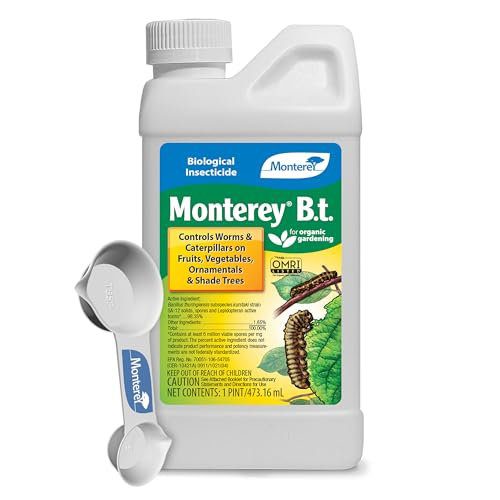
Bacillus thuringiensis (Bt) is explicitly recommended in the article as a targeted organic control for caterpillars and worms, crucial for protecting vegetable harvests.
- Very effective at controlling caterpillars, bagworms, hornworms and other worm pests on fruits, vegetables, ornamentals and trees when applied at first sign of infestation
- Organic-friendly biological insecticide (Bacillus thuringiensis kurstaki) that is OMRI-listed and generally regarded as safe for people, pets, wildlife and beneficial insects when used as directed
- Concentrate form is easy to mix (commonly 1 oz per gallon / 4 tsp per gallon) and a pint makes many gallons of spray, covering large areas and offering good value
- Requires repeated applications every few days or weekly while pests are active, which some users find labor-intensive
- Works only on certain larval (caterpillar/worm) stages and not on other insect types, so expectations must be managed and it can seem ineffective if used on the wrong pests or at the wrong time
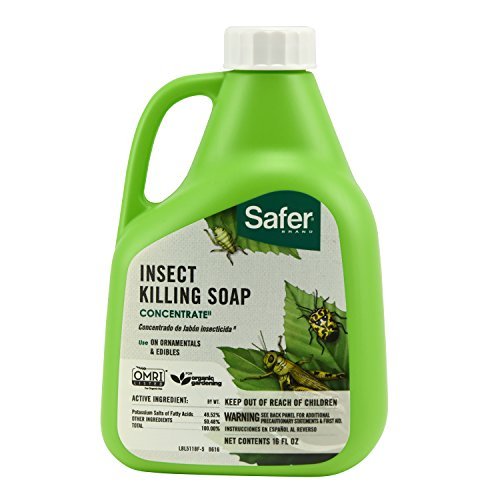
Insecticidal soap is a widely recognized organic solution for soft-bodied pests like aphids, mites, and whiteflies, aligning with the article’s focus on organic and safe pest control.
- Effectively kills a wide range of soft-bodied pests like aphids, spider mites, whiteflies, and mealybugs on contact
- OMRI-listed and considered safe for use on fruits and vegetables up to the day of harvest, making it popular with organic gardeners
- Concentrate form is easy to mix, economical (small bottle makes multiple gallons), and has little to no lingering odor
- Can cause leaf burn or plant damage if used on sensitive species, stressed plants, or in hot (>90°F) conditions, so directions must be followed carefully
- Requires thorough coverage and repeated applications every 7–10 days because it only works on contact and has no residual effect
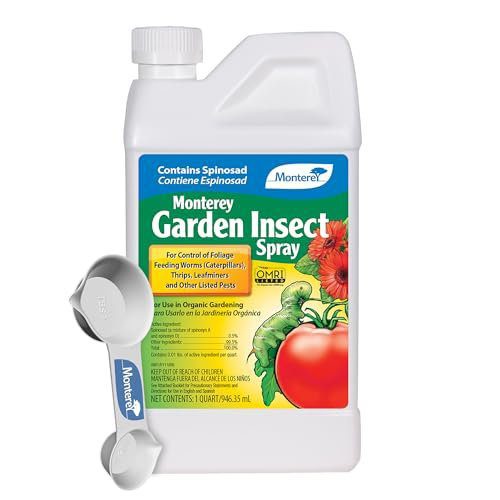
Spinosad is an organic-approved insecticide that offers a stronger, yet still targeted, option for a broader range of pests (including thrips, leaf miners, and caterpillars) when other organic methods might not suffice, fitting the ‘targeted options for organic control’ theme.
- Highly effective at controlling caterpillars, thrips, leafminers, and other chewing pests while being relatively safe for many beneficial insects when used correctly
- OMRI-listed spinosad concentrate suitable for organic gardening and labeled for use on a wide range of plants including vegetables, fruit trees, lawns, and ornamentals
- Easy to mix and apply with standard garden sprayers; concentration makes it economical because only a small amount is needed per gallon of water
- Can be harmful to bees and other pollinators if sprayed at the wrong time of day, so careful timing of applications is required
- Breaks down relatively quickly in sunlight and may require repeated applications, especially after rain or heavy irrigation, to maintain control
As an Amazon Associate, I earn from qualifying purchases. Product recommendations are based on real reviews and independent research.