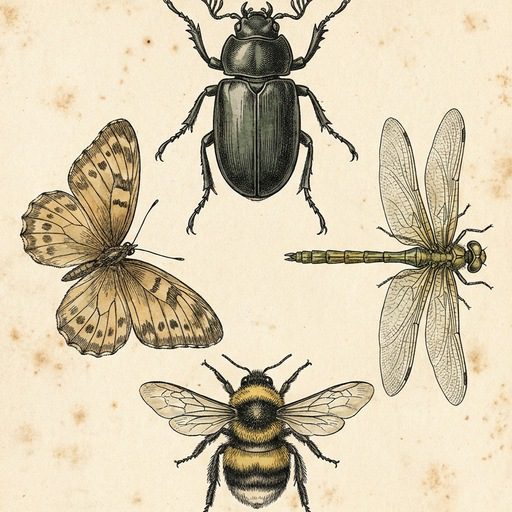
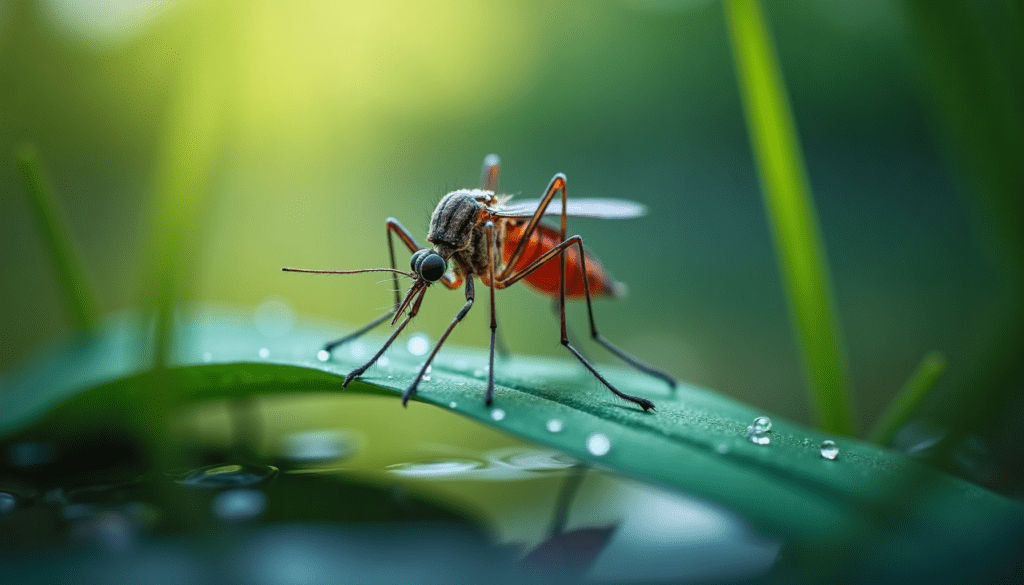
A great butterfly habitat is one that supports the whole life cycle – not just adult butterflies sipping nectar. If you are building butterfly habitats in a yard, school garden, or patio space, the winning formula is simple: plant the right host plants for caterpillars, add season-long nectar flowers, and provide sun, shelter, and pesticide-free growing conditions. Mesh cages can help too, especially when you want to protect eggs and larvae from predators, observe metamorphosis up close, or photograph butterflies without handling them.
Quick answer: what makes the best butterfly habitats?
The best butterfly habitats combine food, shelter, and safety for every stage (egg, caterpillar, chrysalis, adult). Use this checklist to get it right quickly.
Butterfly habitats checklist (snippet-friendly):
- Host plants (larval food): where eggs are laid and caterpillars feed (example: milkweed for monarchs)
- Nectar plants (adult food): clusters of blooms from spring through fall
- Sun + windbreak: 6+ hours of sun with shrubs, fencing, or tall plants as shelter
- Puddling spot: shallow damp soil or sand for minerals
- No pesticides: avoid sprays, dusts, and treated nursery plants
- Optional mesh cage: breathable fine mesh for airflow, predator exclusion, and safe pupation
If you are raising caterpillars, choose breathable mesh over sealed containers to reduce condensation and mold, and clean enclosures between batches.
What butterfly habitats really are (and why flowers alone are not enough)
Many people plant a few bright flowers, see a butterfly visit, and assume they have created a habitat. But butterflies do not raise families on nectar alone. Think of a real habitat like a complete neighborhood: it needs a nursery (host plants), a grocery store (nectar), and safe places to rest and transform.
Here is what a functional habitat must provide, stage by stage:
The life-stage needs that gardens often miss
Eggs
- Females lay eggs on or near specific host plants.
- Leaves must be clean and pesticide-free.
Caterpillars (larvae)
- Caterpillars often eat only a narrow range of plants.
- Monarch caterpillars, for example, require milkweed. Monarch females lay eggs on milkweed and larvae feed on it exclusively, a point emphasized in monarch conservation guidance from resources like Monarch Butterfly Garden.
Chrysalises (pupae)
- Many species pupate on stems, leaf litter, or nearby structures.
- They need still air, shade breaks, and protection from heavy rain and predators.
Adults
- Adults need nectar, sun for warming, and safe roosting spots.
- They also need water and minerals, often obtained by “puddling.”
Quick visual: habitat components and what they do
| Habitat component | Supports which stage? | What to include |
|---|---|---|
| Host plants | Eggs + caterpillars | Milkweed, parsley/dill/fennel, violets, native grasses |
| Nectar plants | Adults | Spring-to-fall blooms in clusters |
| Shelter | All stages | Shrubs, tall grasses, brushy edges, fencing |
| Pupation sites | Pupae | Stems, leaf litter, small twigs, protected corners |
| Moisture/minerals | Adults | Damp soil patch, shallow dish with sand |
| Pesticide-free zone | All stages | No sprays, no systemic insecticides |
Actionable takeaway: If you only add nectar flowers, you may attract adults temporarily, but you are unlikely to support breeding. To move from “butterfly feeder” to “butterfly habitat,” add host plants and leave a little wild structure.
If you are building a family-friendly space, pairing habitat plants with observation tools can keep kids engaged. The activity ideas in Best Butterfly Garden Kits for Kids fit especially well once eggs and caterpillars start appearing.
Mesh cages vs. open gardens: when each option makes sense for butterfly habitats
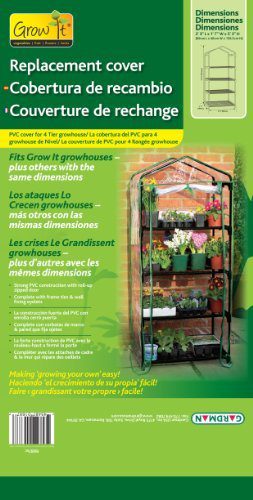
Gardman R687SC Replacement Cover for 4-Tier Mini Greenhouse
This greenhouse provides a safe environment for growing host plants and nectar plants, essential for creating a butterfly habitat.
An open garden is the gold standard for conservation because it supports butterflies in a natural setting and benefits many other insects at the same time. But open gardens also expose eggs and caterpillars to heavy predation and parasitism. That is where mesh cages can be useful – not as a replacement for habitat, but as a temporary protective layer.
When an open garden is the better choice
Choose an open, planted habitat when your goal is:
- Supporting many species (not just one)
- Creating a long-term pollinator space
- Avoiding the disease risks that can come with crowding insects in enclosures
Open gardens also help other pollinators. If you are planning a broader planting, the strategies in How to Attract Pollinators to Your Garden translate directly to butterflies, moths, native bees, and beneficial flies.
When a mesh cage is the smarter tool
Use a mesh cage when you need:
- Short-term protection for eggs and small larvae from predators and parasitoids
- A controlled space for classroom learning or family observation
- A safe area for pupation and adult emergence (wing expansion needs vertical space)
- A contained setup for insect photography without chasing or handling butterflies
Many monarch-rearing guides stress that cage design affects survival. Breathable cages reduce excess humidity and help prevent conditions that favor disease. Guidance like that from Monarch Butterfly Garden consistently warns that poor ventilation and damp buildup can increase mortality.
Comparison chart: mesh cage, pop-up habitat, or plastic container?
| Setup type | Best for | Pros | Watch-outs |
|---|---|---|---|
| Fine mesh cage (zippered) | Larvae to adult | Airflow, visibility, predator exclusion | Must be cleaned, can overheat in direct sun |
| Pop-up mesh habitat over a plant | Outdoor protection | Uses natural light and temps | Rain and wind exposure, needs secure anchoring |
| Plastic tub/jar | Eggs or tiny larvae short-term | Easy to contain first instars | Condensation, mold risk, poor airflow if sealed |
Actionable takeaway: Use gardens for the long game, and mesh cages for targeted protection and observation. Avoid sealed plastic containers for older larvae unless you can guarantee excellent ventilation.

Choosing a mesh cage: features that actually matter (and what to avoid)
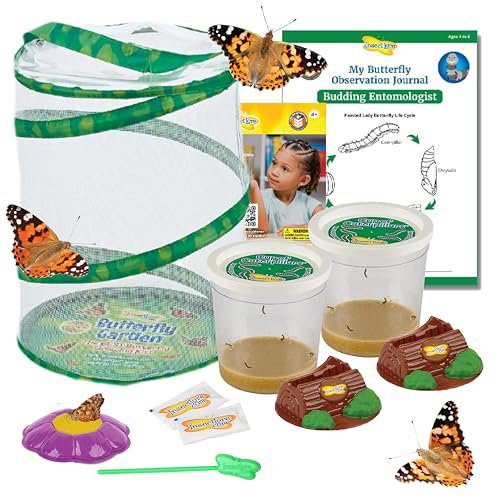
Insect Lore Butterfly Garden with 10 Live Baby Caterpillars – Habitat, Feeder, Chrys-A-Lid Holders, STEM Activity Journal – Raise and Release Painted Lady Butterflies
This kit allows users to raise caterpillars and observe their metamorphosis, which is perfect for butterfly conservation and education.
Zilla Tropical Habitat Accessory Kit, Starter Kit for Reptiles, Easy Start for Tropical-Dwelling Reptiles, Includes Lighting, Heating, Bedding and Food, Ideal for Size 10G Terrariums
This mesh cage provides a breathable environment for caterpillars and butterflies, protecting them from predators while allowing for observation.
Mesh cages look similar online, but small design differences can determine whether caterpillars thrive or struggle. The goal is to balance airflow, cleanliness, and protection from predators and parasitoids such as tachinid flies.
The non-negotiables for a good cage
Look for these features first:
-
Fine, breathable mesh
- Fine mesh helps exclude small threats.
- Breathability reduces condensation and mold.
-
Vertical height
- Aim for at least 18-24 inches (45-60 cm) tall for many common species.
- Emerging adults must hang and expand wings without touching surfaces.
-
Easy-access zipper or door
- You will be replacing food and removing frass daily.
- A wide opening reduces accidental escapes and wing damage.
-
Stable base
- A tipping cage can crush caterpillars or damage chrysalises.
- Flat bottoms are easier to line with paper for cleaning.
-
Cleanable materials
- Rearing guidance commonly recommends disinfecting between batches using a diluted bleach solution and allowing the cage to dry fully before reuse. Resources such as Refresh Living’s monarch cage guide highlight sanitation as a key part of successful rearing.
What to avoid (common failure points)
A few design traps cause repeat problems:
- Overly sealed plastic walls that trap moisture
- Rough seams or snaggy zippers that can catch wings
- Tiny cages for large instars that lead to crowding and constant contact with frass
- Outdoor placement in full sun where the cage becomes an oven
Quick sizing guide by life stage
| Life stage | Practical container | Notes |
|---|---|---|
| Eggs + 1st instar larvae | Small ventilated container | Prevents tiny larvae from wandering and getting lost |
| Mid instars (2nd-3rd) | Medium mesh cage | Better airflow, easier feeding |
| Large instars + pupae | Taller mesh cage | More space, cleaner conditions, safer emergence |
Actionable takeaway: Prioritize airflow and height over “pretty” design. If you can only upgrade one thing, upgrade ventilation.
Butterfly gardening: the plants that turn a yard into real butterfly habitats
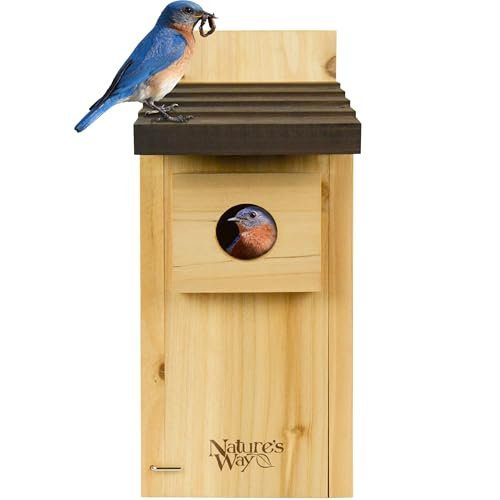
Nature’s Way Cedar Bluebird House for Outdoor Nesting, Predator Guard, Ventilated Design & Easy Access Clean-Out Panel, Natural Wood
This birdhouse can attract birds that help control pests in the butterfly habitat, creating a balanced ecosystem.
If mesh cages are the “nursery,” plants are the “food supply chain.” The best results come from pairing host plants (for caterpillars) with nectar plants (for adults), then repeating that pattern across the season.
Start with host plants (because caterpillars are picky)
Host plants determine which butterflies can reproduce in your space. A few common examples:
- Monarch (Danaus plexippus): milkweed (Asclepias spp.)
- Swallowtails (Papilio spp.): parsley, dill, fennel (and other hosts depending on species)
- Fritillaries: violets (Viola spp.)
- Skippers: many use native grasses
Monarch-specific guidance stresses milkweed availability because larvae feed heavily. A commonly cited rearing estimate is that a monarch caterpillar may consume around 20 milkweed leaves over development, which is why growers are advised to have abundant milkweed or fresh cuttings ready. Practical advice like this is discussed in Refresh Living’s monarch rearing resource.
Add nectar plants in clusters (make feeding efficient)
Butterflies burn energy fast. Clusters help them feed without spending extra time and risk moving between single plants.
Nectar plant traits to look for:
- Flat flower clusters or shallow blooms
- Long bloom windows
- Multiple plantings for spring, summer, and fall
Plan for sun, shelter, and “puddling”
Even perfect plants can underperform if conditions are wrong.
- Sun: many butterflies need warmth to fly effectively.
- Windbreak: shrubs, fences, or tall grasses reduce stress and wing wear.
- Puddling: a shallow damp patch (soil + sand) provides minerals.
Visual: simple seasonal habitat plan
| Season | What to add | Why it matters |
|---|---|---|
| Spring | Early nectar blooms + host plant growth | First adults need fuel and egg-laying sites |
| Summer | Peak nectar clusters + extra host plants | Most caterpillar growth happens now |
| Fall | Late nectar blooms + leave some leaf litter | Supports late flights and overwintering strategies |
Actionable takeaway: If you want more butterflies next year, plant for caterpillars this year. Host plants are the bottleneck.

Rearing caterpillars safely: feeding, cleanliness, and release timing
Watching a caterpillar become a butterfly is unforgettable. It can also go wrong quickly if airflow, hygiene, or crowding slip. The most common problems are preventable with a simple routine.
Feeding: keep host plants fresh and safe
Caterpillars do best with fresh leaves and clean stems.
- Use potted host plants when possible.
- If using cuttings, keep stems in water vials.
- Cover vial openings securely to prevent drowning.
If you are raising monarchs, plan ahead. Because larvae eat heavily, many rearing guides recommend having more milkweed than you think you need. That “20 leaves” rule of thumb helps families avoid the last-minute scramble.
Cleanliness: your best defense against disease
Captive conditions can concentrate pathogens. Entomologists and rearing specialists repeatedly emphasize sanitation.
Daily cage routine (5-10 minutes):
- Remove frass (droppings) and wilted leaves.
- Replace any moldy material immediately.
- Check for lethargic or discolored larvae and isolate if needed.
- Wipe obvious wet spots and improve airflow.
Between batches:
- Disinfect the enclosure and tools, then let everything dry fully before reuse. Many hobby protocols use a diluted bleach solution, as described in Refresh Living’s monarch cage guidance.
Space and life-stage separation: avoid the “big eats all” problem
Overcrowding is a quiet killer in rearing setups.
- Larger instars can outcompete smaller ones.
- Mixed sizes make it harder to keep food available for everyone.
- High density increases stress and disease spread.
Rule of thumb: keep similar sizes together, and move large larvae to a bigger mesh cage before they start wandering to pupate.
Outdoor vs indoor rearing: a practical compromise
Some guidance notes that monarchs raised outdoors may retain more natural cues than those raised fully indoors. Outdoor placement (porch, screened patio) can offer natural light and temperature cycles, but you must prevent overheating, rain exposure, and predator access. The discussion around indoor risks and cage conditions is covered well by Monarch Butterfly Garden.
Actionable takeaway: If you rear caterpillars, treat it like food safety. Fresh food, dry conditions, and clean surfaces prevent most losses.
Insect photography in habitats and cages: better images with less stress
Butterflies are photogenic, but they are also easy to damage. A mesh enclosure can act like a small studio that keeps the subject safe and gives you repeatable lighting and angles.
Why mesh cages work for photography
A cage helps you:
- Avoid chasing butterflies through vegetation
- Reduce handling that can rub off wing scales
- Photograph behaviors like feeding, molting, and eclosion
- Control backgrounds with simple inserts (dark cloth, neutral card)
Simple setup for sharp, natural-looking shots
Try this repeatable method:
- Place the cage in bright shade or use diffused window light.
- Add a single nectar bloom or host leaf as a “stage.”
- Use a plain background behind the cage for contrast.
- Shoot in the morning when many butterflies are calmer.
- Skip harsh flash at close range when possible.
Quick gear and settings cheat sheet (beginner-friendly)
| Goal | Lens/setting | Tip |
|---|---|---|
| Close-up detail | Macro lens or macro mode | Focus on the eye, not the wing edge |
| Reduce blur | Faster shutter | Stabilize elbows or use a tripod |
| Natural color | Diffused light | Avoid direct midday sun glare |
Actionable takeaway: The best butterfly photos come from patience and good light, not from grabbing wings. A mesh cage gives you both.
Key takeaways: building butterfly habitats that actually work
Butterflies reward good planning. When the habitat supports every life stage, you will see more than quick visits – you will see courtship, egg-laying, caterpillars, and fresh adults.
Remember these essentials:
- Real butterfly habitats require host plants + nectar plants, not flowers alone.
- Keep everything pesticide-free, including nursery plants that may be treated.
- Mesh cages are tools for protection, observation, and photography, not replacements for planted habitat.
- Prioritize airflow, cleanliness, and space if you rear caterpillars.
- Plant in clusters and plan blooms across the seasons for steady adult feeding.
A practical next step is to map your yard or patio by sun exposure, then choose 1-2 host plants and 3 nectar plants that bloom at different times. For broader pollinator impact, pair your butterfly plan with guidance from How to Attract Pollinators to Your Garden and learn how other species are affected in Why Are Bees Endangered?.
As an Amazon Associate, I earn from qualifying purchases. Product recommendations are based on real reviews and independent research.