Tired of thrips destroying your plants? Learn how to effectively get rid of thrips in your garden with our expert tips, natural remedies, and proven control methods. Protect your plants today!
Finding tiny, slender insects causing damage to your beloved plants can be frustrating, especially when those pests are thrips. These minute garden invaders, often no more than 2 millimeters long, can quickly spread through your garden, distorting leaves and deforming flowers. Fortunately, you can effectively get rid of thrips and protect your plants with a combination of vigilant monitoring and targeted strategies. This guide will walk you through identifying these elusive pests and implementing a comprehensive plan to manage them, ensuring your garden thrives.
Reading garden leaf damage is the fuller treatment of the shape of the hole.
Bottom line: To effectively get rid of thrips in your garden, start with physical removal and cultural controls. Regularly spray plants with strong water jets, prune infested growth, and use blue sticky traps for monitoring and capture. For persistent issues, apply insecticidal soap or spinosad, ensuring thorough coverage and repeated applications. Always prioritize methods that preserve beneficial insects to maintain a healthy garden ecosystem.
Identify thrips
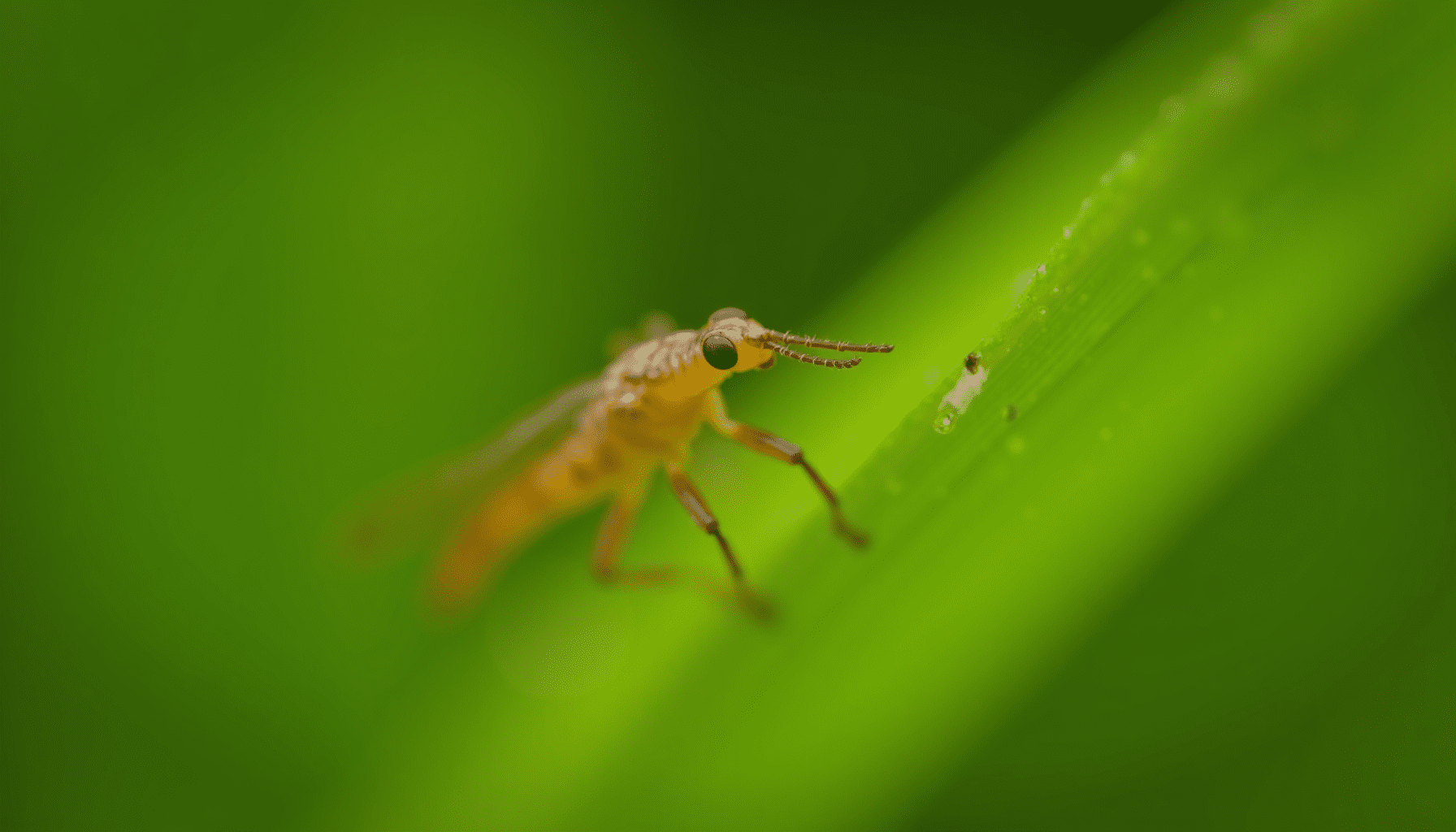
Thrips are masters of disguise, often hiding deep within flower buds or new leaf folds, making them hard to spot until damage is evident. Knowing what to look for is the first step in effective thrips control.
Key Signs of Thrips Infestation:
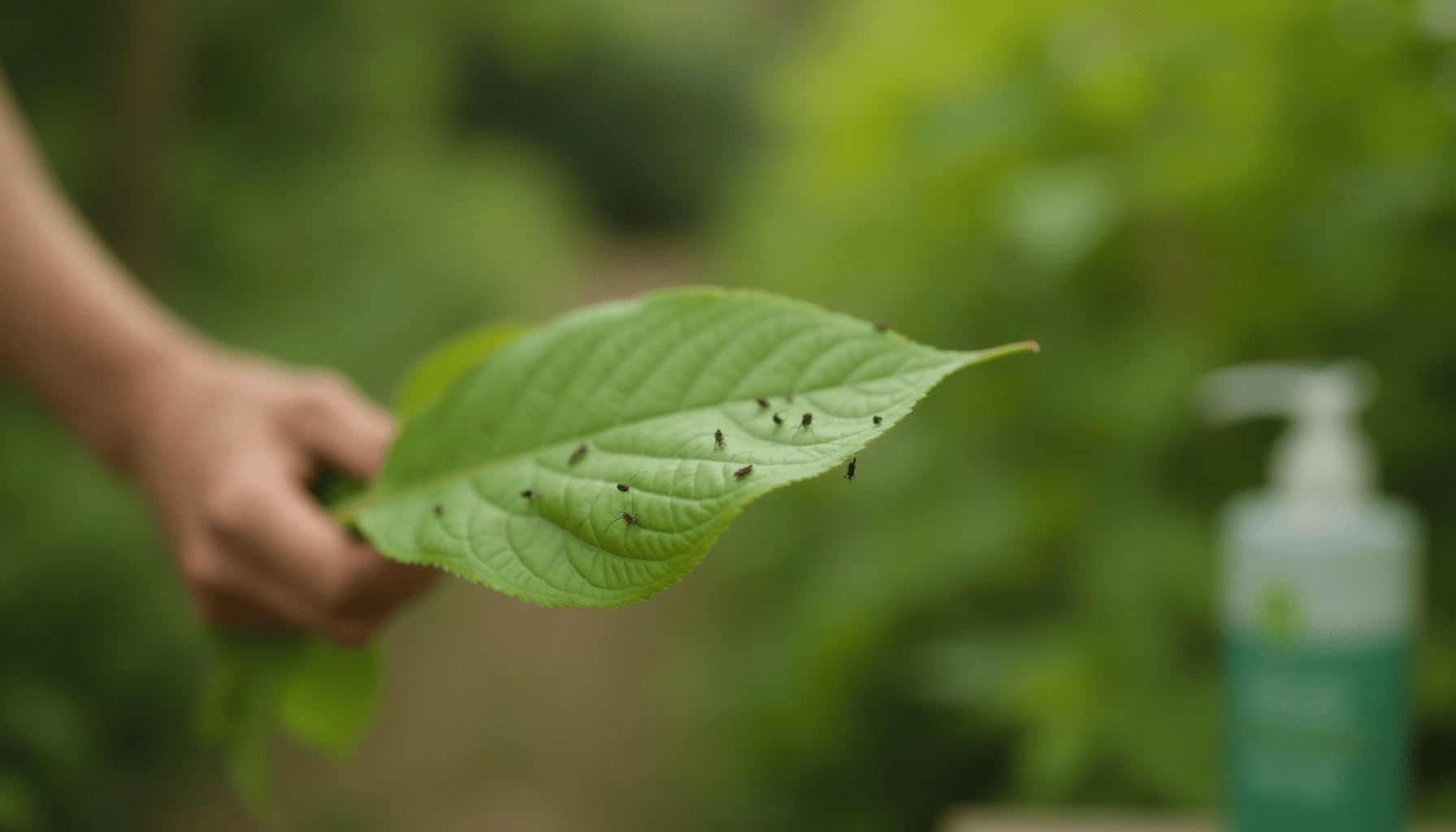
- Silvery or Bronze Streaking: Thrips feed by rasping plant cells and sucking out the contents. This leaves behind distinctive silvery, bronze, or bleached streaks on leaves, often with tiny black "tar spots" (their fecal droppings).
- Distorted New Growth: Young leaves, especially on ornamental plants and vegetables, may appear curled, stunted, or otherwise deformed.
- Deformed Flowers: Flowers might fail to open properly, have brown edges, streaks, or drop prematurely. You might notice petals with a "papery" texture.
- Scarring on Fruits: On developing fruits like peppers or cucumbers, thrips feeding can cause rough, corky, or scarred patches.
How to Confirm Thrips Presence:
- The White Paper Test: Hold a white piece of paper or a plate under a suspicious leaf or flower. Gently tap or shake the plant. If thrips are present, tiny, narrow, fast-moving "dashes" will fall onto the paper. This is one of the easiest ways to confirm an infestation, as recommended by the University of Maryland Extension.
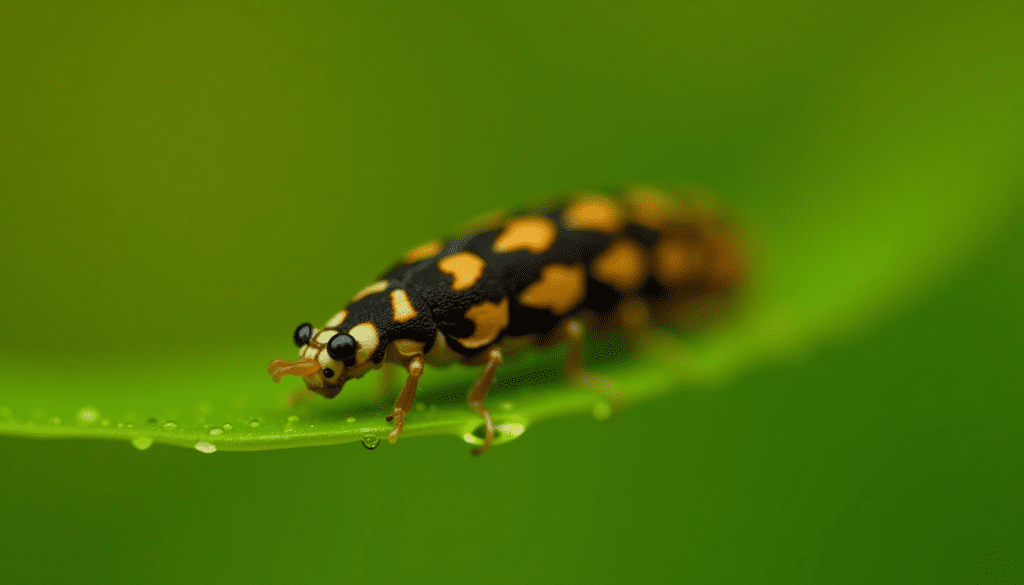
- Magnification: Use a magnifying lens (10x-20x) to examine affected areas closely. Adult thrips are slender, often yellow, brown, or black, with narrow, fringed wings. Nymphs (immature thrips) are paler and wingless.
Understanding these signs and confirmation methods is crucial for early detection, allowing you to implement thrips treatment before populations explode.
Why control is hard
Thrips are a persistent challenge for gardeners due to several biological traits that make them difficult to eradicate completely. While getting rid of thrips entirely from an outdoor garden is often unrealistic, the goal is to reduce their populations and minimize damage to an acceptable level.
Factors Contributing to Thrips' Resilience:
- Tiny and Cryptic Nature: At just 0.5–2 mm long, thrips are incredibly small and can easily hide in tight spaces like flower buds, leaf folds, and under sepals, making them hard to reach with sprays.
- Rapid Life Cycle: Thrips have a remarkably fast life cycle, often completing a generation in just 2–3 weeks under warm conditions. Females can reproduce without males (parthenogenesis), leading to rapid population growth and overlapping generations. This means you might have eggs, nymphs, and adults all present at once, requiring repeated treatments to target different life stages.
- Protected Pupal Stages: Many thrips species have inactive "pupal" stages that occur in the soil or leaf litter, shielding them from topical insecticides.
- Broad Host Range: Many thrips species are generalists, feeding on a wide variety of plants, including vegetables, fruits, and ornamentals. This makes it challenging to remove all potential food sources.
- Virus Transmission: Beyond direct feeding damage, some thrips species, notably the Western flower thrips (Frankliniella occidentalis) and onion thrips (Thrips tabaci), are notorious vectors of plant viruses like Tomato spotted wilt virus (TSWV). This secondary damage can be far more destructive than direct feeding, as highlighted by the UC Statewide IPM Program.
- Pesticide Resistance: Thrips can quickly develop resistance to many insecticides, especially when broad-spectrum chemicals are overused. This makes an Integrated Pest Management (IPM) approach essential for long-term thrips control.
These characteristics mean that a single treatment is rarely enough to get rid of thrips. A multi-pronged, consistent approach is necessary for effective management.
Control plan
Entomologists and gardening experts strongly recommend an Integrated Pest Management (IPM) approach for thrips. This strategy combines several methods to manage pests while minimizing risks to humans, beneficial insects, and the environment.
1. Monitoring and Thresholds
Regular inspection is the cornerstone of any effective pest control strategy.
- Weekly Checks: During warm seasons, inspect your plants at least weekly. If you've had thrips problems before, check more frequently.
- Focus on Vulnerable Areas: Pay close attention to flower buds, open blooms, new growth at shoot tips, and the undersides of leaves, especially in the upper canopy.
- Decide When to Act: If you find only light infestations and minimal damage, start with non-chemical steps. Gardens can often tolerate some level of pest activity without significant harm. Act decisively when populations are building or damage becomes noticeable.
2. Cultural Controls: Prevention is Key
These practices make your garden less attractive and hospitable to thrips, reducing the likelihood of severe infestations.
- Proper Watering: Thrips thrive in warm, dry conditions. Ensure your plants are adequately watered to keep them resilient. While avoiding overhead irrigation that can promote fungal diseases, ensure roots don't dry out excessively. The Missouri Botanical Garden emphasizes this point for overall plant health.
- Avoid Over-Fertilizing: Excess nitrogen promotes lush, tender new growth, which thrips find highly appealing. Use slow-release or organic fertilizers and always follow label rates.
- Weed Management: Many weeds can harbor thrips and plant viruses. Keep garden beds well-weeded and surrounding areas mowed to reduce alternative host plants.
- Reduce Plant Stress and Overcrowding: Provide adequate spacing between plants to improve air circulation. Avoid planting against hot, reflective surfaces like bare walls or concrete, which can stress plants. Stressed or crowded plants are more vulnerable to pests.
- End-of-Season Sanitation: After the growing season, remove and destroy crop residues and heavily infested plants. Do not compost them if thrips were abundant, as pupae and eggs can overwinter in debris.
- Crop and Cultivar Choice: If a particular plant is consistently devastated by thrips, consider rotating to less susceptible crops or choosing resistant varieties in the future.
3. Mechanical & Physical Controls
These hands-on methods offer direct ways to reduce thrips populations without chemicals.
- Strong Water Jets: For small gardens and individual plants, a forceful spray of cold water can physically dislodge thrips from leaves, especially the undersides and within flowers. Repeat this every 2-3 days for a couple of weeks to significantly reduce numbers.
- Pruning Infested Parts: Carefully cut off and destroy (do not compost) any heavily infested leaves, stems, or flowers where thrips are concentrated. This removes a significant portion of the population.
- Blue or Yellow Sticky Traps: Thrips are strongly attracted to blue sticky cards. Place these traps just above the plant canopy to monitor for thrips activity and capture adult insects. While they won't eliminate a large infestation, they can help reduce adult numbers and provide early warning.
- Reflective Mulches: Laying aluminum foil or silver reflective mulches around plants can disorient and repel thrips, reducing their ability to land and feed. This is particularly useful in vegetable beds to deter virus-vectoring thrips.
- Soil Disturbance: After removing infested vegetable plants, lightly till the soil. This can expose thrips pupae to predators, birds, and harsh weather conditions, disrupting their life cycle.
Biological control
Biological control focuses on using natural enemies to manage pest populations. In home gardens, this often means conserving existing beneficial insects rather than purchasing and releasing them, though releases can be effective in contained environments like greenhouses.
- Encourage Natural Enemies: Plant a diverse array of flowering species, such as umbellifers (dill, cilantro), asters, and mints. These provide nectar and pollen, essential food sources for many beneficial insects and parasitoids. Avoiding broad-spectrum insecticides is crucial, as they often kill beneficials more effectively than the target pests, leading to pest resurgence.
- Key Beneficials for Thrips Control:
- Predatory Mites (Amblyseius and Amblydromalus species): These tiny mites actively feed on thrips larvae, especially effective in greenhouses or high tunnels.
- Minute Pirate Bugs (Orius species): These small, fast-moving predators are voracious feeders on thrips in flowers and foliage, as noted by the UC Statewide IPM Program.
- Other Generalist Predators: Predatory thrips, lacewings, lady beetles, and spiders also contribute to natural thrips suppression. To learn more about attracting beneficial insects, check out our guide on Beneficial Insects: 20 Bugs You Want in Your Garden.
For most backyard gardeners, creating a diverse, pesticide-free environment is the best way to support a healthy population of natural enemies that will help keep thrips in check.
Targeted treatments
Chemical control should always be considered a last resort in an IPM plan for getting rid of thrips. When necessary, prioritize low-toxicity, selective products, and always read and follow label directions carefully, ensuring the product is approved for your specific plant type and use site.
Low-Toxicity/Contact Options (First Line of Defense):
These products work primarily by direct contact and offer temporary suppression rather than complete eradication.
- Insecticidal Soaps: These disrupt the cell membranes of thrips, effective on exposed nymphs and adults. Success depends on thorough coverage, reaching all leaf undersides and flower parts. The Missouri Botanical Garden suggests spraying every 3 days for 2 weeks for outdoor thrips.
- Horticultural Oils (including some Neem-based products): These smother and disrupt insects. Like soaps, they require thorough coverage. Apply in mild weather, avoiding high temperatures (often above 85°F / 29°C) to prevent plant damage (phytotoxicity).
- Spinosad: Derived from soil bacteria (Saccharopolyspora spinosa), spinosad is a selective insecticide that works by both contact and ingestion. It is widely recognized as one of the most effective selective products for thrips. Apply in the evening to minimize risk to pollinators and follow label rates, repeating in 5–7 days if needed. The UC Statewide IPM Program highlights its effectiveness.
- Other Organic Products: Diatomaceous earth can be abrasive to insects, best used on dry surfaces. Some neem formulations containing azadirachtin offer growth-regulating and feeding-deterrent effects.
Systemic and Broad-Spectrum Options (Last Resort):
These options come with significant caveats due to their potential environmental impacts.
- Systemic Insecticides (e.g., Imidacloprid): While systemic products can be effective because thrips feed within plant tissues, many universities and environmental agencies now warn about their impacts on pollinators and other beneficial organisms. Their use, especially on flowering plants, is often restricted or discouraged in home landscapes. Always check local regulations and consider the ecological consequences before using them.
- Other Contact Insecticides: Products containing pyrethrins or synthetic pyrethroids (like bifenthrin) can kill thrips but are also highly disruptive to beneficial insects. Their use can lead to pest resurgence and promote insecticide resistance. For garden thrips, experts advise minimizing their use in favor of more selective options.
When considering any chemical thrips treatment, remember that the goal is always to protect your plants while preserving the overall health of your garden ecosystem.
Indoor vs outdoor
While this guide focuses on garden thrips, it's worth noting that thrips can also affect houseplants. Understanding the differences in approach can help prevent them from moving between your indoor seedlings and outdoor beds.
- Indoor Plants:
- Increase Humidity: Thrips prefer dry air. Grouping plants, using pebble trays, or humidifiers can make your indoor environment less appealing to them.
- Isolation: Immediately isolate any infested plants to prevent thrips from spreading to healthy ones.
- Physical Removal: Use sticky traps, prune infested leaves, and apply repeated sprays of insecticidal soap or spinosad solution, ensuring thorough coverage, especially on leaf undersides.
- Outdoor Plants:
- Integrated Approach: Focus heavily on cultural controls, strong water sprays, and biological control to maintain a balanced ecosystem.
- Pollinator Protection: When applying any sprays, do so in the late evening to reduce risk to pollinators, and avoid spraying open blooms.
Common myths
Understanding the reality behind common thrips myths can help you adopt more effective pest management strategies.
- Myth 1: "Thrips are too small to cause real damage."
- Reality: While tiny, large populations of thrips can cause severe deformation of leaves and flowers, and some species are major vectors of plant viruses. This can lead to significant yield loss and quality reduction in edible crops and ruin the aesthetic value of ornamentals.
- Myth 2: "If I spray once, I'll get rid of thrips."
- Reality: Thrips have multiple life stages, including protected pupae in the soil. A single spray rarely solves the problem. Effective control requires repeated treatments and a combined approach using cultural, mechanical, biological, and, if necessary, chemical methods.
- Myth 3: "Any insecticide will work; stronger is better."
- Reality: Many broad-spectrum insecticides kill beneficial insects more effectively than thrips, leading to pest resurgence and promoting resistance. Selective, low-toxicity options, used as part of an IPM plan, are more effective and sustainable in the long run.
- Myth 4: "Neem or 'natural' products are always harmless."
- Reality: Even organic or natural products can harm beneficial insects, cause plant damage (phytotoxicity) if misused, or impact aquatic life. Always read and follow label instructions for any product, natural or synthetic.
- Myth 5: "If I can't see insects, it must be a nutrient problem."
- Reality: Thrips are tiny and often hidden. Silvery or bronze streaking on leaves, especially with tiny black specks, is a classic sign of thrips, not necessarily a nutrient deficiency. A close inspection or the white paper test can help differentiate.
- Myth 6: "Thrips only affect certain plants."
- Reality: While some thrips specialize, many species have a very wide host range, attacking a vast array of vegetables, fruit crops, ornamentals, and even weeds.
Final checklist
Successfully managing thrips in your garden requires patience, vigilance, and a commitment to Integrated Pest Management. By understanding their life cycle, identifying damage early, and employing a layered approach that prioritizes cultural, mechanical, and biological controls, you can significantly reduce thrips populations and protect your plants. Remember, the goal is not total eradication, but rather to maintain thrips populations at a level where they cause minimal harm. A healthy, diverse garden ecosystem with plenty of beneficial insects is your best defense against these tiny but tenacious pests.
For more tips on maintaining a healthy, pest-resistant garden, explore our guides on How to Get Rid of Garden Ants Without Harming Plants and Best Mosquito Repellent Plants for Your Garden.
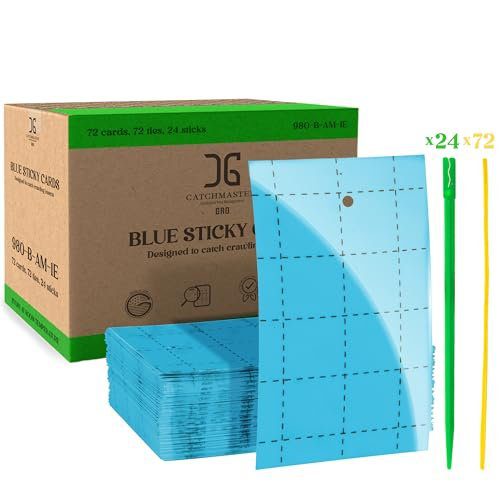
The article explicitly recommends using blue sticky traps for monitoring and capturing thrips as part of an effective control strategy.
- Effectively captures small flying plant pests like fungus gnats and whiteflies in greenhouses, gardens, and indoor grow setups
- Cards are double‑sided, water‑resistant, UV‑resistant, and non‑toxic, making them durable for indoor/outdoor use
- Easy to deploy around plants (hanging or staking) and come in a large 72‑count pack that lasts a long time
- Sticky surface can be messy to handle and may adhere to gloves, tools, or nearby surfaces during setup
- Some users feel the cards are smaller or less heavy‑duty than expected for larger infestations
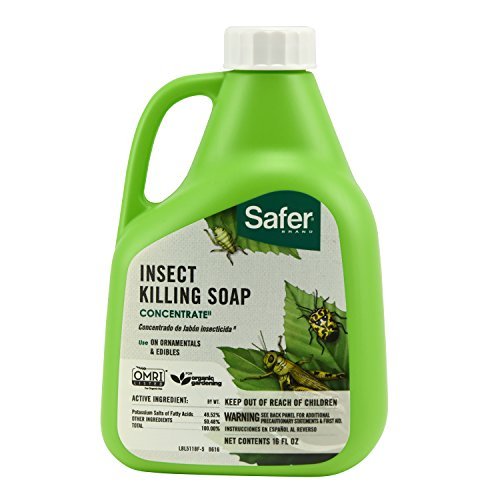
The guide suggests applying insecticidal soap for persistent thrips issues, emphasizing thorough coverage and repeated applications.
- Effectively controls a wide range of soft-bodied pests like aphids, whiteflies, spider mites, and thrips when sprayed thoroughly on contact
- OMRI-listed and considered suitable for organic gardening, so many gardeners feel comfortable using it on fruits, vegetables, and ornamentals up to day of harvest
- Concentrate format is economical since a 16 oz bottle makes multiple gallons of spray, providing good coverage for the price
- Requires direct contact and repeated applications (every few days or weekly) for best results, which some users find labor-intensive or initially disappointing if they expect a residual effect
- Can cause leaf burn or plant stress if used on sensitive plants, in high heat, or at too strong a concentration, so some reviewers report damage when label directions aren’t followed closely
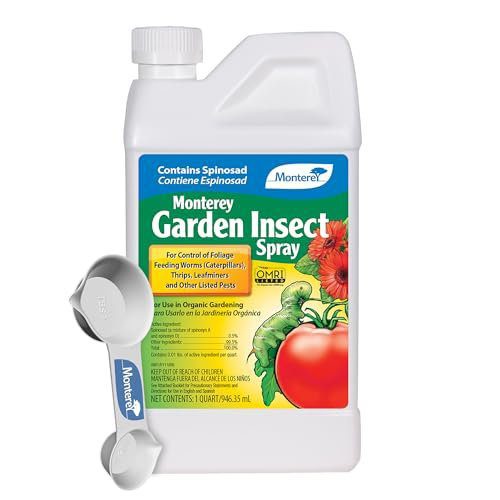
Spinosad is recommended in the article as a targeted treatment for persistent thrips problems, offering an effective control method.
- Very effective at controlling caterpillars, thrips, leafminers, and other chewing insects on vegetables, fruit trees, and ornamentals
- OMRI-listed spinosad formulation that many gardeners consider safe for organic gardening and relatively gentle on most beneficial insects when used correctly
- Concentrate is easy to mix and apply with common garden sprayers, allowing economical coverage of larger areas
- Requires careful timing and repeated applications because spinosad breaks down relatively quickly in sunlight and after rain
- Can still be harmful to bees and some beneficial insects if sprayed at the wrong time of day or directly on pollinators
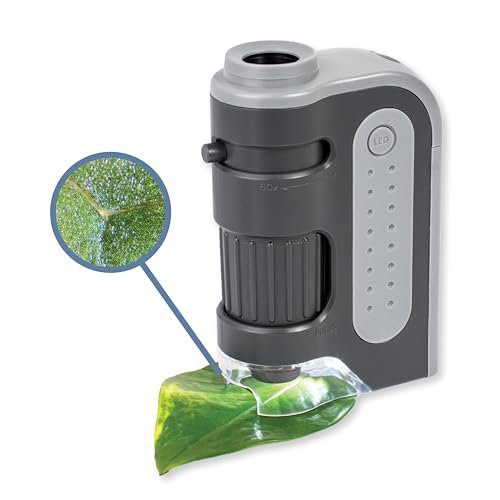
The article advises using a magnifying lens (10x-20x) to confirm the presence of thrips, making a portable microscope an ideal tool for early and accurate identification.
- Very strong magnification (60–120x) in a compact, lightweight pocket-sized design that is easy to carry anywhere
- Built‑in LED illumination and aspheric optics provide a bright, clear image for viewing coins, plants, bugs, and other small objects
- Simple to operate and powered by a single AA battery, making it convenient and kid‑friendly as an educational STEM tool
- Very short focal distance requires placing the microscope directly on or very close to the subject, which some users find tricky to use and keep steady
- Works best for flat or stationary objects; can be difficult to view curved, moving, or larger subjects due to the high magnification and small field of view
As an Amazon Associate, I earn from qualifying purchases. Product recommendations are based on real reviews and independent research.