Are you noticing strange, immobile bumps on your plant stems or leaves? You might be dealing with scale insects, a common and persistent plant pest that can severely damage your beloved greenery if left unchecked. These tiny sap-suckers can be tricky to spot and even harder to eliminate, but with the right approach, you can effectively get rid of scale insects and restore your plants to health. This comprehensive guide will walk you through identifying these pests, understanding their lifecycle, and implementing natural, low-toxicity methods for effective control and prevention.
Bottom line: To effectively get rid of scale insects, you need a multi-pronged approach that combines physical removal with targeted treatments. Start by isolating infested plants and manually removing visible scales. Follow up with repeated applications of insecticidal soap or horticultural oil, focusing on the vulnerable crawler stage. Consistency is key, as one treatment is rarely enough to break their life cycle.
Identify scale
Recognizing scale insects is the first critical step in managing an infestation. These pests are masters of disguise, often mistaken for natural growths or imperfections on plants. Scale refers to a diverse group of small, sap-sucking insects (superfamily Coccoidea) that protect themselves under a waxy or hard shell. They are closely related to aphids and mealybugs, and like their cousins, they feed on plant sap, leading to a host of problems.
There are two main types of scale insects that home gardeners commonly encounter:
- Soft Scales (e.g., brown soft scale, Coccus hesperidum): These scales are typically dome-shaped or oval and produce a sticky substance called honeydew. Their protective covering is part of their body and cannot be easily separated.
- Armored Scales (e.g., San Jose scale, Quadraspidiotus perniciosus): These scales have a hard, detachable, shell-like covering that is separate from their body. They generally do not produce honeydew.
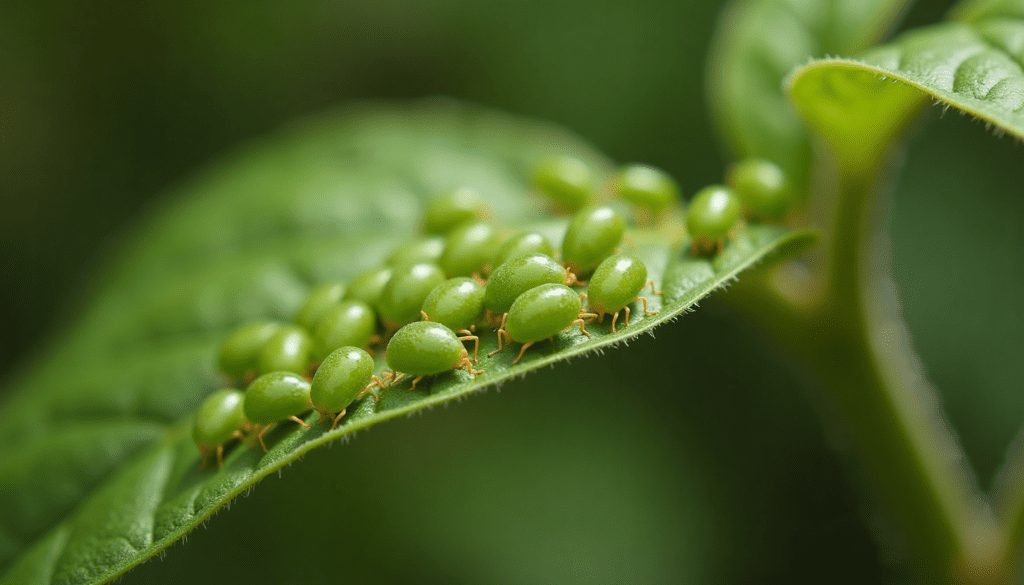
You'll typically find these tiny, immobile bumps or blisters on stems, leaf undersides, or along leaf veins. Their colors can vary widely, from brown, tan, white, and gray to black, often blending in with the plant tissue. Unlike aphids or mites, they do not move when disturbed.
Signs of a Scale Infestation:
- Visible Bumps: The most obvious sign is the presence of small, raised, often oval or circular bumps on stems, leaves (especially undersides), and even fruit.
- Sticky Residue (Honeydew): If you have soft scales, you'll notice a clear, sticky substance on leaves and surrounding surfaces. This honeydew is excreted by the scales as they feed on sap.
- Sooty Mold: Honeydew often leads to the growth of black, velvety sooty mold. While the mold itself doesn't directly harm the plant, it can block sunlight, reducing photosynthesis and making the plant look unsightly.
- Yellowing Leaves: As scale insects feed, they drain the plant's vital fluids, causing leaves to yellow, wilt, or drop prematurely.
- Stunted Growth or Dieback: Heavy infestations can lead to stunted plant growth, twig dieback, and in severe cases, the death of entire branches or plants.
- Ants: Ants are often attracted to the honeydew produced by soft scales and may even "farm" them for this sweet treat. If you see ants crawling on your plants, it's a good indicator to check for sap-sucking pests like scale. For more on this relationship, you might find our guide on How to Get Rid of Garden Ants Without Harming Plants helpful.
Quick Identification Test:
Gently scratch one of the bumps with your fingernail or a toothpick. If it flakes off like a scab and reveals soft tissue or a hollow shell underneath, it's likely a scale insect. If it's firmly attached and feels like part of the plant, it might be a natural growth. A magnifying glass can help you observe the details of the "shell" and confirm if it's an insect.

IPM strategy
Successfully getting rid of scale insects requires more than just a single treatment; it demands a strategic, long-term approach known as Integrated Pest Management (IPM). This method emphasizes prevention, monitoring, and using the least toxic control options first, reserving conventional pesticides as a last resort. Research-based sources, such as the University of California Statewide IPM Program, consistently recommend an IPM strategy for effective and sustainable pest control.
Here's how to apply IPM principles to manage scale insects:
-
Cultural Control (Prevention): Healthy plants are more resilient and less susceptible to pest infestations.
- Proper Care: Ensure your plants receive adequate water, appropriate light, and balanced nutrition. Avoid over-fertilizing with nitrogen, which can promote tender new growth that attracts sap-sucking pests.
- Reduce Stress: Drought-stressed or otherwise unhealthy plants are more vulnerable to scale attacks.
- Quarantine New Plants: Always isolate new plants for 2-3 weeks before introducing them to your collection. Inspect them weekly for any signs of pests, including scale crawlers.
- Good Air Circulation: For indoor plants, ensure good airflow to reduce humidity and stress.
-
Mechanical/Physical Control (First Line of Defense): These methods involve directly removing the pests.
- Manual Removal: For small infestations, you can physically scrape or rub off scales with your fingers, a soft cloth, a soft toothbrush, or a cotton swab dipped in 70% isopropyl alcohol.
- Pruning: Heavily infested branches or leaves should be pruned and disposed of in the trash (not compost) to prevent further spread.
- Water Spray: Outdoors, a strong jet of water from a hose can dislodge many soft scales, especially crawlers.
-
Biological Control (Nature's Allies): Outdoors, natural enemies play a crucial role in keeping scale populations in check.
- Beneficial Insects: Lady beetles (like the mealybug destroyer, Cryptolaemus montrouzieri), parasitic wasps, and lacewings are natural predators of scale insects. Avoiding broad-spectrum insecticides helps preserve these beneficial insects. To learn more about these helpful allies, check out our guide on What Do Ladybugs Eat?.
- Habitat: Encourage beneficial insects by planting diverse flowering plants and avoiding harsh chemicals.
-
Chemical Control (Targeted Treatment): When other methods aren't enough, specific low-toxicity treatments can be used.
- Target the Crawlers: The most vulnerable stage of scale insects is the "crawler" stage – tiny, mobile nymphs that hatch from eggs and move to new feeding sites before settling down and forming their protective shell. This is the ideal time to apply contact sprays like insecticidal soap or horticultural oil.
- Careful Product Selection: Choose products specifically labeled for scale insects and your type of plant. Prioritize insecticidal soaps and horticultural oils due to their lower toxicity.
- Follow Label Directions: Always read and strictly follow product label instructions for mixing, application, and safety precautions.
By combining these strategies, you create a robust defense against scale insects, protecting your plants while minimizing environmental impact.
Low-toxicity treatments
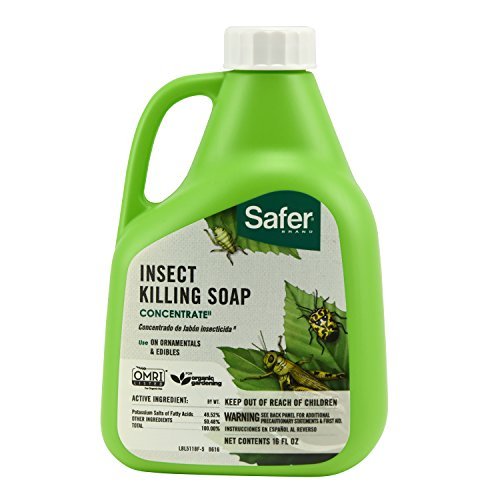
This insecticidal soap concentrate is explicitly recommended in the article as a ‘targeted treatment’ for ‘repeated applications’ to effectively eliminate scale insects using a low-toxicity method.
- Effectively kills a wide range of soft-bodied pests like aphids, spider mites, whiteflies, and mealybugs when sprayed to full coverage
- OMRI-listed and considered safe for use on fruits, vegetables, and ornamentals up to the day of harvest, fitting well with organic gardening
- Concentrated formula is economical, with a 16 oz bottle making up to 6 gallons of spray solution
- Requires direct contact and thorough coverage to work, so multiple repeat applications are often needed for good control
- Can cause leaf burn or stress if used on sensitive plants, on new transplants/cuttings, or in high temperatures, so directions must be followed carefully
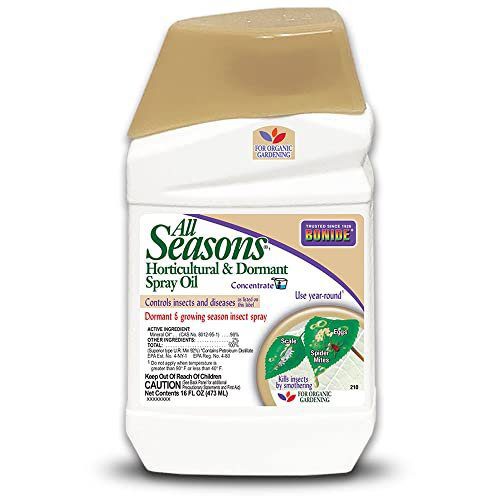
Horticultural oil is directly mentioned as a key ‘targeted treatment’ for ‘repeated applications’ to control scale insects, aligning with the article’s focus on effective and low-toxicity solutions.
- Effectively controls a wide range of garden pests (aphids, mites, scale, mealybugs, etc.) and diseases like powdery mildew and rust when used as directed
- Can be used year-round (dormant and growing season) on many types of plants, including fruits, vegetables, ornamentals, and shrubs
- Mineral oil formula is approved for organic gardening and is considered a safer, resistance-proof alternative to many synthetic insecticides
- Some users report a very unpleasant odor during and shortly after application
- A portion of reviewers feel it does not kill as many insects as expected or requires multiple applications for noticeable results
When cultural and mechanical controls aren't enough, turning to natural and low-toxicity treatments is the next step in an IPM strategy. These options are generally safer for people, pets, and beneficial insects, making them ideal for home gardeners. However, even "natural" products require careful application and adherence to label instructions.
1. Manual Removal & Cleaning
For small infestations, especially on houseplants, direct removal is highly effective:
- Wipe or Scrape: Use your fingers, a soft cloth, or a soft toothbrush to gently rub or scrape off the visible scale insects.
- Alcohol Swabs: Dip a cotton swab in 70% isopropyl (rubbing) alcohol and dab it directly onto each scale. The alcohol helps dissolve their waxy coating and kills them on contact. Be careful not to drench sensitive leaves, and avoid direct sunlight after application until the alcohol evaporates.
- Clean Honeydew and Sooty Mold: After removing the scales, wipe down leaves and stems with a damp cloth to remove any sticky honeydew or sooty mold. This improves the plant's appearance and allows for better photosynthesis. Some gardeners add a small amount of mild dish soap to the water for extra cleaning power.
2. Insecticidal Soaps
Commercial insecticidal soaps are a popular and effective low-toxicity option for controlling soft-bodied pests like scale crawlers.
- How They Work: Insecticidal soaps disrupt the cell membranes of soft-bodied insects, causing them to dehydrate and die. They are contact killers, meaning they must directly hit the pest to be effective.
- Application Tips:
- Use a product specifically labeled as "insecticidal soap" for plants; household dish soaps can be too harsh.
- Mix according to label directions.
- Spray thoroughly, ensuring complete coverage of all plant surfaces, especially leaf undersides and stem crevices where scales hide.
- Apply when temperatures are moderate (below 80°F/27°C) and avoid direct hot sun to prevent leaf burn.
- Repeat applications every 7-10 days are often necessary to catch successive waves of newly hatched crawlers.
3. Horticultural Oils
Horticultural oils, including mineral-based "superior" or "ultra-refined" oils and some plant-based oils, are highly effective against scale insects, eggs, and crawlers.
- How They Work: Oils smother pests by blocking their breathing pores (spiracles). They are particularly good at penetrating the waxy or hard coverings of scale insects.
- Application Guidance:
- Always choose a horticultural oil product labeled for your specific plant type (e.g., indoor ornamental, fruit tree).
- Mix and apply precisely according to the label instructions. Over-concentration can damage foliage.
- For houseplants, protect furniture and floors, as oils can leave residues.
- Outdoors, avoid applying during temperature extremes (very hot or freezing) or to drought-stressed plants.
- Timing is crucial: apply when scale crawlers are most active for maximum effectiveness.
4. Neem Oil
Neem oil is a plant-derived product often recommended for organic pest control, acting as both a contact smothering agent and, in some formulations, a feeding deterrent and insect growth regulator.
- Effectiveness: Like other oils, neem oil works best as a contact killer, suffocating pests. Its insecticidal properties (azadirachtin) can disrupt insect feeding and growth, but this is less pronounced in the diluted sprays typically used by home gardeners.
- Use:
- Follow label directions carefully, as neem products can vary in concentration and formulation.
- Apply thoroughly to all plant surfaces, ensuring good coverage.
- Light sprays every 10-14 days can be used as a preventive measure on plants near an infested one.
- Always test on a small, inconspicuous part of the plant first to check for sensitivity.
Remember, consistency and thoroughness are paramount when using any of these treatments. Multiple applications over several weeks are almost always required to break the scale insect life cycle.
Stronger help
While natural and low-toxicity methods are often sufficient for managing scale insects, there are situations where conventional insecticides or professional intervention might be necessary. It's crucial to understand when and how to use these options responsibly, especially considering their potential impact on the environment and non-target organisms.
Indoor Plants
For houseplants, entomologists generally advise starting with manual removal, insecticidal soaps, or horticultural oils. Systemic insecticides are a more potent option but come with caveats:
- Limited Use: Systemic products, which are absorbed by the plant and make its sap toxic to feeding insects, are typically recommended only for specific species like soft brown scale and only if the product is explicitly labeled for indoor use on that particular plant.
- Safety Precautions: If you opt for a systemic, ensure good ventilation during and after application. Keep children and pets away from treated plants until dry. Always read and strictly adhere to the product label, as it is a legal document outlining safe and effective use.
- Edible Plants: Avoid using systemic insecticides on edible indoor plants unless the product is specifically labeled for such use, and you are comfortable with the implications.
Outdoor Plants
Managing scale insects on outdoor plants, particularly large trees or shrubs, can be more challenging due to size and environmental factors.
- Contact Insecticides: Products containing pyrethrins can kill scale crawlers and some adults on contact. However, these are broad-spectrum and will also harm beneficial insects like lady beetles and parasitic wasps, which are important natural enemies of scale.
- Systemic Insecticides (Outdoor): For stubborn infestations on woody ornamental trees and shrubs where spraying is impractical, systemic insecticides might be considered. However, this comes with significant environmental concerns:
- Pollinator Risk: Many systemic insecticides, particularly neonicotinoids, can persist in plant tissues and be present in nectar and pollen. Using them on flowering plants or plants visited by pollinators poses serious risks to bees and other beneficial insects. Many universities and environmental organizations strongly advise against their use in home landscapes where pollinators are present.
- Label Restrictions: Always check product labels for restrictions regarding use on flowering plants or near water sources. Many labels prohibit use on plants visited by bees.
- Professional Pest Control: For severe infestations on large outdoor trees or shrubs, or if you've tried various methods without success, consulting a certified arborist or professional pest control service is often the best course of action. They have access to specialized equipment and treatments that are not available to the general public and can apply them safely and effectively.
In all cases, the principle of Integrated Pest Management dictates using the least toxic effective method. For home gardeners, this means prioritizing cultural, mechanical, and biological controls, followed by low-toxicity treatments like oils and soaps, and only considering conventional insecticides as a last resort with extreme caution and adherence to all label directions.
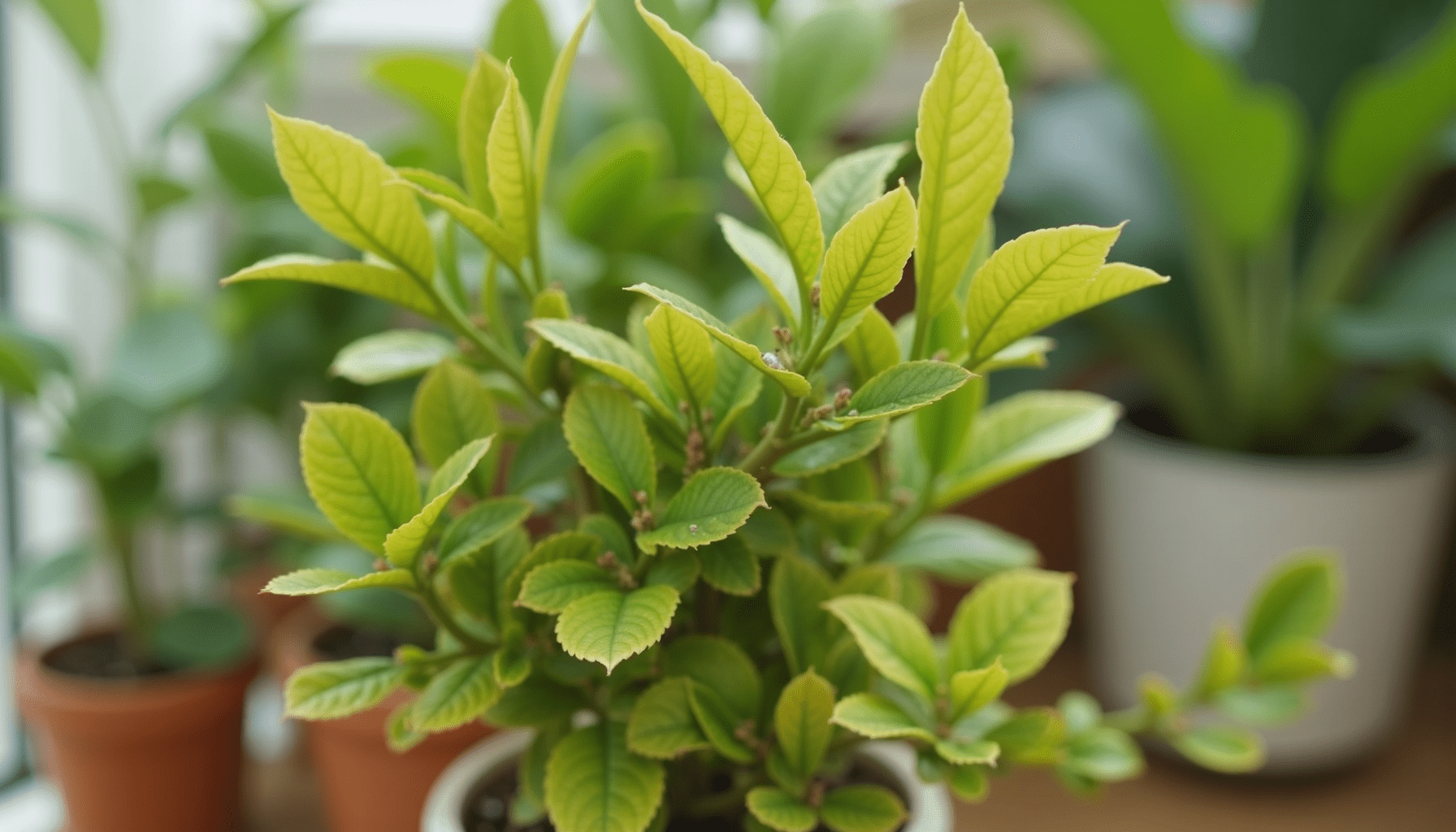
Follow-up
Successfully getting rid of scale insects is rarely a one-time event. Their life cycle, which includes eggs, vulnerable crawlers, and protected adults, means that repeat treatments and consistent monitoring are absolutely essential for long-term control.
The Importance of a Treatment Schedule
Many sources, including the Missouri Botanical Garden, emphasize that a single treatment will not solve a scale problem. Here's why and what to do:
- Staggered Life Cycles: Scale insect eggs hatch over time, meaning you'll have new crawlers appearing even after you've treated the adults.
- Repeat Applications: Plan to repeat treatments (with insecticidal soap or horticultural oil) every 7-10 days, or as directed by the product label, for at least 3-4 cycles. In persistent indoor cases, you might need to continue weekly monitoring and spot treatments for several more weeks.
- Post-Treatment Inspection: After 4-8 weeks of consistent treatment, thoroughly inspect your plants. Look for new crawlers, fresh honeydew, or any signs of active pests. Perform the scratch test again – dead scales may remain stuck but will be dry and empty underneath. If no live pests are visible and your plant's health is improving, you can gradually reduce treatments and shift to a monitoring schedule.
Addressing Common Misconceptions
Understanding these common misunderstandings can save you time and frustration:
- "Those bumps are just part of the plant." Many gardeners mistake scale insects for natural nodes or scabs. Remember the scratch test: if it flakes off and reveals soft tissue or a hollow shell, it's likely scale.
- "Indoor plants can't spread pests." Scale crawlers are tiny and can easily move between nearby houseplants, hitchhike on hands or tools, or even be carried by air currents. Always isolate new plants and inspect nearby ones.
- "One spray will fix everything." Due to their staggered life cycle, multiple treatments targeting the vulnerable crawler stage are almost always necessary. Persistence is your most powerful tool.
- "All oils or soaps are safe on all plants." Some plants, particularly ferns, certain succulents, or those with very waxy or hairy leaves, can be sensitive to oils or soaps. Always spot-test a small area of the plant 24-48 hours before a full treatment, and follow label instructions regarding plant safety and temperature limits.
- "More pesticide means better control." Overdosing on any treatment, even natural ones, can damage your plants, harm beneficial insects, and contaminate the environment without improving control. Always use the correct concentration and follow label directions.
- "Sooty mold means a fungal disease." Sooty mold grows on the honeydew excreted by sap-sucking insects like scale. Treating the mold with a fungicide is ineffective; you must control the underlying pest problem first.
Prevention is Key
Once you've cleared an infestation, focus on prevention to keep scale insects from returning:
- Regular Inspection: Make weekly plant inspections a habit. Early detection of a few scale insects or crawlers makes control much easier.
- Plant Health: Continue to provide optimal growing conditions: correct watering, light, and nutrition. Healthy plants are better equipped to resist and recover from pest attacks.
- Quarantine: Always quarantine new plants for at least 2-3 weeks, inspecting them thoroughly before adding them to your main collection.
- Sanitation: Keep your gardening tools and pots clean. Remove plant debris promptly.
By staying vigilant, understanding the scale insect life cycle, and applying consistent, targeted treatments, you can protect your plants from these persistent pests. Remember, a thriving garden is a result of ongoing care and observation. You can also explore more about beneficial insects, like learning How to Identify Ladybugs, which are natural predators that can help keep pests in check.
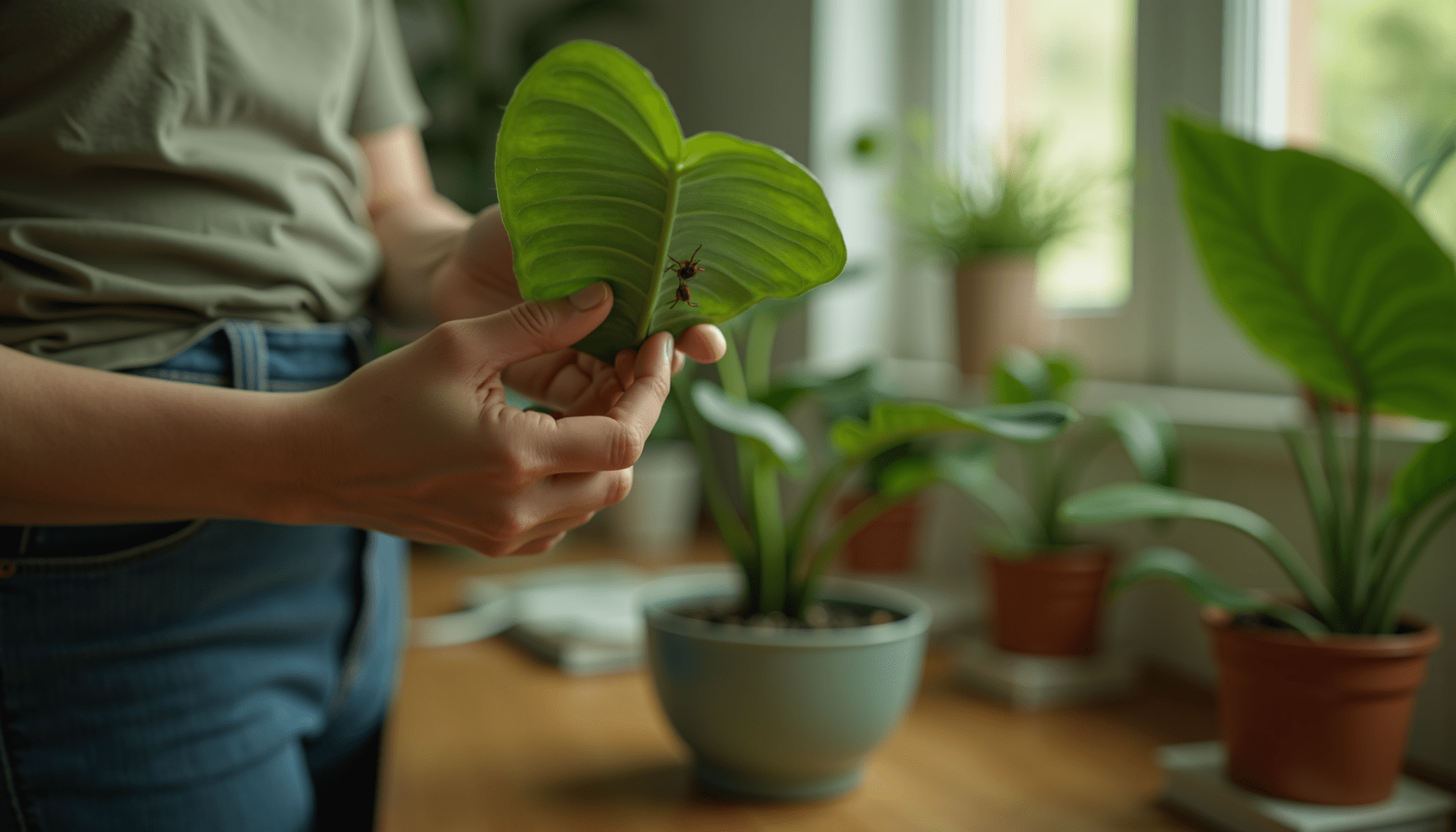
Final checklist
Dealing with scale insects can be a challenging endeavor for any plant enthusiast, but it's a battle you can win with patience and the right strategy. By understanding what these sap-sucking pests are, how to identify their subtle signs, and implementing a comprehensive Integrated Pest Management approach, you can effectively protect your plants. Remember to prioritize natural and low-toxicity methods like manual removal, insecticidal soaps, and horticultural oils, always targeting the vulnerable crawler stage.
Consistency in your treatment schedule and vigilant follow-up inspections are crucial for long-term success. Don't be discouraged if you don't see immediate results; persistence is key to breaking the scale insect life cycle. By maintaining healthy plants and staying informed, you can ensure your green companions remain vibrant and pest-free.
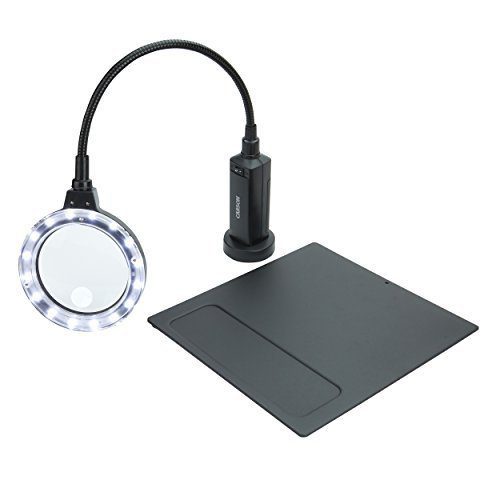
Scale insects are ‘tricky to spot’ and ‘masters of disguise.’ A magnifier helps readers identify the ‘tiny, immobile bumps’ and the vulnerable crawler stage, which is crucial for effective treatment and early detection.
- Highly versatile for hobbies and close-up work like electronics repair, jewelry making, crafts, and fly-tying, thanks to its flexible gooseneck and hands-free design
- Strong magnetic base and included table clamp provide stable mounting options on various metal surfaces and workbenches
- Bright LED illumination with multiple LEDs makes fine detail easier to see and reduces eye strain during detailed tasks
- Some users report the magnification area is smaller than expected or requires precise positioning to stay in focus
- A portion of reviewers mention that the LEDs or power supply (plug/cord) could be more robust or would prefer a different power option (e.g., batteries or USB)
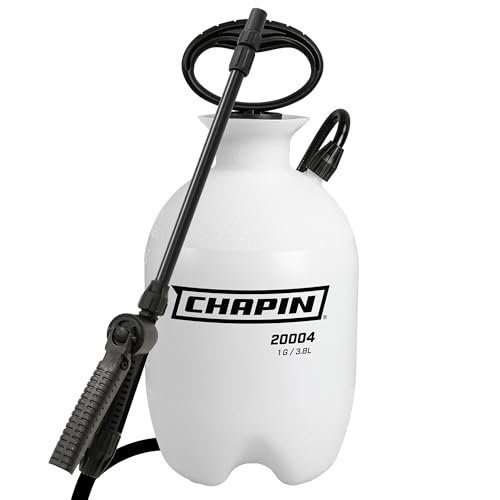
An essential tool for applying insecticidal soap or horticultural oil evenly and thoroughly, as the article emphasizes ‘repeated applications’ and consistency for breaking the scale insect life cycle.
- Reliable for general lawn and garden tasks like spraying fertilizers, herbicides, and pesticides
- Funnel-top, translucent tank makes filling, mixing, and monitoring fluid levels easy
- SureSpray anti-clog filter and adjustable cone nozzle provide a consistent, customizable spray pattern
- Some users report it does not hold pressure well and requires frequent re‑pumping during use
- Plastic components (wand, hose, seals) can feel light-duty and may wear or leak over time with heavy use
As an Amazon Associate, I earn from qualifying purchases. Product recommendations are based on real reviews and independent research.