
The best mosquito repellent is not a brand, it is an active ingredient matched to how long you will be outside. Only the EPA-registered actives, DEET, picaridin, and oil of lemon eucalyptus, are proven to hold up for hours, and on those, concentration sets how long you stay protected, not how “strong” the spray is. The short answer: pick the active by your exposure time, dump the standing water in your yard before you reach for anything, and skip the wristbands, clip-ons, and most “natural” sprays without lemon eucalyptus, because they wear off in minutes. In our own yard we keep a picaridin pump for everyday evenings and a higher-percent DEET held back for the swampy hikes. Most lists rank repellents by smell or marketing; the comparison below sorts them by the only thing that decides whether you get bitten.
Choose the active by your hours outside: picaridin for everyday evenings, higher-percent DEET for long swampy exposure, oil of lemon eucalyptus when you want plant-based protection that actually lasts; concentration controls duration, not strength, and unregistered “natural” sprays and wristbands barely work.
- Do first (free): Tip out every bit of standing water in the yard so fewer mosquitoes hatch in the first place.
- Match the job: Low-percent picaridin or DEET for a short cookout, a higher percentage for all-day exposure, OLE for a registered plant-based option.
- Skip: Repellent wristbands, ultrasonic apps, clip-on fans as your only defense, and bug zappers, which kill mostly harmless insects.
Empty the standing water first
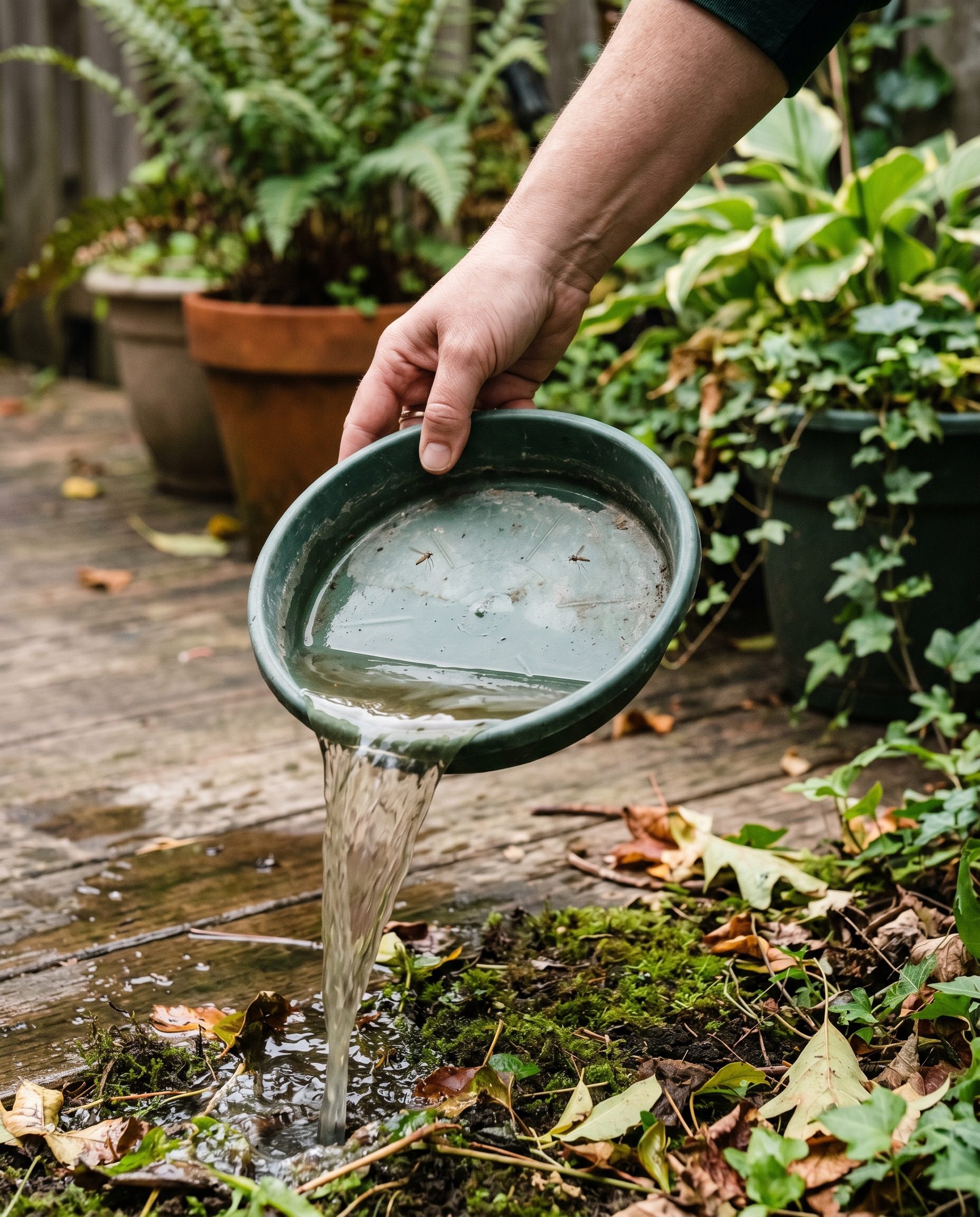
Before any spray, do the free part, because every mosquito biting you tonight grew up in water somewhere close by. Mosquitoes lay eggs in standing water, and many of the species that bite us never travel far from where they hatched, so a walk around the yard tipping out saucers, buckets, kiddie pools, clogged gutters, and the tray under the grill removes the nursery. The EPA’s integrated mosquito management approach puts this source reduction first for exactly that reason: kill the breeding sites and you cut the population before a single can comes out. The CDC’s bite-prevention guidance makes the same call, pairing tip-and-toss with screens and repellent.
Do this every few days, not once, because it only takes a small amount of water and about a week for eggs to become biting adults. A bottle cap of water in a forgotten flowerpot is enough to start a batch. For the spots you cannot drain, like a rain barrel or an ornamental pond, a larvicide handles the water itself, which I cover further down. If the problem is following you indoors, our guide on getting rid of mosquitoes inside the house walks through screens, drains, and the hiding spots they use. A repellent is what you reach for once the yard is handled, not a substitute for handling it.
What concentration actually buys you
Here is the part most “strongest repellent” lists get backwards. With DEET and picaridin, a higher percentage does not make the spray more powerful against a mosquito, it makes the protection last longer before you have to reapply. The EPA’s page on DEET is explicit that concentration relates to duration, not to how well it works in the moment, which is why a 100 percent DEET is not five times “stronger” than a 20 percent, it just runs longer and is usually overkill for a backyard evening. Pick the percent by your hours outside, then stop.
That single idea decides your whole purchase. A short cookout or dog walk is fine on a lower-percent picaridin or DEET; a full day in the woods or a fishing trip at dusk is where a higher percentage earns its keep. The EPA’s repellent search tool lets you enter how long you need coverage and returns registered products that match, which is a better way to shop than chasing the biggest number on the shelf. The University of Florida’s extension write-up on mosquito repellents lines up the actives and their realistic protection windows so you can see that more is not automatically better, just longer. The flip side: many unregistered botanical sprays, the citronella, peppermint, and “essential oil” blends without oil of lemon eucalyptus, give you minutes, not hours, so you re-spray constantly and still get bitten. If it is not EPA-registered, assume it wears off fast.
Pick the active for your situation
Once you know your exposure time, the active itself is a short menu. There are four EPA-registered repellents proven to work, DEET, picaridin, oil of lemon eucalyptus, and IR3535, and for most people the choice comes down to the first three. Decide by two questions: how long will you be out, and do you want to avoid the synthetics on your skin or your gear.
| Active ingredient | Best for | Watch-out |
|---|---|---|
| Picaridin (10-20%) | Everyday evenings; odorless, gentle on gear and plastics | Lower percent means shorter window; reapply as the label directs |
| DEET (20-30%+) | Long or heavy exposure: hikes, fishing, swampy ground | Can damage plastics and synthetic fabrics; use the lowest percent that covers your time |
| Oil of lemon eucalyptus | Plant-based protection that actually lasts a few hours | Not for children under three; reapply more often than high DEET |
Why not just default to the highest-percent DEET and forget it? Because it is the wrong tool for plenty of everyday situations. Picaridin is odorless, non-greasy, and will not melt your sunglasses or your rain shell, which makes it the easy all-rounder for a porch evening or a kid’s soccer game, where DEET’s habit of clouding plastics and synthetics is a real nuisance. DEET still wins when the exposure is long and the mosquitoes are thick, and it carries decades of use behind it. Oil of lemon eucalyptus is the one plant-based active the CDC includes among its recommended EPA-registered repellents, so if you want to skip the synthetics, that is the botanical that holds up, not the gas-station citronella spray. If you want the head-to-head detail, our breakdown of DEET vs picaridin vs lemon eucalyptus compares them on duration, feel, and safety.
How to apply it and treat the water
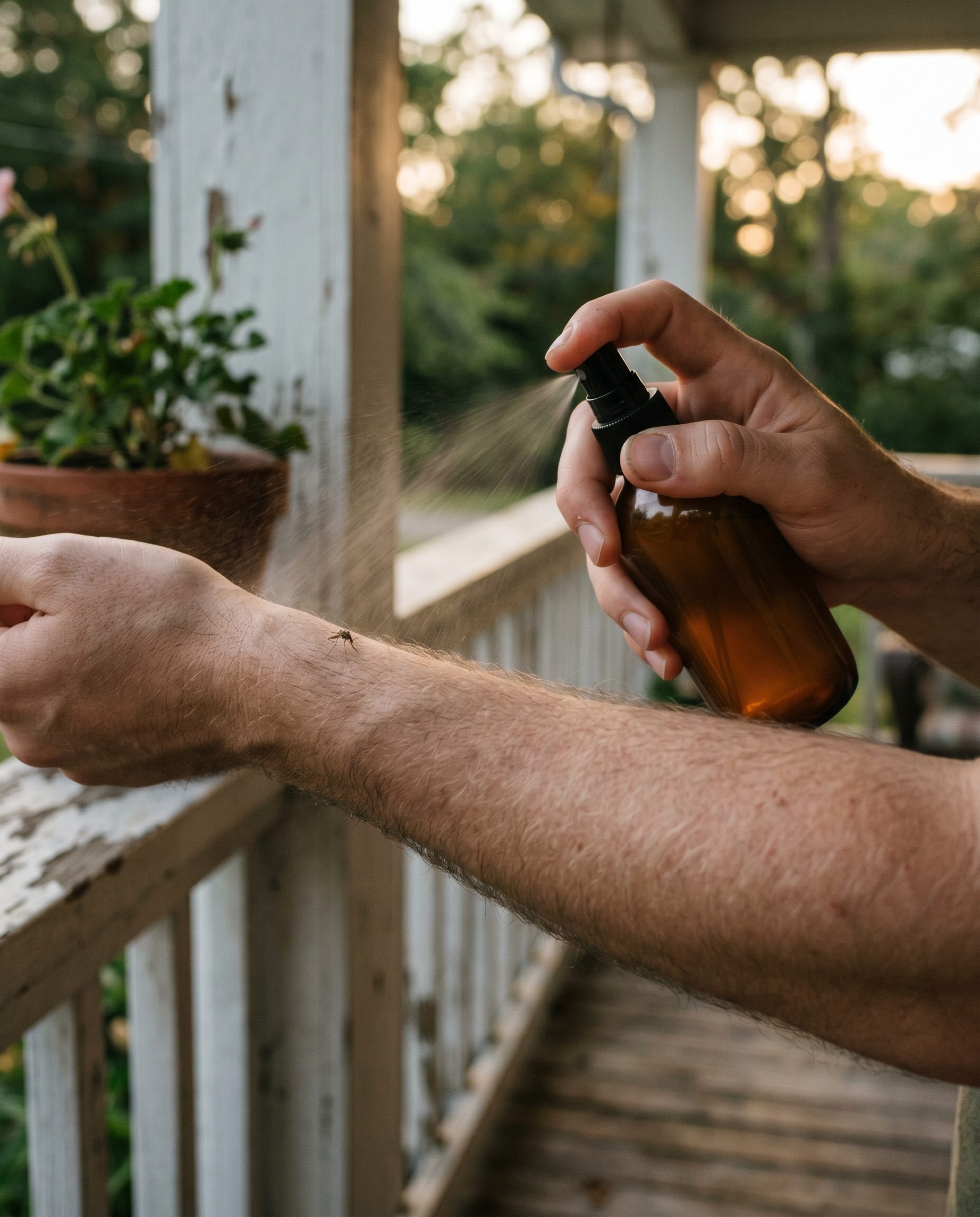
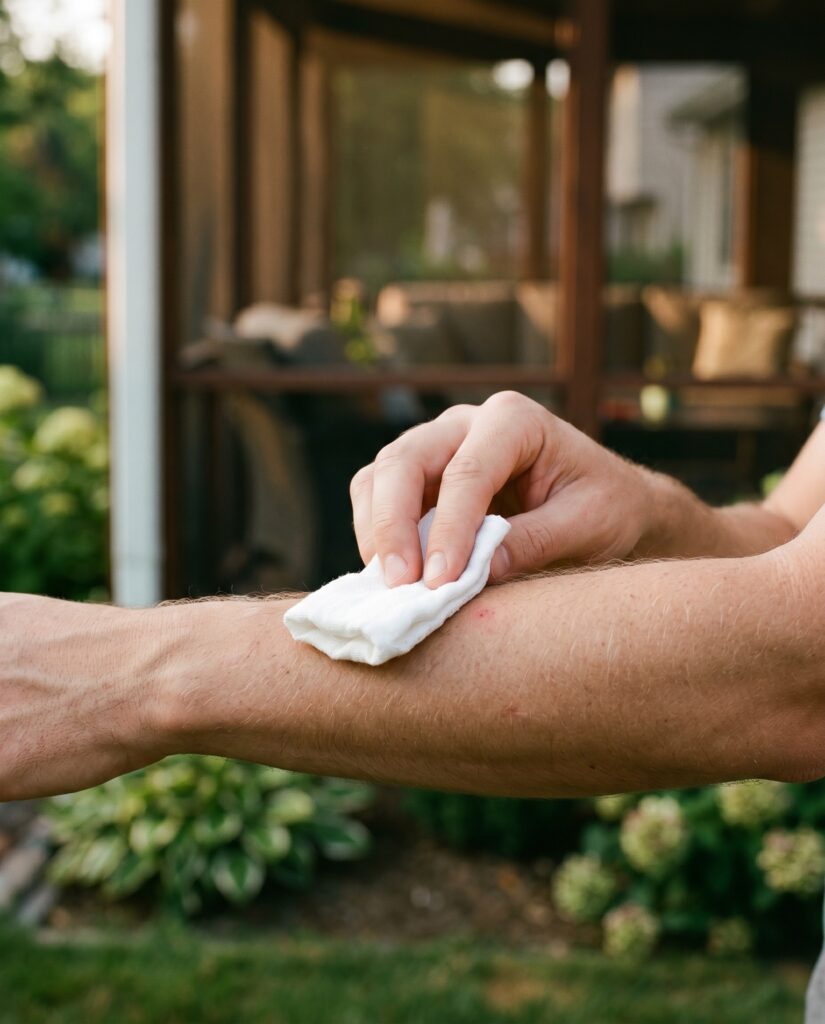
Apply repellent to skin and clothing, not into the air, and follow the label, because under federal law the label is the law and it sets how much, how often, and where you can use the product. Spray your hands and rub it onto your face rather than misting it near your eyes, cover exposed skin in a thin even layer, and reapply on the schedule the label gives for that percentage. Coverage of every bit of bare skin beats a heavy coat on your arms only, since a mosquito will find the ankle you missed. Keep it out of reach of children, do not let kids apply it themselves, and avoid putting it on their hands; check the NPIC mosquito and repellent safety page for any application or exposure question, and if someone reacts badly, contact a doctor or your local poison control center.
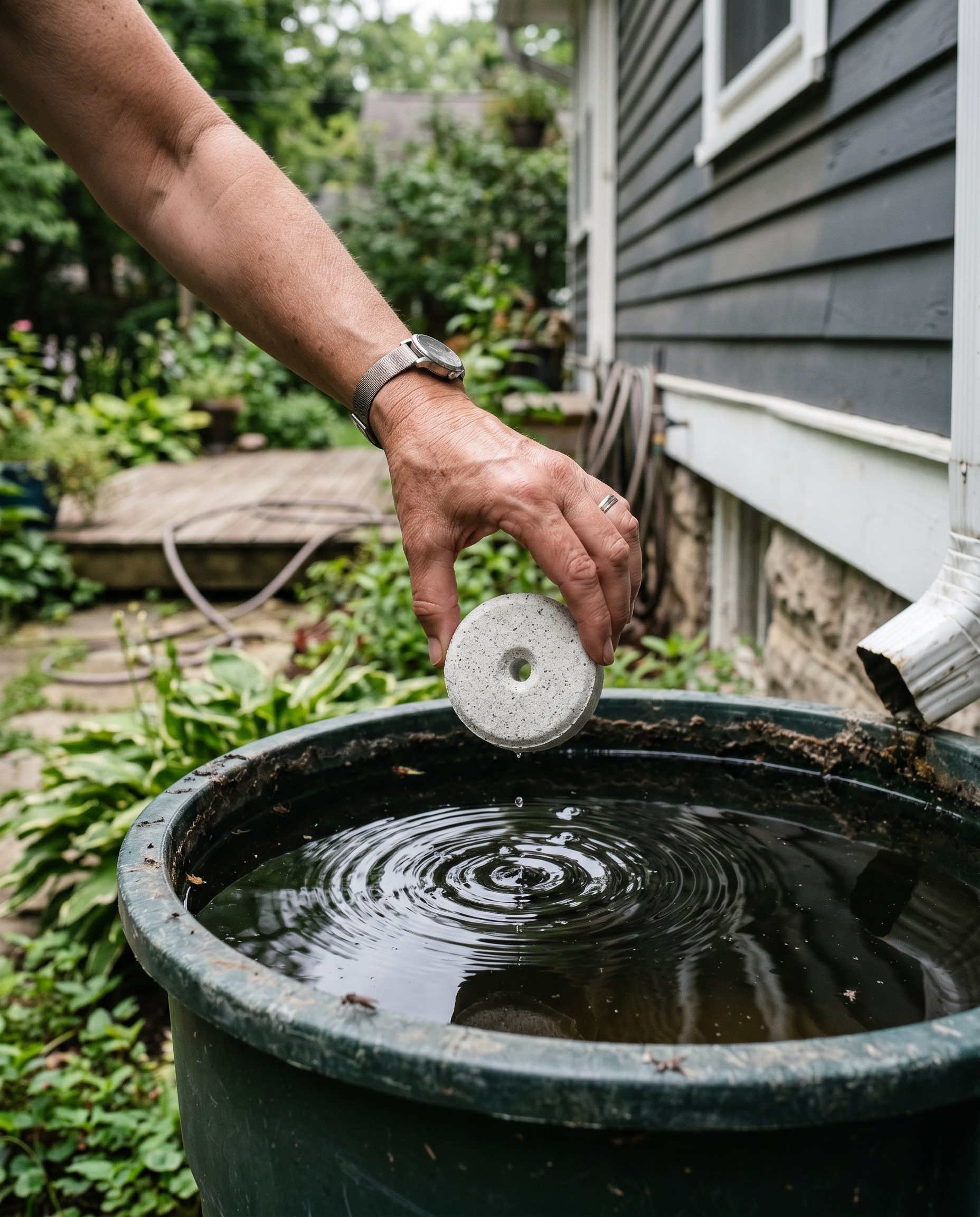
For the water you cannot dump, treat it instead of spraying yourself more. A larvicide dropped into a rain barrel, an ornamental pond, or a low spot that stays wet kills the larvae before they ever fly. The EPA’s guidance on controlling mosquitoes at the larval stage explains that products containing Bti, a naturally occurring soil bacterium, target mosquito larvae specifically and are a cornerstone of source reduction. Treating the water is the most efficient bite you will ever prevent, because one dunk in a barrel can stop a whole generation. Read the label here too, especially before adding anything to water where pets drink or fish live, and never use an outdoor product indoors or the reverse. For the yard as a whole, our mosquito-proof backyard guide lays out the drainage, plantings, and timing that keep numbers down without fogging everything.
The picks
Cards come after the analysis on purpose, because your hours outside decide which one belongs in your bag. These three cover an everyday all-rounder, a long-exposure DEET, and a plant-based option, and all are common, widely available, EPA-registered repellents.
InsectoGuide is reader-supported. As an Amazon Associate we earn from qualifying purchases at no extra cost to you.
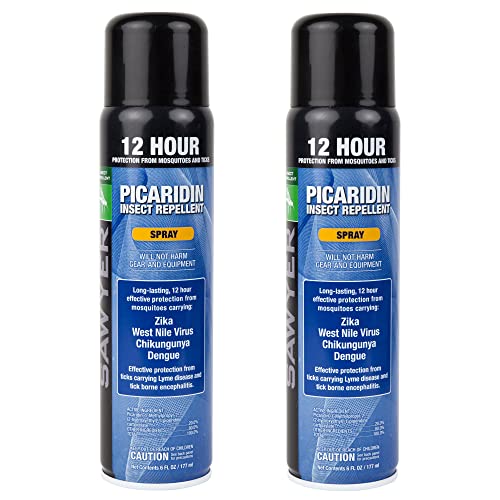
An odorless 20% picaridin spray for everyday evenings and family use.
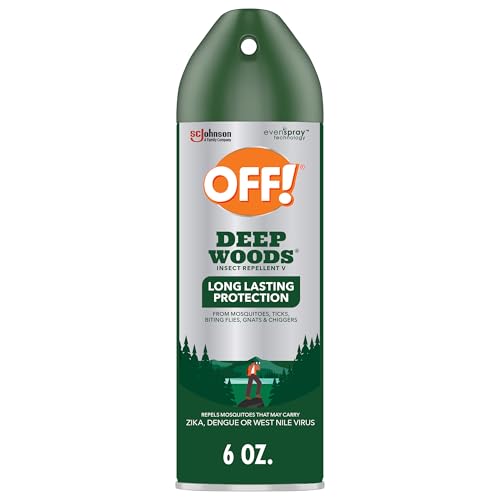
A 25% DEET aerosol for long, heavy exposure like hikes and fishing.
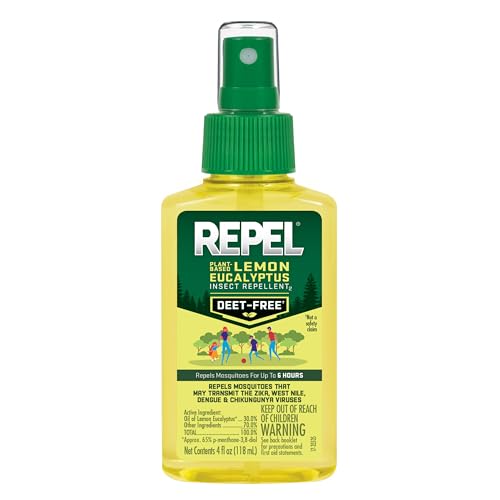
A DEET-free lemon eucalyptus spray for plant-based protection that lasts.
Common questions
Does a higher percentage of DEET work better?
Not in the way most people think. A higher percent of DEET lasts longer before you reapply, it does not repel a mosquito more forcefully. The EPA notes concentration relates to duration, not strength, so pick the percent that matches your hours outside and skip the 100 percent unless you genuinely need all-day coverage.
Are natural mosquito repellents any good?
Most are not, with one exception. Oil of lemon eucalyptus is EPA-registered and lasts a few hours, and it is the one plant-based active the CDC recommends. The citronella, peppermint, and essential-oil sprays without OLE tend to wear off in minutes, so you re-spray constantly and still get bitten.
Do repellent wristbands and ultrasonic apps work?
No. The American Mosquito Control Association is clear that bracelets and ultrasonic devices do not provide reliable protection, because a band protects only the skin right next to it and sound-based gadgets have no real effect on biting mosquitoes. A registered topical repellent on your exposed skin is what actually keeps them off.
Is DEET safe to use on my skin?
DEET has decades of use behind it and is considered safe when applied per the label. Use the lowest percentage that covers your time outside, keep it off children’s hands, and wash it off when you come inside. For any application or exposure question, the NPIC repellent-safety information is the place to check, and contact a doctor if a reaction looks serious.
Will a bug zapper cut down the mosquitoes in my yard?
Not meaningfully. Michigan State Extension found bug zappers kill mostly harmless and beneficial insects and very few biting mosquitoes, because mosquitoes are drawn to the carbon dioxide and warmth you give off, not to light. Emptying standing water and using a repellent does far more than the blue glow on the patio.
Why bother, are mosquitoes really a health risk?
Beyond the itch, some mosquitoes carry disease. The CDC notes West Nile virus is the most common mosquito-borne illness in the continental US, spread by Culex mosquitoes that breed in standing water. Most people who are infected never feel sick, but the simple defenses, drain the water and use a registered repellent, are what lower the odds.
Final verdict
There is no single best mosquito repellent, and any list that crowns a brand is dodging the only question that matters: how long are you outside. Start free by walking the yard and tipping out every bit of standing water, then match the active to your exposure. Reach for picaridin for everyday evenings, a higher-percent DEET when the exposure is long and the bugs are thick, and oil of lemon eucalyptus when you want a plant-based option that actually lasts. Remember that concentration buys you duration, not strength, so do not overpay for a percent you do not need. Skip the wristbands, the ultrasonic apps, and the bug zapper, and skip the unregistered “natural” sprays that wear off in minutes. Pair whatever you choose with draining the water and a larvicide where you cannot, because the repellent keeps them off you while source reduction keeps them from hatching in the first place.


Pingback: DEET vs Picaridin vs Oil of Lemon Eucalyptus: Which Repellent Wins
Pingback: Mosquito Bite Treatment: How to Stop the Itch and When to Worry
Pingback: Best Bug Zappers for Mosquitoes (and Why They Barely Help)