Red is a short list. Clover mites on a windowsill, chiggers on skin after time outdoors, spider mites on a houseplant, red velvet mites in soil, and boxelder bug nymphs on a sunny wall. Where you found them decides which one it is almost every time, and none of the five damages a building.
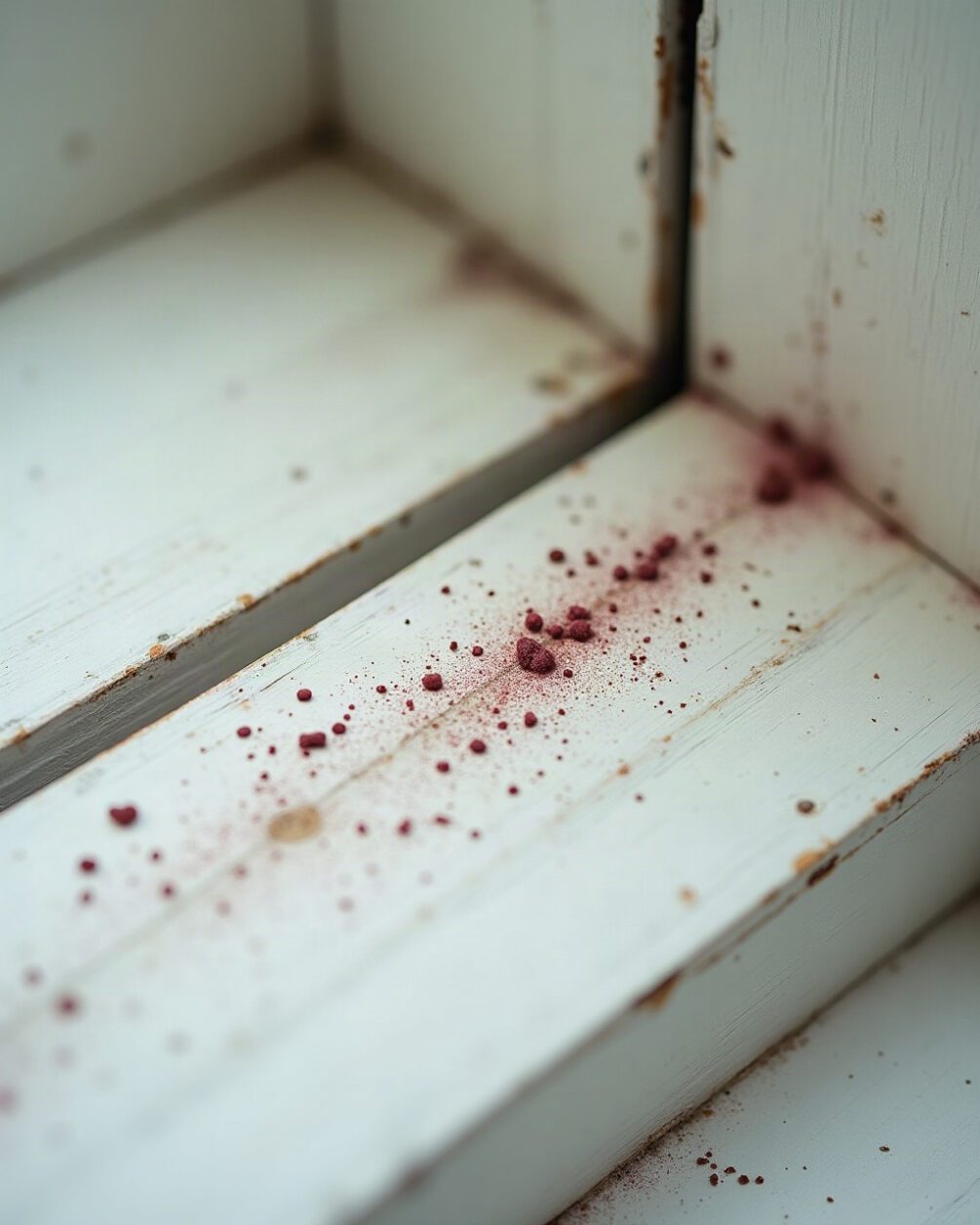
- Windowsill, in numbers, spring or autumn: clover mites. They leave a red smear if you crush them, which is plant pigment, not blood.
- On your skin, after grass or brush: chiggers, and the welts appear a day later.
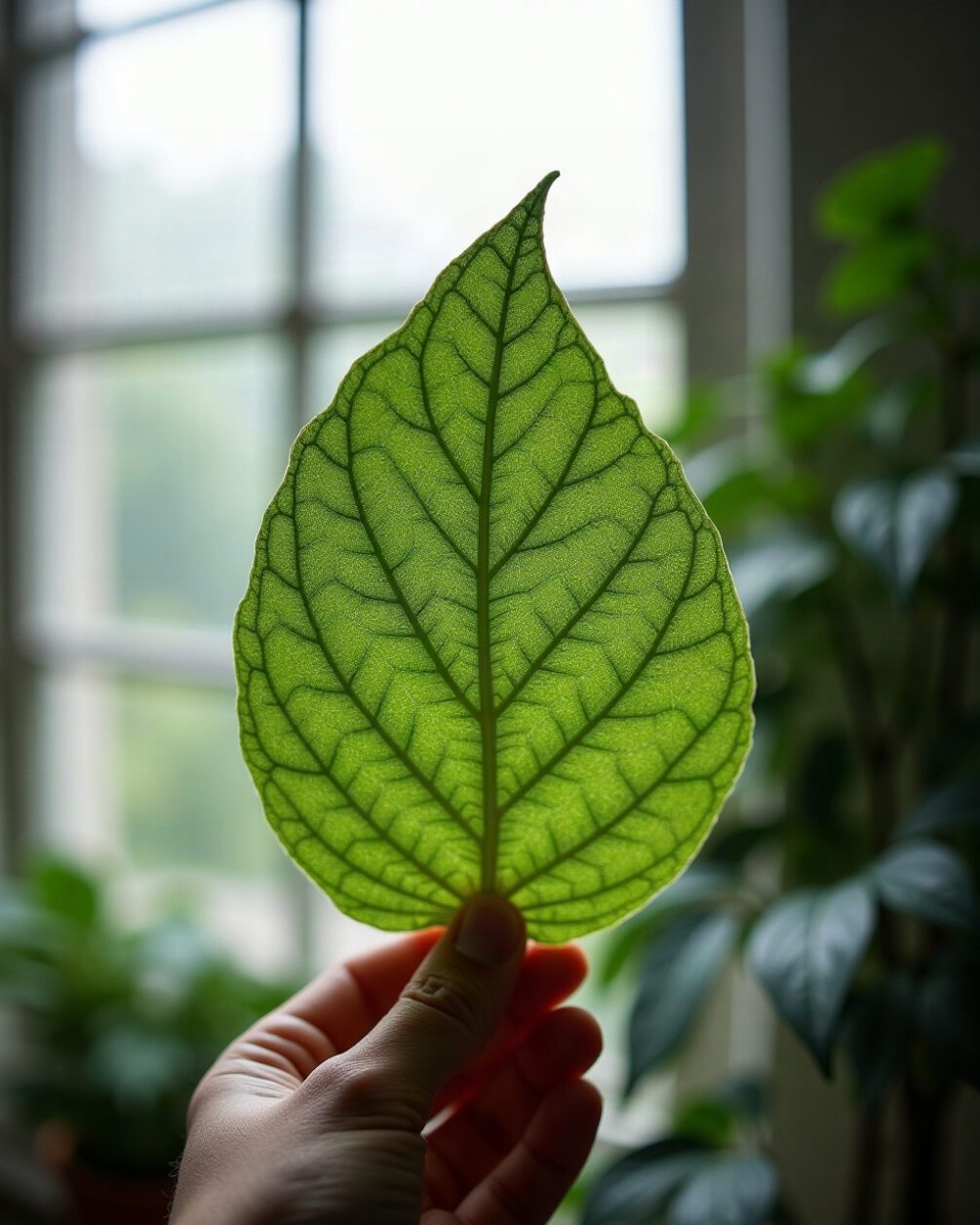
- On a plant, with fine pale speckling on the leaves: spider mites, and this is the one that does real damage.
Red is unusually helpful as a starting point, because very few household insects are actually red. Most of what people describe as red is either genuinely red or a dark reddish brown, and those two groups barely overlap in where you find them.
Where you found it decides it
| Where | Almost certainly | The tell |
|---|---|---|
| Windowsill or window frame, many at once | Clover mites | Leaves a red stain when crushed |
| On skin, hours after being outdoors | Chiggers | Clustered welts where clothing pressed |
| Houseplant leaves, pale speckling | Spider mites | Fine webbing at leaf joints in bad cases |
| Damp soil or a plant pot, larger and fuzzy | Red velvet mite | Bright scarlet, obviously furry, moves alone |
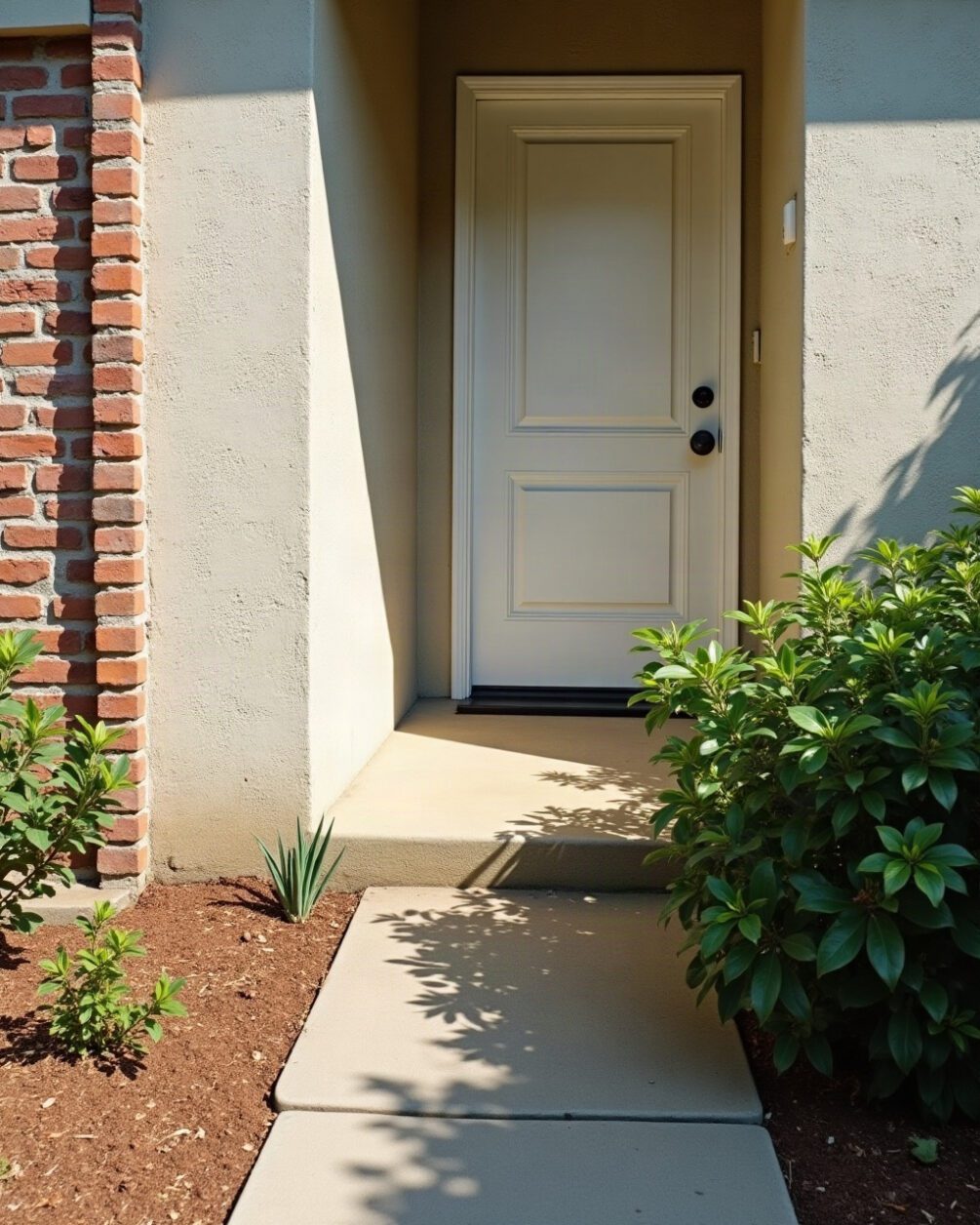
| Sunny outside wall, autumn, with black adults | Boxelder bug nymphs | Bright red, gathering in groups on brick |
Clover mites, the windowsill answer
If they are on a sill in spring or autumn, in numbers, and small enough that you notice the group before the individual, these are clover mites. They are under a millimetre, dark red to reddish brown, and they have one pair of front legs held forward that people mistake for antennae.
They feed on grass and clover outdoors and come indoors by accident, usually when the lawn or the planting comes right up to the wall on a sunny side of the house. They cannot bite, cannot breed indoors, and die within days, so a windowsill full of them is a perimeter question rather than an infestation.
The detail everyone discovers the hard way: crushing one leaves a red stain on paintwork and curtains. That is plant pigment from what it has been eating, not blood. Vacuum them rather than wipe them. Our clover mite guide covers the seasonal pattern and the strip of bare soil against the wall that keeps them out.
Chiggers, if it is your skin rather than a surface
Chiggers are not something you find on a windowsill. They are picked up outdoors from grass, brush and woodland edges, and they are around a quarter of a millimetre, which is right at the limit of visibility.
The pattern is the identification: clusters of intensely itchy welts where clothing pressed against skin, around sock lines, waistbands and behind the knees, appearing a day or two after the exposure rather than immediately. By the time you are itching, the mite has usually already dropped off.
They do not burrow into skin and do not lay eggs in you, despite the story. Our guides to what chiggers actually are and whether they burrow cover it, and how to treat the bites covers the itch, which is the part that matters.
Spider mites, the one that does damage
If the red things are on a plant rather than in the room, this is a different problem and the only one on this page worth acting on quickly.
Spider mites are under half a millimetre and often look like moving dust rather than insects. The damage is what you notice first: fine pale stippling on the upper leaf surface, spreading until leaves look bronzed or dusty, and in bad infestations visible webbing at the leaf joints and stem junctions.
They multiply fast in warm dry indoor air and spread between plants readily, so isolation is the first move. Our spider mite guide covers treatment. If instead the things are in the compost rather than on the leaves, they are more likely soil mites or fungus gnat larvae, and our houseplant soil guide separates those.
Red velvet mites and boxelder nymphs
Red velvet mites are the ones people photograph because they are genuinely striking: bright scarlet, obviously furry, and large enough to see clearly at two or three millimetres. They live in damp soil and leaf litter, appear after rain, and are predators of other small invertebrates. They are harmless and beneficial, and finding one indoors means it wandered in.
Boxelder bug nymphs are bright red with dark markings and gather in groups on sunny walls in autumn, usually alongside the black and red adults. They are a seasonal nuisance rather than a threat, and the answer is sealing rather than spraying. Our boxelder bug guide covers it, and the autumn invader identification guide separates them from stink bugs, cluster flies and lady beetles, which all do the same thing at the same time of year.
What red usually is not
Not bed bugs. They are reddish brown rather than red, they are flat and broad, and they stay near where people sleep rather than on windowsills or plants. A fed one looks darker, not brighter. If the bed is the concern, our inspection guide is the page.
Not fleas. Fleas are dark reddish brown, jump strongly, and need an animal in the property.
Not ticks, though an engorged tick can look reddish and swollen. The CDC’s overview of ticks and tick-borne disease covers what to watch for, and our guide to bugs that look like ticks settles it with a leg count: eight means arachnid.
Common questions
They leave red stains when I wipe them. Is that blood?
No. Clover mites contain plant pigment from feeding on grass and clover. Nothing on this page has fed on you.
Do clover mites bite?
No. They have no mouthparts capable of it and no interest in people. UC IPM makes the same point about springtails, which people find alongside them: these are harmless organisms whose presence indicates conditions rather than a threat.
Should I spray the windowsill?
It achieves very little. The population is outdoors and keeps arriving. A strip of bare gravel or soil against the wall, and grass kept back from the foundation, does far more than any product applied indoors.
Final verdict
Red narrows this to five, and the location finishes it. Windowsill in numbers means clover mites, and the fix is outside the wall rather than on the sill. Skin after grass means chiggers, and the mite has already gone. Pale stippling on a plant means spider mites, which is the one to treat properly. A bright furry scarlet mite in soil is a predator doing you a favour, and red nymphs on a sunny wall in autumn mean it is time to seal gaps rather than reach for a spray.