Are you tired of battling garden pests with endless sprays, only to see them return? Many home gardeners struggle with finding a balance between protecting their plants and maintaining an eco-friendly space. The solution lies in integrated pest management (IPM), a smart, science-backed approach that helps you control garden invaders effectively while safeguarding beneficial insects, pollinators, and the environment. This guide will walk you through the practical steps of implementing IPM, transforming your garden into a resilient, thriving ecosystem.
Bottom line: Integrated Pest Management (IPM) for home gardens is a proactive, multi-faceted strategy that combines prevention, monitoring, and targeted controls to manage pests, rather than eradicating them completely. It prioritizes the least toxic methods first, focusing on understanding pest life cycles, encouraging beneficial insects, and maintaining overall plant health. IPM helps you achieve a healthy, productive garden with minimal environmental impact.
IPM basics
Integrated Pest Management (IPM) is a systematic, ecosystem-based strategy designed to manage pests in an economically and environmentally sound way. Unlike traditional approaches that often rely on routine, broad-spectrum chemical applications, IPM recognizes that not all insects and weeds require control. In fact, many are beneficial or neutral, playing vital roles in your garden's ecosystem. The core principle is to keep pest populations below damaging levels, rather than attempting complete eradication, which is often unrealistic and harmful to the environment.
Home gardens and landscapes can host dozens of insect and mite species. Entomologists at Michigan State University Extension emphasize that "only a few insects are actually pests; many are beneficial or do no harm." This means that minor cosmetic damage, such as a few chewed leaves, often doesn't reduce plant yield or survival. IPM encourages gardeners to observe, understand, and then act, using a range of compatible methods. This approach not only protects your plants but also minimizes the impact on non-target organisms like pollinators and natural predators, fostering a healthier, more resilient garden.
Six steps
Implementing integrated pest management in your home garden follows a clear, cyclical process. These steps, widely agreed upon by extension services like Colorado State University and Penn State Extension, guide you from prevention to evaluation, ensuring your pest control efforts are effective and sustainable.
1. Plan and Prevent
The strongest defense against pests starts before you even plant. This foundational step focuses on creating a healthy environment where plants can thrive and naturally resist pest pressure.
- Choose the Right Plants: Select varieties suited for your local climate and soil conditions. Most vegetables need full sun (6–10 hours daily) and well-drained soil. Opt for disease- and pest-resistant varieties whenever possible, such as certain tomato or cucumber strains.
- Build Healthy Soil: Incorporate compost and other organic matter to improve soil structure and fertility. Healthy soil supports robust plants that are less susceptible to pest attacks.
- Rotate Crops: In vegetable beds, rotate plant families every 2–3 years. This prevents the buildup of soil-borne pests and diseases that target specific plant types. For example, avoid planting tomatoes or peppers in the exact same spot year after year.
- Plan for Diversity: Integrate flowering plants like dill, fennel, calendula, alyssum, and yarrow among your vegetables. These provide crucial nectar and pollen sources for beneficial insects and pollinators, which are key allies in pest control.
2. Monitor Your Garden Regularly
Monitoring, or scouting, is often called the "cornerstone" of IPM. Regular observation allows you to detect pest problems early, when they are easiest to manage.
- Weekly Walk-Throughs: Dedicate time at least once a week, preferably in the morning or evening, to walk through your garden.
- Simple Tools: Carry a hand lens for close inspection, a notebook for observations, and your phone camera for documenting findings.
- What to Look For:
- Types of insects present and on which plants.
- Damage patterns like chewed leaves, stippling, wilting, or distorted growth.
- Presence of natural enemies, such as lady beetles, lacewing larvae, or parasitoid wasp cocoons.
- Sticky Traps: Use yellow sticky cards above plant canopies to detect flying pests like whiteflies or fungus gnats, especially in enclosed spaces like greenhouses.
3. Identify Pests Correctly
Accurate identification is critical. What looks like a pest might be a beneficial insect, or a pest in its larval stage might look very different from its adult form.
- Observe Details: Note the plant attacked, the specific part of the plant (root, stem, leaf, flower, fruit), and the type of damage (chewing, mining, sucking).
- Use Resources: Cross-check your observations with reliable sources like state extension fact sheets (e.g., UC IPM, New Mexico State University) or consult local master gardener programs.
- Understand Life Cycles: Remember that many insects have distinct life stages. Knowing the pest's life cycle helps you choose the most effective control method and timing.
4. Set Action Thresholds
Before taking any action, decide how much damage is acceptable. IPM doesn't aim for a perfectly pristine, pest-free garden, but rather for keeping pests below levels that cause significant harm.
- Tolerance Levels: A few holes on kale leaves might be acceptable if the plant is still productive. A small aphid colony on roses might not need intervention if lady beetles are present.
- Considerations:
- Plant Stage: Seedlings are less tolerant of damage than mature plants.
- Crop Value: High-value food crops might have lower thresholds than purely ornamental plants.
- Aesthetic Tolerance: Understand that some damage is natural and part of a healthy ecosystem.
5. Choose and Implement Controls
Once you've identified a pest and determined that action is needed, select the least disruptive control methods first. This tiered approach minimizes harm to the environment and beneficial organisms.
6. Evaluate and Record Results
After implementing any control measure, it's important to assess its effectiveness. This step closes the IPM loop and allows for continuous improvement.
- Check Back: Revisit the treated plants to observe if pest numbers have declined, if damage has slowed, and if beneficial insects appear unharmed.
- Keep a Garden Journal: Record the pest, plant affected, date, weather conditions, method used, and the outcome. This data is invaluable for future planning.
- Adjust Strategies: Use your notes to refine next year's plant choices, planting locations, or timing. You might find that certain products are more effective or that earlier intervention is needed for specific pests.
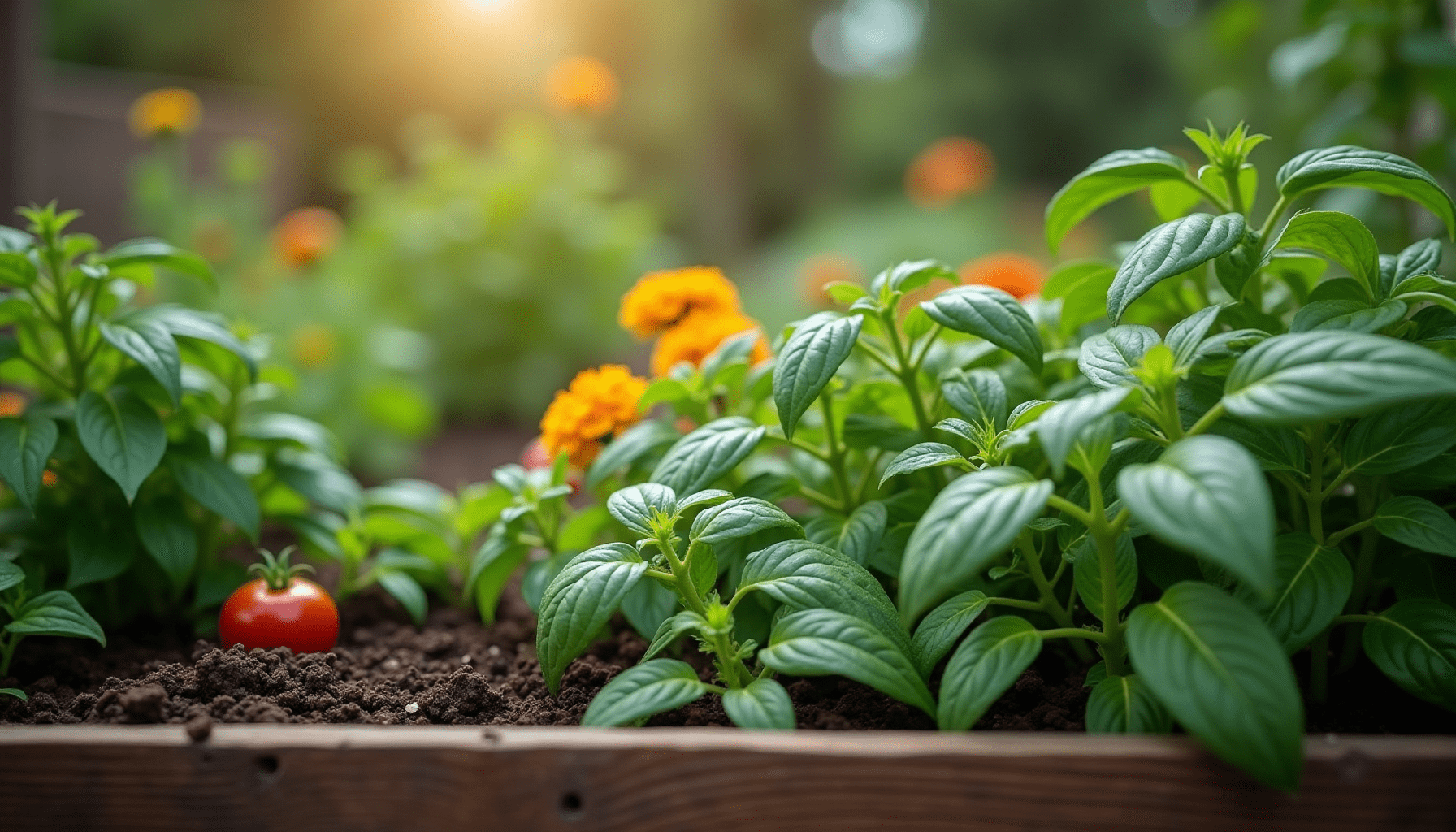
Control ladder
The strength of integrated pest management lies in its diverse toolkit. IPM methods are typically categorized into a hierarchy, starting with the least disruptive and moving to more direct interventions only when necessary.
Cultural Controls: The Foundation
These practices focus on creating an environment that naturally discourages pests and promotes plant health. They are your first line of defense.
- Proper Watering: Avoid stressing plants with over- or under-watering. Consistent, appropriate moisture levels make plants more resilient.
- Adequate Spacing: Give plants enough room to grow. Good air circulation reduces humidity, which can deter certain fungal diseases and some pests.
- Sanitation: Promptly remove and destroy severely diseased or infested plants during the season. Clean up fallen leaves and debris, which can harbor pests and diseases.
- Weed Management: Control weeds, as they can compete with your garden plants for resources and act as alternate hosts for pests. Mulching is an excellent way to suppress weeds and retain soil moisture.
Mechanical and Physical Barriers
These methods physically remove pests or prevent them from reaching your plants. They are direct and often highly effective without the use of chemicals.
- Hand-Picking: For larger pests like tomato hornworms or Japanese beetles, simply pick them off plants and drop them into a bucket of soapy water.
- Water Sprays: A strong stream of water can dislodge soft-bodied pests like aphids and spider mites from plant foliage.
- Barriers:
- Floating Row Covers: Place these lightweight fabrics over seedlings and many vegetables to exclude insects. Remember to remove them during flowering for pollination if needed.
- Plant Collars: Create collars from cardboard or plastic around young stems to protect them from cutworm damage.
- Netting: Use netting over berry bushes or fruit trees to protect them from birds and larger insect pests.
- Traps: Yellow sticky traps can monitor and modestly suppress flying insects like whiteflies or fungus gnats. Slug traps or boards can be used for manual removal of slugs and snails.
Harnessing Biological Controls
Nature provides its own pest control agents in the form of beneficial insects and microorganisms. Conserving and encouraging these allies is a powerful long-term IPM strategy.
- Conserve Existing Beneficials: Plant a diverse array of flowers that bloom continuously from spring to fall. These provide essential nectar and pollen for predators and parasitoids. Avoid or minimize broad-spectrum insecticides, especially during bloom times, which can harm these helpful insects. Consider planting specific flowers to attract pollinators to your garden.
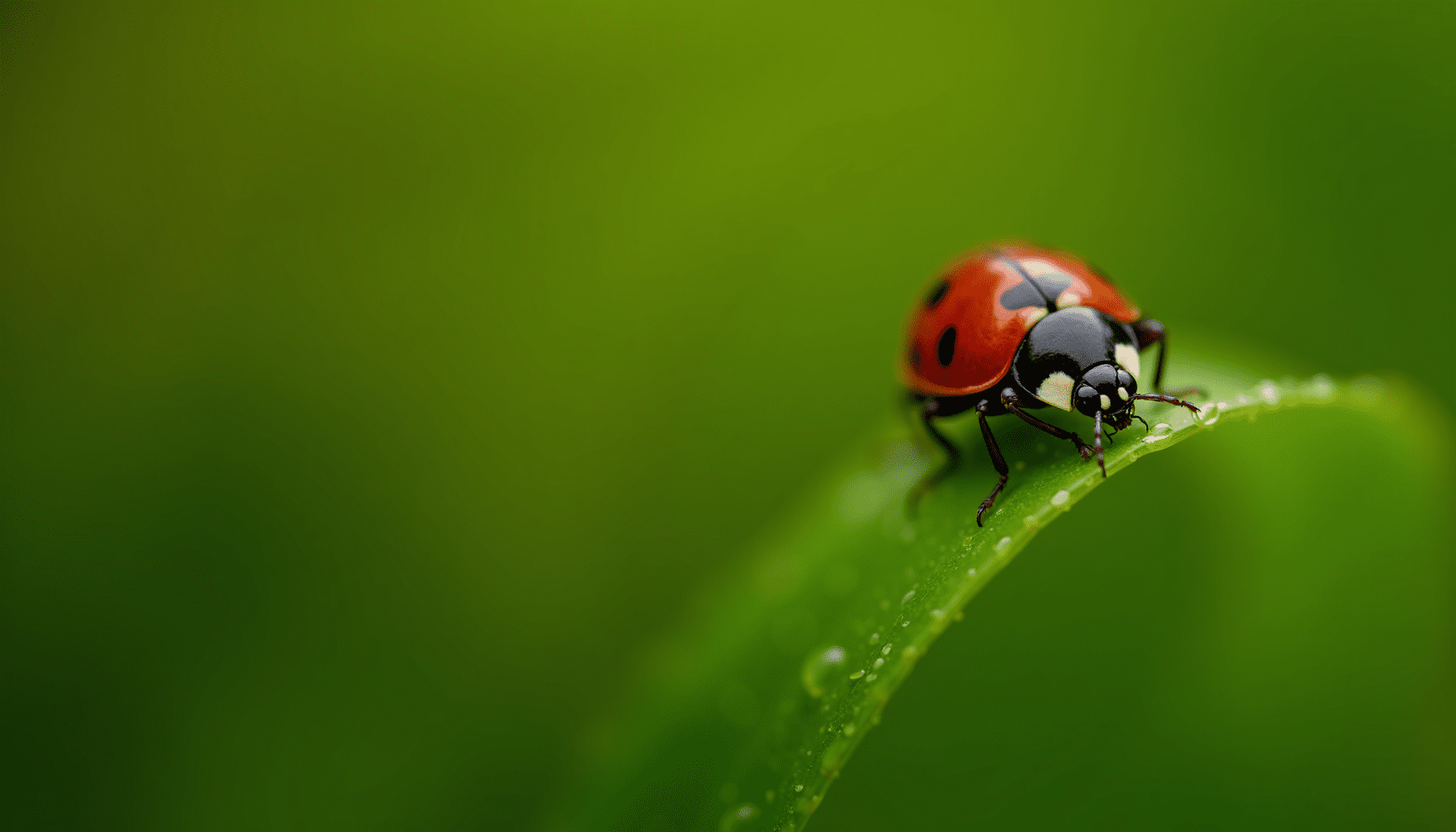
- Identify Beneficials: Learn to recognize common beneficial insects like lady beetles (which prey on aphids – learn what do ladybugs eat? and how to identify ladybugs), lacewings, hoverflies, and parasitic wasps. The Iowa State University Extension provides excellent resources on identifying beneficial insects for IPM.
- Use Targeted Biocontrol Products:
- Bacillus thuringiensis (Bt): A naturally occurring bacterium that specifically targets certain caterpillars. Apply it when larvae are small and actively feeding.
- Beneficial nematodes or predatory mites: These are often used for more specialized situations, such as controlling soil-dwelling pests or spider mites in greenhouse settings.
Targeted Chemical Controls (Last Resort)
IPM does not exclude pesticides entirely, but it reserves them as a last resort, prioritizing the least toxic and most target-specific products only when other methods have failed and damage thresholds are exceeded.
- Lower-Toxicity Options:
- Insecticidal Soap: Effective for soft-bodied insects like aphids, whiteflies, and spider mites. It works by disrupting their cell membranes.
- Horticultural Oil: Used to smother mites, scale insects, and other soft-bodied pests. Always observe label restrictions regarding temperature and plant sensitivity.
- Botanical Insecticides: Products like neem-based sprays can be effective but must be used selectively and with awareness that some botanicals can still harm beneficial insects.
- Always Follow the Label: The pesticide label is a legal document. Always read and follow all directions precisely. The Rutgers NJAES emphasizes that "more is not better" when it comes to pesticide use.
- Targeted Application: Apply only when and where needed. Spot-treat specific infestations rather than broad spraying, and avoid spraying open flowers to protect pollinators.
Garden scenarios
Understanding how to apply IPM principles to common garden challenges can make a big difference. Here are a few examples:
Dealing with Aphids
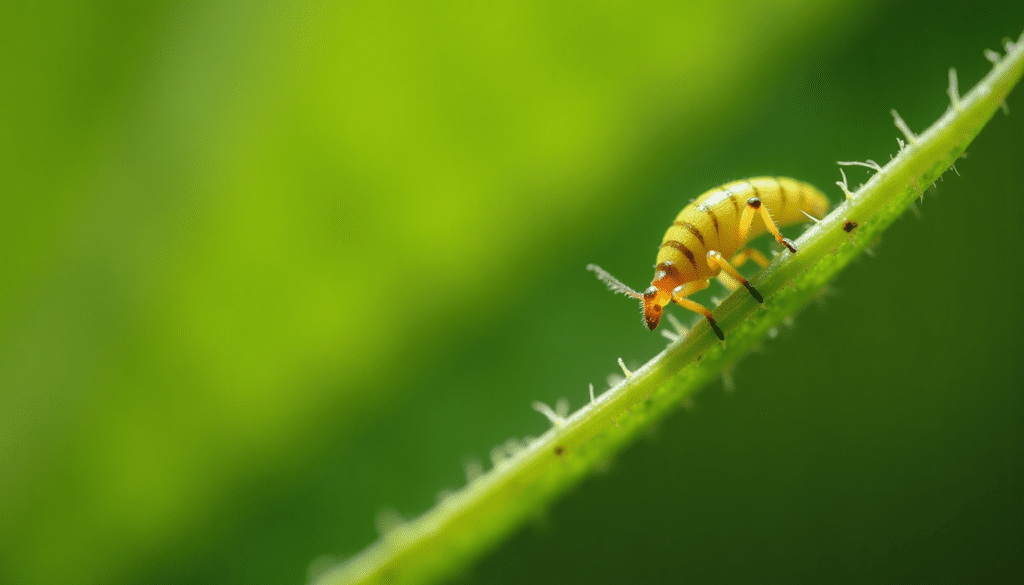
Aphids are tiny, soft-bodied insects that cluster on new growth, sucking plant sap. They can cause distorted leaves and stems, and excrete sticky honeydew.
- Prevention: Maintain healthy, vigorous plants. Avoid excessive nitrogen fertilization, which can promote tender new growth that aphids love.
- Monitoring: Regularly check the undersides of new leaves and flower buds. Look for the aphids themselves, as well as sticky honeydew or sooty mold.
- Controls:
- Water Spray: A strong jet of water can dislodge many aphids.
- Encourage Beneficials: Lady beetles (what do ladybugs eat?), lacewings, and hoverfly larvae are natural aphid predators. Plant flowers to attract them.
- Insecticidal Soap: If populations are high and natural enemies aren't keeping up, apply insecticidal soap directly to the aphids.
Managing Tomato Hornworms
These large, green caterpillars can rapidly defoliate tomato and pepper plants.
- Monitoring: Inspect your plants daily for signs of feeding (large missing leaf sections) and the hornworms themselves, which are camouflaged. Look for their distinctive dark droppings (frass) on leaves below.
- Controls:
- Hand-Picking: Due to their size, hornworms are easy to spot and hand-pick. Drop them into soapy water.
- Biological Control: If you see hornworms with small, white, rice-like cocoons on their backs, leave them! These are pupae of parasitic wasps that will emerge to control more hornworms.
- Bt: For smaller hornworms, Bacillus thuringiensis (Bt) can be an effective, targeted biological insecticide.
Combating Cabbage Worms
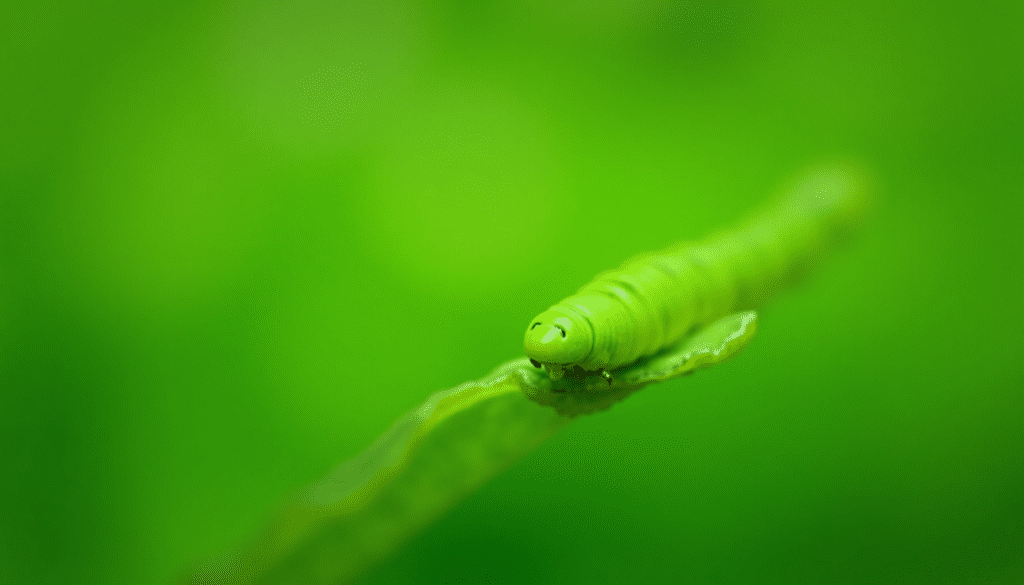
Cabbage worms, the larvae of white butterflies (cabbage whites), chew holes in brassicas like cabbage, kale, and broccoli.
- Prevention: Use floating row covers over your brassica plants from planting until harvest to exclude the adult butterflies from laying eggs.
- Monitoring: Regularly check the undersides of leaves for small green caterpillars and their frass (excrement).
- Controls:
- Hand-Picking: Small numbers can be hand-picked.
- Bt: Apply Bacillus thuringiensis (Bt) when caterpillars are young and actively feeding.
- Beneficials: Maintain flowering plants nearby to attract parasitic wasps that target cabbage worms.
Addressing Powdery Mildew on Cucurbits
Powdery mildew is a common fungal disease that appears as white, powdery spots on leaves, often affecting squash, cucumbers, and melons.
- Prevention: Plant resistant varieties. Provide adequate spacing and ensure good air circulation. Avoid overhead watering late in the day, which can create humid conditions conducive to fungal growth.
- Monitoring: Look for the characteristic white spots on leaves, especially as plants mature.
- Controls:
- Pruning: Remove affected leaves when feasible to reduce the spread.
- Air Flow: Ensure good air circulation around plants.
- Fungicides: If the disease threatens yield, consider applying fungicidal controls, including some organic options, following label directions.

Common myths
Misconceptions about pest control can lead to ineffective or even harmful practices. Let's clarify some common myths surrounding IPM.
Myth 1: IPM is Just Less Spraying
Reality: IPM is a comprehensive decision-making framework, not simply a reduction in pesticide use. While it does aim to minimize chemical applications, it emphasizes understanding pest biology, prevention, monitoring, and using a range of cultural, mechanical, and biological controls first. Many IPM solutions involve no pesticides at all.
Myth 2: Organic Means No Chemicals
Reality: Organic gardening certainly avoids synthetic chemicals, but it still utilizes "chemicals" derived from natural sources, such as Bacillus thuringiensis (Bt), copper, sulfur, and botanical oils (like neem). The distinction lies in their source and regulatory approval. IPM is highly compatible with organic gardening, but IPM itself allows for synthetic pesticides as a last resort if other options fail.
Myth 3: All Bugs Are Bad
Reality: This is one of the most damaging myths for a healthy garden. Only a small percentage of insects are actual pests. Many are beneficial predators, parasitoids, or essential pollinators. Blanket spraying often kills helpful species, disrupting the natural balance and potentially making pest problems worse. Learn to identify your garden's allies!
Myth 4: IPM Guarantees a Pest-Free Garden
Reality: IPM accepts that some level of pest presence and damage is natural and unavoidable in an ecosystem. The goal is to keep pest populations below economic or aesthetic thresholds where they cause significant harm, not to achieve a perfectly pristine, damage-free garden. Striving for perfection often requires unsustainable and ecologically harmful practices.
Myth 5: More Pesticide is Better
Reality: This is dangerous thinking. Overuse of pesticides can burn plants, lead to pest resistance, and severely harm beneficial insects, pollinators, and the wider environment. Always follow label directions precisely; they specify the safest and most effective rates. The EPA's integrated pest management guide consistently stresses this point.
Myth 6: Natural or Homemade Remedies Are Always Safe
Reality: "Natural" does not automatically mean benign. Concentrated soaps, oils, or certain homemade concoctions can still burn plants, harm beneficial insects, or be toxic to pets if misused. Always research and test any new remedy on a small area first, and understand its potential impacts.
Myth 7: Biological Control Means Buying and Releasing Insects
Reality: While commercial releases of beneficial insects exist for specialized situations (like greenhouses), in most home gardens, conservation biological control is far more important and reliable. This means focusing on protecting and providing habitat for the naturally occurring predators and parasitoids already present in your garden. Purchased releases often fail without the proper environmental conditions to support them.
Final checklist
Integrated Pest Management (IPM) offers a powerful, sustainable framework for managing pests in your home garden. By focusing on prevention, careful monitoring, accurate identification, and a tiered approach to controls, you can cultivate a thriving garden that is resilient, productive, and environmentally responsible. Embrace the IPM philosophy to work with nature, not against it, fostering a balanced ecosystem where your plants and beneficial insects can flourish.
Ready to attract more helpful insects to your garden? Learn more about attracting pollinators to your garden or discover best mosquito repellent plants for your garden to enhance your IPM efforts.
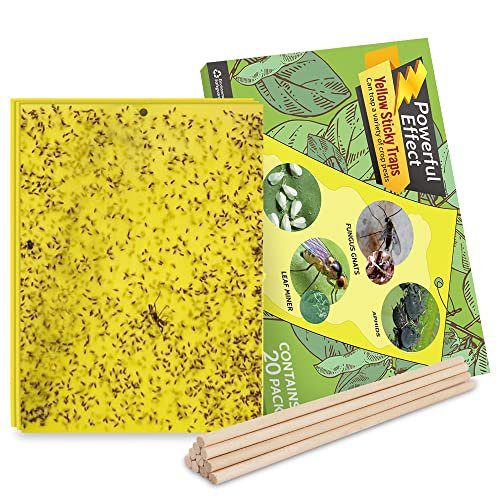
These sticky traps are crucial for the ‘monitoring’ step of IPM, allowing gardeners to detect pest presence early, identify types of flying insects, and assess population levels before significant damage occurs, guiding targeted interventions.
- Very effective at trapping a wide variety of small flying plant pests like fungus gnats, whiteflies, and aphids
- Large double‑sided 6×8 inch sticky surface that can be cut into smaller pieces for flexible use indoors and outdoors
- Non‑toxic, odorless, waterproof and sunproof design that’s safe around plants and easy to hang with included twist ties
- Adhesive is extremely sticky, making the sheets tricky to handle and easy to get stuck on fingers or nearby objects during setup
- Can fill up quickly in heavy‑infestation areas, requiring frequent replacement and generating some waste
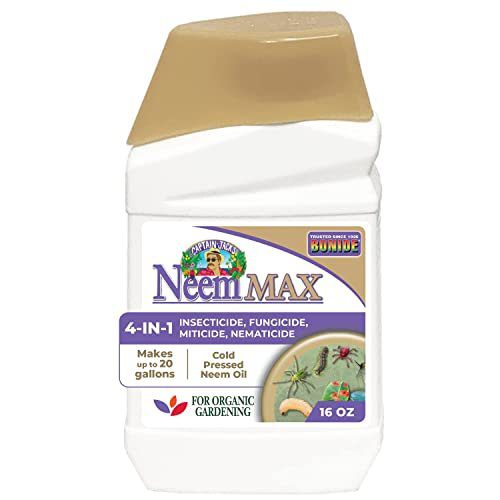
Neem oil is a cornerstone of organic and least-toxic pest control in IPM. It acts as an insecticide, fungicide, and miticide, effectively managing a wide range of garden pests while being safer for beneficial insects and the environment than broad-spectrum chemicals.
- Effectively controls a wide range of common garden pests (aphids, mites, whiteflies, fungus gnats, etc.) and many fungal diseases
- Organic-friendly, cold-pressed neem formulation that can be used safely on vegetables, fruits, herbs, ornamentals, and houseplants
- Versatile concentrate that can be applied as a foliar spray or soil drench, allowing targeted use for both foliage pests and soil issues like nematodes
- Some users report that the mixing directions and dilution rates can be confusing for different use cases (insects, disease, soil drench)
- May require repeated applications and can have a strong odor that some gardeners find unpleasant
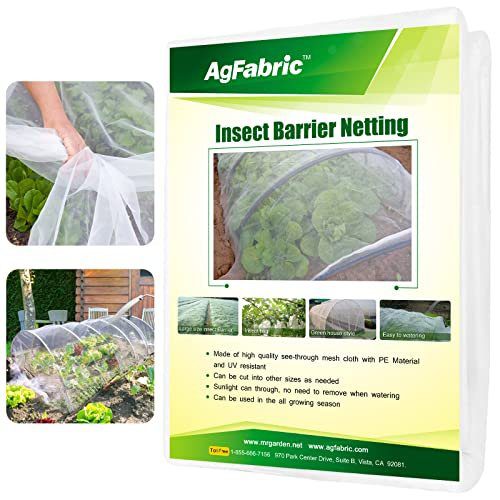
Physical barriers like garden netting are a primary ‘prevention’ strategy in IPM. This fine mesh cover physically excludes pests from reaching vulnerable plants, reducing the need for other control methods and protecting crops from damage.
- Effectively keeps out common garden pests like insects and birds while still allowing air, light, and water through
- Large 10’x30′ size and lightweight material that is easy to cut, shape, and install over beds, hoops, or frames
- Reusable and durable enough to last through multiple seasons when handled and stored properly
- Some reviewers report the mesh can tear or snag relatively easily, especially if pulled tight or caught on sharp edges
- A few customers feel the material is flimsier or less heavy-duty than they expected for long-term use

Accurate pest identification is fundamental to IPM. A handheld magnifier allows gardeners to closely inspect plants for tiny pests, eggs, and early signs of damage, enabling precise identification and informed decisions on the most appropriate, targeted control methods.
As an Amazon Associate, I earn from qualifying purchases. Product recommendations are based on real reviews and independent research.