Finding a roach in the kitchen or bathroom is unsettling, but the fastest way to fix the problem is to identify what you’re seeing. Different types of cockroaches prefer different hiding spots, moisture levels, and food sources, so the right control plan depends on the species. This guide shows the most common roaches found in and around U.S. homes, the photo-friendly markings that separate them, and what each one usually means for your next steps. If you’re taking pictures for ID, you’ll also learn exactly what to zoom in on.
Quick identification (fast answers for the most common types of cockroaches)
If you want a quick, practical ID, start with size, color, and where you found it. Most household problems come from four main types of cockroaches, plus a few outdoor “wanderers.”
| What you noticed | Most likely roach | Quick visual cue | Where it’s usually found |
|---|---|---|---|
| Small (1/2 inch), tan, two dark stripes behind head | German cockroach | Two parallel dark lines on the pronotum | Kitchens, bathrooms, under appliances |
| Medium (3/8 to 1/2 inch), tan, pale bands across body | Brown-banded cockroach | Light cross-bands on wings/abdomen | Bedrooms, living rooms, high cabinets, electronics |
| Large (1 1/2 inch+), reddish-brown | American cockroach | Pale “halo/figure-8” on pronotum | Basements, crawlspaces, drains, sewer-related areas |
| Dark, glossy, heavy-bodied (1 to 1 1/4 inch) | Oriental cockroach | Shiny dark brown to black, short wings | Damp basements, floor drains, around foundations |
| Attracted to lights, often found near firewood | Wood cockroach | Often flies well, outdoor species | Porches, window screens, brought in on firewood |
Action tip: Place glue traps tonight to confirm the species and hotspots. See our tested picks in Best Cockroach Traps.
Types of cockroaches that commonly infest homes (and why species ID changes control)
Many people assume “a roach is a roach.” Entomologists don’t. Cockroaches (order Blattodea) include thousands of species worldwide, but only a small slice regularly infest buildings. That’s why you can see a roach once and never again, or you can see one and discover a breeding colony behind the refrigerator.
University extension programs repeatedly emphasize that correct identification is the first step in integrated pest management (IPM). The reason is simple: each species has a different “comfort zone.” Some need constant humidity and stay close to water. Others tolerate drier rooms and hide high on walls. Some are mostly outdoor roaches that wander inside by accident. Guidance from the University of Maryland Extension and the University of California IPM Program highlights species-level ID as the foundation for any plan that actually works.
Here’s what species ID changes immediately:
- Where you inspect first: under sinks vs. behind picture frames vs. basement drains
- Which tools work best: baits in tight crevices vs. dusts in wall voids vs. perimeter exclusion
- How urgent the situation is: German roaches often mean an indoor breeding colony; wood roaches often do not
A simple “indoor breeder vs. outdoor wanderer” checklist
Use this quick checklist before you reach for sprays:
- Likely indoor breeders: German cockroach, brown-banded cockroach
- Often outdoor-based but can invade buildings: American cockroach, Oriental cockroach
- Usually outdoor wanderers: wood cockroaches (Parcoblatta species)
Practical next step: If you’re seeing small roaches (nymphs) regularly, treat it like an indoor breeding issue. For a full plan, follow How to Get Rid of Cockroaches Permanently.
German cockroach (Blattella germanica): the small striped kitchen invader
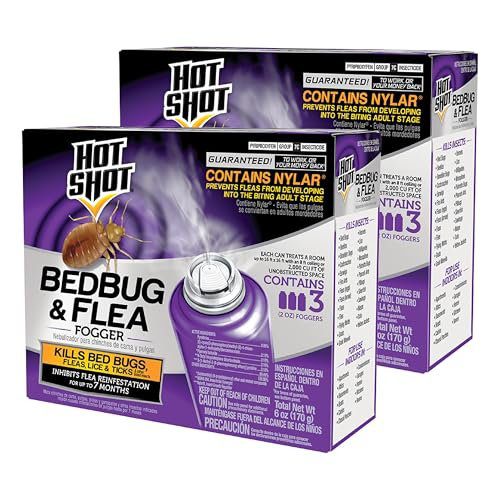
Hot Shot BedBug And Flea Fogger, Inhibits Flea Reinfestation, 2 Ounce Cans, 6 Count
This product is relevant as it can be used to control cockroach infestations effectively, especially in areas where they are commonly found like kitchens and bathrooms.

Catchmaster Max-Catch Mouse & Insect Glue Trap 72pk, Mouse Traps Indoor for Home, Sticky Pest Control Adhesive Tray for Catching Bugs, Bulk Classic Glue Boards
These glue traps are useful for confirming the presence of cockroaches and identifying hotspots, as suggested in the article.
If you’re dealing with frequent sightings in the kitchen, especially small tan roaches that scatter when lights flip on, German cockroaches are the top suspect. They are among the most indoor-adapted roaches on the planet and are a common driver of recurring infestations in apartments, restaurants, and shared-wall housing. Extension guidance such as the University of Nebraska–Lincoln urban entomology resources consistently lists German cockroaches among the most common indoor structural pests.
Identification (what to photograph)
German roaches are “small, fast, and patterned.” Look for:
- Adult size: about 13-16 mm (1/2 to 5/8 inch)
- Color: tan to light brown
- Key marking: two dark, nearly parallel stripes right behind the head (on the pronotum)
- Nymphs: darker overall, wingless, often with a pale stripe down the middle of the back
Macro photo tip: Get a sharp top-down shot of the head and pronotum. Those two stripes are the money shot for ID.
Where they hide (the “warmth + grease” map)
German cockroaches prefer warm, humid, food-rich zones. In homes, that usually means:
- Behind and under refrigerators (warm motor area)
- Under sinks and around plumbing penetrations
- Under stoves, inside cabinet corners, and along drawer tracks
- In clutter near food, including cardboard and paper bags
If you only treat what you can see, you miss 90 percent of the population. Think of them like commuters: you see them on the “roads” at night, but they live in tight “apartments” you rarely look into.
What German roaches often indicate
- They usually arrived via items: used appliances, grocery deliveries, cardboard boxes, or furniture
- They reproduce quickly indoors: repeated sightings often mean a colony is established
Control approach that matches the species
For German roaches, the most reliable plan is bait-driven IPM:
- Sanitation: remove grease films, crumbs, and open food nightly
- Exclusion: seal cracks around pipes and baseboards to reduce harborage
- Baits first: place gel bait in cracks and crevices near hiding zones
- Avoid over-spraying: broad sprays can repel roaches and reduce bait feeding
If you need faster knockdown for visible roaches while you bait, use a targeted product labeled for indoor crack-and-crevice use. Our guide to Best Roach Sprays for Instant Kill explains which types work best and where to apply them safely.
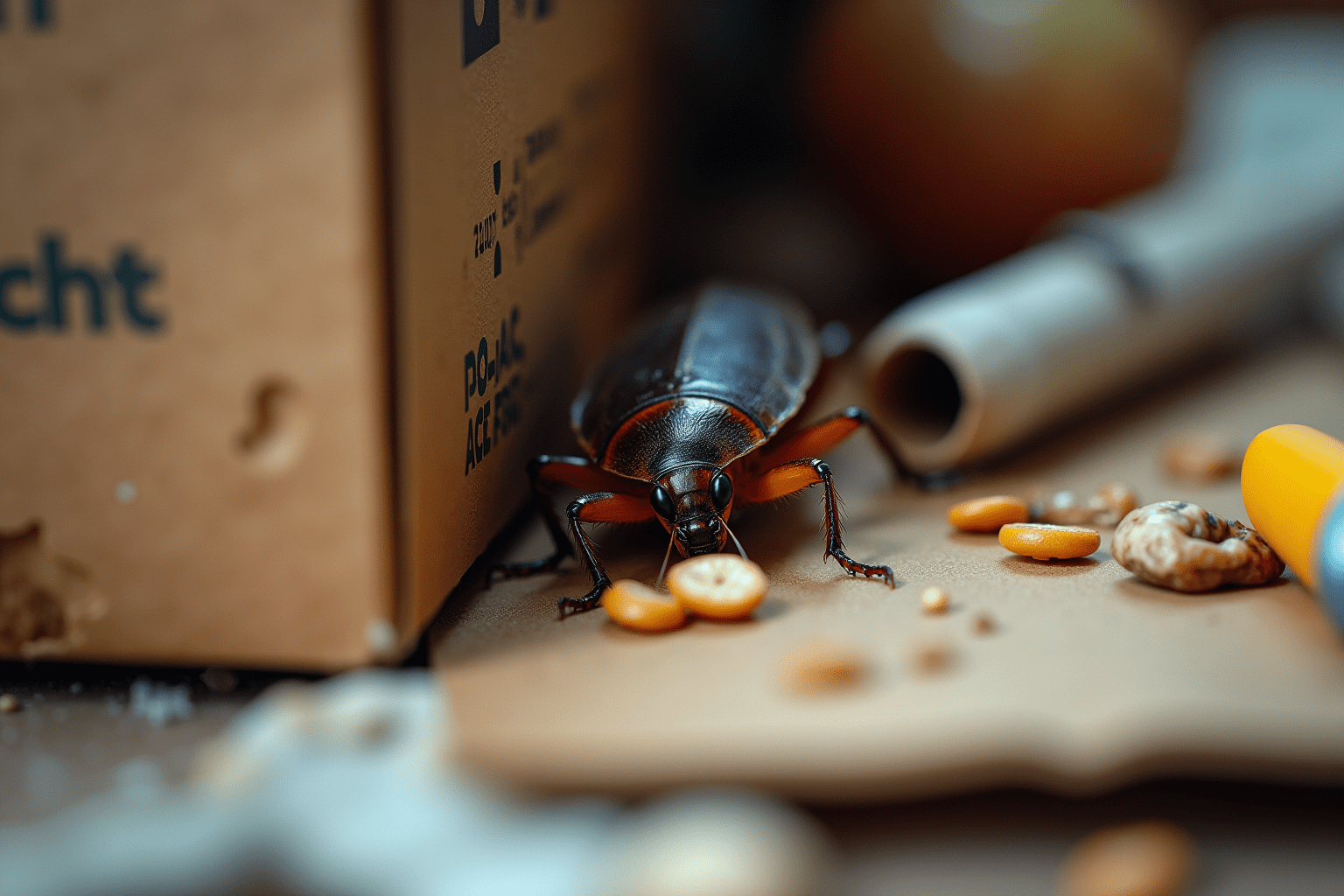
American cockroach (Periplaneta americana): the big “palmetto bug” from damp voids and drains
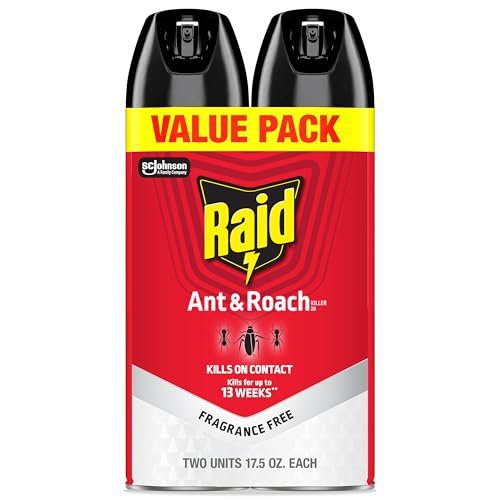
Raid Ant & Roach Killer, Fragrance Free Bug Killer for Home Use, Kills Bugs on Contact, 17.5 Oz, 2 Count
This insecticide is specifically designed for killing roaches and other pests, making it a practical solution for readers looking to manage cockroach problems.
Seeing a very large roach can feel like a different category of problem. Often, it is. American cockroaches are among the largest common structural roaches, and many infestations are tied to basements, crawlspaces, boiler rooms, and sewer-adjacent habitats rather than kitchen cabinets. They’re frequently nicknamed “palmetto bug” or “water bug” in different regions, though those common names get used loosely.
Identification (what separates it from other big roaches)
American cockroach adults are hard to miss:
- Adult size: typically 35-40+ mm (1 1/2 inches or more)
- Color: reddish-brown
- Pronotum pattern: a pale yellowish halo or figure-8 around a darker center behind the head
- Wings: long, fully developed; may glide in warm conditions
- Nymphs: wingless, grayish-brown to reddish as they mature
Macro photo tip: Include a coin or ruler in one photo. Size is a major ID clue, and scale prevents misidentifying a large German roach as “baby American.”
Where they come from (indoors vs. outdoors)
American cockroaches can live outdoors in warm climates, but they also thrive in protected, damp man-made spaces. Common sources include:
- Sewer and storm drain systems
- Basement floor drains and sump areas
- Crawlspaces with moisture and organic debris
- Gaps around plumbing chases and utility penetrations
If you see them repeatedly indoors, it often points to an entry route plus a moisture-friendly harborage nearby.
A perimeter-first control checklist
Because American roaches often originate outside the living space, control usually works best from the perimeter inward:
- Seal entry points: door sweeps, window gaps, pipe penetrations
- Reduce outdoor harborage: leaf piles, wood piles, dense mulch against the foundation
- Manage drains: use drain screens and fix plumbing leaks
- Monitor: place sticky traps near suspected entry points and damp zones
If you’re unsure where activity is highest, start with monitoring. Use glue traps to map movement, then focus your effort. The trap placement strategy in Best Cockroach Traps helps you pinpoint the “highways” these roaches use.
Oriental cockroach (Blatta orientalis): the glossy dark roach tied to damp, cool areas
Oriental cockroaches are often described as “water roaches,” especially in cooler climates where they show up near basements and drains. They’re less likely to be scattered throughout upper cabinets. Instead, they cluster where it’s damp, dark, and close to ground level.
Identification (glossy, dark, and heavy-bodied)
Key traits:
- Adult size: about 25-32 mm (1 to 1 1/4 inch)
- Color: shiny very dark brown to black
- Wings:
- males have short wings that cover about 3/4 of the abdomen
- females have tiny, vestigial wings and look almost wingless
- Movement: generally slower than German roaches
Macro photo tip: Use angled light to show the glossy sheen. A matte brown roach is likely not Oriental.
Where you’ll find them
Oriental roaches favor cool, damp locations such as:
- Basement corners and utility rooms
- Crawlspaces with poor ventilation
- Around floor drains, sump pits, and leaky plumbing
- Outdoors under leaf litter, stones, and dense mulch
If you’re seeing them indoors, ask a practical question: “What is staying wet too long?” That question often solves the problem faster than any insecticide.
Moisture-first control steps (the part people skip)
Oriental cockroach control succeeds when you treat the habitat, not just the insect:
- Fix leaks (pipes, HVAC condensate, hose bibs)
- Dry the space (dehumidifier, ventilation, crawlspace moisture control)
- Reduce ground-level entry (seal gaps at thresholds and around utility lines)
- Clean up outdoor debris near the foundation
Targeted insecticides can help, but they work best after moisture is addressed. For dust-based options used in cracks and voids, see our review of Best Boric Acid Products for Roach Control. Always follow label directions, especially around children and pets.
Brown-banded cockroach (Supella longipalpa): the “dry room” roach that hides high and spreads out
Brown-banded cockroaches are the ones people miss at first. Unlike German roaches, they’re not tied as tightly to sinks and drains. They can live in drier rooms, hide higher on walls, and scatter across bedrooms and living spaces. The University of California IPM Program notes that this species often shows up in places many homeowners don’t inspect until the infestation is established.
Identification (the banded look)
Look for:
- Adult size: about 10-14 mm (3/8 to 1/2 inch)
- Color: light brown to tan
- Distinctive marking: two pale cross-bands across wings and abdomen
- Nymphs: darker with bold pale bands (often easier to identify than adults)
Macro photo tip: Photograph the back (dorsal view). The pale bands are the easiest confirmation feature.
Where they hide (think “warm, dry, elevated”)
Common hiding sites include:
- Behind picture frames and wall decor
- Inside or behind clocks, TVs, routers, and electronics
- Upper cabinets, closet shelves, and curtain rods
- Behind baseboards and inside wall voids
Because their hiding spots are spread out, brown-banded infestations can feel random. One night you see a roach in a bedroom. The next week it’s in a hallway. That pattern fits this species.
Control plan for brown-banded roaches
A good plan has two parts: broaden inspection and treat cracks precisely.
- Inspect beyond the kitchen: bedrooms, living rooms, closets, electronics areas
- Use baits strategically: small placements near harborage, not in open floor areas
- Consider dust in voids: wall voids and behind outlets can be productive sites when done safely and according to label
- Reduce clutter: fewer hiding spots means better bait performance and faster population decline
If your sightings are concentrated in food areas, tighten up daily habits too. The step-by-step checklist in Tips on Keeping Cockroaches Out of Your Kitchen pairs well with baiting for long-term results.

Wood cockroaches (Parcoblatta species): common “false alarms” that usually don’t infest homes
Wood cockroaches, such as the Pennsylvania wood cockroach (Parcoblatta pennsylvanica), are a frequent source of misidentification. People see a brown roach near a window or porch light and assume an indoor infestation has started. In many cases, it hasn’t.
The University of Maryland Extension highlights wood roaches as occasional indoor nuisances in some regions, especially when they wander in from outdoors or hitchhike on firewood.
Identification and behavior clues
Wood roaches can look like “small American roaches,” but behavior helps:
- Adult size: roughly 19-25 mm (3/4 to 1 inch)
- Males: long wings, strong fliers, often attracted to lights
- Females: shorter wings, more compact appearance
- Common scenario: found on window screens at night, or indoors after bringing in firewood
Macro photo tip: If possible, photograph the roach on a window screen near a light source. That context supports the ID.
What it means if you find one indoors
In most homes, wood roaches:
- do not establish breeding colonies indoors
- show up as single wanderers, especially in spring and summer evenings
- are best managed with exclusion, not indoor insecticide campaigns
Prevention that actually works
Use a simple outdoor-focused checklist:
- Store firewood away from the house and off the ground
- Reduce or reposition bright outdoor lights near doors
- Seal gaps around doors, windows, and siding
- Repair torn screens and add door sweeps
If you’re only seeing occasional individuals near entry points, focus on sealing and lighting changes. Save heavy indoor treatments for true indoor breeders like German or brown-banded roaches.
Prevention and control that works across most cockroach problems (IPM basics)
Once you know the species, you can fine-tune your plan. Still, most successful roach control follows the same IPM structure: reduce food and water, block hiding places, monitor, then use targeted products. This approach is consistent with recommendations from the University of Nebraska–Lincoln and the University of California IPM Program.
A practical IPM checklist (printable-style)
1) Sanitation (nightly habits matter most)
- Store food in airtight containers, not cardboard.
- Wipe grease and crumbs from counters and stove sides.
- Don’t leave pet food out overnight.
- Empty trash regularly and keep lids tight.
2) Exclusion (remove the “doorways”)
- Caulk cracks at baseboards, under sinks, and around pipes.
- Add door sweeps and weatherstripping.
- Screen vents and use drain covers where appropriate.
3) Monitoring (know where they’re traveling)
- Place glue traps along walls, under sinks, and behind appliances.
- Check weekly and note which traps catch the most.
- Use the catches to confirm species and target bait placements.
4) Targeted products (precision beats fogging)
- Use gel baits or bait stations in cracks and crevices.
- Consider boric acid or silica dusts in voids when labeled for the site.
- Reserve sprays for crack-and-crevice use or quick knockdown, not whole-room fogging.
If you want a complete room-by-room plan, follow How to Get Rid of Cockroaches Permanently. It walks through inspection, bait placement, and follow-up timelines.
Conclusion: identify the roach, then match the fix
Most household roach issues come down to a handful of common species. German roaches usually mean a kitchen or bathroom breeding colony. Brown-banded roaches point to drier, higher hiding spots in living areas. American and Oriental roaches often trace back to damp basements, crawlspaces, and drains. Wood roaches are often outdoor visitors that need exclusion more than indoor treatment.
Next step: set a few glue traps tonight to confirm the species and hotspots, then choose tools that match the roach’s habits. For product-focused help, start with Best Cockroach Traps and, if you need immediate knockdown, Best Roach Sprays for Instant Kill.
If the thing you found is not on this page, our guide to working out what a bug is from what you saw starts from colour, place and movement instead.
As an Amazon Associate, I earn from qualifying purchases. Product recommendations are based on real reviews and independent research.