Finding roaches at night and wondering what actually works? Cockroach traps can help fast, but only when you use the right type for the right job – monitoring, reducing numbers, or supporting a bait-based kill. This guide breaks down the most effective trap styles (sticky, baited stations, and a few specialty options), how to place them for the best catch, and when traps are a signal you need a bigger plan. You will also learn what traps can’t do, so you don’t waste time.
Quick answer: which cockroach traps work best?
The best choice depends on whether you want proof, population reduction, or a full elimination plan. Here’s the practical shortcut.
Best uses for cockroach traps (at a glance)
- Best for finding where roaches are coming from: Sticky monitoring traps placed along walls and under sinks
- Best for actually reducing a colony: Baited stations and gel baits used with traps (traps confirm activity; bait does the killing)
- Best for apartments and shared walls: Sticky traps for monitoring + non-repellent bait placements (to avoid pushing roaches into new rooms)
- Best for kitchens: Low-profile sticky traps behind fridge/stove + bait stations in protected corners
- What not to expect: Traps alone rarely eliminate an established infestation, especially German cockroaches
Fast placement rule: Put traps tight to walls, near heat + moisture (fridge compressor area, dishwasher, sink cabinet), and check them every 2-3 days at first.
How cockroach traps work (and what they can’t do)
Roaches do not wander randomly. They travel like commuters – hugging edges, slipping through tight gaps, and revisiting reliable “routes” between shelter, water, and food. That’s why traps placed in the middle of a room often stay empty, even when you know roaches are present.
Most traps fall into two categories: monitoring traps (catch and measure activity) and control tools (help reduce numbers). The common mistake is expecting a monitoring trap to do the work of a colony-level control product.
Monitoring vs control: the difference that saves time
Monitoring traps (usually sticky glue boards) are designed to:
- Confirm you have roaches (and which kind)
- Reveal travel paths and hiding zones
- Track whether your treatment is working
Control tools include:
- Bait stations (insecticide bait inside a child-resistant housing)
- Gel bait placements (pea-sized dots or thin lines in cracks and voids)
- Insect growth regulators (IGRs) used alongside baits (not a trap, but often part of the same plan)
Entomologists and pest managers generally prioritize baits because they can spread through a population. For example, product information summarized by the team at DIY Pest Control describes how indoxacarb baits can cause secondary kill when poisoned roaches are eaten or contacted by others. That “domino effect” is something a glue trap simply cannot replicate.
What traps can’t do (realistic expectations)
Even excellent cockroach traps typically cannot:
- Reach roaches hidden deep in wall voids
- Stop egg cases already carried by females
- Prevent reinfestation from neighboring units
- Eliminate German cockroaches without baiting and sanitation
Actionable takeaway: Use traps as your “map.” Use bait as your “engine.” If you only trap, you often catch the visible commuters while the colony keeps producing new ones.
Visual checklist: trap expectations
| Goal | Traps alone | Traps + bait | Best tool combo |
|---|---|---|---|
| Confirm roaches | Excellent | Excellent | Sticky traps |
| Find hotspots | Excellent | Excellent | Sticky traps + flashlight inspection |
| Reduce numbers | Limited | Good | Sticky traps + bait stations/gel |
| Eliminate infestation | Rare | Often | Baits + IGR + targeted exclusion |
Cockroach traps tested and ranked: what to buy by situation
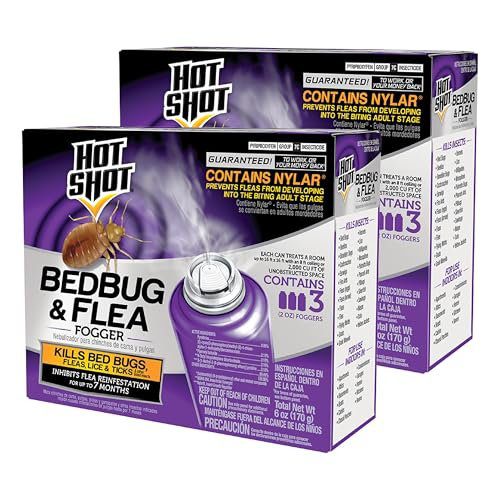
Hot Shot BedBug And Flea Fogger, Inhibits Flea Reinfestation, 2 Ounce Cans, 6 Count
This product is relevant as it can be used in conjunction with traps for effective cockroach control, particularly in areas where roaches may hide.
There is no single “best” trap for every home. A studio apartment with German roaches needs a different approach than a garage with occasional American roaches. The ranking below is based on how pros actually use traps in the field: information first, then pressure the population with baits.
1) Sticky glue traps (best overall for detection and placement feedback)
Sticky traps are the workhorse. They are cheap, low-odor, and extremely informative.
Best for:
- Early detection (one roach is enough to justify action)
- Pinpointing where to bait
- Tracking progress week to week
How to use them well:
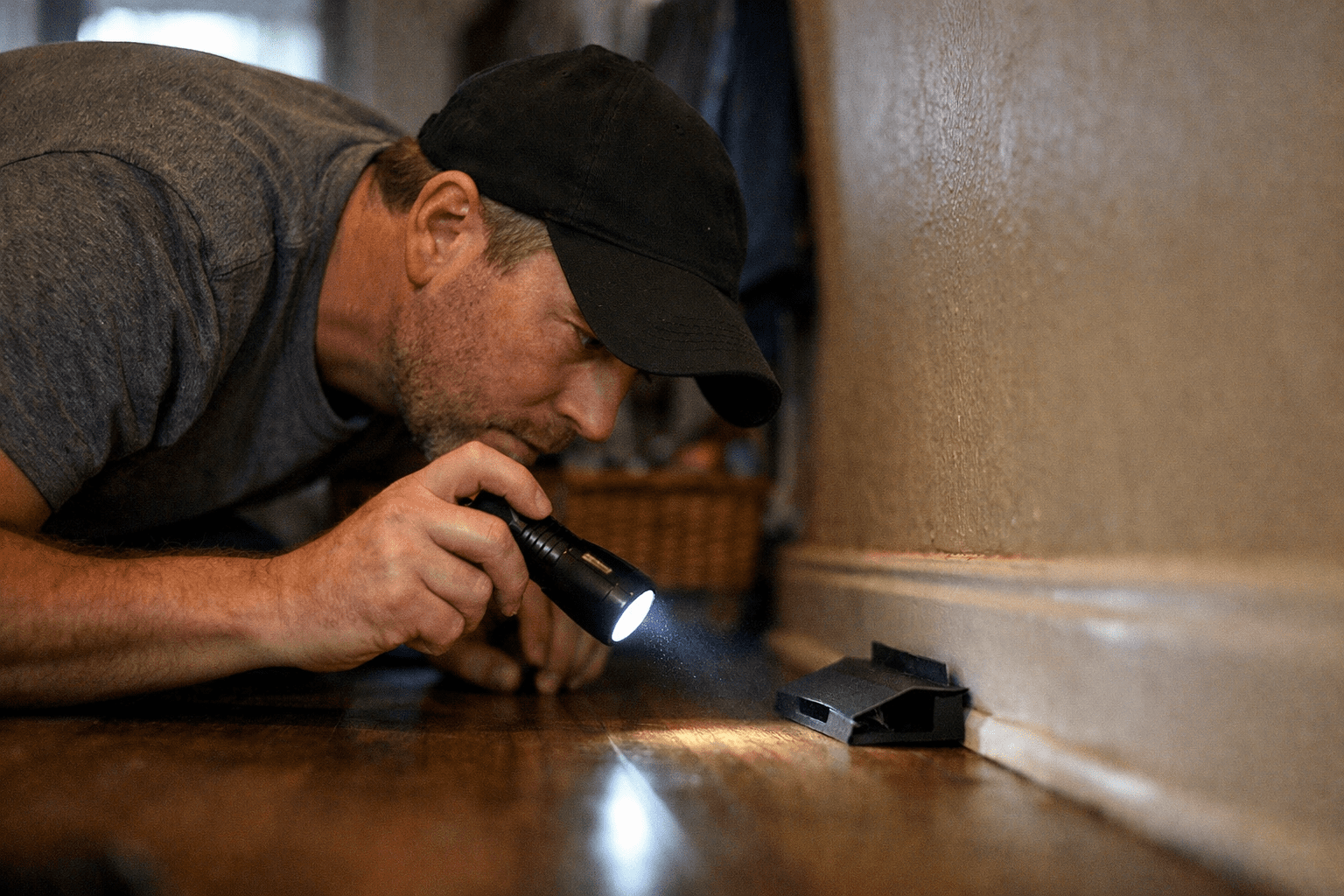
- Place 2-6 traps per room where activity is suspected.
- Put them flush against walls or in corners.
- Prioritize: under sink, behind fridge, beside dishwasher, pantry baseboards.
- Label each trap with the date and location.
- Check every 48-72 hours initially.
Common mistake: placing traps where they are easy to see instead of where roaches travel.
Visual placement map (kitchen):
- Behind refrigerator (compressor side)
- Under sink cabinet corners
- Next to dishwasher base
- Pantry floor-wall edges
- Under stove edge (if safe and accessible)
If you’ve used glue boards for mosquitoes outdoors, note the difference: roaches are edge-followers. For yard pests, airflow and attraction matter more. For comparison, see Best Mosquito Traps for Yard and Patio for how trap logic changes outside.
2) Bait stations that function like “traps” (best for real control)
Many people search for traps because they want something enclosed, tidy, and low-mess. In practice, bait stations often deliver what people wish traps did: noticeable reduction over time.
Why they work better than glue boards:
- Roaches feed on the bait and return to harborage
- Poison can spread through feces, regurgitation, and scavenging
- Stations protect bait from dust and casual contact
According to guidance commonly emphasized by university extension IPM programs, baits are preferred because they target roaches where they live and feed. The University of California Integrated Pest Management Program also stresses sanitation and targeted placement as key parts of roach control.
Best for:
- German cockroaches in kitchens and bathrooms
- Homes with kids or pets (when used as labeled)
- People who want low-odor control
Visual “station spacing” rule:
- Light activity: 1 station every 6-10 feet
- Moderate to heavy: 1 station every 3-6 feet, focused in hotspots
3) Gel bait used with monitoring traps (best for heavy infestations)
Gel bait is not a trap, but it is often the missing piece when traps “aren’t working.” If your sticky traps are catching multiple roaches per night, that’s a strong signal you need a baiting plan.
How to pair gel bait with traps:
- Use sticky traps to identify routes.
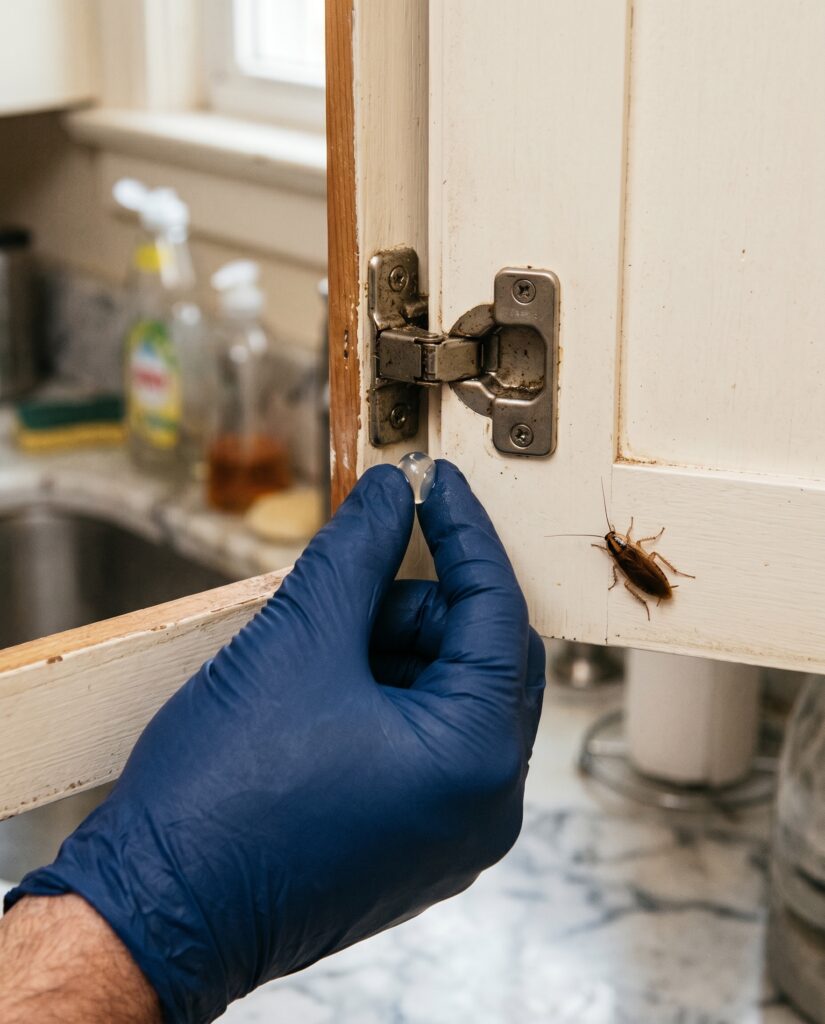
- Apply gel bait near (not on) those routes – in cracks, hinges, under counter lips, behind appliances.
- Keep bait placements small and fresh. Roaches prefer fresh bait over dried bait.
Why this combo is powerful: traps tell you where to apply bait so you do not guess.
Visual: bait placement do’s and don’ts
- Do: place pea-sized dots in protected crevices
- Do: bait near warmth and moisture
- Don’t: smear bait across open countertops
- Don’t: spray repellent insecticides near bait (it can reduce feeding)
If you’ve ever used ant baits, the strategy will feel familiar: let the pest carry the toxic food back. For a similar approach in another household pest, see Best Ant Traps for Kitchen & Bathroom.
Where to place cockroach traps for maximum catch (room-by-room plan)
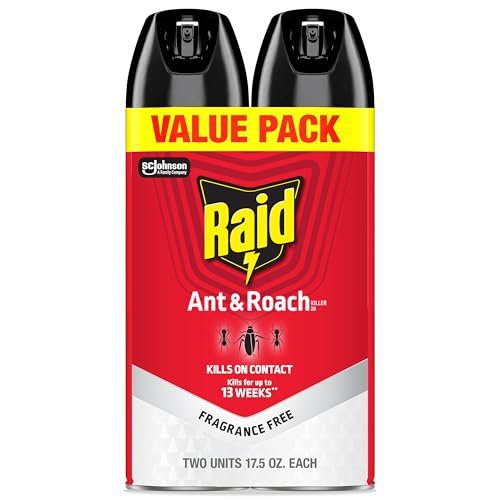
Raid Ant & Roach Killer, Fragrance Free Bug Killer for Home Use, Kills Bugs on Contact, 17.5 Oz, 2 Count
This insecticide spray is effective for reducing cockroach populations and can complement the use of traps.
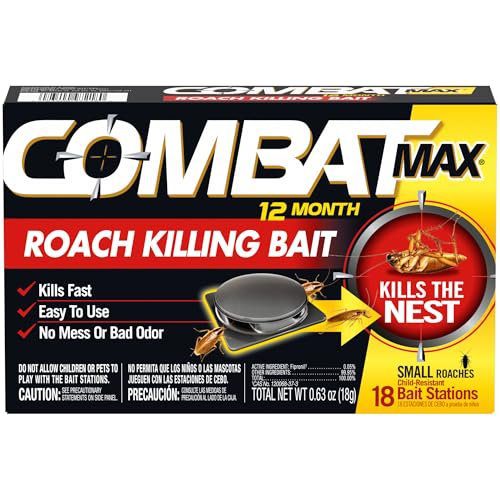
Combat Max 12 Month Roach Killing Bait, Small Roach Bait Station, Child-Resistant, 18 Count
This product provides a baiting solution that works well alongside traps for effective cockroach control.
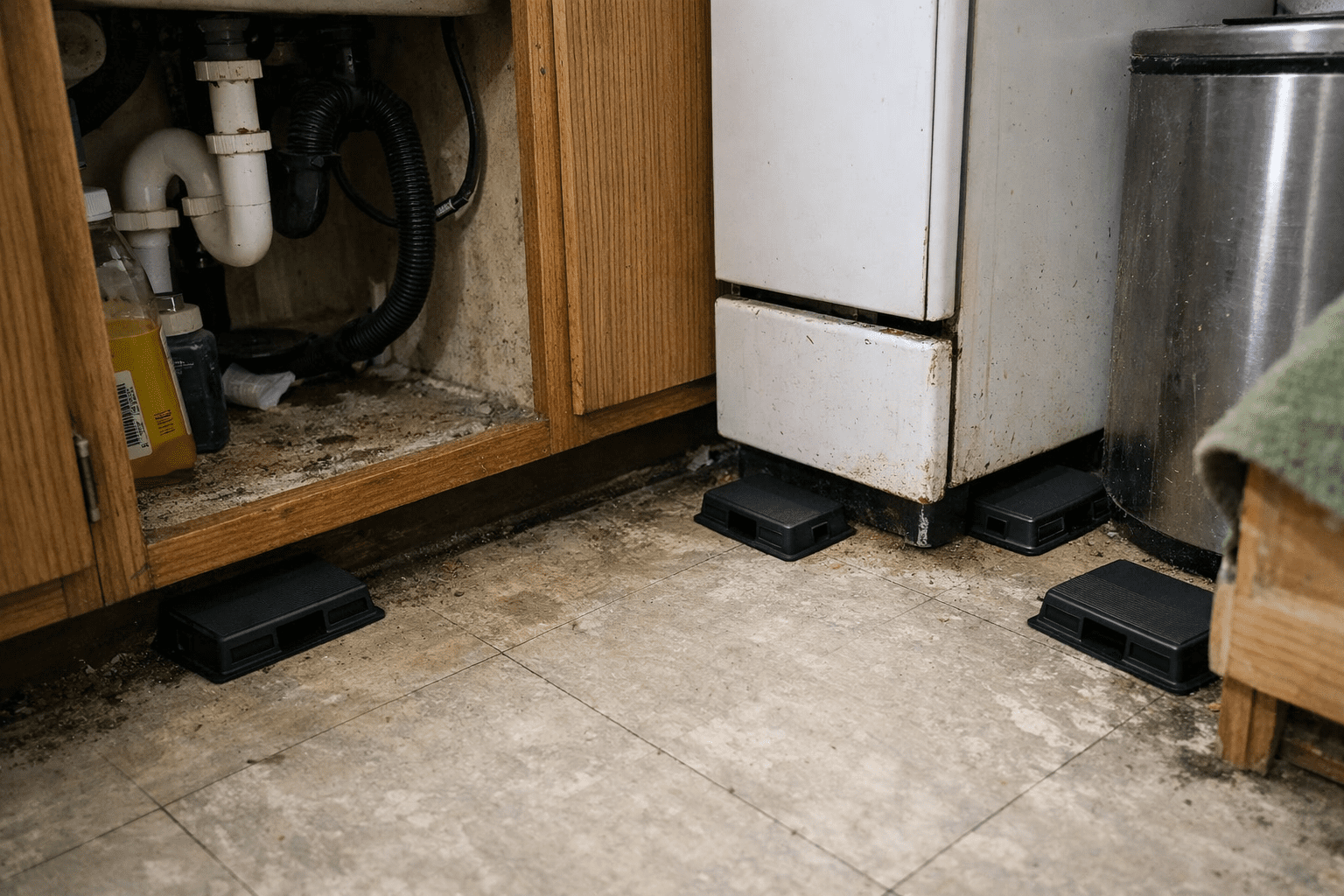
A trap’s location matters more than its brand. Roaches prefer tight spaces because their bodies are built for squeezing into cracks – it’s protection and humidity control in one. Your goal is to place traps where roaches already want to be.
Kitchen: the highest-yield trap locations
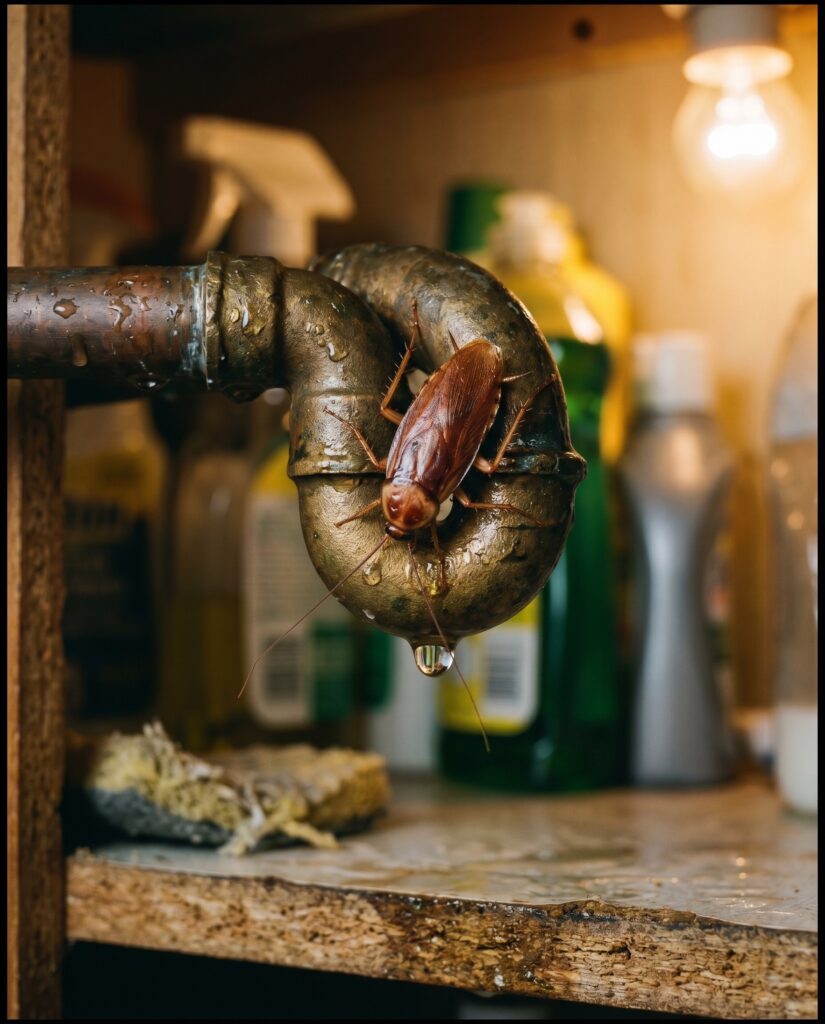
Kitchens combine food crumbs, water, and heat. Focus on “appliance shadows” where warmth and vibration create ideal harborage.
Place traps here first:
- Behind the refrigerator, near the compressor area
- Under the sink cabinet corners (especially near plumbing penetrations)
- Beside the dishwasher base
- Pantry baseboards and shelf corners
- Under/behind the stove if safely accessible
Quick kitchen trap plan (visual checklist):
- 2 traps behind fridge
- 2 traps under sink
- 1 trap by dishwasher
- 1 trap in pantry corner
Bathroom: moisture is the magnet
Bathrooms are often the second hotspot, especially in apartments.
Best placements:
- Under the vanity, tight to the back wall
- Near toilet plumbing entry points
- Behind removable access panels (if present)
If you’re seeing activity in bedrooms, don’t assume it’s bed bugs. Roaches sometimes wander for water at night. For sleep-area monitoring tools, compare methods in Best Bed Bug Traps & Interceptors. The placement logic is different, but the “monitor first, then target” mindset is similar.
Living room and bedrooms: follow edges and electronics
Roaches can harbor in and around electronics because they offer warmth and tight gaps.
Trap targets:
- Along baseboards behind furniture
- Near cable/utility penetrations
- Behind TV stands and routers (do not block vents)
How many traps do you need?
A practical starting point:
- Studio/1-bedroom: 10-16 sticky traps total
- 2-3 bedrooms: 16-30 sticky traps total
- Heavy infestations: more traps, but also shift budget to bait and an IGR
Actionable takeaway: If traps are empty but you see roaches, move traps tighter to walls and closer to water sources. If traps are full, stop buying more traps and start baiting strategically.
Sticky traps vs baits vs sprays: what to use and when (IPM approach)
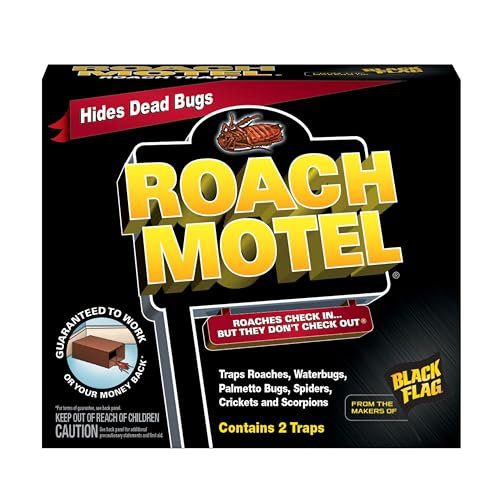
Black Flag Roach Motel Traps, 2-Count, 1-Pack
These sticky traps are specifically designed for monitoring and capturing roaches, making them a direct solution to the problems discussed in the article.
Many homeowners mix methods in a way that cancels results. The biggest conflict is repellent sprays used near baits. Repellents can push roaches away from treated areas, which sounds good, but it often drives them deeper into walls or into new rooms. It can also reduce bait feeding, slowing control.
Integrated pest management (IPM) focuses on combining tools that work together: sanitation, exclusion, monitoring, and targeted insecticides. The U.S. Environmental Protection Agency’s guidance on integrated pest management supports this approach across many pests because it reduces unnecessary pesticide use and improves long-term control.
A simple decision chart (visual)
Use this to choose your next step based on what your traps show.
| What you see on traps | What it usually means | What to do next |
|---|---|---|
| 0-1 roach in a week | Possible early intrusion | Add 2-4 traps, seal gaps, add 1-2 bait stations |
| 2-10 roaches/week | Active harborage nearby | Add gel bait near hotspots, increase stations |
| 10+ roaches/week or daily catches | Established infestation | Bait program + IGR + deep cleaning + consider pro help |
When sprays make sense
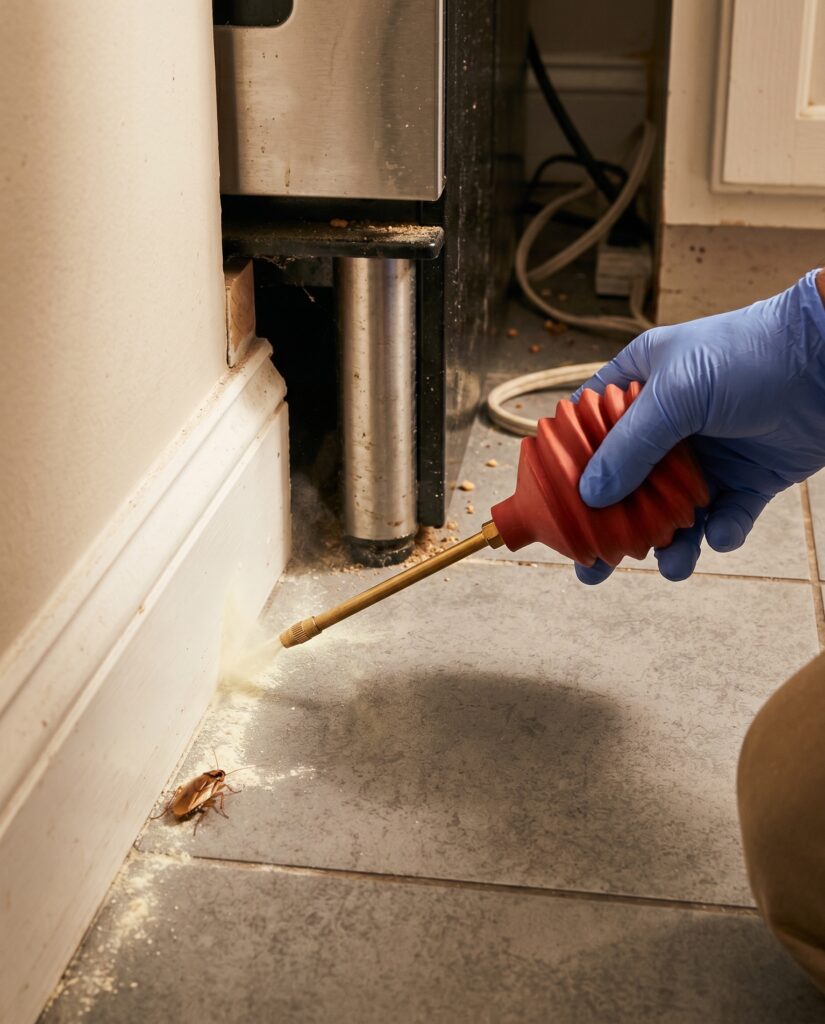
Sprays are best used as targeted crack-and-crevice treatments or for outdoor perimeter support, not as a “fog the kitchen” solution.
Use sprays carefully when:
- You need a quick knockdown in a specific crack (and you are not baiting that area)
- You are treating exterior entry points for occasional invaders
Avoid:
- Total-release foggers for roaches in most indoor situations (they rarely reach harborages effectively and can scatter pests)
For a broader look at how different control formats compare in another pest category, see Mosquito Fogger vs Spray vs Trap. The key idea carries over: delivery method matters as much as active ingredient.
When to call a professional
Consider professional help if:
- You live in a multi-unit building and reinfestation is constant
- You see roaches during the day (often a sign of crowding)
- You have asthma/allergy concerns and want a low-exposure plan
- DIY baiting and trapping hasn’t reduced trap counts after 3-4 weeks
Actionable takeaway: Let traps guide you, let baits do the heavy lifting, and use sprays only where they won’t interfere.
Key takeaways and next steps
Cockroach traps work best when you treat them like a diagnostic tool, not a magic bullet. Sticky traps are excellent for confirming activity and finding travel routes. Bait stations and gel baits are usually the tools that actually shrink a population, especially with German cockroaches.
Do this tonight:
- Put 6 sticky traps in the kitchen (behind fridge, under sink, by dishwasher, pantry edges).
- Check in 48 hours and write down counts by location.
- Add bait stations or gel bait near the top two hotspots, keeping bait away from repellent sprays.
If you’re also dealing with other household pests, the same “monitor first” approach applies. Next, compare outdoor trapping options in Best Mosquito Traps for Yard and Patio or see targeted indoor baiting strategies in Best Ant Traps for Kitchen & Bathroom.
As an Amazon Associate, I earn from qualifying purchases. Product recommendations are based on real reviews and independent research.