If you are wondering do flies bite, the answer is yes – but only certain kinds. The fly buzzing around your kitchen is usually a housefly, and houseflies cannot pierce skin. The flies that do bite have specialized mouthparts for blood-feeding, and their bites often feel sharper and more irritating than a mosquito bite. This guide shows you which fly groups bite, how to recognize a likely fly bite, what “dangerous” really means, and how to protect yourself at home and outdoors.
Bottom line: Some flies bite and some do not. Horse flies, deer flies, black flies, sand flies, and stable flies can bite; common house flies and fruit flies usually do not.
- If a fly is biting, focus on personal protection and source reduction.
- Clean the bite area and watch for unusual swelling or infection signs.
- Use repellents and protective clothing in high-risk outdoor areas.
Quick answer
Some flies bite, many do not. Use these quick clues to narrow it down fast.
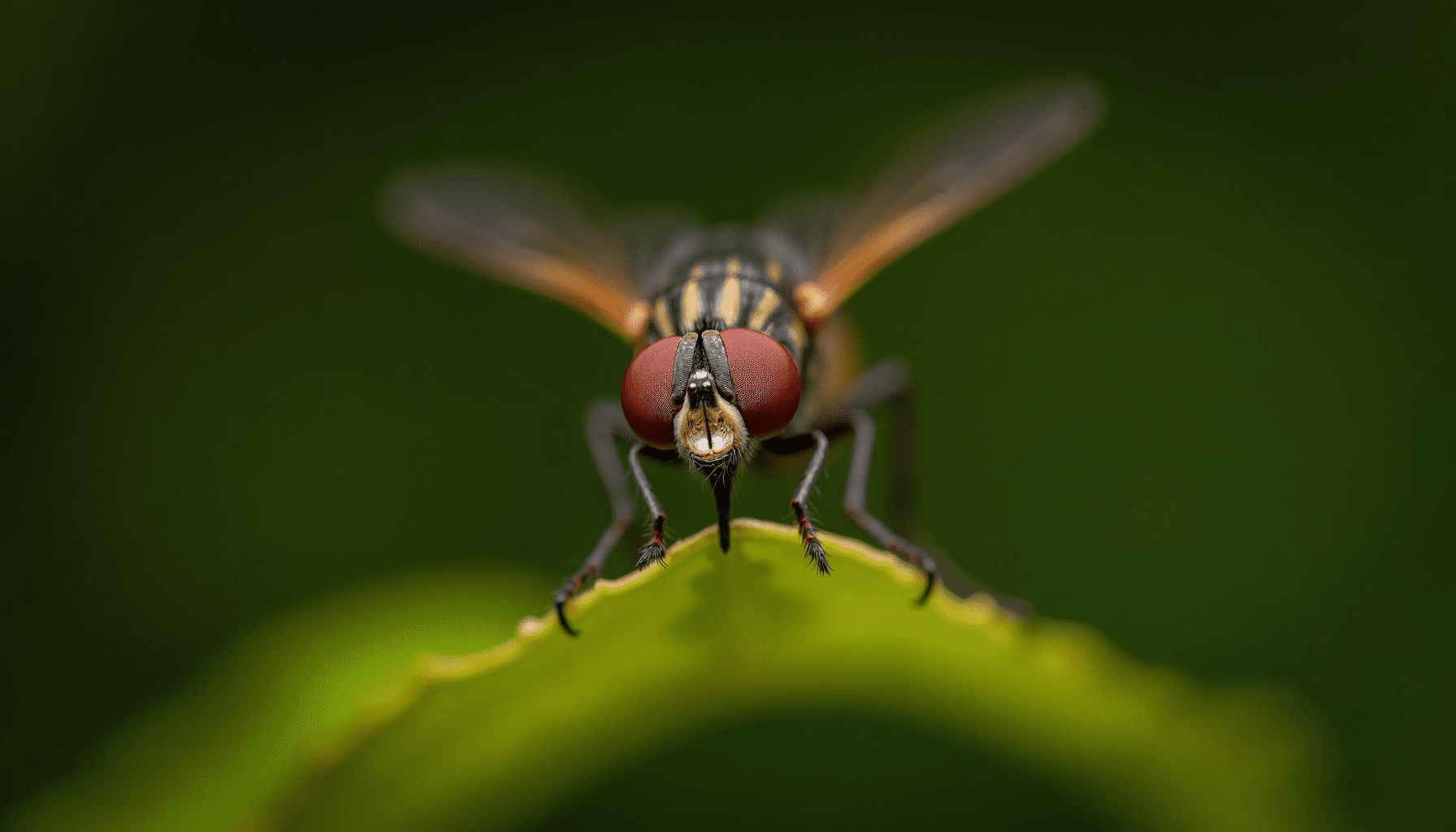
- Houseflies do not bite. They have sponging mouthparts made for liquids, not skin piercing.
- Biting flies are usually outdoor pests, especially near livestock, wetlands, woods, or moving water.
- If you ask “do flies bite” after feeling a sharp sting, likely suspects include:
- Stable flies – painful bites on ankles and lower legs
- Horse flies and deer flies – large flies, cutting bites, often near water or woods
- Black flies – small hump-backed flies near streams and rivers
- Biting midges (no-see-ums) – tiny, often bite in clusters
- Sand flies – region-dependent, medically important in many parts of the world
Fast action checklist
- Wash the area with soap and water.
- Apply a cold compress for 10 minutes.
- Use an OTC anti-itch product if needed.
- Watch for allergy signs like hives or facial swelling.
Do flies bite?
“Fly” is a huge category, and that is the main reason this question causes confusion. Some flies evolved to feed on liquids like nectar or decaying organic material. Others evolved to feed on blood, at least for part of their life cycle. Those differences come down to mouthparts and behavior.
According to the Illinois Department of Public Health guidance on biting flies, many common nuisance flies do not bite people, but several fly families do. Houseflies are a classic example of a non-biting fly. They have soft, sponge-like mouthparts that soak up liquids. If a housefly lands on you, it may “taste” sweat or skin oils, but it cannot puncture skin.
Biting flies, by contrast, have piercing or cutting mouthparts that let them access blood. Many also inject saliva that helps keep blood flowing. That saliva is often what triggers itching, swelling, and sometimes larger allergic reactions.
Why biting flies find you so fast
Biting flies do not rely on luck. They track hosts using a mix of cues, including:
- Carbon dioxide from your breath
- Body heat
- Sweat and skin odors
- Movement
- Dark colors (often more attractive than light clothing)
Visual: bite vs no-bite fly traits (quick field cues)
- Likely non-biting: hovering indoors, attracted to trash, drains, fruit, or windows; repeatedly landing on food.
- Likely biting: persistent outdoors, circles you or animals, targets legs/ankles, bites feel like a pinch or cut.
Actionable takeaway: If the “fly problem” is mainly indoors around kitchens, drains, or garbage, you are usually dealing with non-biting flies. Focus on sanitation and exclusion first, not bite prevention.
Biting fly types
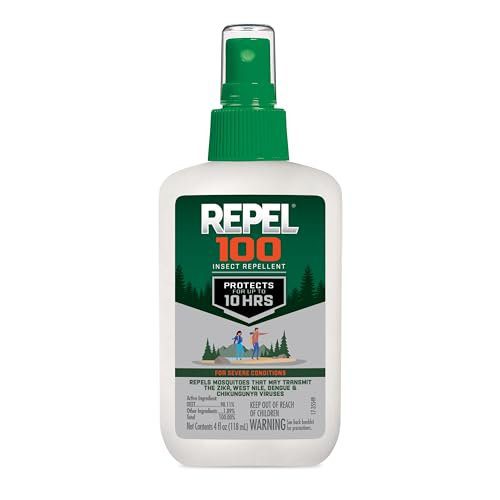
A high-DEET repellent can help protect people in areas with biting flies, but it should be used only according to label directions.
- Useful personal protection for outdoor fly-bite pressure.
- Long-lasting formula for chores and hikes.
- Portable bottle fits a field or barn kit.
- Not for use on animals unless the label allows it.
- DEET can damage some plastics and finishes.
Most people never identify the exact species, but you can often narrow it to a group based on size, habitat, and how the bite feels. Here are the most common culprits behind fly bites.
Stable flies (Stomoxys calcitrans)
Stable flies are one of the most frequent sources of “mystery bites” around farms, horse properties, and even suburban yards with damp organic debris. They look a bit like houseflies, which is why they get overlooked.
Clues it is stable flies
- Bites are painful, often on ankles and lower legs
- Adults rest on sunny walls, fences, and outdoor furniture
- Breeding often involves decaying vegetation mixed with manure, hay, or grass clippings
Horse flies and deer flies (Tabanidae)
These are the big, loud flies that can make an afternoon outside miserable. Their bites can feel like a sharp slice because many tabanids lacerate skin and lap up pooled blood.
Clues it is horse or deer flies
- Larger body (often 10-25 mm) with strong flight
- Bites are immediate and sharp
- Common near wetlands, lakes, wooded edges, and around livestock
The Illinois Department of Public Health notes that in the U.S., at least one deer fly species has been associated with tularemia transmission in certain contexts. That is not common for most people, but it shows why identification matters.
Black flies (Simuliidae)
Black flies are small but relentless. They are strongly tied to moving water, where larvae develop attached to rocks and vegetation in streams and rivers.
Clues it is black flies
- Outdoor biting near rivers or fast-moving creeks
- Small, dark flies with a “hump-backed” look
- Bites can cause pronounced swelling in sensitive individuals
Biting midges (Ceratopogonidae)
Often called no-see-ums, these tiny flies can pass through looser screens and are notorious in coastal and wetland areas.
Clues it is biting midges
- You barely see the insect, but you feel the itch later
- Bites may appear in clusters
- Worst at dawn/dusk and in humid, still air
Sand flies
Sand flies are medically important in many regions globally. In parts of the world, they can transmit parasites that cause leishmaniasis.
For public health context, the Centers for Disease Control and Prevention information on leishmaniasis explains transmission and risk areas. If you travel or live where sand flies occur, prevention is worth taking seriously.
Visual: “Which one is biting me?” mini-cards
- Sharp, cutting pain + big fly: horse/deer fly
- Painful ankle bites + looks like housefly: stable fly
- Near streams + small hump-backed fly: black fly
- Tiny, hard to see + many itchy welts: biting midges
Actionable takeaway: Your location is a major clue. Moving water points to black flies. Livestock and damp plant waste point to stable flies. Wetlands and wooded edges often point to deer flies.
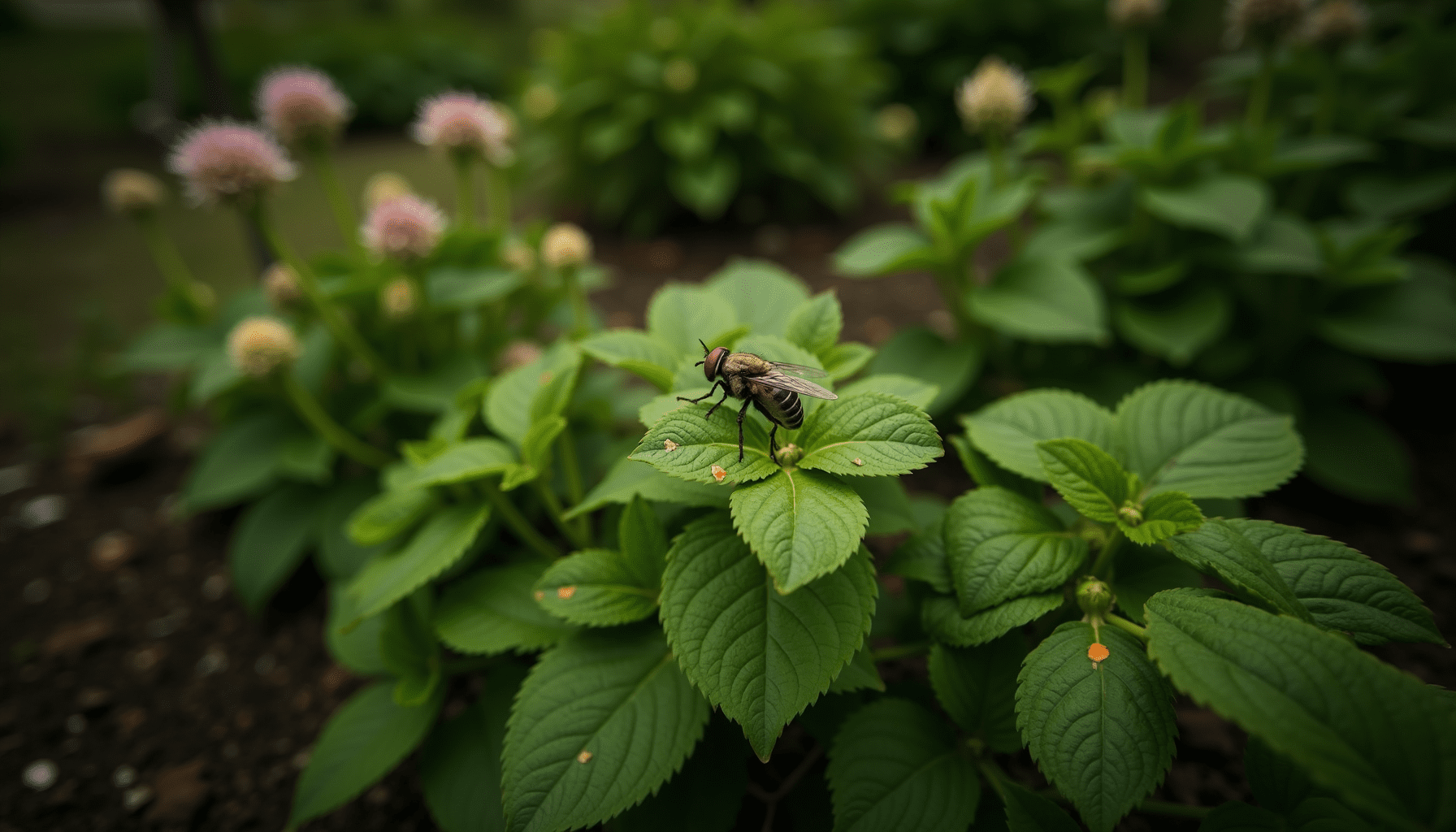
Dangerous fly species
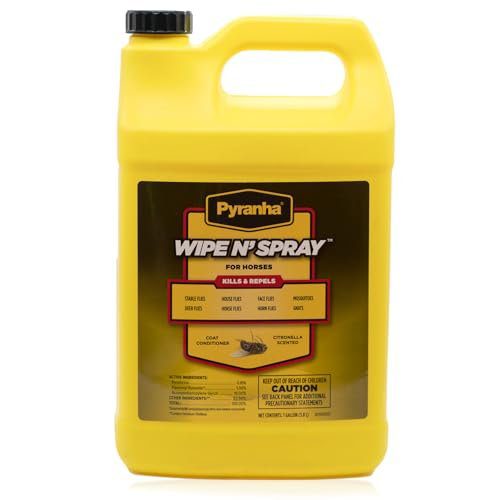
A horse-labeled fly spray can support bite prevention around horses when used exactly as directed.
- Designed for fly pressure around horses.
- Useful during turnout, grooming, or barn chores.
- Pairs with manure and moisture control.
- Needs reapplication after sweat, rain, or bathing.
- Not a replacement for habitat reduction.
“Dangerous” can mean two different things: the bite reaction itself (pain, swelling, allergy), or the ability to transmit disease. Most fly bites are more about irritation than infection, but there are exceptions depending on species and geography.
When fly bites are “dangerous” because of reactions
Some people react strongly to biting fly saliva. The Illinois Department of Public Health notes that black flies, stable flies, and horse flies can trigger severe reactions in sensitive individuals.
Watch for:
- Rapidly expanding swelling
- Hives away from the bite site
- Facial or lip swelling
- Wheezing or trouble breathing
Those symptoms can signal a serious allergic reaction. That is a medical emergency.
When fly bites are “dangerous” because of disease
Disease risk varies widely by region.
- Sand flies: In many parts of the world, sand flies can transmit leishmaniasis. The CDC leishmaniasis resource outlines risk areas and prevention.
- Deer flies: The Illinois Department of Public Health notes a deer fly species associated with tularemia transmission in the U.S. This is not the typical outcome of a bite, but it is part of the risk profile.
- Biting midges: Often more significant for livestock (for example, bluetongue virus), though human impacts depend on region and species.
Visual: risk ladder (most common to least common)
- Itchy, painful welts (most common)
- Large local swelling (less common)
- Allergic reaction (uncommon but important)
- Disease transmission (varies by region, usually less common for most U.S. readers)
Actionable takeaway: Do not assume a bite equals disease. Focus on (1) stopping exposure, (2) treating symptoms, and (3) watching for red flags like allergy signs or worsening illness.
What fly bites look like
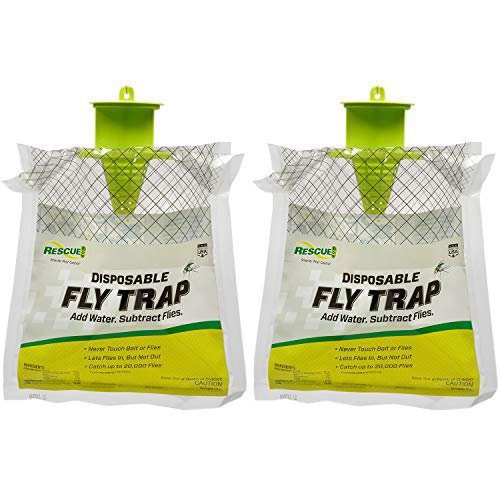
A baited outdoor fly bag is useful for pulling adult house flies away from patios, trash areas, livestock spaces, and doorways when placed away from people.
- Good for heavy outdoor house fly pressure.
- Baited bag pulls flies away from seating and entry doors.
- Disposable design avoids cleaning a messy reusable trap.
- Strong odor means it should stay away from patios and doors.
- Not appropriate for indoor use.
A fly bite can mimic other insect bites, so it helps to think in patterns: where the bites are, how they feel, and what you were doing when they happened.
Consumer health overviews like Healthline’s fly bite guide and Medical News Today’s overview of fly bites describe common symptoms such as redness, swelling, itching, and pain. Many biting fly bites also have a more immediate “ouch” moment than mosquito bites.
Common signs and sensations
- Immediate sharp pain or burning (common with horse flies, deer flies, stable flies)
- Red, raised welt that itches later
- Sometimes a small central puncture or scab
- Clustered bites (more common with tiny biting midges)
Fly bite vs mosquito bite (practical differences)
- Fly bites often hurt right away. Mosquito bites often itch first and hurt less.
- Fly bites can look more “torn” or scabbed, especially from cutting mouthparts.
- Repellent performance can differ. Some biting flies are less deterred than mosquitoes, so clothing barriers matter more.
Visual: quick self-check questions
- Were you near water, woods, livestock, or damp vegetation?
- Did you feel a pinch or cut at the moment of the bite?
- Are bites mostly on ankles, calves, or exposed skin?
- Are you seeing tiny insects you can barely spot?
Actionable takeaway: Appearance alone is not a perfect diagnosis. If you are getting repeated bites, focus on where and when it happens. That pattern often identifies the culprit faster than the welt shape.
Treatment and prevention
The best strategy is a simple loop: treat the bite, prevent the next one, and reduce the local source when possible.
Treating fly bites at home
Most bites improve with basic care:
- Wash with soap and water.
- Cold compress for 10 minutes to reduce swelling.
- Anti-itch help: calamine, 1 percent hydrocortisone, or an oral antihistamine if you can take it.
- Pain control: an NSAID may help if appropriate for you.
Avoid scratching. It increases the chance of secondary infection.
When to seek medical care
Use this checklist as your line in the sand:
- Trouble breathing, wheezing, widespread hives, or facial swelling
- Fever, headache, nausea, swollen lymph nodes after a bite
- Increasing redness, warmth, pus, or worsening pain over 24-48 hours
Preventing bites outdoors (what works best)
Repellents help, but physical barriers and timing often matter more for biting flies.
Best-proven steps
- Wear long sleeves and long pants, plus socks and closed shoes.
- Choose light-colored clothing. Dark colors can attract some biting flies.
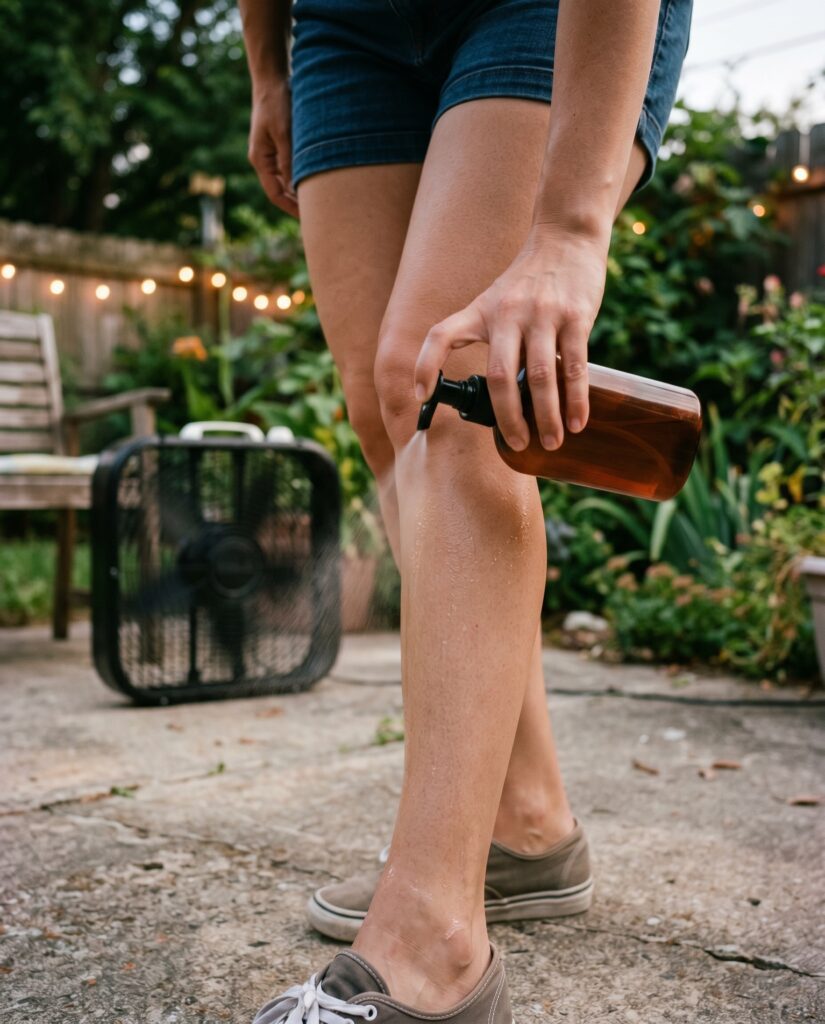
- Use DEET or picaridin on exposed skin, understanding results vary by fly type.
- Add a head net in heavy-pressure areas (especially for black flies and no-see-ums).
- Avoid peak habitats during peak times: marsh edges, shaded woods, and stream corridors.
Preventing bites at home and on patios
If you are getting bitten while sitting outside, airflow and placement can change everything.
- Use fans in seating areas. Many small biting flies struggle in steady air currents.
- Fix screens and consider tighter mesh if tiny flies are slipping through.
- Reduce damp organic buildup: old hay, grass clippings, leaf piles, and manure mixed with plant matter.
For nuisance fly pressure around doors, patios, and trash zones, it can also help to add targeted trapping. See InsectoGuide’s picks for Best Fly Traps for Indoor and Outdoor Use and the patio-specific roundup of Best Outdoor Fly Traps for Patios and BBQs.
Visual: prevention kit (simple packing list)
- Picaridin or DEET
- Light long-sleeve shirt and long pants
- Hat + optional head net
- Small first-aid anti-itch cream
- Clip-on or tabletop fan for patios
Actionable takeaway: If repellents are not enough, upgrade your “barrier layer” – clothing, head nets, and airflow typically outperform sprays during heavy biting fly activity.

Myths and mix-ups
A lot of frustration comes from treating the wrong pest. Clearing up a few common myths saves time and reduces over-spraying.
Myth: All flies bite
False. Houseflies cannot bite. The confusion happens because stable flies resemble houseflies, and both may show up around human spaces.
Myth: If it bites, it must be a mosquito
Not always. Biting flies can cause more painful, immediate bites, and they often target lower legs. If you are outdoors in daylight near water or livestock, flies move higher on the suspect list.
Myth: Any repellent works the same
Protection varies by insect group. Public health guidance, including the Illinois Department of Public Health, notes repellents like DEET can help, but some biting flies are harder to deter than mosquitoes. That is why clothing and habitat avoidance matter.
Myth: Indoor buzzing means biting risk
Most indoor fly issues are nuisance species (houseflies, fruit flies, drain flies). If you are dealing with flies emerging from sinks or shower drains, focus on the source. InsectoGuide’s Top Drain Fly Treatments and Gel Cleaners can help you match the right cleaner to the problem.
Visual: “Don’t waste time on this” list
- Fogging the yard once and expecting lasting relief
- Ignoring wet organic debris where stable flies breed
- Treating drains with random sprays instead of cleaning biofilm
- Leaving patio lights on and assuming that is the main cause of bites
Actionable takeaway: Correct ID drives correct control. If your issue is indoors, solve breeding sources. If it is outdoors and painful, shift to barriers, airflow, and habitat timing.
Conclusion
So, do flies bite? Some do, and the ones that bite tend to be outdoor species like stable flies, deer flies, horse flies, black flies, and biting midges. Most bites are itchy and painful rather than medically serious, but strong allergic reactions and region-specific disease risks can occur.
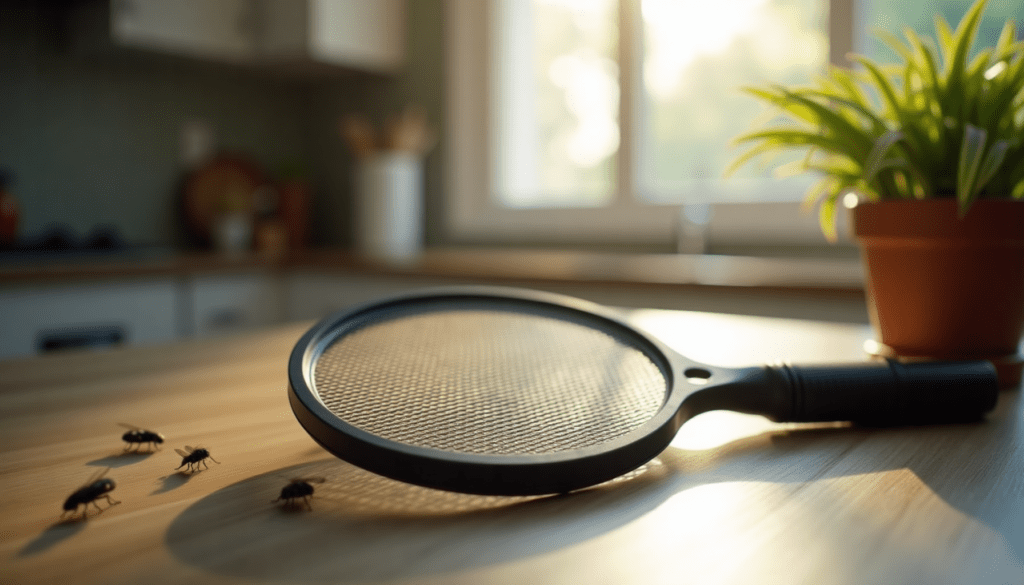
Next step: identify where bites are happening, then build a simple prevention setup with clothing barriers, repellent, and airflow. If you are also battling nuisance flies around the home, compare tools like the Best Electric Fly Swatters and targeted traps from our indoor/outdoor guides to reduce overall fly pressure.
As an Amazon Associate, I earn from qualifying purchases. Product recommendations are based on real reviews and independent research.