Formosan termites are widely considered the most destructive termite species in the southern U.S. because their colonies can exceed a million individuals and consume wood fast enough to cause major damage in months. If you live in a warm, humid region and you have moisture issues, wood-to-soil contact, or frequent swarms near lights, this termite deserves special attention. This guide shows how to recognize likely signs, why they are different from “typical” subterranean termites, and what actually works for prevention and control.
Bottom line: Formosan termites are a high-risk subterranean termite in warm, humid regions. If you see night swarms, carton nest material, mud tubes, or moisture-damaged wood, treat it as a professional inspection problem.
- Colonies can be much larger than common subterranean termites.
- Moisture control is part of treatment, not optional cleanup.
- DIY monitoring can help, but it does not replace a treatment plan.
Quick answer
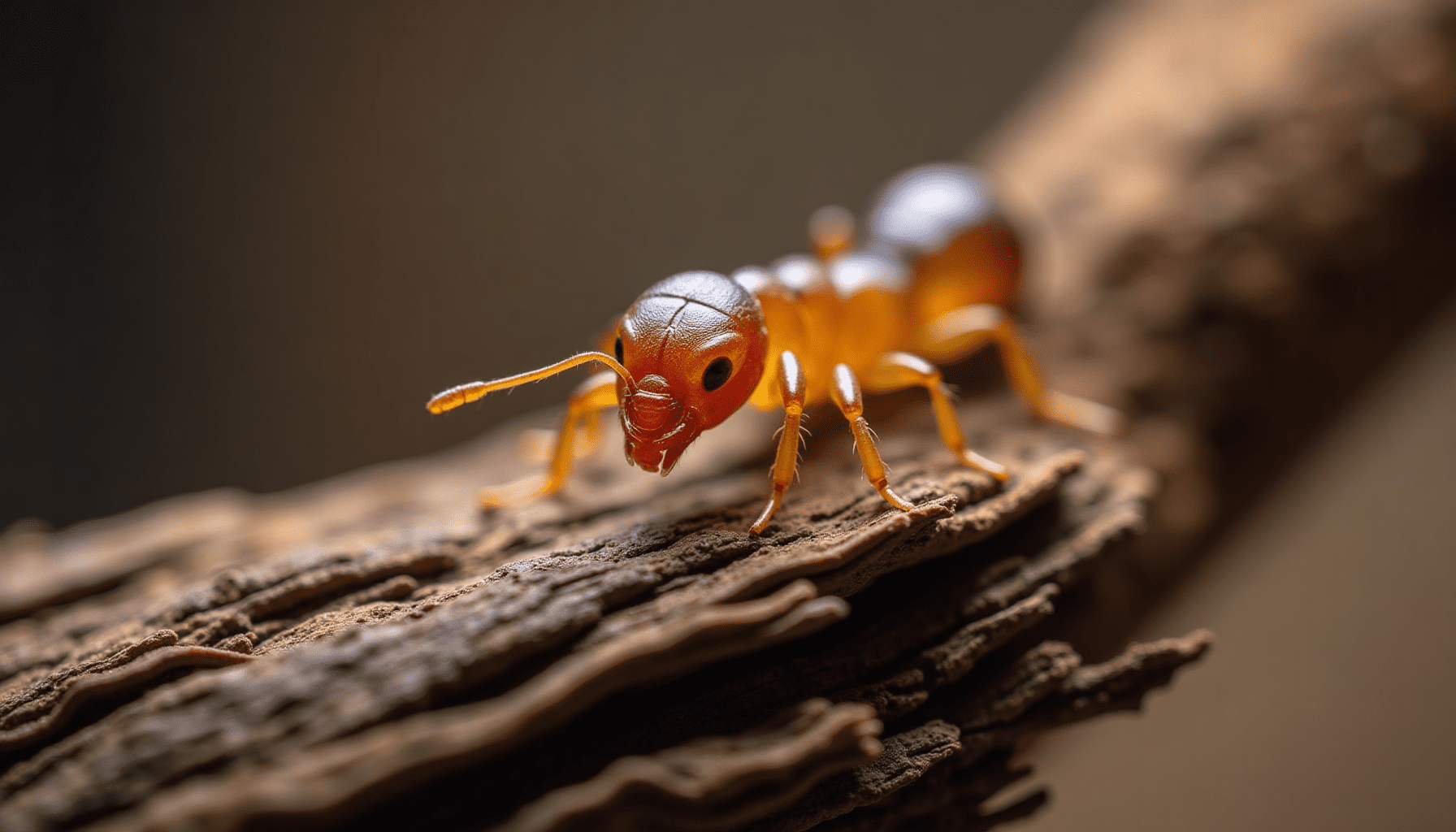
Formosan termites (Formosan subterranean termite, Coptotermes formosanus) are “super-termite” pests because they form huge colonies, forage far, and can build aerial nests inside buildings.
Use this as a fast checklist:
- Where they’re common: Gulf Coast and Southeast, plus Hawaii; also reported in pockets of other states.
- Most common “first sign”: Night swarms in late spring to early summer, often around lights, followed by discarded wings.
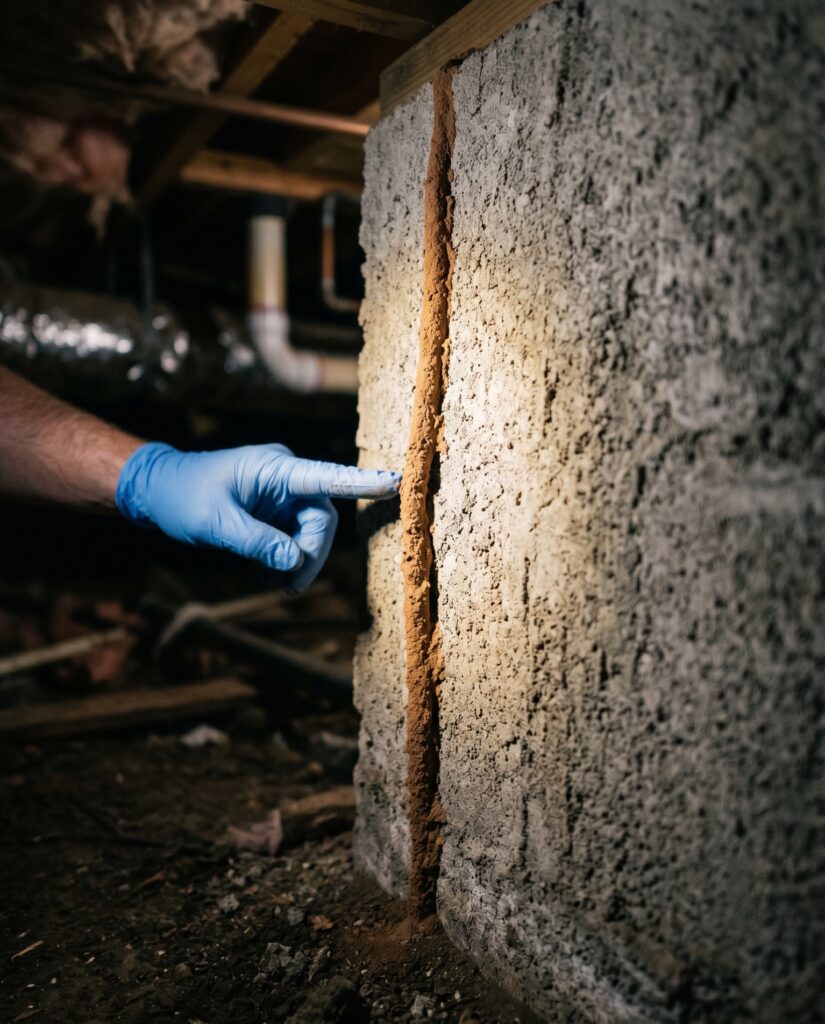
- What to look for: mud tubes on foundations, carton nest material (looks like damp cardboard) in voids, hollow-sounding wood.
- Why they’re worse: colonies often >1 million, foraging up to about 100 m (328 ft), and they can maintain above-ground nests if a leak provides moisture.
- Best next step: schedule a professional termite inspection and ask about baiting + moisture fixes (an IPM approach).
Identification
Homeowners usually cannot confirm Formosan termites by sight alone – workers look like other subterranean termites. But you can spot the patterns that make this species likely, then bring in a pro to confirm.
According to Texas A and M AgriLife Urban Entomology, Formosan subterranean termites are established in parts of the southern U.S. and are a serious structural pest. They are also known for building carton nests in structures, which changes how infestations behave.
What they look like (by caste)
Here’s a mobile-friendly “ID card” you can compare to what you see:
-
Workers (most commonly seen during repairs)
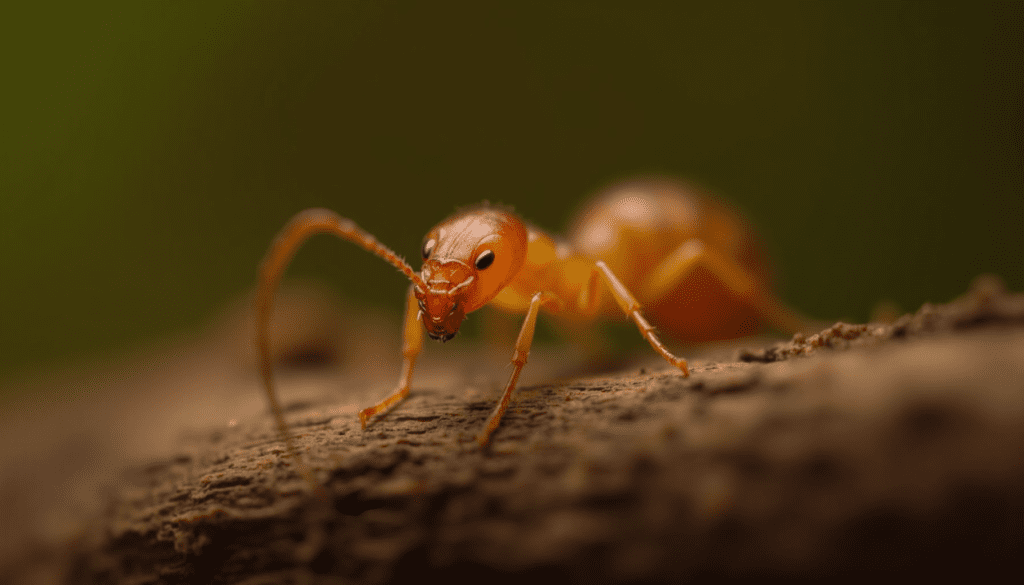
- Color: creamy white to pale yellow
- Size: about 3 to 4 mm (roughly 1/8 inch)
- Note: looks similar to other subterranean termite workers
-
Soldiers (more distinctive)
- Color: orange-brown head, pale body
- Size: about 4 to 5 mm
- Behavior: defensive, large jaws; pros may note a milky defensive secretion
-
Swarmers (alates)
- Color: yellow-brown body with long, pale wings
- Timing: often late spring through early summer, usually dusk or night
- Clue: piles of equal-sized wings near windows and lights
Signs that matter more than the insect
If you only remember one thing, remember this: termites leave structures and patterns, not just bugs.
Look for:
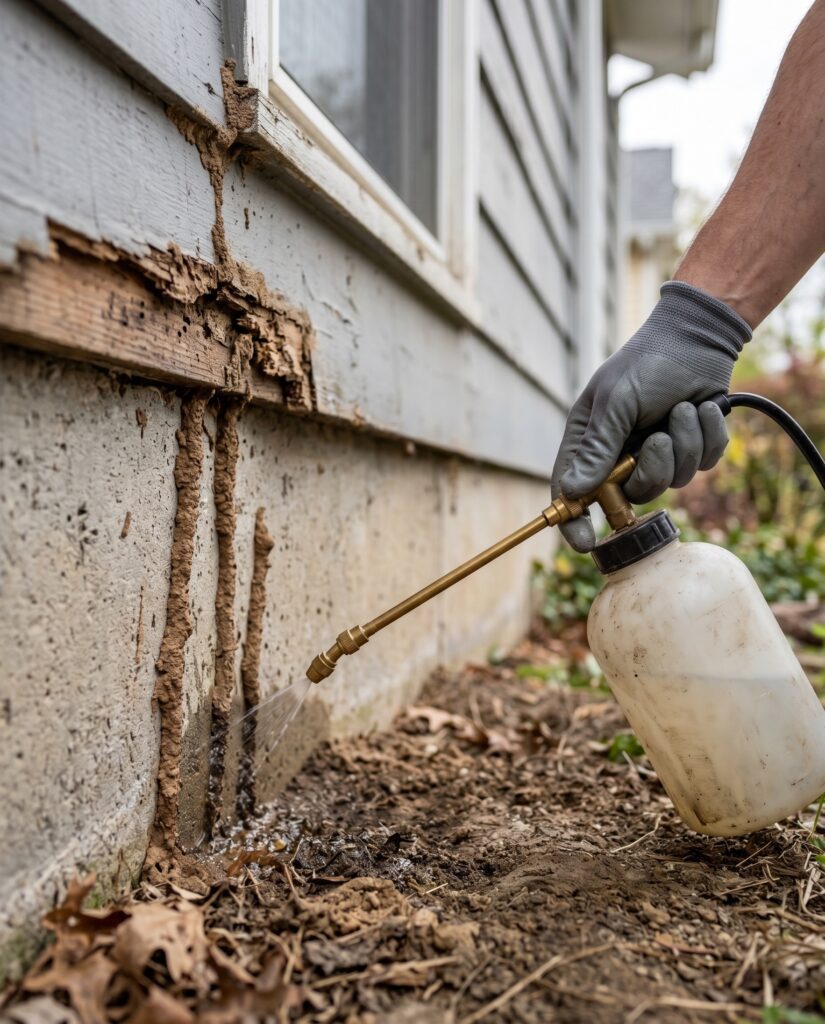
- Mud tubes on foundations, piers, garage slabs, or plumbing penetrations
- Blistered paint or soft spots that feel “paper-thin”
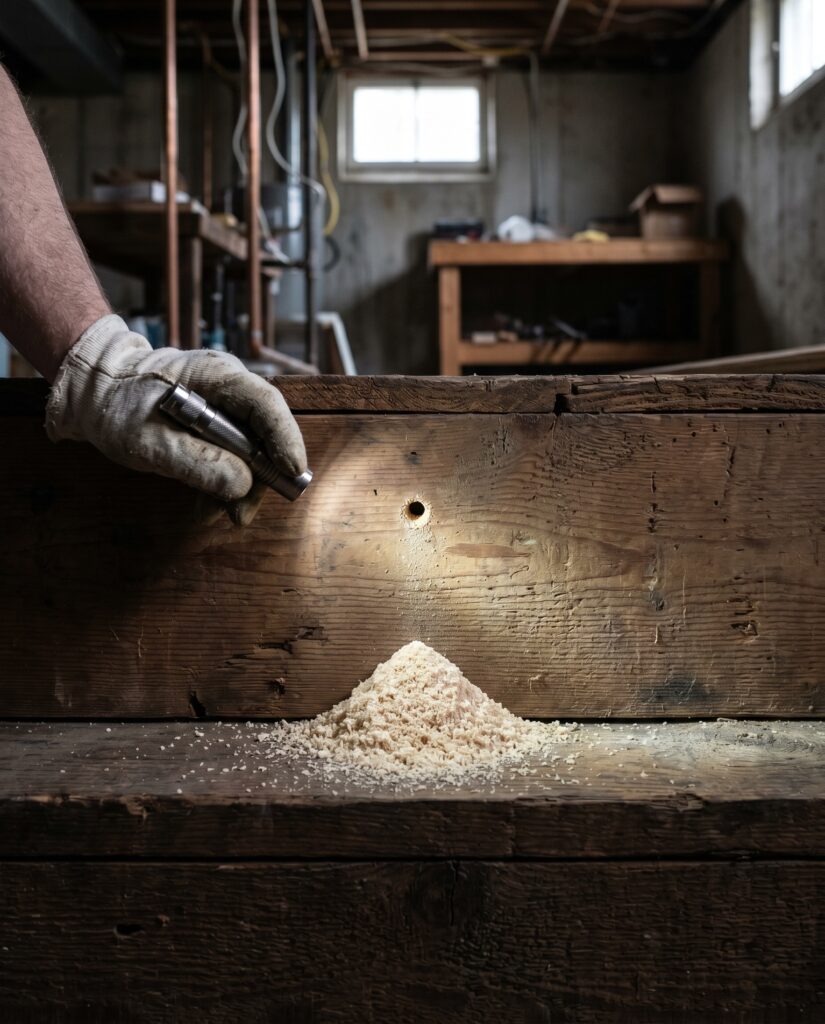
- Hollow-sounding wood when tapped with a screwdriver handle
- Carton material in wall voids, attics, or between floors (often damp-looking)
- Discarded wings after a swarm indoors
Termites or flying ants?
Many readers first notice swarmers and assume “flying ants.” A quick check can save you weeks of guesswork. Use our visual guide: Flying Ants vs Termites: How to Tell Them Apart.
Where the waist, wings and antennae checks is the actual question, bugs that look like ants answers it.
Actionable takeaway: If you see wings indoors, collect a few in a small bag and take clear photos near a ruler. That helps your inspector confirm species faster.
Why so destructive
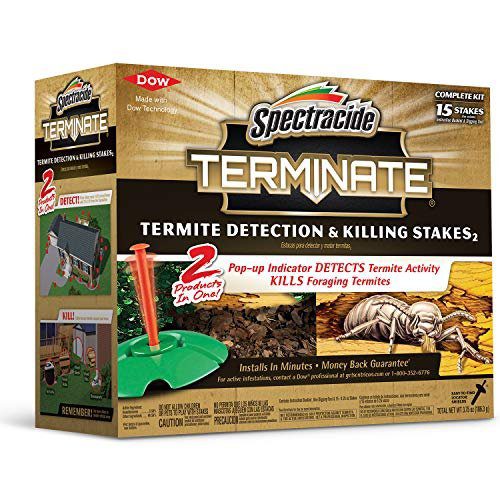
These stakes are designed to detect and kill termites, including Formosan termites, making them a practical solution for homeowners concerned about termite infestations.
- Easy and quick to install using the included digging/auger tool and locator shields
- Effectively detects termite activity and can help kill foraging subterranean termites around the home perimeter
- Provides a clear visual pop-up indicator that makes it simple to know when to inspect or replace a stake
- Pop-up indicator can be triggered by moisture, ants, or general degradation of the internal cardboard rather than true termite activity, leading to false alarms
- Requires frequent monitoring and regular replacement of stakes (every 12 months), and is not sufficient as the sole method of termite protection, sometimes causing users to feel it is costly or misleading for serious infestations
People call Formosan termites “super-termites” for practical reasons, not hype. Their biology stacks the odds against homes, especially in warm, humid neighborhoods with lots of trees and older construction.
Research summaries from Texas A and M AgriLife Urban Entomology and invasive species profiles from Tennessee State University’s invasive species database highlight three big drivers: colony size, feeding pressure, and the ability to nest above ground when moisture is available.
The 3 traits that change everything
Think of a typical subterranean termite problem like a slow leak. Formosan infestations can behave more like multiple leaks at once.
- Huge colonies
- Colonies often exceed 1 million termites.
- More workers means faster feeding and more repair-resistant tunnel networks.
- Fast wood consumption
- Reports commonly cited by extension sources note that mature colonies can consume roughly 400 g (about 13 oz) of wood per day, enough to severely damage vulnerable structural areas in a short period.
- Aerial nests inside structures
- Even though they are “subterranean,” they can build carton nests inside walls, attics, and voids.
- If a leak, condensation, or trapped humidity supplies moisture, the colony can persist without direct soil contact, which can bypass some traditional barrier assumptions.
Quick “damage speed” reality check
Use this simple risk gauge:
-
High risk of rapid damage
- Active leak near wood (bathroom, HVAC, roofline)
- Swarmers inside living space
- Carton material in a wall void
-
Moderate risk
- Mud tubes outdoors only
- No known leaks, but heavy mulch and wood-to-soil contact
-
Lower risk (not zero)
- Dry, well-drained site with maintained termite protection plan
What they can attack (beyond framing lumber)
Formosan termites feed on cellulose, but they can also chew through some non-wood materials to reach moisture and food. Profiles from Australian Department of Agriculture, Fisheries and Forestry biosecurity describe how this pest can penetrate or damage materials like plaster and some plastics in the process of getting to wood.
Actionable takeaway: If you fix moisture problems, you remove the “engine” that makes aerial nests possible. Moisture control is not optional with this species.
Where they live
Most readers want to know one thing first: “Are they in my area?” The honest answer is that Formosan termites have a core range, but they also show up as localized introductions, especially near ports and transported materials.
Extension and invasive species sources consistently place established U.S. populations in warm, humid states, with Hawaii having widespread presence. Temperature matters – eggs generally do poorly below about 20 C (68 F), which helps explain why stable populations cluster in the South.
U.S. distribution (practical version)
You are more likely to encounter Formosan termites if you live in or near:
- Gulf Coast and Deep South: Texas, Louisiana, Mississippi, Alabama, Florida
- Southeast Atlantic: Georgia, the Carolinas, Tennessee (reported in parts)
- Hawaii: widespread
- Other areas: limited, localized pockets have been reported elsewhere
If you are unsure, ask your local extension office or a licensed termite company whether Coptotermes formosanus is confirmed in your county.
Where they nest and forage
A key reason homeowners get surprised is that the colony attacking a house may not be “under the house.”
Typical patterns include:
- Soil-based colony with tunnels reaching the structure
- Tree-associated feeding sites that act like staging areas
- Aerial nest in the building once moisture is available
Field observations often cite foraging distances up to about 100 m (328 ft). That means a neighbor’s infested tree or an off-property colony can still pressure your structure.
A simple property risk scan (10 minutes)
Walk your exterior and check these spots:
- Foundation line and expansion joints (look for mud tubes)
- Hose bibs, AC lines, and utility penetrations
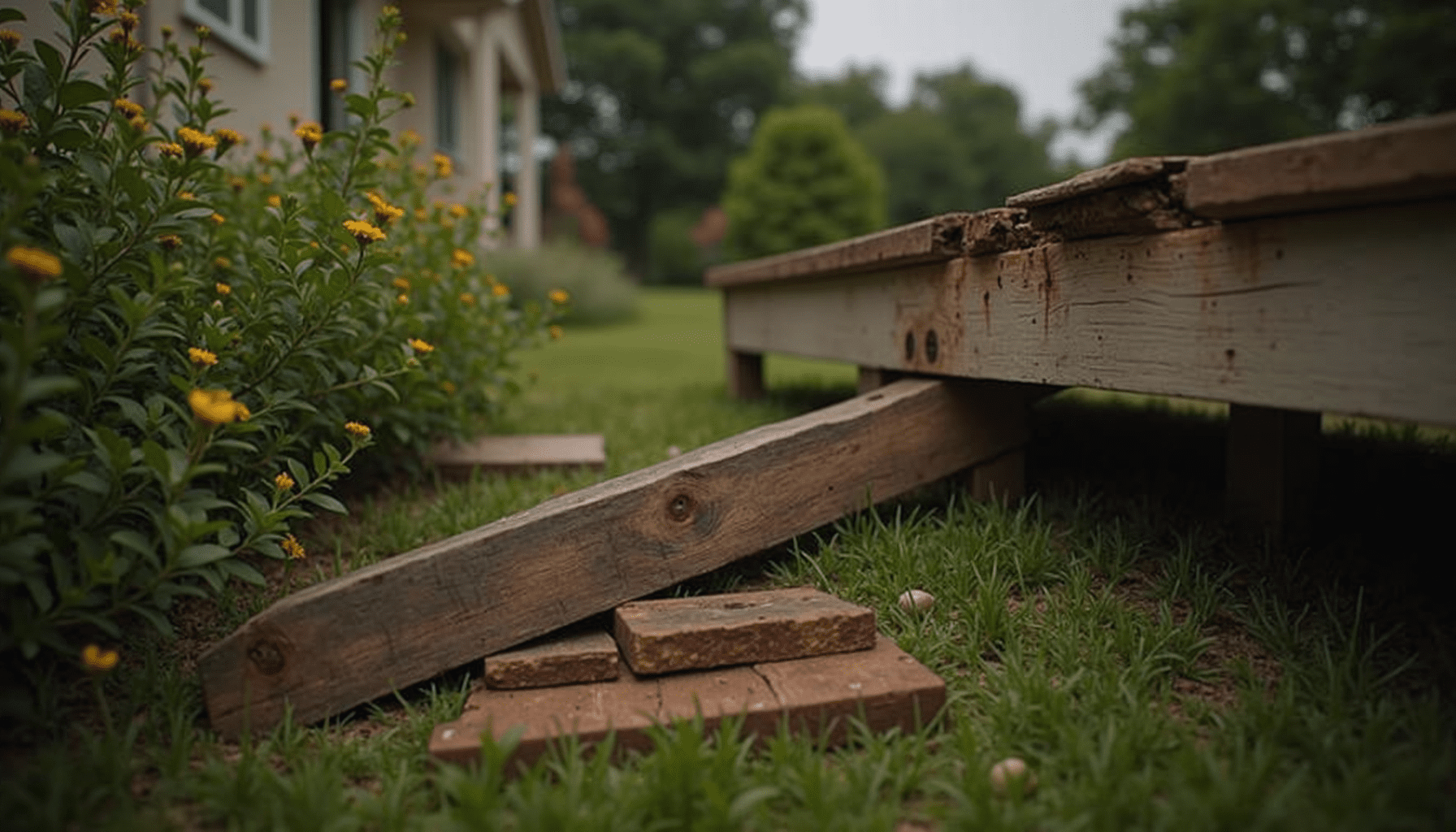
- Deck posts and steps (any wood touching soil)
- Mulch depth (keep it thin and off siding)
- Tree trunks near the home (mud on bark, cavities, carton-like material)
Actionable takeaway: If you live in an established region, plan for termites the way you plan for storms – not because damage is guaranteed, but because conditions can change fast.
Control options
When readers ask “How do I get rid of them?”, the most accurate answer is: you manage Formosan termites with an integrated plan, not a single spray. DIY aerosols can kill swarmers, but swarmers are only the “seeds,” not the colony.
Entomologists and pest managers typically rely on two pillars: professional liquid termiticide barriers for structure protection and baiting systems that can suppress or eliminate colonies over time. Many programs combine both, especially where aerial nests or heavy neighborhood pressure are common.
Step-by-step IPM plan (homeowner friendly)
Use this sequence to avoid wasted effort:
- Confirm activity and map it
- Photograph mud tubes, wings, and damaged spots.
- Avoid ripping out walls before an inspection – it can scatter termites into new areas.
- Fix moisture first
- Repair roof and plumbing leaks.
- Correct drainage and gutter discharge.
- Address crawlspace humidity with ventilation and vapor barriers when appropriate.
- Remove easy access points
- Eliminate wood-to-soil contact.
- Store firewood and lumber off the ground and away from the foundation.
- Keep mulch several inches away from siding and do not pile it thick against walls.
- Choose a professional treatment strategy
- Liquid soil treatments create a treated zone around the foundation. They can be very effective for protecting a structure, but large colonies may persist off-site.
- Bait stations use insect growth regulators (often chitin synthesis inhibitors) that spread through the colony via feeding and sharing. Results take time, but baits can reduce colony strength significantly when maintained correctly.
- Monitor long-term
- Annual inspections are a baseline in known areas.
- After renovations or landscaping changes, re-check protection zones.
What to expect from baiting vs liquids (quick comparison)
-
Baits
- Best for: long-term colony suppression, lower environmental exposure
- Watch out: requires patience and regular servicing
- Good fit when: you have heavy neighborhood pressure or tree-associated activity
-
Liquids
- Best for: immediate structural protection via a continuous treated zone
- Watch out: barriers can be disrupted by digging, settling, or additions
- Good fit when: you need strong protection around a slab or crawlspace perimeter
When to call a pro immediately
Call a licensed termite professional if you see:
- Swarmers emerging from indoors (baseboards, light fixtures, vents)
- Mud tubes above ground level inside the home
- Carton nest material in a wall void or attic
- Sagging floors, crumbling trim, or doors that suddenly misalign
Actionable takeaway: If you suspect Formosan termites, skip “general bug sprays.” Put your money into inspection, moisture correction, and a maintained bait or barrier program.

Myths and mistakes
A few common beliefs lead to expensive delays. Clearing them up early helps you make decisions that actually protect the structure.
Myth 1: “If I’m not in Louisiana or Florida, I can’t have them.”
Formosan termites are most established in warm coastal regions, but they can appear as localized introductions near ports, transported materials, or infested trees. Biosecurity agencies, including the Australian Department of Agriculture, Fisheries and Forestry, treat them as a serious quarantine pest for exactly this reason – they move with commerce.
Better approach: Ask local professionals what species are confirmed in your county, then plan accordingly.
Myth 2: “I treated once, so I’m done.”
Termite protection is more like maintaining a roof than taking an antibiotic. Barriers can degrade, and bait stations need servicing. Also, Formosan colonies can forage from off-property.
Better approach: Put inspections on a calendar. Re-check after landscaping, plumbing work, or additions.
Myth 3: “All termites cause the same kind of damage.”
Different termite groups spread differently. Drywood termites can live entirely in wood, while subterranean termites depend on moisture and soil connections. Formosan termites stand out because they can combine subterranean foraging with aerial nesting when moisture is available.
Better approach: Identify the termite type first, then match the treatment.
Myth 4: “If I don’t see termites, I don’t have termites.”
Termites are cryptic by design. Many infestations are discovered only after a swarm or during remodeling.
Better approach: Learn swarm season cues and keep an eye on high-moisture areas.
Myth 5: “I’ll just treat them like ants.”
Ant control and termite control share some principles (sanitation, exclusion), but the colony biology is very different. If you also have ants indoors, treat that as a separate problem with its own plan: How to Get Rid of Ants in the House: Complete Guide. For persistent indoor ant issues, see Pharaoh Ants: Complete Identification & Control Guide.
Actionable takeaway: Most costly termite situations start with a reasonable assumption that turns out wrong. When in doubt, verify with an inspection.
Final verdict
Formosan termites earn their reputation because they combine huge colony size, fast feeding, and the ability to form aerial nests when moisture is available. The best defense is early detection plus an IPM plan: reduce moisture, remove wood-to-soil contact, and use professional baiting and or liquid barriers with ongoing monitoring.
If you just found swarmers and you are not sure what you’re looking at, start with Flying Ants vs Termites: How to Tell Them Apart. If your home also has other persistent indoor pests, our step-by-step guide on How to Get Rid of Cockroaches Permanently: Complete Guide can help you prioritize fixes that reduce moisture and food sources across the board.