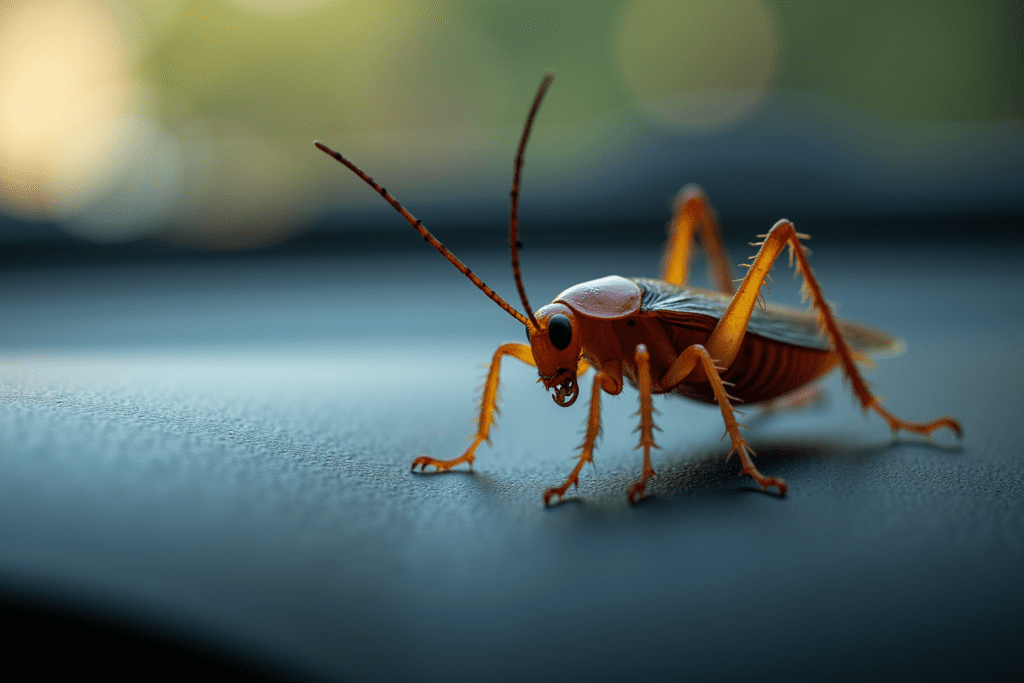
If you are standing in the aisle reaching for the best roach spray, here is the honest read from someone who does this for a living: a spray is a spot tool, not a cure. It kills the roach you hit and can knock down a stray fast, which is satisfying. But against a German cockroach problem in a kitchen it does not reach the colony in the wall, and it can scatter the survivors into other rooms. A residual perimeter spray earns its place outdoors against the big roaches that wander in. For our own house the spray on hand is one perimeter can for the foundation line, and gel inside.
A roach spray is a spot-knockdown tool, not a colony fix; use a residual perimeter spray for large outdoor roaches at entry points, and reach for gel bait when German roaches are breeding indoors.
- Do first (free): Clean up food and grease, fix leaks, and seal cracks so any spray has less to fight.
- Where a spray wins: A residual perimeter spray along the foundation line for big outdoor roaches wandering in.
- Skip: Spraying as your main weapon on a German cockroach colony; it scatters them and skips the nest.
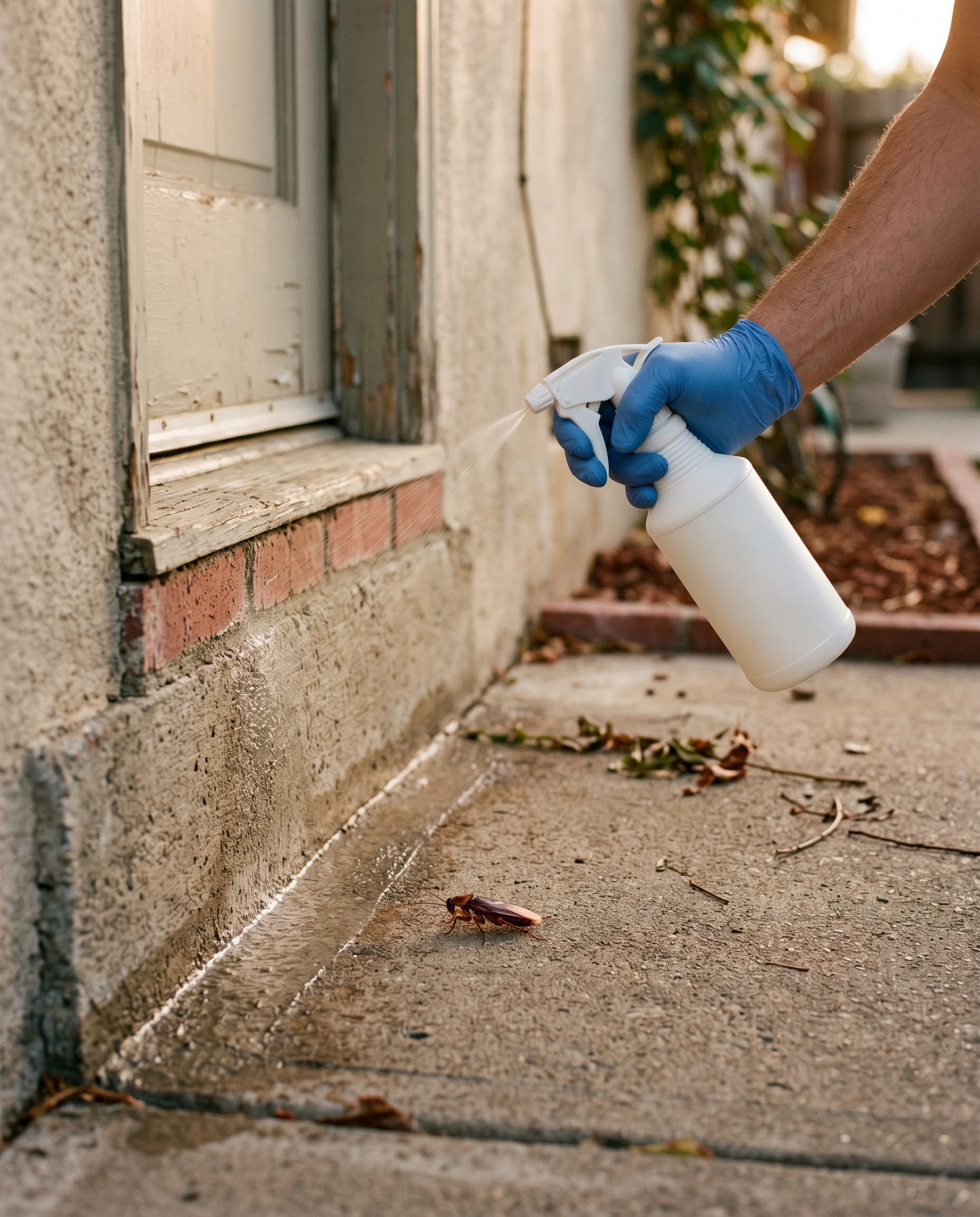
What to do first
Before any can comes off the shelf, take away what roaches live on: food, water, and clutter. This costs nothing and outperforms anything you can spray. The EPA’s first move on any pest is to starve them, dry them out, and keep them out before reaching for a pesticide. Wipe the stovetop and counters at night, store dry goods and pet food sealed, fix the slow drip under the sink, and clear out the cardboard. A dry, crumb-free kitchen does most of the work, and it makes whatever you spray far more effective.
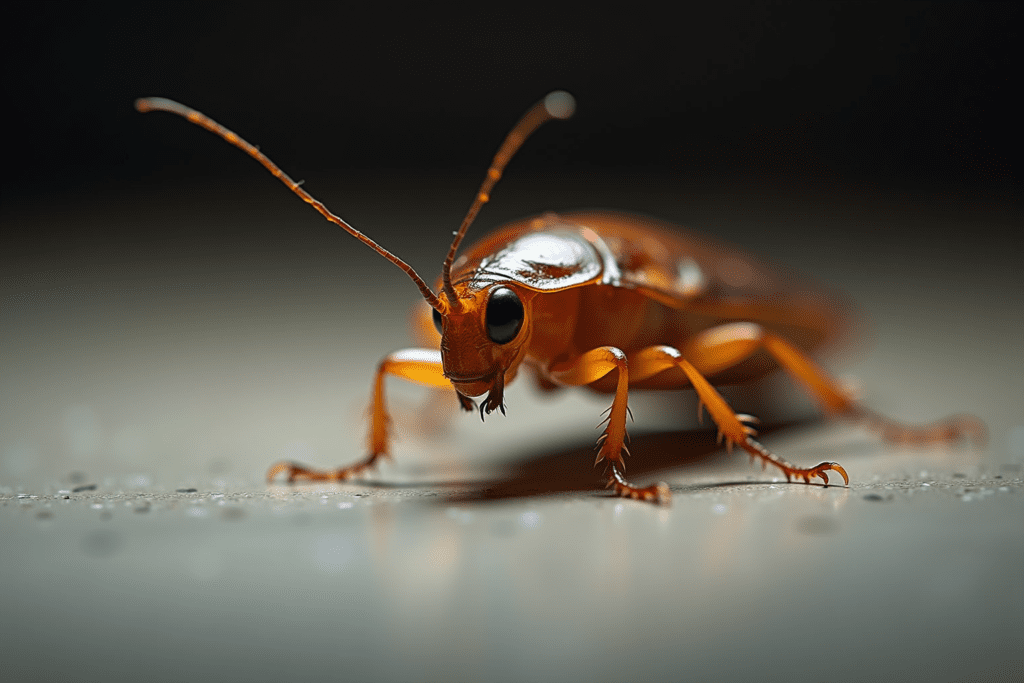
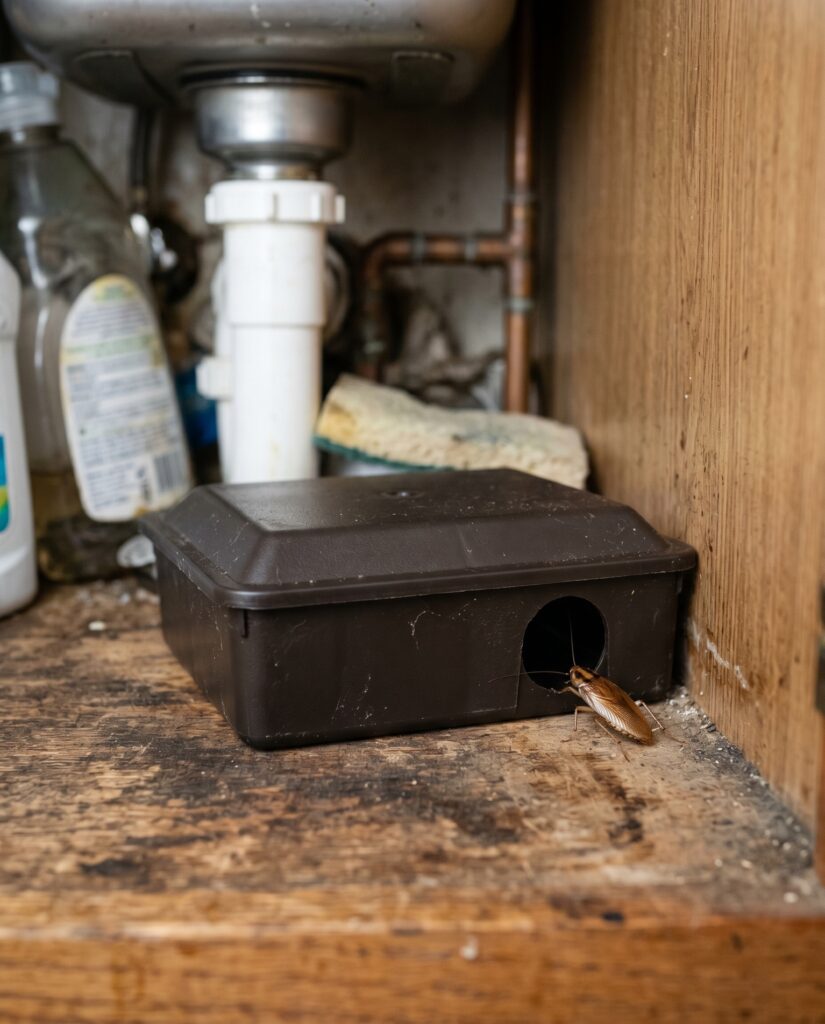
Then figure out which roach you have, because it changes the answer. A few large reddish-brown roaches showing up at night near a drain or door are usually outdoor wanderers. A growing number of small tan roaches in your cabinets is a German cockroach infestation breeding indoors. The first case is a spray situation. The second is a bait situation, and our complete guide to getting rid of cockroaches walks the full clear-out sequence.
Why spray fails on German roaches
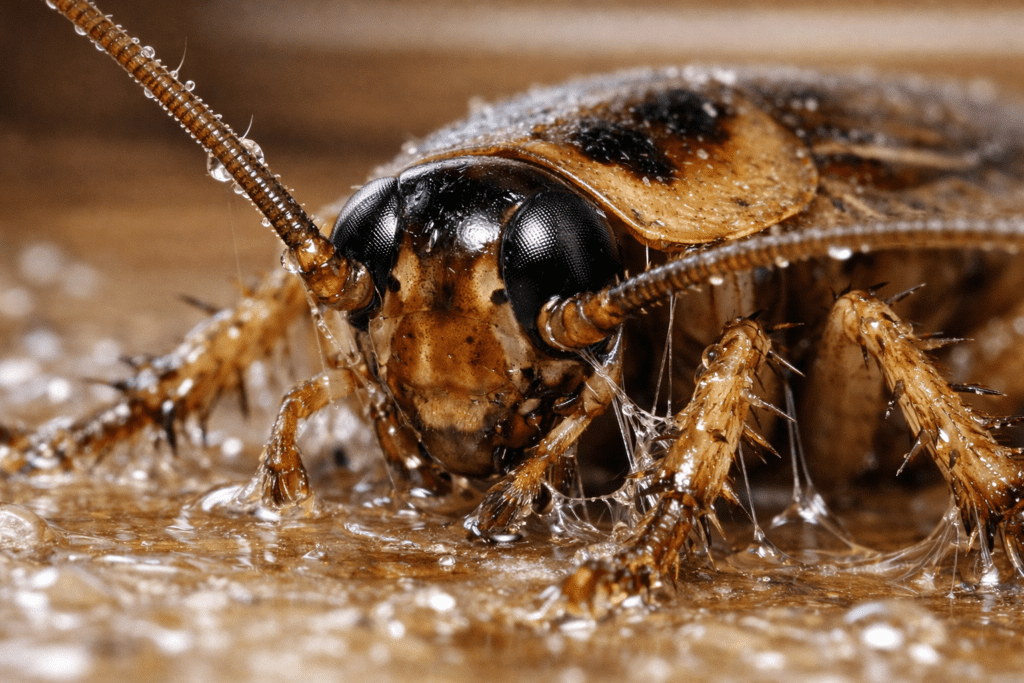
Most people grab a spray because it feels decisive, and on a German cockroach (Blattella germanica) problem that instinct backfires. The numbers are not close. When UC researchers tested common store sprays, both liquid and aerosol pyrethroid products killed under 20 percent of German cockroaches on sprayed surfaces, and the survivors took anywhere from 8 hours to 5 days to die. The same work noted that years of heavy spray use have driven resistance, so the can in the cabinet may barely faze them.
There is a second problem that makes spraying worse than doing nothing. A contact spray repels roaches before it kills them, and they run. The NPIC cockroach page warns that some pesticides may repel rather than kill, and that you can end up chasing roaches into other rooms or apartments. UC IPM puts it the same way: sprays give a quick knockdown but no long-term control, and they may repel and disperse cockroaches to other areas of the building. On an indoor colony, spraying spreads the problem instead of shrinking it. That is why the pros reach for bait indoors, and why our best roach killers guide ranks gel above spray for the kitchen.
Where a spray actually earns its place
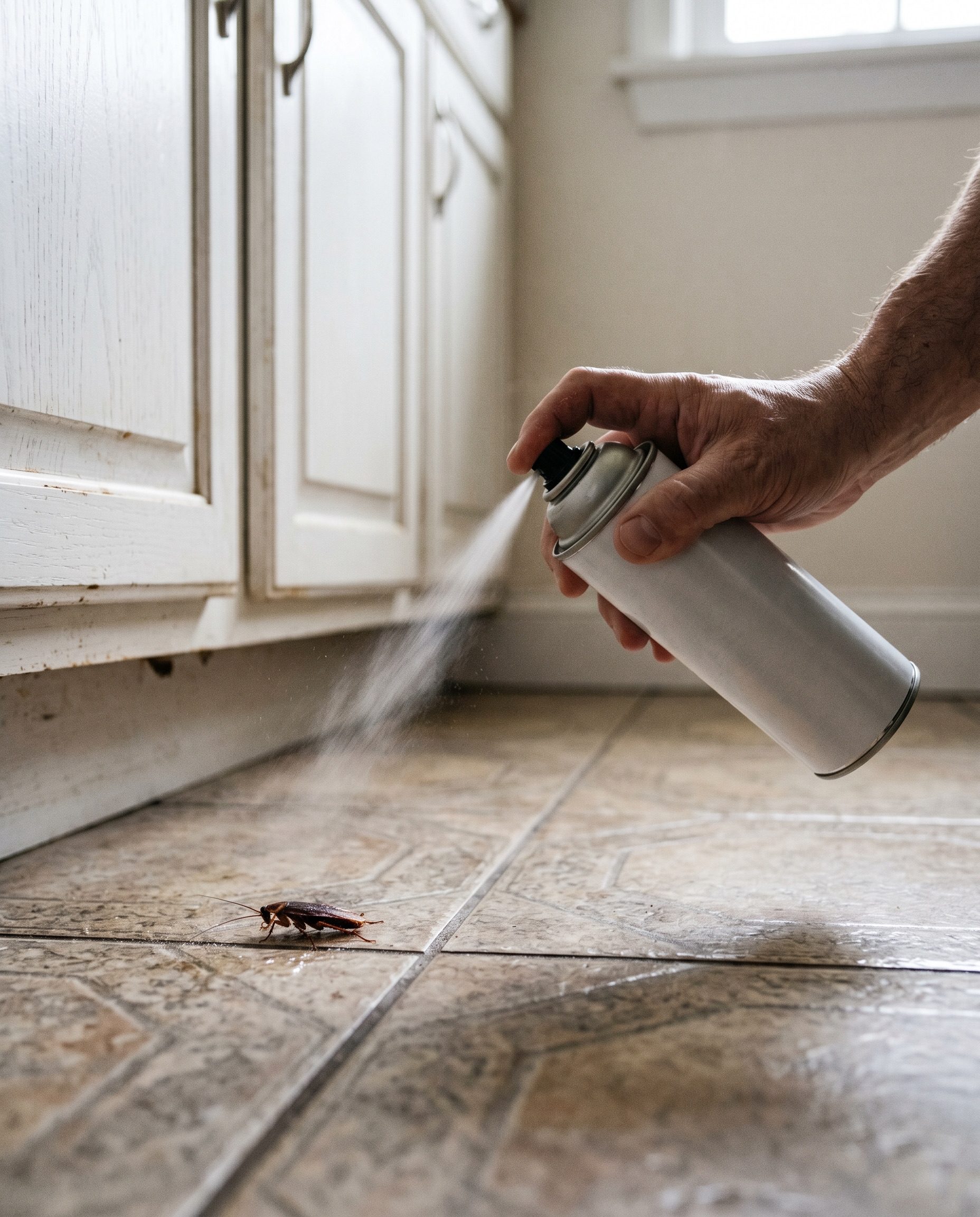
A spray is not useless. It is a precision tool with two honest jobs, and the trick is knowing them. The first is a residual perimeter band outdoors. The American cockroach (Periplaneta americana) and its big cousins are an outdoor problem; the UF/IFAS profile of the American cockroach describes the largest peridomestic roach living in moist shady spots like woodpiles, mulch, and sewers, then migrating into the house. A labeled residual sprayed along the foundation line, door thresholds, and around utility penetrations meets those wanderers where they cross. Treat the outside line, not the inside of the colony.
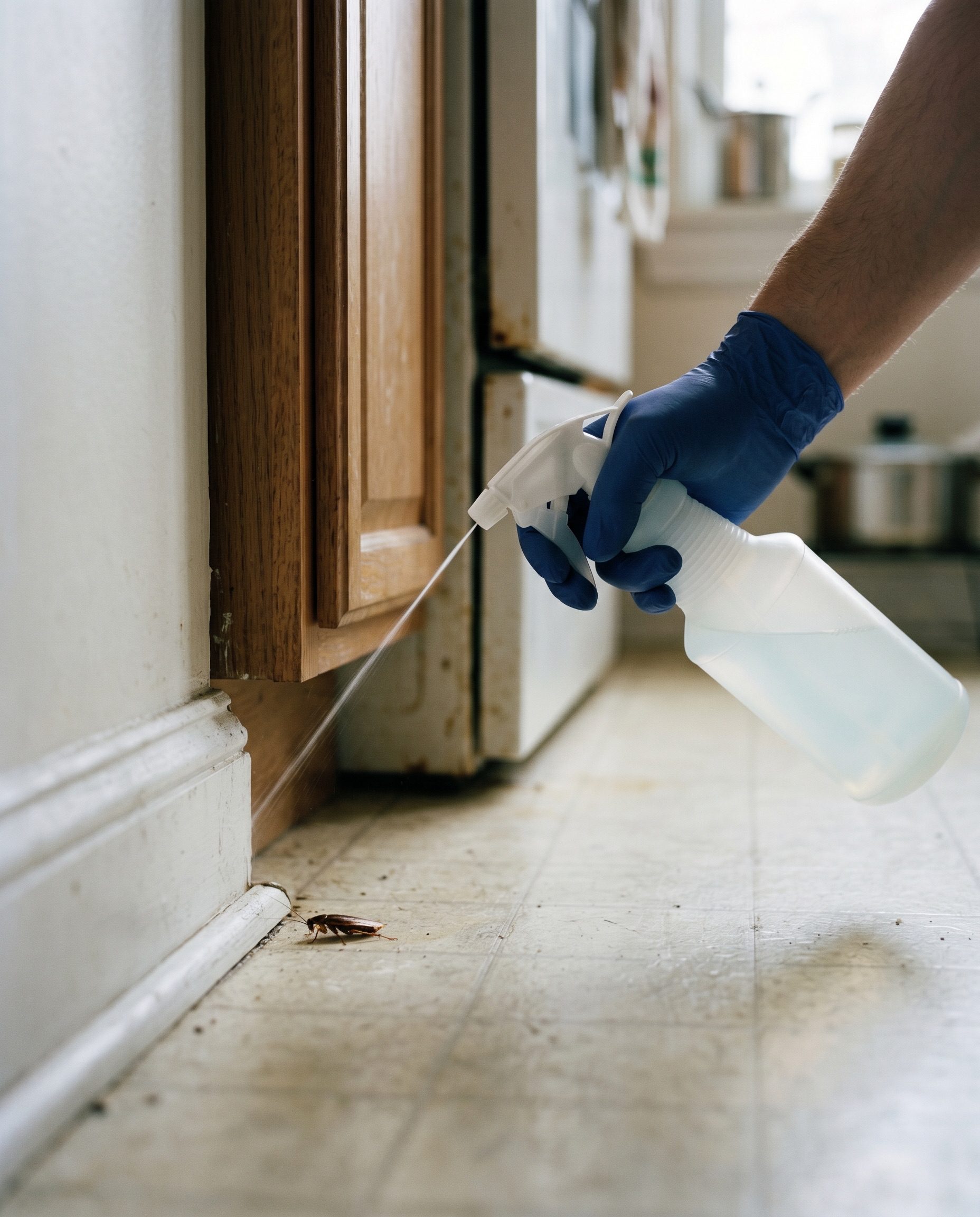
The second honest job is a quick knockdown of a roach you can see. If one runs across the floor and you do not want to lose it under the fridge, a contact aerosol stops it on the spot. That is genuinely useful, just understand it for what it is. A spot kill is one roach, not a treatment. Where a spray is the wrong call is anything to do with the colony in the wall, and where it is dangerous is the fogger or bug bomb, which sprays open surfaces roaches never walk and is a real fire risk near pilot lights and gas appliances.
| Spray type | Right job | Watch-out |
|---|---|---|
| Residual perimeter spray | Outdoor roaches at the foundation and entry points | Outside surfaces; keep kids and pets off until dry |
| Contact aerosol | Knocking down a roach you can see right now | Spot tool only; will not reach the colony |
| Crack-and-crevice spray | Treating a specific gap, away from bait | Do not spray where you placed gel; it repels |
| Fogger / bug bomb | None for roaches | Misses harborage; fire risk near gas appliances |
How to apply it right
Placement and timing decide whether a spray helps or backfires. For a perimeter treatment, spray a continuous band on the outside foundation, around door and garage thresholds, and where pipes and wires enter, on a dry day so it does not wash off. For a knockdown, hit the roach directly rather than misting the room. For a crack treatment indoors, spray a thin line into the specific gap and then leave it; do not spray a baseboard near where you placed gel, because the repellent spray will keep roaches off the bait you actually want them eating. The NPIC guidance is to seal cracks, monitor with sticky traps, and switch the active ingredient if a product stops working, not to spray more of the same.
Two safety rules sit above all of this. First, the label is the law: the EPA states it is a violation of federal law to use a product in a way inconsistent with its labeling, so read the directions and do not invent stronger doses or treat sites the label does not list. Second, keep kids and pets off treated areas until the spray is fully dry, never spray food-prep surfaces or pet bowls, and store the can out of reach. For an exposure concern, the NPIC pesticide-safety page is the place to start, and you can contact a doctor or your vet.
The picks
These three cover the jobs a spray actually does well. The first is the residual perimeter can I keep for outdoor roaches; the second is a cheap contact aerosol for a quick knockdown; the third is a gentler indoor option for homes with kids or pets.
InsectoGuide is reader-supported. As an Amazon Associate we earn from qualifying purchases at no extra cost to you.
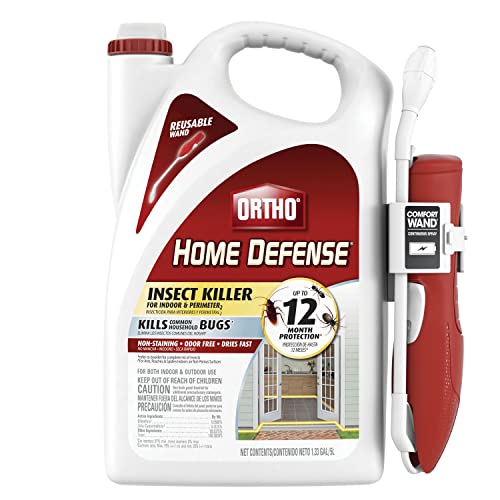
A ready-to-use residual barrier for the outside foundation line where roaches enter.
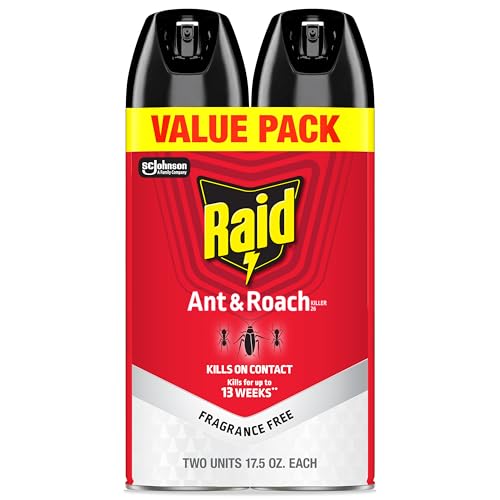
A low-cost contact aerosol for stopping a roach you can see right now.
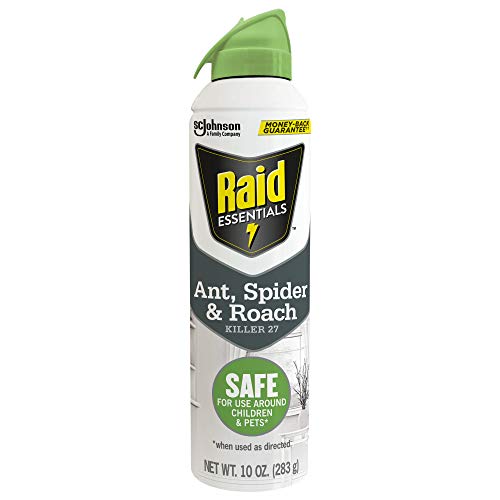
An essential-oil indoor aerosol for a knockdown in homes with kids or pets.
Common questions
What is the best roach spray?
There is no single best spray, because a spray is a spot tool. For big outdoor roaches at entry points, a residual perimeter spray is the right pick. For a roach on the floor, a cheap contact aerosol knocks it down. For a German cockroach colony in the kitchen, neither is the answer; gel bait is.
Does roach spray actually work?
On a stray roach you hit directly, yes, it knocks it down. On an indoor colony, not really. UC research found common pyrethroid sprays killed under 20 percent of German cockroaches on treated surfaces, and the survivors often scatter to other rooms. Sanitation and bait do the colony work.
Is roach spray safe around kids and pets?
Used as directed, labeled sprays are meant for home use, but keep children and pets off treated areas until fully dry and never spray food-prep surfaces or pet bowls. Indoor essential-oil aerosols are a gentler option. Follow the label, and for an exposure concern contact a doctor or your vet.
Can I spray and use bait at the same time?
Not in the same spot. A repellent spray drives roaches away from any gel bait nearby, so they never eat it. If you bait indoors, keep spraying outside at the perimeter only, and leave the indoor cracks to the bait.
When should I call a professional?
If a German cockroach infestation survives a few weeks of correct sanitation and baiting, or you are fighting it across shared walls in an apartment, bring in a licensed pest-control professional. Recurring infestations across units rarely clear with anything bought off a shelf.
Final verdict
The best roach spray is the one matched to the job, not the one with the loudest label. Clean up and seal cracks first, then use a spray for what it does well: a residual perimeter band for the big roaches coming in from outside, and a quick contact aerosol for a roach you can see. Do not make it your main weapon against a German cockroach colony; it kills under a fifth of them on treated surfaces and scatters the rest into other rooms. For breeding indoors, switch to gel, which our best cockroach gel baits roundup and the German cockroach treatment guide both lean on. And if the roaches are in your car instead, our roaches in the car guide covers that odd case.