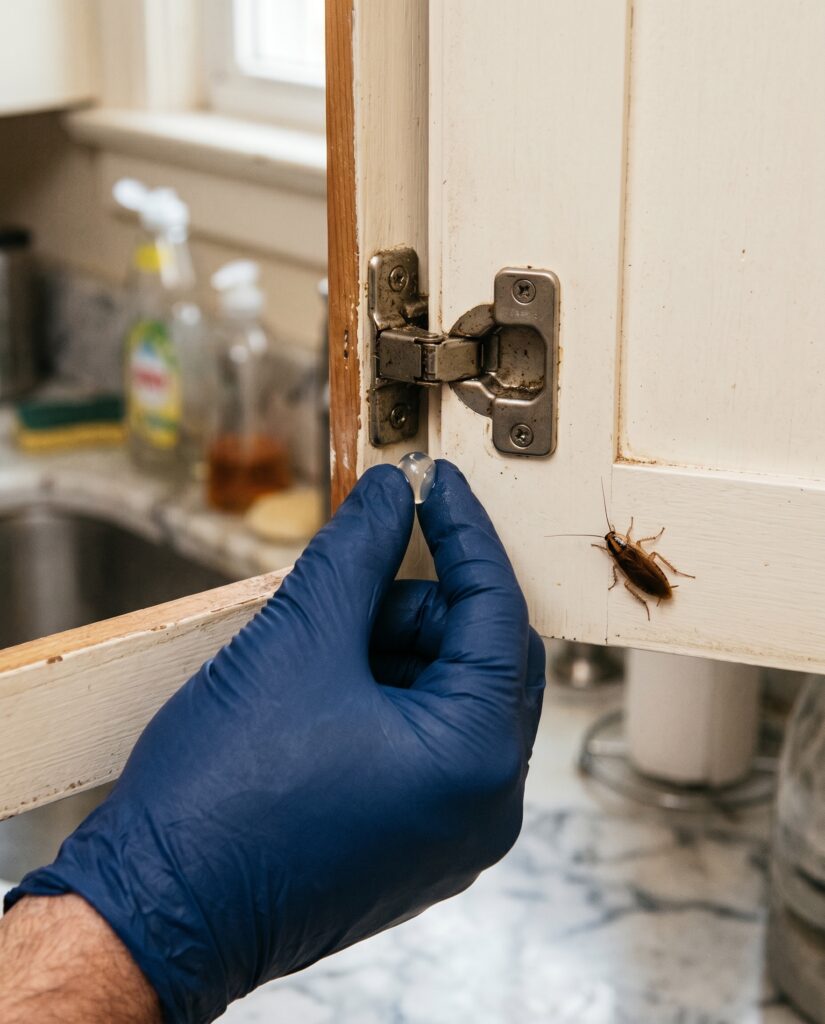
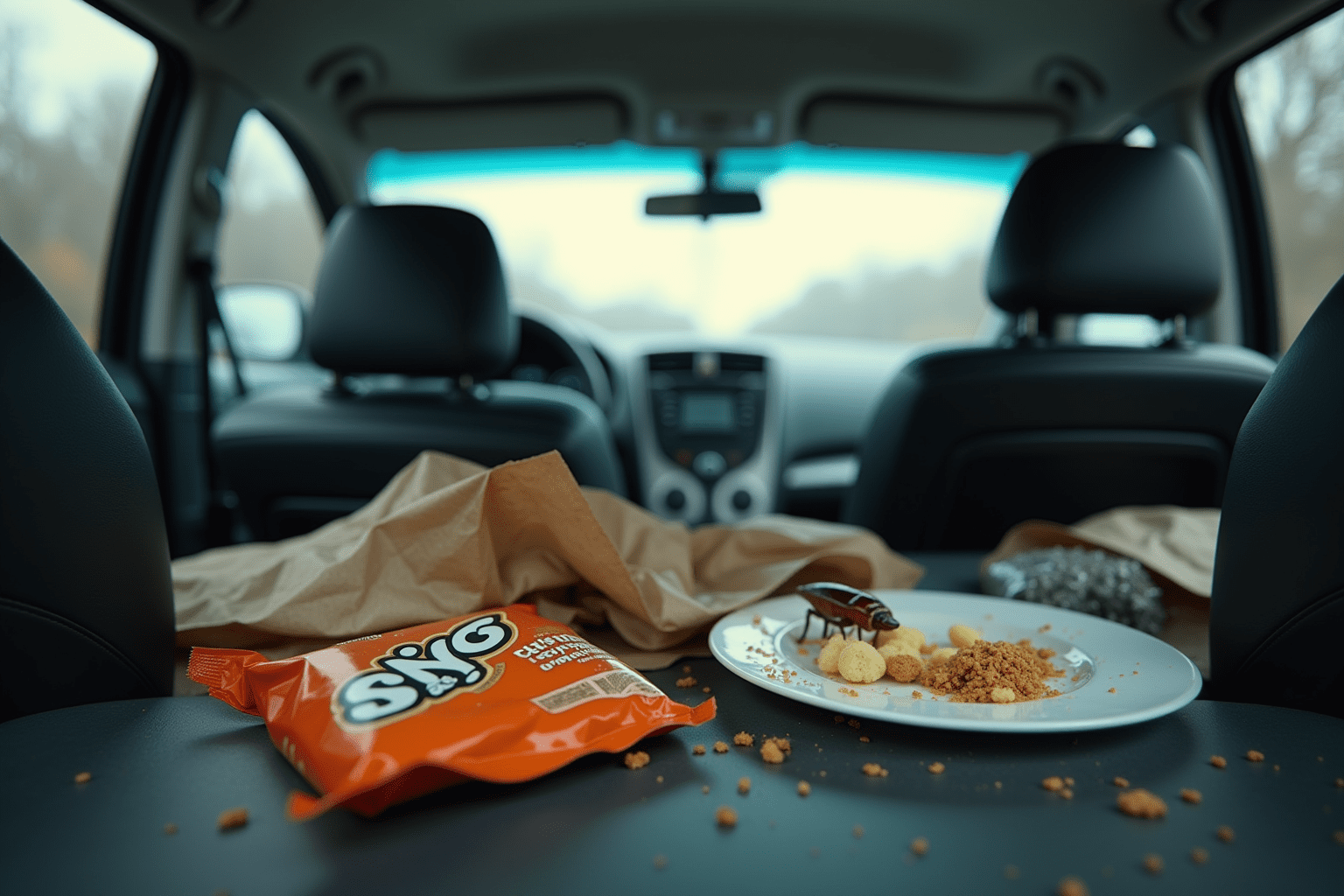
Finding roaches in your vehicle is unsettling, but you can get rid of roaches in a car without soaking the interior in pesticides. The fastest results come from a simple plan: remove food and clutter, vacuum like you mean it, then use sticky traps and bait in the tight hiding spots roaches prefer. This guide walks you through what to look for, what actually works in a confined space, what to avoid (including foggers), and how to keep them from coming back.
Quick answer: how to get rid of roaches in a car (fast, safe plan)
To get rid of roaches in your car, focus on sanitation plus targeted control – not sprays everywhere.
Do this in order:
- Confirm activity: Look for droppings (pepper-like specks), egg cases (brown capsules), and nighttime sightings.
- Deep clean: Remove everything, vacuum seat seams and rails, clean mats, wipe sticky spills.
- Set monitors: Place low-profile glue traps under seats and in trunk corners to track progress.
- Use baits (best option): Put roach bait stations under seats and in trunk seams, or apply gel bait into cracks.
- Skip foggers: Total-release “bug bombs” rarely reach hidden roaches and can leave residues on surfaces you touch.
- Prevent re-entry: Stop eating in the car, store items in sealed bins, and inspect bags/boxes before loading.
If you’re seeing nymphs (tiny roaches) repeatedly, you likely have an established population and should start baiting immediately.
Why roaches end up in cars (and where they hide)
A car is basically a rolling collection of dark crevices, snack crumbs, and warm upholstery. Cockroaches are nocturnal and thigmotactic, meaning they like tight spaces that touch their bodies on both sides. That is why the same few zones keep showing up in vehicle infestations.
Research on cockroach behavior notes they are omnivorous scavengers and can persist on tiny food residues, and they need water even more than food in warm conditions. They can often go weeks without food, but only about a week without water. That combination explains why a spilled soda under a seat can matter more than you’d expect. Guidance aligned with public health IPM recommendations, including the EPA’s integrated pest management approach, emphasizes removing resources first, then using targeted tools like baits.
Common ways roaches get into a vehicle
Most “car infestations” start as hitchhikers, not a roach colony marching in from the street.
- Grocery bags and cardboard boxes (roaches hide in corrugations)
- Backpacks, lunch bags, gym bags
- Luggage after hotels or multi-unit housing visits
- Used furniture, small appliances, or moving boxes
- Parking near dumpsters, cluttered garages, or heavy outdoor roach activity
The top hiding spots to inspect (checklist)
Use this as your first-pass map before you clean:
| Vehicle area | Why roaches like it | What to look for |
|---|---|---|
| Under front seats | Warm, dark, lots of seams | Droppings on rails, nymphs at night |
| Seat seams and folds | Tight harborage | Smears, shed skins |
| Center console and cup holders | Food residue | Sticky spills, speckled droppings |
| Under floor mats | Shelter + crumbs | Egg cases near edges |
| Trunk corners and spare tire well | Undisturbed hiding | Droppings in seams |
| Door pockets and trim gaps | Protected cracks | Occasional hitchhikers |
Action takeaway: If you only have time for one inspection, check under the front seats and the trunk seams. That’s where activity most often concentrates.
How to confirm you have roaches (not just one hitchhiker)
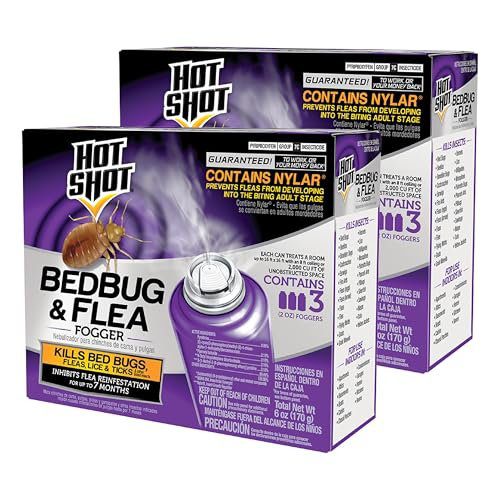
Hot Shot BedBug And Flea Fogger, Inhibits Flea Reinfestation, 2 Ounce Cans, 6 Count
This product is effective for killing roaches and can be used in confined spaces like cars, making it relevant for targeted control.
Seeing one roach does not always mean an infestation. A single adult could have wandered in from a bag, a garage, or an outdoor population. The difference is whether the car is supporting ongoing survival and reproduction.
A helpful rule: nymphs change the story. If you see small, wingless roaches (often 3-10 mm long), you are more likely dealing with an established population rather than a one-off visitor. German cockroaches (Blattella germanica) are especially notorious for rapid population growth. Females can produce multiple egg cases, each holding dozens of nymphs, which is why early action matters.
Signs that point to an established problem
Look for at least one of these, and ideally confirm with traps:
- Repeated sightings, especially at night when you open the door
- Droppings – black specks like ground pepper in corners and seams
- Egg cases (oothecae) – small brown capsules tucked into cracks
- Musty, oily odor in heavier activity (a buildup of roach secretions)
Quick nighttime test (5 minutes)
Roaches are most active in the dark. Try this:
- Park in a safe spot at dusk.
- Leave the car closed and dark for 30-60 minutes.
- Open a door and quickly shine a flashlight under the seats and along the console edges.
If multiple roaches scatter, skip “wait and see” and move straight to cleaning plus baiting.
Monitoring tool that removes doubt
Glue traps turn guesswork into data. Place them, date them, and check every 2-3 days at first. If you want a trap recommendation and placement tips, see our roundup of the Best Cockroach Traps.
Action takeaway: Traps tell you where to treat. The trap with the most roaches is your “hot zone.”
Get rid of roaches in a car: step-by-step IPM plan that works
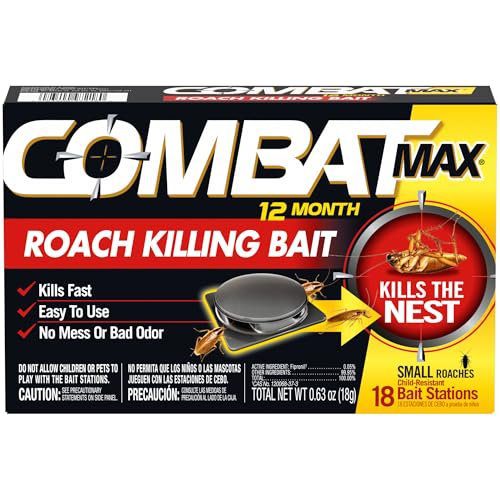
Combat Max 12 Month Roach Killing Bait, Small Roach Bait Station, Child-Resistant, 18 Count
These bait stations are perfect for placing under seats and in trunk seams to effectively attract and eliminate roaches.
This is the same integrated approach entomologists use in buildings, scaled down to a vehicle: remove resources, reduce hiding spots, then use targeted control that reaches roaches you cannot see. For cockroaches, baits are often more effective than broadcast sprays because roaches feed, return to harborages, and can affect others through shared behaviors. That strategy is consistent with guidance discussed in pest management literature and public health recommendations.
Step 1: Remove everything and stop the food supply
Before any product goes in, empty the car completely:
- Trash, wrappers, receipts, napkins
- Reusable bags, cardboard boxes, clothing piles
- Child-seat snack containers and toys
- Items stored in trunk pockets and side wells
Put suspect items into sealed plastic bags until you can inspect them. Cardboard is a frequent hitchhiking route, so discard it quickly.
Step 2: Vacuum like you’re targeting the roach “highways”
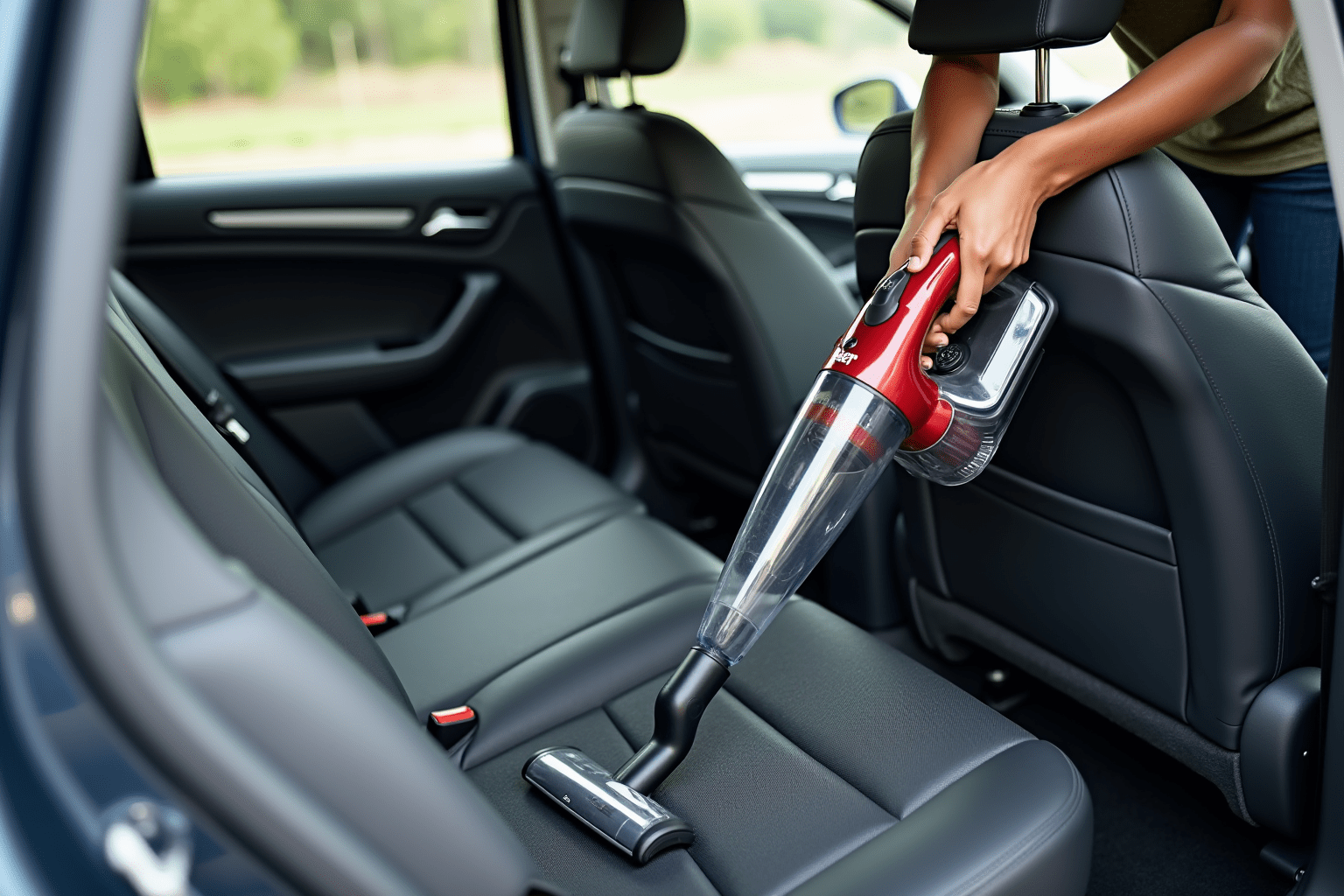
Use a strong vacuum with a crevice tool. Focus on cracks, not open floor space.
Hit these exact zones:
- Seat seams and folds
- Seat tracks and rail channels
- Under-seat crossbars and brackets
- Between the seat and center console
- Under floor mats, including edges
- Trunk seams, spare tire well, and corners
After vacuuming, immediately empty the vacuum into a sealed bag and take it outside. Otherwise, you can reintroduce roaches later.
Step 3: Use compressed air, then vacuum again
Compressed air helps dislodge crumbs from seat rails and console cracks. Blow debris out, then vacuum again to remove what you loosened.
Step 4: Wash mats and remove sticky residues
- Remove mats, shake them outdoors, then wash with soap and water.
- Wipe cup holders, console edges, and door pockets where sugary films build up.
- Let everything dry fully. Moisture is survival fuel for roaches.
Step 5: Place glue traps to map activity
Use low-profile traps so they do not interfere with driving.
Safe placement spots:
- Under front seats (rearward position, away from pedals)
- Under rear seats
- Trunk corners and along the back edge
Check weekly. If traps stay empty for 3-4 weeks, you are likely in the clear.
Step 6: Use bait stations or gel bait (your main “kill” tool)
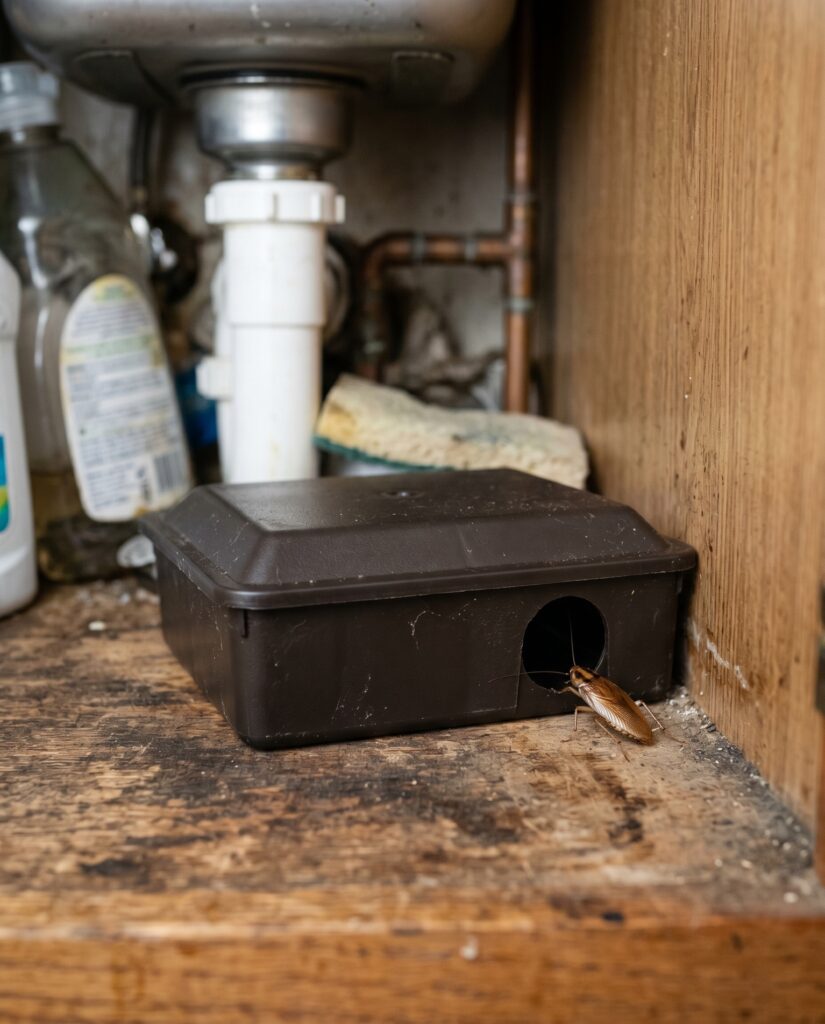
Baits solve the hardest part of car infestations: roaches hiding deep inside seams and trim. A baited roach does the delivery work for you by returning to its harborage.
- Bait stations: Place under seats and in trunk corners where they will not slide.
- Gel bait: Apply tiny dots into cracks and crevices (seat rails, under trim edges), following the label.
If you are also fighting roaches in a home or garage, pair this with a broader plan. Our guide on How to Get Rid of Cockroaches Permanently explains how to prevent reinfestation from the primary source.
Action takeaway: In a car, cleaning removes resources and bait removes the hidden population. You need both for reliable results.
What to avoid in a car (foggers, heavy sprays, and risky “natural” fixes)
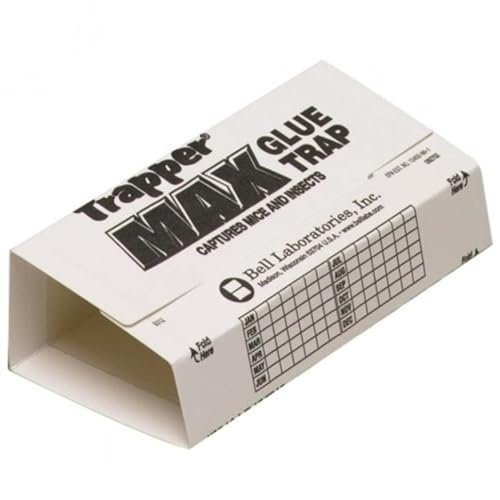
Trapper Max Mouse & Insect Glue Boards-72 Boards White
These glue traps are ideal for monitoring and capturing roaches in tight spaces within your vehicle.
When people panic, they often reach for the most dramatic option: foggers or heavy spraying. In vehicles, that approach is usually disappointing and can create safety issues. Roaches hide in protected voids, and many products simply do not reach those spaces well.
Avoid total-release foggers (“bug bombs”) in vehicles
Foggers tend to kill only exposed insects, while roaches survive in cracks behind panels, under seat structures, and in tight seams. They can also leave residues on steering wheels, seats, and touch surfaces.
Consumer guidance from major automotive and pest-control sources consistently warns that foggers are a poor match for roaches in complex spaces like cars. If you want an approach that actually targets harborages, stick with traps plus baits.
Be careful with sprays inside a car
If you choose to use a spray at all, treat it like a precision tool.
Safer spray rules:
- Use only products labeled for indoor crack-and-crevice use.
- Apply only into cracks and hidden voids, not across seats or dashboards.
- Never spray near pedals, seat tracks that must move, or electronics.
- Ventilate thoroughly before driving.
For product selection, our comparison of Best Roach Sprays for Instant Kill focuses on when sprays make sense and when they backfire.
About diatomaceous earth and silica dusts
These can work in dry, undisturbed areas, but cars are high-contact spaces. Dust can become airborne and be inhaled, and it can be messy on upholstery.
If you use dust:
- Choose only products labeled for insect control (never pool-grade).
- Apply a very light layer in hidden areas only (for example, trunk seams).
- Keep it away from vents and airflow paths.
- Vacuum it out once control is achieved.
For pesticide safety basics, consult resources like the National Pesticide Information Center for plain-language guidance.
Essential oils are not a stand-alone solution
Some essential oils show repellent effects in lab settings, but real-world control is inconsistent. Oils can also irritate skin, trigger sensitivities, and damage interior plastics. If you like plant-based options, use them as a short-term deterrent after cleaning, not as your main removal method.
Action takeaway: In a car, the best “low drama” approach wins – clean, trap, bait, then prevent.
When the car is not the real problem (and when to call a pro)
If roaches keep reappearing after you clean and bait, the vehicle may be a secondary site. This is common when the source is an infested apartment, garage, or shared building space. German cockroaches, in particular, often originate from indoor kitchens and bathrooms and then hitchhike into vehicles in bags and boxes.
If you live in multi-unit housing, addressing the building source matters as much as treating the car. Our guide on Effective Strategies to Get Rid of Roaches in Your Apartment covers practical steps that reduce reinfestation pressure.
Red flags that point to a larger source
Use this quick diagnostic:
| What you’re seeing | What it often means | What to do next |
|---|---|---|
| Roaches in car and kitchen | Home is primary source | Treat home with IPM, then car |
| Roaches return after 1-2 weeks | Hitchhiking continues | Inspect bags, stop cardboard, add traps |
| Many nymphs in car | Breeding in vehicle or constant reintroduction | Increase baiting, consider professional inspection |
| Strong odor and frequent sightings | Heavy activity | Professional help recommended |
When professional pest control is worth it
Consider calling a licensed professional if:
- You see dozens of roaches weekly despite baiting and sanitation.
- Someone in the household has asthma or strong allergies and needs faster reduction.
- You suspect the home or garage is heavily infested.
Cockroach allergens are a major reason people want fast control. A landmark inner-city study published in the New England Journal of Medicine linked high cockroach allergen exposure with increased asthma morbidity in children. That research is home-focused, but it underscores why reducing roach presence anywhere you spend time matters.
Preventing a repeat: simple habits that block reinfestation
Roach prevention is mostly about removing the three things they need: food, moisture, and hiding spots. If you want a deeper look at what draws them in, see Discover What Attracts Cockroaches to Your Home. The same attractants apply to vehicles.
A realistic prevention routine:
- Weekly (5 minutes): empty trash, quick vacuum under seats.
- After road trips: wipe cup holders, check under mats, remove food packaging.
- Storage rule: keep long-term items in sealed plastic bins, not cardboard.
- Parking awareness: avoid long-term parking near dumpsters or cluttered garages.
Conclusion: the simplest way to win against roaches in a car
To get rid of roaches in a vehicle, skip the “spray everything” mindset and use an IPM sequence that targets how roaches actually live: deep clean to remove food and moisture, place glue traps to confirm hotspots, then rely on bait stations or gel bait to reach hidden roaches in seams and trim. Avoid foggers, and treat recurring activity as a sign the source may be your home, garage, or items you transport.
Next step: set two glue traps tonight (under the driver seat and in the trunk corner). Then follow up with bait placement where trap counts are highest. For broader control beyond the car, start with How to Get Rid of Cockroaches Permanently and review the Best Cockroach Traps to keep monitoring until activity hits zero.
As an Amazon Associate, I earn from qualifying purchases. Product recommendations are based on real reviews and independent research.