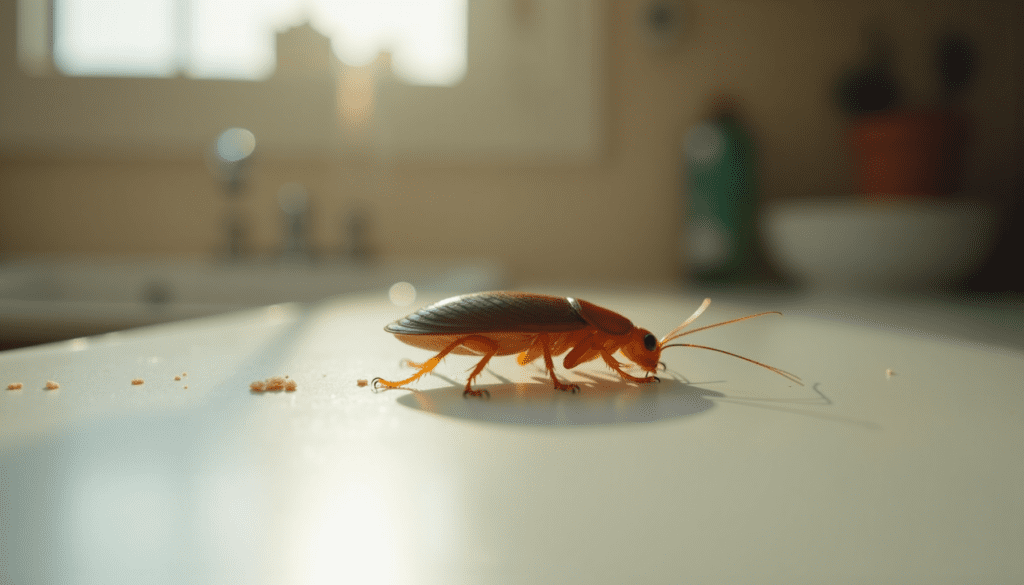
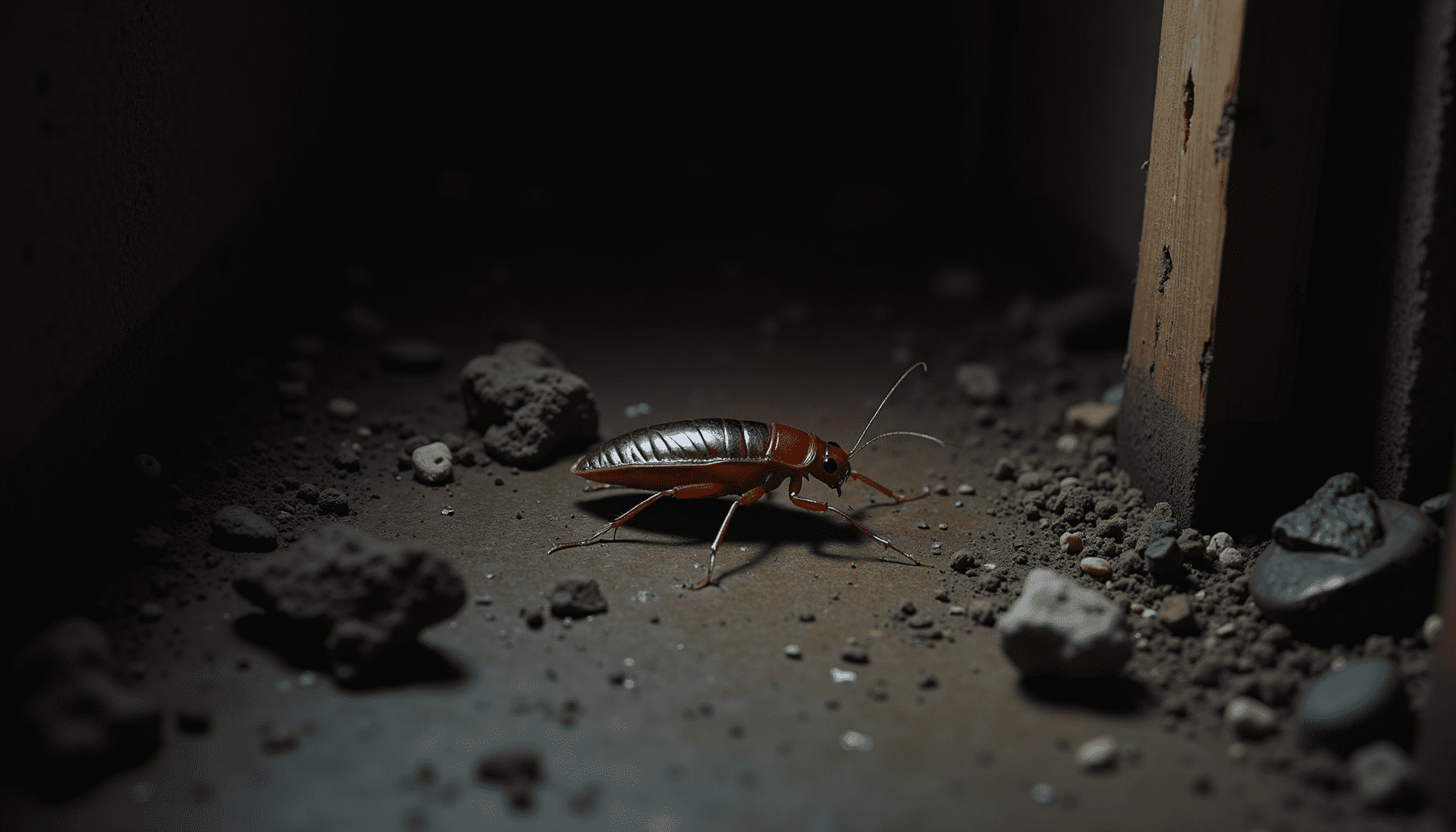
Finding a large, shiny black roach in a basement or near a floor drain usually points to one suspect: the Oriental cockroach. This species thrives in cool, damp, low-light places like crawl spaces, sump pits, and sewer-adjacent voids, then wanders indoors through gaps and drains. The good news is that control is very doable once you focus on what this roach needs most: moisture, shelter, and easy access. This guide shows how to identify it confidently, locate where it is coming from, and stop it with practical, IPM-based steps.
Quick identification: Is it an Oriental cockroach?
If you’re trying to identify what you saw, here’s the fastest way to confirm an Oriental cockroach (Blatta orientalis) without guesswork.
Quick ID checklist (most reliable traits):
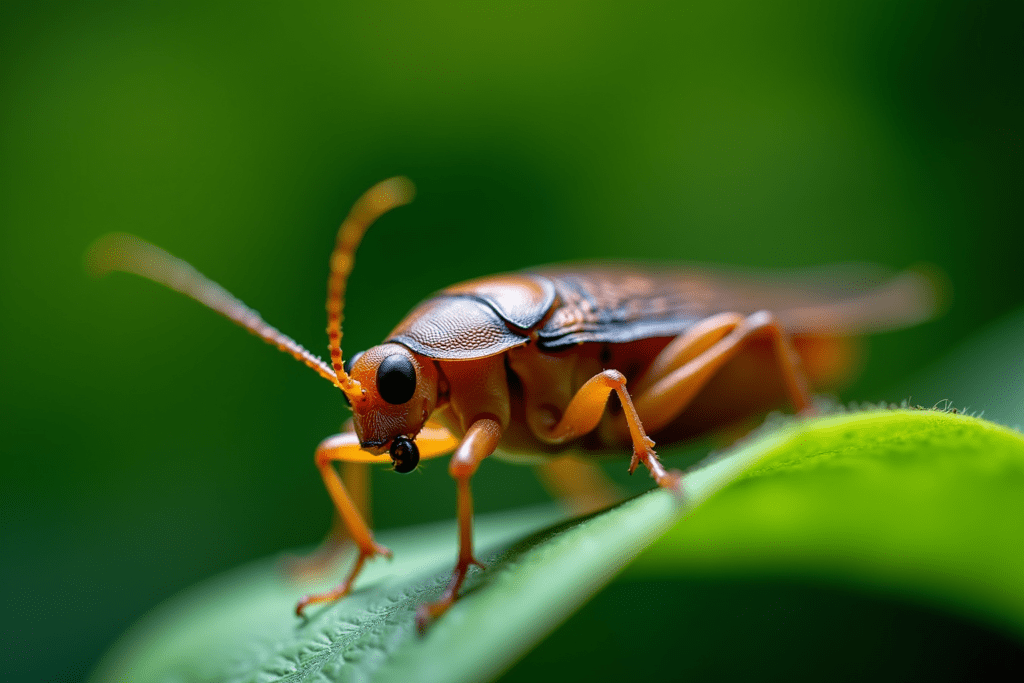
- Color: very dark brown to jet black, often shiny
- Size: about 1.0 to 1.25 inches (25 to 32 mm)
- Wings: males have short wings (do not cover the whole abdomen); females have wing pads only
- Flight: cannot fly (both sexes)
- Where you find it: basements, crawl spaces, floor drains, sump areas, around plumbing, and outdoors under damp debris
- When you see it: mostly at night, usually on lower levels
Fast comparison table
| Feature | Oriental cockroach | German cockroach | American cockroach |
|---|---|---|---|
| Adult size | 1.0-1.25 in | 0.5-0.6 in | 1.5-2.0 in |
| Color | shiny dark brown-black | tan with 2 dark stripes | reddish-brown, pale edge behind head |
| Best clue | loves damp, cool areas | kitchens and bathrooms indoors | very large, often in big buildings |
| Flight | cannot fly | rarely flies | can glide/fly short distances |
If you want a broader comparison across common household species, see Explore the Different Types of Cockroaches.
Oriental cockroach identification: what to look for (and where)
Most people first notice this roach the same way: a quick, dark shape hugging the wall near a drain, then disappearing into a crack. That behavior is part of the identification story. Oriental cockroaches are built for tight, damp hiding spots, not open countertops and bright rooms.
Key physical traits (with practical ID tips)
Use this short “head-to-tail” check when you get a clear look:
- Body shape: oval and flattened, like a small, glossy shield.
- Antennae: long and threadlike, usually sweeping as it walks.
- Color and sheen: darker and shinier than most other pest roaches. In low light, they can look almost black.
- Sex differences you can actually see:
- Male: slimmer, about 25 mm (1 inch), with wings that cover around three-quarters of the abdomen.
- Female: broader, about 32 mm (1.25 inches), with no functional wings and noticeable wing pads.
- Movement: often slower than German roaches, and typically stays close to edges and corners.
Where Oriental cockroaches live (the “moisture map”)
This species is strongly tied to cool, damp microhabitats. According to guidance from the UC Statewide Integrated Pest Management Program, cockroach control works best when you match the treatment to the species’ habits. For Oriental roaches, that means thinking like water.
Most common outdoor harborages:
- under leaf litter, stones, landscape timbers, and mulch
- around foundations where soil stays damp
- near storm drains, sewers, and irrigation runoff areas
- in woodpiles or clutter resting on soil
Most common indoor hotspots:
- basements and crawl spaces
- floor drains and utility rooms
- areas near toilets, tubs, and under-sink plumbing
- sump pits, condensate lines, and damp wall voids
Signs of an infestation
Oriental roaches are not subtle once numbers build. Look for:
- Night sightings in damp areas (especially near drains)
- Egg cases (oothecae): dark brown capsules left in protected cracks and clutter
- Fecal spotting: dark specks or smears near edges and hiding sites
- Musty odor in heavier infestations
Mini inspection checklist (5 minutes):
- Use a flashlight and check around floor drains, pipe penetrations, and the base of toilets.
- Look behind stored items in basements – especially cardboard and clutter.
- Step outside and inspect damp debris within 3-6 feet of the foundation.
If you’re also trying to figure out why they showed up in the first place, Discover What Attracts Cockroaches to Your Home breaks down the common triggers.
Why Oriental cockroaches show up in basements and drains
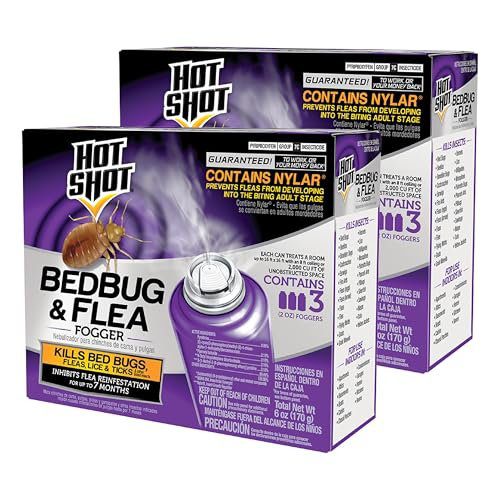
Hot Shot BedBug And Flea Fogger, Inhibits Flea Reinfestation, 2 Ounce Cans, 6 Count
This product is effective for controlling cockroach infestations, including Oriental cockroaches, and is suitable for indoor use in areas where these pests are commonly found.
If German cockroaches are the “kitchen specialists,” Oriental cockroaches are the “plumbing and ground moisture specialists.” Many infestations begin outdoors, then shift indoors when conditions line up – warm weather, drought, irrigation changes, or an easy entry point near water.
They are moisture-dependent (more than most roaches)
Oriental cockroaches can go a surprisingly long time without food, but they do poorly without water. In practical terms, that means a small leak, a damp crawl space, or a consistently wet drain can support them even when the rest of the home is spotless.
Common moisture sources that sustain them:
- slow plumbing leaks under sinks or at shutoff valves
- sweating pipes and condensation in humid basements
- standing water in floor drains or around sump lids
- downspouts dumping water near the foundation
- overwatered landscaping and thick, wet mulch beds
They often come from outdoors (and sometimes from sewers)
Despite the name, this species is widely established in temperate regions and is especially common in cooler parts of the U.S. They frequently live in outdoor debris and sewer-adjacent areas, then wander inside through gaps under doors, utility penetrations, and drain connections.
The University of Maryland Extension emphasizes Integrated Pest Management (IPM) for cockroaches: identify the species, reduce conditions that support it, then apply targeted products where they actually hide. This approach matters with Oriental roaches because outdoor habitat and moisture are often the real engine of the problem.
Seasonality: when activity spikes
Expect more sightings when:
- late spring through early fall increases outdoor activity and movement
- hot, dry spells push them toward indoor moisture
- heavy rain floods outdoor harborages and drives them upward into structures
Quick “why now?” chart
- Hot and dry outside → roaches seek indoor water
- Heavy rain → roaches flee saturated harborages
- New mulch or landscaping → new damp shelter near the foundation
Health risks and misconceptions (what’s true, what’s not)
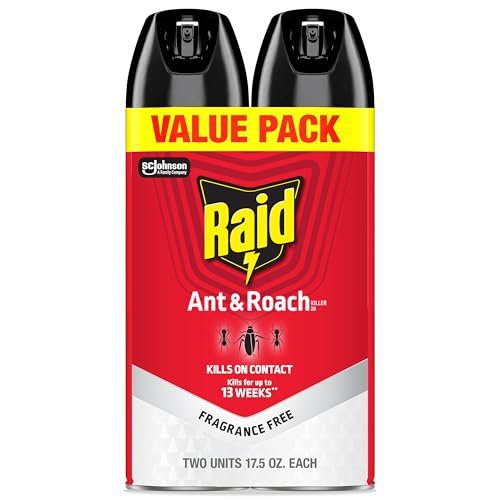
Raid Ant & Roach Killer, Fragrance Free Bug Killer for Home Use, Kills Bugs on Contact, 17.5 Oz, 2 Count
Raid’s Ant and Roach Killer is specifically designed to target roaches, making it a practical solution for controlling Oriental cockroaches in homes.
Oriental cockroaches are not out to bite people, but they do create real hygiene and indoor air quality concerns. They spend time in sewers, garbage areas, and decaying organic matter, then walk across surfaces in living spaces. That’s why pest management professionals treat them as a sanitation pest, not just a nuisance.
Do Oriental cockroaches carry disease?
They can mechanically carry microbes on their bodies and in their droppings, especially when they move between filth sources and indoor surfaces. Public health and extension resources consistently warn that cockroaches can contaminate food and food-contact areas.
For a deeper, evidence-based overview, see Do Cockroaches Carry Disease?.
Practical takeaway: treat any roach activity near kitchens, pet food, or pantries as a sanitation issue. Clean and disinfect after sightings, and focus on stopping the moisture and entry points that keep them coming.
Allergies and asthma triggers
Cockroaches also produce allergens in feces, shed skins, and body fragments. In sensitive people, these allergens can worsen asthma and allergy symptoms. This is one reason IPM favors baits, dusts in voids, and exclusion over broad indoor spraying.
Common myths to ignore
Myth 1: “Oriental cockroaches can fly.”
False. Males have short wings and females have wing pads, but neither can fly.
Myth 2: “If my house is clean, I can’t get them.”
False. Clean homes can still be invaded if there’s moisture and access – especially via basements, crawl spaces, and drains.
Myth 3: “Bug bombs will solve it.”
Foggers and total-release aerosols rarely reach the cracks and voids where cockroaches hide. They can also spread roaches deeper into wall voids and increase pesticide exposure. IPM programs generally discourage them in favor of targeted placement and habitat fixes.
Quick safety checklist after a roach sighting:
- wipe counters and floors with soap and water, then disinfect
- store food and pet food in sealed containers
- keep dishes dry overnight and avoid standing water in sinks
How to get rid of Oriental cockroaches: an IPM plan that works
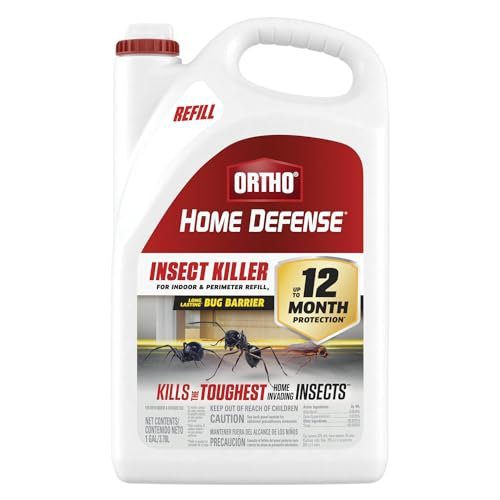
Ortho Home Defense Insect Killer for Indoor and Perimeter Refill2 – Ready-To-Use Bug Spray Refill, Kills Ants, Roaches, and Spiders, 1 gal.
This insect killer provides long-lasting protection against various pests, including cockroaches, and can be used both indoors and outdoors, addressing the moisture issues that attract Oriental cockroaches.
Oriental cockroach control is most successful when you treat it like a three-part problem: (1) moisture, (2) shelter, (3) access. Insecticides can help a lot, but they work best as a supplement to those fixes, not a replacement for them.
Step 1: Monitor first (so you don’t treat blind)
Monitoring sounds slow, but it saves time and money. Place sticky traps to learn where they travel and where they’re entering.
Glue trap placement map (simple and effective):
- along basement baseboards and corners
- next to floor drains and sump areas
- under sinks and near plumbing penetrations
- near exterior doors, especially garage and basement entries
How to use traps well:
- Place 6-12 traps in the problem level.
- Label them by location and date.
- Check daily for 3-7 days, then weekly.
- Focus treatments where trap counts are highest.
Step 2: Fix moisture (the fastest way to reduce activity)
If you do only one thing, do this. Moisture reduction can collapse the habitat advantage Oriental roaches rely on.
High-impact moisture fixes:
- repair leaks and sweating pipes
- run a dehumidifier to keep basements drier
- improve ventilation in damp utility areas
- keep gutters and downspouts directing water away from the foundation
- reduce over-irrigation and avoid thick mulch against the house
Step 3: Remove outdoor harborages (so they stop replenishing)
Because many Oriental roaches originate outside, your yard can be the “breeding reservoir.”
Outdoor cleanup checklist:
- remove leaf piles and damp debris near the foundation
- store firewood off the ground and away from walls
- thin dense groundcover and trim vegetation touching the structure
- reduce wet mulch depth and keep it pulled back from siding
Step 4: Exclude them (seal the routes they use)
Oriental roaches often enter through low-level gaps. Think like water again: if air and moisture can move through a gap, roaches can too.
Best exclusion targets:
- door sweeps on exterior doors
- caulk gaps around utility lines and plumbing entries
- seal foundation cracks and expansion joints
- screen vents where appropriate and maintain window screens
Step 5: Use baits and dusts strategically (not random sprays)
When products are needed, IPM favors targeted options. The UC Statewide Integrated Pest Management Program recommends focusing on placements where cockroaches hide and travel, rather than broad surface spraying.
Baits (often the best starting point)
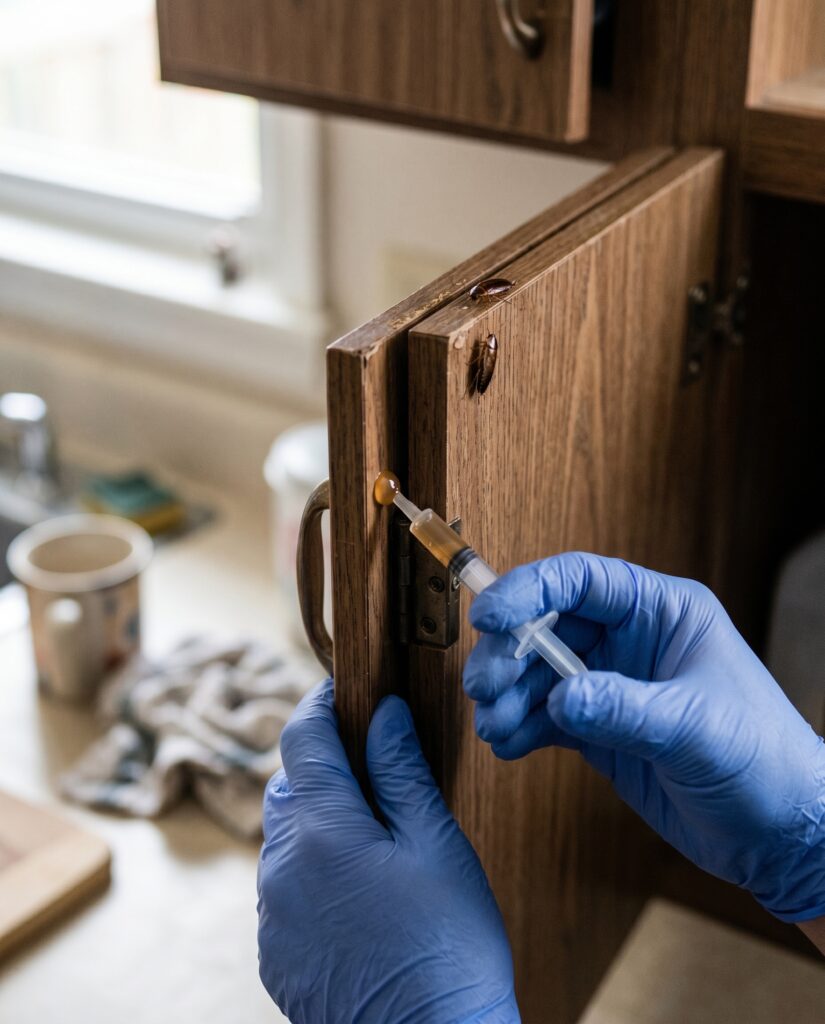
- Use gel baits, bait stations, or granular baits labeled for cockroaches.
- Place baits flush to walls and near travel routes, especially by drains and plumbing.
- Refresh as consumed and continue for several weeks to catch newly emerged nymphs.
For product-style guidance and bait strategy, see Best Roach Killers & Baits.
Dusts for voids and inaccessible spaces
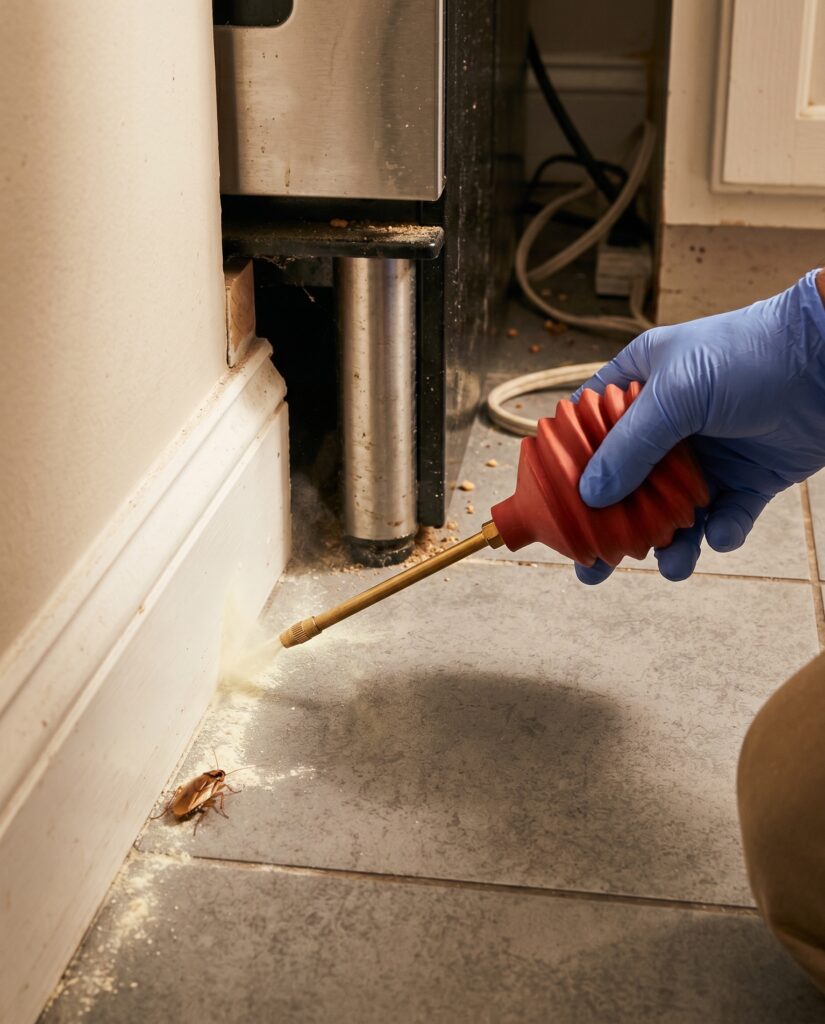
- Boric acid and silica-based dusts can work well in wall voids, cracks, and crawl spaces.
- Apply lightly in areas people and pets will not contact.
- Never pile dust – a thin film is more effective.
Residual sprays (use carefully, if at all)
- If used, apply only to cracks, crevices, and exterior foundation zones as the label allows.
- Avoid spraying broad indoor surfaces and never treat food-prep areas improperly.
When to call a professional
DIY works for light activity, but call a licensed pest professional when:
- trap counts stay high after 3-4 weeks of consistent effort
- roaches appear to be coming from sewers, drains, or crawl spaces you can’t access safely
- there are asthma sufferers, infants, or medically vulnerable occupants
- you need coordinated indoor-outdoor treatment and advanced exclusion
For a bigger-picture plan that ties these steps together, How to Get Rid of Cockroaches Permanently walks through long-term prevention and maintenance.
Conclusion: the simplest way to win against Oriental cockroaches
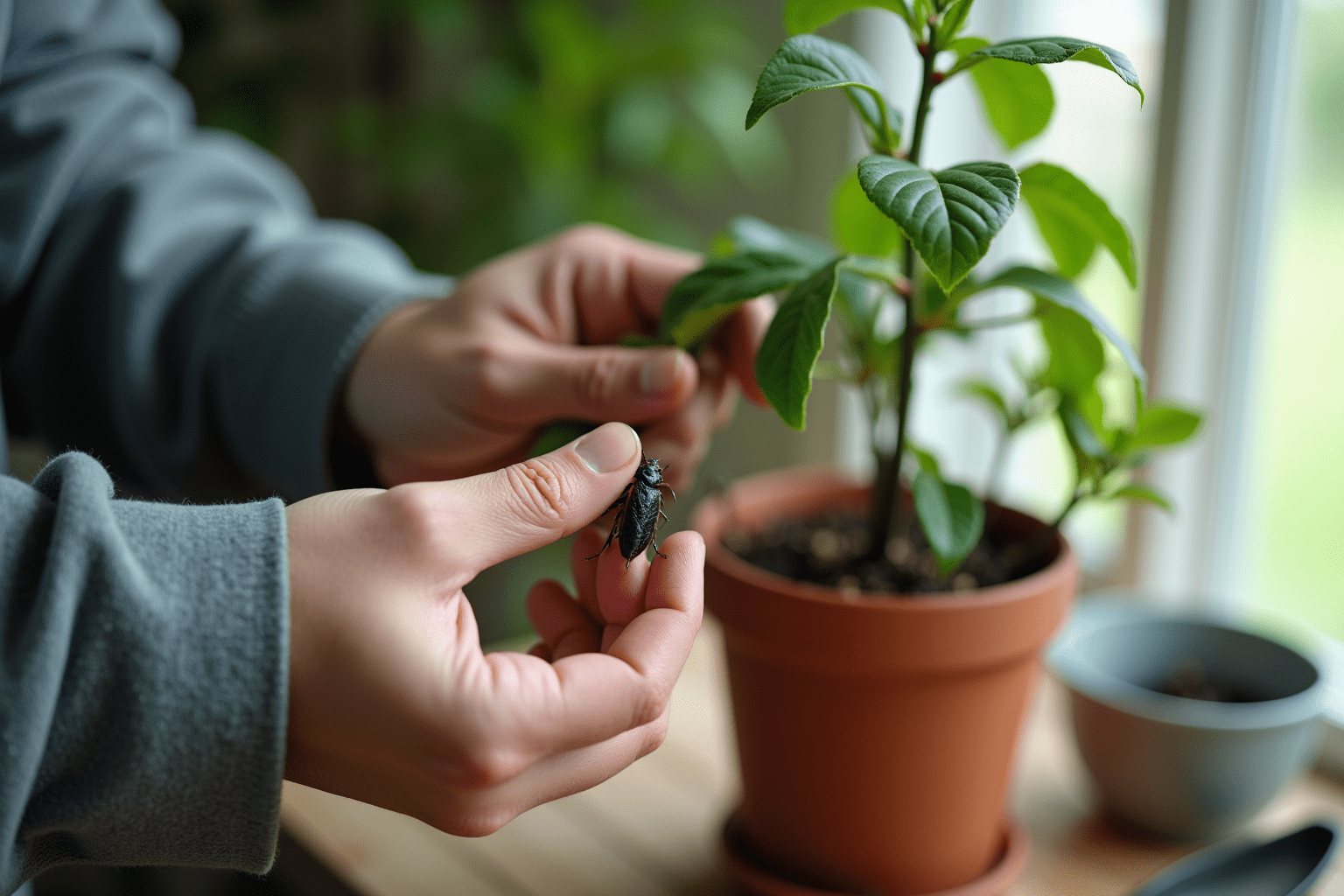
Oriental cockroaches are easiest to beat when you stop treating them like a kitchen pest and start treating them like a moisture and access problem. Confirm the ID (large, shiny dark roach, damp areas, cannot fly), then use traps to find hotspots. Dry out the space, remove outdoor harborages, seal entry points, and back it up with well-placed baits or dusts instead of foggers.
Next step: set 6-12 glue traps tonight in the basement and near drains, then make one moisture fix tomorrow. For more help, revisit Discover What Attracts Cockroaches to Your Home and Best Roach Killers & Baits to fine-tune your plan.
As an Amazon Associate, I earn from qualifying purchases. Product recommendations are based on real reviews and independent research.