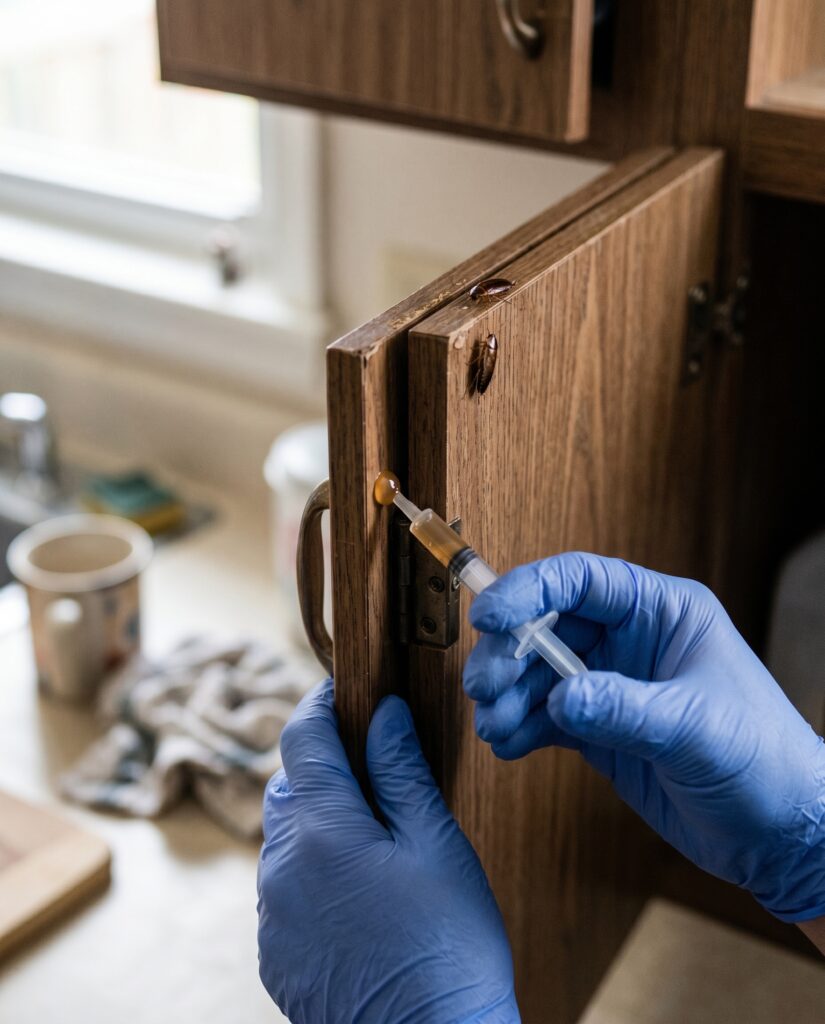
Finding cockroaches indoors is more than a “gross factor” problem – it can be a real health concern. Yes, cockroaches can carry disease-causing microbes, mainly by picking them up from drains, trash, and sewage and then contaminating food and food-contact surfaces as they roam. The good news is that most risk is preventable with targeted cleaning, moisture control, and smart pest control steps. This guide explains what science actually says about disease transmission, what symptoms to watch for, and how to reduce exposure fast.
Quick Answer: Do cockroaches carry disease?
Yes – cockroaches can carry germs, but they usually spread them indirectly through contamination, not by biting. Think of them as “dirty shoes” that walk across your kitchen.
Here’s the snippet-friendly breakdown:
- Main risk: mechanical spread of microbes onto food, utensils, counters, and pantry items
- Commonly associated pathogens: Salmonella, E. coli, Staphylococcus aureus, Shigella, rotavirus, some parasites, and fungi
- How it happens: contact with roach bodies/legs, droppings, and sometimes regurgitation on surfaces
- Bigger health burden for many homes: allergens from roach droppings and shed skins that can trigger asthma
- When it’s most concerning: kitchens, food storage areas, restaurants, hospitals, and heavy infestations
If you’re also worried about physical injury, see Do Cockroaches Bite? Understanding the Health Risks Involved for what’s myth vs reality.
Cockroaches and disease transmission: what’s actually happening?
If you’ve ever spotted a roach disappear under a sink, you’ve seen the problem in action. Cockroaches thrive in places that also concentrate microbes – garbage areas, drains, sewers, damp voids, and pet feeding zones. When they move from those spots to a cutting board or pantry shelf, they can leave behind what they picked up.
Public-health and pest management sources describe cockroaches as mechanical vectors. That means they can transport germs on their bodies or in their digestive tract without needing the germ to “develop” inside them like it does in mosquitoes.
According to a review in the National Library of Medicine (NIH) database, cockroaches have been found to harbor and disseminate many food-borne microbial pathogens, and about a quarter of microorganisms isolated from cockroaches in the reviewed literature were food-borne pathogens. That is one reason kitchens and food facilities take roach activity so seriously.
The 4 most common ways roaches contaminate your home
Use this as a quick mental checklist when deciding what to clean first:
- Feet and body contact: they walk across contaminated material, then across counters and dishes
- Droppings: tiny, pepper-like feces can land in drawers, cabinets, and along baseboards
- Regurgitation: roaches can deposit digestive fluids while feeding
- Shed skins and debris: contributes to allergen load and can contaminate storage areas
Visual: “Mechanical vector” vs “bite-and-infect”
| Pest type | Typical disease route | Example |
|---|---|---|
| Mechanical vector | Contaminates surfaces/food indirectly | Cockroaches |
| Biological vector | Pathogen develops in the insect and is injected | Mosquitoes |
Actionable takeaway: Treat roaches like a food safety issue first. Any area where food sits, is prepared, or is stored deserves priority cleaning and exclusion.
What diseases are cockroaches linked to (and what symptoms should you watch for)?
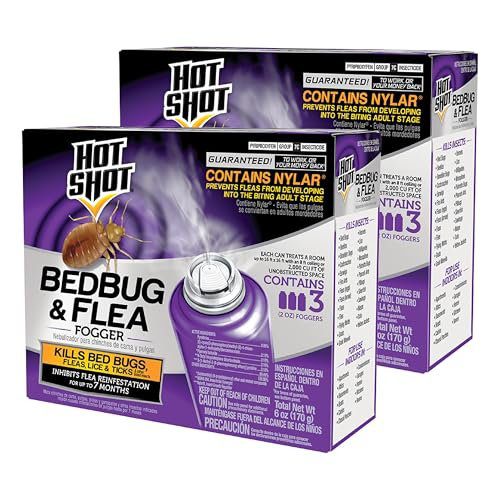
Hot Shot BedBug And Flea Fogger, Inhibits Flea Reinfestation, 2 Ounce Cans, 6 Count
This product is relevant as it helps eliminate cockroaches and other pests that can carry diseases, providing a solution for indoor pest control.
People often ask, “What disease do roaches carry?” The most accurate answer is: many microbes have been found on or in cockroaches, and some are known to cause human illness. But proving a roach caused a specific outbreak can be difficult because kitchens usually have multiple contamination routes.
That said, multiple reputable sources consistently associate cockroaches with organisms tied to food-borne illness. For example, WebMD’s cockroach health overview notes that roaches can carry many pathogens, and the Better Health Channel (Victoria, Australia) highlights their ability to spread bacteria and disease-producing organisms.
Common pathogens and illness categories mentioned in research and public-health guidance
Here are the names you’ll see repeatedly across medical and pest management references:
- Salmonella (salmonellosis, food poisoning)
- E. coli (some strains cause severe gastrointestinal illness)
- Staphylococcus aureus (can contribute to food contamination and infections)
- Shigella (dysentery-like illness)
- Typhoid fever (Salmonella Typhi) in relevant settings
- Rotavirus (gastrointestinal illness, especially concerning for children)
- Parasites and parasitic worms (varies by region and sanitation conditions)
- Fungi such as Aspergillus fumigatus (important for sensitive individuals)
Some pest education sources report that cockroaches have been found carrying dozens of bacteria types plus parasites and other pathogens, which helps explain why heavy infestations raise concern in food environments.
Symptom watchlist: when roaches may be part of the problem
If cockroaches have been active around food or dishes, watch for typical food-borne illness symptoms:
- nausea and vomiting
- diarrhea
- stomach cramps
- fever (sometimes)
Visual: quick “risk check” for your household
- Higher risk: infants, older adults, pregnant people, immunocompromised individuals
- Higher exposure: roaches in kitchens, pantries, or anywhere food is stored and prepared
- Higher urgency: repeated sightings, droppings in drawers, egg cases, or a musty odor
Actionable takeaway: If you suspect food contamination, discard exposed food, rewash dishes, and sanitize food-contact surfaces. Then shift to control steps so the problem does not repeat.
Cockroach allergens and asthma: the health risk many people miss
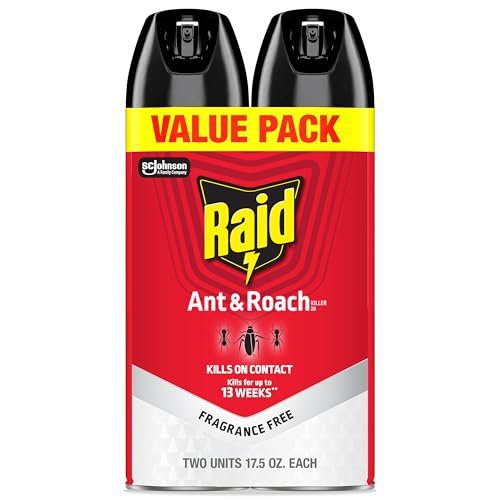
Raid Ant & Roach Killer, Fragrance Free Bug Killer for Home Use, Kills Bugs on Contact, 17.5 Oz, 2 Count
This insecticide is effective against cockroaches, helping to prevent disease transmission by eliminating these pests from your home.
Disease gets most of the attention, but in many homes the bigger day-to-day health impact is allergen exposure. Roach allergens come from droppings, saliva, and shed body parts that break down into dust. That dust can build up behind appliances, inside cabinets, and along baseboards.
The National Center for Healthy Housing emphasizes cockroaches as a health hazard both for germ-carrying potential and for cockroach antigens that affect asthma sufferers. Similarly, Healthline’s medical review on cockroach risks notes that cockroaches are considered dangerous as an allergen source and asthma trigger.
Why allergens can linger even after roaches are gone
Even if you stop seeing roaches, allergen particles can remain in dust and hidden debris. That’s why a good plan pairs extermination with cleanup.
Visual: “Allergen hotspots” checklist
Focus cleaning and vacuuming (HEPA if possible) in these spots:
- behind the refrigerator and stove
- under sinks and around plumbing penetrations
- cabinet corners, drawer tracks, and pantry edges
- behind toilets and in bathroom vanities
- along baseboards near kitchens and laundry rooms
- anywhere cardboard boxes are stored
If someone in the home has asthma
Take these extra steps:
- avoid sweeping dry debris – it can aerosolize allergens
- vacuum slowly with a sealed system or HEPA filter
- wipe hard surfaces with soapy water, then a disinfectant as needed
- keep baits out of reach of children and pets, and follow labels carefully
Actionable takeaway: If asthma symptoms flare alongside roach signs, prioritize source removal (control) plus dust and debris cleanup, not just spraying.
Where cockroaches spread germs most often (and why “clean homes” still get them)
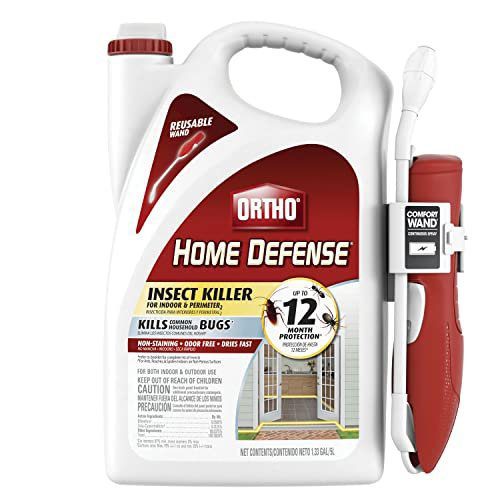
Ortho Home Defense Insect Killer for Indoor and Perimeter2 with Comfort Wand – Ready-To-Use Bug Spray, Kills Ants, Cockroaches & Spiders, 1.33 gal.
This product provides long-lasting protection against cockroaches and other insects, addressing the health concerns associated with their presence.
Many people assume roaches only show up in dirty houses. In reality, cockroaches are opportunists. They need three things: food, water, and shelter. A clean home can still provide all three through tiny crumbs, condensation, a slow leak, or a gap under a cabinet.
If you want to understand the “why here, why now” part, start with Discover What Attracts Cockroaches to Your Home and How to Prevent Them. It breaks down the most common attractants, including moisture and hidden food sources.
High-risk zones for contamination
Roaches are most likely to spread microbes in areas where they overlap with food and human contact:
- kitchens: counters, cutting boards, dish racks, utensil drawers
- pantries: open packages, cardboard, shelf corners
- pet feeding stations: bowls left overnight, spilled kibble
- bathrooms and laundry rooms: damp voids, plumbing leaks, floor drains
- multi-unit buildings: shared walls and pipe chases allow movement between units
Visual: “Roach sign” table (what to look for)
| Sign | What it often means | Where to check next |
|---|---|---|
| Pepper-like droppings | Active feeding and travel routes | Cabinet corners, under sink |
| Egg cases (oothecae) | Breeding nearby | Behind appliances, wall voids |
| Musty odor | Larger infestation | Warm, humid hidden areas |
| Smear marks | Roaches moving along edges | Baseboards, cabinet seams |
Actionable takeaway: If you only do one inspection tonight, use a flashlight and check under the sink and behind the fridge. Those are two of the most common “ground zero” areas.

How to reduce health risks fast: a practical cockroach control plan
Seeing one roach does not automatically mean you’ll get sick. The goal is to cut the contamination cycle by removing food and water access, reducing hiding places, and using targeted control tools that actually reach the nest.
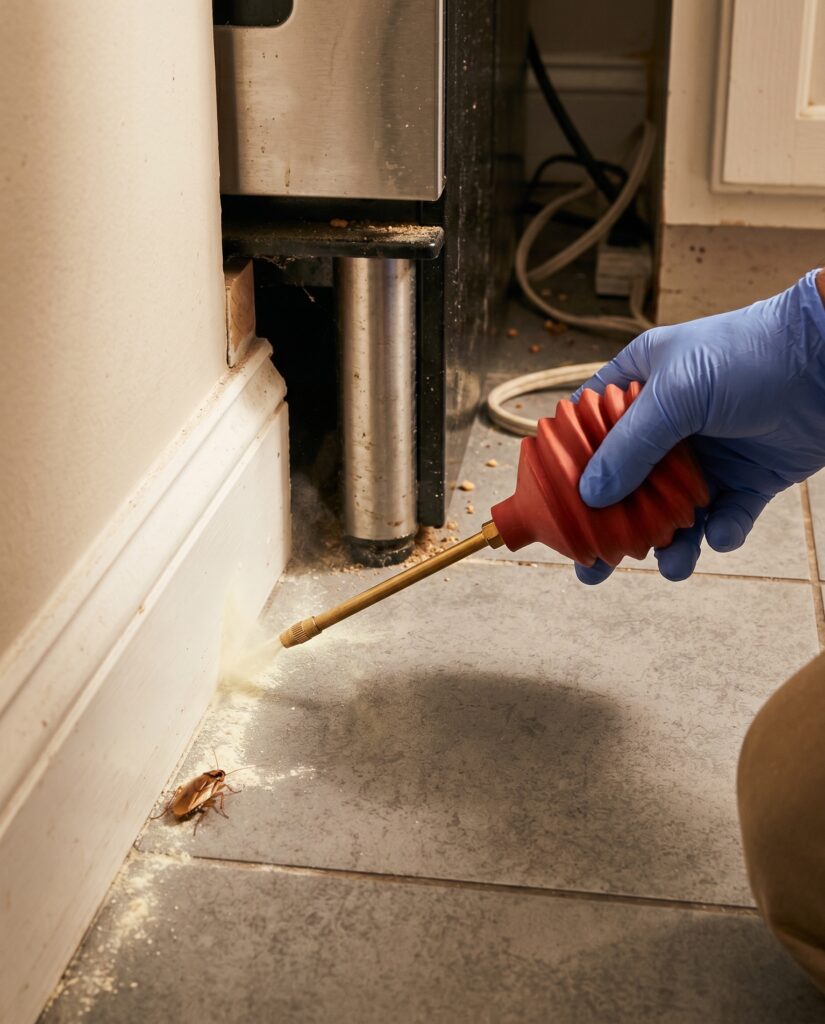
A common mistake is relying on sprays alone. Sprays can kill what you see, but they often miss the hidden population inside walls, cabinets, and appliance voids.
Step-by-step plan (do these in order)
Use this as a one-week reset that works for most households:
-
Remove food access
- wipe counters nightly, including backsplash edges
- store dry goods in sealed containers
- avoid leaving dirty dishes overnight
-
Remove water access
- fix leaks under sinks and behind toilets
- dry the sink basin overnight
- run a dehumidifier if humidity stays high
-
Reduce hiding places
- recycle cardboard quickly
- reduce clutter near warm appliances
- vacuum crumbs from cabinet toe-kicks
-
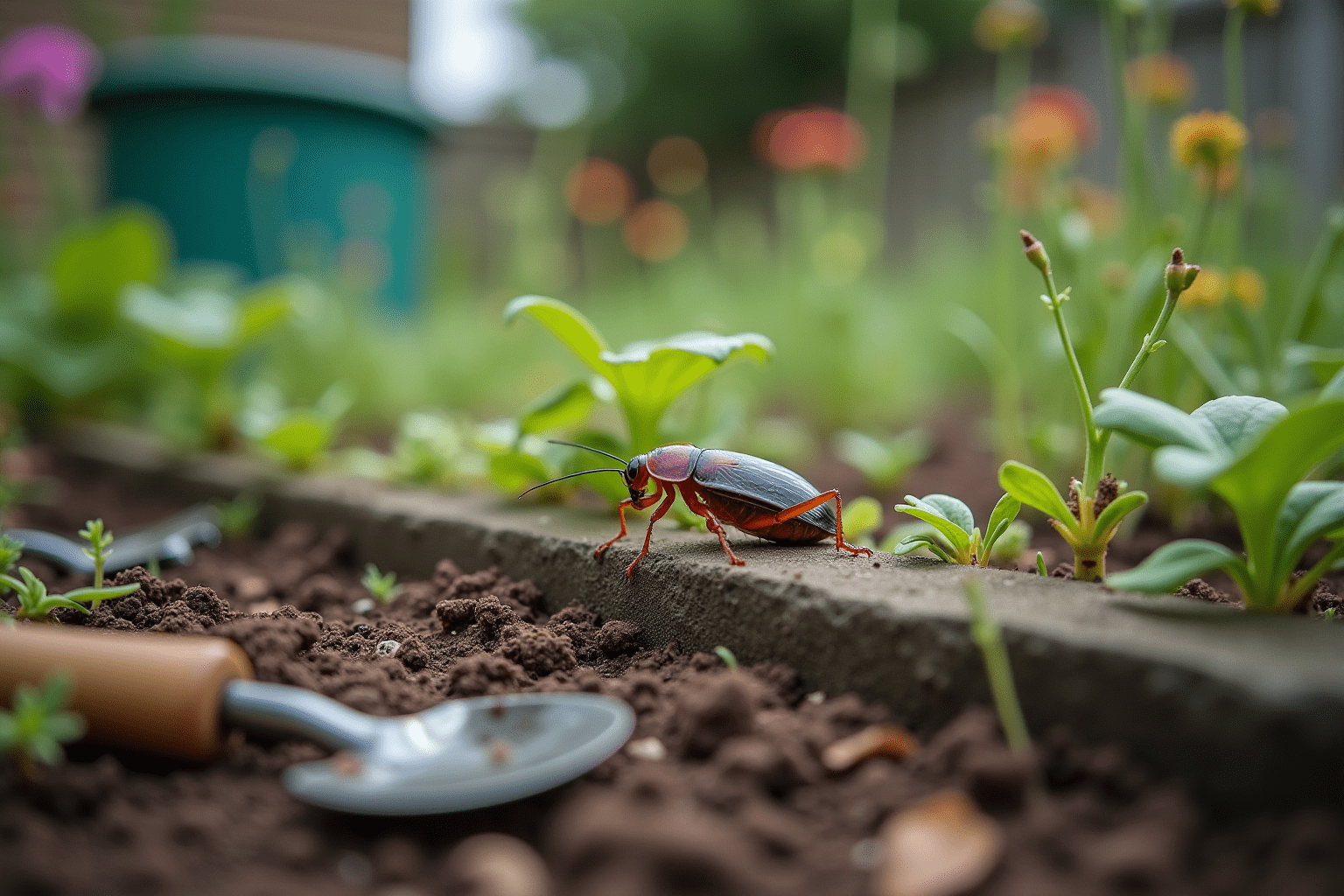
Use baits and monitoring traps
- place sticky traps to find travel routes
- use gel baits in cracks and crevices, not in open spray zones
For product selection and placement strategy, see Best Roach Killers & Baits: Complete Guide. Baits are often the backbone of effective indoor control because roaches share food and move poison back to harborages.
Visual: bait placement “do and don’t”
- Do: place small bait dots near hinges, under sinks, behind the fridge, and along cabinet seams
- Don’t: spray insecticide over bait placements (it can repel roaches and reduce feeding)
- Do: refresh bait as it dries out or gets consumed
- Don’t: leave food out that competes with bait
When to call a professional
Professional pest control is strongly recommended when:
- you see roaches during the day (often a sign of crowding)
- you find many droppings, egg cases, or persistent odor
- you live in an apartment or townhouse (neighboring units may be the source)
- someone in the home has asthma or severe allergies
- the problem persists after 2 to 3 weeks of baiting and sanitation
Actionable takeaway: The fastest health-risk reduction comes from sanitation + moisture repair + baits, not from “more spray.”
Conclusion: the real health facts about cockroaches
Cockroaches can carry disease-causing microbes, but the main danger is usually indirect contamination of food and surfaces, plus allergens that can trigger asthma. Heavy infestations increase both risks, especially in kitchens and food storage areas.
Next step: inspect your kitchen tonight, clean the highest-risk zones, and start a bait-and-monitoring plan. If you want help identifying what you’re dealing with, use Explore the Different Types of Cockroaches: Identification Guide with Pictures – species like German cockroaches often need faster, more targeted action. For bite concerns and scratch myths, revisit Do Cockroaches Bite? Understanding the Health Risks Involved.
As an Amazon Associate, I earn from qualifying purchases. Product recommendations are based on real reviews and independent research.