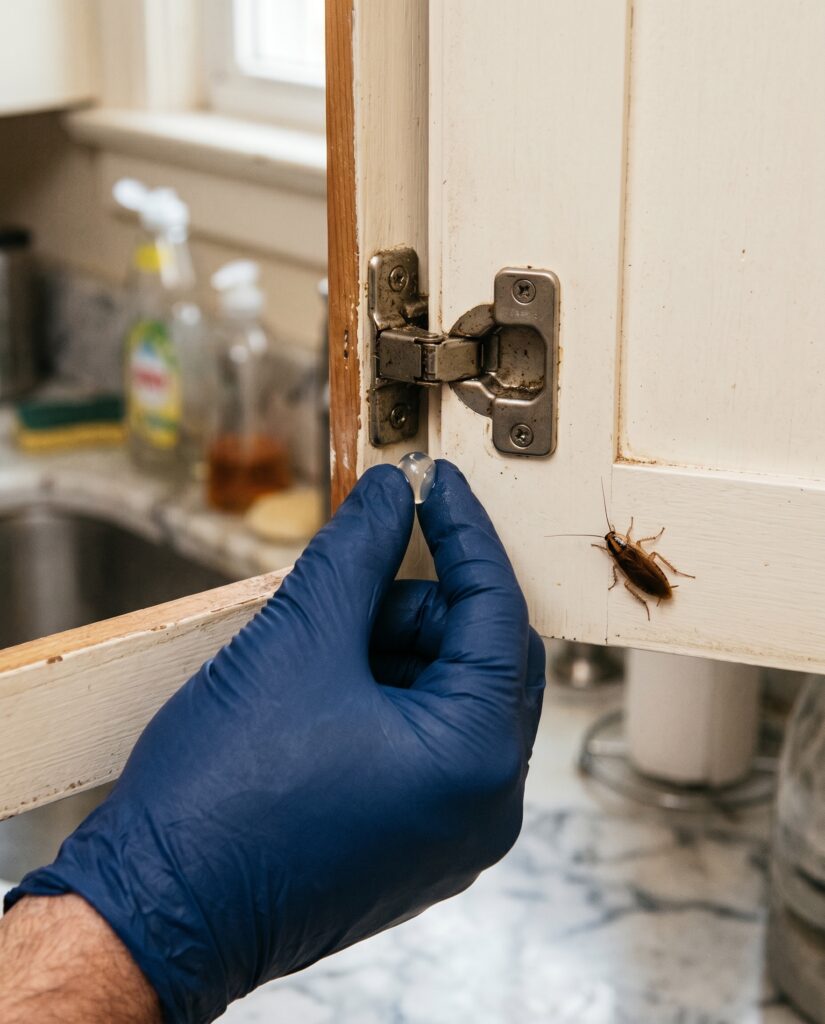
If you want to keep cockroaches out of your kitchen, focus on the three things they need to survive: food, water, and hidden shelter. Kitchens naturally provide all three, which is why even a “pretty clean” home can still get unwanted visitors under the fridge, behind the stove, or near plumbing. The good news is that long-term prevention is very doable with a few targeted habits and smart fixes. Below is a practical, evidence-based plan that combines sanitation, moisture control, sealing entry points, and the right tools for monitoring and control.
Quick answer: how to keep cockroaches out of your kitchen
To keep cockroaches out, remove their resources and block their access. Use this checklist as your fast-start plan:
- Cut food access: wipe grease, vacuum crumbs, store all pantry goods in airtight containers, and keep trash sealed.
- Remove water nightly: dry the sink, fix drips, and eliminate standing water under or behind appliances.
- Seal hiding spots and entry points: caulk gaps along baseboards, around pipes, and inside cabinet corners.
- Monitor activity: place sticky traps behind the fridge/stove and under the sink to find hotspots early.
- Use baits (not “bombs”): targeted gel baits and bait stations usually work better than broad sprays for established activity.
- Reduce clutter: especially cardboard and paper bags, which can shelter roaches and egg cases.
If you’re seeing roaches in daytime, finding egg cases, or catching multiple in traps weekly, jump to the “When to call a professional” section.
Why cockroaches love kitchens (and where they hide)
Cockroaches aren’t drawn to kitchens because they “like dirt.” They’re drawn because kitchens concentrate what they need to live: calories, moisture, and tight hiding spaces. University-based IPM programs consistently recommend reducing food, water, and shelter first because those steps make every other method work better. Guidance from the UC Statewide Integrated Pest Management Program emphasizes sanitation, moisture reduction, and exclusion as the foundation of control.
The kitchen “triangle” that supports roaches
Think of your kitchen like a three-legged stool:
| What they need | Common kitchen sources | What to check tonight |
|---|---|---|
| Food | crumbs, grease film, pet food, trash | under toaster, stove sides, trash rim |
| Water | sink droplets, leaks, condensation | under-sink cabinet, dishwasher line |
| Shelter | cracks, voids, clutter, cardboard | behind fridge, toe-kicks, pantry boxes |
Remove one leg and roaches struggle. Remove two and they often disappear. Remove all three and reinfestation becomes much less likely.
The “invisible zones” most people miss
Roaches prefer to travel along edges and hide in narrow spaces where their bodies touch surfaces above and below. In kitchens, that usually means:
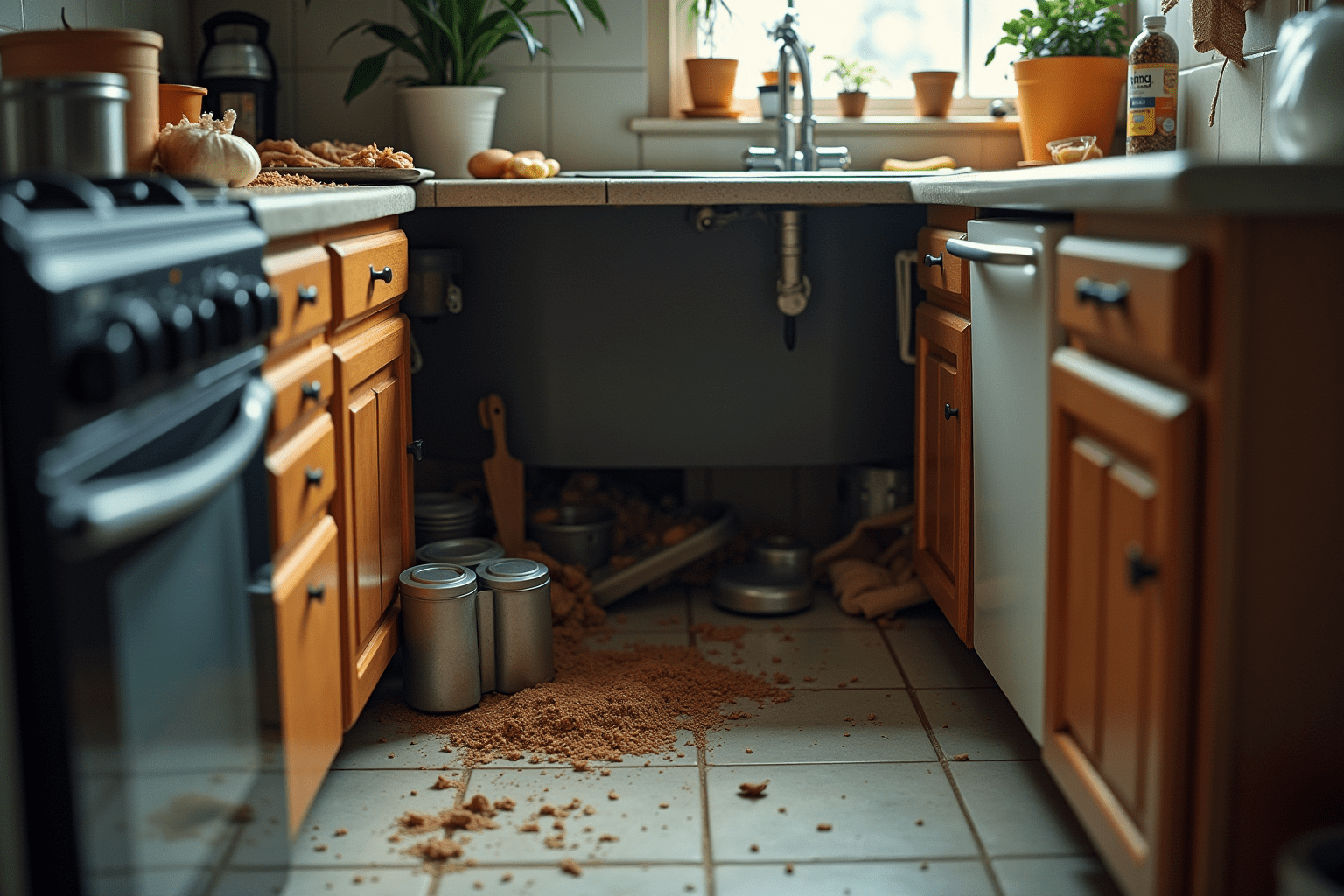
- The warm motor area behind refrigerators (a top hotspot)
- Under stoves and in the drawer cavity beneath
- Dishwasher gaps and the insulation area nearby
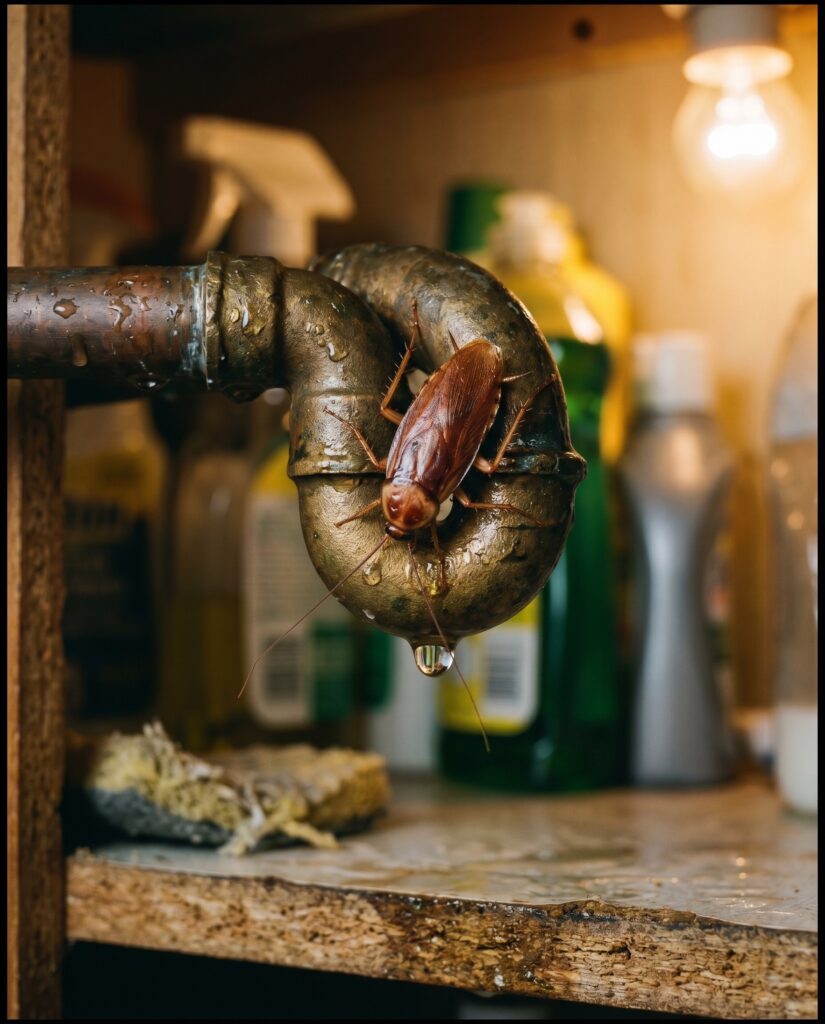
- Under sinks around plumbing penetrations
- Cabinet voids and loose trim
- Cardboard storage in pantries and utility areas
Actionable takeaway: Tonight, pull the fridge out 6-12 inches and check the floor edge and back panel area with a flashlight. If you see pepper-like droppings or shed skins, you’ve found a primary harborage.
Signs you have cockroaches in the kitchen (before it gets worse)
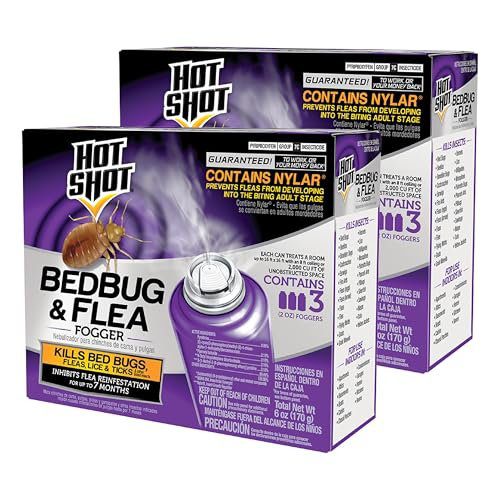
Hot Shot BedBug And Flea Fogger, Inhibits Flea Reinfestation, 2 Ounce Cans, 6 Count
This product is a targeted gel bait that can effectively eliminate cockroaches, making it relevant for the section discussing the use of baits instead of broad sprays.
Most kitchen infestations are discovered late because cockroaches are nocturnal and extremely good at staying out of sight. If you only rely on “seeing one,” you’re usually getting a delayed signal. Monitoring and early recognition matter because species like the German cockroach (Blattella germanica) can build populations quickly in food-prep areas.
What to look for (quick visual guide)
Use this simple “evidence list” and match what you find:
- Live roaches at night: turn on the kitchen light after it’s been dark for 2-3 hours.
- Daytime sightings: often suggests crowding or a larger hidden population.
- Droppings:
- German cockroach droppings resemble black pepper or coffee grounds.
- Larger species leave dark smears and more obvious pellets.
- Egg cases (oothecae): small, tan-brown capsules in cracks, drawer corners, or behind appliances.
- Musty odor: more common with heavier infestations.
- Smear marks: along baseboards or cabinet edges where roaches travel.
A simple monitoring setup (10 minutes)
Sticky traps don’t just catch roaches. They tell you where the problem lives.
- Place 3-6 sticky traps:
- behind the fridge
- beside or behind the stove
- under the sink
- along a baseboard near the trash
- Date the traps.
- Check after 48-72 hours, then weekly.
If you want a product-focused guide, see our roundup of the Best Cockroach Traps and place them in the same “invisible zones” listed above.
Actionable takeaway: If one trap catches multiple roaches, treat that area as the hub. Clean, dry, seal, then bait within a few feet of that hotspot.
How to keep cockroaches out of your kitchen: food control that actually works
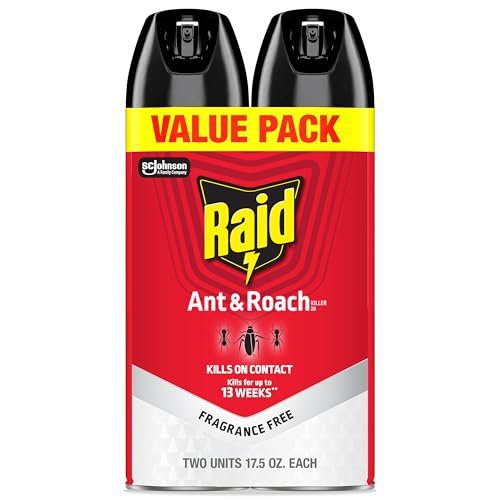
Raid Ant & Roach Killer, Fragrance Free Bug Killer for Home Use, Kills Bugs on Contact, 17.5 Oz, 2 Count
This insecticide spray is effective for killing roaches on contact and can be used as part of a comprehensive pest control strategy in the kitchen.
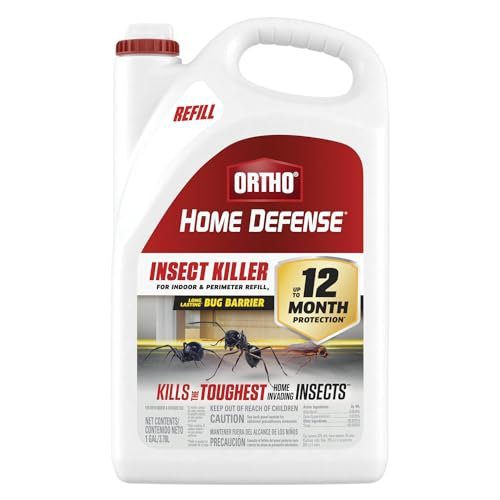
Ortho Home Defense Insect Killer for Indoor and Perimeter Refill2 – Ready-To-Use Bug Spray Refill, Kills Ants, Roaches, and Spiders, 1 gal.
This product provides a long-lasting barrier against cockroaches and other pests, supporting the article’s focus on sealing entry points and preventing infestations.
This is the part most people underestimate: cockroaches can survive on tiny food residues – a grease film behind the stove, crumbs under a cabinet lip, or pet food dust near a bowl. That’s why “I don’t leave food out” is a good start, but rarely the finish.
Entomology-based prevention focuses on removing access, not chasing individual insects. When you reduce food availability, you also make baits more attractive and effective.
Kitchen food-control checklist (do this in layers)
Start with the fastest wins, then move deeper.
Layer 1: nightly reset (5 minutes)
- Wipe counters and stovetop with soapy water or a degreaser.
- Put all food away, including fruit and bread.
- Rinse recyclables and keep them in a closed bin.
- Take trash out if it contains food scraps.
Layer 2: weekly deep targets (20-30 minutes)
- Vacuum along baseboards and cabinet toe-kicks using a crevice tool.
- Clean the sides of the stove and the gap between stove and counter.
- Wipe the outside of pantry containers where dust and oils collect.
- Clean the trash can lid, rim, and the floor under it.
Layer 3: the “under appliances” zone (monthly)
- Pull out the fridge and stove.
- Vacuum dust, crumbs, and pet hair.
- Wipe the floor edge and wall junction where grease accumulates.
Storage upgrades that cut infestations
Roaches love cardboard and thin packaging. Replace weak storage with barriers:
- Move cereal, flour, rice, and pet food into airtight containers.
- Avoid keeping “backup pantry” items in shipping boxes.
- Store onions and potatoes in breathable bins, not paper bags on the floor.
If you’re already dealing with recurring activity, pair sanitation with a full plan in How to Get Rid of Cockroaches Permanently. Prevention works best when it’s consistent and targeted.
Actionable takeaway: Clean the grease you can’t see. The area behind the stove and fridge often feeds infestations more than your countertops do.
Moisture control and exclusion: the two steps most DIY plans miss
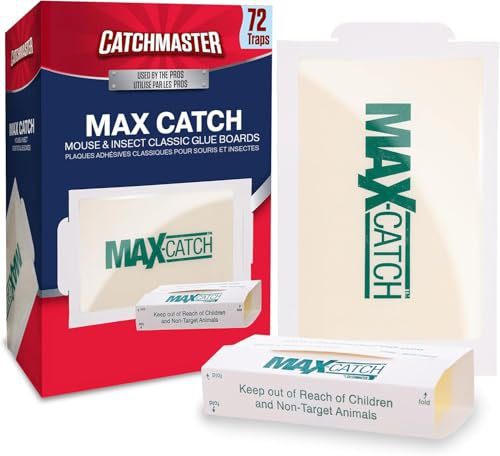
Catchmaster Max-Catch Mouse & Insect Glue Trap 72pk, Mouse Traps Indoor for Home, Sticky Pest Control Adhesive Tray for Catching Bugs, Bulk Classic Glue Boards
These sticky traps are useful for monitoring cockroach activity, aligning with the article’s advice to place traps in hotspots.
Food draws roaches in, but water often keeps them there. In many kitchens, a tiny leak under the sink or condensation near a dishwasher provides enough moisture for survival even when food is limited. IPM guidance from programs like the EPA’s integrated pest management resources stresses fixing moisture and access points alongside sanitation for safer, longer-lasting results.
Moisture: a nightly routine that matters
Cockroaches are like tiny, armored sponges – they lose water and need regular access to it. Reduce that access:
- Dry the sink and drain area before bed.
- Don’t leave dishwater or soaking pans overnight.
- Check for dampness under the sink with a paper towel.
- Fix drips at the faucet, shutoff valves, and the P-trap connections.
- Run the exhaust fan when boiling water or using the dishwasher.
If your kitchen is humid, consider a small dehumidifier and aim for indoor humidity around 30-50%.
Exclusion: seal the routes they use
Roaches squeeze through surprisingly small gaps and use plumbing and cabinet voids like highways.
Seal these common entry and harborage points:
- gaps around pipes under sinks (use caulk or expandable foam where appropriate)
- cracks along baseboards and cabinet edges
- openings behind the dishwasher and fridge water line
- wall voids around electrical outlets (use child-safe outlet covers where needed)
- gaps under exterior doors (install a door sweep)
Mini “seal and inspect” map
- Under-sink cabinet: pipe gaps, back corners
- Stove area: side gaps, floor-wall seam
- Pantry: baseboard cracks, shelf peg holes
- Dishwasher: side gaps, toe-kick space
Actionable takeaway: If you can slide a nickel into a gap, treat it as worth sealing. Do the under-sink plumbing penetrations first – they’re frequent entry points and moisture hubs.
Baits, traps, and sprays: what to use (and what to avoid)
When people say they “tried everything,” it often means they sprayed a lot and baited a little. For kitchen infestations, targeted baiting and monitoring usually outperform broad indoor spraying. Overuse of repellent sprays can push roaches deeper into wall voids or scatter them to new hiding spots, making the problem feel random.
The UC Statewide Integrated Pest Management Program generally favors an IPM approach that includes monitoring and targeted treatments rather than indiscriminate spraying.
Best-practice tool stack for kitchen control
Use tools in this order, because each step boosts the next:
- Sticky traps to locate hotspots and track progress
- Place along edges, behind appliances, under sink.
- Gel baits or bait stations to suppress the hidden population
- Apply in cracks and crevices, not open surfaces.
- Dusts (carefully) for voids and inaccessible gaps
- Boric acid products can work well when applied lightly and kept out of reach of kids and pets.
For dust options, see Best Boric Acid Products for Roach Control and follow the label exactly. A barely visible film is more effective than piles, which roaches can avoid.
When sprays make sense
There are times a spray is useful, especially for an immediate kill of a visible roach or for treating specific cracks if the label allows it.
- Choose products labeled for indoor cracks and crevices.
- Avoid spraying across bait placements.
- Never spray food-contact surfaces unless the label explicitly allows it.
If you need a fast-kill option, our guide to Best Roach Sprays for Instant Kill explains what to look for and where sprays fit into a safer plan.
If the problem is German cockroaches
German cockroaches are the most common indoor kitchen pest in many regions and are especially tied to warm, tight spaces near food and moisture. If you suspect this species, use a species-specific approach here: How to Get Rid of German Cockroaches.
Actionable takeaway: If you’re baiting, stop “foggers” and heavy repellent spraying. Let the bait do its job in the cracks where roaches travel.
Common myths that keep cockroaches coming back
A few persistent misconceptions cause people to waste time, money, and effort. Clearing these up usually improves results immediately.
Myth 1: “My kitchen looks clean, so it can’t be roaches.”
A kitchen can look spotless and still feed roaches. Grease films behind appliances, crumbs under toe-kicks, and moisture under sinks are enough to sustain them. That’s why inspections and deep-target cleaning matter more than surface shine.
Visual reminder: If you haven’t cleaned behind the fridge in months, you haven’t really removed the main food zone.
Myth 2: “One spray will solve it.”
Sprays can reduce what you see, but they often miss what matters: hidden roaches, egg cases, and harborages. IPM-based guidance generally recommends sanitation, moisture control, exclusion, monitoring, and baiting for lasting control.
Myth 3: “Cockroaches only infest dirty homes.”
This is false and unhelpful. Roaches follow resources and access. Apartments and shared-wall buildings can see reinfestation through plumbing and wall voids even with good home hygiene.
Myth 4: “If I only see one, it’s not a big deal.”
One roach can be a scout, or it can be the one you happened to notice. If it’s seen during the day, treat it as a stronger warning sign and start monitoring with traps.
Myth 5: “Essential oils will eliminate an infestation.”
Some oils may repel roaches in the short term, but they rarely solve established infestations on their own. Use them as a minor add-on, not the main plan.
Actionable takeaway: Replace myths with measurements. Traps, inspections, and a weekly routine tell you the truth faster than assumptions do.

When to call a professional (and when it’s a building problem)
DIY prevention is very effective for keeping roaches out, but there are clear moments when professional help saves time and reduces exposure risks. This is especially true in multi-unit housing, where roaches can move between units through shared walls, plumbing lines, and utility chases.
Call a pro if you notice any of these
- You see roaches during the day more than once.
- Sticky traps catch roaches week after week despite cleaning and baiting.
- You find droppings or egg cases in multiple kitchen zones (sink, stove, pantry).
- The infestation returns quickly after short-term improvement.
- Someone in the home has asthma or allergies and symptoms worsen.
Health note: Cockroach allergens are a known asthma trigger. The National Institute of Environmental Health Sciences explains the connection between cockroach allergens and asthma, particularly in sensitive individuals.
What a good professional plan looks like
A quality treatment usually includes:
- a detailed inspection (not just a quick spray)
- targeted baiting and crack-and-crevice treatment
- recommendations for sealing and moisture fixes
- follow-up visits to break the reproduction cycle
If you’re in an apartment, ask management about building-wide IPM. Treating one unit without addressing adjacent sources often leads to repeat problems.
Actionable takeaway: If traps keep catching roaches after two focused weeks of cleaning, drying, sealing, and baiting, it’s time to escalate. Persistent activity usually means hidden harborages or reinfestation routes.
Key takeaways (kitchen prevention checklist)
- Cockroaches thrive where food, water, and shelter overlap – kitchens provide all three.
- The biggest hidden hotspots are behind the fridge, under/behind the stove, and under the sink.
- Use sticky traps to find activity zones early and track progress.
- Prioritize moisture control and sealing gaps as much as cleaning.
- Choose baits and targeted treatments over heavy indoor spraying.
- Call a professional when activity persists, spreads, or involves daytime sightings.
Cockroach prevention works best as a routine, not a one-time event. Start tonight with a sink-dry reset, a few traps, and a quick under-sink inspection. Then build toward sealing and targeted baiting over the next two weeks.
For next steps, follow the full plan in How to Get Rid of Cockroaches Permanently and compare control options in our Best Cockroach Traps guide.
As an Amazon Associate, I earn from qualifying purchases. Product recommendations are based on real reviews and independent research.