Finding termites in your home can spark an immediate worry: do they bite people? Yes, termites can bite humans, but it’s extremely rare and usually mild. Termites aren’t built to feed on blood like mosquitoes or fleas – they’re cellulose-eaters that prefer staying hidden in wood, soil, and wall voids. This guide explains which termites can bite, what a bite looks like, when to seek medical care, and the real “health risk” most homeowners face: indoor air irritation and serious structural damage.
Bottom line: Termites can bite, but it is rare and usually minor. If you are getting repeated itchy bites, look for bed bugs, fleas, mosquitoes, or mites before blaming termites.
- Soldier termites are the only realistic bite concern.
- Termites are not known to spread disease to people.
- The real home risk is structural damage and moisture-related irritation.
Quick answer
Termites almost never bite humans. When a bite happens, it’s typically from a soldier termite that’s been handled or trapped against skin.
- Likelihood: Very rare, even in infested homes
- Who bites: Mostly soldier termites (defensive caste)
- What it looks like: Small red spot or bump, mild itch or tenderness
- How long it lasts: Often 1-3 days
- Disease risk: No known disease transmission
- Bigger risk: Allergens/irritants from damaged wood and structural safety hazards
If you’re seeing frequent itchy welts, lines of bites, or bites that keep appearing overnight, it’s far more likely you’re dealing with bed bugs, fleas, mosquitoes, or another biting insect – not termites.
Do termites bite humans?
Termites can bite, but they’re not “biting insects” in the way people usually mean. Think of a termite colony like a construction crew: most individuals are workers focused on feeding the colony and expanding tunnels, not interacting with humans. Even in a heavy infestation, termites spend their lives inside wood, soil, or mud tubes where they stay protected and out of sight.
According to medical guidance from Healthline’s overview of termite bites, termite bites do happen, but they’re extremely rare and generally not considered a health risk. Pest education sources echo this, including the National Pest Management Association’s PestWorld for Kids, which notes that while termites can bite, it’s unlikely.
Which termites can bite?
Only certain termites have the anatomy to pinch skin effectively.
Here’s the simple caste breakdown (a quick “who does what” visual):
- Workers:
- Job: chew wood, feed others, build tunnels
- Bite risk: very low
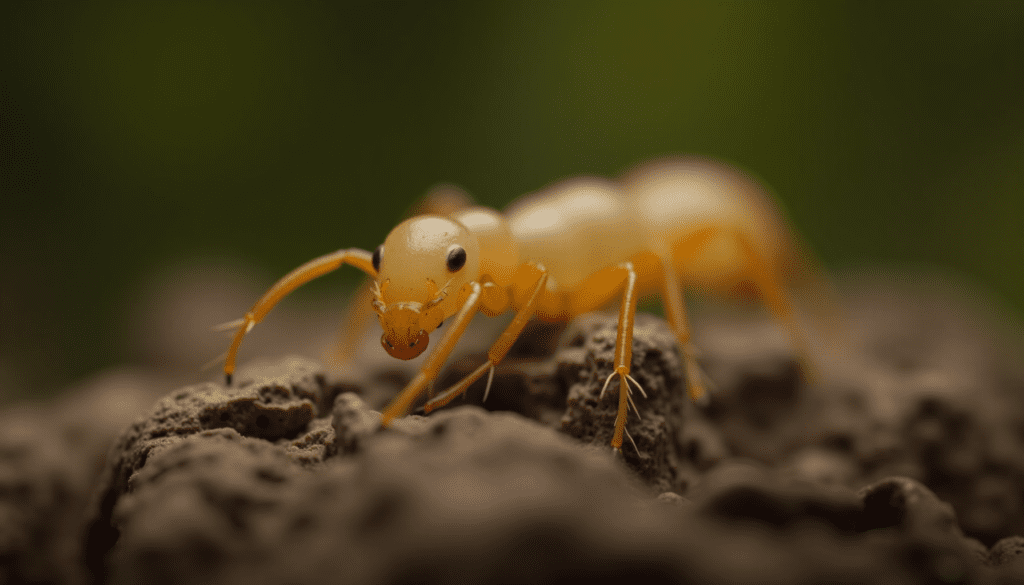
- Soldiers:
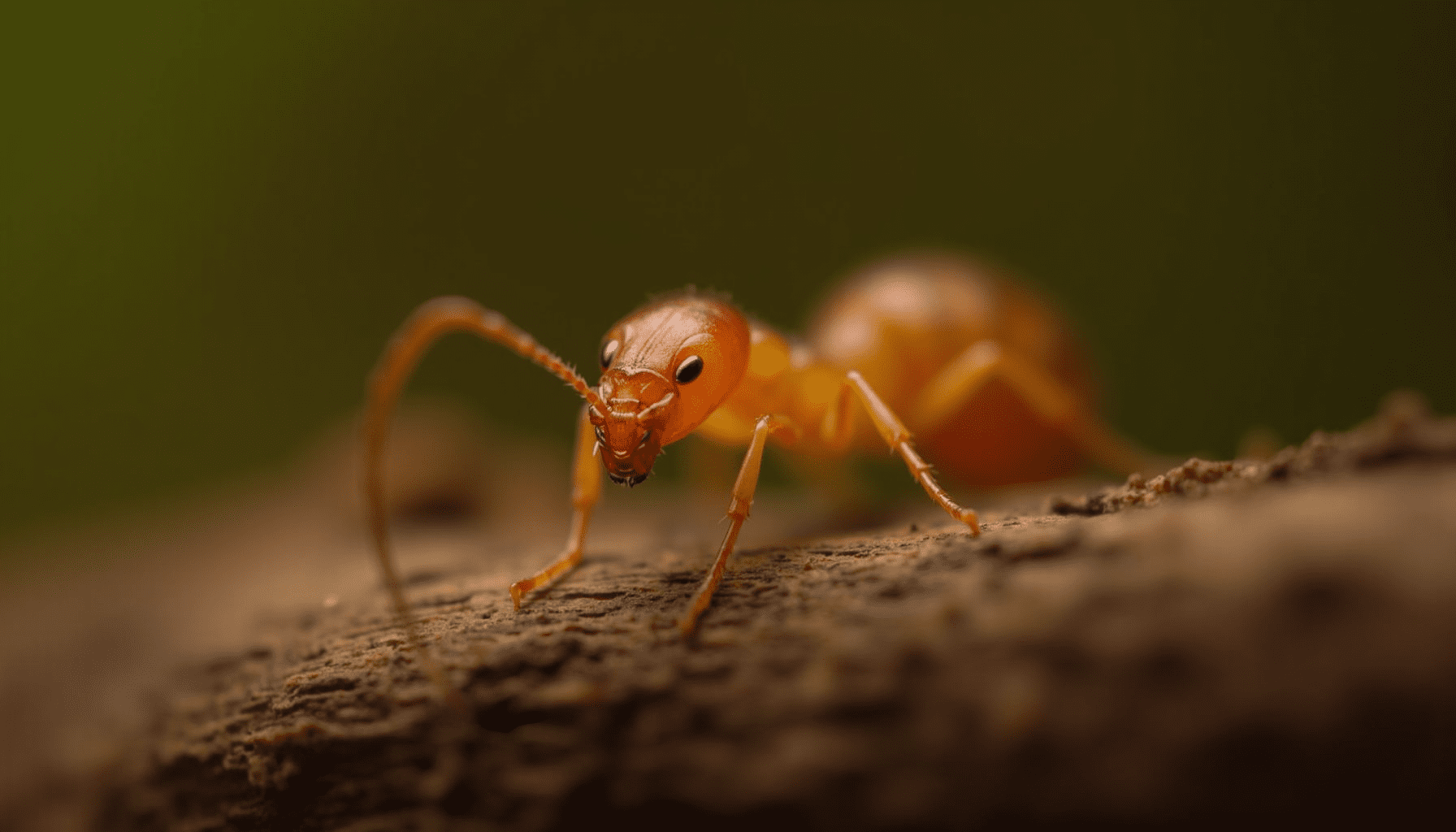
- Job: defend the colony with enlarged jaws (mandibles)
- Bite risk: possible if handled or threatened
- Reproductives (swarmers/alates):
- Job: fly out to start new colonies
- Bite risk: essentially none
Pest control references like Orkin’s explanation of termite biting emphasize that soldiers can bite, but typically only when directly handled. In other words, the “bite scenario” is usually you picking one up, breaking open infested wood, or disturbing a nest and getting a defensive pinch.
A quick reality check
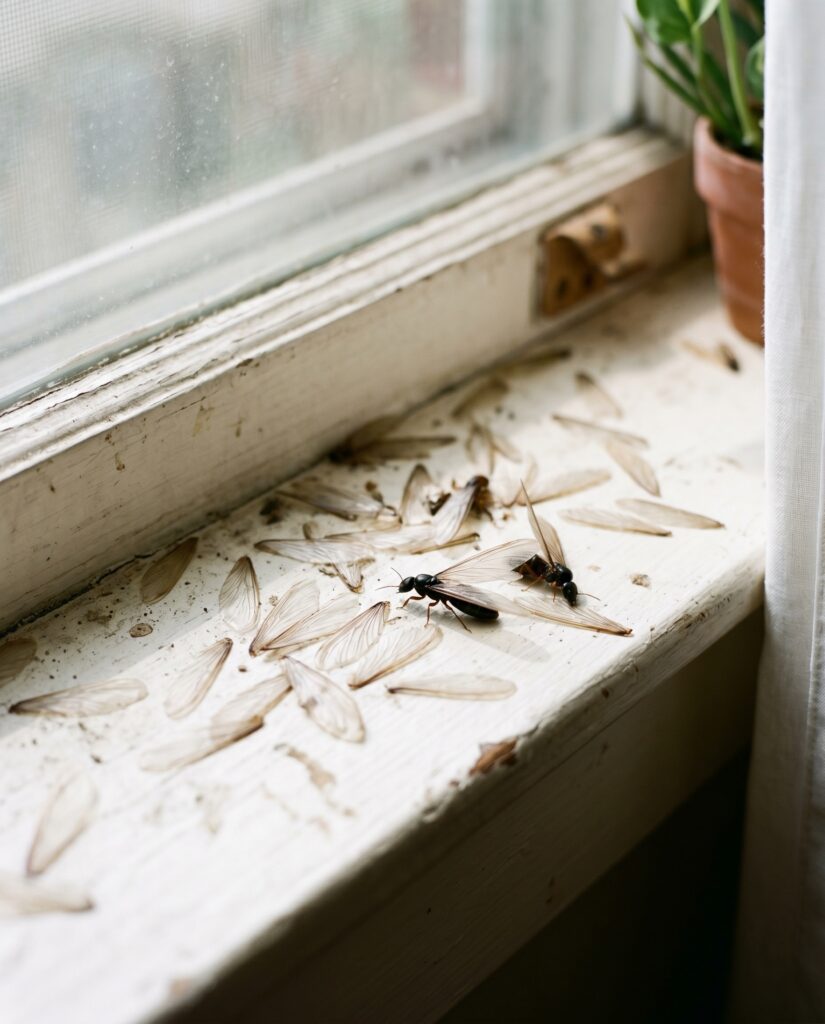
If you’re asking this question because you found winged termites near a window: those are usually swarmers. They’re more like “flying seeds” from the colony than attackers. Their presence matters for your house, not your skin.
What to do first if you suspect termites: avoid pulling apart damaged wood with bare hands, and focus on inspection and moisture control rather than bite prevention.
What a termite bite looks like
Most people never experience a termite bite. When it does occur, it’s typically unimpressive – more “tiny pinch” than “visible wound.” The most consistent descriptions across pest and health sources are a small red spot or bump with mild irritation that fades quickly.
The NPMA’s PestWorld for Kids notes you might see a tiny spot that goes away within a day or two. Pest control guidance like Active Pest Control’s overview of whether termites can hurt people similarly describes a small red bump with minor itchiness that resolves within a few days.
Termite bite “snapshot”
Use this mini checklist as a visual guide:
- Size: usually a small, localized bump (often just a few millimeters)
- Pattern: typically single or isolated, not rows or clusters
- Sensation: mild itch, mild tenderness, or barely noticeable
- Progression: improves quickly, not steadily worsening
Signs it’s probably not a termite bite
Because termite bites are so uncommon, it’s smart to assume “not termites” until proven otherwise. Here are common clues your bite came from something else:
- Multiple bites in a line or cluster (often bed bugs or fleas)
- New bites appearing overnight (often bed bugs or mosquitoes)
- Intense itching lasting a week or more (often mosquitoes, chiggers, or allergic reactions)
- A central blister, scab, or spreading redness (could be infection or another arthropod bite)
If you’re comparing symptoms, InsectoGuide’s breakdown of Mosquito Bite Reactions: Swelling, Blisters, Rash, Hives & When to Worry can help you judge whether you’re seeing a typical welt versus a stronger allergic-type response. For bites that are driving you crazy, the step-by-step Mosquito Bite Treatment: Complete Relief Guide covers practical itch control methods that also apply to many mild insect bites.
Health risks
When people ask about termite health risks, the answer has two parts:
- Direct risk from bites: very low
- Indirect risk from infestations: can be meaningful, especially for your home and indoor air
Are termite bites dangerous?
The consensus across health and pest references is that termite bites are not medically dangerous in typical situations. Termites are not venomous, and they are not known to transmit diseases to humans through biting. That’s a major difference from mosquitoes and ticks.
For context on insects that do carry pathogens, see InsectoGuide’s Mosquito-Borne Diseases: Complete Prevention Guide. Termites simply do not occupy that “vector” category.
Can termites spread disease?
Current mainstream guidance indicates no known disease transmission from termite bites. Health information sources like Healthline’s termite bite article explain that termites aren’t like insects that carry diseases when they bite.
Indirect health issues in termite-damaged homes
Here’s where the conversation gets more practical. A termite infestation can contribute to conditions that bother people, even if no one is bitten:
- Irritation from dust and debris: tunneling and damaged wood can increase fine particles indoors.
- Allergy or asthma flare-ups: some residents report worsening symptoms in heavily affected structures, especially if there’s ongoing dust and debris from damage.
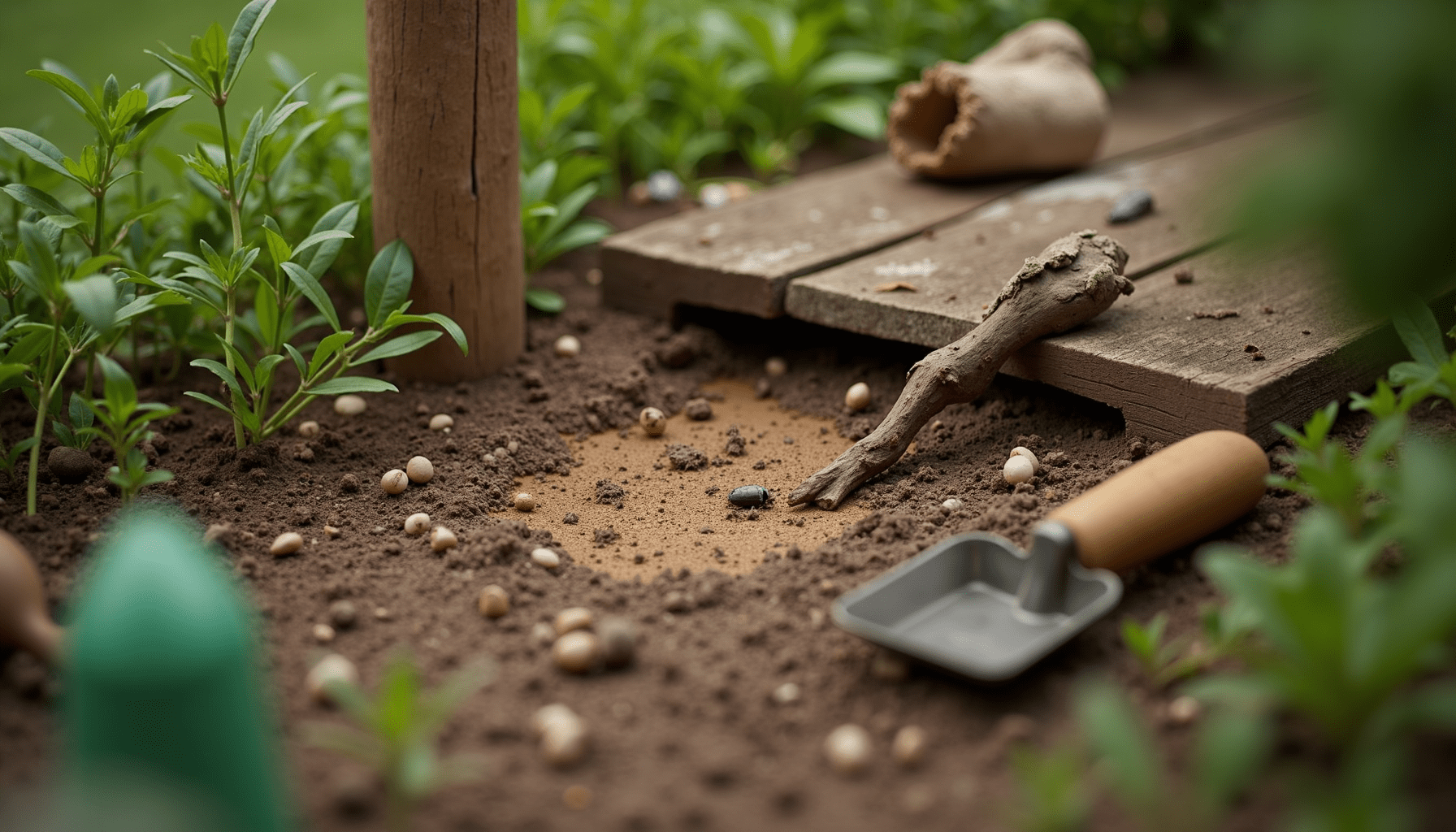
- Moisture and mold “neighbors”: termites often thrive where moisture is present (leaks, poor drainage, damp crawlspaces). Moisture problems can also support mold growth, which is a well-known indoor air irritant.
Visual checklist: “home health” warning signs that deserve attention
- You notice musty odor near baseboards, crawlspaces, or wall voids
- There’s ongoing leakage (plumbing, roof, gutters dumping water near the foundation)
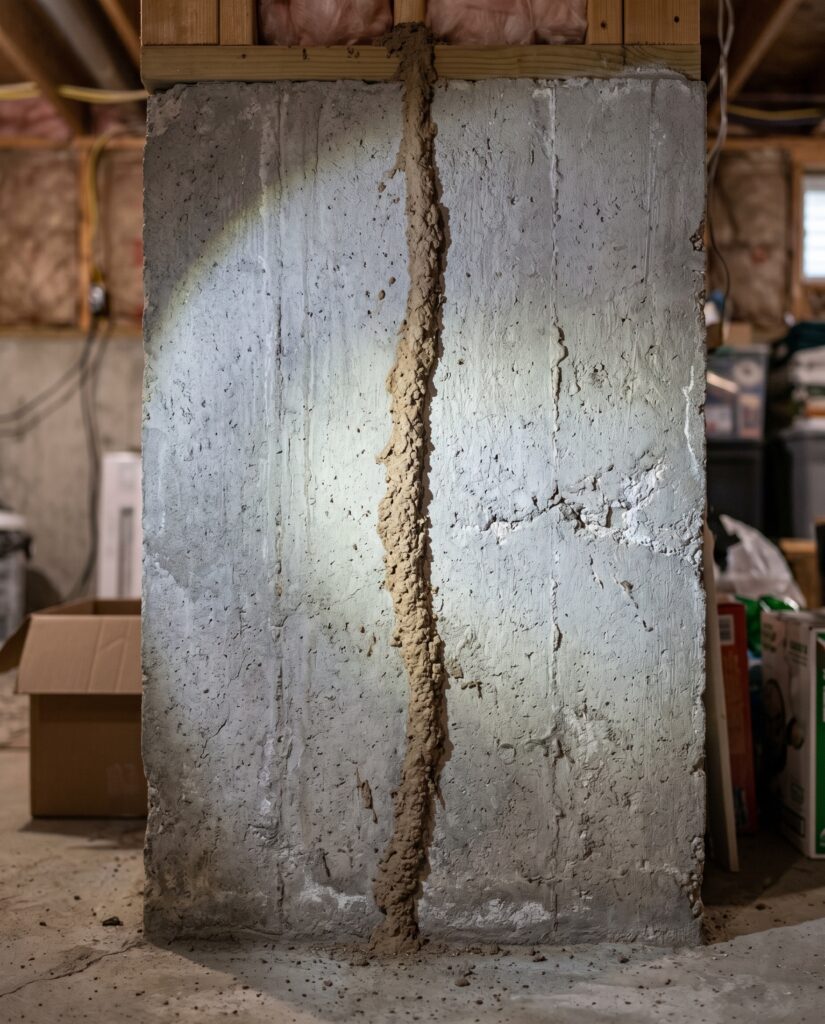
- You see mud tubes on foundation walls or piers
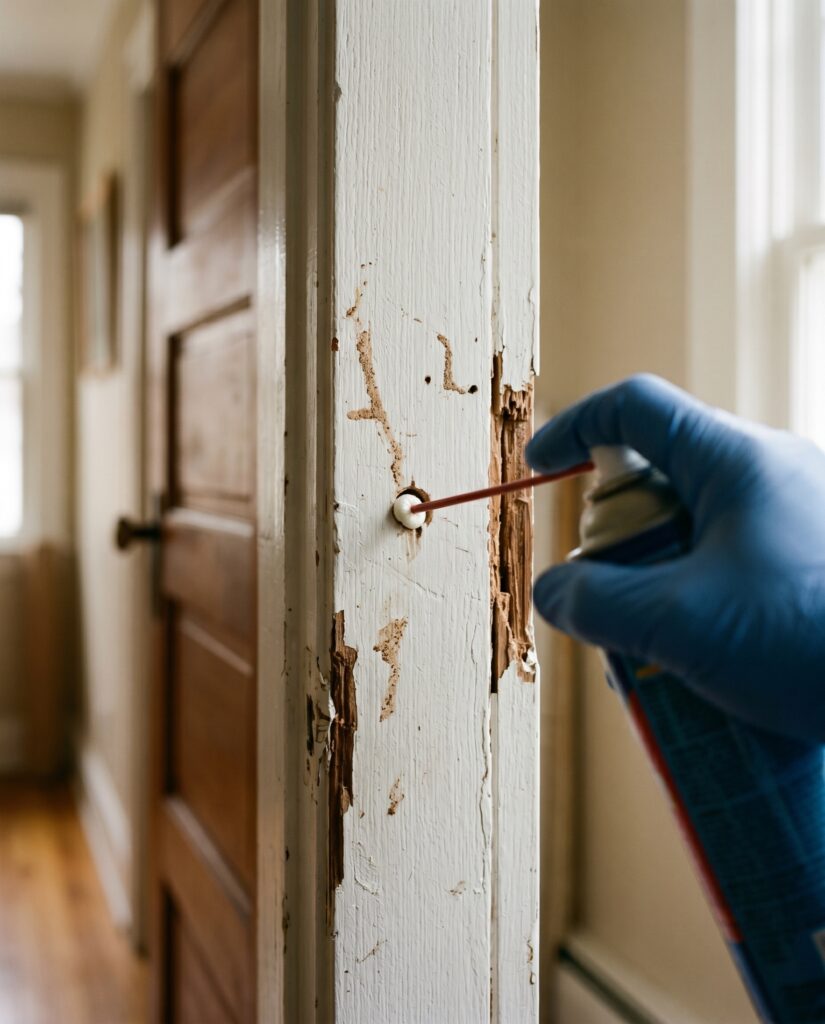
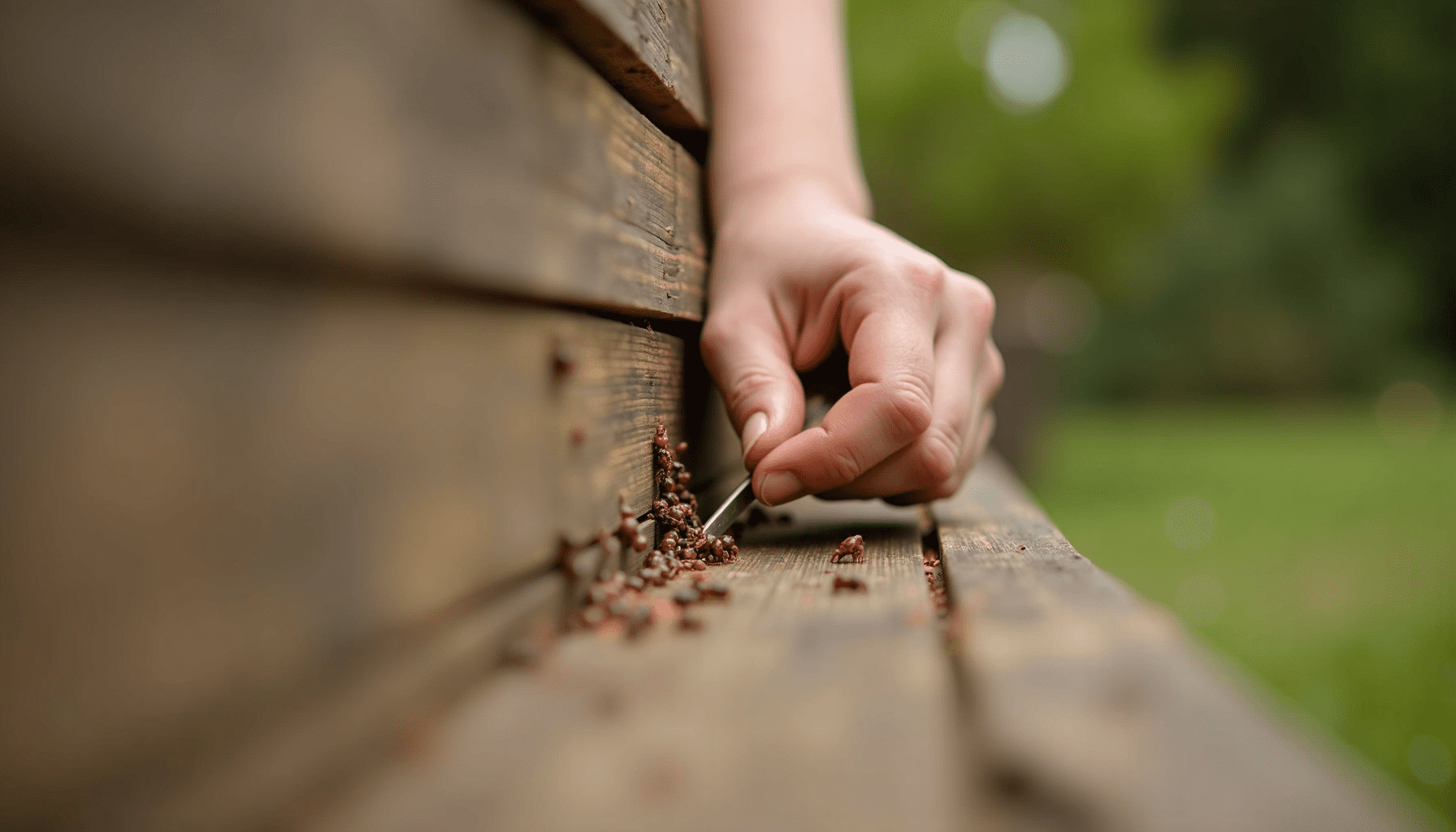
- Wood sounds hollow or looks blistered
- Someone in the home has unexplained asthma worsening indoors
The biggest danger is structural
Termites are more dangerous to people through what they do to buildings than what they do to bodies. Long-term feeding can weaken:
- floor joists and subfloors
- support beams
- wall studs
- porch posts and steps
If you suspect significant damage (sagging floors, doors suddenly sticking, cracking drywall near load areas), it’s time to prioritize a professional inspection.
What to do
If you think a termite bit you, treat it like a typical mild insect bite. If you think termites are in your home, treat it like a building-protection issue. Those are different problems, and confusing them wastes time.
First aid for a suspected termite bite
Most bites (from any mild insect) improve with basic care. Guidance consistent with general bite care and sources like Healthline’s bite care overview includes:
- Wash with soap and water.
- Apply a cold compress for 10 minutes, then rest, repeat as needed.
- For itching: consider an OTC antihistamine or a mild anti-itch topical (follow label directions).
- For soreness: use OTC pain relief as directed on the package.
Seek medical care urgently if you develop trouble breathing, facial swelling, widespread hives, dizziness, or rapidly worsening swelling. Those are signs of a significant allergic reaction, regardless of what insect caused the bite.
If you have termites in the house: prioritize these steps
Here’s a practical, mobile-friendly action plan:
-
Step 1: Don’t disturb the colony.
Breaking open wood and “checking” with bare hands increases the chance of handling soldiers and spreads debris. -
Step 2: Reduce moisture fast.
Fix leaks, improve drainage, and get downspouts moving water away from the foundation. -
Step 3: Remove wood-to-soil contact.
Keep mulch, lumber, and firewood off the ground and away from siding. -
Step 4: Document signs for an inspection.
Take photos of mud tubes, wings, damaged wood, and where you found activity. -
Step 5: Schedule a professional termite inspection.
Subterranean termites often require baits or soil treatments. Drywood termites may require localized treatment or fumigation, depending on scope.
Natural and conventional control options (what actually helps)
A quick comparison card format:
-
Moisture control (natural)
- Best for: long-term prevention
- Watch out: doesn’t eliminate an established colony alone
- Next step: repair leaks, improve ventilation, correct grading
-
Physical barriers and repairs (natural/structural)
- Best for: reducing entry points and wood exposure
- Watch out: can miss hidden activity inside walls
- Next step: replace damaged wood, maintain clearance from soil
-
Termite baits (conventional, often pro-installed)
- Best for: colony-level control over time
- Watch out: takes weeks to months
- Next step: professional assessment for placement
-
Soil termiticides (conventional, often pro-installed)
- Best for: creating a protective zone for subterranean termites
- Watch out: correct application is essential
- Next step: licensed treatment plan
If you’re weighing termite risk against other household pests, it helps to compare bite likelihood and health impacts. InsectoGuide’s Do Cockroaches Bite? Understanding the Health Risks Involved is a useful contrast because roaches affect health in very different ways than termites.
Myths vs facts
Termites inspire a lot of “heard it somewhere” advice. Clearing up a few myths helps you respond correctly.
Myth: Termites regularly bite people
Fact: Bites are possible but unlikely. Termites avoid open air and focus on wood and soil. Sources like Orkin’s termite biting guidance and the NPMA’s PestWorld for Kids describe bites as rare and usually defensive.
Quick myth-check list:
- Frequent bites in bed? Likely not termites.
- Bites in clusters? Likely not termites.
- No termite activity nearby? Likely not termites.
Myth: Termite bites are venomous or toxic
Fact: Termites are not venomous. Their mandibles are tools for defense and handling materials, not for injecting toxins.
Myth: Termites spread diseases like mosquitoes or ticks
Fact: Termites are not known vectors of human disease. If disease prevention is your concern, focus on pests that actually transmit pathogens. InsectoGuide’s Mosquito-Borne Diseases: Complete Prevention Guide covers the prevention habits that matter most.
Myth: Flying termites will attack people
Fact: Swarmers are focused on mating and starting new colonies. They don’t “go after” humans. Seeing swarmers indoors is still important, though – it can signal a nearby colony.
Myth: Any bite in a termite house is a termite bite
Fact: In homes, unexplained bites are far more often caused by mosquitoes, fleas, bed bugs, or mites. If your main issue is itchy welts, start by comparing patterns and symptoms. The guide to Mosquito Bite Reactions: Swelling, Blisters, Rash, Hives & When to Worry can help you narrow it down.
Final verdict
Termites can bite humans, but it’s rare and typically mild, with no known disease risk. The real concern with termites is what they do quietly behind walls and under floors: damage wood, invite moisture-related problems, and sometimes worsen indoor air irritation in heavily affected spaces.
Next step: if you’ve seen mud tubes, discarded wings, or hollow-sounding wood, schedule an inspection and correct moisture issues. If you’re dealing with itchy bites, compare patterns and symptoms using InsectoGuide’s Mosquito Bite Treatment: Complete Relief Guide and Do Cockroaches Bite? Understanding the Health Risks Involved to pinpoint more likely culprits.