
Finding a strange, spider-like insect with a hump on its back leaping erratically in your basement can be startling. These creatures, often called camel crickets or cave crickets, are common household invaders, especially in damp, dark areas. While their appearance and unpredictable jumps might cause alarm, understanding their habits and preferred environments is the first step to effective management. This guide will help you identify camel crickets, understand why they enter your home, and provide practical, science-backed strategies to prevent and control them.
Bottom line: Camel crickets are harmless to people, but they point to damp, dark spaces. Control works best when you trap activity, lower humidity, remove clutter, and seal basement or crawl-space entry points.
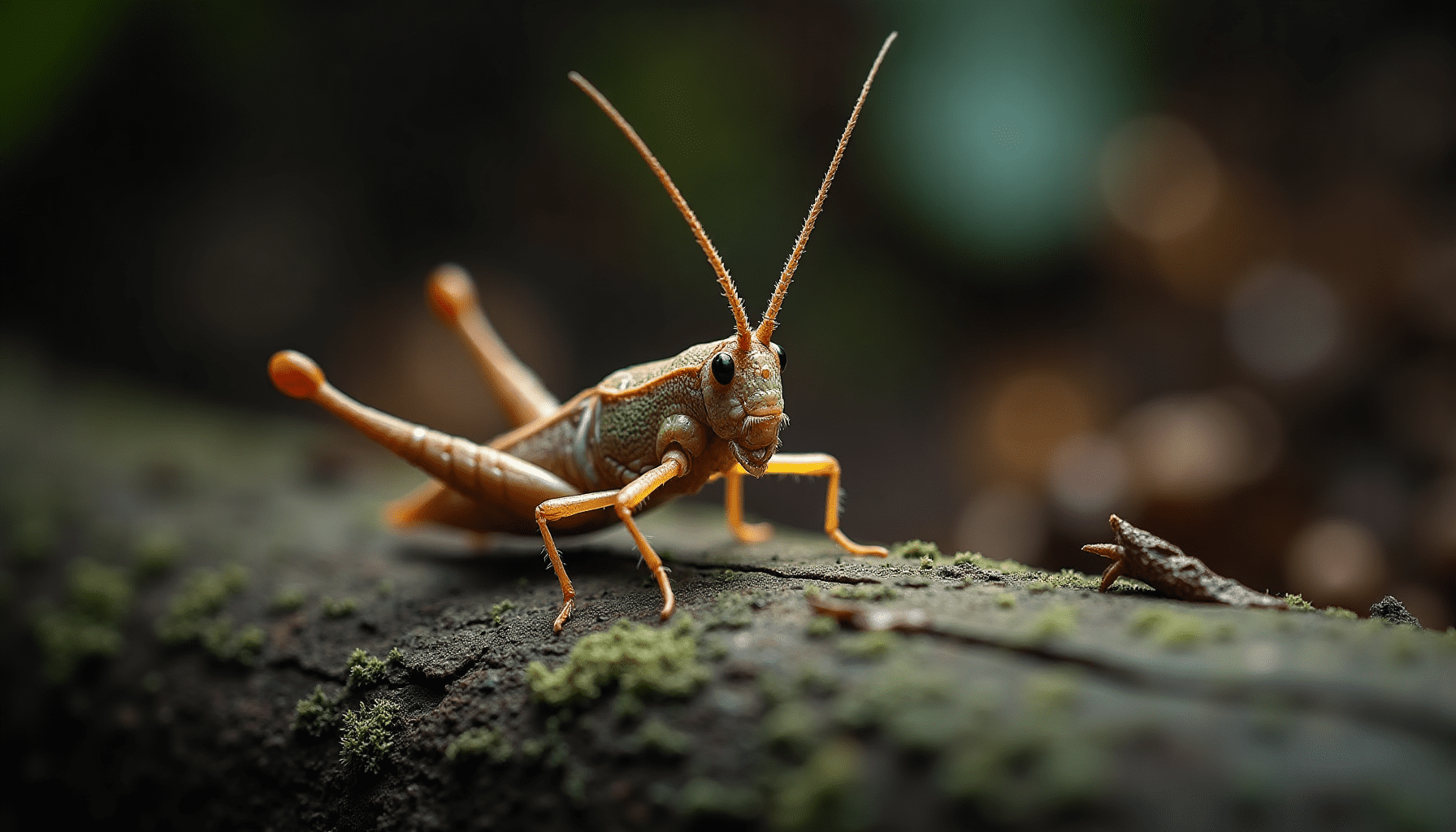
- Look for humpbacked bodies, long legs, and no wings.
- They jump toward movement, which makes them feel more alarming than they are.
- Moisture control is the long-term fix.
Bottom line:
Camel crickets are harmless, wingless insects attracted to moisture and darkness. They do not bite or sting. To get rid of them, focus on reducing humidity, sealing entry points, and removing outdoor harborage. Sticky traps are effective for monitoring and control, and targeted insecticides can be used as a supplementary measure.
Identification
Camel crickets are distinctive insects, often mistaken for spiders due to their long legs and erratic jumping behavior. Knowing their key features can help you quickly identify them and differentiate them from other household pests.
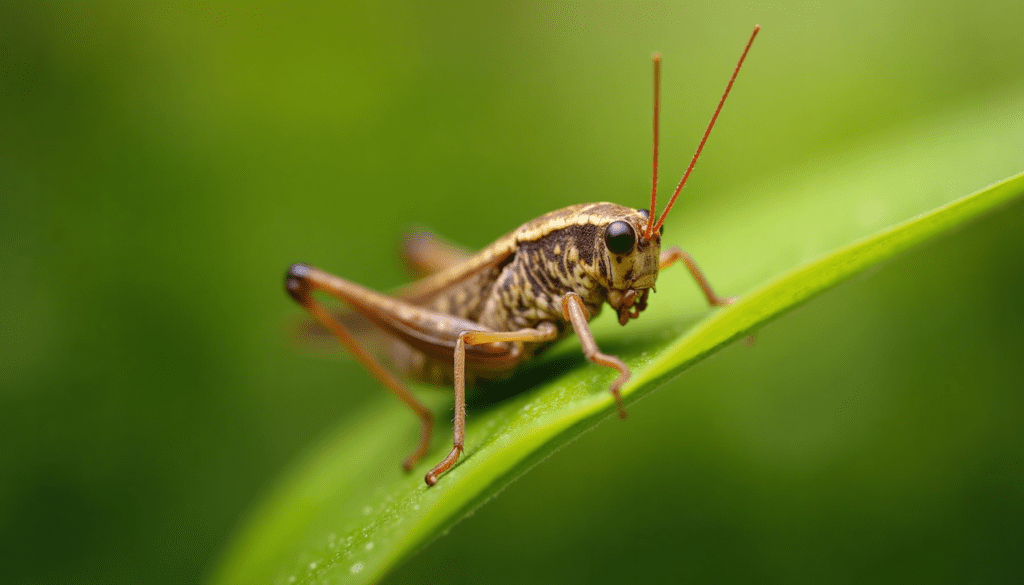
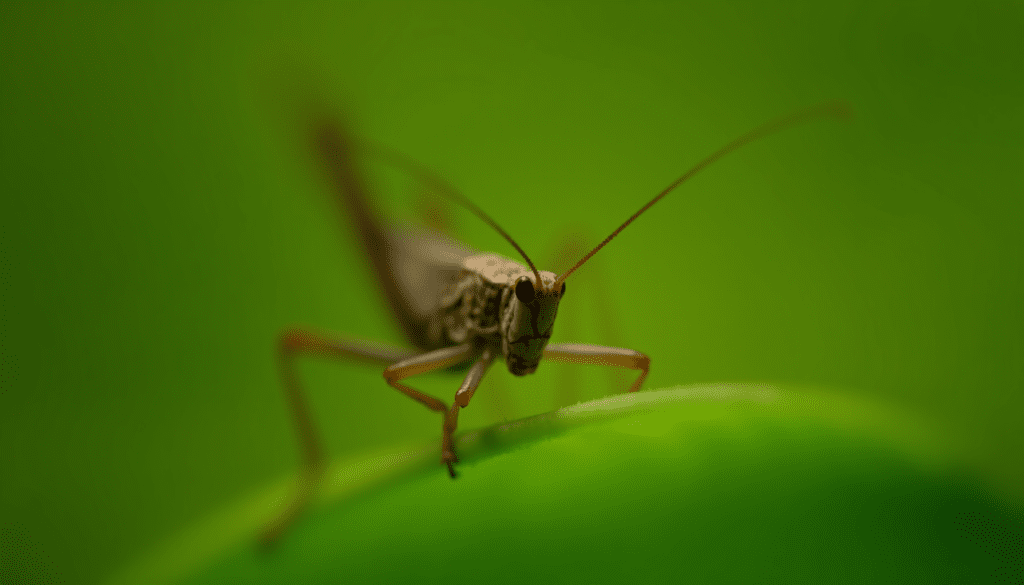
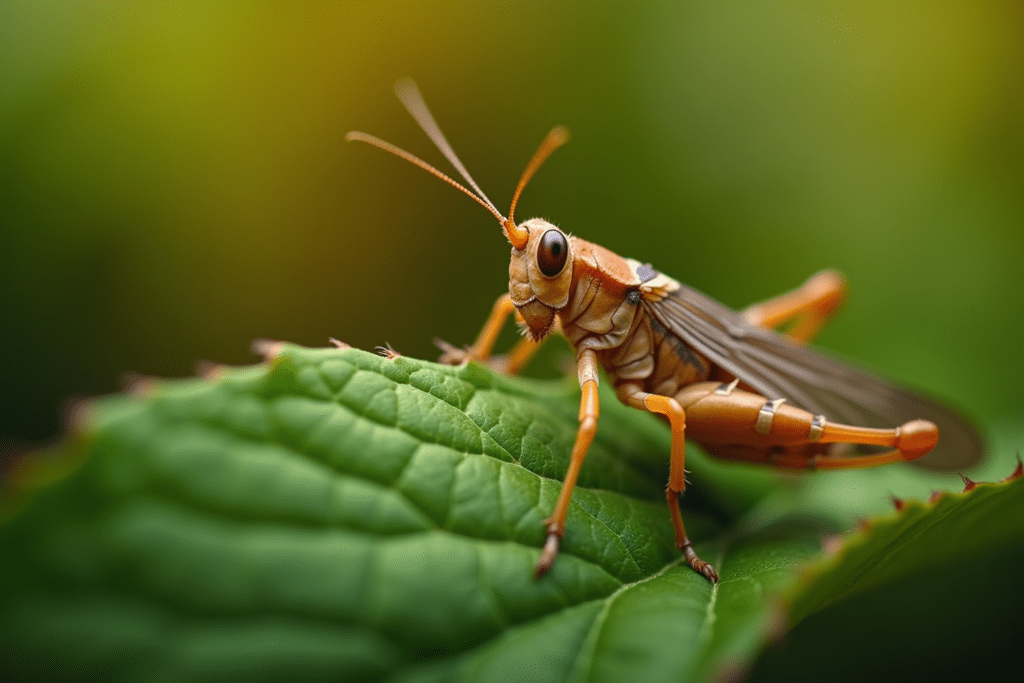
These insects belong to the family Rhaphidophoridae and are known by several common names, including cave crickets and spider crickets. They are typically 1/2 to 1 1/2 inches (13–33 mm) long, not including their exceptionally long antennae and legs, which can make them appear much larger. Their bodies are light to dark brown, often with mottled or banded patterns, allowing them to blend into their damp, earthy habitats.
The most striking feature of a camel cricket is its strongly hump-backed thorax, which gives it a camel-like profile. Unlike many other crickets, adult camel crickets lack wings, meaning they cannot fly and, importantly, do not chirp. If you hear chirping in your home, you're likely dealing with a different type of cricket, such as a house cricket. Their hind legs are notably long and robust, enabling them to make powerful, unpredictable jumps when disturbed—a primary defense mechanism that often startles homeowners.
You'll most often encounter camel crickets in areas of your home that mimic their natural, low-light, high-humidity environments. Basements, crawl spaces, garages, and utility rooms are prime spots, especially at night when these nocturnal insects are most active. If you see an insect fitting this description, especially one that jumps erratically when approached, it's very likely a camel cricket.
Where they live
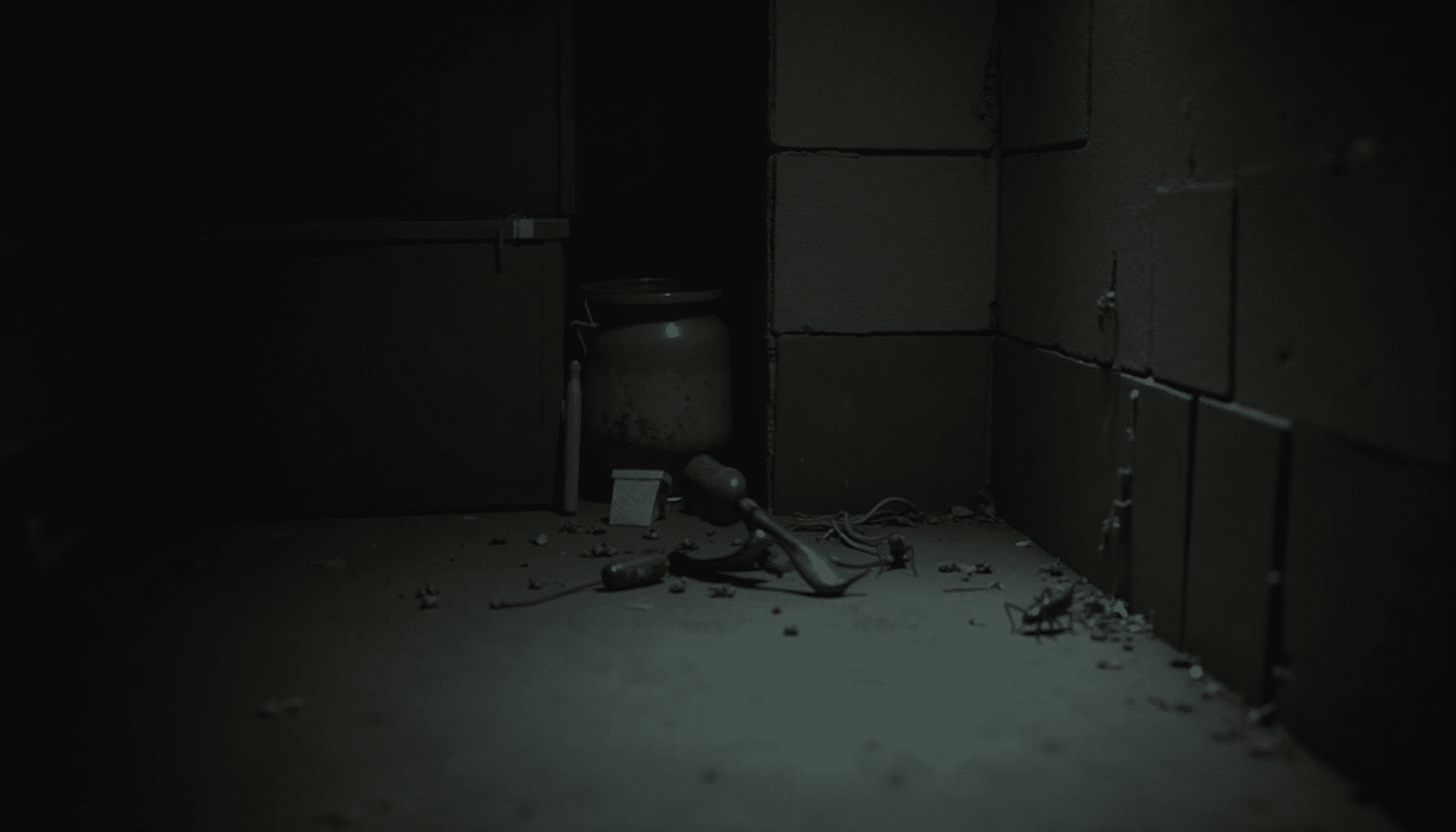
Camel crickets are fascinating creatures perfectly adapted to their preferred environments. Understanding their natural behaviors and needs is crucial for effective pest management. These insects thrive in dark, cool, and moist conditions, which dictate their natural outdoor habitats and their attraction to human structures.
Outdoors, camel crickets naturally inhabit places like caves, animal burrows, and under damp leaf litter, rocks, and logs. They are also found in more artificial outdoor structures such as crawl spaces, under decks, in sheds, woodpiles, and stone or retaining walls. Their widespread distribution across the United States and globally indicates their adaptability as long as moisture and shelter are available, according to PestWorld.
When conditions outside become too dry or temperatures fluctuate, camel crickets seek refuge indoors. They are drawn to basements, crawl spaces, laundry rooms, and utility rooms—any area that offers consistent moisture and protection from light and predators. Clutter in these areas provides additional hiding spots, making them ideal harborage sites.
Camel crickets are omnivorous scavengers. Their diet consists of fungi, decaying organic matter, plant material, and even dead insects. This scavenging nature means that indoors, they can sometimes chew on stored items. They are known to feed on fabrics, clothing, cardboard, paper products, and other stored goods in damp environments. While this damage is usually cosmetic and localized, it can be a nuisance. They are not structural pests like termites or carpenter ants, meaning they won't damage the wood framing of your home.
Their nocturnal activity is a key behavioral trait. They spend their days hidden in dark, protected refuges, emerging at night to forage for food. This behavior helps them conserve moisture and avoid predators. Their long antennae are vital for navigating these dark environments and detecting threats, as their eyesight is not their primary sense. When startled, their erratic jumping is a defense mechanism, not an act of aggression. This behavior, combined with their spider-like appearance, is often why they are called "sprickets" and can be quite unsettling for homeowners.
Are they dangerous?
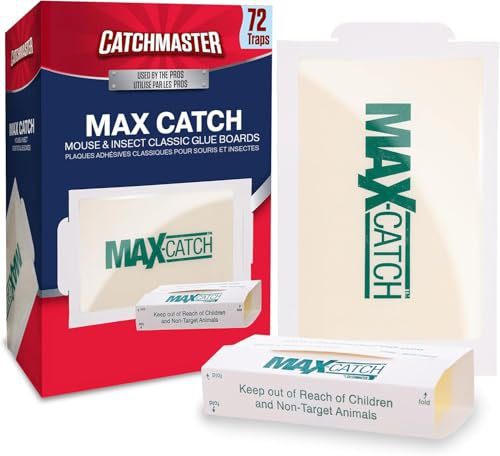
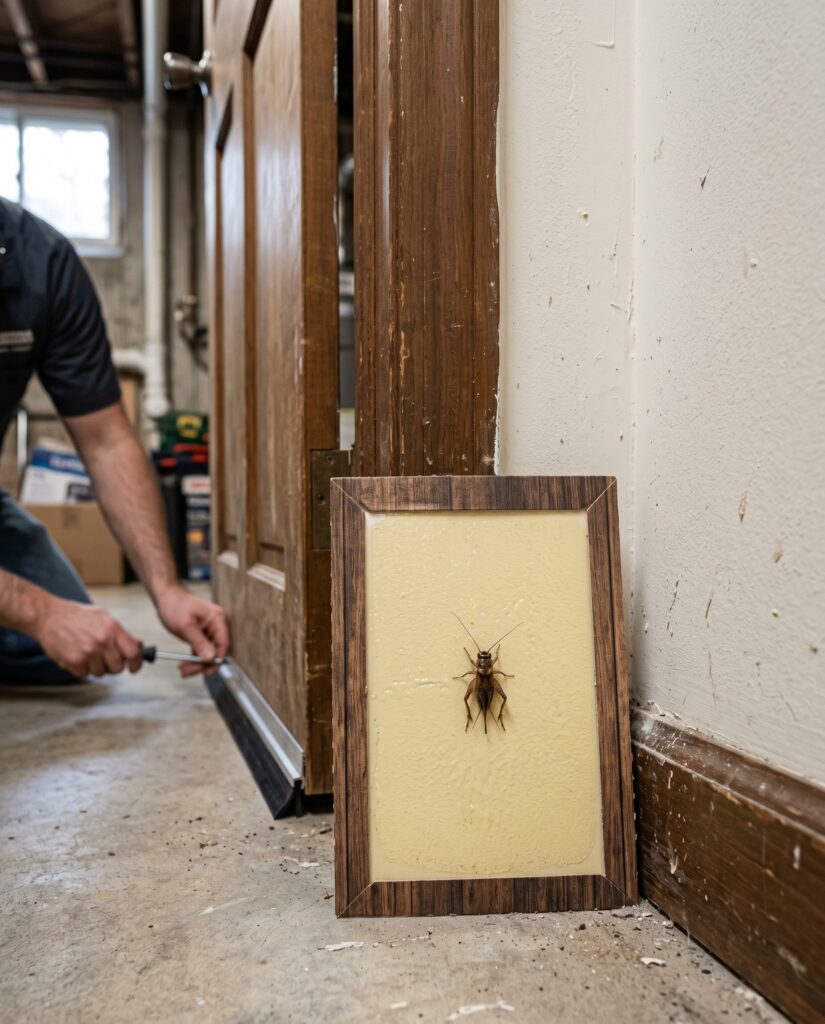
A pesticide-free sticky trap for confirming camel cricket activity along basement walls, crawl-space edges, garages, and utility rooms.
- Shows where camel crickets are moving
- No spray or odor indoors
- Can be folded into a tunnel for tight spaces
- Place away from pets and children
- Traps adults but does not fix moisture or entry points
The sight of a large, jumping insect can trigger immediate concern, leading many homeowners to wonder if camel crickets pose a threat. It's a common misconception that their intimidating appearance means they are dangerous. However, expert sources consistently confirm that these insects are primarily a nuisance rather than a hazard.
One of the most frequent questions is whether camel crickets bite. Rest assured, camel crickets do not bite or sting humans. They lack fangs or stingers and are not aggressive. Their erratic jumping behavior, while startling, is purely a defense mechanism to escape perceived threats, not an attempt to attack. This fact is reiterated by organizations like PestWorld and pest control experts like Harris Pest Control.
Another concern is whether they are poisonous or venomous. Camel crickets are neither poisonous nor venomous. They do not produce toxins that can harm humans or pets, nor are they known to transmit diseases. Unlike some other pests, they don't pose a health risk in your home. Their main impact is their nuisance value and the potential, albeit usually minor, damage to stored items like fabrics or paper in damp environments.
Entomologists, including those at NC State Extension, categorize camel crickets as "occasional invaders." This means they typically enter homes seasonally or sporadically, often in search of more favorable conditions (like moisture or shelter) rather than being chronic, structure-damaging pests like termites or cockroaches. While they can be unsettling to encounter, particularly in large numbers, their presence does not indicate a health risk or structural damage to your home. The primary concern remains their potential to chew on stored items and the general discomfort of their presence.
Prevention
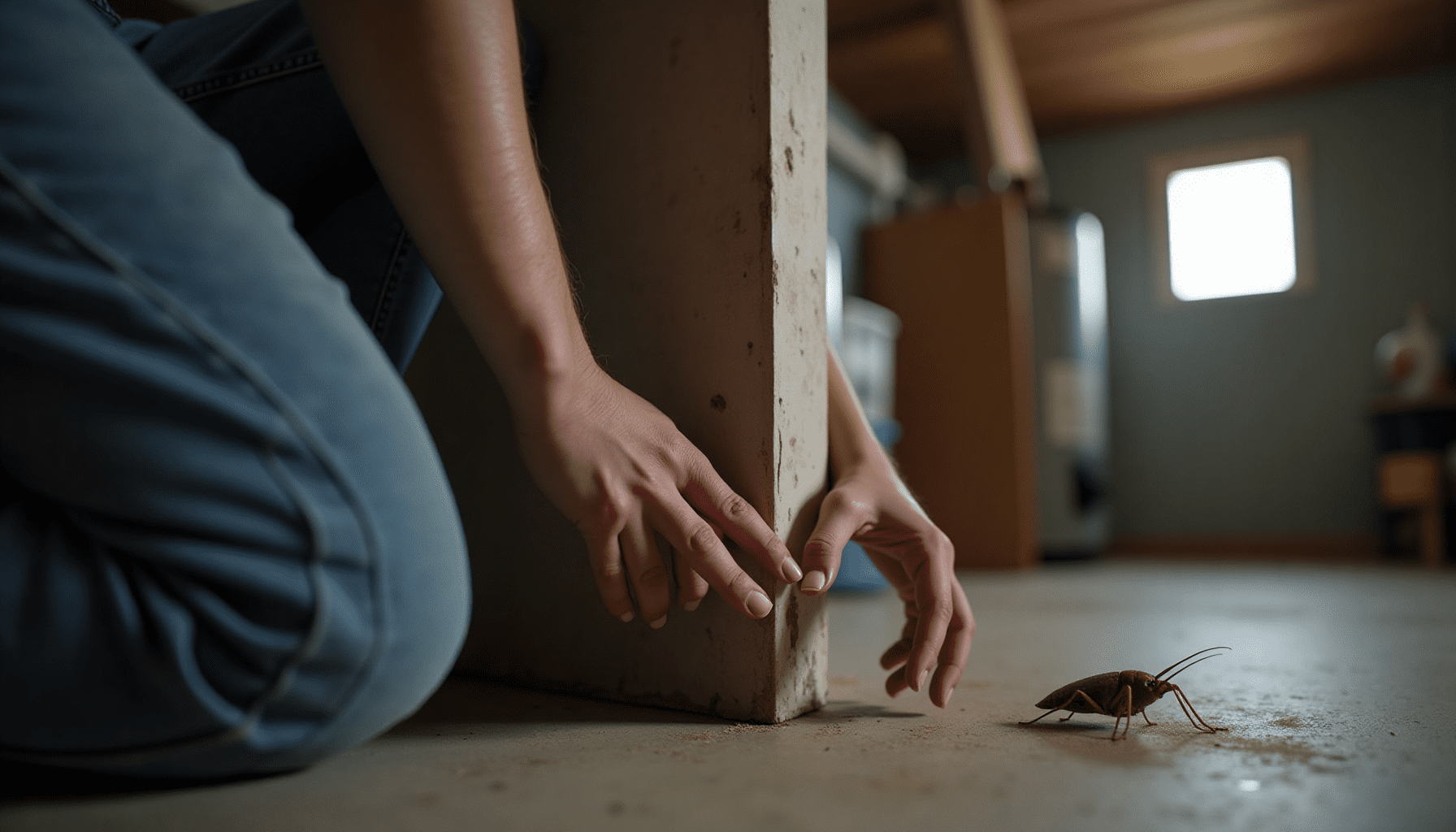
The most effective long-term strategy for managing camel crickets is prevention, focusing on making your home less appealing to them. Since these crickets are highly dependent on moisture and seek dark, sheltered spaces, controlling these factors both inside and outside your home is key. Integrated Pest Management (IPM) principles, which prioritize non-chemical methods, are highly recommended by experts like NC State Extension.
Reduce Moisture Indoors
Excess humidity is a primary attractant for camel crickets. Addressing moisture issues in your home will significantly reduce their appeal.
- Use Dehumidifiers: Place dehumidifiers in basements, crawl spaces, and other damp areas to maintain low humidity levels.
- Fix Leaks: Promptly repair any plumbing leaks, dripping pipes, or leaky faucets. Even minor drips can create the moist conditions camel crickets need.
- Improve Ventilation: Ensure crawl spaces and basements are well-ventilated. Install or repair crawlspace vents, and consider adding fans if natural airflow is insufficient. Proper ventilation helps dry out damp areas.
Eliminate Harborage Outdoors
Camel crickets often live outdoors and move inside when conditions change. Removing their outdoor hiding spots near your home creates a defensive barrier.
- Clear Debris: Remove woodpiles, compost, lumber, and any other debris from around your foundation. Keep these items at least several feet away from the house.
- Manage Landscaping: Clean up piles of leaves, excessive mulch, and yard waste, especially close to the foundation. Maintain short grass and mow tall weeds around your home.
- Create a Dry Zone: Keep ground cover and mulch at least 12 inches away from the foundation. Consider using inorganic ground cover like gravel next to the foundation, as it helps reduce humidity and offers fewer hiding spots, as suggested by NC State Extension.
Seal Entry Points
Even with excellent moisture control, camel crickets can still find their way in if there are unsealed openings. Sealing these entry points is a critical exclusion strategy.
- Caulk Gaps and Cracks: Use caulk to seal any gaps or cracks around window frames, door frames, foundation cracks, and utility penetrations (where pipes, wires, or HVAC lines enter the house).
- Weather-Stripping: Install or repair weather-stripping under exterior doors and garage doors to ensure they close tightly, preventing easy access.
- Screen Vents and Windows: Install or repair screens on basement windows and crawlspace vents to block insect entry while allowing air circulation.
- Repair Damage: Address any damaged siding, foundation vents, or mortar joints that could serve as hidden entry points.
Declutter Indoors
Clutter provides ample hiding spots for camel crickets once they get inside. Reducing clutter, especially in basements and storage areas, makes these spaces less hospitable.
- Elevate Stored Items: Store boxes and other items off the floor and away from walls in basements, garages, and storage rooms. This improves airflow and makes inspection easier.
- Use Plastic Bins: Replace cardboard boxes with plastic bins that have tight-fitting lids. Cardboard can absorb moisture and serve as both food and shelter for crickets.
- Regular Inspection: Periodically rotate and inspect stored items to prevent long-term, undisturbed harborage sites.
By implementing these preventative measures, you can significantly reduce the likelihood of camel crickets establishing themselves in your home, creating a drier, less inviting environment for these moisture-loving pests.
Control methods
If you've already discovered camel crickets in your home, don't despair. A combination of non-chemical and targeted chemical methods can effectively reduce their population and keep them out. Remember, the most successful approach integrates these methods with the prevention strategies outlined above, as emphasized by NC State Extension.
Non-Chemical / Low-Impact Options
Start with these methods, as they are often sufficient for managing most camel cricket infestations.
- Environmental Changes: Revisit and reinforce all the moisture control and harborage reduction tips mentioned in the prevention section. Fixing leaks, running dehumidifiers, and clearing clutter are the first and most crucial steps. These changes alone can dramatically reduce cricket populations over several weeks. Improving lighting in dark, damp areas can also deter these nocturnal, light-sensitive pests.
- Trapping with Sticky Glue Boards: These are highly effective for monitoring and directly capturing camel crickets.
- Placement: Place sticky traps along walls, in corners, behind appliances, and in crawl spaces where you've seen cricket activity.
- Maintenance: Check traps regularly and replace them as they fill up or lose their stickiness. Many commercial cricket traps can be folded into "tents," providing both shelter and a trapping surface, as noted by Solutions Pest & Lawn.
- Internal Link: For more information on using these tools, check out our guide on sticky traps.
- Physical Removal: For smaller infestations, simply vacuuming or physically capturing crickets as you encounter them can be effective. Once captured, seal them in a bag and dispose of them outdoors.
Chemical Options (When Needed)
Chemical treatments should be considered as a supplementary tool after non-chemical methods have been implemented. They are most effective when applied strategically and in conjunction with habitat modification.
- Outdoor Perimeter and Yard Treatment: Creating an insecticidal barrier around your home can prevent camel crickets from entering.
- Perimeter Spray: Apply a residual insecticide to a band around the exterior of your home, typically 3 feet up the foundation wall and 3 feet out onto the ground. Focus on the foundation, around doors, windows, vents, and where utilities enter. Products containing bifenthrin are commonly recommended; for example, Solutions Pest & Lawn suggests mixing 1 fluid ounce of a bifenthrin concentrate per gallon of water to treat approximately 1,000 square feet.
- Broadcast Yard Treatment: For persistent outdoor populations, apply a fan-spray over shaded, moist areas of your lawn and landscape beds where camel crickets are active.
- Crawlspace and Interior Targeted Treatments:
- Baits in Crawlspaces: Granular insecticidal baits can be effective in crawl spaces. Experts at NC State Extension recommend applying these along sill plates and in corners. These are often professional-grade products, and proper application is crucial.
- Dusts in Cracks and Crevices: Insecticidal dusts, such as those containing deltamethrin (e.g., D-Fender Dust), can be puffed into wall voids around plumbing penetrations, behind baseboards, into weep holes in brick, and other cracks and crevices where crickets hide. Use a hand duster, filling it only halfway to ensure even distribution.
- Spot Treatments Indoors: If necessary, household insecticides labeled for indoor use can be applied to baseboards and behind appliances. However, if exclusion and moisture reduction are done well, the need for indoor sprays should significantly decrease.
- Internal Link: For more comprehensive strategies, read our guide on How to Get Rid of Crickets in the House.
Professional Pest Control
For large, persistent infestations, or when access to problem areas (like tight crawl spaces) is difficult, contacting a licensed pest control professional is a wise choice. Professionals can conduct thorough inspections, identify hidden harborage sites, and apply specialized baits, dusts, and equipment safely and effectively. They can also help integrate long-term moisture and exclusion strategies into a comprehensive treatment plan.
Camel Cricket Myths Debunked
Many misconceptions surround camel crickets, often fueled by their unsettling appearance and behavior. Separating fact from fiction can alleviate unnecessary fear and guide you toward effective management.
Myth 1: Camel crickets bite humans.
- Fact: Camel crickets do not bite or sting. They lack fangs and are not aggressive. When disturbed, their primary defense is to jump erratically to escape, not to attack. This is a consistent finding from sources like PestWorld and Harris Pest Control.
Myth 2: Camel crickets are poisonous or venomous.
- Fact: These insects are neither poisonous nor venomous. They do not carry or transmit diseases to humans or pets. Their main impact is as a nuisance and potential, minor damage to stored items.
Myth 3: If I hear crickets chirping in my basement, they must be camel crickets.
- Fact: Camel crickets cannot chirp. They lack the sound-producing organs found in other cricket species. If you hear chirping indoors, you're likely dealing with house crickets (Acheta domesticus) or field crickets, not camel crickets. Our cricket identification guide can help you differentiate them.
Myth 4: Spraying insecticide alone will solve a camel cricket problem permanently.
- Fact: Pesticides are rarely a long-term solution on their own. As emphasized by NC State Extension, effective control requires addressing the root causes: moisture, clutter, and entry points. Without these habitat modifications, camel crickets will continue to return.
Myth 5: Camel crickets destroy wood like termites.
- Fact: Camel crickets are not wood-destroying insects. While they may chew on paper, cardboard, fabrics, and other organic materials, they do not consume structural wood or cause the kind of damage associated with termites or carpenter ants.
Myth 6: Having camel crickets means my home is dirty.
- Fact: Camel crickets are primarily attracted to moisture and shelter, not necessarily "dirt." Even meticulously clean homes can attract camel crickets if they have damp basements, humid crawl spaces, or landscape issues that create favorable conditions, as noted by Orkin.
Understanding these facts can help homeowners approach camel cricket management with confidence and focus on the most effective, science-backed strategies.
Final verdict
Camel crickets, or cave crickets, are common household pests that, while startling in appearance and behavior, pose no threat to human health or the structural integrity of your home. Their presence is a clear indicator of excess moisture and available harborage, primarily in basements, crawl spaces, and other damp, dark areas.
The most effective way to manage these occasional invaders is through an Integrated Pest Management (IPM) approach. This means prioritizing prevention by controlling moisture, eliminating outdoor harborage sites, and sealing all potential entry points into your home. For existing infestations, non-chemical methods like sticky traps and physical removal are highly effective. Targeted insecticide applications can supplement these efforts, particularly as an outdoor barrier or in specific crawl space treatments.
By understanding the habits of camel crickets and implementing these practical strategies, you can transform your home into an unwelcoming environment for these moisture-loving insects. For further reading on related pests and broader pest management strategies, explore our guides on How to Get Rid of Crickets in the House and cricket identification.
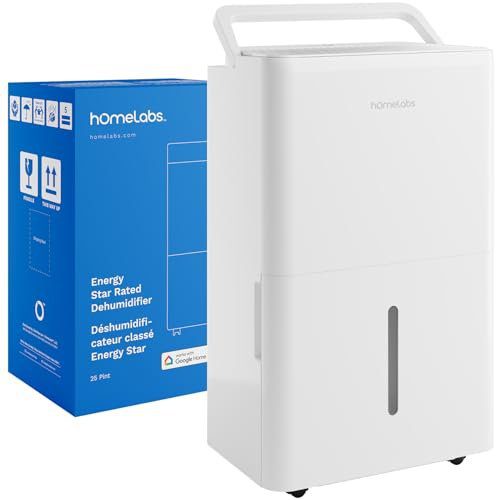
A dehumidifier helps make basements and crawl-space-adjacent rooms less attractive to camel crickets by reducing the damp conditions they prefer.
- Targets the moisture condition behind repeat activity
- Useful for basements, storage rooms, and garages
- Can also reduce musty odors
- Higher cost than traps or sealant
- Still needs exclusion and clutter cleanup for best results
Pingback: Bugs That Look Like Cockroaches But Are Not