\n
\n
If you want to get rid of crickets in your house, focus on three things in this order: remove moisture, block entry points, and trap what’s already inside. Most indoor cricket problems start because a basement, crawlspace, laundry area, or kitchen corner stays warm and damp – perfect conditions for house crickets (Acheta domesticus) or camel crickets (family Rhaphidophoridae). The good news is you usually don’t need heavy indoor spraying. With a few targeted steps, you can stop the chirping, cut numbers fast, and prevent repeat invasions.
\n
Bottom line: To get rid of crickets indoors, trap the ones already inside, reduce damp hiding spots, and seal the gaps they use at doors, vents, and foundation cracks.
\n
- \n
- Sticky traps show where activity is concentrated.
- Door sweeps and weatherstripping prevent repeat entry.
- Moist basements, garages, and cluttered storage zones are common sources.
\n
\n
\n
\n
\n
 \n
\n\n\n
Bottom line:
\n
- \n
- Tonight: set sticky traps along walls + vacuum visible crickets.
- This week: run a dehumidifier, fix leaks, and add door sweeps/weather stripping.
- Long term: adjust outdoor lights, reduce mulch/clutter near the foundation, and seal gaps.
\n
\n
\n
\n
A related guide worth having to hand: How to Raise Crickets at Home.
Quick answer
\n
To get rid of crickets, combine quick knockdown (traps + vacuuming) with prevention (moisture control + sealing entry points). Here’s the fastest, most reliable plan:
\n
- \n
- Confirm the type
- \n
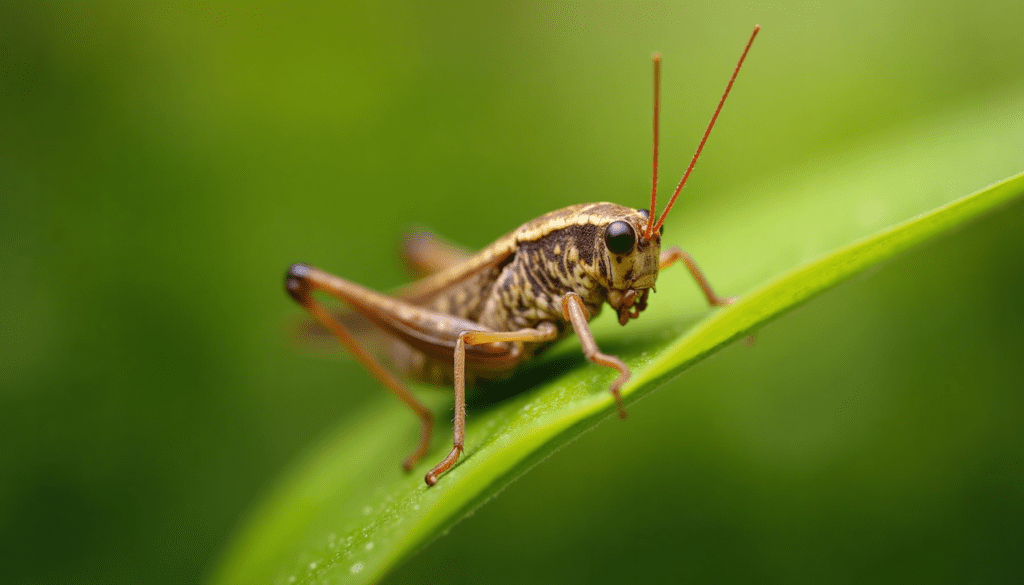
- Chirping at night: usually house or field crickets (Gryllus spp.).
- Silent, humpbacked, jumpy: usually camel/cave crickets.
\n
\n
\n
- Trap immediately
- \n
- Place sticky traps along baseboards, behind appliances, and in basements.
- Set a shallow dish of soapy water near activity spots to drown them.
\n
\n
\n
- Dry the air
- \n
- Aim for <50% indoor humidity using a dehumidifier and ventilation.
\n
\n
- Block entry
- \n
- Add door sweeps, repair screens, and caulk gaps around pipes and siding.
\n
\n
- Escalate only if needed
- \n
- Persistent activity may require an exterior perimeter treatment or a pro inspection.
\n
\n
\n
\n
\n
\n
\n
\n
Identify the cricket
\n
Cricket control gets much easier once you know what you’re dealing with. The “right” fix for a chirping house cricket near a stove is different from a cluster of camel crickets in a damp crawlspace. Think of identification like choosing the right key – it saves time and prevents repeat infestations.
\n
Common indoor crickets at a glance (simple ID cards)
\n
- \n
-
House cricket (Acheta domesticus)
\n
- \n
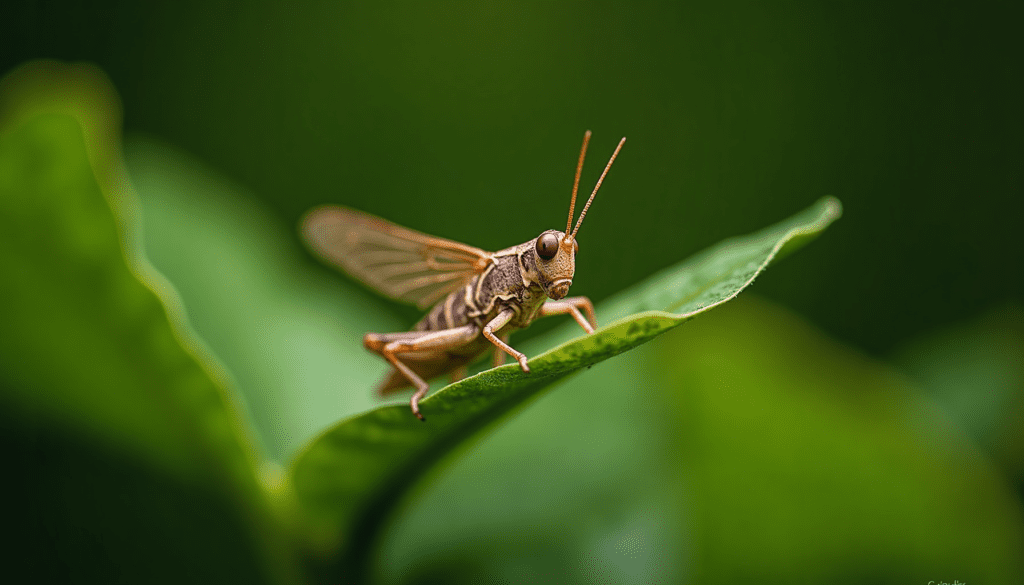
- Look: light yellowish-brown; three dark bands on the head; long antennae; wings lie flat on the back.
- Size: about 19-23 mm (3/4-7/8 inch) as adults.
- Clue: loud chirping at night (males).
- Where: warm indoor spots – kitchens, laundry rooms, near furnaces and appliances.
- Practical note: the National Pest Management Association’s house cricket guide notes they can survive indoors long-term when conditions suit them.
\n
\n
\n
\n
\n
\n
-
Camel / cave cricket (Rhaphidophoridae)
\n
- \n
- Look: humpbacked body, very long legs, no wings.
- Clue: usually silent; jumps erratically when startled.
- Where: cool, dark, damp spaces – basements, crawlspaces, garages.
- Practical note: camel crickets strongly track moisture and fungal growth in damp areas, a pattern highlighted in practical field observations like Colin Purrington’s camel cricket management notes.
\n
\n
\n
\n
\n
-
Field crickets (Gryllus spp.)
\n
- \n
- Look: dark brown to black, sturdier body.
- Clue: often a seasonal invader, especially late summer into fall.
- Where: wander inside through gaps under doors and around foundations.
\n
\n
\n
\n
\n
\n
\n
\n
A quick “where to look” checklist (5 minutes)
\n
Use a flashlight and check these edge-hugging travel routes:
\n
- \n
- Along baseboards (especially behind furniture)
- Under and behind refrigerator, stove, washer, dryer
- Near floor drains, sump pits, and utility rooms
- Inside crawlspace access doors and rim-joist areas
- Around pet food storage and pantry corners
\n
\n
\n
\n
\n
\n
If you’re also dealing with multiple indoor pests, it can help to compare tactics across guides like How to Get Rid of Cockroaches Permanently because monitoring and exclusion overlap – but crickets are far more tied to moisture and outdoor lighting.
\n
Get rid of them fast
\n\n
\n
 \n \n
\n \n
\n
\n
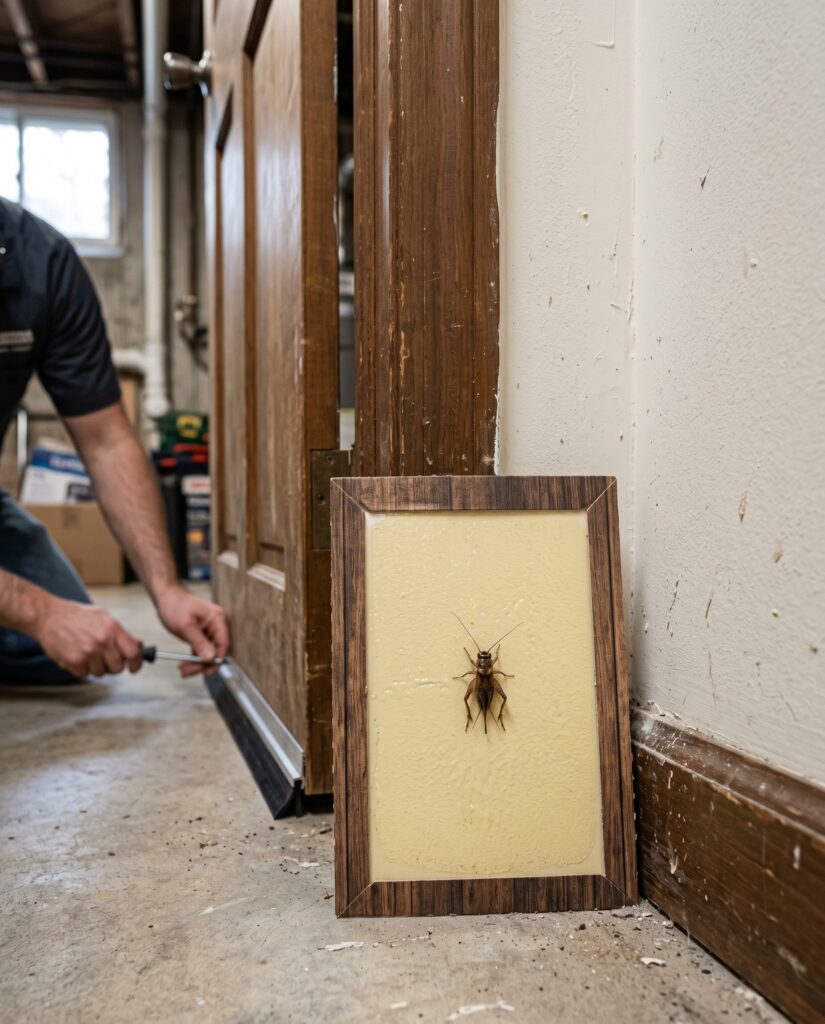
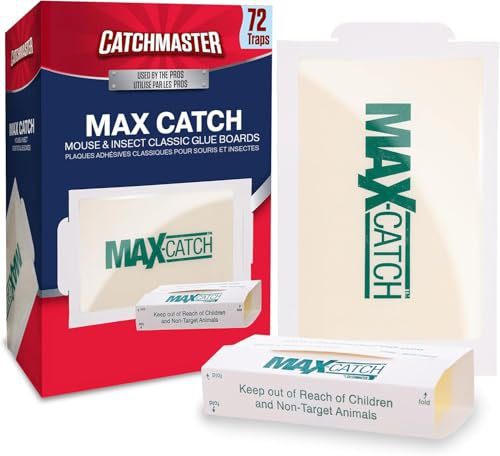
A simple pesticide-free glue board for monitoring and catching crickets along baseboards, basement edges, garages, and utility rooms.
\n
- Shows where crickets are moving
- No spray or odor indoors
- Can be folded into a tunnel for tighter spaces
\n
- Must be placed away from pets and children
- Does not fix moisture or entry gaps by itself
\n
\n
\n\n
When crickets are active indoors, speed matters for sanity. The chirping keeps people awake, and nymphs can spread into storage areas. The fastest wins come from methods that remove crickets tonight while also showing you where the hotspots are.
\n
Step-by-step: fastest indoor knockdown
\n
- \n
-
Vacuum first (yes, really)
\n
- \n
- Vacuum along baseboards, under appliances, and in corners.
- Immediately empty the canister or bag into a sealed bag and put it outdoors.
- Why it works: it removes adults and many hidden nymphs in one pass.
\n
\n
\n
\n
-
Deploy sticky traps for control + “intel”
\n
- \n
- Place glue boards flush to the wall where crickets travel.
- Best spots: behind the fridge, near the water heater, basement corners, under sinks.
- Replace when dusty or full.
- This is a widely recommended first-line approach in practical pest guides such as Home Depot’s cricket control overview.
\n
\n
\n
\n
\n
-
Set a soapy-water drowning dish
\n
- \n
- Use a shallow bowl with water + a few drops of dish soap.
- Put it near the loudest chirping or where traps catch the most.
- Soap breaks surface tension, so crickets sink and drown.
\n
\n
\n
\n
-
Use food-grade diatomaceous earth (optional)
\n
- \n
- Apply a thin, barely visible line in cracks and crevices, not in open living areas.
- Focus: behind appliances, along unfinished basement edges, around utility penetrations.
- Safety: avoid breathing dust; keep it away from heavy airflow.
- Why it works: it damages the waxy outer layer and dehydrates insects.
\n
\n
\n
\n
\n
\n
\n
\n
\n
\n
Simple placement map (visual guide)
\n
- \n
- Kitchen: behind fridge + under sink + behind stove
- Laundry: behind washer + near floor drain
- Basement: along two perimeter walls + near sump + near storage piles
- Garage: corners + near door threshold
\n
\n
\n
\n
\n
If you need fast relief from multiple pests
\n
Cricket traps and vacuuming pair well with other indoor pest plans. If you’re also swatting night fliers, see How to Get Rid of Mosquitoes Inside Your House because moisture and entry points often overlap. For pantry trail problems, How to Get Rid of Ants in the House covers sealing and sanitation tactics that also reduce cricket food sources.
\n
 \n
\n\n\n
Fix moisture and shelter
\n\n
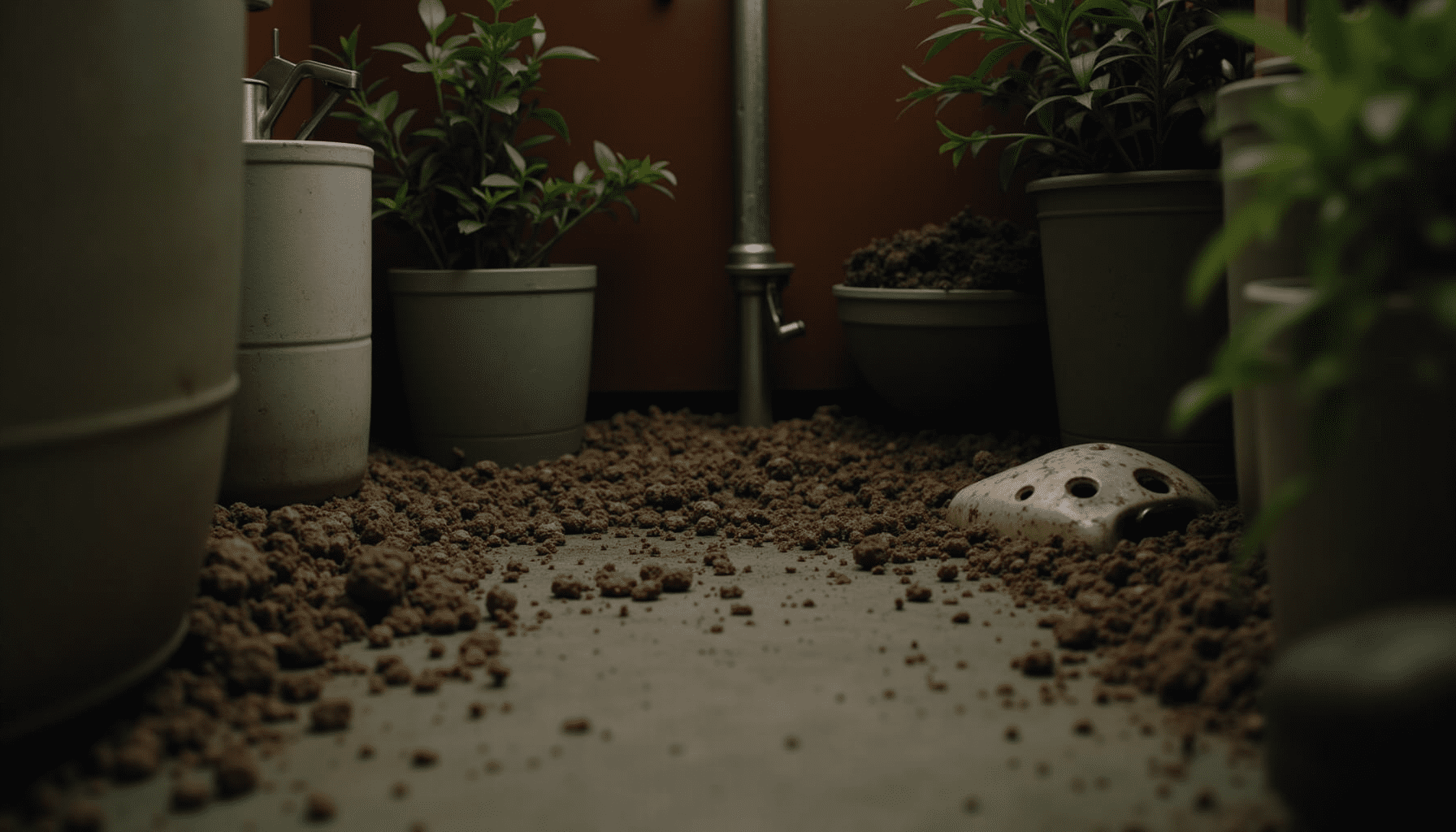
Crickets are like tiny humidity detectors. When a basement stays damp, they don’t just visit – they settle in. And when conditions are warm enough, house crickets can keep breeding indoors. That’s why moisture control is the backbone of long-term cricket control.
\n
Indoor moisture fixes that actually move the needle
\n
Start with the highest-payoff changes:
\n
- \n
- Run a dehumidifier in basements and damp rooms
- \n
- Target 40-50% relative humidity.
- Empty the reservoir daily or use a drain hose.
\n
\n
\n
- Fix leaks and condensation
- \n
- Repair dripping pipes, leaky hose bibs, and sweating HVAC lines.
- Insulate cold pipes that “rain” in summer.
\n
\n
\n
- Vent moisture outside
- \n
- Confirm bathroom fans and dryer vents exhaust outdoors, not into an attic or crawlspace.
\n
\n
- Improve airflow in dead zones
- \n
- Move stored items away from walls.
- Avoid tightly packed cardboard piles, especially on basement floors.
\n
\n
\n
\n
\n
\n
\n
\n
Reduce hiding spots (crickets love clutter)
\n
Crickets hide where it’s quiet and undisturbed. Make the space less welcoming:
\n
- \n
- Store fabrics and seasonal clothes in sealed plastic bins, not open boxes.
- Keep basement storage off the floor on shelving.
- Clean crumbs and spills, especially around pet food and pantry shelves.
\n
\n
\n
\n
Outdoor moisture and shelter control (the “source” problem)
\n
If crickets keep appearing, many are coming from outside. Reduce the staging areas near your foundation:
\n
- \n
- Keep grass trimmed and remove weeds along the house.
- Pull mulch back so it doesn’t touch siding, or keep it thin and dry.
- Move woodpiles, brush, and compost away from the home (many guides suggest about 20 feet when possible).
- Clear gutters and correct drainage so water doesn’t pool near the foundation.
\n
\n
\n
\n
\n
For yard-focused product guidance, resources like Scotts Miracle-Gro’s cricket prevention tips echo the same theme: dry, exposed edges around the home reduce cricket pressure.
\n
Mini checklist (do this this weekend)
\n
- \n
- Dehumidifier running in basement/crawlspace
- Leak check under sinks, behind washer, at water heater
- Cardboard and fabric moved into sealed bins
- Mulch pulled back from foundation
- Woodpile moved or elevated and covered away from the house
\n
\n
\n
\n
\n
\n
If you’re also battling fabric damage pests, it can help to cross-check with How to Get Rid of Fleas: Complete Removal Guide for cleaning routines and vacuum habits – different insect, same principle: remove what they need to thrive.
\n
Seal entry points
\n\n
\n
 \n \n
\n \n
\n
\n
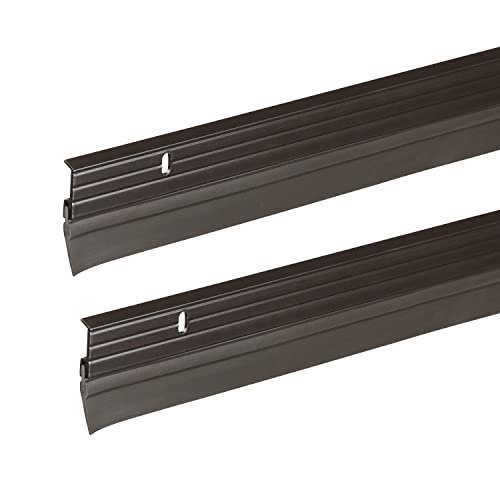
A door sweep helps close one of the most common cricket entry points, especially at garage, basement, and exterior doors.
\n
- Blocks drafts, dust, and crawling insects at the threshold
- Low-cost fix for repeat cricket entry
- Adjustable installation helps with uneven gaps
\n
- May need trimming or careful alignment
- Does not seal wall cracks, vents, or foundation gaps
\n
\n
\n\n
It’s frustrating to trap crickets indoors, only to hear chirping again two nights later. That usually means new crickets are still getting in. Exclusion fixes this at the source, and it’s one of the most cost-effective steps you can take.
\n
Where crickets get in (most common routes)
\n
Crickets don’t need much space – small gaps are enough. Check:
\n
- \n
- Under exterior doors (especially garage and basement doors)
- Torn window screens and loose screen frames
- Gaps where pipes and wires enter the home
- Cracks in foundation walls and around sill plates
- Window wells and basement vents
\n
\n
\n
\n
\n
\n
A simple sealing plan (tools you can buy anywhere)
\n
- \n
- Install door sweeps
- \n
- If you can see light under a door, crickets can often slip through.
\n
\n
- Replace weather stripping
- \n
- Focus on doors that lead to basements, garages, and patios.
\n
\n
- Caulk and seal small gaps
- \n
- Use exterior-rated caulk around trim and small cracks.
- Use appropriate sealant or foam for larger utility penetrations.
\n
\n
\n
- Repair screens
- \n
- Patch holes and ensure screens fit tightly.
\n
\n
\n
\n
\n
\n
\n
Lighting: the overlooked “cricket magnet”
\n
Outdoor lights act like a beacon. Many insects gather near bright white or bluish bulbs, and crickets follow the food and activity.
\n
Try this:
\n
- \n
- Switch to amber/yellow bug lights for porch fixtures.
- Use motion-activated lights instead of leaving them on all night.
- Move bright lights away from doors if possible.
\n
\n
\n
\n
This prevention-first approach lines up with professional guidance emphasized by groups like the National Pest Management Association: reduce favorable conditions and block entry, then treat only where needed.
\n
Visual: “seal this first” priority list
\n
- \n
- Tier 1 (highest impact): door sweep + garage threshold + basement door gaps
- Tier 2: screen repairs + utility penetrations (pipes/cables)
- Tier 3: hairline foundation cracks + siding gaps
\n
\n
\n
\n
 \n
\n\n\n
Insecticides and pros
\n
Most homeowners can solve light to moderate cricket issues with trapping, drying, and sealing. But if you’re seeing crickets daily, finding them in multiple rooms, or hearing constant chirping despite your fixes, it’s reasonable to step up your approach.
\n
When insecticides make sense
\n
Consider targeted treatment if:
\n
- \n
- Sticky traps keep filling up every week.
- You’ve reduced humidity and sealed doors, but crickets still appear.
- Crickets are entering from the yard in high numbers each night.
- The space is sensitive (food storage, commercial areas) and nuisance levels are unacceptable.
\n
\n
\n
\n
\n
Smarter use: treat outside first
\n
For crickets, exterior treatments are often more effective than spraying indoors because they intercept crickets before they enter.
\n
Common best practice focuses on:
\n
- \n
- Exterior perimeter treatments along the foundation
- Around doors, window frames, vents, and other entry points
- Spot treatments in outdoor harborage zones (dense groundcover, woodpile edges)
\n
\n
\n
\n
If you choose a product, follow the label exactly. The label is the law, and it includes where you can apply it, how much to use, and re-entry timing. For broader guidance on safer pest-control decision-making, the EPA’s pesticide safety information is a solid reference point.
\n
Indoor spraying: keep it limited
\n
If you use an indoor product at all, keep it to:
\n
- \n
- Cracks and crevices
- Behind appliances
- Baseboard gaps and utility voids
\n
\n
\n
\n
Avoid broadcast spraying across floors or living surfaces, especially around kids and pets. Traps and exclusion usually outperform “spray and hope” approaches for crickets.
\n
When to call a professional
\n
A licensed pest management professional is a good idea when:
\n
- \n
- You suspect a breeding population indoors (nymphs of multiple sizes, constant activity).
- There’s a crawlspace or basement moisture problem you can’t locate.
- You need a structured plan for a large home or multi-unit building.
\n
\n
\n
\n
Pros can identify the species, find hidden entry points, and combine exclusion with targeted treatment. That’s also the direction recommended in industry guidance like the NPMA house cricket resource.
\n
Final notes
\n
- \n
- The fastest way to get relief is vacuuming + sticky traps placed along walls and behind appliances.
- Long-term control depends on drying damp areas and reducing clutter that provides shelter.
- Seal door gaps and screens to stop repeat invasions, and adjust outdoor lighting to reduce attraction.
- Save insecticides for persistent problems, and prioritize exterior perimeter and entry-point treatments.
- If you keep seeing crickets after moisture control and sealing, it’s time for a professional inspection.
\n
\n
\n
\n
\n
\n
Crickets are mostly a nuisance pest, but they’re a reliable signal that something about the home’s edges – moisture, gaps, or nighttime lighting – is inviting them in. Start with traps tonight, then make one moisture fix and one sealing fix this week.
\n
For related indoor pest playbooks, see How to Get Rid of Ants in the House and How to Get Rid of Cockroaches Permanently to build a stronger, pest-resistant baseline throughout your home.
\n