Grasshoppers can strip tender leaves fast, especially when nearby weeds dry out and hungry insects pour into irrigated beds. The best grasshopper killers are the ones you apply at the right time – ideally when the insects are small, wingless nymphs – and combine with barriers and habitat fixes so new waves do not keep arriving. This guide breaks down what actually works in home gardens, from physical exclusion and biological baits to targeted sprays, with realistic expectations and pollinator-safe habits.
Bottom line: Grasshoppers and field crickets are easiest to control while they are small. Protect seedlings first, use row covers where possible, and reserve sprays or baits for active feeding zones rather than blanketing the whole garden.
- Young grasshoppers are the best target.
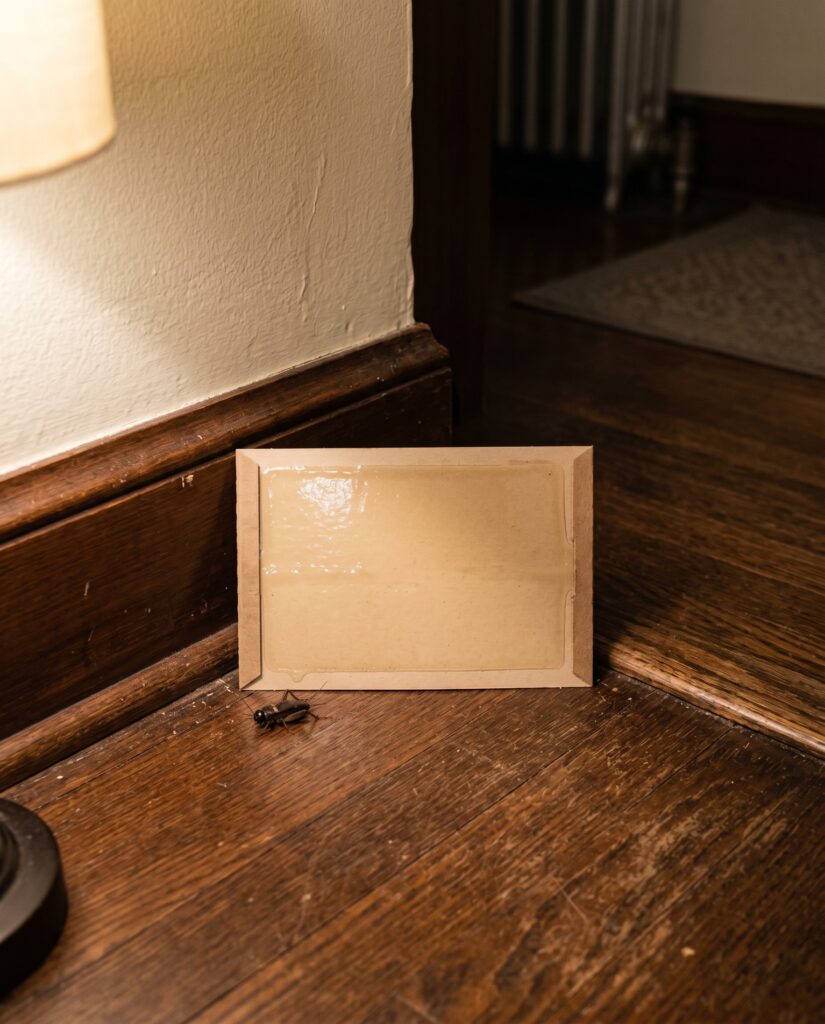
- Crickets usually need habitat cleanup plus spot control.
- Follow every pesticide label around vegetables, pollinators, pets, and water.
Quick answer
If you want the fastest, most reliable results, focus on early-season nymphs and protect your most valuable plants first. Here’s the practical short list of grasshopper killers and when to use them:
- Best first step (most consistent): sturdy row covers or screening installed before insects arrive
- Fast knockdown (use carefully): labeled garden insecticides such as carbaryl, malathion, permethrin, bifenthrin (follow crop labels and timing)
- Long-term suppression (not instant): Nosema locustae bran baits (often sold as Nolo Bait or Semaspore), best on small nymphs
- Organic “soft” option: neem / azadirachtin sprays to reduce feeding and disrupt growth, most effective on young stages
- Small-garden control: morning handpicking into soapy water, plus simple traps and border management
Rule of thumb: once most are winged adults, you are managing damage more than “wiping them out.”
Timing matters most
Grasshopper control often fails for one simple reason: the action starts after the damage is obvious. By then, many insects are already winged adults that can fly in, feed, and leave before treatments touch them.
Entomologists and extension specialists consistently point to a narrow “sweet spot” for control: early summer, right after egg hatch, when grasshoppers are still nymphs (small, wingless, clustered near breeding areas). The Utah State University Extension guidance on grasshoppers and the Colorado State University Extension recommendations both emphasize that early intervention is more effective than switching products later.
What’s happening in your yard (and why it matters)
Think of grasshoppers like a traveling crowd looking for the best food. When surrounding vegetation dries, they move toward the greenest place around – often a watered garden.
Key timing clues to watch for:
- Late spring to early summer: nymphs appear in weedy edges, ditch banks, fence lines, and unmowed strips
- Early summer migration: nymphs and young adults move into gardens as nearby plants brown out
- Mid to late summer: adults disperse widely, control becomes harder, reinvasion is common
A simple “should I treat?” check
The USDA’s rangeland threshold often cited by extensions is around 9 or more grasshoppers per square yard before treatment is recommended in those settings (you’ll see this summarized in extension guidance such as the Utah State University Extension article). In a home garden, the threshold can be much lower because a few insects can ruin a small number of prized plants.
Use this quick scouting method:
- Pick a sunny edge near your garden (weeds, tall grass, ornamental border).
- Walk through and count how many jump up in a 1-yard square area.
- Repeat in 3-5 spots.
Action trigger for many home gardens: if you’re consistently seeing 3-5 per square yard near the garden, start protection steps immediately.
Visual: seasonal control window
- Best window: nymphs present, before wings
- Okay window: mixed nymphs + early adults, focus on barriers + borders
- Hard window: mostly adults, focus on protecting specific plants and reducing reinvasion
How to identify them
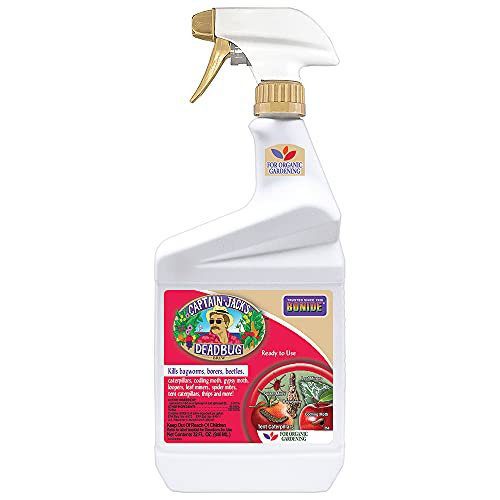
A spinosad-based garden spray that can help with chewing pests on vegetables when used at the right timing and according to the crop label.
- Useful for chewing insect pressure on edible plants
- Ready-to-use format is simple for small gardens
- Fits an IPM plan better than repeated broad-spectrum spraying
- May need repeat applications after new feeding appears
- Use carefully around pollinators and avoid spraying open blooms
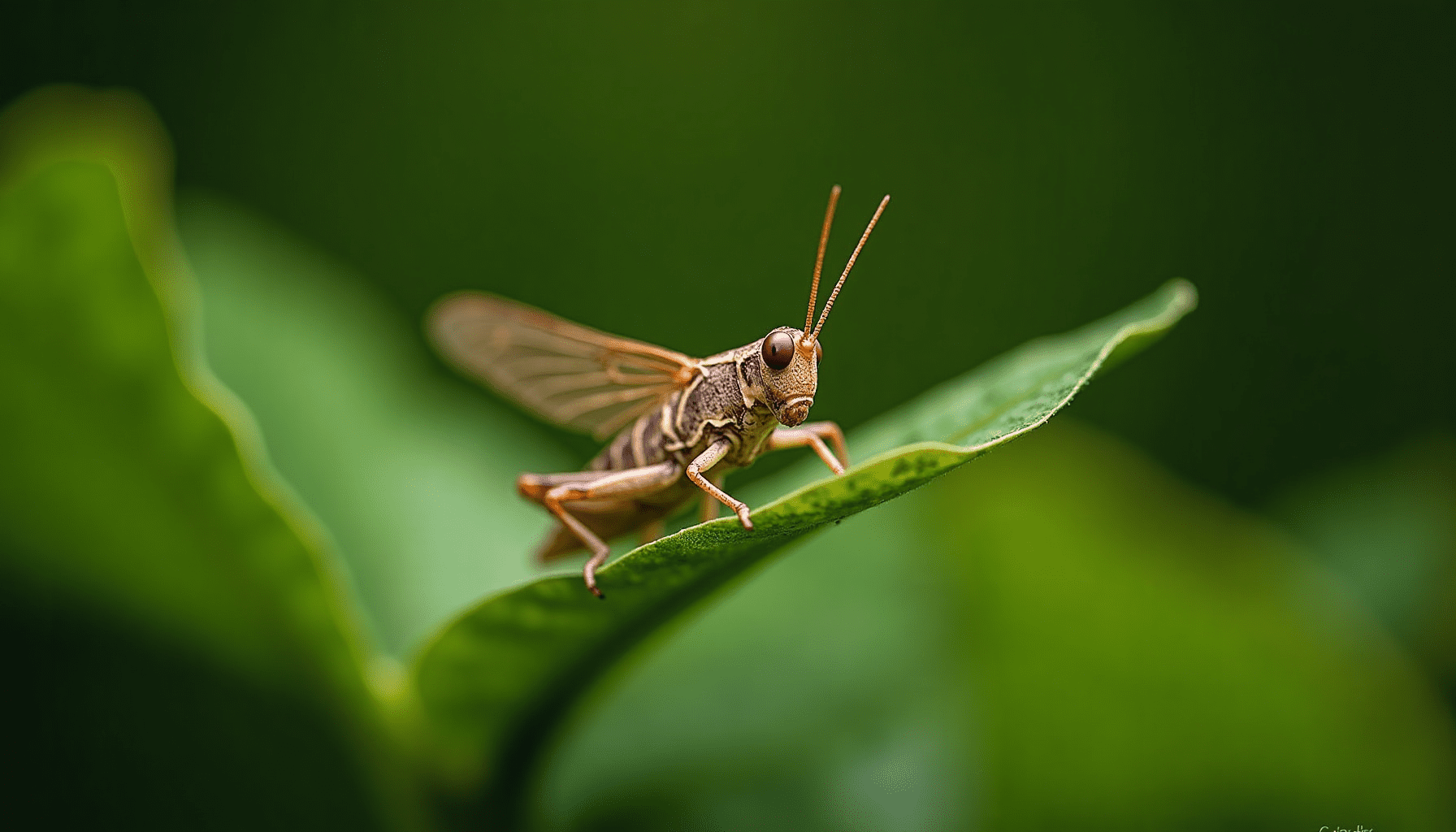
Before choosing a control method, confirm what you’re dealing with. “Grasshopper” damage can be confused with caterpillars, beetles, or slugs, and indoor “crickets” are a different problem than outdoor garden feeders.
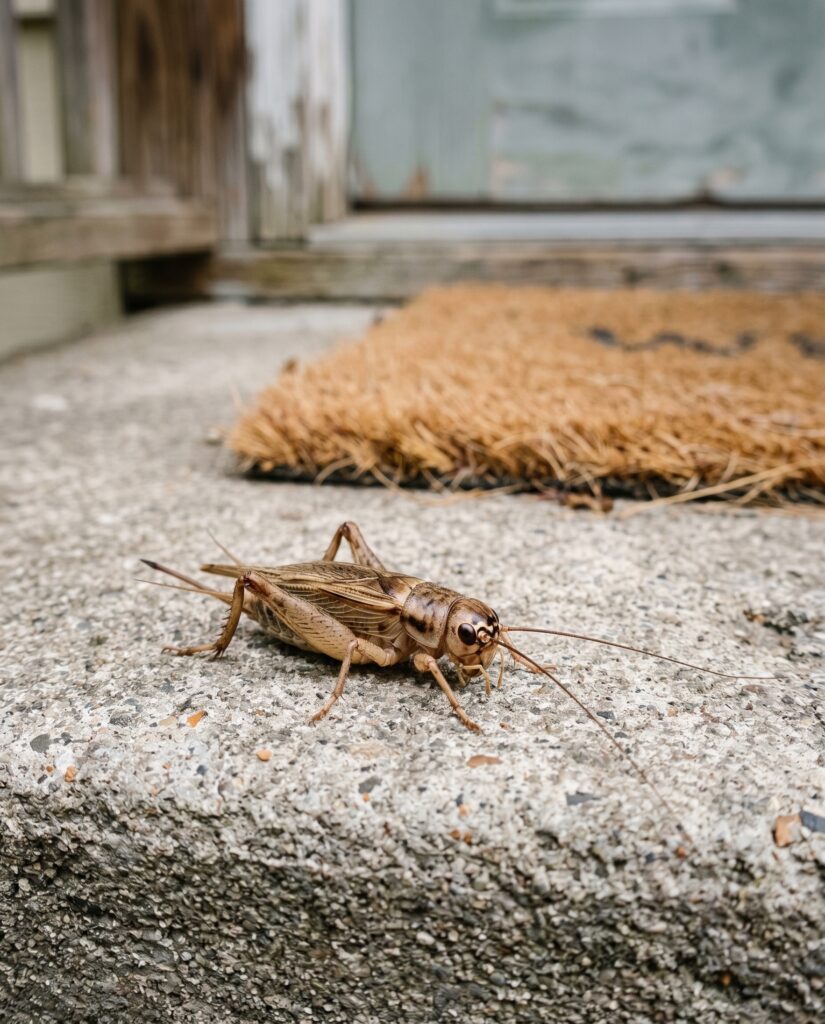
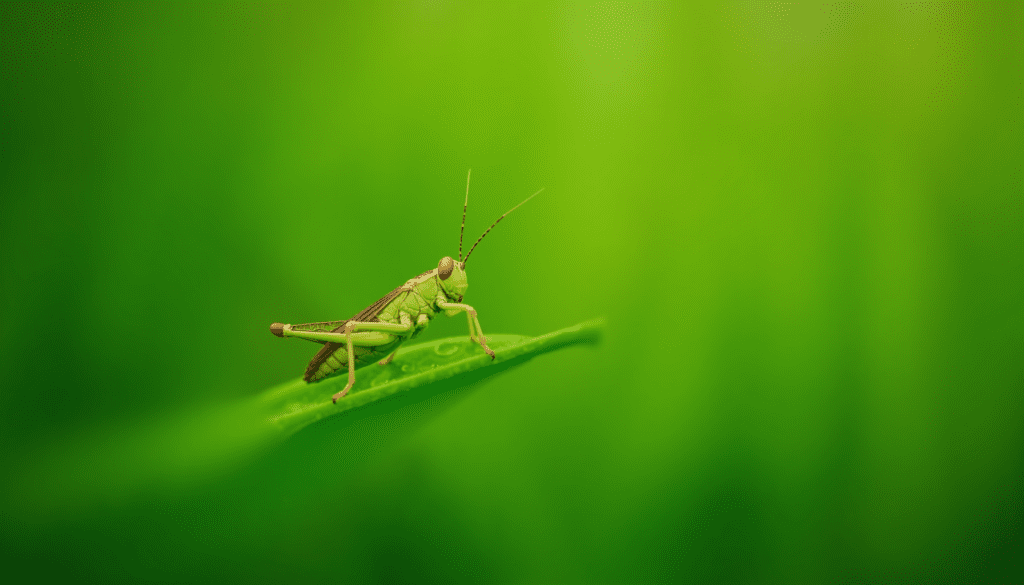
Grasshoppers and crickets are both in the order Orthoptera, but they behave differently. Many garden outbreaks involve short-horned grasshoppers (family Acrididae). Crickets (family Gryllidae) are more likely to be ground-dwelling and nocturnal, with different hot spots.
Fast ID: grasshopper vs cricket (field cues)
- Grasshoppers
- Active by day, often sunning on paths and fence lines
- Jump strongly; adults fly
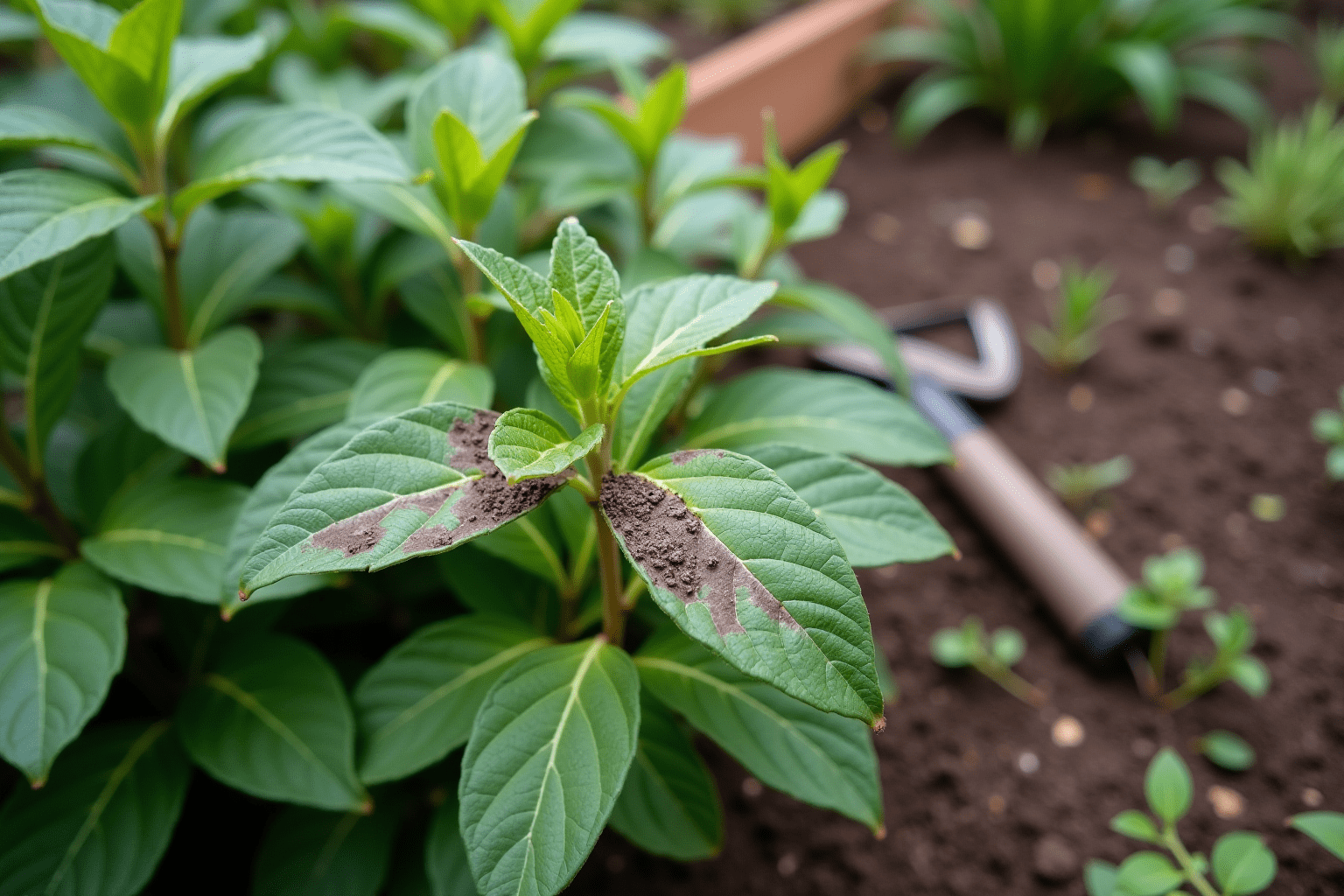
- Damage: ragged leaf edges, big irregular holes, clipped seedlings
- Crickets
- Often more active at dusk/night; hide in mulch and cracks
- Usually run and hop, less obvious daytime feeding
- Damage: can chew seedlings and soft plant parts near soil level
Visual: damage patterns to look for
- Ragged leaf margins: classic grasshopper chewing
- Large “windowpane” holes: grasshoppers or beetles depending on edges
- Seedlings cut or shredded: grasshoppers, crickets, or cutworms (inspect at night with a flashlight)
Where to look first (the “source zones”)
Most garden infestations are fueled by nearby breeding and staging areas:
- unmowed grass strips
- weedy fence lines
- dry field edges
- ornamental grasses left untrimmed
That’s why many successful plans treat the borders, not just the beds. Both Colorado State University Extension and Utah State University Extension highlight edge-focused approaches for small acreages and gardens.
Practical takeaway: if you only treat inside the garden, you often end up “refilling the problem” every day.
IPM plan that works
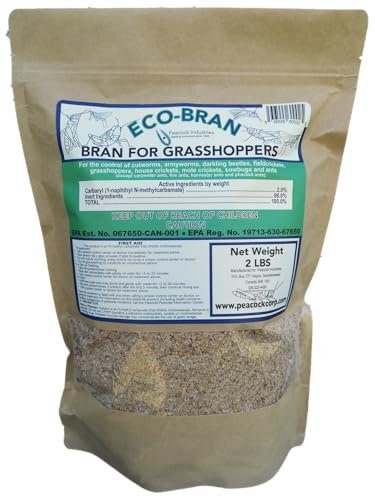
A targeted grasshopper bait option for active feeding areas, best used carefully according to the label and away from non-target areas.
- Targets grasshoppers more directly than broad plant sprays
- Useful for hot spots around garden edges and weedy borders
- Granular bait can be easier than spraying tall vegetation
- Contains carbaryl, so label precautions matter around pets, pollinators, and water
- Not a good fit for blanket use across the whole garden
The most dependable way to reduce damage is not a single spray. It’s an integrated pest management (IPM) routine that makes your garden harder to attack and easier to defend.
A good IPM plan answers four questions:
- Where are they coming from?
- What life stage is present?
- Which plants must be protected first?
- What method gives the best result with the least collateral damage?
The IPM approach described by extension services is especially important for grasshoppers because reinvasion from nearby land is common. The Colorado State University Extension grasshopper control guide is a solid reference for this “layers of defense” mindset.
Step 1: Protect high-value plants now
Start with the crops that cannot tolerate chewing:
- seedlings and transplants
- leafy greens (lettuce, chard, kale)
- herbs
- young beans and peas
Best physical option: row covers or screening.
- Install before grasshoppers arrive in numbers.
- Anchor edges tightly with soil, boards, or landscape staples.
- For large grasshoppers, consider tougher fabric or screening, not the thinnest floating cover.
If you also fight biting insects, pairing exclusion with repellency can make outdoor time easier while you work. See: How to Mosquito-Proof Your Backyard: Complete Guide and Natural Mosquito Repellents That Actually Work.
Step 2: Reduce the “runway” into your garden
Grasshoppers often march in from edges. Your goal is to disrupt that path.
Do this:
- Mow or manage tall weeds before nymphs move into beds.
- Keep a clean, monitored border strip (not bare dirt, just managed vegetation).
- Water and fertilize your garden normally, but avoid creating lush “islands” next to unmanaged, drying weeds if you can help it.
Step 3: Use trap crops to concentrate feeding
A trap crop is a decoy planting that grasshoppers prefer.
A simple trap-crop idea:
- Plant a border of tall grasses or grains (rye, wheat, timothy) early so it’s established.
- Keep it greener than surrounding areas.
- Concentrate bait or targeted treatments there rather than across the whole garden.
This approach is discussed in practical garden pest guidance such as the Pesticide Action Network grasshopper guide and is commonly recommended as a way to reduce broad spraying.
Step 4: Mechanical control for small spaces
On cool mornings, grasshoppers are slower.
Try:
- Handpicking into soapy water (fast, low-cost, surprisingly effective in small beds)
- Bottle funnel trap (bait with fresh grass)
- Clear-panel + soapy water trap near a hot feeding zone (a collision-and-drop setup)
Visual: quick “morning routine” checklist
- Walk the beds at sunrise
- Knock hoppers from plants into a bucket
- Inspect the border strip and trap crop
- Re-secure cover edges
Best grasshopper killers
Gardeners usually want two things at once: quick plant protection and fewer grasshoppers next week. That’s why it helps to separate options into “fast knockdown” vs “population suppression.”
Below are the most used categories, with realistic expectations and best-use scenarios. For product-specific rules (crops, timing, and safety), always follow the label for your region.
1) Biological bait: Nosema locustae (slow, long-term)
Nosema locustae is a protozoan pathogen formulated in bran bait. Grasshoppers eat it, become infected, and gradually weaken and die. It can also spread through feces and scavenging.
What it’s best for:
- recurring, year-after-year grasshopper pressure
- treating edges, ditch banks, and trap crops
- early-season nymphs before they disperse
What to expect:
- not an emergency “rescue”
- results build over time, often across seasons
Application tips commonly emphasized in guidance like the Colorado State University Extension recommendations and product directions:
- Apply when nymphs are roughly 1/2 to 3/4 inch long (early instars).
- Keep bait dry for 24-48 hours so it stays palatable.
- Reapply if rain or irrigation wets it soon after application.
Visual: “Is Nosema right for me?” mini-decision card
- Best for: recurring problems, early nymphs, larger properties, border control
- Not ideal for: heavy adult outbreaks that need same-day relief
- Next step: combine with barriers and targeted edge treatment
For additional background on biological control options sold to gardeners, see supplier education like the Arbico Organics grasshopper and cricket pest guide (use it for concepts, not as a substitute for label directions).
2) Neem and azadirachtin (organic, best on nymphs)
Neem-based products (neem oil or refined azadirachtin formulations) generally work as feeding deterrents and growth disruptors. They are not usually “instant killers,” but they can reduce damage when applied early and repeated as needed.
How to use it well:
- Target young grasshoppers and fresh plant growth.
- Spray in early morning or evening to reduce breakdown and avoid peak pollinator activity.
- Reapply after rain and as plants put on new leaves.
Where neem fits best:
- gardens where you want a softer option than broad-spectrum insecticides
- situations where you can combine it with row covers and hand removal
Visual: neem success checklist
- Nymphs present (not mostly adults)
- Direct coverage on feeding sites
- Repeat schedule planned
- Flowers avoided during bee-active hours
3) Conventional insecticides (fast, but use carefully)
When grasshoppers are actively chewing high-value plants, conventional insecticides can provide quick knockdown. Common active ingredients used for grasshoppers and sometimes crickets (depending on label) include carbaryl, malathion, permethrin, bifenthrin, and other pyrethroids.
Key trade-offs:
- Broad-spectrum products can harm beneficial insects if misapplied.
- Residual control is limited, so reinvasion can require follow-up.
- Some formulations are restricted to ornamentals, not edibles.
How to get better results with less spraying:
- Treat borders and source zones first, not just the middle of the garden.
- Spray in calm conditions to reduce drift.
- Avoid spraying open flowers and pollinator-active times.
- Coordinate with neighbors if you share a fence line and both have outbreaks.
For timing and edge-treatment strategies in small acreages and gardens, the Utah State University Extension grasshopper article and the Colorado State University Extension guide are practical references.
Visual: “edge-first” spray plan (simple map)
- Zone A: weedy strip / ditch bank (source)
- Zone B: fence line / border planting (intercept)
- Zone C: garden beds (protect only if needed)
If you’re also planning outdoor applications for other pests, keep your overall exposure and pollinator risk in mind. For personal protection while you garden, see Best Mosquito Repellents: DEET, Picaridin & Natural Options and planting strategies like Best Mosquito Repellent Plants for Your Garden.
Common myths
Grasshopper control attracts big promises and bigger frustration. Clearing up a few myths prevents wasted time and repeat damage.
Myth 1: “One treatment will solve it.”
Reality: grasshoppers are mobile. Even strong products have limited residual, and new insects can arrive from nearby unmanaged areas. That’s why extensions recommend border management and early timing, not just repeated bed spraying.
Myth 2: “Nosema bait is a quick fix.”
Reality: Nosema baits are for suppression, not instant knockdown. They work best on nymphs and are most useful when grasshoppers are a recurring seasonal problem, as emphasized in guidance like the Colorado State University Extension grasshopper control resource.
Myth 3: “If they’re adults, it’s hopeless.”
Reality: adult control is harder, but you can still protect plants by:
- covering vulnerable beds
- handpicking in the morning
- treating borders to reduce daily reinvasion
- using targeted sprays only where justified
Myth 4: “Natural means harmless.”
Reality: even organic sprays can affect non-target insects if used carelessly. Traps can also catch beneficials. The goal is always targeted control with minimal spillover.
Visual: “myth vs reality” quick recap
- Early nymphs = best chance
- Borders matter as much as beds
- Barriers are often the most consistent non-chemical tool
- Choose the least disruptive option that protects your plants

Final verdict
Effective grasshopper control in gardens comes down to timing, exclusion, and smart targeting. Start early when nymphs are small, block access to your most valuable plants with covers or screening, and treat the edges where grasshoppers originate and travel. Use biological baits like Nosema locustae for longer-term suppression, and reserve conventional sprays for situations where damage is escalating and labels allow safe use.
Next step: walk your garden border today, identify the source zones, and set up one barrier or trap before the next feeding wave. For more backyard pest planning, review How to Mosquito-Proof Your Backyard: Complete Guide and Natural Mosquito Repellents That Actually Work.