If you’re stuck on cricket vs grasshopper, the fastest clue is the antennae: crickets usually have very long, thread-like antennae, while grasshoppers have short, stout antennae. That one detail solves most backyard IDs in seconds. Still, songs, activity time (day vs night), and even where their “ears” sit can confirm what you’re seeing. This guide breaks down the differences between crickets and grasshoppers with practical field tips, common myths, and what it means for your garden or home.
Bottom line: Crickets usually have very long antennae, flatter bodies, and sing mostly at night. Grasshoppers usually have shorter antennae, stronger jumping bodies, and are active in daylight.
- Long antennae usually point to crickets.
- Short antennae and daytime plant feeding point to grasshoppers.
- Locusts are grasshoppers in a swarm-forming phase, not a separate everyday yard insect.
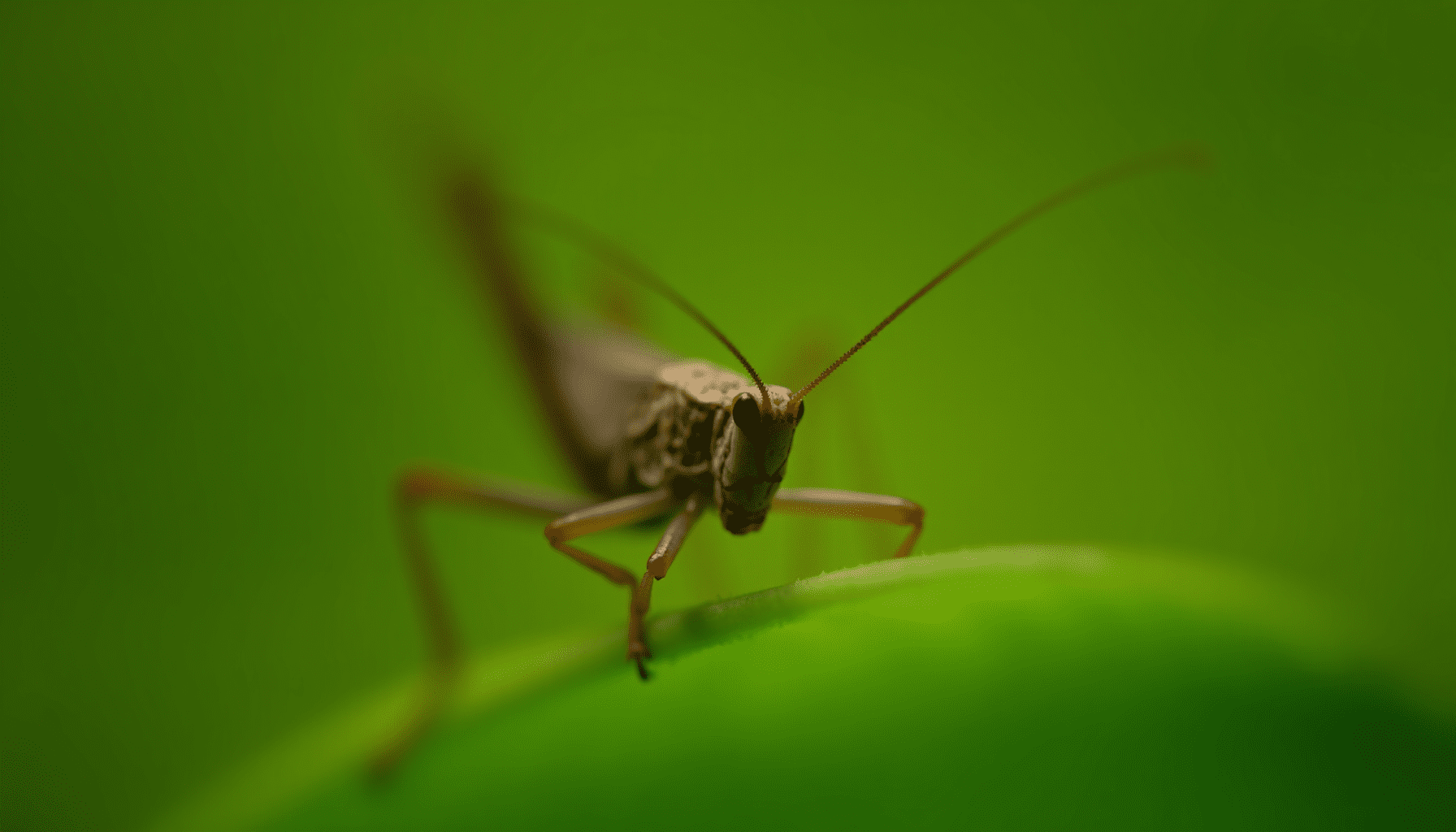
If you want the wider context, How to Raise Crickets at Home and Why Do Crickets Chirp? are the natural next reads.
Quick answer
In the cricket vs grasshopper matchup, use this rapid checklist to identify what you found:
- Antennae
- Cricket: long and thin, often body-length or longer
- Grasshopper: short and thicker, usually much shorter than the body
- When you notice them
- Cricket: more active and vocal at dusk/night
- Grasshopper: more active in daylight, especially warm sunny hours
- How they “sing”
- Cricket: chirps by rubbing forewings together
- Grasshopper: rasps/buzzes by rubbing hind legs against wings
- Diet tendency
- Cricket: often omnivorous (plants + dead material + small insects)
- Grasshopper: mostly herbivorous (grasses and leafy plants)
Bottom line: Long antennae at night usually means cricket. Short antennae in daytime grass usually means grasshopper.
Identification basics
Both insects can look “hopper-like” at a glance, so it helps to start with what entomologists use: taxonomy and a few body features that rarely lie. Crickets and grasshoppers both belong to the order Orthoptera, the group known for strong jumping legs, leathery forewings (tegmina), and a life cycle with no pupal stage (egg, nymph, adult). The big split happens one level down.
According to the Amateur Entomologists’ Society Orthoptera overview, most grasshoppers fall under Caelifera (often called short-horned grasshoppers), while true crickets and katydids/bush-crickets fall under Ensifera (long-horned Orthoptera). That division explains why antenna length is such a reliable first check.
Here’s a simple “ID ladder” you can use in the yard:
- Look at antennae first
- If they’re short, think grasshopper (Caelifera).
- If they’re very long, think cricket/katydid (Ensifera).
- Check the setting
- Open, sunny grassland or lawn edges often favors grasshoppers.
- Dense shrubs, leaf litter, and areas near buildings often produce crickets.
- Use sound and timing
- Daytime buzzing/rasping points to grasshoppers.
- Night chirping points to crickets.
Visual break: quick “two-card” ID
-
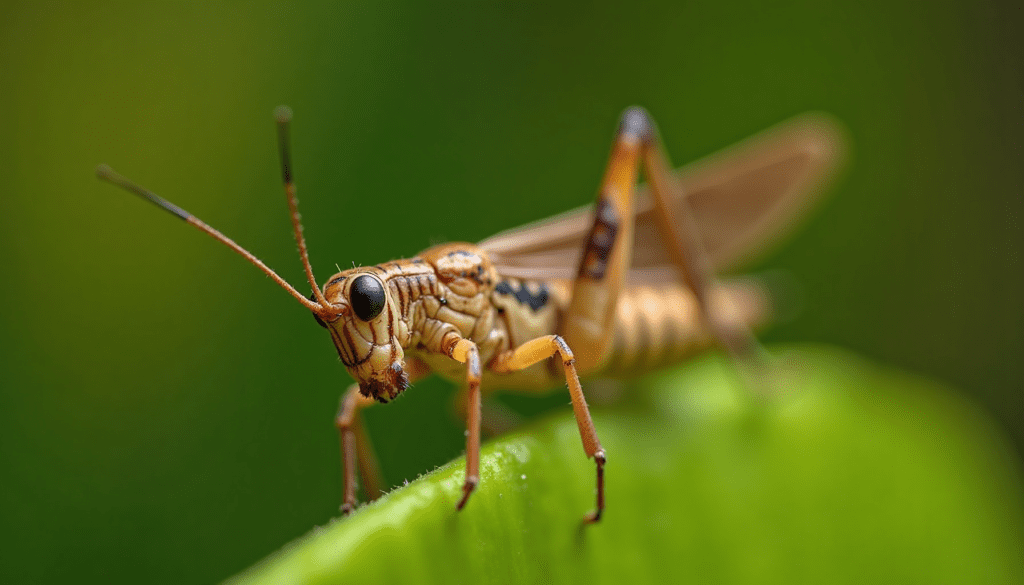
Likely a grasshopper
- Short antennae
- Daytime activity
- Often seen perched on grass stems or bare ground in sun
-
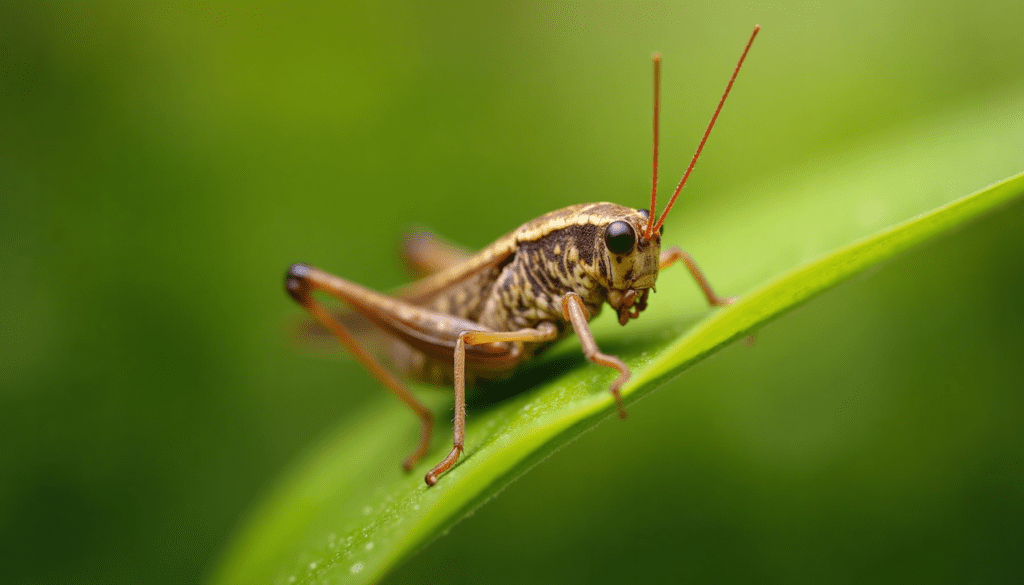
Likely a cricket
- Long antennae
- Nighttime chirping
- Often heard before seen, hiding in vegetation or crevices
If you enjoy comparison-style IDs, you may also like our guide to Bee vs Wasp vs Hornet: Key Differences You Need to Know – the same “one feature first” approach works well there, too.
Key differences
Most confusion comes from shared “Orthoptera features” – jumping legs, similar body plan, and earthy colors. But once you know where to look, the differences between crickets and grasshoppers become obvious.
1) Antennae: short-horned vs long-horned
This is the headline trait. Grasshoppers are commonly called short-horned because their antennae are typically shorter than the body. Crickets (and katydids) are long-horned, with antennae that can match or exceed body length. General references like Encyclopaedia Britannica’s comparison and conservation explainers such as Buglife’s guide to telling them apart highlight antenna length as a primary field mark.
2) Sound: wings vs legs
Both groups “sing,” mostly males, and mostly for mating. The mechanism differs:
- Crickets chirp by rubbing forewings against each other.
- Grasshoppers often rasp or buzz by rubbing hind legs against the forewings.
If you’ve ever heard a steady nighttime chirp outside a window, that’s classic cricket behavior. If you’ve heard a dry daytime rattle in a sunny field, that often points to grasshoppers.
3) Hearing: where the “ears” are
Orthopterans detect sound with tympanal organs (thin membranes). The location is a real diagnostic trait:
- Grasshoppers: tympana on the sides of the first abdominal segment.
- Crickets and katydids: tympana on the front legs (often described as near the “knees”).
You usually need a close photo to see this clearly, but it’s a strong confirmation when antenna length is hard to judge.
4) Daily schedule: day vs night
A practical behavioral difference:
- Grasshoppers are commonly diurnal.
- Many crickets are crepuscular or nocturnal.
5) Diet: mostly plants vs mixed menu
Grasshoppers are mainly plant feeders, often focusing on grasses and herbaceous plants. Many crickets are omnivores, scavenging and sometimes preying on small insects as well as eating plant material.
Visual break: “What you’ll notice first” checklist
- Long antennae + night chirping = cricket
- Short antennae + sunny grass hopping = grasshopper
- Unsure? Get a clear side photo and zoom in on antennae and leg structure
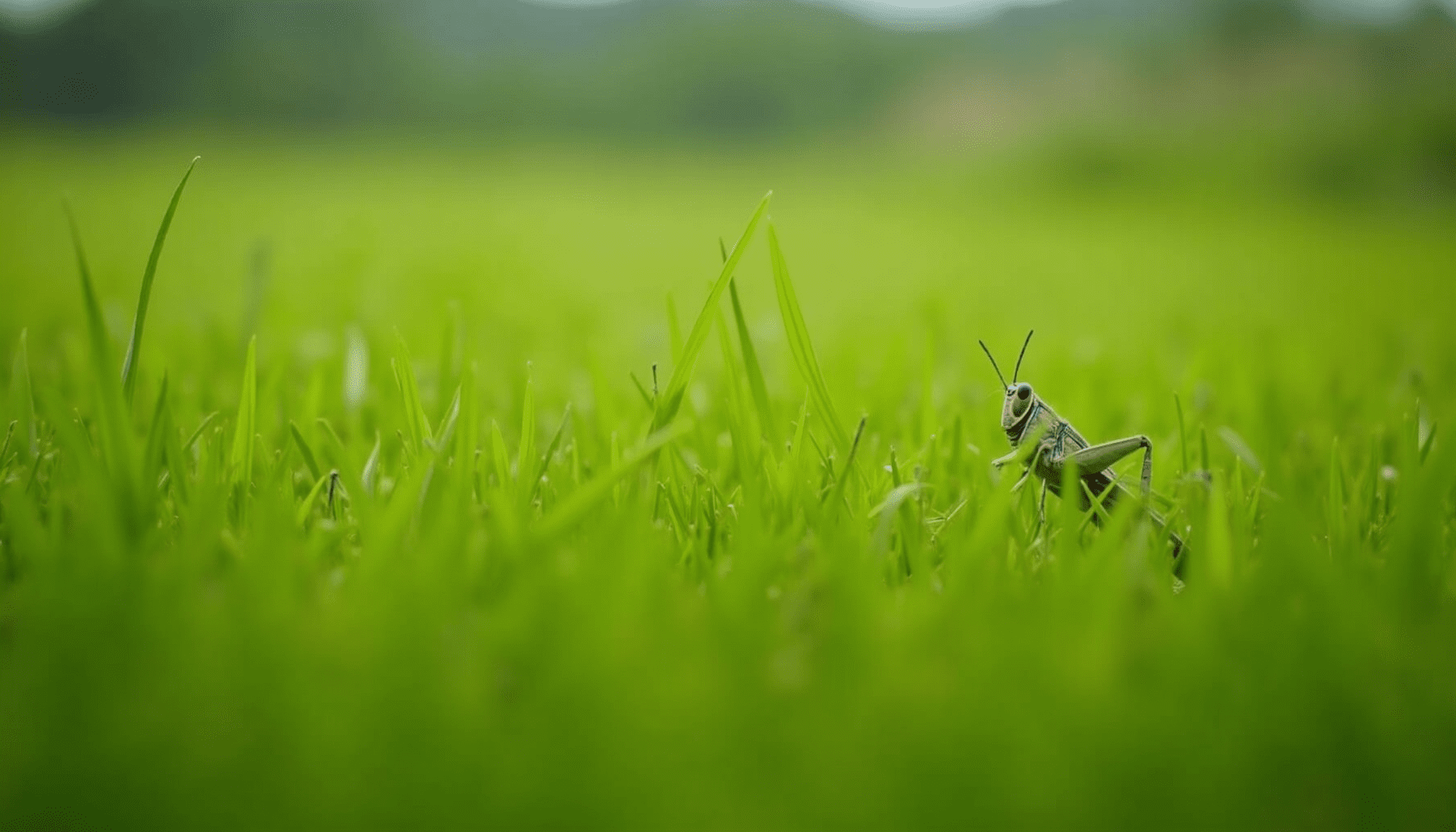
Field guide tips
You don’t need a microscope to identify cricket vs grasshopper in real life. You need a repeatable process that works with a moving insect, imperfect light, and a quick glance before it jumps.
Step-by-step backyard ID
-
Freeze the moment
- Don’t chase it. Pause and watch where it lands.
- Many grasshoppers rely on camouflage and will sit still again.
-
Estimate antenna length
- If antennae look like short “nubs,” that strongly suggests grasshopper.
- If antennae look like long threads sweeping forward and back, that strongly suggests cricket or katydid.
-
Note the time and temperature
- Warm mid-day sun in open grass favors grasshoppers.
- Evening and nighttime calling favors crickets.
-
Listen for the sound style
- Cricket: rhythmic chirps, often in repeating phrases.
- Grasshopper: buzzing, rasping, or crackling notes, often during flight or short bursts.
-
Check habitat clues
- Grasshopper hotspots: meadows, field edges, tall grass, dry open areas.
- Cricket hotspots: shrubs, leaf litter, mulch beds, under steps, garages, crawlspace edges.
Visual break: “Where you found it” mini-map
- Lawn, meadow, roadside grass: grasshopper more likely
- Mulch, leaf litter, under boards: cricket more likely
- Inside the house chirping at night: usually a house cricket, not a grasshopper
Photo tips for confident ID
If you’re snapping a quick phone photo for later:
- Get a side view showing antenna length relative to the body.
- Try a front-leg shot if possible (for tympanal organs in crickets).
- Capture the whole body, not just the head, since overall shape helps.
If you’re routinely identifying small household insects, our Ant Identification Guide: 20 Common Species With Pictures shows the same approach: start with one high-confidence trait, then confirm with habitat and behavior.
Locusts explained
Locusts cause a lot of confusion in the cricket vs grasshopper conversation, so here’s the clean answer: locusts are grasshoppers. They are not a separate “third type” alongside crickets and grasshoppers.
As described in Encyclopaedia Britannica’s locust definition, a locust is a short-horned grasshopper (family Acrididae) that can, under certain conditions, shift into a swarming, migratory phase. In other words, “locust” is largely about behavior and population dynamics, not a totally different kind of insect.
What triggers “locust mode”?
In broad terms, some grasshopper species respond to:
- high population density
- environmental stress (like drying habitats)
- repeated physical contact and crowding
Those pressures can lead to changes in behavior and sometimes body coloration, pushing them toward group movement and long-distance migration.
Visual break: locust vs grasshopper (simple card)
- Grasshopper: usually solitary, local movement, typical feeding levels
- Locust (a grasshopper in gregarious phase): can form large groups and travel far, with major crop impact
What this means for homeowners
If you see a few “locust-looking” insects in your yard, it does not mean a swarm is coming. Most grasshopper species never form destructive swarms, and even locust species only do so under specific regional conditions.
Garden and home impact
Most people searching cricket vs grasshopper want one of two things: an ID for curiosity, or a practical answer about noise, plant damage, or indoor sightings. Here’s how these insects typically affect gardens and homes, without assuming the worst.
Are they dangerous?
For people and pets, crickets and grasshoppers are not dangerous. They don’t sting. They can nibble if handled roughly, but bites are uncommon and minor.
In the garden: who eats what?
- Grasshoppers are the more likely cause of noticeable leaf chewing, especially on tender garden plants during warm, dry periods. Damage often looks like ragged edges or missing chunks.
- Crickets are often scavengers and opportunistic feeders. Some may nibble seedlings or soft plant parts, but many also consume decaying material and small insects.
Visual break: quick damage clues
- Chewed leaves in sunny beds + you see short-antenna hoppers = grasshopper likely
- Seedlings clipped near soil + activity at night = cricket possible (also check for slugs)
Indoors: the classic nighttime chirper
If something is chirping inside at night, it’s commonly a house cricket (Acheta domesticus) or a related indoor-friendly cricket species. Grasshoppers may wander in by accident, but they rarely settle and reproduce indoors the way house crickets can.
Practical steps if a cricket gets indoors:
- Locate by sound: turn off TVs and fans, listen from room to room.
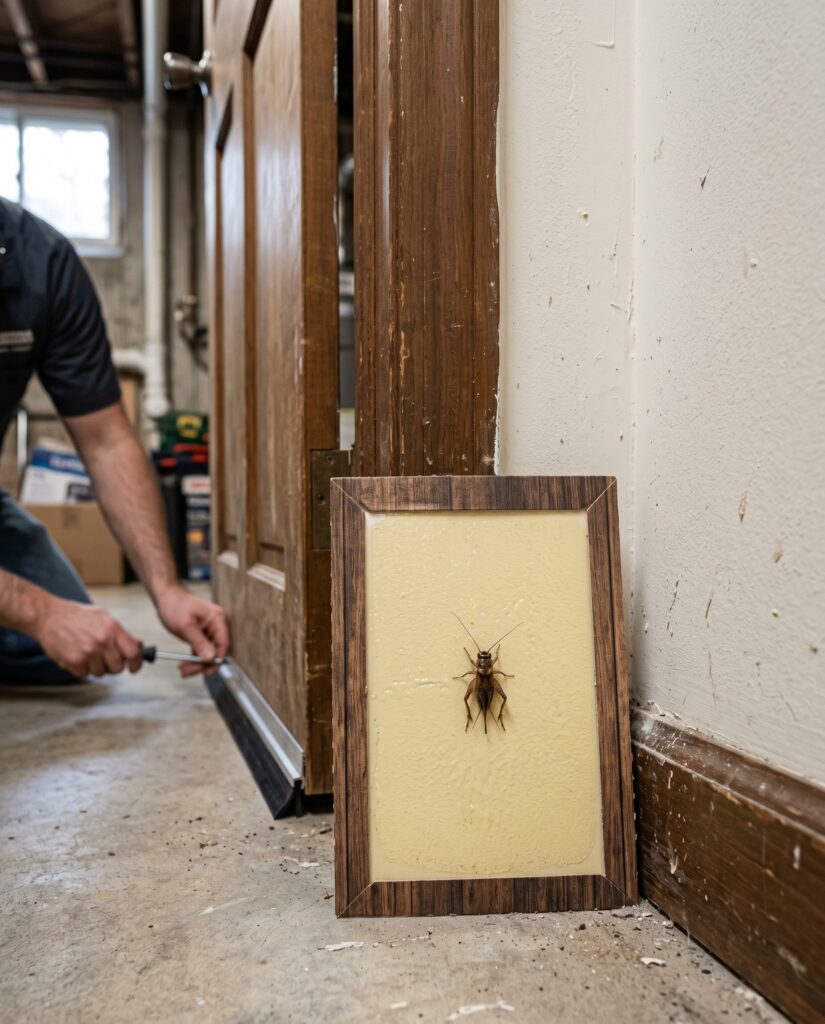
- Trap: place a shallow container with a bit of food bait (like a small piece of bread or pet kibble) and check it after lights-out.
- Reduce entry points: repair screens, add door sweeps, seal gaps around pipes.
- Lower attraction: reduce outdoor lighting near doors if it’s drawing insects in.
If you’re dealing with multiple insect lookalikes around lights or windows, it helps to practice “feature-first” identification. Our Honey Bee vs Bumble Bee: Discover the Key Differences Today is a good example of how small body details can prevent misidentification.

Myths and mix-ups
A few misconceptions keep showing up in comments, garden forums, and even casual nature guides. Clearing them up makes identification easier and prevents unnecessary worry.
Myth 1: “Crickets and grasshoppers are basically the same insect.”
They’re related (both Orthoptera), but they sit in different suborders with consistent differences in antennae, hearing organs, and sound production. Overviews like the Canal and River Trust identification guide and Buglife’s comparison emphasize these traits because they work in the field.
Visual break: “same order, different branches”
- Orthoptera (shared order)
- Caelifera: grasshoppers and locusts
- Ensifera: crickets and katydids/bush-crickets
Myth 2: “Size always tells you which is which.”
Size overlaps a lot. Both can range from roughly 0.6-2 in (15-50 mm) depending on species and region. Antennae length and behavior are more dependable than size.
Myth 3: “Only crickets sing.”
Both groups make sounds, usually males. The difference is the instrument:
- crickets: wings
- grasshoppers: legs against wings (common) or other stridulation methods depending on species
Myth 4: “Locusts are a separate kind of insect.”
Locusts are grasshoppers with a swarming phase, not a separate order.
Myth 5: “Crickets are always harmless; grasshoppers are always pests.”
Reality is situational. Most grasshoppers cause minor feeding. Only certain species and outbreak conditions create big problems. Many crickets are helpful scavengers, but some can nibble plants or become indoor nuisances.
Visual break: memory aids that actually stick
- Cricket is a LONG game – crickets have long antennae
- Grass-hopper – think grass, sunshine, and short antennae
- Crickets chirp with wings; grasshoppers rasp with legs
Final verdict
Cricket vs grasshopper identification comes down to a few reliable cues: antennae length first, then confirm with time of day, song style, and habitat. Long, thread-like antennae and nighttime chirping point to crickets. Short antennae and sunny-day hopping in grass point to grasshoppers. Locusts fit on the grasshopper side of the family tree.
Next step: the next time you spot one, take a quick side photo that shows antenna length, then compare it to these checklists. For more “lookalike” IDs, browse our Bee vs Wasp vs Hornet: Key Differences You Need to Know and the Ant Identification Guide: 20 Common Species With Pictures to sharpen your insect-spotting skills.