
Here is the surprise about spider bites: most of the marks people blame on spiders never came from a spider at all. Spiders rarely bite people, and when a mystery bump or sore shows up, the real culprit is usually another insect or a skin infection. A genuine bite from a harmless spider is a minor event, a single red welt that itches a little and fades on its own within a few days. The bites that actually matter come from two spiders and have specific signs: a black widow brings severe pain and muscle cramps, and a brown recluse leaves a sore that spreads and darkens, sometimes with a fever. This guide shows you which marks are nothing, which ones mean see a doctor, and which need emergency care.
Most reported spider bites are not from spiders; a real bite from a harmless spider is a small welt that fades, so the signs that change the plan are a black widow’s severe pain and cramps or a brown recluse’s spreading, darkening sore with fever.
- Usually not a spider: A single itchy red bump with no other symptoms is far more often another insect, or a skin infection, than a spider.
- See a doctor: Severe pain and muscle cramps, or a sore that grows, darkens, or breaks down with fever, which can point to a black widow or brown recluse.
- Get emergency help: Trouble breathing, throat or tongue swelling, dizziness, or hives spreading fast, which can mean a severe allergic reaction.
Are spider bites common
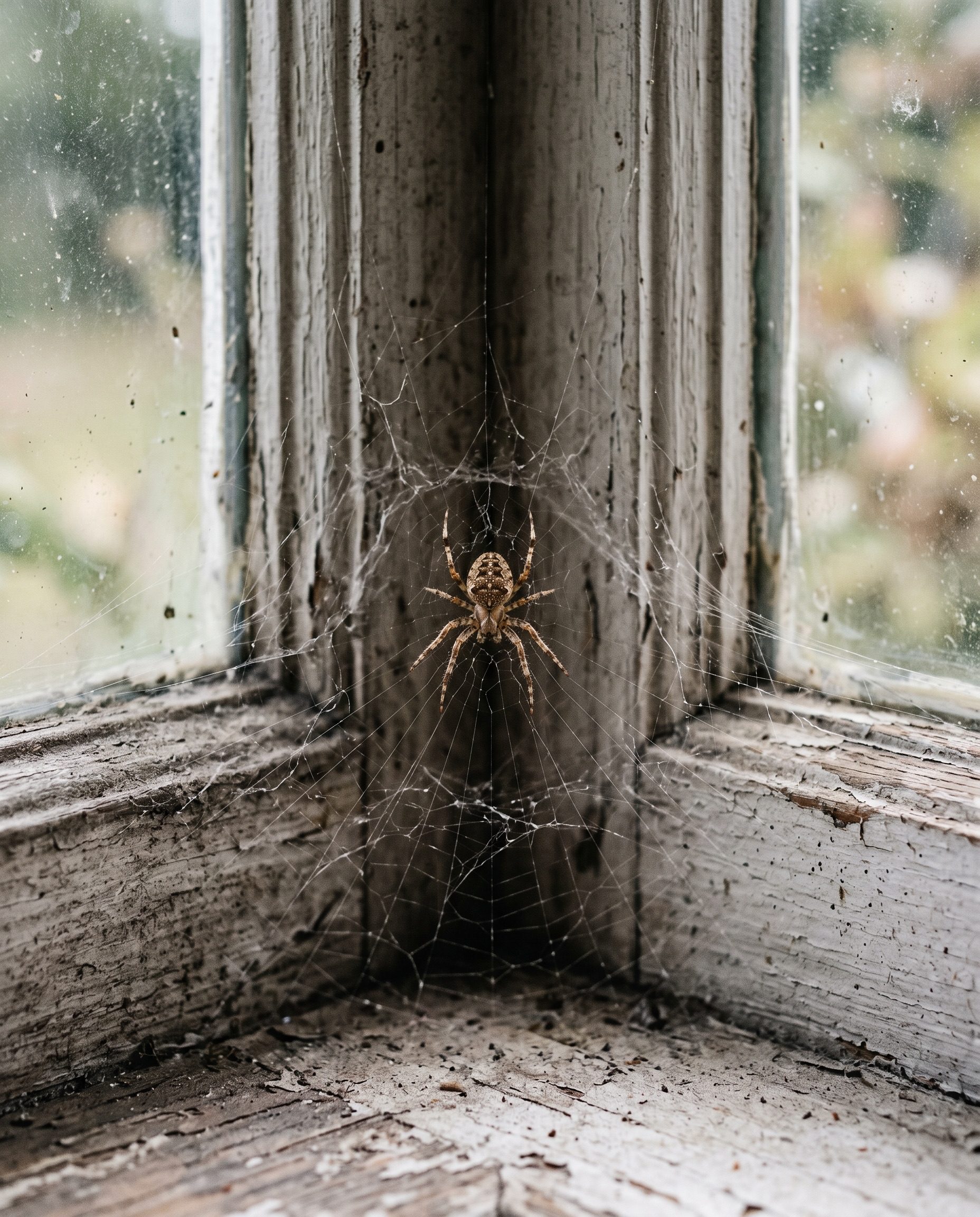
Not nearly as common as people think. Spiders are not blood feeders and have no reason to seek out a person, so they bite only when they feel trapped, usually pressed against skin inside clothing, shoes, or bedding. The bite you are sure you got may not be a bite at all, and assuming it is sends a lot of people down the wrong path.
This matters because the alternatives are more likely and, in some cases, more treatable. Many marks blamed on spiders are bites from fleas, mosquitoes, mites, or bed bugs, or they are skin problems like an ingrown hair, a cyst, or a bacterial infection. MedlinePlus, the NIH consumer health service, lays out what spider bites look like and when to get care, and the honest summary is that most bites from common house spiders are harmless. If a sore is getting worse, the cause is worth checking rather than guessing.
What a normal bite looks like
When a harmless spider does bite, the reaction is usually unremarkable. You get a small red bump, maybe two close puncture points, mild swelling, and an itch or a little soreness right at the spot. It behaves like most minor insect bites, peaking within a day and easing over the next few days without spreading or making you feel sick.
Common indoor spiders in the United States, like the house spider (Parasteatoda tepidariorum) and the long-bodied cellar spider, are not a medical threat to people. The vast majority of spiders you meet around a home fall in this group, which is why the default assumption for an ordinary bump should be calm, not alarm. If a bite stays small and fades, there is nothing to chase and nothing to treat beyond easing the itch.
When to see a doctor
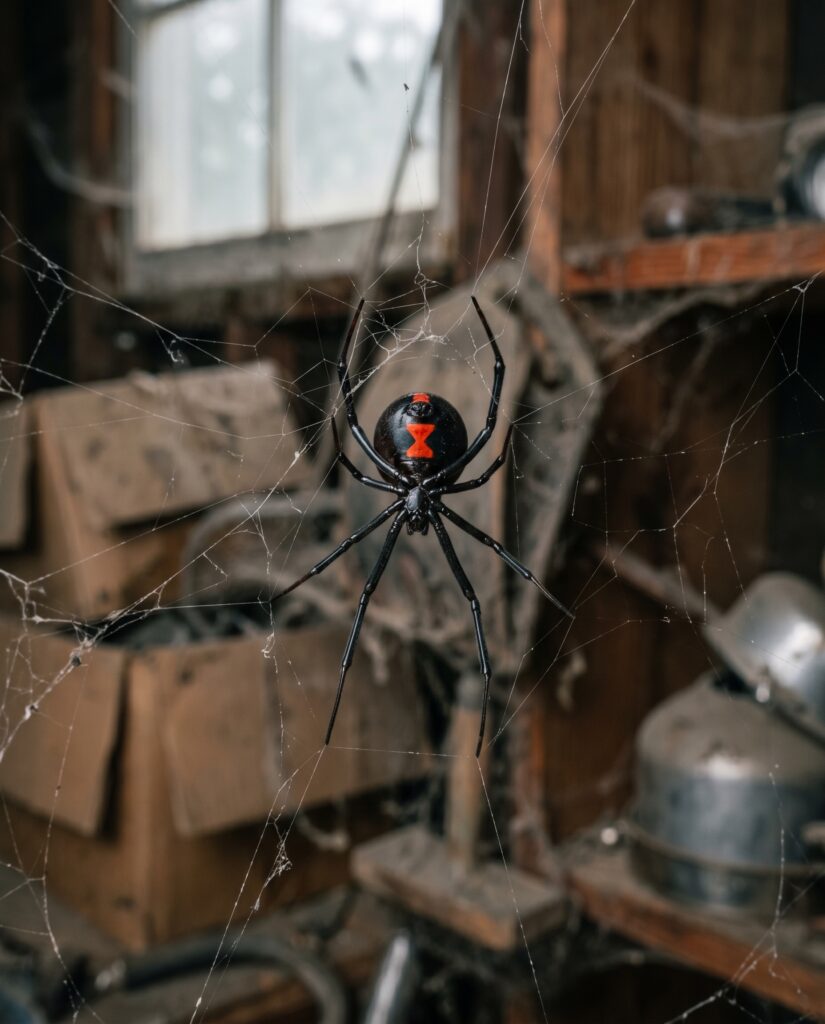
The two spiders worth knowing in the US are the black widow and the brown recluse, and each leaves a different signature. A black widow bite is mostly about pain and the nervous system, while a brown recluse bite is mostly about the skin at the site. Here is how the warning signs sort out:
| Sign | What it can mean | What to do |
|---|---|---|
| Severe pain, cramping, sweating, belly rigidity | Possible black widow bite | Seek medical care promptly |
| A sore that grows, darkens, and breaks down over days | Possible brown recluse bite | Seek medical care promptly |
| Spreading redness, warmth, pus, or red streaks | Possible skin infection | Contact a healthcare provider |
| Fever or feeling generally unwell after a bite | Body-wide response to venom or infection | Seek medical care promptly |
A black widow’s bite can be felt as a sharp prick, then build into severe pain, cramping, and muscle spasms in the abdomen, back, or legs within a couple of hours, because a black widow’s venom acts on the nervous system rather than the skin. A brown recluse bite is often painless at first and then turns into a sore that grows, darkens, and breaks down over days, sometimes with fever. If you have severe pain and cramps, or a wound that is clearly worsening, stop home care and get checked, because a provider can confirm what is happening and decide on treatment. It helps to know your spiders too: see our black widow identification guide and brown recluse identification guide.
Call a doctor right away if
A severe allergic reaction to any bite or sting is rare, but it is the one situation that cannot wait, so it gets its own section. Get emergency medical help right away for signs of anaphylaxis: trouble breathing, swelling of the throat, tongue, or lips, tightness in the chest or throat, dizziness or fainting, a fast heartbeat, or hives spreading quickly over the body. These signs mean call emergency services, not wait and see. If the affected person has a known severe insect allergy and an epinephrine auto-injector such as an EpiPen has been prescribed, use it as directed and still get emergency care, because symptoms can return.
Beyond allergy, treat a confirmed or strongly suspected widow or recluse bite as a reason to be seen promptly, especially in a child, an older adult, or anyone with severe symptoms. Keeping this in proportion matters: serious envenomation is uncommon, and the point is to recognize it quickly if it happens, not to fear every spider in the basement.
First aid at home
For an ordinary bite from a harmless spider, home care is simple, and the main goal is to keep the skin clean and intact. Wash the area with soap and water, use a cool compress to take down swelling and itch, and resist scratching so you do not open the skin to infection. Elevating a swollen limb can help.
For the itch, an over-the-counter antihistamine or hydrocortisone cream eases symptoms for some people; follow the product label, and ask your pharmacist if you are unsure or if the bite is on a child. There is no home remedy that “draws out” venom, and no dose or product to chase for a routine bite. If you think the spider was a widow or a recluse, skip the home experiments and get medical advice instead.

Keep spiders out of the house
Prevention does more here than any after-the-fact fix, and it works because spiders follow their food and their hiding spots. Fewer hiding places means fewer spiders, so the highest-value moves are physical, not chemical. Reduce clutter in basements, garages, and closets where spiders like to settle, and store boxes off the floor and sealed.
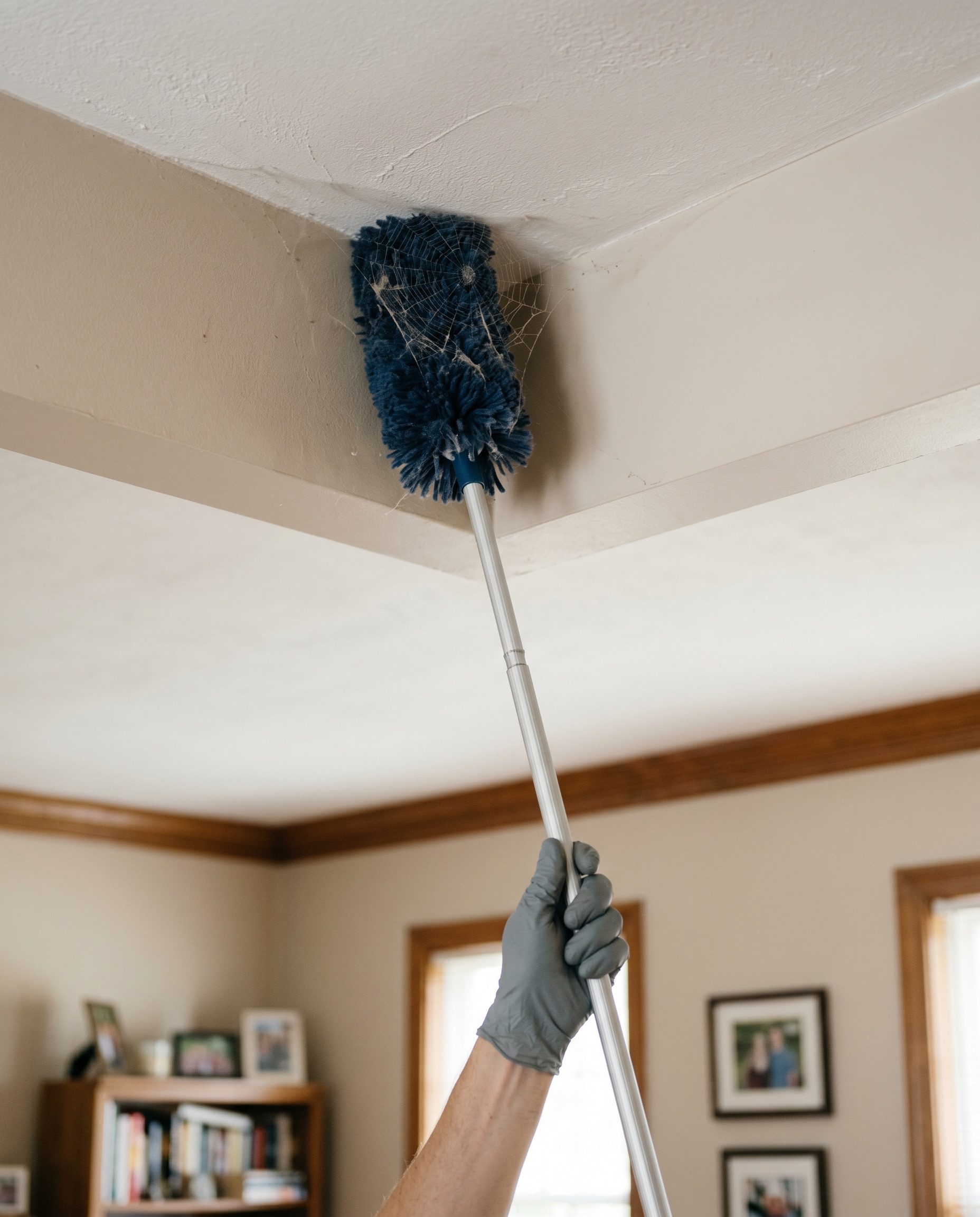
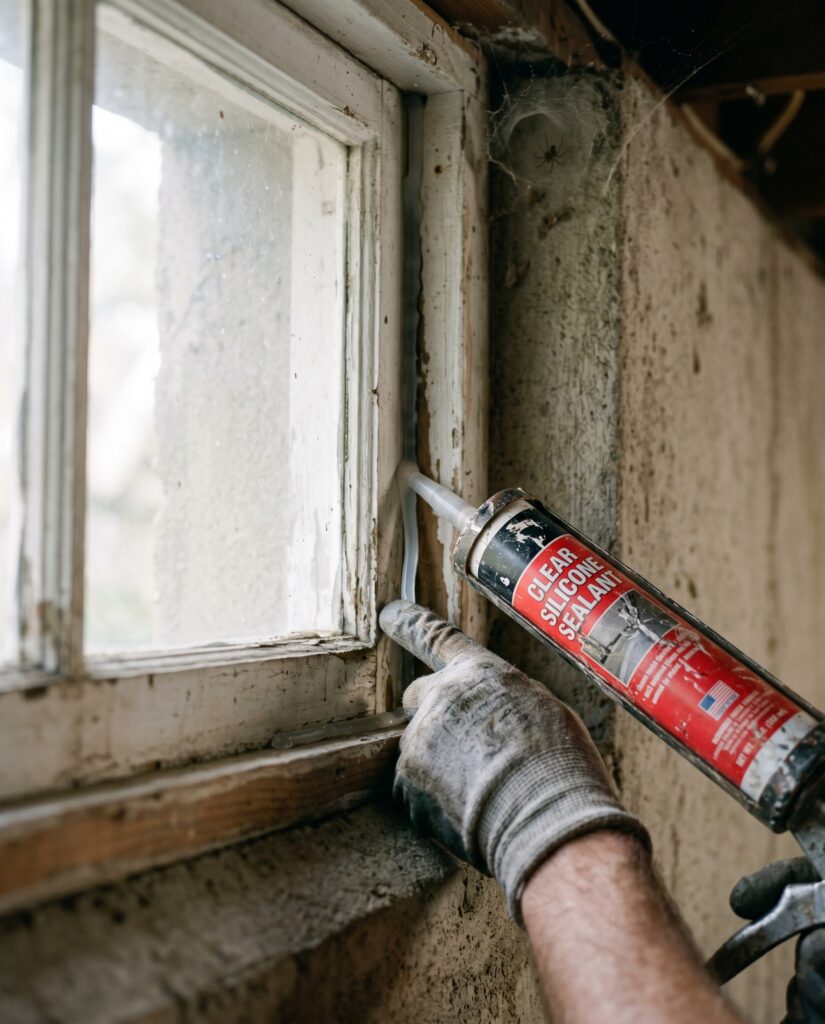
Seal the gaps that let them in: caulk or weatherstrip around windows, doors, vents, and utility lines, and add door sweeps where you can see daylight underneath. Knock down webs with a vacuum or duster and clear leaf litter and woodpiles away from the foundation, since those harbor the insects spiders feed on. For a full walkthrough of exclusion and cleanup, see our guide to getting rid of spiders in the house. Shaking out shoes, gloves, and stored clothing before use is the single best habit for avoiding the trapped-against-skin bites that do happen.
When it’s not a spider bite
This is the section most articles skip, and it is the most useful one. Because spider bites are over-blamed, a “bite” that is spreading, oozing, or refusing to heal is often something else entirely, and the University of Kentucky’s entomologists note that recluse bites are widely over-diagnosed, frequently outside the regions where recluses even live. A common skin infection such as MRSA can look a lot like the wound people picture as a “spider bite,” and it needs different care.
Other look-alikes include bites from fleas, mosquitoes, or mites, contact dermatitis, hives, folliculitis, and cysts. A clue: most insect bites appear on exposed skin and stay small, while widespread, symmetric, or rapidly spreading rashes usually have a non-spider cause. This is not a diagnosis you can finish at home. If the cause is unclear or a sore is getting worse, get it checked, because the right treatment depends on the right cause, and a provider can tell these apart.
Common questions
How can I tell a real spider bite from another bug bite?
Often you cannot from the mark alone, since spider, flea, mosquito, and mite bites look similar. A bite is most likely a spider only if you actually saw the spider bite you. For anything that spreads or worsens, the cause matters more than the label, so have it looked at.
How long does a normal spider bite last?
A harmless bite usually settles over a few days, much like a mosquito bite. If a bite is getting larger, more painful, or darker after a day or two instead of better, treat that as a reason to see a doctor rather than wait.
What does a brown recluse bite look like?
It is often painless at first, then over several days it can become a deepening sore that darkens and breaks down, sometimes with fever or body aches. Many wounds blamed on recluses are actually infections, so a clinician should confirm rather than assume.
Should I bring the spider to the doctor?
If you can safely capture it without risking another bite, a clear photo or the spider itself can help with identification. Never handle a suspected widow or recluse with bare hands; a picture is enough.
Are most spider bites dangerous?
No. The large majority of bites attributed to spiders are either harmless or not spider bites at all. Only a small number of US spiders, mainly widows and recluses, cause bites that need medical care.
Final verdict
The most useful thing to know about spider bites is how rarely spiders are actually the cause. Spiders avoid people and bite only when trapped, and a real bite from a common house spider is a small welt that fades with basic care. Keep your attention on the signs that genuinely change the plan: severe pain and muscle cramps that can follow a black widow, a spreading and darkening sore that can follow a brown recluse, and the emergency signs of a severe allergic reaction. When a mark is worsening or you are not sure what caused it, get it checked, because the cause is often something other than a spider, and that distinction decides the treatment.
This guide is information, not medical advice. Use it to know when home care is fine and when it is not, and defer to your clinician for anything that worries you.
This article is for information only and is not medical advice.

Pingback: Hobo Spider Identification: Facts vs the Scary Stories
Pingback: Brown Recluse Spider Identification: Violin, Eyes and Range
Pingback: Black Widow Spider Identification: How to Spot One Safely