n
n
n
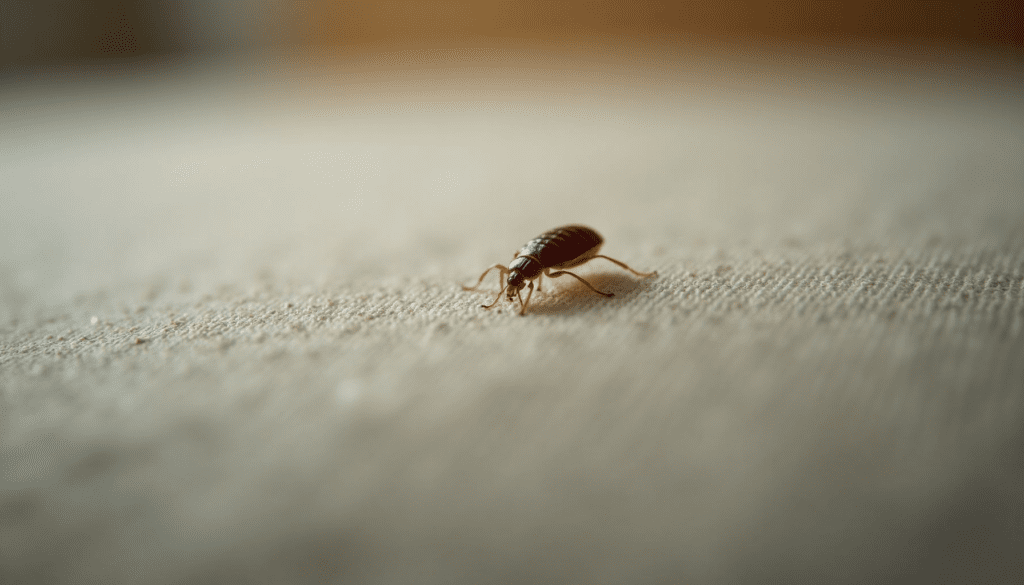
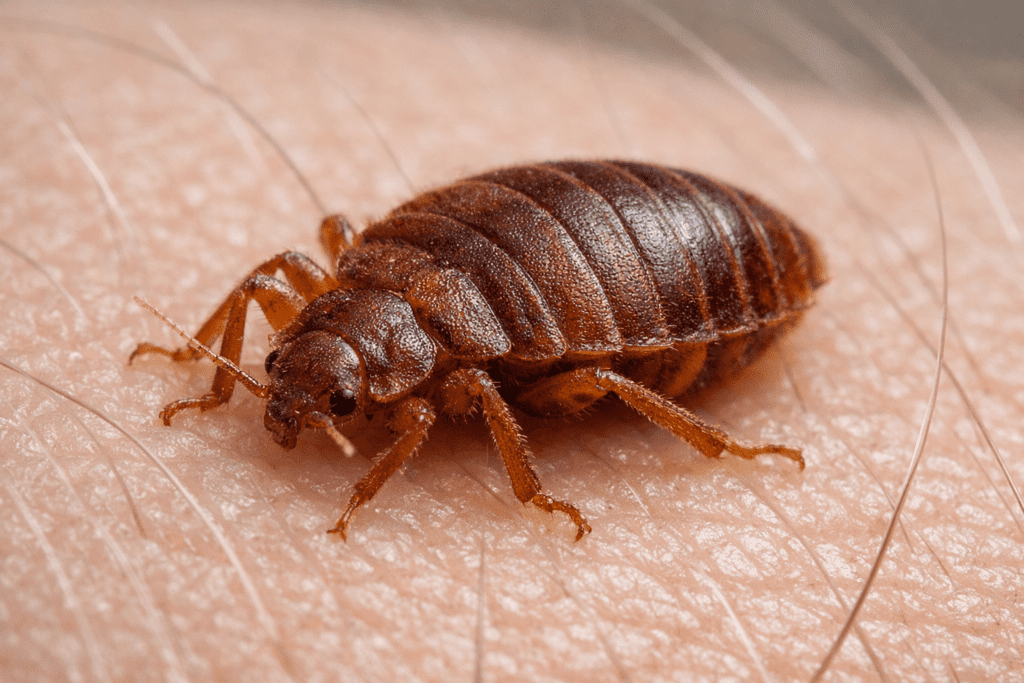
If you are fighting bed bugs, there is no single best bed bug spray, only the right spray for the job in front of you. Match a ready-to-use contact-plus-residual can to general treatment, a multi-active concentrate to a resistant infestation, and a plant-based formula to the spots where the label allows direct mattress contact. The short answer: skip the old pyrethroid-only cans, because today’s bed bugs are widely resistant to them, and treat the spray as one tool inside the full sequence of laundering, encasing, and steaming. In our own place we keep a ready-to-use can for everyday seams and a concentrate held in reserve for the bites that keep coming back. Most lists crown one “killer”; the comparison below sorts them by where each one actually earns its place.
nn
n
Match the spray to the job: a ready-to-use contact-plus-residual for general treatment, a multi-active concentrate for resistant infestations, and a plant-based option where the label allows mattress contact; pyrethroid-only cans fail on resistant strains, and no spray clears an infestation alone.
n
- n
- Do first (free): Strip the bed, hot-wash and high-heat dry the linens, and inspect the seams before you spray anything.
- Match the job: Ready-to-use for general seams, a multi-active concentrate when bites keep returning, plant-based for direct mattress contact.
- Skip: Pyrethroid-only sprays as your only weapon, and total-release foggers, which scatter bugs deeper instead of killing them.
n
n
n
n
nn
nn
What to do first
nn
Before any can comes off the shelf, do the free part, because a spray applied to an un-prepped room is half wasted. Strip the bed, run the sheets and any washable bedding through the hottest wash the fabric allows, and dry on high heat, which is the cheapest thing in this whole fight that reliably kills bugs and eggs in fabric. The EPA’s do-it-yourself bed bug control sequence puts non-chemical steps first for exactly this reason: heat, laundering, and physical removal do work that no spray can match. Our full walkthrough on how to get rid of bed bugs lays out the order step by step.
nn
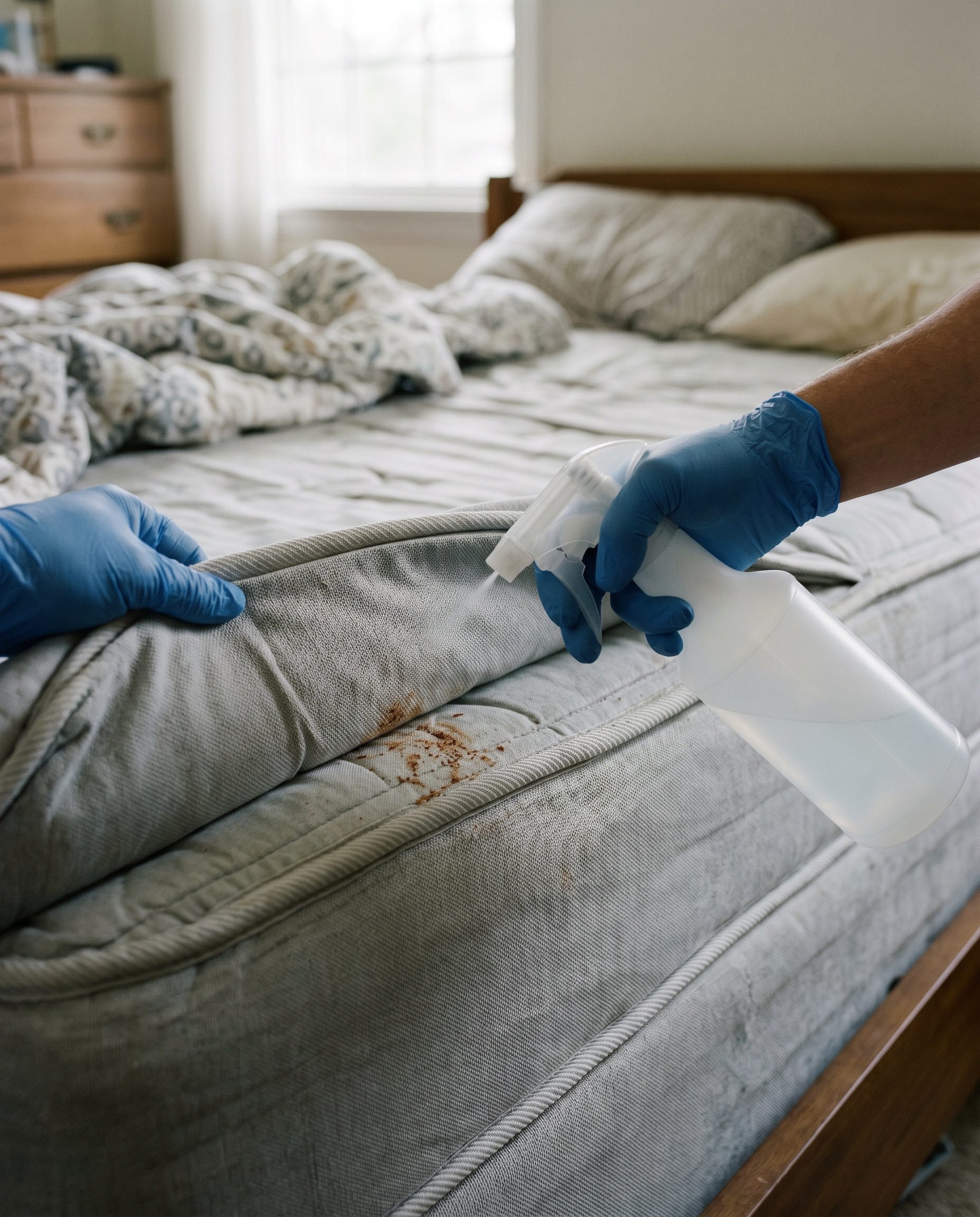
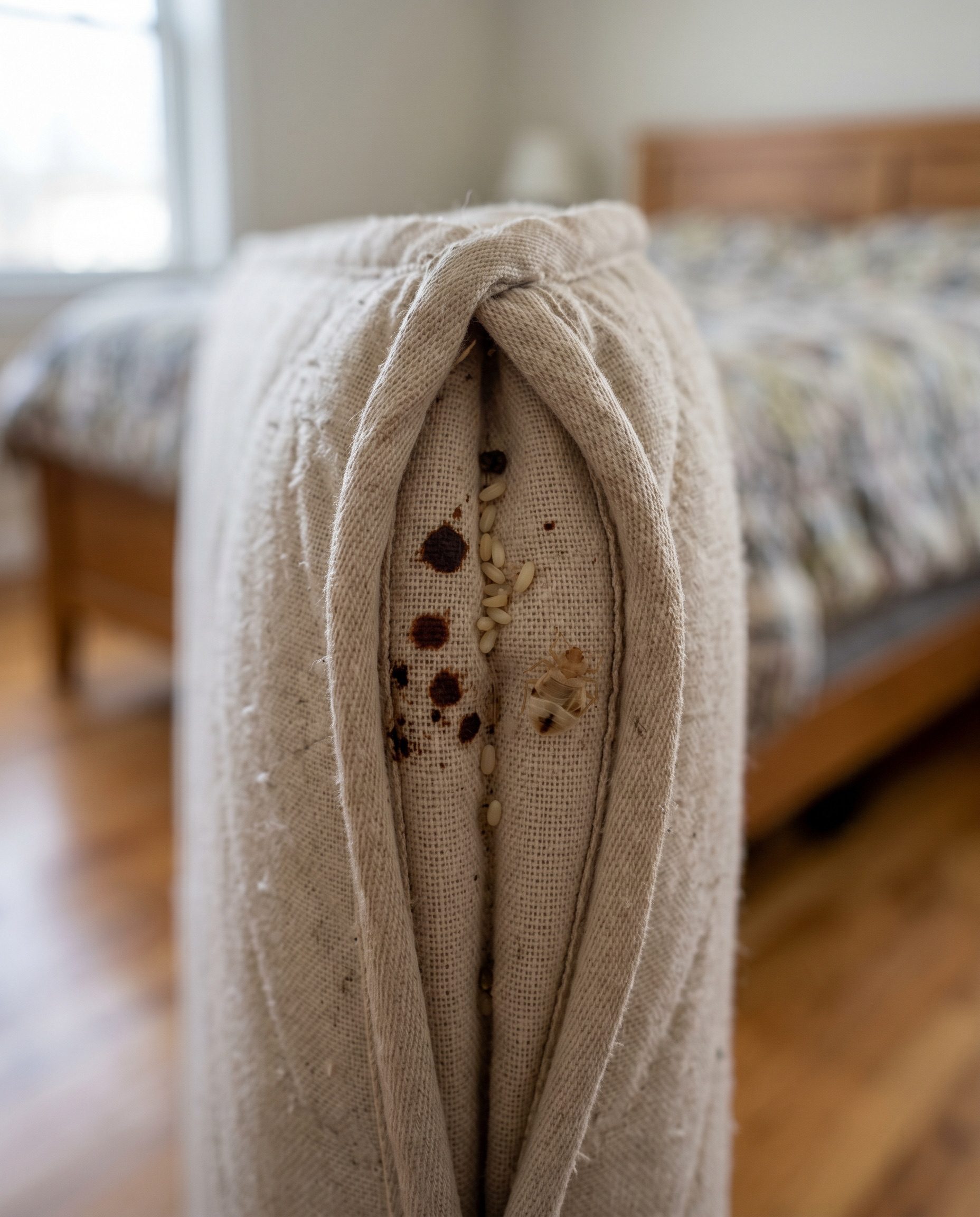
Then learn where they actually are before you treat. Bed bugs hide in seams, piping, and cracks, not out in the open. Pull back the mattress welt and the box-spring fabric and look for rust-colored fecal spots, pale shed skins, and tiny eggs tucked in the folds, the signs the EPA’s guide to finding bed bugs tells you to hunt for. Treat what you find, not the whole mattress at random. A product is worth buying once the prep is done and you have located the harborage, not as a substitute for either.
nn
Why pyrethroid-only sprays fail
nn
Here is the part most “top killer” lists skip. The cheap aerosol cans that have ruled hardware-store shelves for years rely on pyrethroids, and bed bugs across the country have built up resistance to them. The EPA’s guidance on pesticides to control bed bugs states plainly that resistance is widespread and that relying on a single product, or on spraying alone, is a recipe for failure. A bug that shrugs off the spray just walks back to its seam. That is why a can that drops one bug on contact can still leave you bitten a week later.
nn
This is the case for matching the chemistry to the problem instead of grabbing the loudest label. For a general, manageable situation, a ready-to-use spray that combines a quick knockdown with a residual film is enough. When the bites keep coming back despite honest effort, a concentrate built with two active ingredients plus a synergist is designed to hit the strains that survive a single-active can. The University of Kentucky’s bed bug ENTfact makes the same point: resistance is real, and serious infestations often need multiple tactics, sometimes including a professional, rather than one bottle. If the bites have not eased in two to three weeks of steady DIY work, that is your signal to call a licensed pro, especially in an apartment building where the bugs travel between units.
nn
nn
Match the spray to the job
nn
Once you know the job, the category choice is short. Decide by two questions: how stubborn is the infestation, and where do you need to spray. The point is to pick the form that fits the surface and the strain, not the biggest claim on the can.
nn
| Spray type | Best for | Watch-out |
|---|---|---|
| Ready-to-use contact + residual | General treatment of seams, frames, and cracks | Less effective on heavily resistant strains; check the label for surfaces |
| Multi-active concentrate | Resistant infestations and repeat bites | You mix it; follow the label rate exactly, keep off until dry |
| Plant-based contact spray | Direct mattress contact where the label allows | Mostly contact-kill with little residual; reapply as the label directs |
nn
Why not just buy the strongest concentrate and be done? Because the strongest can is overkill, and sometimes the wrong tool, for a light case on a mattress you sleep on nightly. The plant-based option exists precisely because many residual chemicals are not labeled for the sleeping surface itself. A concentrate is right when bites keep returning; a plant-based spray is right when you need to treat the mattress directly between launderings. And none of these is a one-bottle cure: the University of Minnesota Extension’s bed bug page is blunt that sprays support an integrated effort rather than replacing it. Dust products like diatomaceous earth for bed bugs cover the dry cracks and voids a wet spray cannot reach.
nn
How to apply it safely
nn
Spray the harborage, not the air. Direct the product into seams, piping, the joints of the bed frame, and the cracks where the headboard meets the wall, getting the nozzle right into the fold where bugs and eggs sit. Coverage of the hiding places beats blanketing the room every time. For a concentrate, mix and apply only at the label rate, because under federal law the label is the law and over-mixing is both illegal and unsafe. Lean on the EPA’s top tips to prevent and control bed bugs, which pair chemical treatment with encasements and clutter reduction rather than letting one do all the work.
nn
Treat the cans as the pesticides they are. Keep children and pets off treated areas until everything is fully dry, do not spray surfaces that touch food, and never apply an indoor product outdoors or the reverse; check the NPIC bed bug pesticide-safety page if you have any application or exposure question, and if someone is exposed, contact a doctor or your local poison control center. One firm rule: skip total-release foggers entirely. They drift over surfaces without reaching the seams where bugs hide and can drive the population deeper into the walls, and bug bombs near a pilot light or gas appliance are an explosion risk, never a DIY shortcut.
nn
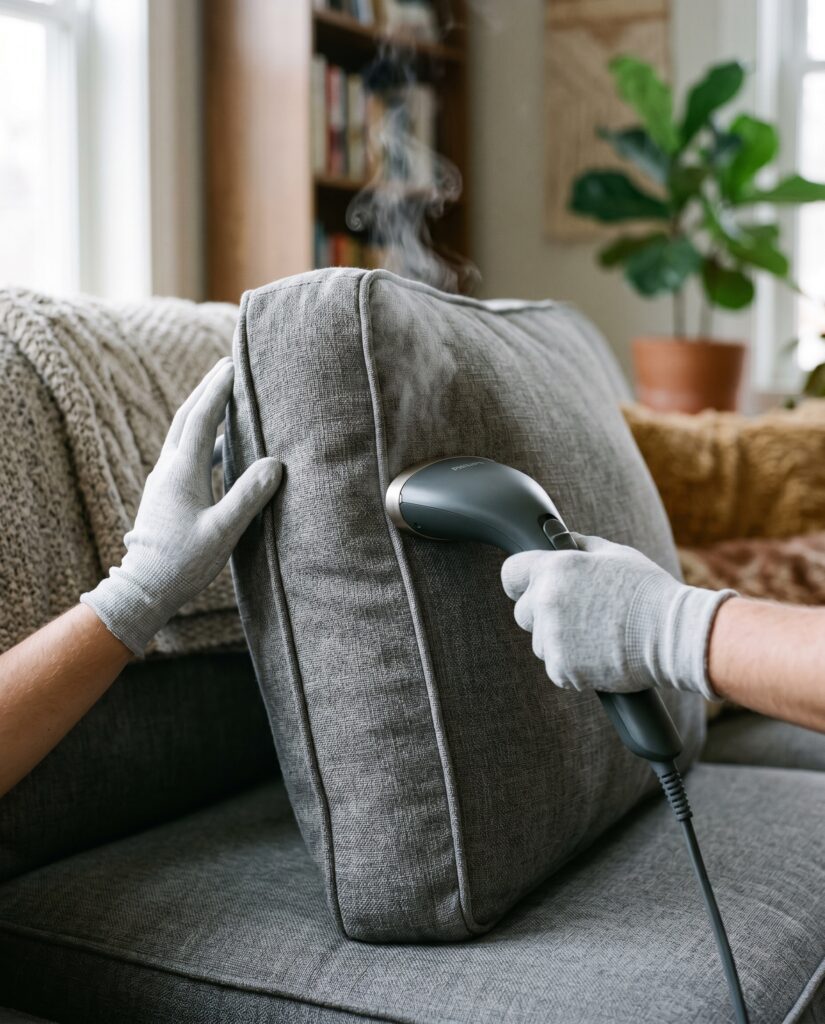
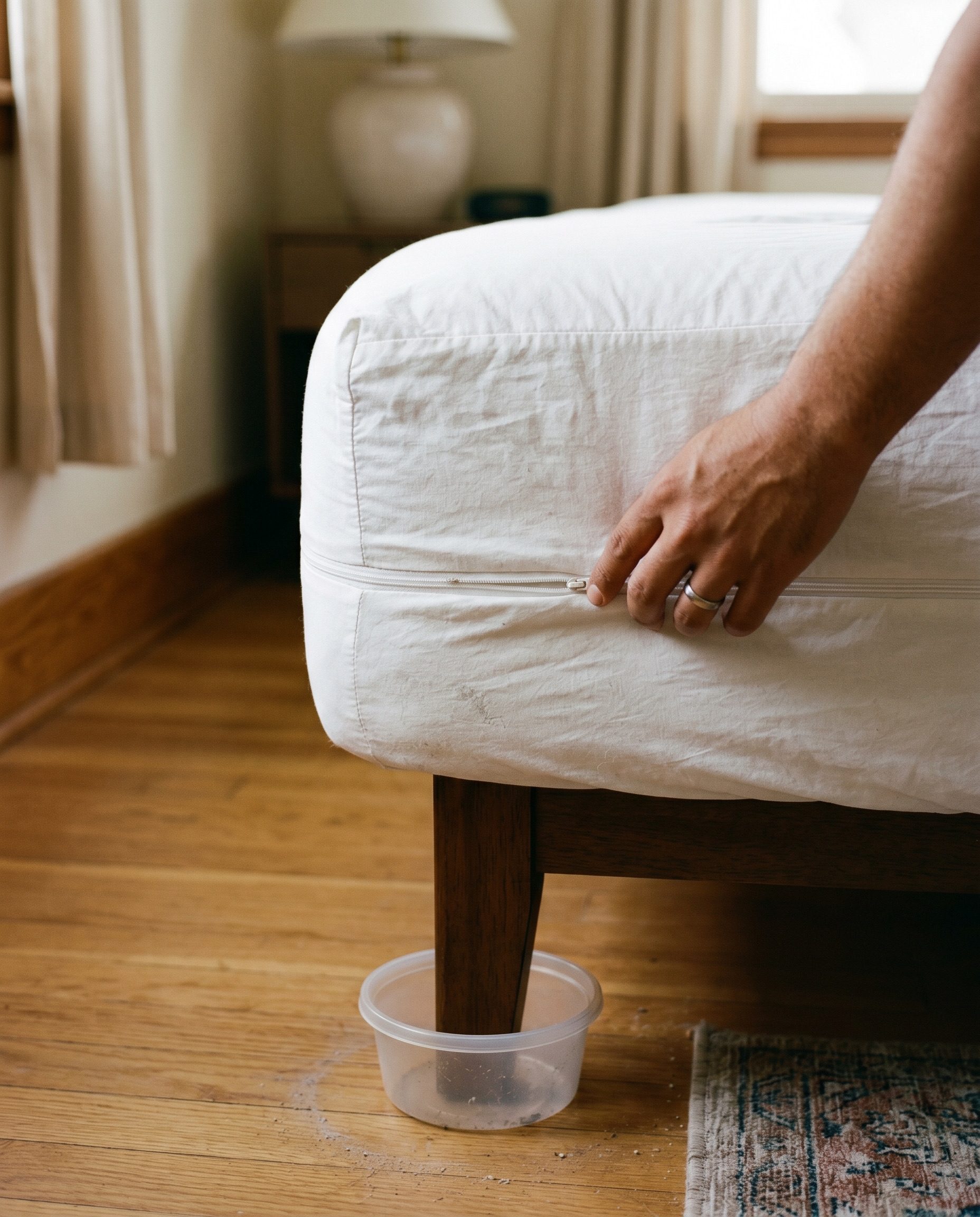
Pair the spray with the physical tools, because that is what makes it stick. Seal the mattress and box spring in a tight, labeled cover so anything you missed is trapped, and stand interceptor cups under each bed leg to catch the travelers. Our roundup of the best bed bug mattress encasements and the best home bed bug steamers cover the two non-chemical pieces that do the heaviest lifting alongside any spray.
nn
nn
The picks
nn
Cards come after the analysis on purpose, because the job decides which one you buy. These three cover general treatment, resistant infestations, and direct mattress contact, and all are common, widely available bed bug products.
nn
InsectoGuide is reader-supported. As an Amazon Associate we earn from qualifying purchases at no extra cost to you.
nn
n 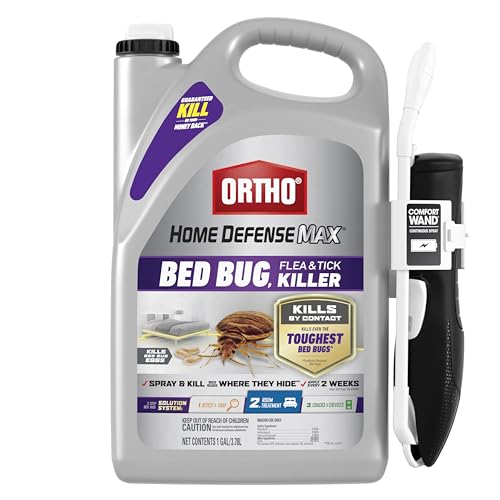 n
n
n
n
A ready-to-use can for general treatment of seams, frames, and cracks.
n
n
nn
n 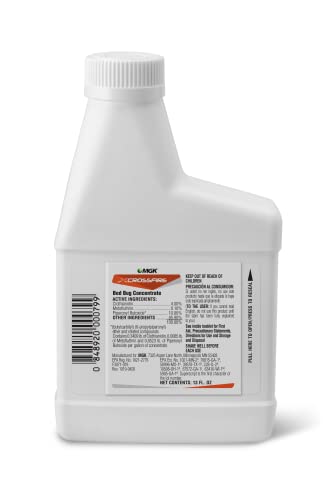 n
n
n
n
A multi-active concentrate for repeat bites and resistant strains.
n
n
nn
n 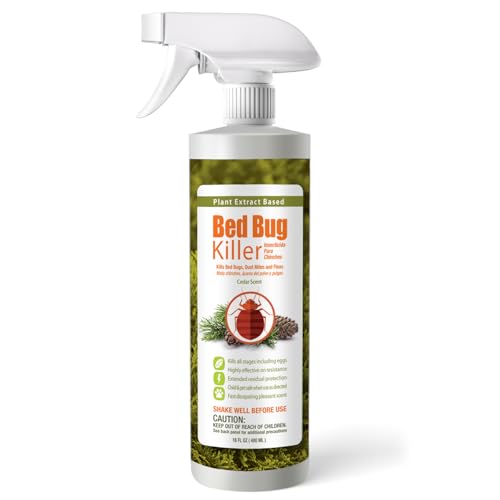 n
n
n
n
A plant-based contact spray for direct mattress treatment where the label allows.
n
n
nn
Common questions
nnDoes any bed bug spray work on its own?n
No. Even a strong spray clears the bugs it touches and the seams you treat, but it cannot reach every egg in every crack. The EPA’s control guidance is built around combining sprays with heat, laundering, and encasements, because a single product almost never finishes the job alone.
nnWhy won’t the cheap hardware-store can work?n
Most of those cans are pyrethroid-only, and bed bugs are widely resistant to pyrethroids. The EPA notes that resistance is widespread, so a bug can survive a direct hit and walk home. Match the chemistry to the strain instead, or pair the spray with non-chemical control.
nnCan I spray the mattress I sleep on?n
Only with a product whose label specifically allows it, and only after it dries fully. Many residual chemicals are not labeled for the sleeping surface, which is why a plant-based contact spray or a mattress-labeled concentrate is the right tool there. Read and follow the label, because it sets the legal terms of use.
nnAre bed bugs a health danger?n
They are a miserable nuisance, but the CDC notes bed bugs are not known to spread disease. Bites can itch and a few people react more strongly, so see a doctor if a reaction looks severe; otherwise the urgency is about your sleep and your sanity, not infection.
nnWhen should I stop spraying and call a pro?n
If two to three weeks of honest DIY work, prep, treatment, and physical control, has not eased the bites, bring in a licensed professional. The University of Kentucky’s bed bug guidance is clear that heavy infestations, and shared-wall apartments, often need professional heat or treatment that a homeowner cannot replicate.
nn
Final verdict
nn
There is no single best bed bug spray, and any list that names one is skipping the only question that matters: which job are you treating. Start free by stripping the bed, hot-washing the linens, and inspecting the seams, then match the spray to the situation. Reach for a ready-to-use contact-plus-residual for general seams, a multi-active concentrate when bites keep returning on a resistant strain, and a plant-based contact spray for direct mattress treatment where the label allows it. Skip the pyrethroid-only cans as your only weapon, and skip foggers entirely; they scatter bugs deeper instead of killing them. Pair whatever you choose with encasements, interceptors, and heat, because the spray is one tool inside the sequence, never the whole answer.
If that is where this is heading, our guide to the insects that only appear at night covers the first second after the light goes on.
nn