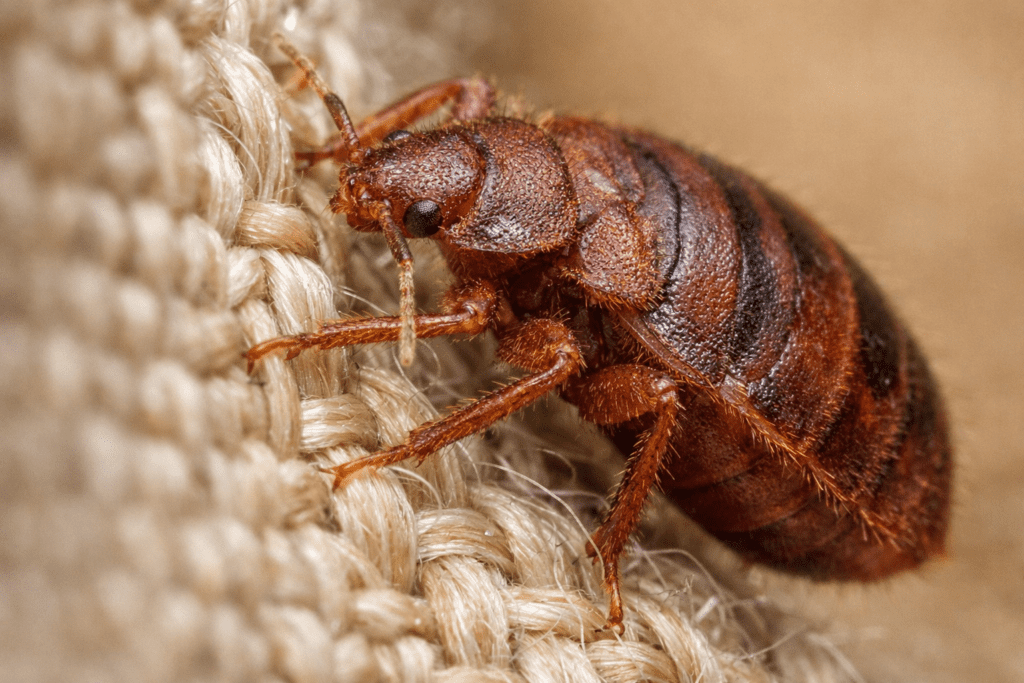
If you are reaching for a steamer to kill bed bugs, the one thing that decides whether it works is heat at the surface with almost no airflow. Steam kills bugs and eggs on contact only when the head lands around 200F at the fabric and you crawl it across the seam an inch or two at a time. The short answer: pick a low-vapor cleaning steamer with a tight brush head, not a fast garment steamer, because a high-output blast literally blows the bugs off the surface and scatters them across the room. In our own bedroom we keep one heavy boiler-style steamer and a cloth-wrapped brush tip, and we move it slowly. Most lists rank a quick handheld clothes steamer first; that is the one to skip, and the reason is in the airflow.
The best bed bug steamer is a slow, hot, low-airflow cleaning steamer that hits about 200F at the surface; a fast high-output clothes steamer blasts bugs off the fabric and spreads them instead of killing them.
- Do first (free): Inspect seams for rust-colored spots and live bugs so you steam where they actually hide.
- What works: A low-vapor boiler steamer with a tight brush head, moved slowly one to two inches at a time.
- Skip: A high-output garment steamer; its blast scatters bugs instead of cooking them.
Find them before you steam
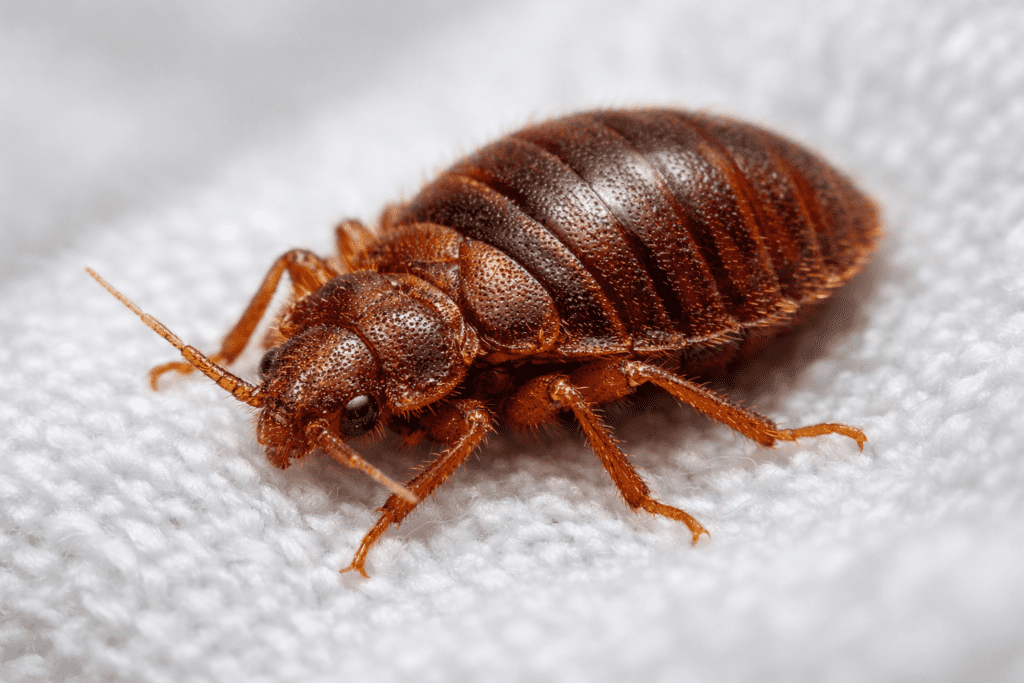
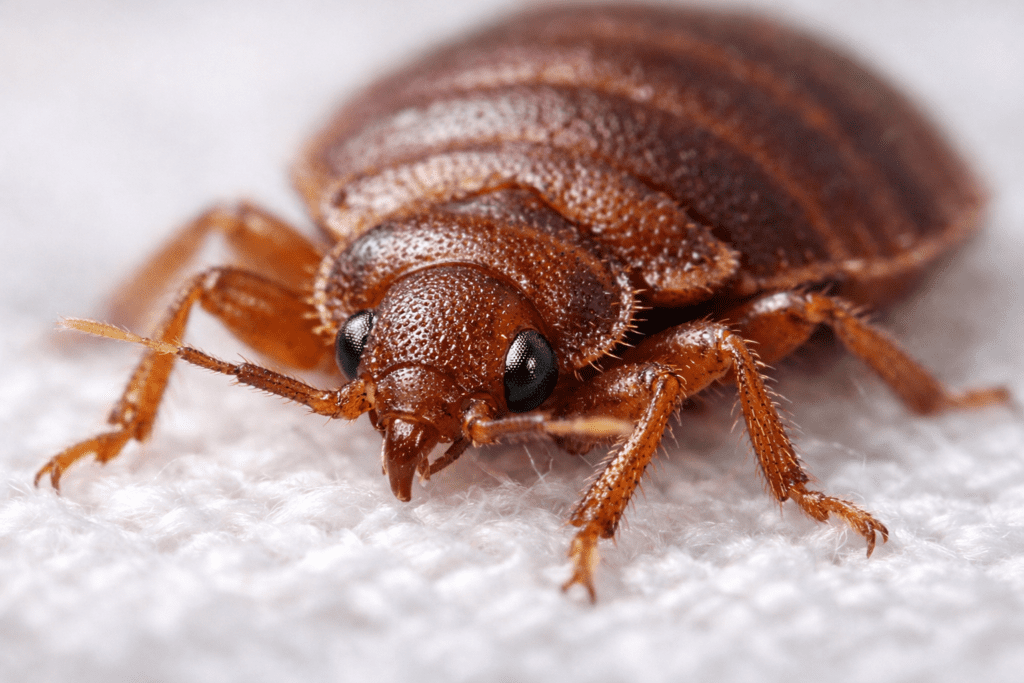
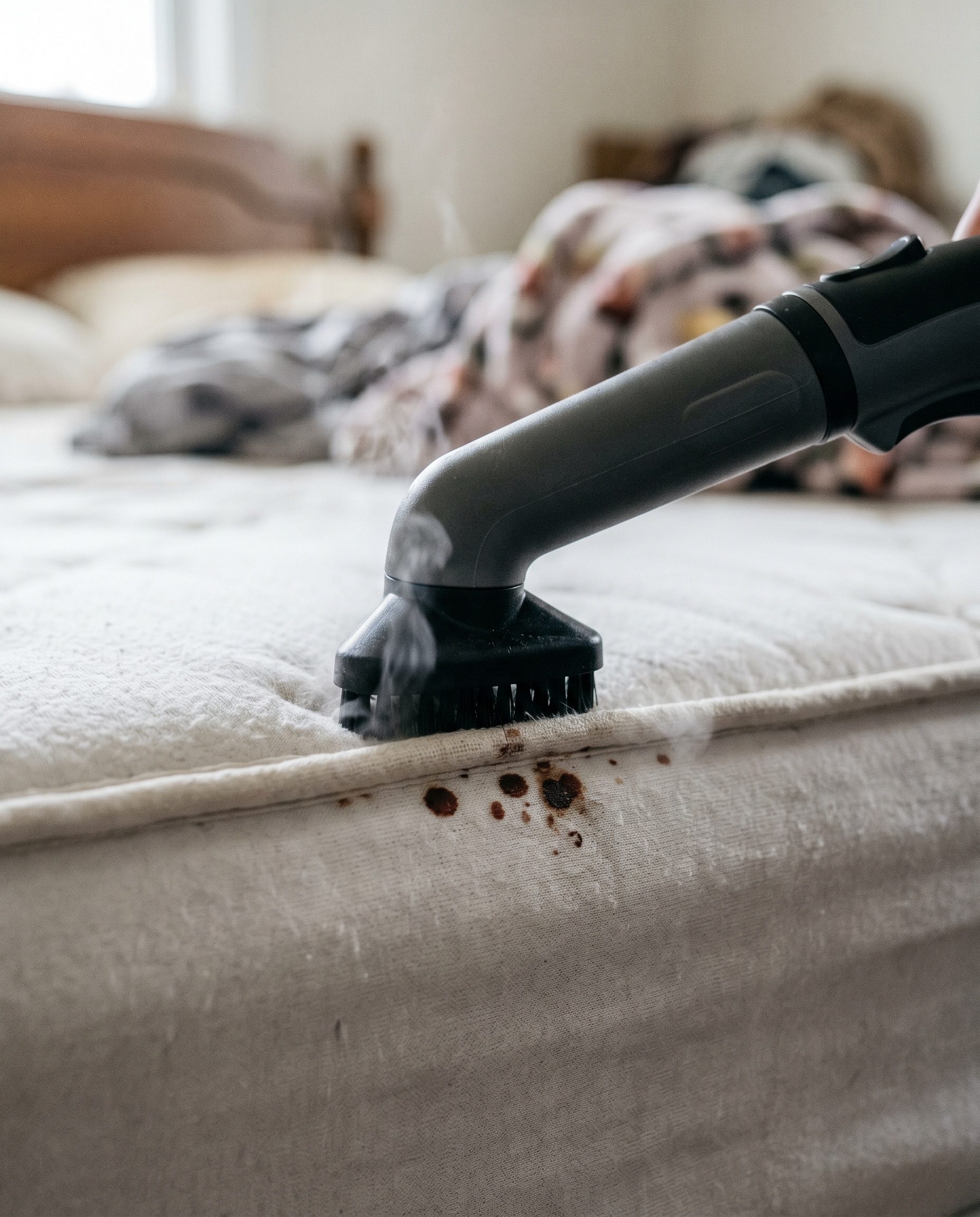
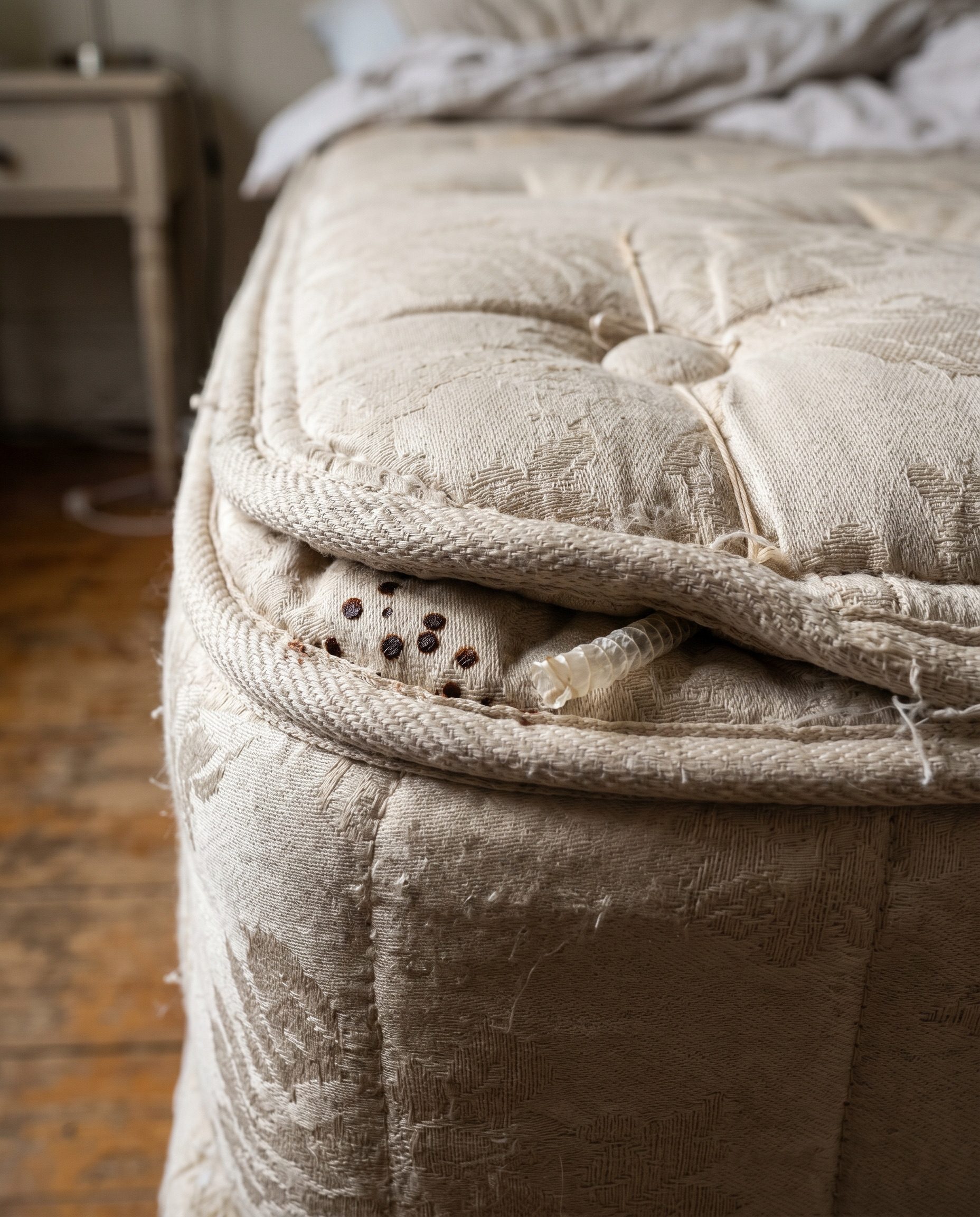
Steam only reaches what you point it at, so the free step that comes first is a real inspection. Bed bugs hide in the seams, piping, and tufts of the mattress, the cracks of the bed frame, behind the headboard, and along the baseboard nearest the bed. Look for live bugs, pale shed skins, and the rust-colored fecal spots that smear if you wipe them with a damp cloth. The EPA’s guide to finding bed bugs walks through these hiding spots and the egg and fecal signs to check, and it is worth ten minutes with a flashlight before you plug anything in.
Map the whole route before the boiler is even hot. Strip the bed, stand the mattress on its side, and pull the frame away from the wall so you can reach every joint. Steam what you can confirm, not the whole room on faith. If this is your first encounter and you want the full plan, our step-by-step bed bug removal guide covers the inspection, laundering, and encasement steps that steam fits into.
One honest framing up front: steam is one tool in a sequence, not a standalone cure. The EPA’s do-it-yourself bed bug control page is built around using several non-chemical methods together, because bed bugs are a hitchhiking problem that comes back if you treat half the room. Plan on steam plus laundering plus encasements, not steam alone.
Why a fast steamer loses
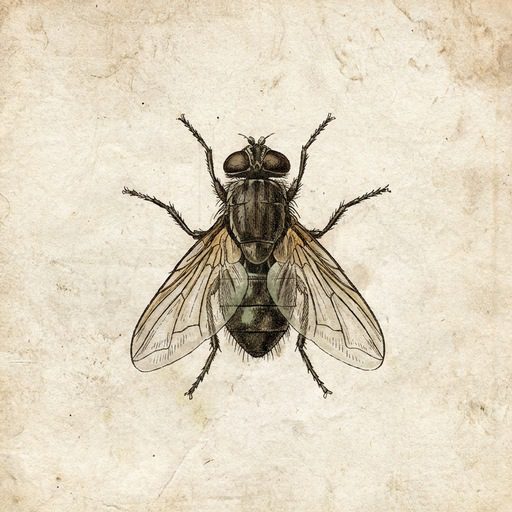
Here is the mistake almost every roundup makes: it ranks steamers by how much vapor they pump out, as if more is better. For bed bugs, more output is worse. A garment steamer is designed to push a big, fast cloud of steam to relax wrinkles from a distance, and that same force, aimed at a seam full of bugs, acts like a leaf blower. The bugs get knocked loose and land somewhere you did not treat. High airflow scatters the infestation instead of killing it.
What actually kills is contact heat held long enough to cook the bug and the egg through. University of Kentucky’s entomology guidance on bed bugs and steam makes the point that steamers should produce a high-temperature, low-vapor flow and be moved slowly, around an inch per second, so the heat penetrates the fabric rather than blowing across the top of it. Slow and hot beats fast and forceful, every time, on this job.
The temperature target is not a guess. Bed bugs and their eggs die when the surface they are sitting on gets hot enough for long enough, and that means the head has to deliver roughly 200F at the fabric, not at the boiler. A clothes steamer that reads hot at the nozzle can land lukewarm by the time the cloud reaches a deep seam. This is also why sprays alone disappoint so many people: the EPA notes that bed bug pesticide resistance is widespread, so heat that does not depend on a chemical the bugs may shrug off is a genuinely useful tactic when it is applied correctly. A bug that survived a spray still cannot survive 200F.
Who should not lean on a steamer at all? If you have a heavy, established infestation across multiple rooms, DIY steaming will not keep up, and that is the point to bring in a licensed pest-control professional or look at whole-room heat. Our breakdown of bed bug heat treatment cost and effectiveness lays out when professional heat is the smarter spend.
Steamer vs clothes steamer vs spray
Three tools get sold for this job and they are not interchangeable. The decision comes down to one question: can the tool deliver hot, slow, low-airflow contact heat to a deep seam? A boiler-style cleaning steamer can. The other two cannot, at least not for this.
| Tool | Best for bed bugs | Watch-out |
|---|---|---|
| Low-vapor cleaning steamer | Seams, frames, baseboards; kills bugs and eggs on contact heat | Move slowly; use a brush head; cannot soak inside a mattress core |
| High-output clothes steamer | Wrinkles, not bed bugs | Fast airflow blows bugs off the surface and scatters them |
| Contact or residual spray | Cracks a steamer cannot reach; backup, not the lead | Resistance is common; follow the label; never spray a hot surface |
Steam and spray can work together, but mind the order and the label. Steam first to knock down what is visible and reachable, then use a labeled product only in the cracks and voids steam misses. If you want the spray side sorted out, our tested and ranked bed bug sprays covers which categories still earn a place given the resistance problem. Steam leads, spray fills the gaps, not the other way around.
How to steam a seam
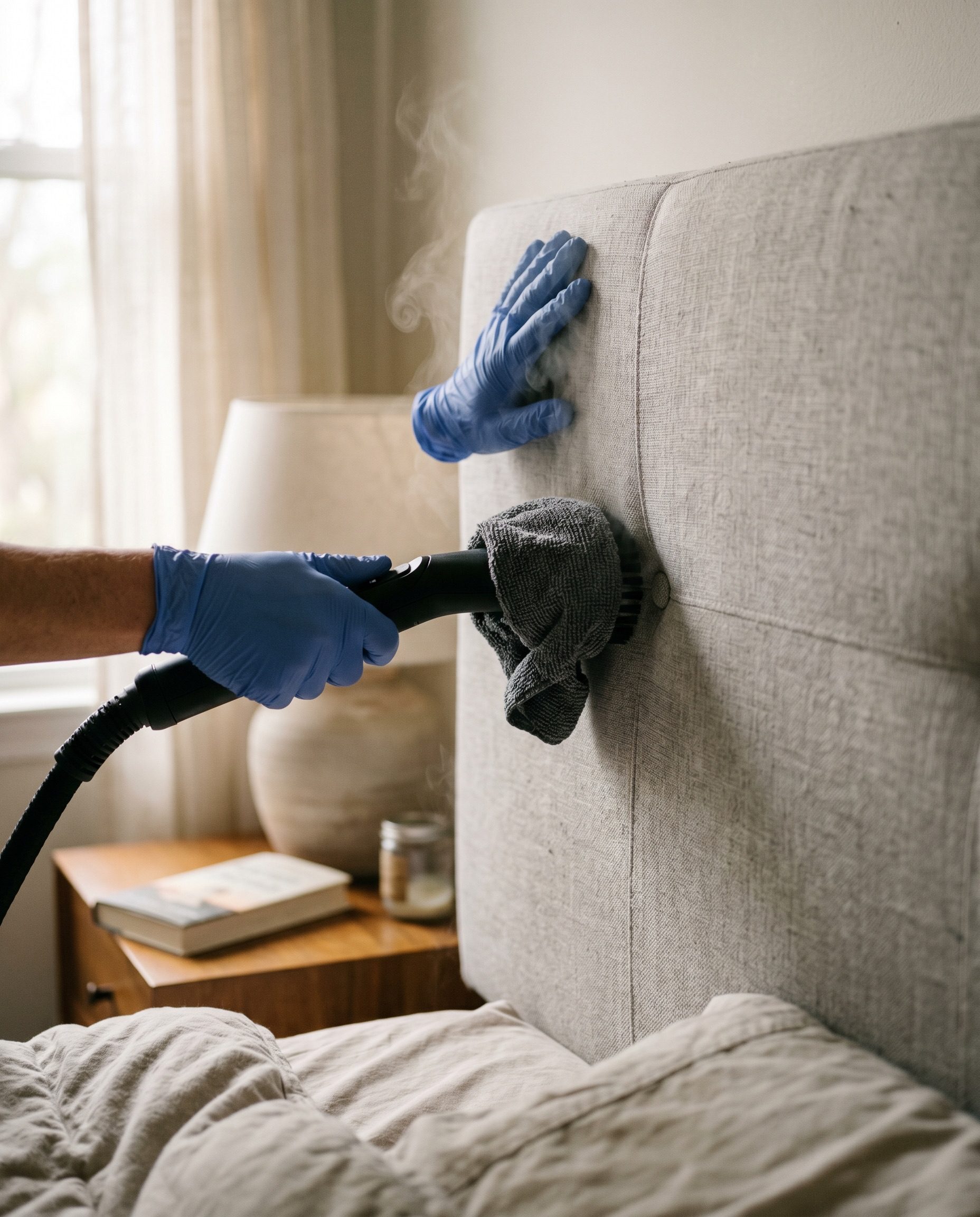
Technique decides the result far more than the brand on the box. Fit the tightest brush or upholstery attachment your machine came with, because a wide floor head spreads the heat too thin to matter. Wrapping the brush in a thin cotton cloth helps in two ways: it drops the airflow so you do not blast bugs loose, and it keeps droplets from soaking the fabric.
Move the head slowly, one to two inches at a time, and let it dwell on each spot. Run it along the mattress piping, into every tuft, down both sides of the box spring, and into the frame joints and screw holes. Go slow enough that the fabric is hot and barely damp behind the head, not soaked. An inch or two at a time, not a sweep. Michigan State Extension’s bed bug resource recommends steaming infested furniture and mattresses rather than throwing them out, and pairing steam with mattress encasements so anything you missed is trapped and starves. The same slow-seam method works on upholstery; if bed bugs have reached the living room, our notes on getting bed bugs out of a couch cover the cushion and frame seams that need the same patient pass.
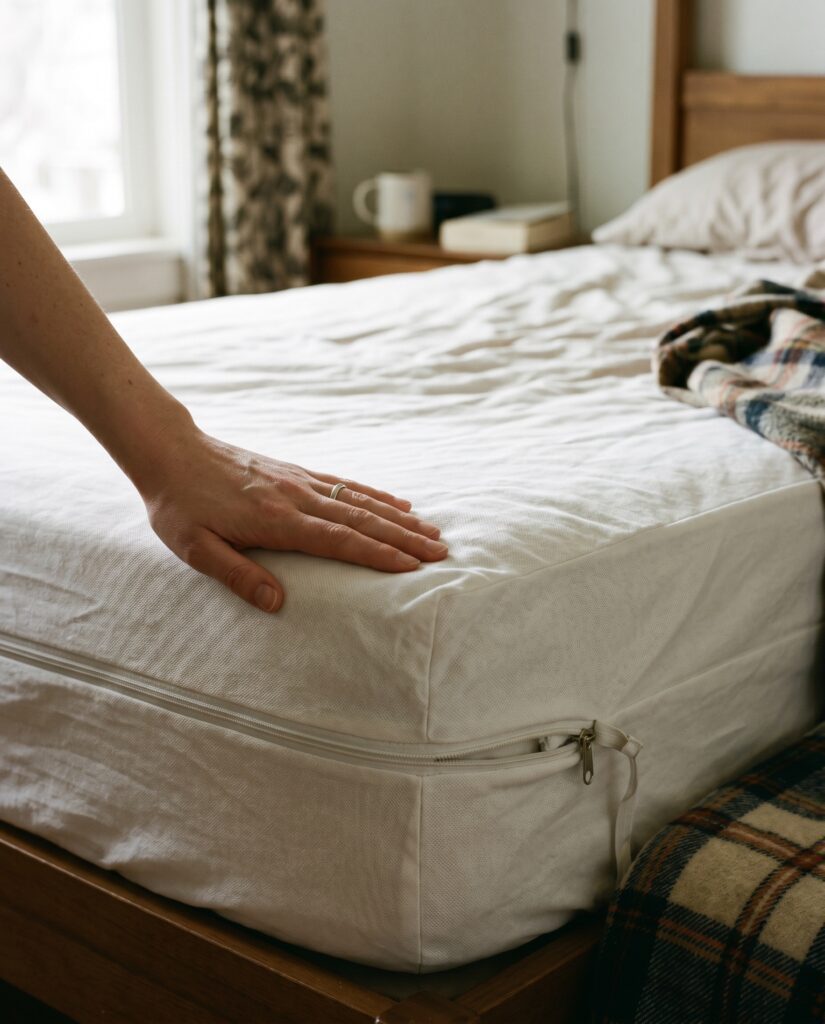
A few cautions worth keeping. Steam burns skin instantly, so keep hands clear of the head and let attachments cool before you swap them. Test a hidden patch of any delicate fabric or finished wood first, since prolonged heat and moisture can mark some surfaces. And do not over-wet a mattress; you want heat, not a damp bed that grows mildew. After steaming, slip the mattress and box spring into bite-proof encasements. The University of Minnesota Extension’s bed bug guidance treats encasements and interceptors as the realism check on any single treatment, because they keep working while you repeat the steam pass. If steam has not knocked the population back within a couple of weeks of consistent passes, escalate rather than repeating a method that is not keeping up.
The picks
Cards come after the technique on purpose, because how you move the head matters more than which boiler you own. All three below are corded boiler-style cleaning steamers, the category that delivers the hot, low-airflow contact heat this job needs. None is a fast garment steamer, and that is the point.
InsectoGuide is reader-supported. As an Amazon Associate we earn from qualifying purchases at no extra cost to you.
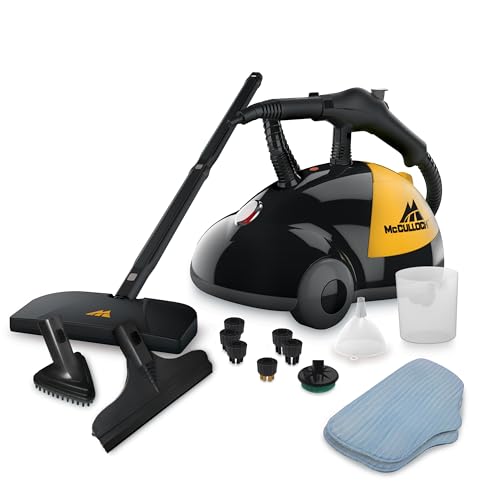
A heavy-duty chemical-free steamer with brush tips that fit seams and crevices.
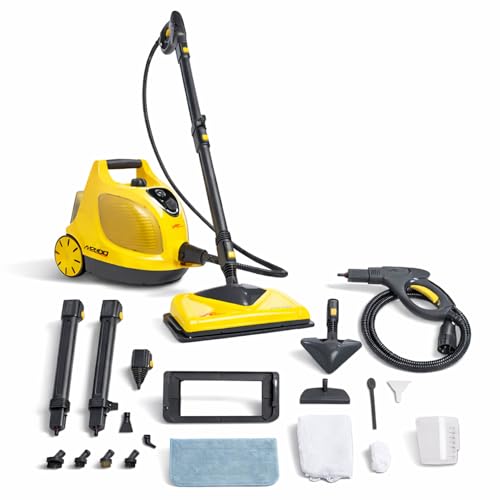
A stainless-boiler steamer with adjustable output for slow, controlled seam work.
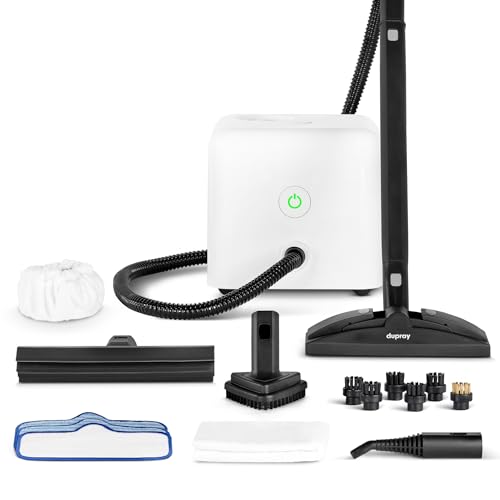
A compact high-heat steamer that maneuvers into crevices for long sessions.
Common questions
Does a steamer actually kill bed bug eggs?
Yes, when the heat reaches the egg on contact. Eggs are tucked into seams and need the same hot, slow, low-airflow pass as the bugs themselves. University of Kentucky’s bed bug guidance describes steam as effective on bugs and eggs in fabric when the head is high-temperature, low-vapor, and moved slowly so the heat penetrates.
Can I just use my clothes steamer?
For wrinkles, yes; for bed bugs, no. A garment steamer pushes a fast, high-volume cloud that blows bugs off the surface and scatters them rather than cooking them in place. You want a low-vapor cleaning steamer with a tight brush head moved slowly, not a quick handheld designed to relax fabric from a distance.
How slow do I really need to go?
About one to two inches at a time, pausing on each spot so the fabric behind the head is hot and barely damp. If you can sweep the head quickly across a seam, you are moving too fast for the heat to reach the bugs underneath the surface.
Is steaming enough on its own?
Rarely. Steam handles what you can reach, but bed bugs hide in cracks a head cannot enter, so the EPA’s DIY control approach pairs several methods together. Combine steam with hot laundering, mattress encasements, and interceptors, and treat over repeated sessions.
When should I stop DIY and call a pro?
When the infestation spans multiple rooms, keeps rebounding after weeks of consistent treatment, or is in furniture you cannot fully access. A heavy case usually needs professional heat or a licensed treatment plan rather than a household steamer trying to keep up.
Final verdict
There is no magic steamer, and any list that ranks the fastest, highest-output unit first has the physics backwards. Start free by inspecting the seams so you steam where the bugs actually live, then use a low-vapor cleaning steamer with a tight brush head and crawl it along every seam, joint, and tuft one to two inches at a time. Skip the fast clothes steamer; its blast scatters bugs instead of killing them. Get the head to around 200F at the fabric, pair the steam with laundering and encasements, repeat the passes, and escalate to a professional if a heavy infestation outpaces what a single steamer can do.