
If you are weighing bed bug heat treatment, the case for it is simple: heat is the one method that kills every life stage, eggs included, in a single pass. That is exactly where sprays fall down, because the eggs survive most of them and a hatch a week later puts you right back where you started. The catch is reach. A professional service brings the whole room to a lethal temperature; a couple of rented space heaters usually do not, which is why DIY heat works best paired with steam and a desiccant for the spots the air never warms.
Whole-home professional heat is the only treatment that kills bugs and eggs in one visit, which is where sprays fail; its weak point is reach, so DIY heat needs steam and a desiccant to cover the cold spots.
- What it does best: Brings a room to a lethal temperature that kills every life stage, eggs and all, in a single treatment.
- Where it falls short: Heat has to reach every harborage; thick mattresses, wall voids, and clutter shield bugs from rented space heaters.
- Skip: Counting on a couple of consumer heaters alone for a whole room; you will miss the cold pockets and the bugs walk back in.
What heat actually kills
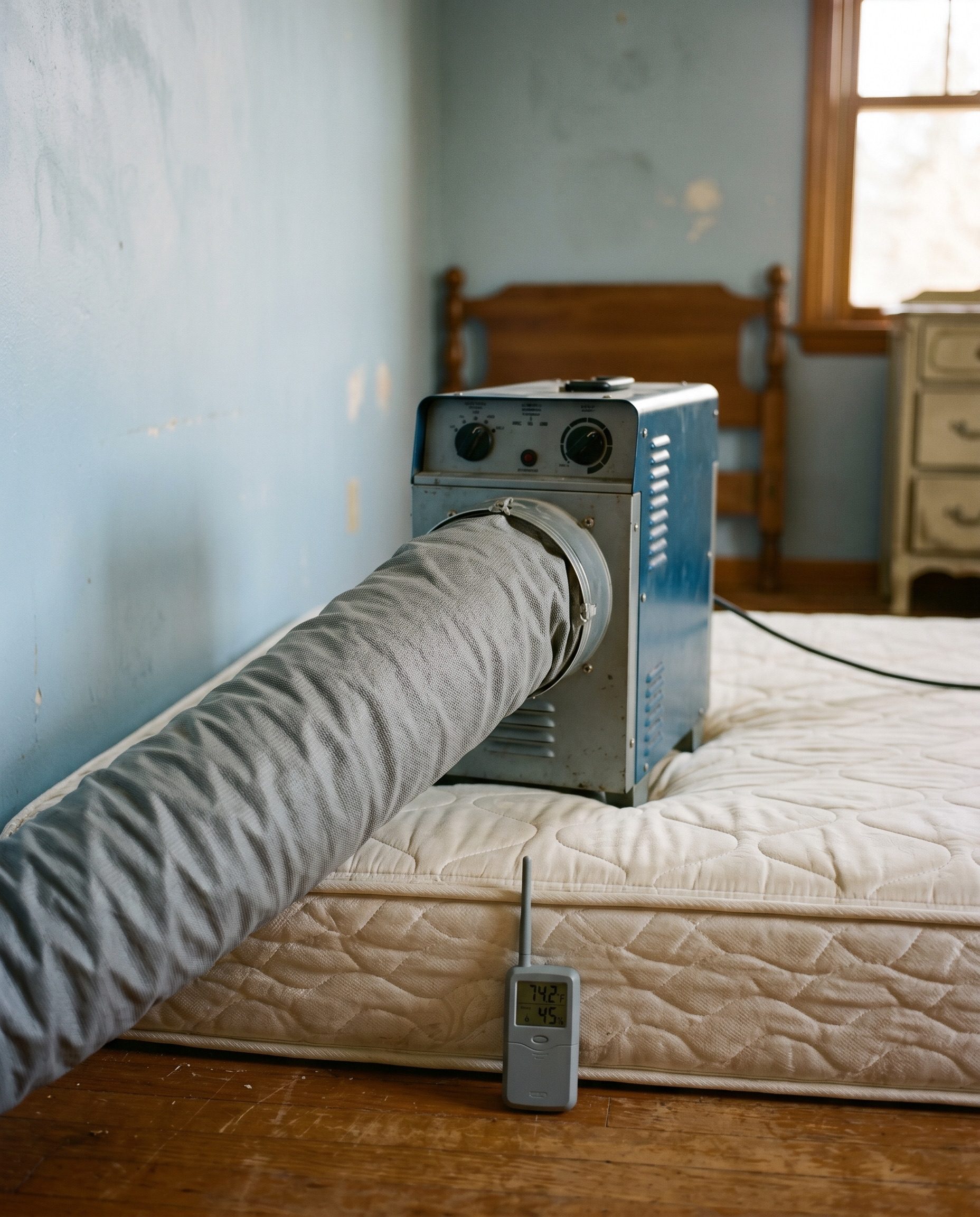
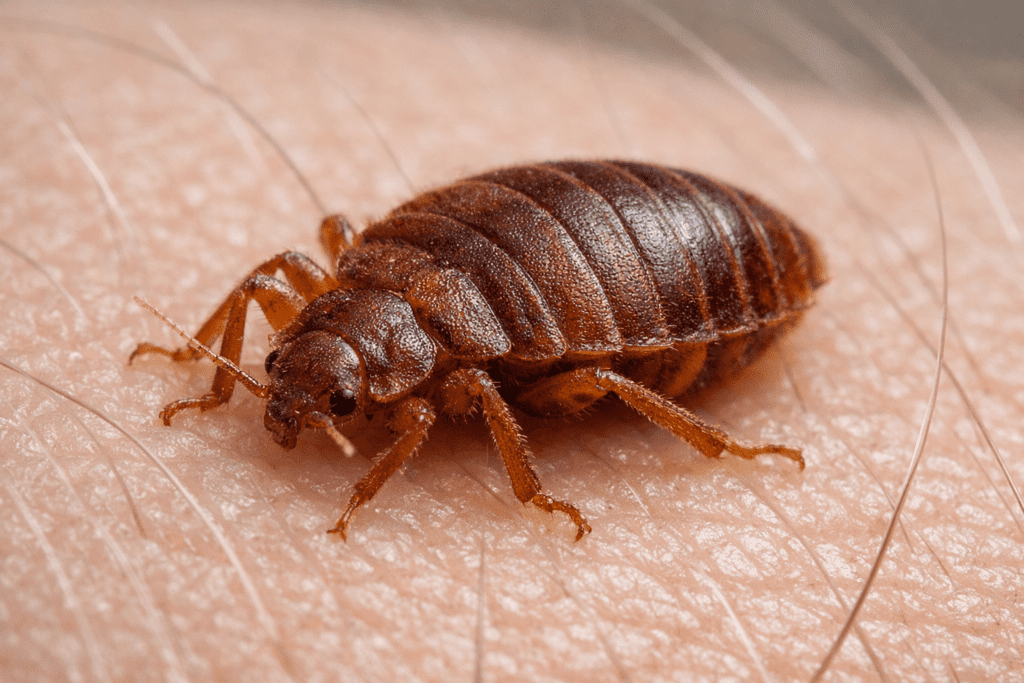
Bed bugs die from sustained heat, not a quick blast of it. Every stage of the insect, from the egg to the adult, has a thermal death point, and the practical target most programs aim for is holding the whole space at roughly 120 to 135 degrees Fahrenheit long enough that even the slowest-warming corner crosses the line. The reason professionals chase that number is the egg. The egg is the hard part to kill, and a treatment that does not reach it just resets the clock when the next batch hatches.
That is the real advantage over chemicals. The University of Kentucky’s bed bug factsheet describes properly applied heat as able to kill bugs in all life stages, including the eggs that many insecticides leave behind. Because bed bugs go from egg to feeding adult over several weeks, a method that wipes out eggs and adults at once skips the re-treatment cycle that spray-only jobs almost always need. You can see why the timing matters in the EPA’s appearance and life cycle page.
Why sprays leave eggs behind
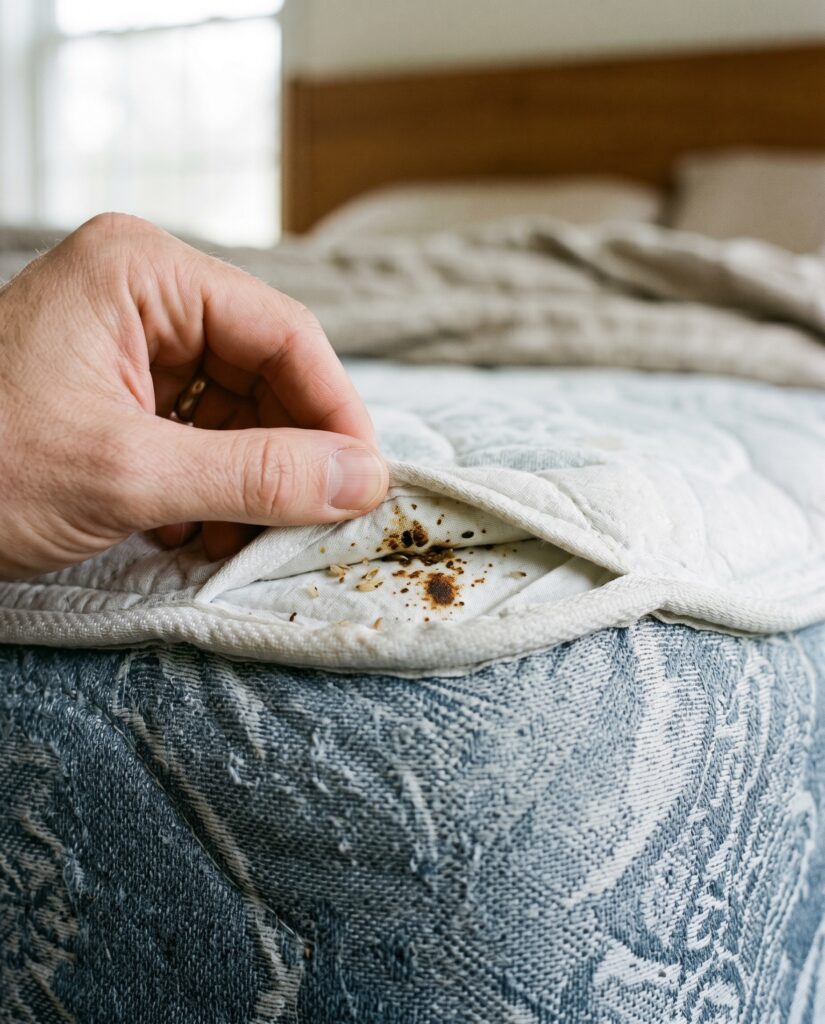
People reach for a spray first because it is cheap and it feels decisive, and on the bugs you hit, it often is. The problem is what it does not touch. Bed bug eggs are glued into seams, screw holes, and cracks, and most contact insecticides do not penetrate the shell, so the eggs ride out the treatment and hatch days later. On top of that, resistance is now common in US bed bug populations, so the spray that worked a decade ago may barely dent the bugs today.
This is not a fringe opinion. The EPA notes that pesticide resistance is widespread and that relying on a single chemical tactic tends to fail, which is why every credible plan layers methods instead. Heat sidesteps both problems at once: a bug cannot evolve resistance to its own thermal death point, and heat reaches into the seams and voids that a surface spray skips, provided the air in there actually gets hot enough. If you still want a spray in the mix for ongoing knockdown, our bed bug sprays comparison covers which categories earn a spot and which are mostly theater.
Pro heat vs. DIY heat
Here is the split that decides everything. A professional whole-home heat treatment uses high-output electric heaters, fans to move the hot air, and wireless probes to confirm the cold spots hit temperature. That monitoring is the whole point: the tech is not guessing, they are watching the slowest corner of the room climb past the kill threshold. Reach is what you are paying for, and it is the one thing a rented setup struggles to match.
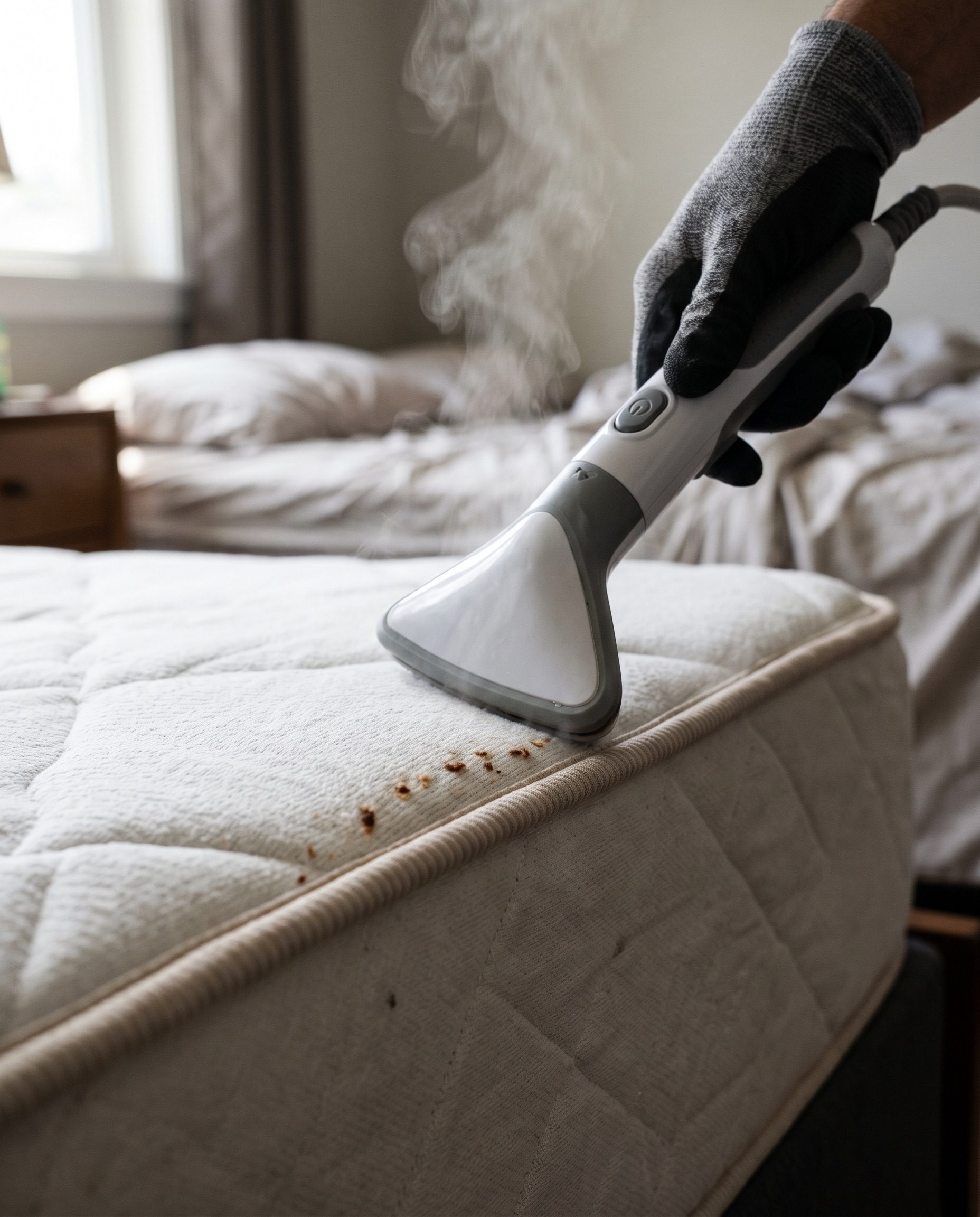
DIY heat comes in two honest forms. The first is the things you can already do for free or cheap, and they work because the bug load is small. Run infested bedding and clothes through a hot dryer cycle, which the EPA’s top ten tips to prevent or control bed bugs lists as a frontline move. The second is a steamer, which delivers lethal heat right into the seams and tufts where bugs hide. A steamer is targeted heat you control, and Michigan State Extension backs steam and encasements as part of an integrated plan rather than a spray-only one. Where consumer space heaters fall down is the whole-room job: they rarely bring a thick mattress core or a wall void to a sustained lethal temperature, so bugs survive in the cold pockets and re-spread.
A blunt comparison of the three heat options:
| Approach | Best for | Watch out for |
|---|---|---|
| Pro whole-home heat | Heavy or whole-home infestation, one-visit kill | Highest cost; needs prep and a few hours out |
| Steamer (DIY) | Seams, tufts, baseboards, spot treatment | Slow; cold spots and voids stay missed |
| Hot dryer + laundry | Bedding, clothing, soft items | Only treats what fits in the dryer |
What you will pay
Cost is where heat scares people off, and the honest answer is that it depends on the size of the job. A professional whole-home heat treatment is typically a four-figure expense for a house, often landing somewhere in the high hundreds to a few thousand dollars depending on square footage, severity, and your region. That number stings, but compare it to the real cost of the alternative: a spray program that needs multiple visits, fails on the eggs, and drags out for months. One-and-done has real value when the infestation is bad.
DIY heat is far cheaper because you are buying tools, not a service. A solid household steamer runs a fraction of a pro visit and earns its keep on the recurring seam-and-tuft work, which is why we cover the category in our bed bug steamer picks for home use. The trap is assuming the cheap path is equivalent: it is not for a heavy infestation, where the gaps in coverage cost you the whole treatment. University of Minnesota Extension is realistic that bed bugs are stubborn and that a single tool rarely finishes the job, which is the same lesson on cost as on chemistry.
Make heat actually stick
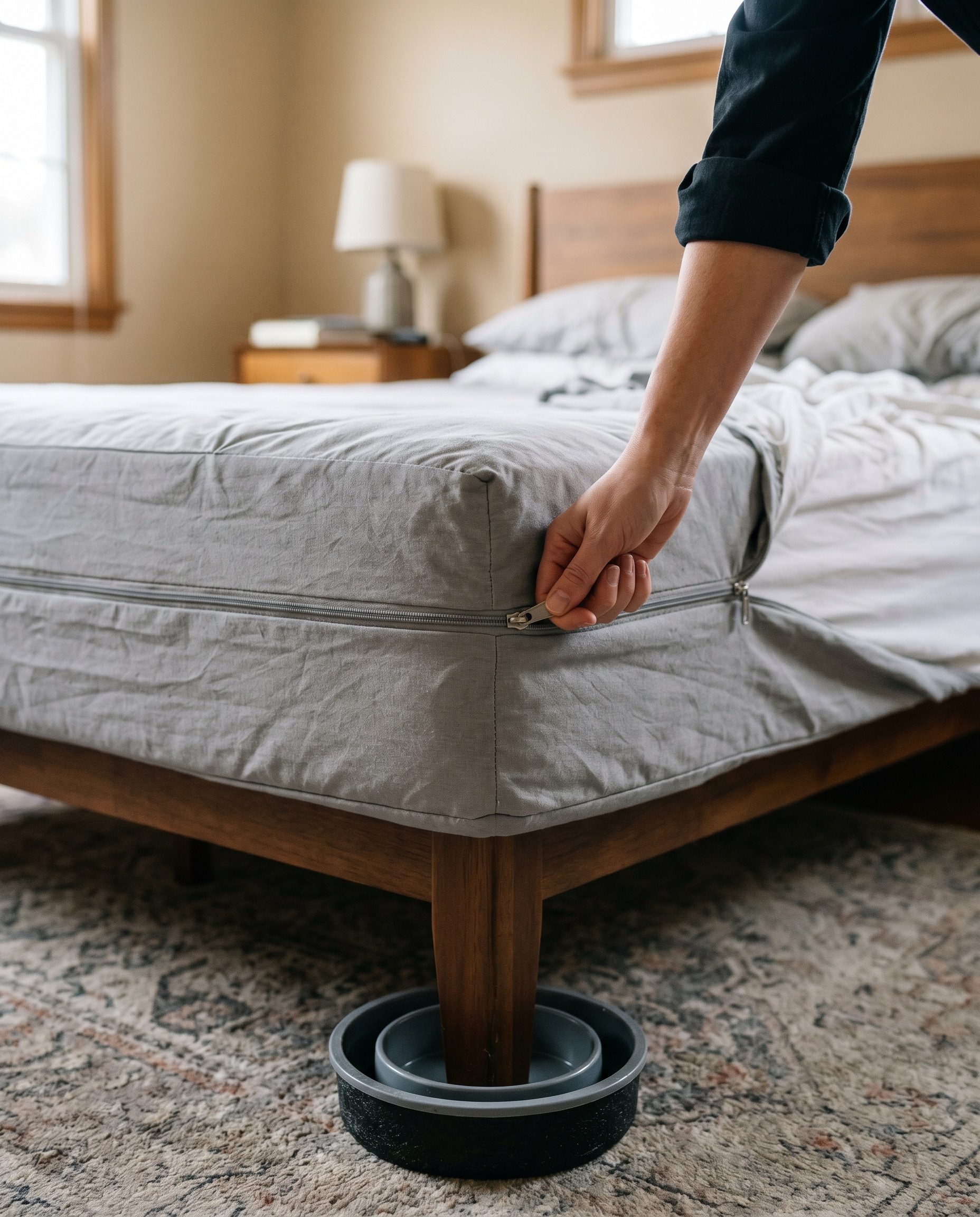
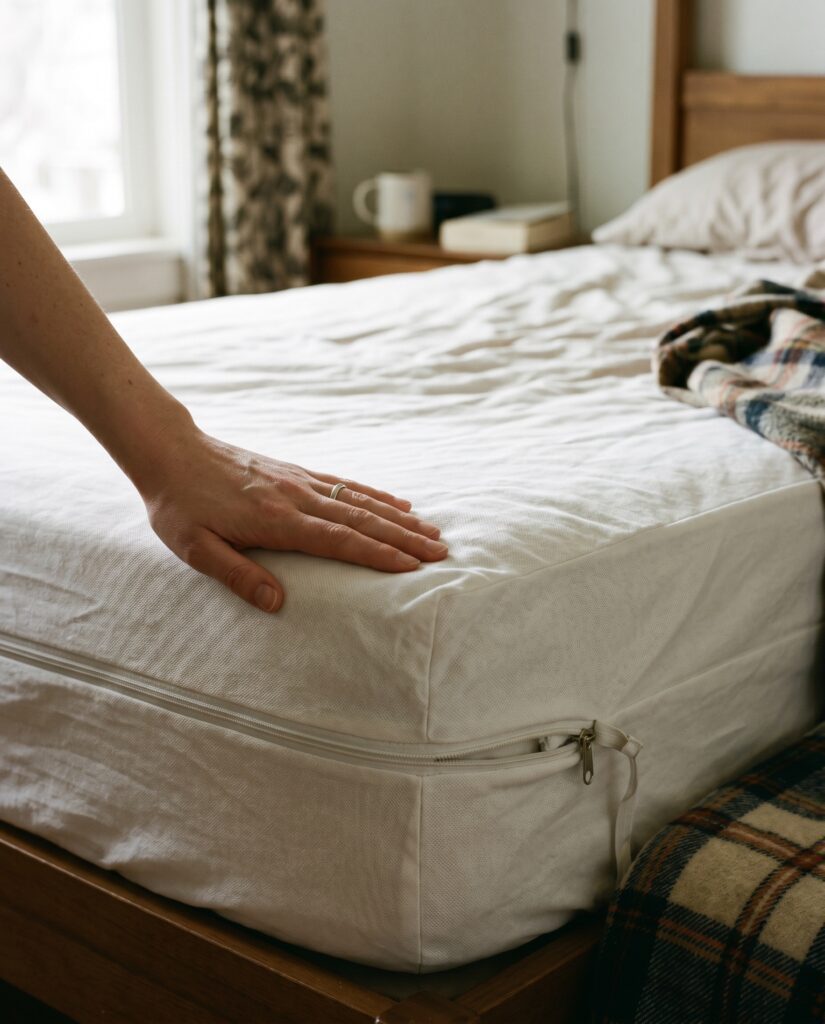
Whether you pay for pro heat or run your own, the treatment is only half the win; keeping them out is the other half. After heat knocks the population down, seal both mattress and box spring in a zippered, bite-proof encasement so any survivor is trapped inside and starves, and so re-infestation has nowhere to hide. Put interceptor cups under every bed and furniture leg, because they catch the stragglers and tell you whether the trail is really gone. Encasements and interceptors are the cheap insurance that protects an expensive treatment.
Cut the clutter, too, since every pile of boxes is a harborage the heat may not reach and a place a survivor can wait you out. The EPA’s do-it-yourself bed bug control sequence leans on exactly this layered approach, and it is also worth remembering that bed bugs are a hitchhiking problem, so check luggage and secondhand furniture before they ride back in. For the full step-by-step plan, work through our complete bed bug control guide.
Common questions
Does heat treatment kill bed bug eggs?
Yes, and that is its main selling point. Sustained heat at the kill threshold destroys every life stage, eggs included, which is exactly what most sprays cannot do. The caveat is that the heat has to actually reach the eggs, so a seam buried in a thick mattress or a wall void only dies if that spot gets hot enough and stays there.
Can I do bed bug heat treatment myself?
Partly. A hot dryer for laundry and a steamer for seams are genuine DIY heat, and on a small, early infestation they pull real weight. What you cannot reliably DIY is the whole-room version with rented space heaters, because hitting and holding a lethal temperature in every cold pocket is the hard, equipment-heavy part that pros monitor with probes.
Is heat treatment better than chemicals?
For killing eggs in one pass, yes, and that is a big deal given how widespread resistance has become. But heat alone gives no lasting residual, so bugs that wander back in later are not stopped at the door. The strongest plans pair a heat knockdown with monitoring and, where it fits, a targeted residual product.
How long does a heat treatment take?
A professional whole-home job usually runs several hours, since the room has to climb to temperature and then hold there long enough for the slowest corner to cook. You will be asked to remove heat-sensitive items and stay out during the treatment. Steaming on your own is slower in a different way, since you have to work every seam by hand.
Will bed bugs come back after heat?
They can if you skip the follow-up. Heat clears what is there now but leaves no barrier, so without encasements, interceptors, and clutter control, a new hitchhiker can start the cycle over. Bed bugs are not known to spread disease, per the CDC, but they are miserable to live with, so the prevention layer is what makes the treatment last.
Final verdict
Heat earns its reputation for one concrete reason: it kills bed bugs and their eggs in a single treatment, which is the gap that sinks most spray-only jobs. If the infestation is heavy or whole-home, professional heat is worth the four-figure price precisely because it skips the months of re-treatment that chemicals demand. For a small, early problem, DIY heat is real, but it means a hot dryer and a steamer working the seams, not two rented heaters and a hope that the room gets warm enough. Either way, lock in the win with encasements, interceptors, and less clutter, because heat clears the bugs but only prevention keeps them out.
Next steps:
– Match a household steamer to the seam-and-tuft work with our bed bug steamer picks.
– See where a residual spray fits, and where it does not, in our bed bug sprays comparison.
– Build the whole plan around the heat step with the complete bed bug control guide.

Pingback: Best Bed Bug Steamers for Home Use (and How Hot They Need to Get)
Pingback: Best Bed Bug Steamers for Home Use (and How Hot They Need to Get)