
If you have bed bugs, the best mattress encasement is not about thread count or how plush it feels. It is about the zipper. A true encasement zips your whole mattress into a sealed bag, so any bugs already living in the seams are trapped inside to starve while no new ones can crawl in or out. The short answer: buy a six-sided, bite-proof cover with a tight micro-zipper, install it after you have treated the room, and leave it on for at least a year. In our own house we keep a sealed encasement on every bed as a standing line of defense, because it costs a fraction of a new mattress and a new mattress does not fix the room anyway. Most lists rank these by comfort; the only spec that matters is the seal.
A real bed bug encasement turns your mattress into a sealed trap so the bugs inside die and none can get in or out; the make-or-break detail is the zipper seal, not thread count, and you leave it on for at least a year.
- Do first (free): Inspect the seams, then vacuum, hot-wash, and high-heat dry the bedding before anything goes on the bed.
- Look for: A six-sided cover with a true bite-proof micro-zipper and a flap or seal over the zipper end.
- Skip: Replacing the mattress and the open-corner “protectors” that only cover the top; neither seals the bugs in.
What to do before the cover
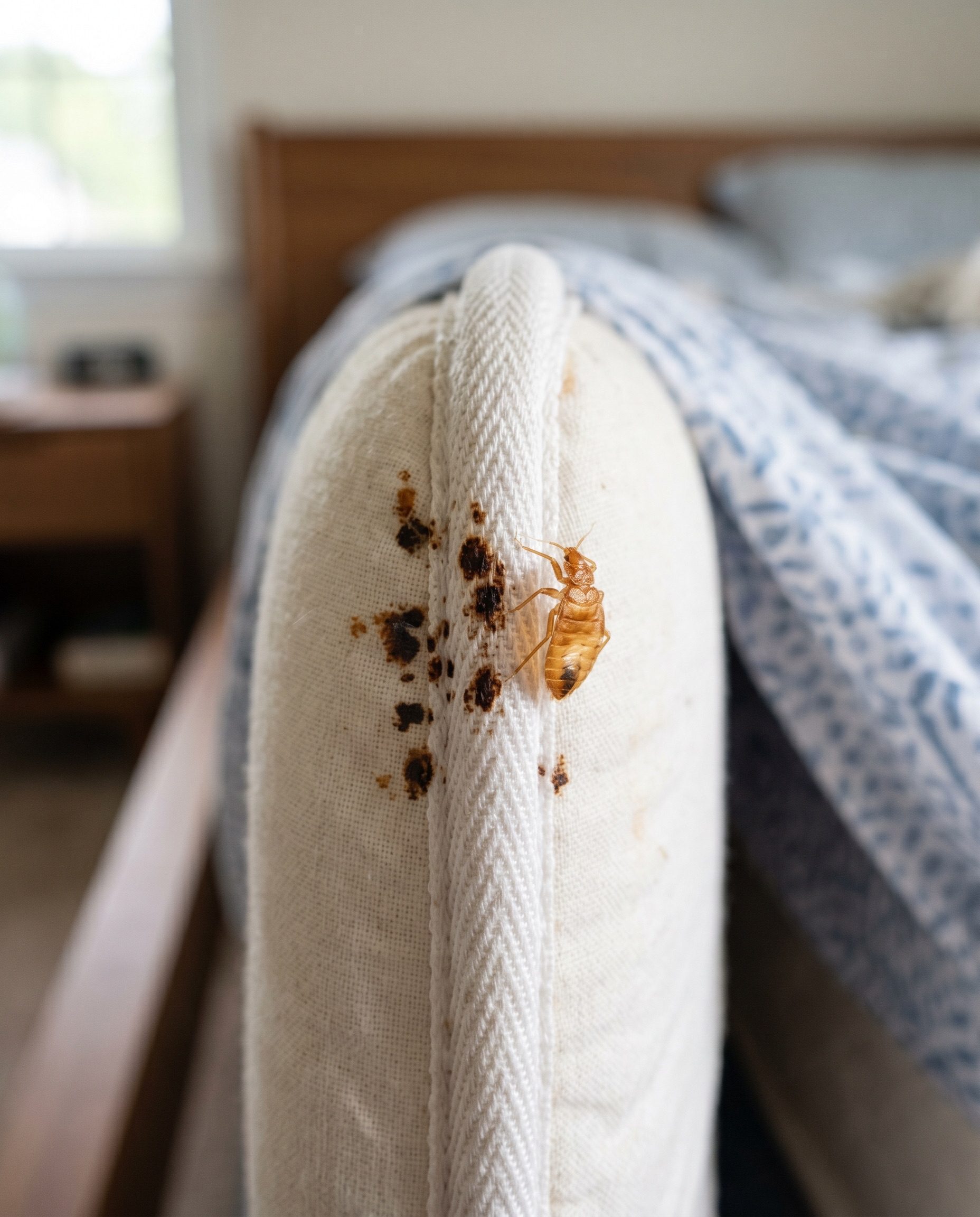
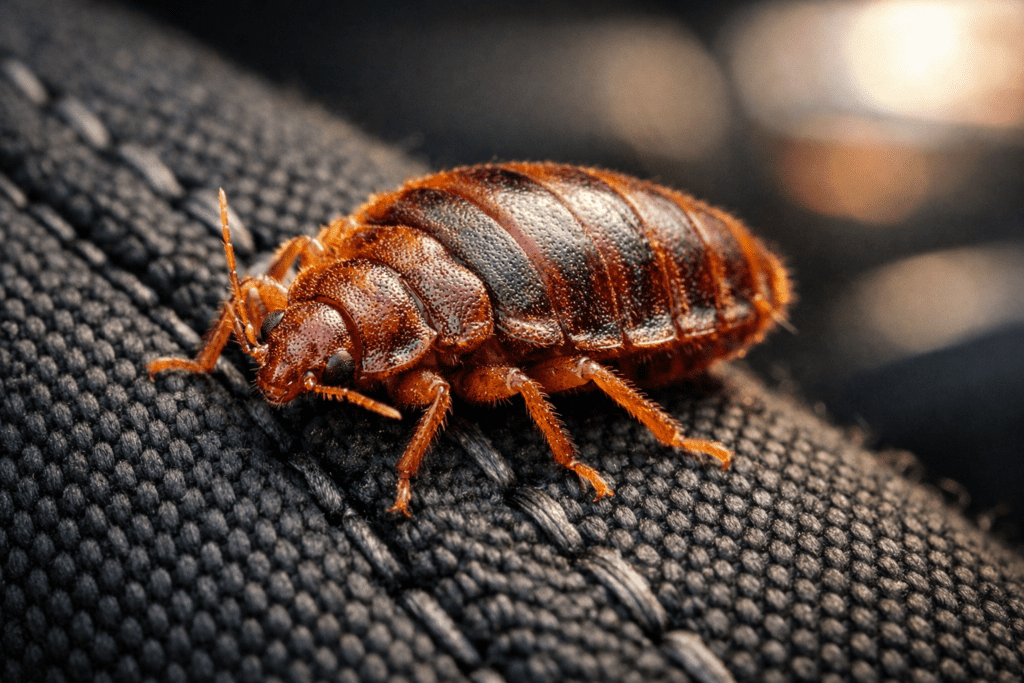
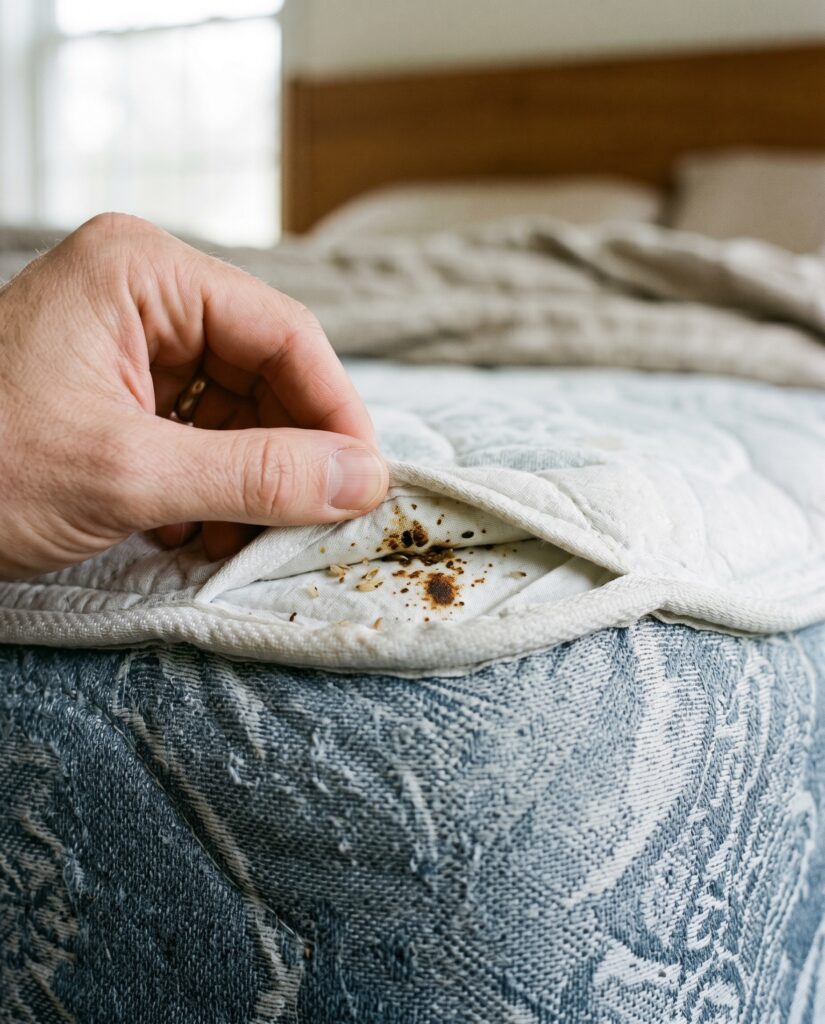
The cover is the second step, not the first. Before you seal anything, find out where the bugs are and knock the numbers down, or you will just be locking a thriving colony into an expensive bag and waiting. Start by inspecting the seams, piping, and tag of the mattress and box spring for the rust-colored fecal spots, pale shed skins, and tiny pearl-white eggs that give them away. The EPA’s guide to finding bed bugs walks through exactly where they hide and what the evidence looks like, and our own walkthrough on identifying an infestation shows the same signs up close.
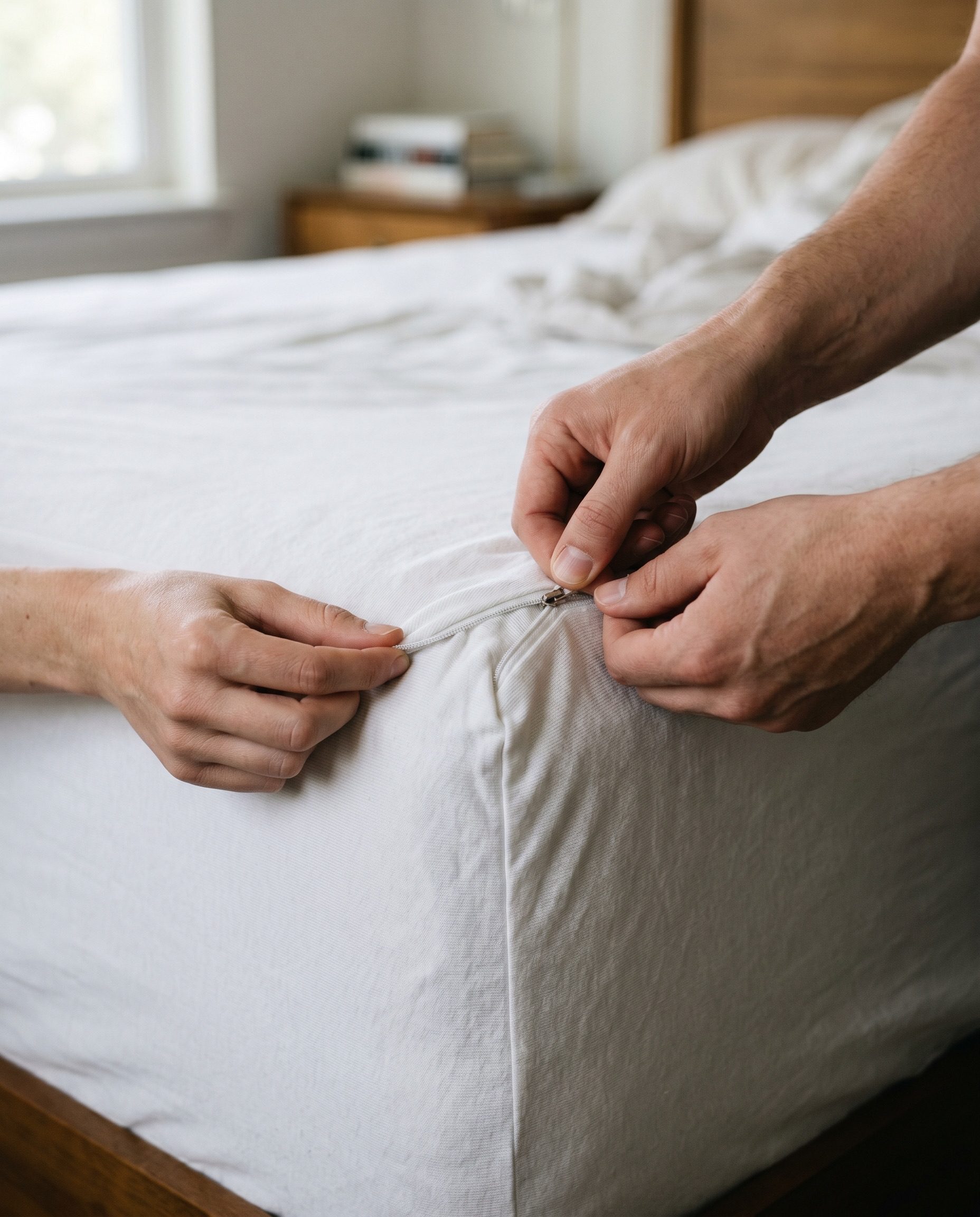
Then do the free heat work. Strip the bed, vacuum the seams and the frame, and run all the bedding through a hot wash and a high-heat dryer cycle. Heat is the cheapest weapon you have against bed bugs, and the EPA’s top tips for controlling bed bugs put laundering and encasements near the top of the list for a reason. Only once the room has been treated and the bedding is clean do you zip the cover on, so it locks down a knocked-back population instead of a full one. The moment that matters is simple: cover on, zipper closed, seam sealed.
Why the zipper beats thread count
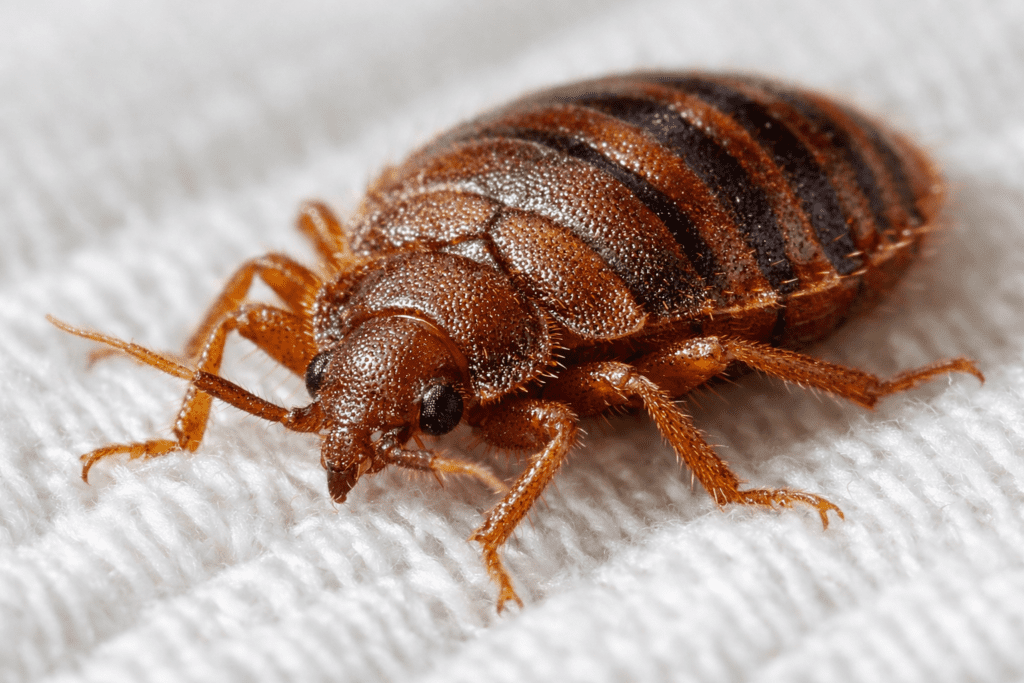
Here is the part the comfort-first roundups get wrong. An encasement is not bedding, it is a containment device, and a containment device is only as good as its weakest opening. Bed bug nymphs are about the size of a poppy seed and the youngest can squeeze through a gap a fraction of a millimeter wide, so an ordinary zipper with normal teeth is a doorway, not a barrier. The whole product lives or dies on the zipper seal. The good covers use a fine micro-zipper plus a flap or sealing mechanism over the zipper end so there is no gap where the slider parks, and that single feature is what earns the “bite-proof” label.
This is also why a plain “mattress protector” is not the same thing. Those are usually fitted sheets with an elastic skirt that wrap the top and sides and leave the bottom open, which keeps spills out but lets bugs walk in underneath. A true encasement is six-sided: it fully encloses the mattress on all six faces and zips shut, so there is no open corner. The University of Kentucky’s bed bug guide lists labeled, bite-proof encasements as a standard control tool precisely because they seal the harborage off completely. If it does not enclose all six sides, it does not count.
And do not let the marketing push you toward replacing the mattress instead. A new mattress in an untreated room gets re-infested within weeks, because the bugs are not just in the mattress, they are in the frame, the baseboards, and the nearby clutter. Sealing the old mattress costs a fraction of buying a new one and actually solves the harborage problem. If you are still early in the fight, our full guide to getting rid of bed bugs covers the room-level work the cover cannot do on its own.
How encasements stack up
When you compare covers, ignore the plush-versus-cool marketing and judge them on the two things that decide whether they work: the seal and the fit. A cover that is too shallow for a deep mattress will not zip, and a cover with a weak zipper will not hold.
| Feature | Why it matters | Watch-out |
|---|---|---|
| Bite-proof micro-zipper | The only entry point; a sealed zipper traps bugs in and keeps new ones out | Open or coarse zippers leave a gap; look for a flap or end seal |
| Six-sided enclosure | Fully wraps the mattress so there is no open corner to crawl under | “Protectors” with an open bottom do not contain anything |
| Correct depth rating | The cover must fit your mattress height to zip fully closed | Measure first; a too-shallow cover will not seal at the seam |
A waterproof layer is a nice bonus that keeps spills and stains out, but it is not what stops bites, so do not pay for waterproofing and skip the zipper. The other quiet decision is the box spring. Bed bugs love a box spring even more than a mattress, so plan to encase both; sealing only the mattress leaves the bigger harborage wide open underneath you.
Installing and living with it
Putting it on is simple, but the timing and the patience are where people slip. Treat the room first, then slide the encasement over a clean, dry mattress, work it down over all six sides, and zip it fully closed so the slider seats against its end seal. Do not unzip it to “check” later, because every opening is a chance for a bug to escape or get in. Encase the box spring the same way at the same time.
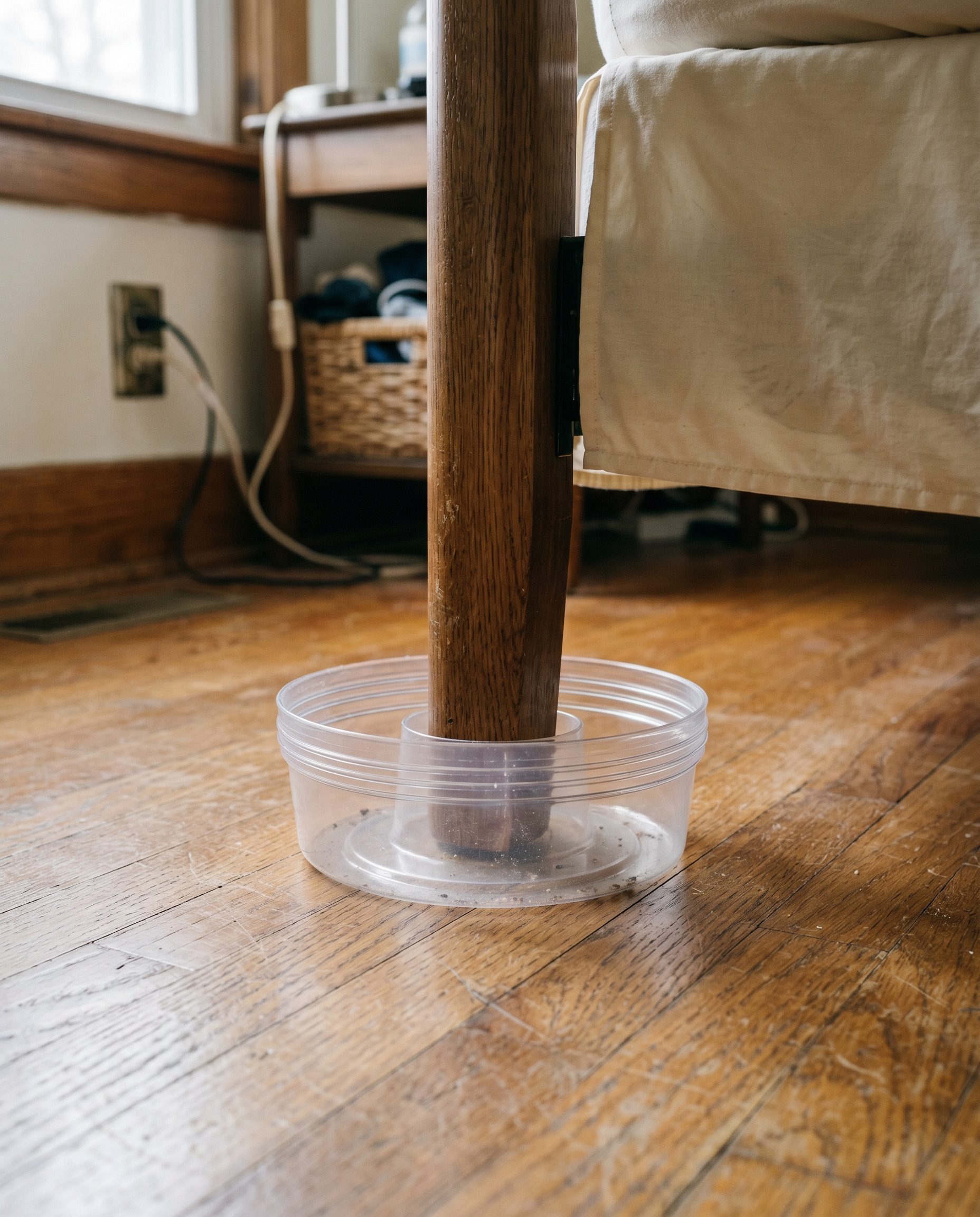
Then the hard part: leave it on. The bugs sealed inside cannot feed, but bed bugs are stubborn survivors, so the cover has to stay zipped long enough to outlast them. Plan on a full year minimum. University of Minnesota Extension’s bed bug guidance recommends pairing encasements with interceptor cups under the bed legs so any survivors trying to climb up get caught and counted, which also tells you whether the fight is really over. Our roundup of the best bed bug traps and interceptors sorts those by where they fit.
One more reason not to rely on the cover alone: sprays are not a shortcut. The EPA notes that pesticide resistance is widespread in bed bugs, so chemicals on their own routinely fail. An encasement is a non-chemical tool that works by physics, not poison, which is exactly why it belongs in every plan. The EPA’s do-it-yourself control sequence puts non-chemical methods like heat and encasements first for the same reason. If the infestation is large or you have fought it for months without progress, that is the point to bring in a licensed pro rather than buying more covers.
The picks
Cards come after the analysis on purpose, because the decision is the zipper and the fit, not the brand on the box. All three below are six-sided zippered encasements; pick by mattress depth and budget.
InsectoGuide is reader-supported. As an Amazon Associate we earn from qualifying purchases at no extra cost to you.
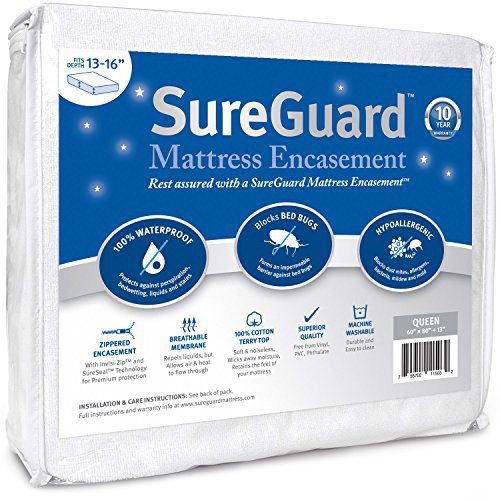
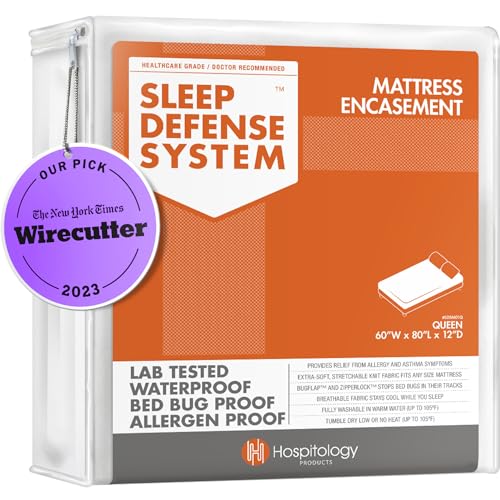
A sealed six-sided cover for deeper mattresses where the zipper is the priority.
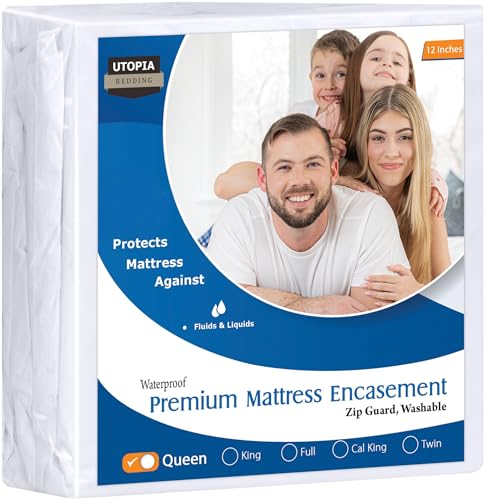
A stretchable cover that fits a range of depths without the premium price.
A low-cost six-sided zippered encasement for covering several beds at once.
Common questions
Does an encasement actually kill the bed bugs inside?
Not on contact, but yes over time. A sealed cover traps the bugs against the mattress with no way to reach you and feed, so they starve. That is why you leave it zipped for at least a year, long enough to outlast even the survivors.
Do I have to leave it on, and for how long?
Leave it on. The trapped bugs are still alive at first, and any gap or unzip undoes the seal. Plan on a full year minimum, and resist the urge to take it off to inspect, because every opening is a chance for escape.
Should I encase the box spring too?
Yes. Bed bugs often prefer the box spring to the mattress, so covering only the mattress leaves the larger harborage open right underneath you. Encase both at the same time for a complete seal.
Is a waterproof cover the same as a bed bug encasement?
No. Plenty of waterproof protectors leave the bottom open and only block spills. A true bed bug encasement is six-sided and zips fully closed with a bite-proof seal, which is what stops the bugs, not the waterproofing.
Can I skip the cover and just buy a new mattress?
You can, but it usually fails. The bugs live in the frame, baseboards, and clutter too, so a new mattress in an untreated room gets re-infested. Treating the room and sealing the old mattress is cheaper and actually fixes the problem.
When should I call a professional instead?
If the infestation is large, spread across multiple rooms, or you have fought it for months with no progress, bring in a licensed pest-control pro. An encasement is one tool in the plan, not a cure for a heavy infestation on its own.
Final verdict
There is no “most comfortable” bed bug encasement worth chasing, because comfort is not the job. Start free by inspecting the seams and running the bedding through high heat, treat the room, and only then zip on a six-sided, bite-proof cover with a tight micro-zipper. Encase the box spring at the same time, pair the bed with interceptor cups, and then leave it all sealed for at least a year so the trapped bugs starve and no new ones get in. Skip the new mattress and the open-corner protectors; neither seals the harborage, and a fresh mattress in an untreated room just gets re-infested. The cover is cheap insurance that does one thing extremely well: it turns your mattress into a trap and keeps it that way.
Pingback: How to Get Rid of Bed Bugs: A Step-by-Step Treatment Plan That Works