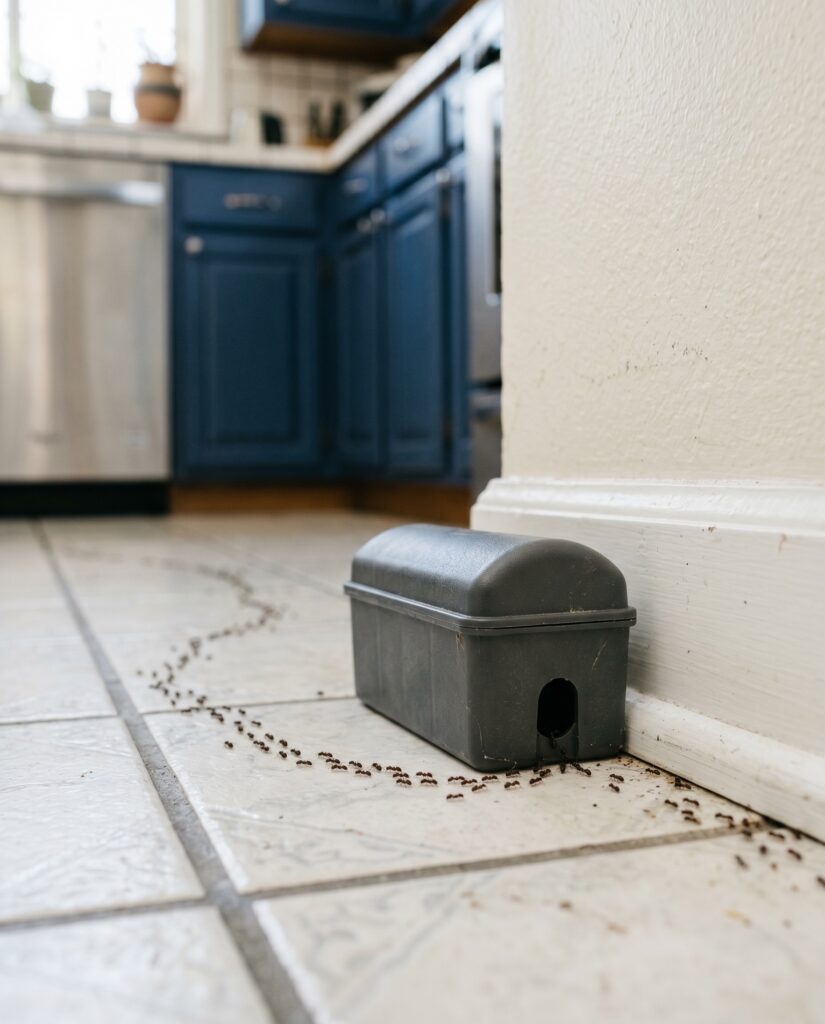
You feel a sharp pinch on your ankle, look down, and see tiny insects swarming your shoe. Are you dealing with ant bites, or something worse like stings from fire ants? Most ants are more nuisance than threat, but a few species can cause intense pain, blistering, or allergic reactions. This guide shows you how to recognize common bite and sting patterns, which ants are most likely to hurt you, and what to do next – from fast first aid to smart control strategies that actually work.
Two neighbouring questions come up here: Red Ants vs Black Ants: Key Differences Explained and Why Do Ants Come Inside? Causes and Prevention.
Quick Answer: Are ant bites dangerous?
Most ant bites are mild and cause brief pain, redness, and itching. The bigger concern is stinging ants (especially fire ants), because venom can trigger pustules and, rarely, anaphylaxis.
Use this quick checklist to decide what you are dealing with:
- Pinch-like bite, no blister: often carpenter ants or other non-stinging ants; usually minor.
- Immediate burning pain + multiple spots at once: common with fire ants; they grab with jaws and sting repeatedly.
- White, pimple-like pustules within 24 hours: classic fire ant sting reaction.
- Large swelling, hives, throat tightness, wheezing, dizziness: possible severe allergy – treat as an emergency.
When to get urgent help: If ant bites or stings come with breathing trouble, facial swelling, widespread hives, or faintness, seek emergency care immediately.
Ant bites vs ant stings: what’s actually happening on your skin?
If you have ever said “an ant bit me” but later noticed a blister, you are not alone. Many painful “bites” are actually stings. Ants use two different tools, and the difference matters for both identification and treatment.
Bite mechanics (mandibles)
A true bite is a pinch from the ant’s jaws. Ants bite to defend themselves, carry food, or hold on while they spray or sting.
Bites typically cause:
- A sharp pinch or tiny scrape
- Mild redness
- Itching that fades within hours to a day
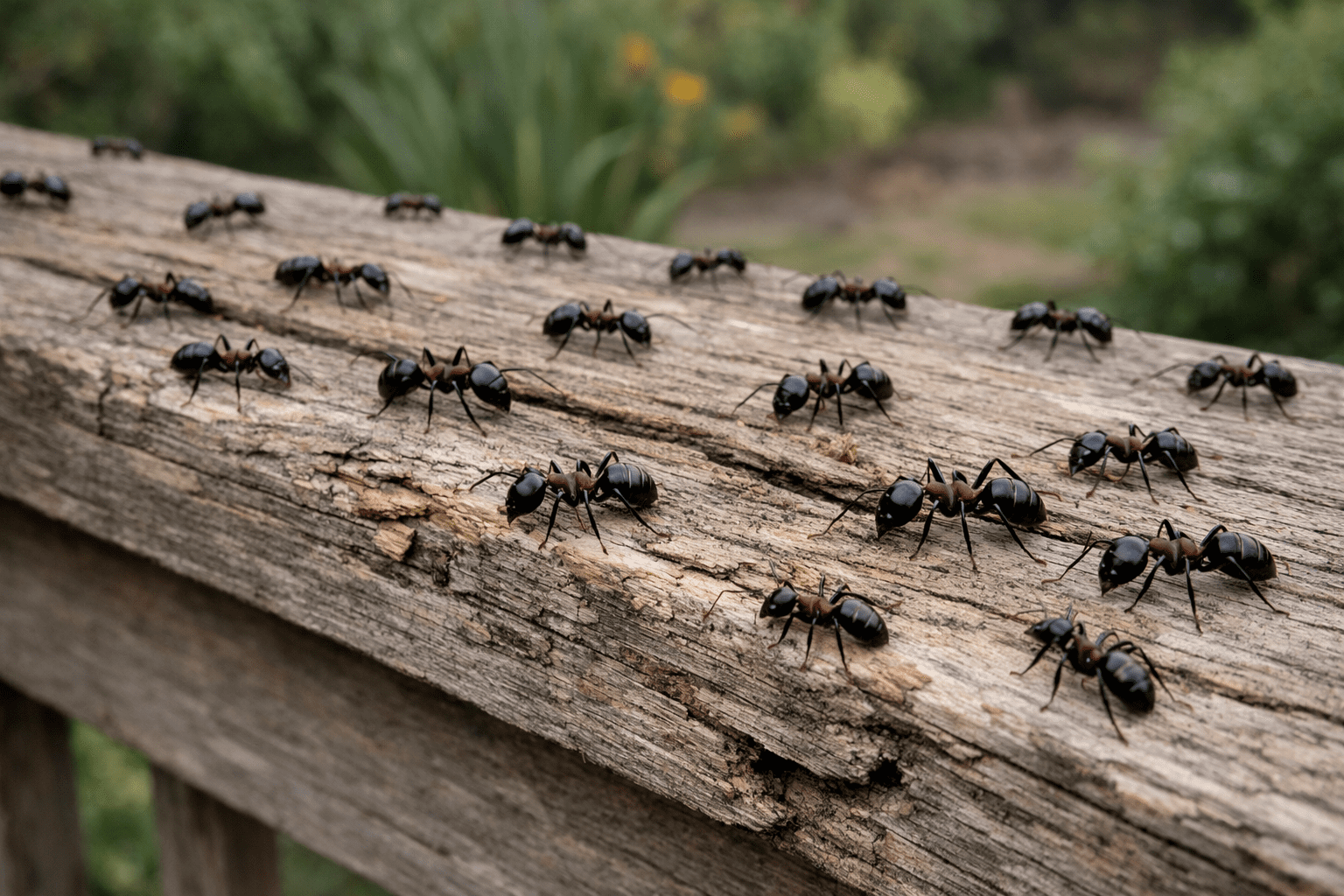
Carpenter ants (Camponotus spp.) are a common example. They can bite if trapped against skin, but they do not inject medically important venom. The bigger issue with carpenter ants is not your skin – it’s the wood they excavate indoors. If you suspect them in a wall or window frame, see our guide to Best Carpenter Ant Treatments and Baits: Complete Guide.
Sting mechanics (venom injection)
Stinging ants have a stinger at the tip of the abdomen. Some species also bite first to anchor themselves, then sting repeatedly like a sewing machine needle.
Stings are more likely to cause:
- Immediate burning pain
- Multiple lesions clustered together
- Blisters or pustules (species-dependent)
- Allergic reactions in sensitive individuals
A good rule: If you have multiple painful bumps that appeared quickly, think “stings,” not bites.
Quick comparison table (bite vs sting)
| Clue | More like a bite | More like a sting |
|---|---|---|
| Sensation | brief pinch | burning, sharp pain |
| Number of spots | usually 1-2 | often many, clustered |
| After-effect | mild redness/itch | welts, pustules, intense itch |
| Main risk | skin irritation | allergy, secondary infection |
Practical takeaway: When people search ant bites, they often need sting guidance. Treat unknown painful clusters as stings until proven otherwise.
Dangerous ant species: which ones cause the worst reactions?
Hot Shot Bed Bug and Flea Killer, 1 Quart
This product is relevant as it can help control ant populations, including fire ants, around the home, which is a concern mentioned in the article.
Most of the world’s 12,000+ ant species will not seriously harm humans. The ants that do cause trouble usually share three traits: they defend aggressively, they sting (or spray irritating chemicals), and they show up where people step, sit, or garden.
Below are the species most often linked with severe pain or medical emergencies. The goal is not fear – it’s recognition and prevention.
High-risk ants in the United States
Red imported fire ant (Solenopsis invicta)
Fire ants are the top cause of serious ant sting incidents in much of the southern U.S. They build soil mounds in lawns, pastures, and field edges, and they respond fast when disturbed. Some estimates commonly cited in pest and public health summaries suggest tens of millions of stings annually in the U.S., with deaths tied to anaphylaxis rather than venom dose. Overviews like the report from the USDA Forest Service on invasive ants explain how invasive species expand and increase human contact.
Maricopa harvester ant (Pogonomyrmex maricopa)
In the desert Southwest, harvester ants can deliver extremely potent venom. Encounters are less common because these ants are not typically household invaders, but stepping near nest entrances in dry, open ground can lead to stings.
Asian needle ant (Brachyponera chinensis)
This invasive stinging ant has spread in parts of the Southeast. It is not as notorious as fire ants, but it can cause painful stings and allergic reactions in some people.
High-risk ants outside the United States
Bulldog ants (Myrmecia spp., Australia)
Large, visual hunters with painful stings. Severe allergic reactions have been documented, including rare fatalities.
Jack jumper ant (Myrmecia pilosula, Australia/Tasmania)
A well-known trigger for anaphylaxis in sensitized individuals, especially in Tasmania.
Bullet ant (Paraponera clavata, Central and South America)
Famous for extreme pain lasting many hours. It is not known as a common cause of death, but it can cause intense systemic symptoms.
“Big ant” does not always mean “most dangerous”
Carpenter ants can be large (up to about 20 mm in some species), but they are not usually a medical concern. Meanwhile, small fire ants can cause more harm because they sting in groups.
Visual checklist for risky species:
- Multiple stings at once (swarming behavior)
- Known stinging ants in your region
- Mounds in lawns or play areas
- History of allergies to bees/wasps/ants
What ant bites and stings look and feel like (with a fast ID checklist)
Ortho Home Defense Insect Killer for Indoor & Perimeter, 1 Gallon
This insect killer is useful for treating areas where ants, including carpenter ants, may be nesting or entering the home, aligning with the article’s focus on ant control.
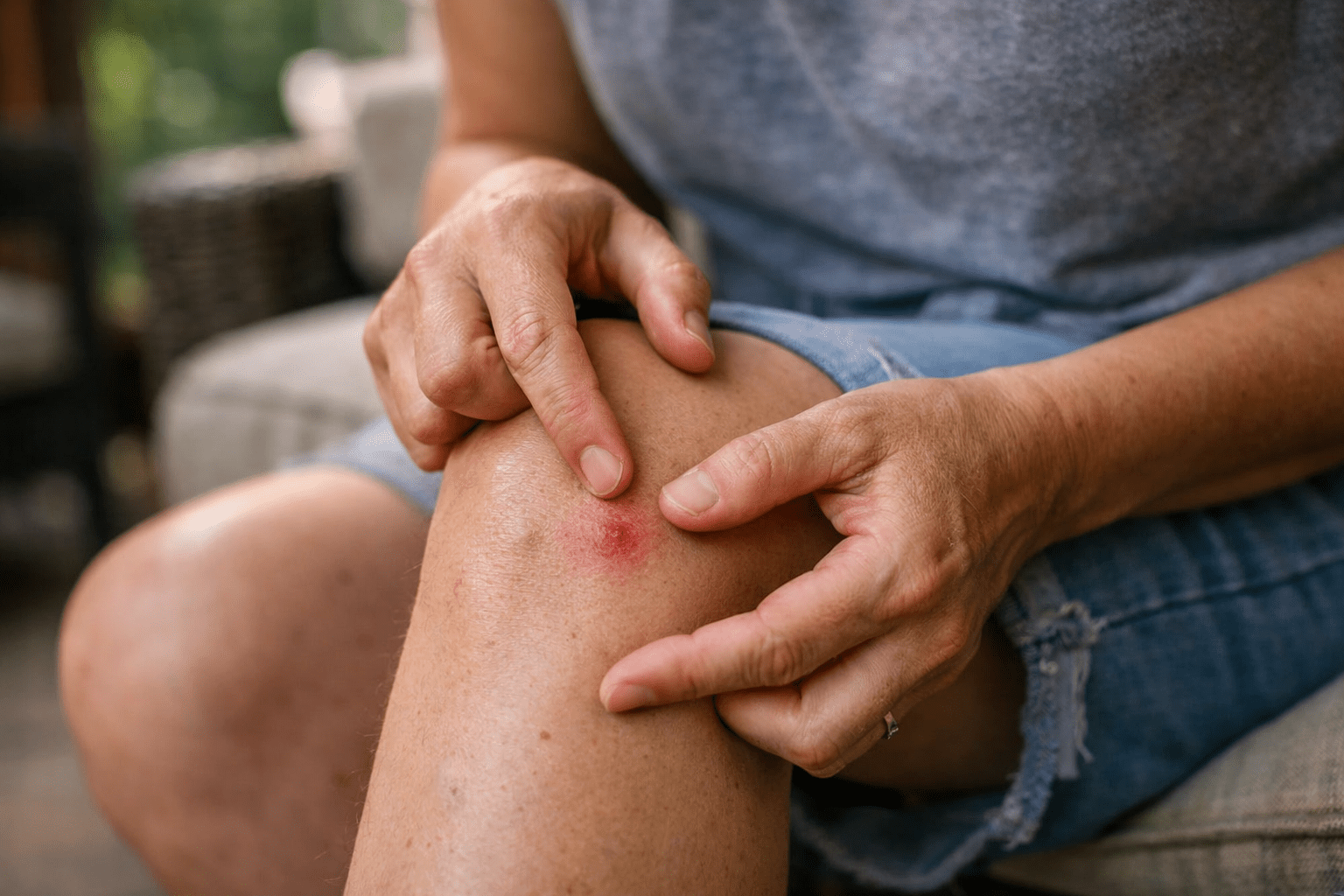
Skin reactions vary by species and by your immune system. Two people can be stung by the same ant and show very different results. Still, a few patterns are consistent enough to help you narrow it down quickly.
Typical symptoms by type
Use this chart as a practical field guide.
| Likely cause | Timing | Common look | Common feeling | Notes |
|---|---|---|---|---|
| Mild ant bite (non-stinging ants) | minutes | small red spot | mild itch, brief pinch | often single lesion |
| Fire ant sting | minutes to hours | red welt then white pustule | burning, intense itch | pustules often peak within 24 hours |
| Harvester ant sting | minutes | swelling, redness | sharp pain | usually from stepping near nests |
| Allergy (any stinging ant) | minutes to 2 hours | hives, widespread swelling | throat tightness, wheeze, dizziness | medical emergency |
The “pustule clue” for fire ants
Fire ant stings often produce a sterile, white, pimple-like pustule. It can look like acne, but it is a venom reaction, not a normal infection.
What to do:
- Do not pop it. Popping increases infection risk.
- Keep it clean and protected if clothing rubs.
Common lookalikes
Not every itchy bump is an ant.
Consider alternatives if:
- Bites appear in lines after sleeping: bed bugs are possible.
- Bites are concentrated at sock lines after walking in grass: chiggers or fleas.
- You have a single large welt with a visible puncture: wasp/bee sting or spider bite (rare, but possible).
If you are comparing multiple culprits, our visual guide Mosquito Bites vs Bed Bugs, Fleas, Spiders & Ticks helps you sort patterns by timing and location.
Quick self-check questions
- Were you near a soil mound, garden bed, or sandy patch?
- Did you feel immediate burning, or just a pinch?
- Are there many bumps clustered together?
- Did pustules form by the next day?
Practical takeaway: Clusters + burning + pustules strongly suggest fire ant stings, even if you never saw the ants clearly.
First aid for ant bites and stings (and when to go to the ER)
Terro Ant Killer Liquid Ant Baits, 12 Baits
These ant baits are specifically designed to attract and kill ants, making them a practical solution for readers dealing with ant infestations as discussed in the article.
Most reactions can be handled at home, but the first few minutes matter. The key is to stop additional stings, calm inflammation, and watch for allergy signs.
Step-by-step first aid (simple and effective)
- Move away from the nest area. Fire ants can keep climbing and stinging.
- Brush ants off quickly. Do not crush them against skin.
- Wash with soap and water. This reduces irritation and infection risk.
- Cold compress 10-15 minutes. Repeat as needed for pain and swelling.
- Itch control options:
- 1% hydrocortisone cream
- Oral antihistamine (follow label directions)
- Calamine lotion for oozing or irritation
What not to do
- Do not pop fire ant pustules.
- Avoid harsh “home remedies” that irritate skin (strong acids, bleach, or undiluted essential oils).
Signs of infection vs normal healing
Some redness and tenderness is normal for 1-3 days. Seek medical advice if you notice:
- Increasing warmth, spreading redness, or pus
- Fever
- Red streaking away from the lesion
When ant bites become an emergency
Call emergency services or go to urgent care immediately if you have:
- Trouble breathing or swallowing
- Swelling of lips, tongue, face, or throat
- Widespread hives
- Vomiting, dizziness, or fainting
These are classic signs of anaphylaxis, the same life-threatening allergic pattern seen with bees and wasps. Public health resources like the USDA Forest Service invasive ant publication also highlight that severe outcomes are typically allergy-driven, not from venom “overdose.”
Practical takeaway: If you have had systemic reactions before, ask your clinician about carrying epinephrine and whether venom immunotherapy is appropriate.
Preventing ant bites around your home and yard (plus control that works)
Prevention is mostly about reducing surprise encounters and controlling colonies the right way. Spraying a few visible ants often fails because the colony remains intact.
Avoidance habits that reduce stings fast
If you live in fire ant country or hike in dry habitats:
- Wear closed-toe shoes in lawns, parks, and trail edges.
- Teach kids to avoid soil mounds and bare patches of disturbed ground.
- Check picnic blankets and pet bedding before sitting or lifting.
- After yard work, inspect ankles and pant cuffs before going indoors.
The smartest way to control stinging ants: bait first
For many ant problems, baits outperform contact sprays because workers carry the toxicant back to the colony. This is especially important for fire ants and large, established infestations.
If you are choosing products, start here:
- Best Ant Killers & Baits: Complete Buyer's Guide for a practical overview of bait types and use cases.
- For fire ant mounds specifically, see Best Fire Ant Killers for Yards: Mound Treatments for mound-targeted options and timing tips.
Yard strategy: broadcast bait + mound treatment (when needed)
A common approach used in integrated pest management is:
- Broadcast bait across the yard when ants are actively foraging (often warm, not rainy days).
- Treat problem mounds individually if they threaten high-traffic areas like play sets, walkways, or dog runs.
- Reassess in 7-14 days and repeat based on label directions.
Indoor ant issues: fix the “why,” not just the ants
Ants usually come inside for one of three reasons: food, water, or nesting space.
Action checklist:
- Seal food in hard containers and wipe sugary residues.
- Fix leaks and reduce humidity under sinks.
- Caulk entry points around baseboards and pipe penetrations.
- Trim vegetation touching the house to reduce ant “bridges.”
When to call a professional
Professional help is worth it when:
- You have recurring fire ant mounds despite baiting
- Stinging ants are near medically vulnerable people
- Carpenter ants suggest hidden moisture damage (a structural issue, not just pests)
Practical takeaway: The best prevention is a combination of smart yard habits and colony-level control, not repeated spot-spraying.
Conclusion: treat most ant bites as minor, but respect stinging species
Most ant bites are brief and harmless, but stinging ants like fire ants can cause painful clusters, pustules, and rare allergic emergencies. Use the pattern clues – burning pain, multiple lesions, and next-day pustules – to identify likely fire ant stings. Clean the area, control itching, and watch closely for allergy symptoms.
If ants are becoming a repeat problem, move from quick fixes to colony control with baits and targeted mound treatments. For next steps, compare options in Best Ant Killers & Baits: Complete Buyer's Guide and, if you suspect structural nesting, use Best Carpenter Ant Treatments and Baits: Complete Guide to protect your home.
As an Amazon Associate, I earn from qualifying purchases. Product recommendations are based on real reviews and independent research.